Part III. Pokhara.
We head to the city of Pokhara. It is the third most populous city in Nepal. About 300,000 people live here. Pokhara is located at an elevation of 820 meters above sea level (400 meters lower than Kathmandu) in a large valley on the shore of Phewa Lake, so the climate here is warmer.
Pokhara is approximately 200 kilometers from Kathmandu, at the foot of the Annapurna-Dhaulagiri mountain range. Therefore, it is very popular among tourists, as a number of trekking routes in the Annapurna region start from this city.
You can get to Pokhara by plane or bus. By plane, it’s not cost-effective—about $100 one way. The bus is cheaper, just $10, but longer. We chose the second option. The bus from Kathmandu to Pokhara departed at 7 a.m. from the bus station in the city center. Tickets can be purchased from the hotel administrator. We had about 6 hours of travel on serpentine roads and paths, to put it mildly, of not the best quality. But fortunately, tourist transportation is usually carried out on comfortable buses with air conditioning.
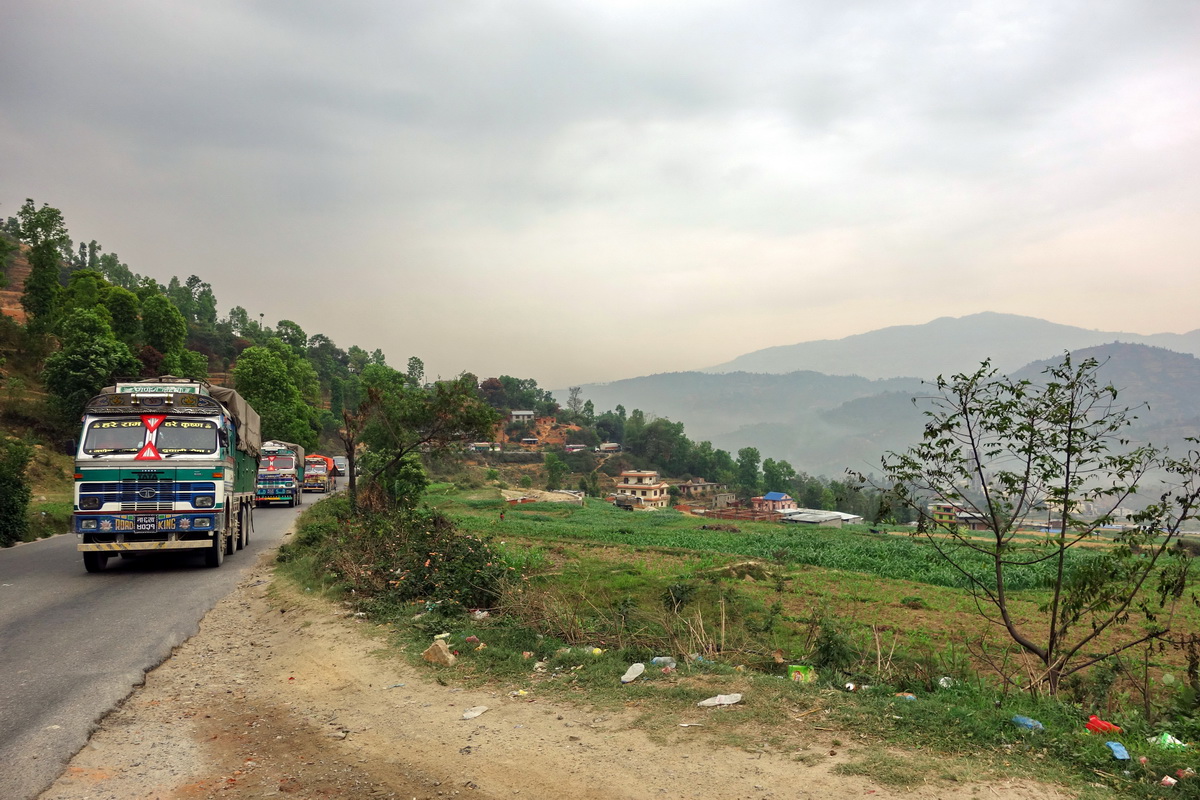
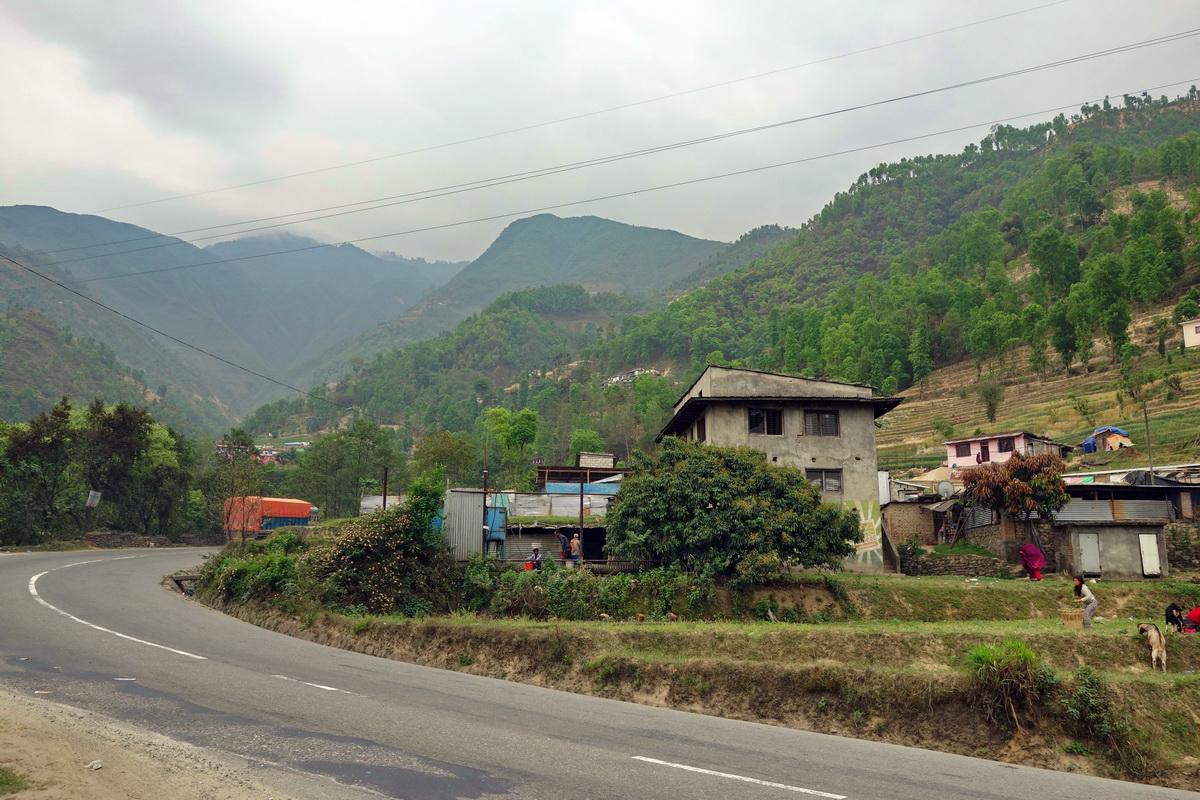
Approximately every 2 hours, the driver made stops near local cafes and kiosks where you could grab a bite of something Nepalese.
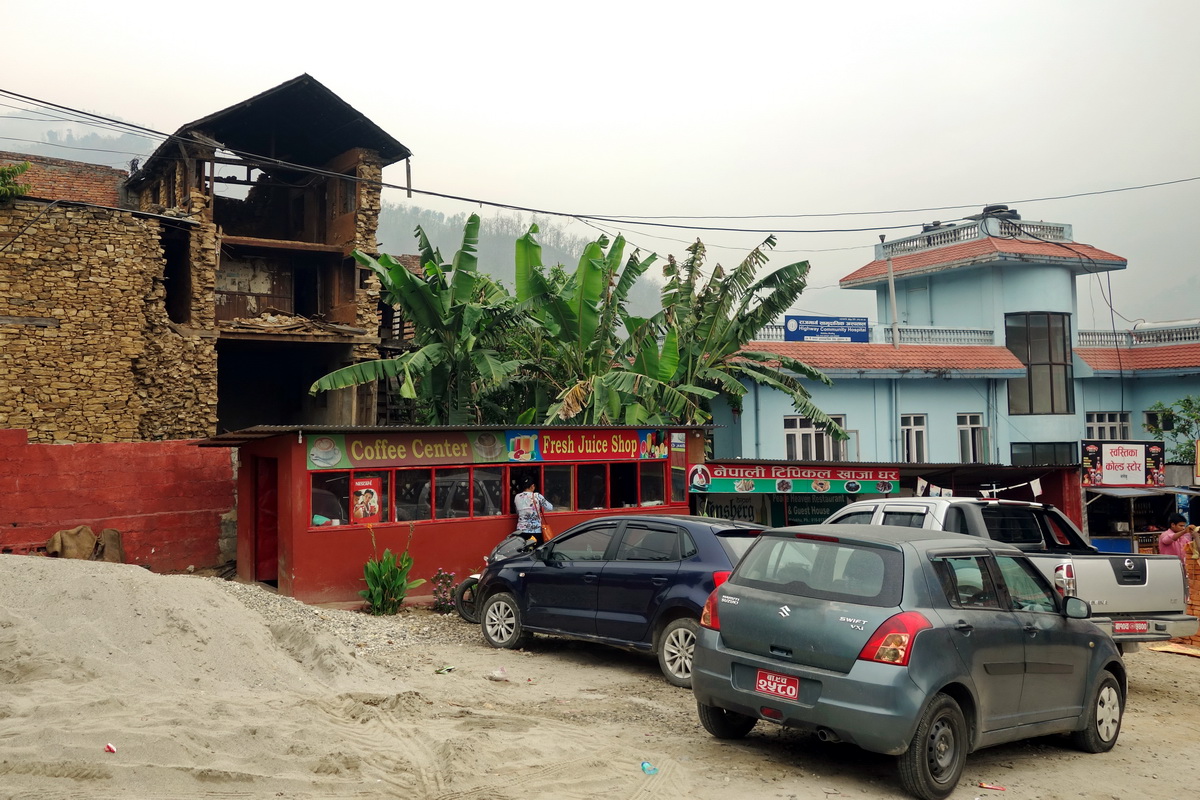
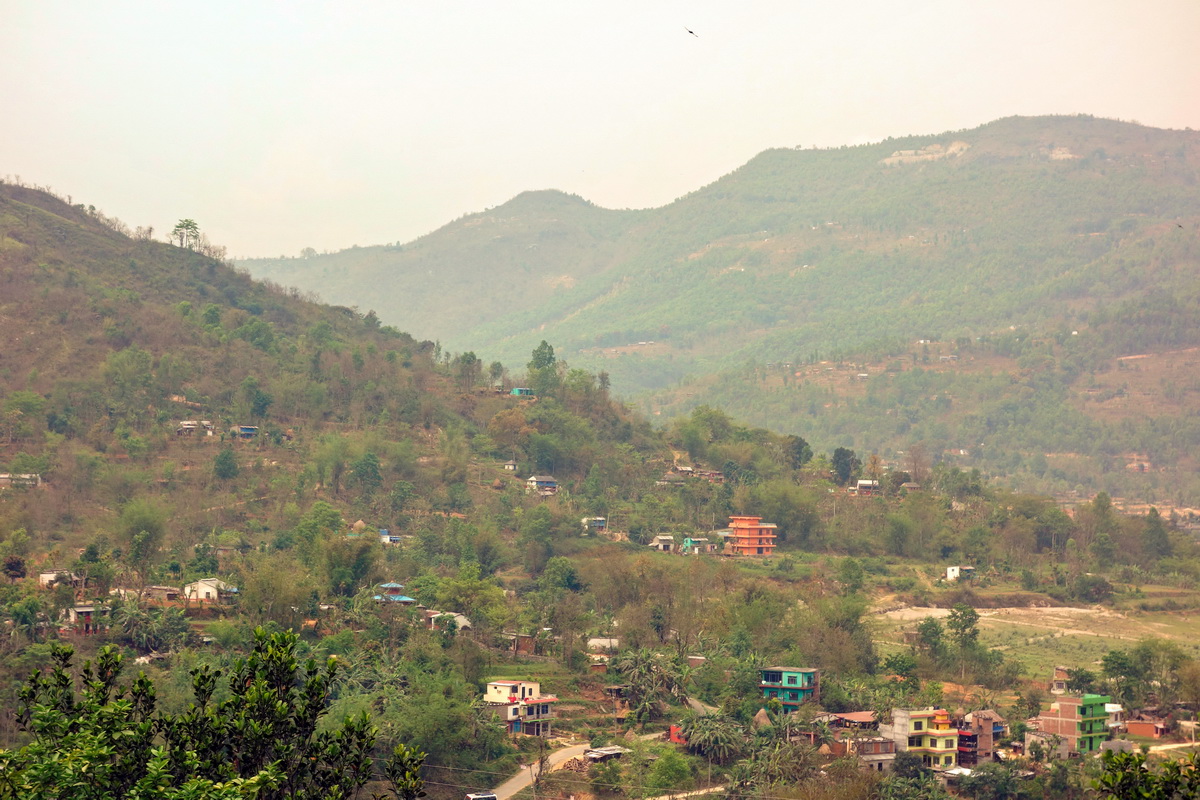
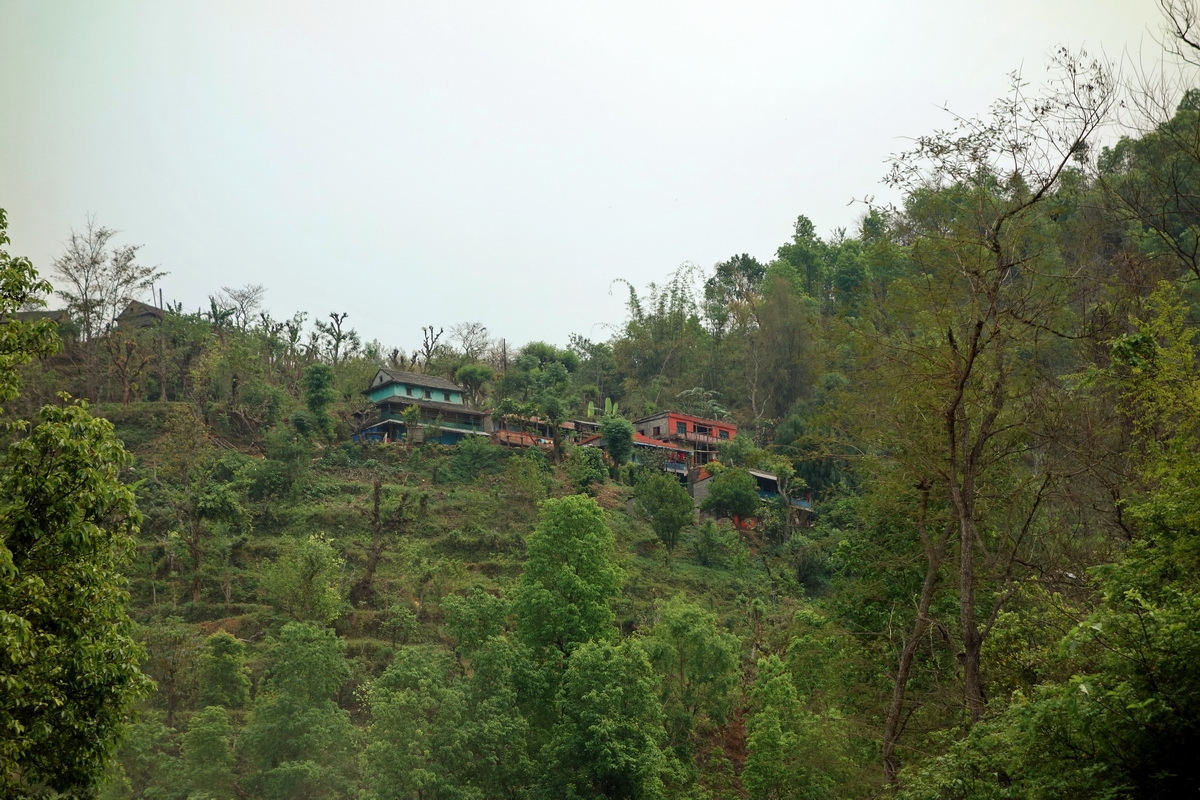
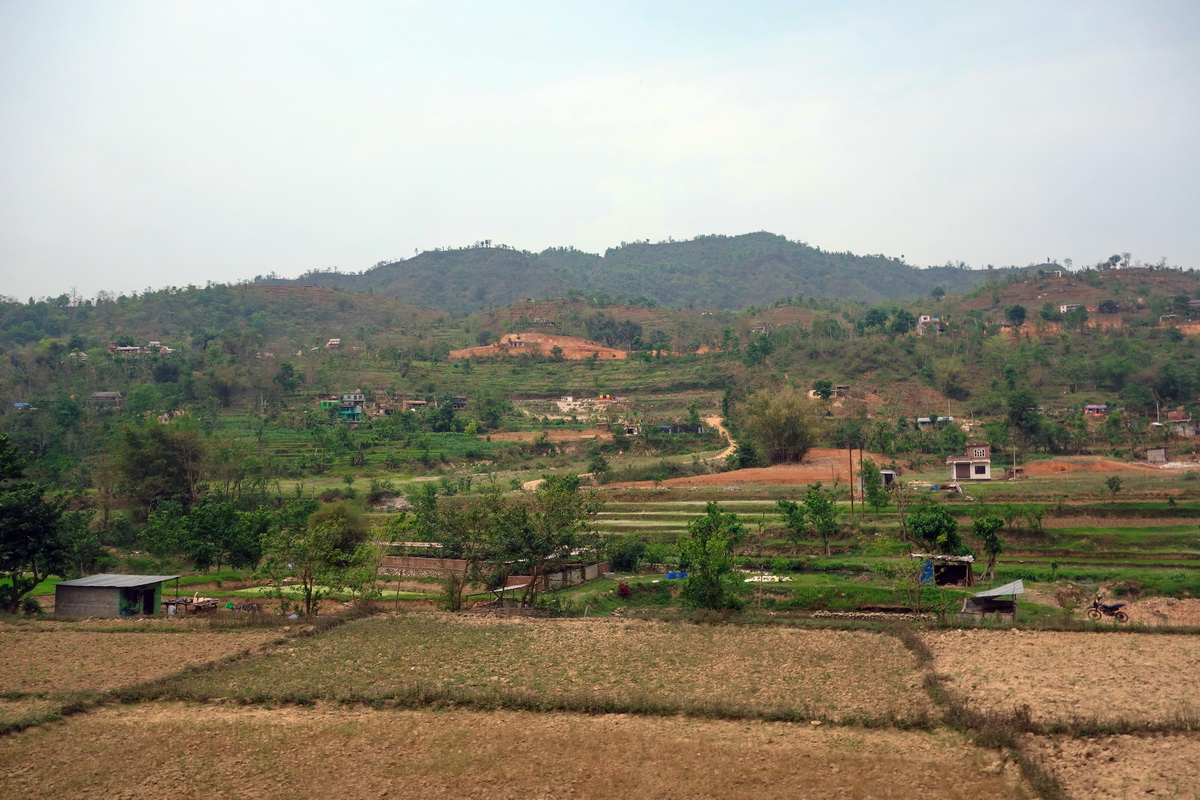
On the way to Pokhara, villages, modern terraces, ruin-like buildings, dry riverbeds, and picturesque landscapes flashed by the bus window. The closer we got to Pokhara, the brighter the landscape filled with tropical colors and greenery.
Advertisements for “Ruslan” vodka are very common throughout Nepal.
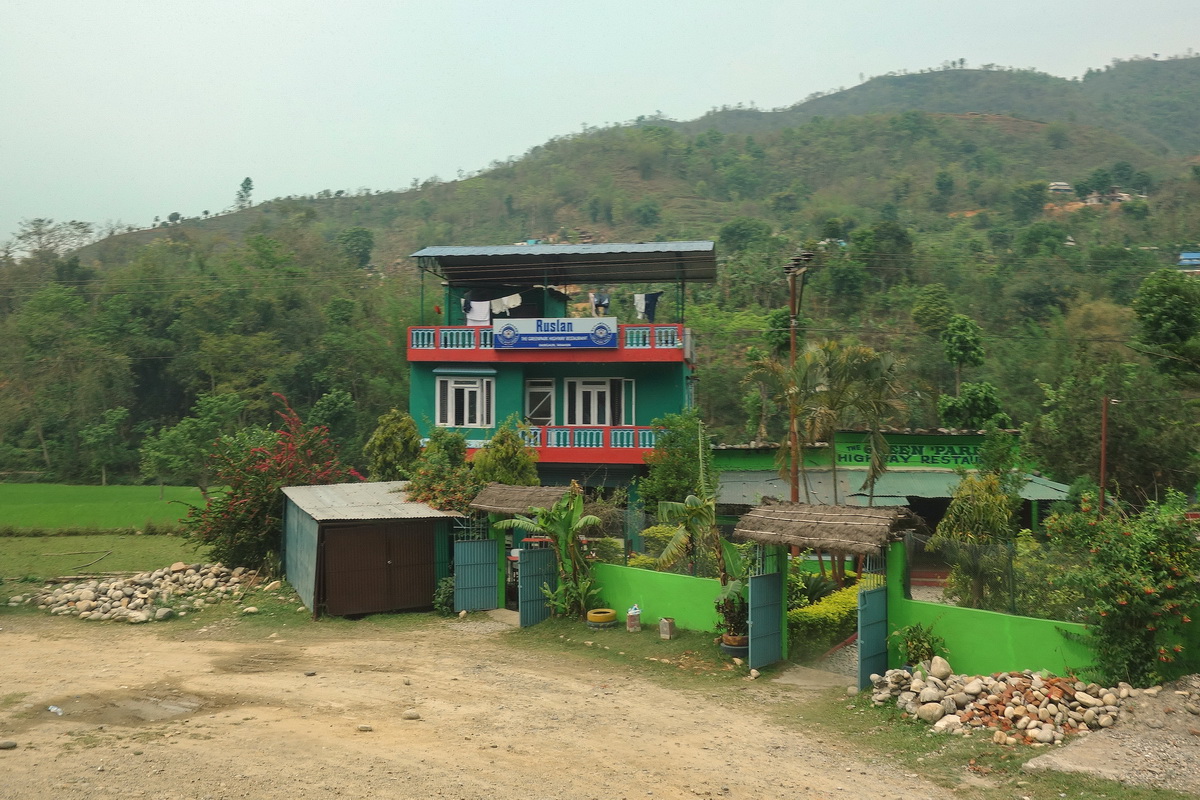
We arrived. The trip actually took not 6, but 9 hours, and we were in Pokhara at 4 p.m.
The bus station in Pokhara. In the background, you can slightly see the snow-covered peaks of mountains with eight-thousanders. By the way, from Pokhara, you should have views of three peaks—Dhaulagiri, Annapurna, and Manaslu. It’s a shame, but only with sufficiently clear weather can you properly observe such beauty.
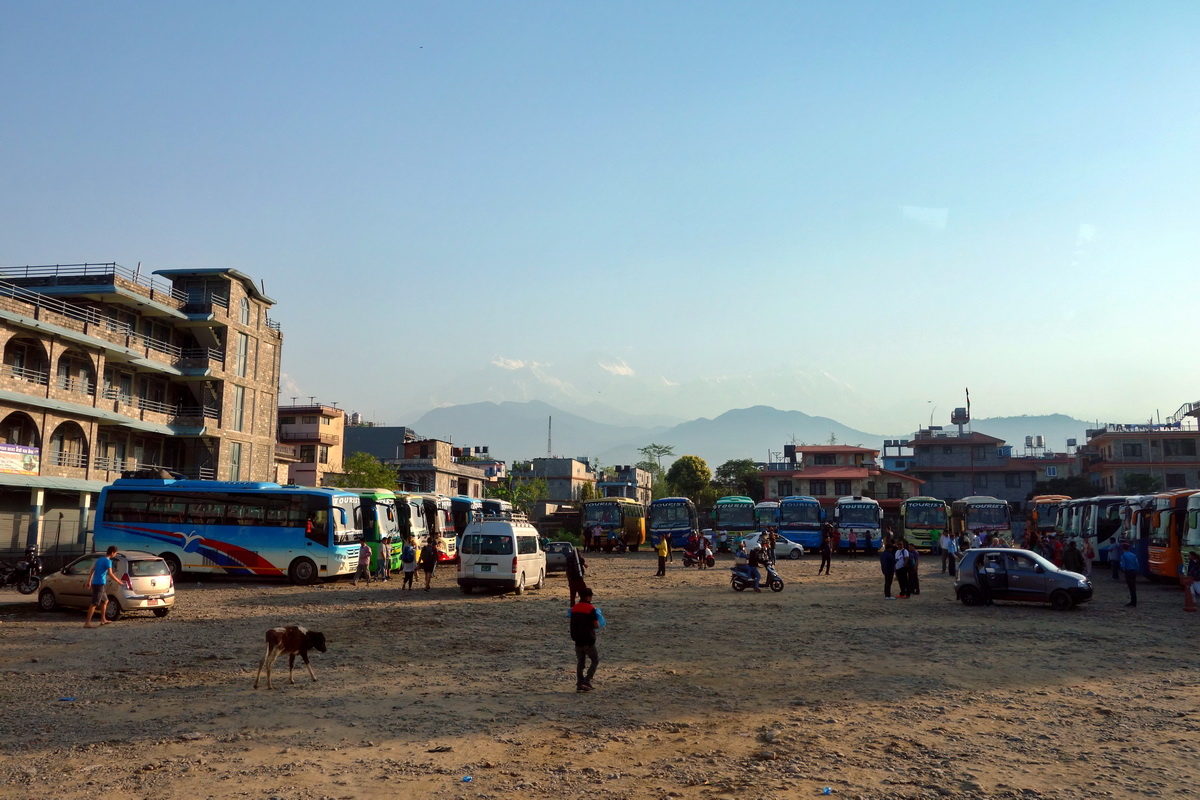
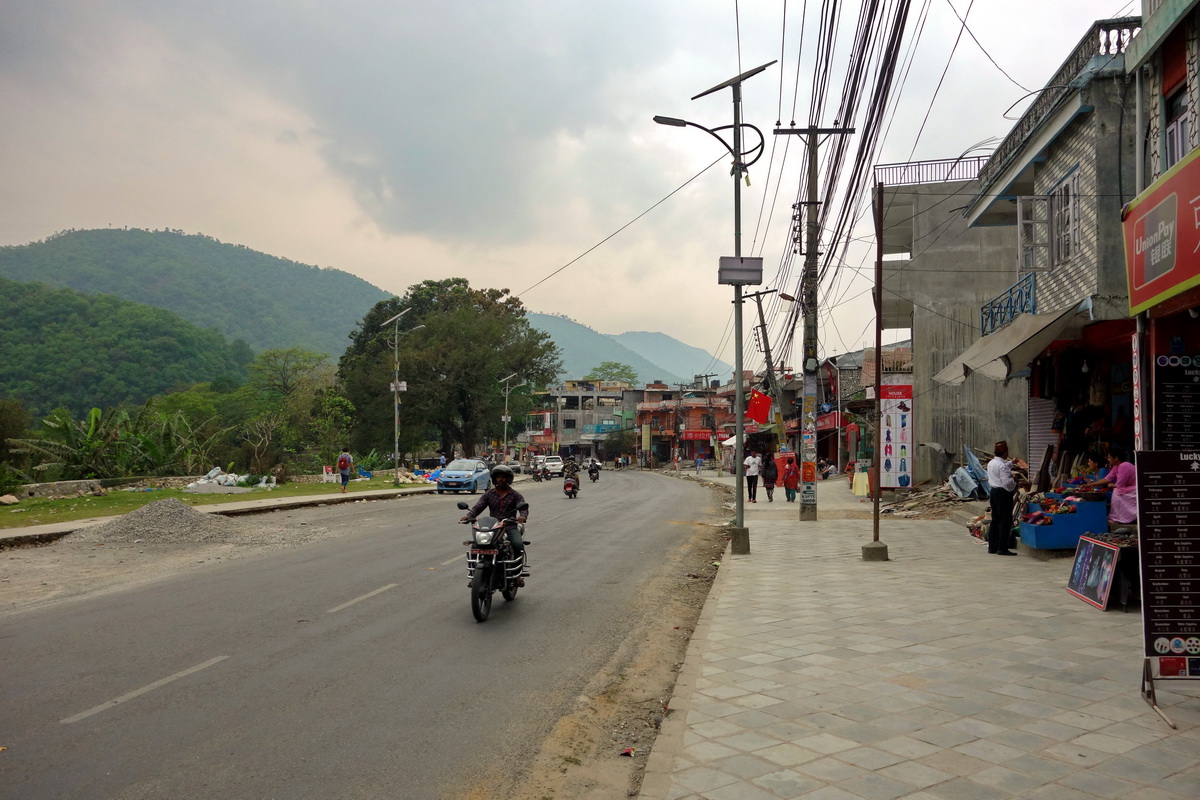
As soon as we got off the bus, we were “surrounded” by quick-witted taxi drivers offering their services, but we decided to walk the couple of kilometers to our hotel and get acquainted with the city, especially since it wasn’t far, about 2 kilometers.
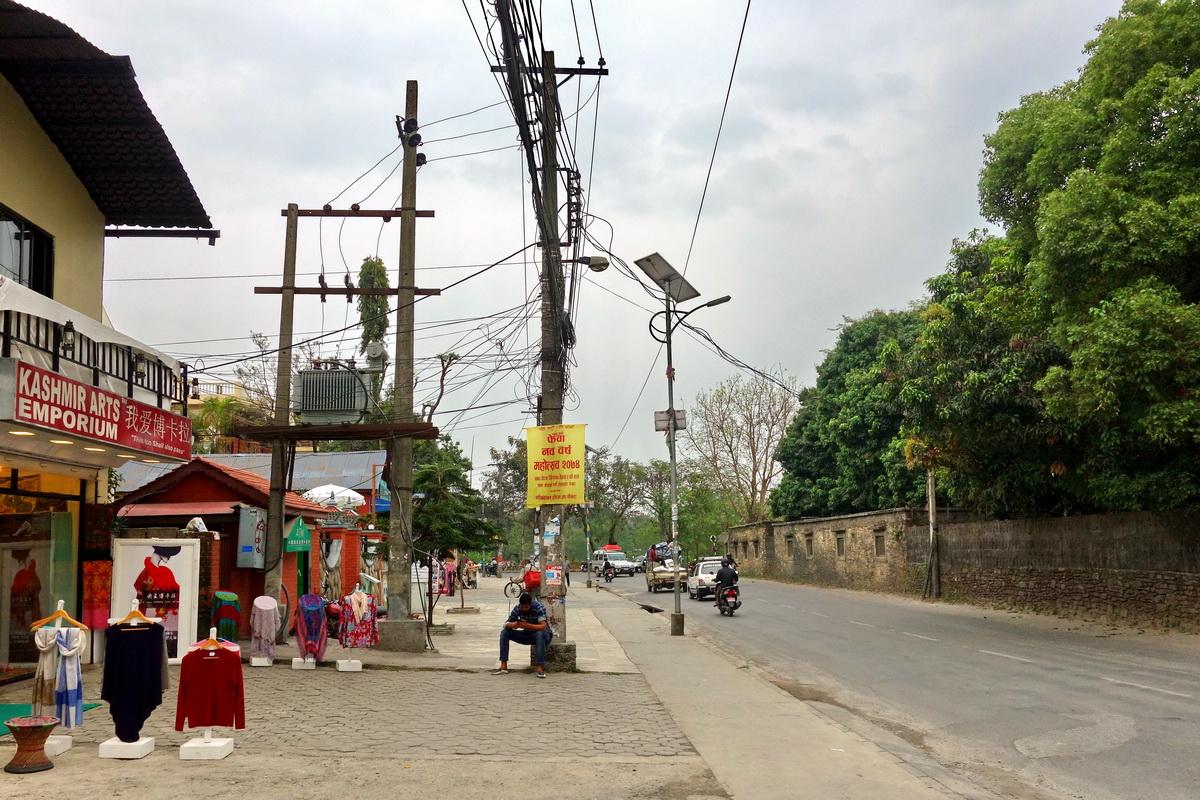
It must be said that Pokhara differs greatly from Kathmandu. The first thing that catches the eye is that it’s quiet here, without the noise of car and motorcycle horns like in Kathmandu. There are also significantly fewer people and vehicles. And most importantly—no smog and dust like that.
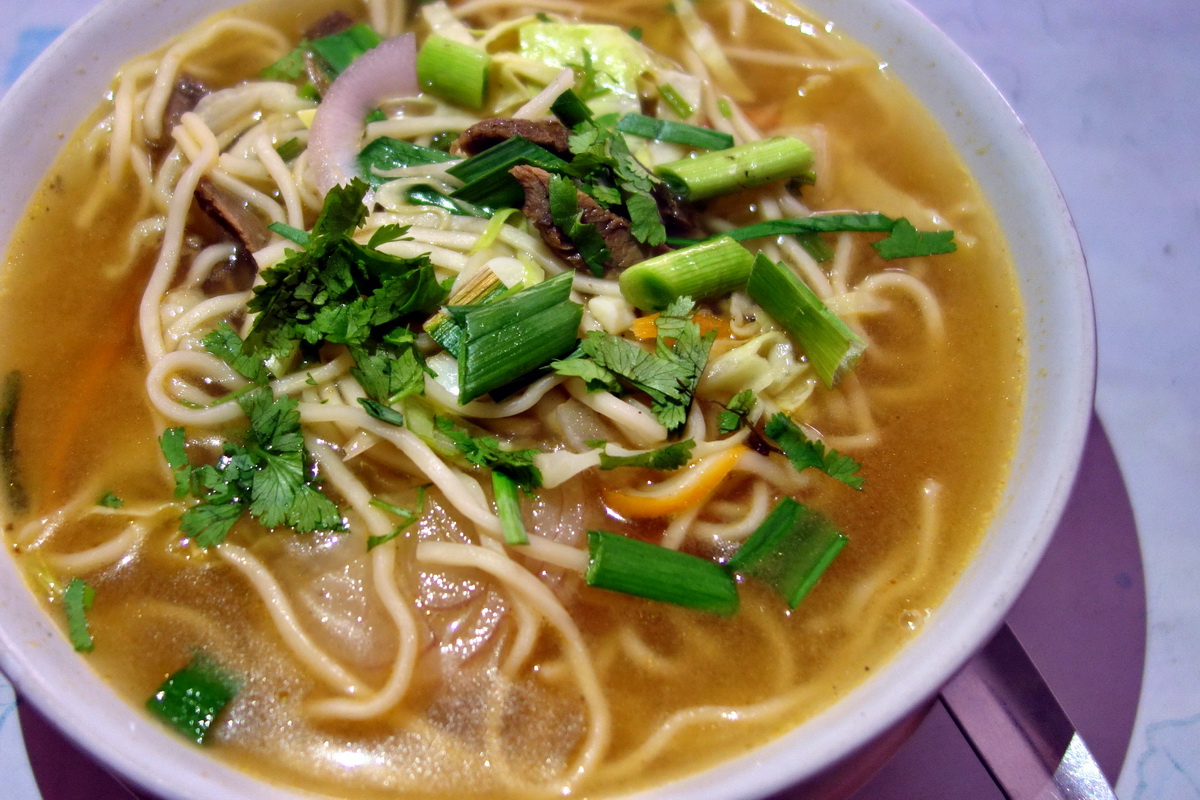
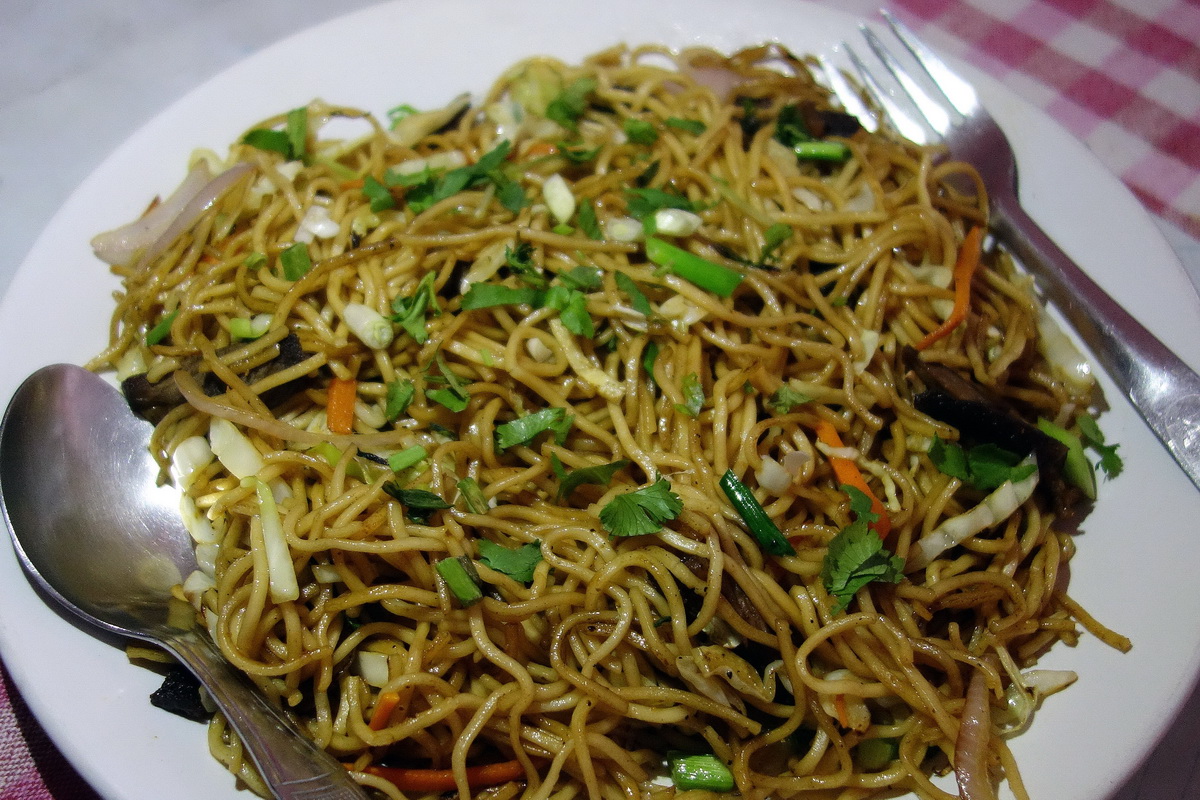
Hungry from the road, we’ll stop at a small restaurant to grab local dishes—thukpa and chow mein. Interestingly, the composition of these dishes is absolutely identical: in the first case, it’s soup with noodles, vegetables, and meat, and in the second—it’s the same, just without water :) By the way, this is the only establishment where, at our request, they brought truly non-spicy dishes. We had lunch with pleasure.
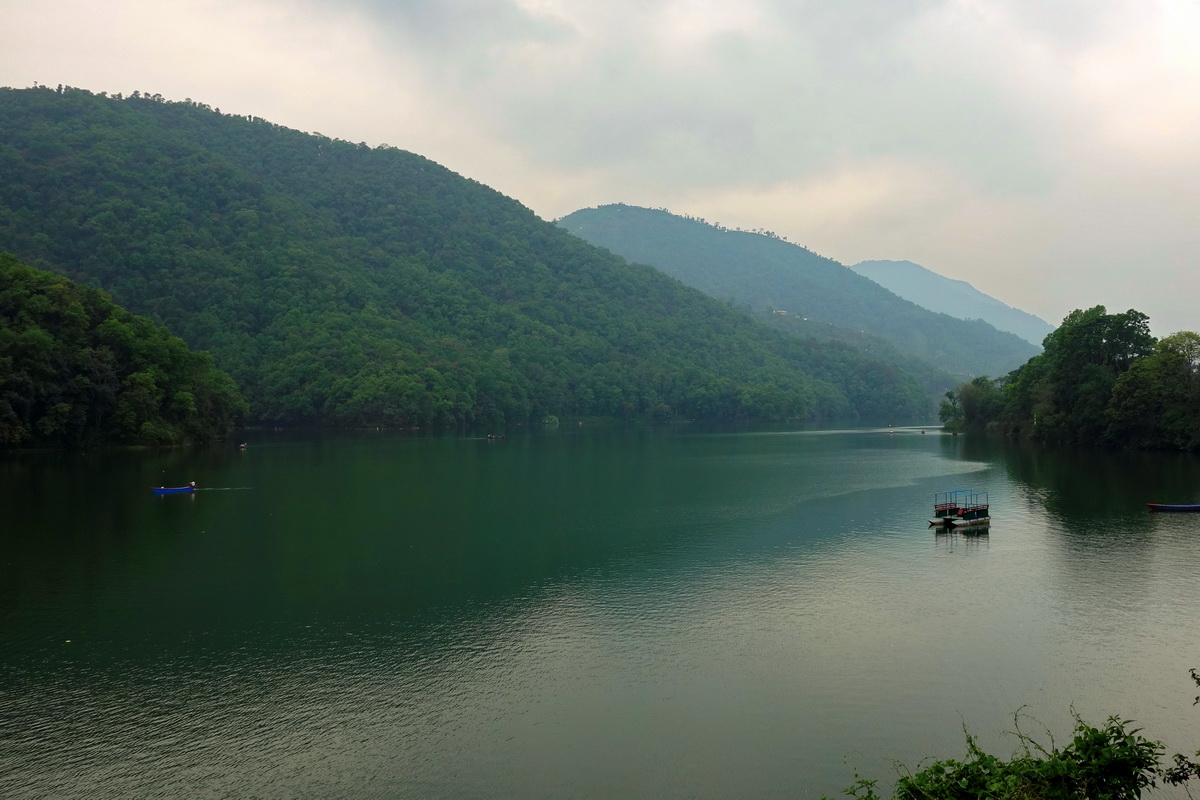
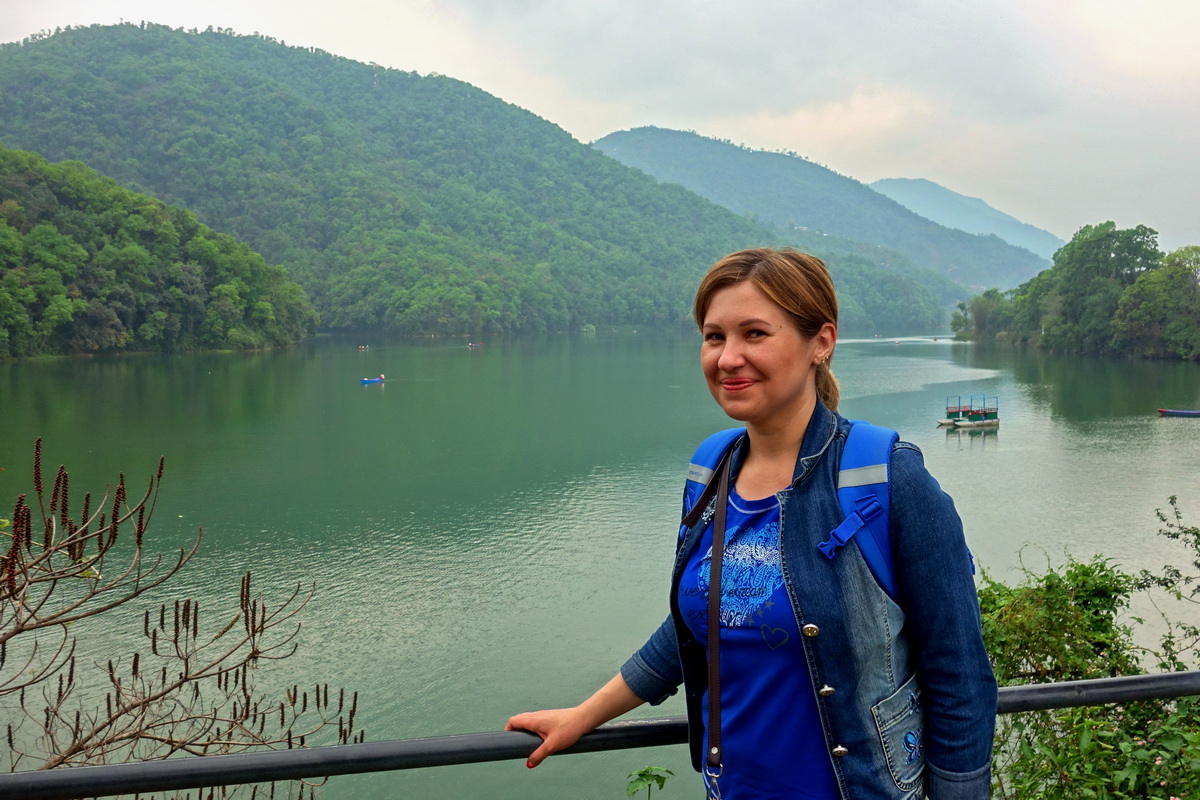
We continue. It can be said that the main attraction of Pokhara is Phewa Lake. It is the second largest lake in Nepal. On the northern shore of the lake is the Lakeside district, where tourist infrastructure is concentrated—hotels, restaurants, travel agencies, supermarkets, gear stores, and souvenir shops. Our hotel was located right in the center of Lakeside.
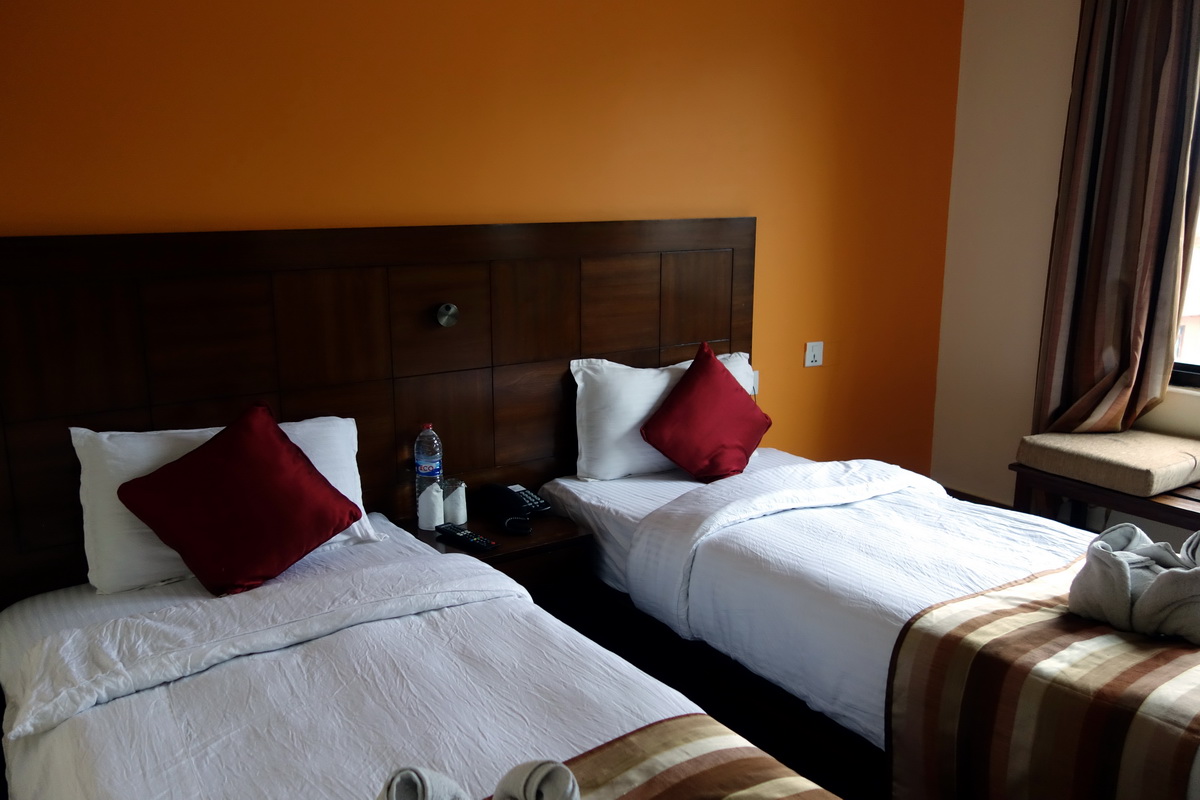
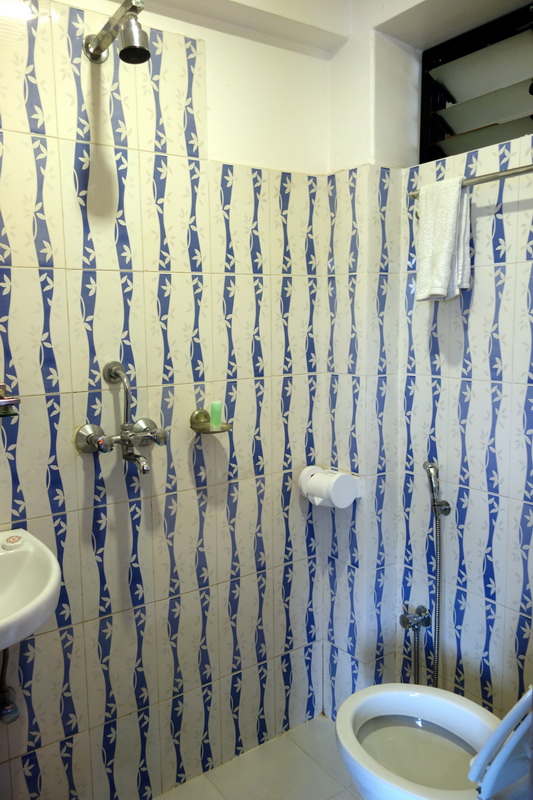
We go to check in. Our room is small but cozy. In Nepal, rooms are usually small, and hot water in the shower is often absent. But it’s not a big deal.
We’ll take a stroll along the lakeside promenade.
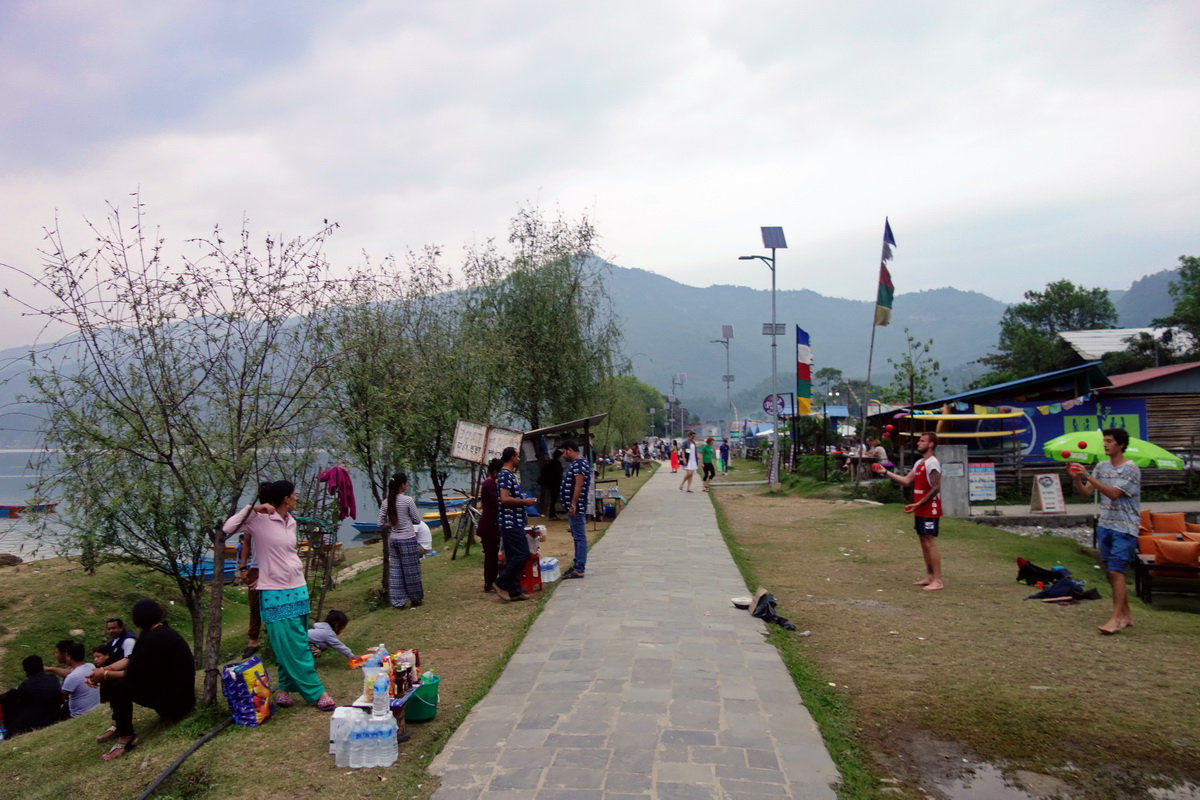
Unlike Kathmandu, Pokhara has a more resort-like atmosphere. There’s a sense of complete relaxation in the air. Tired trekkers are sleeping in and feasting after mountain hikes.
The promenade is full of local cafes and restaurants with live music—Italian, Japanese, Chinese cuisine, and so on.
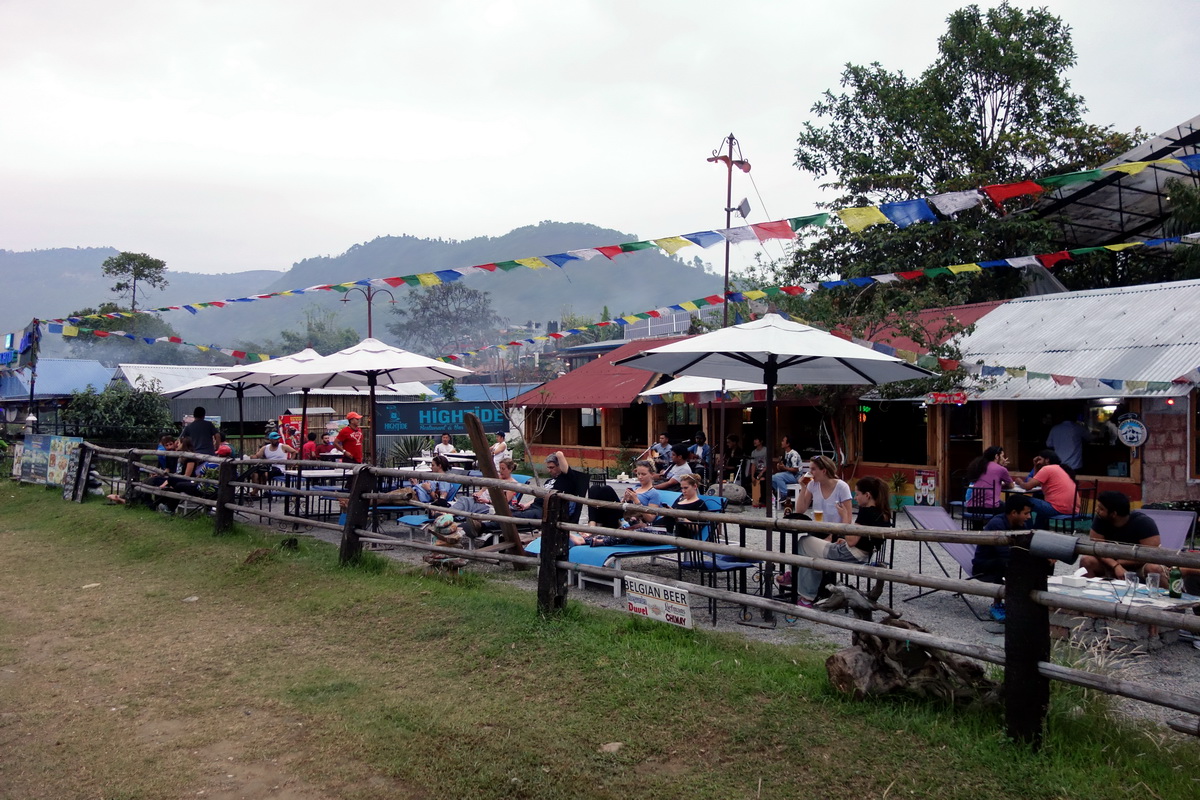
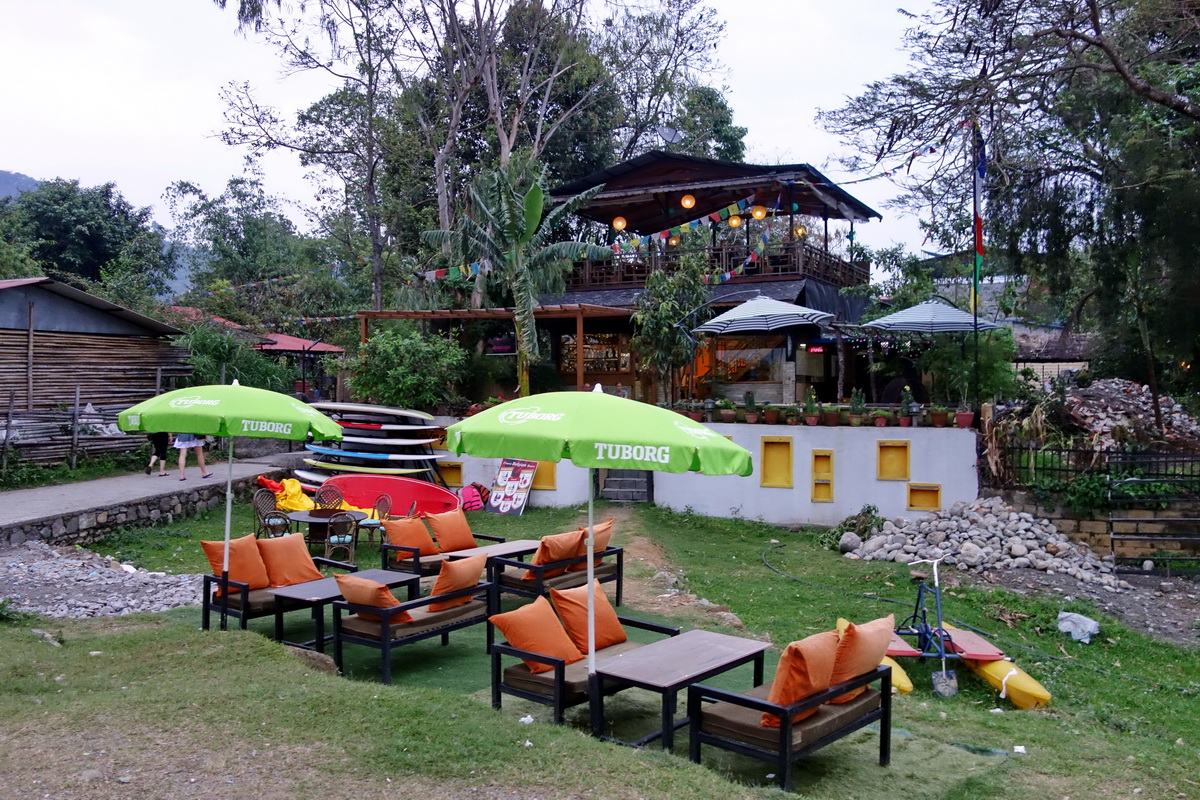
You can try buffalo shashlik here too.
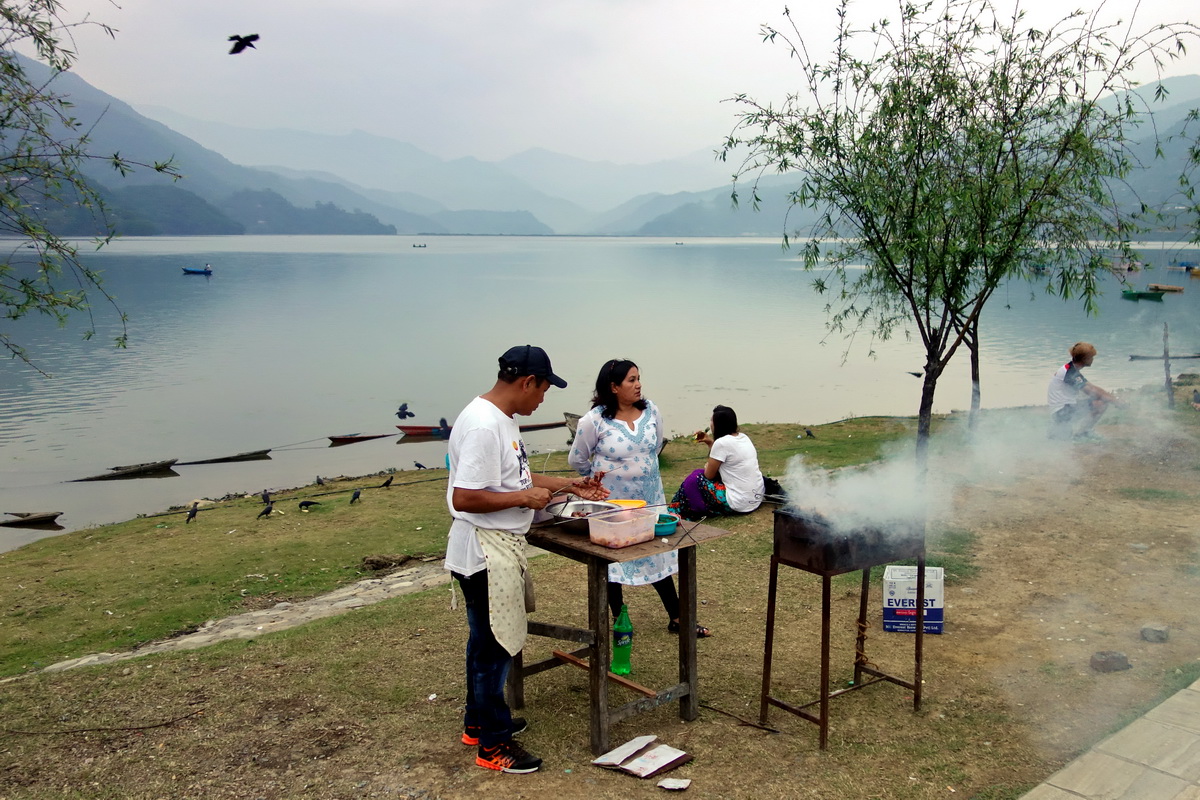
In the evening, when the promenade is crowded with vacationers, tourists line up for this shashlik. We’re no exception. It’s really very tasty. It’s nice to eat such a shashlik right on the grass by the lake.
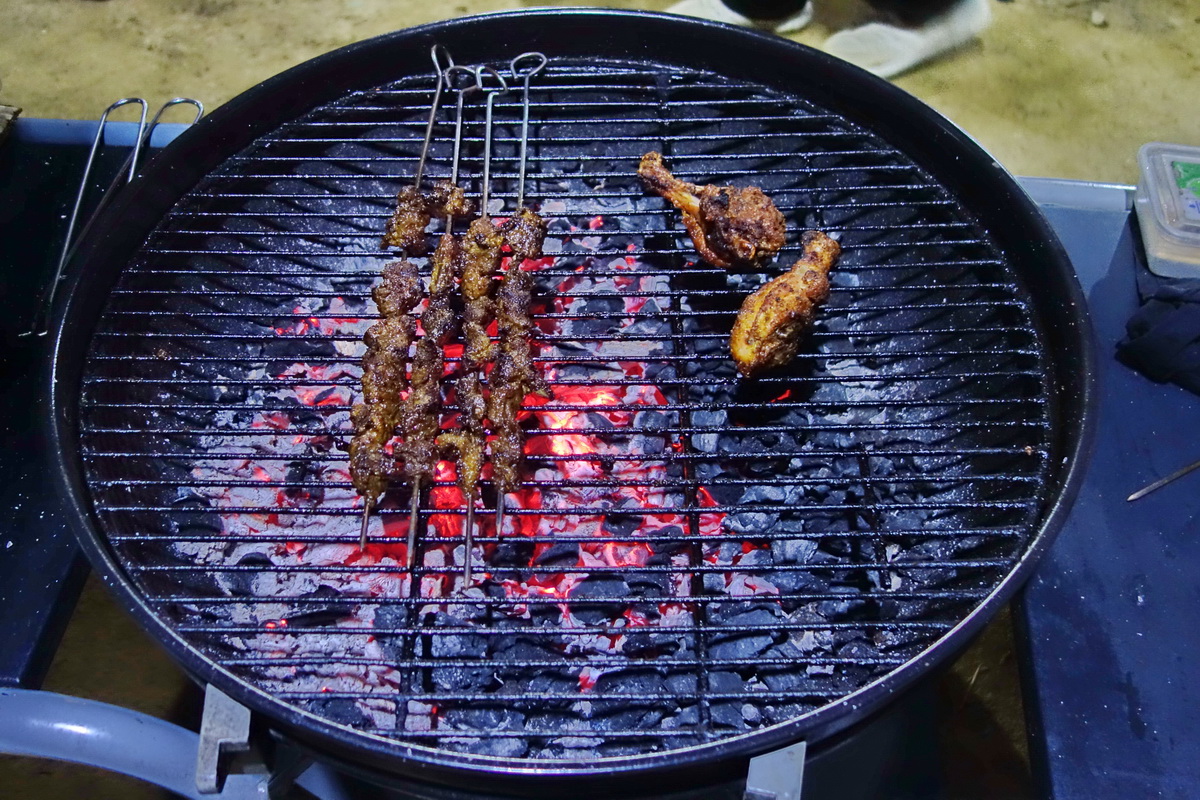
It feels like we’re at the sea.
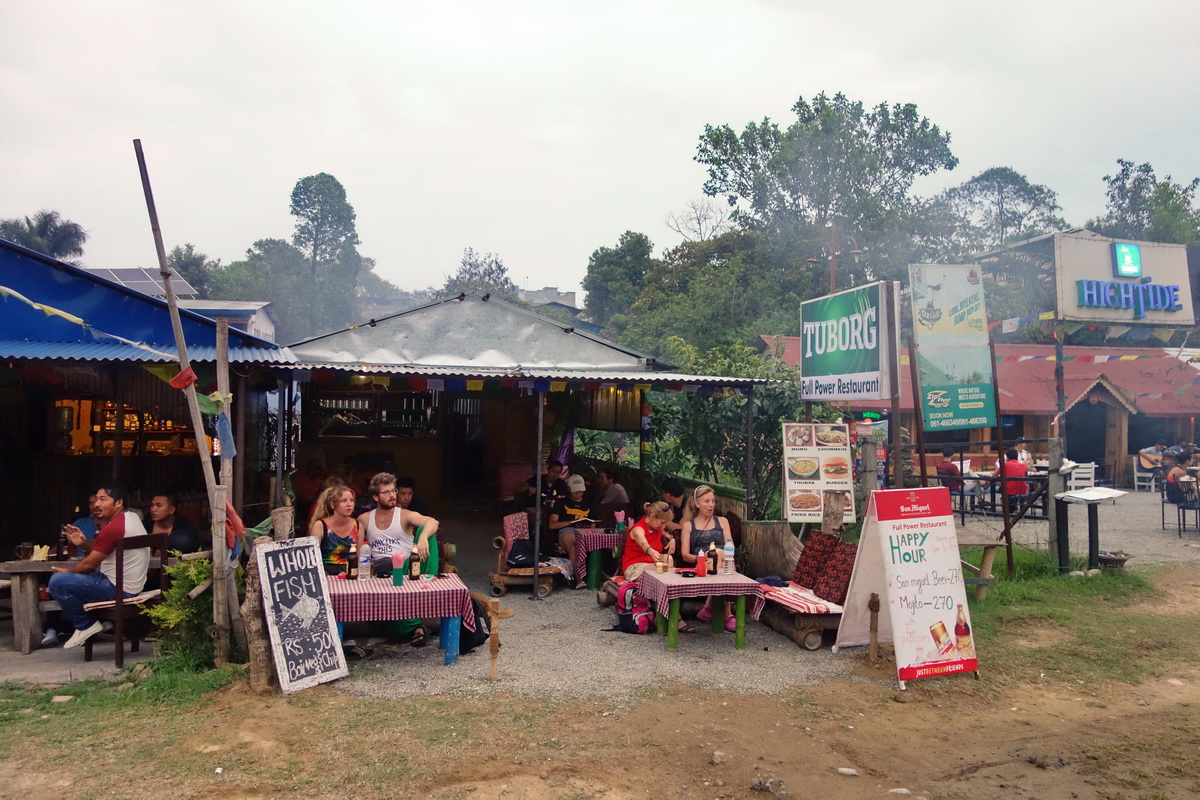
The evening promenade. In many ways, the Lakeside district resembles the Thamel district in Kathmandu. But unlike the capital, many come here for relaxation, boat rides on Phewa Lake, and mountain views.
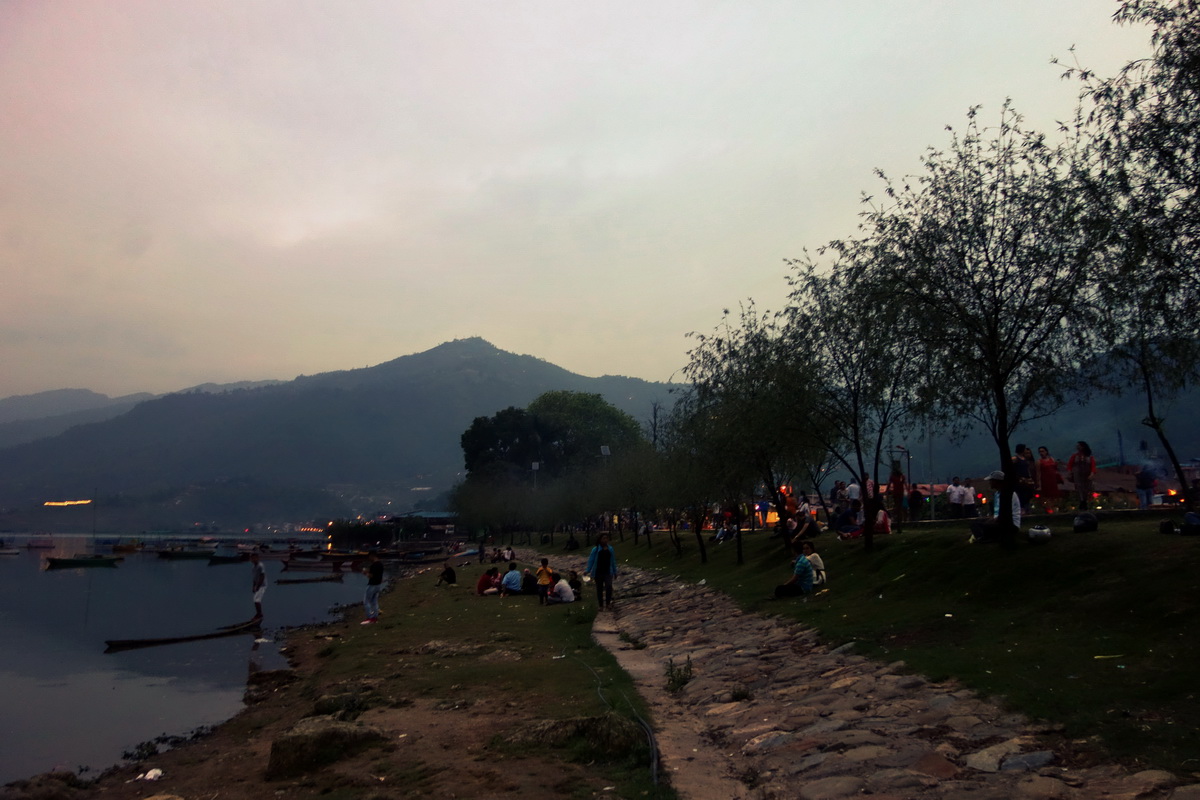
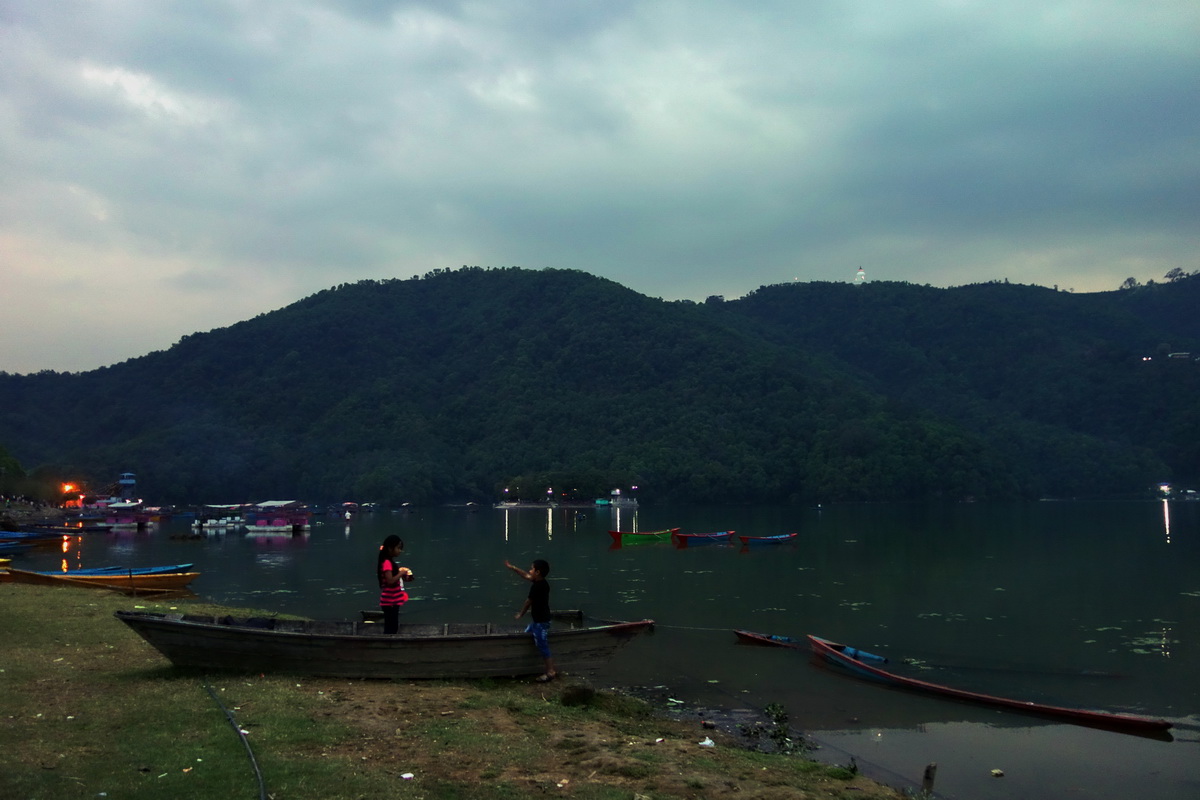
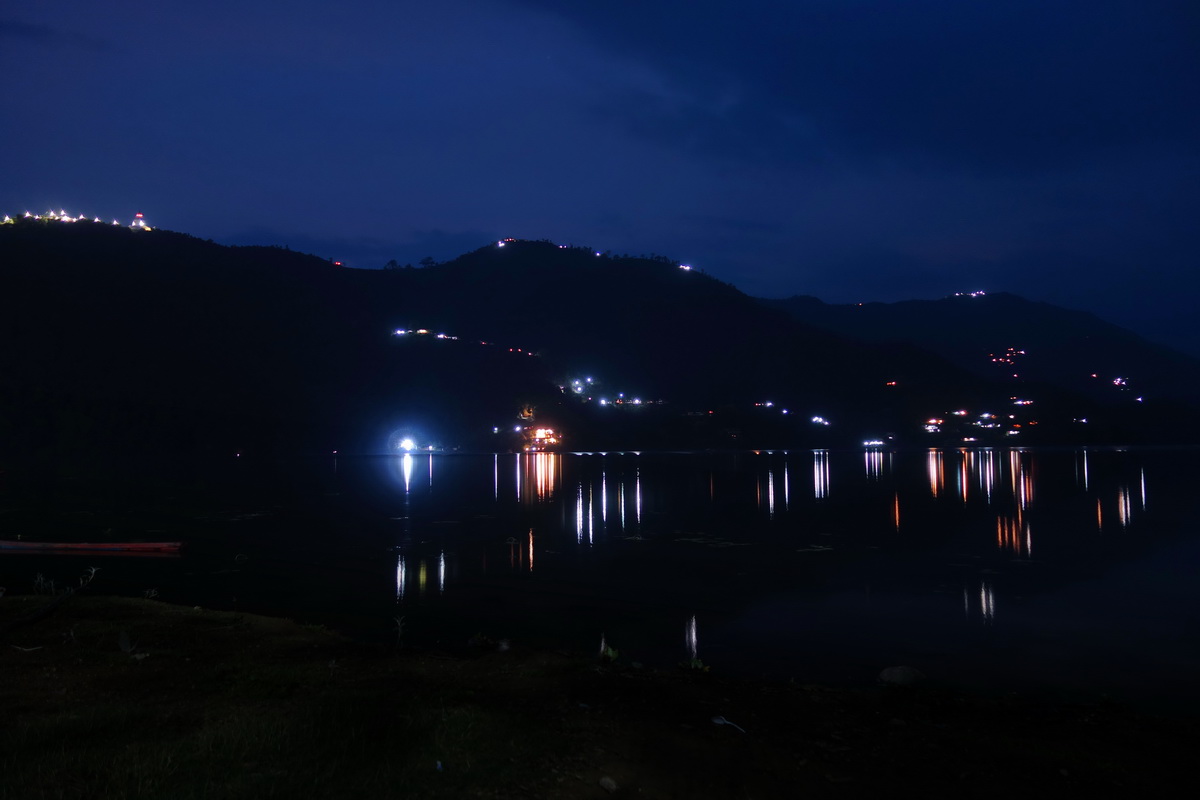
At night, fireflies fly along the lake shore. It looks like sparks or burning cigarette ash are flying in the air. An interesting sight; we saw something like this for the first time.
Breakfast at the hotel. By the way, also non-spicy, probably because it’s hard to make boiled eggs spicy. The staff at the hotel is very friendly, just like in all the hotels and guesthouses where we stayed.

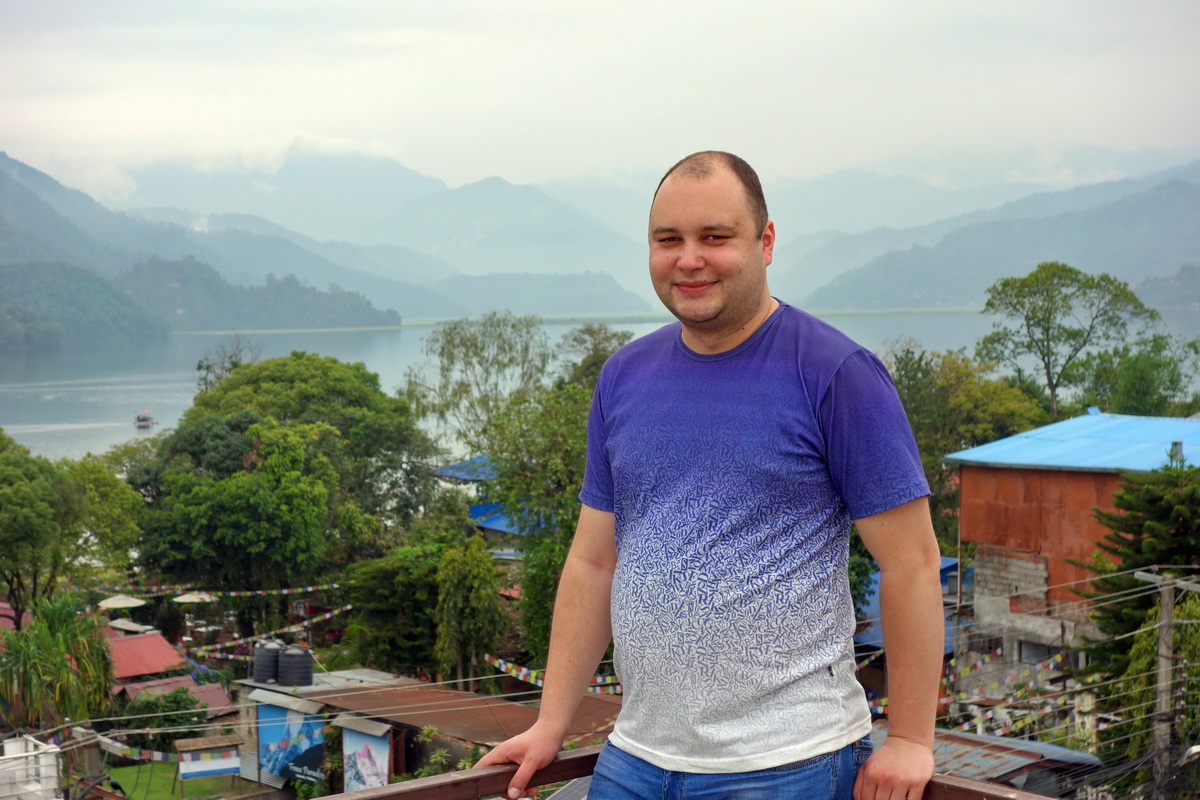
From the windows of our room, there are views of the mountains and the lake. But it’s better to go up to the hotel roof for this, where the views are more interesting. Here’s the beauty that opens up from here.
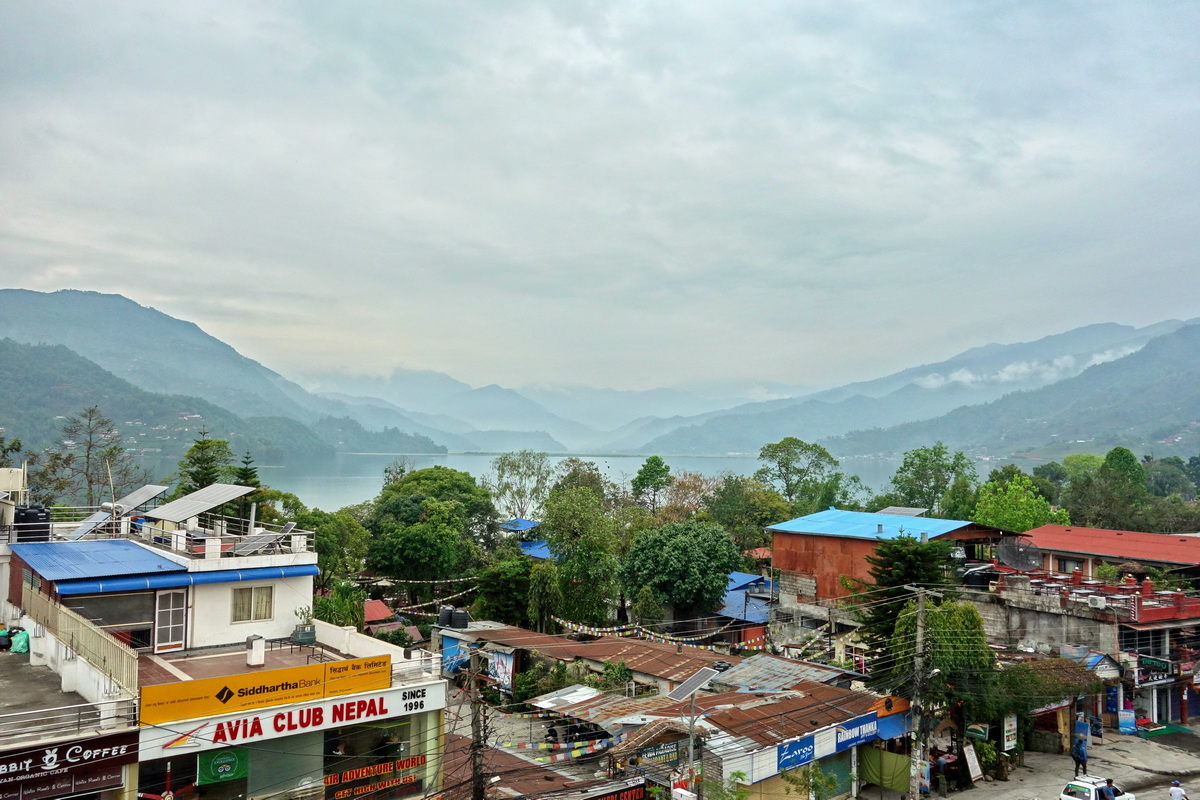
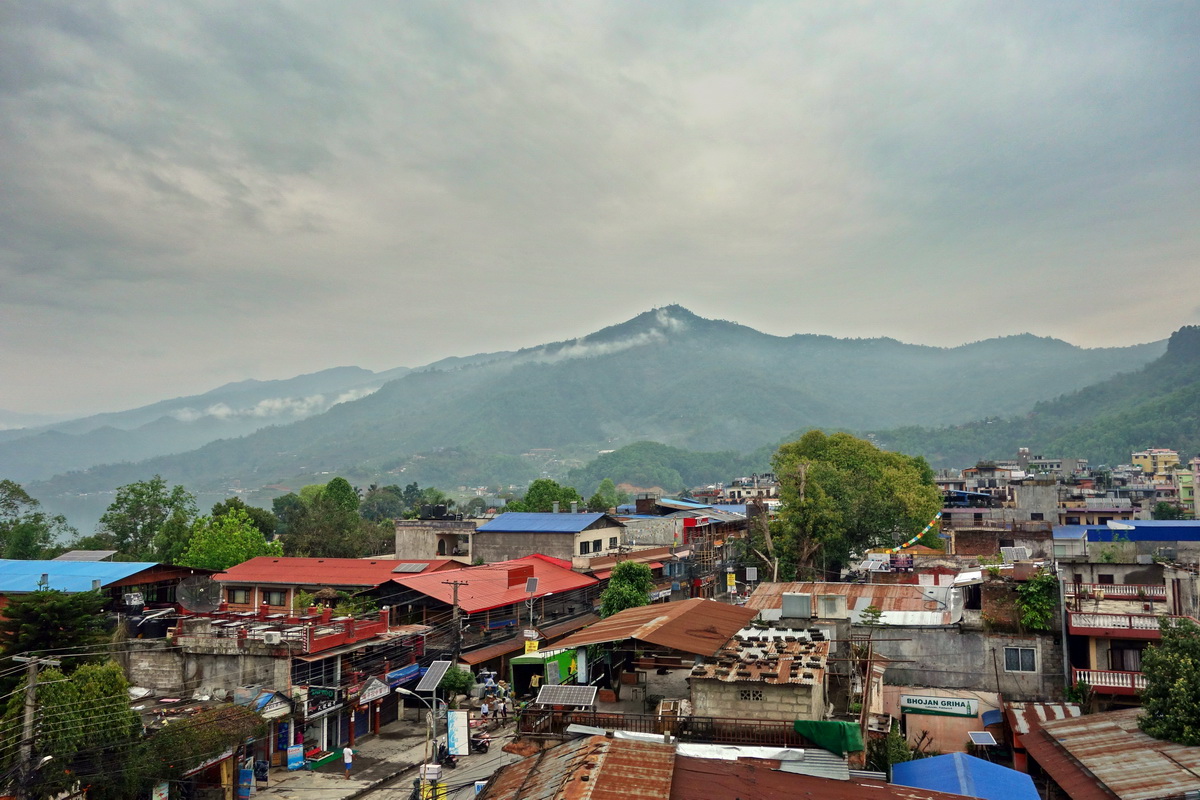
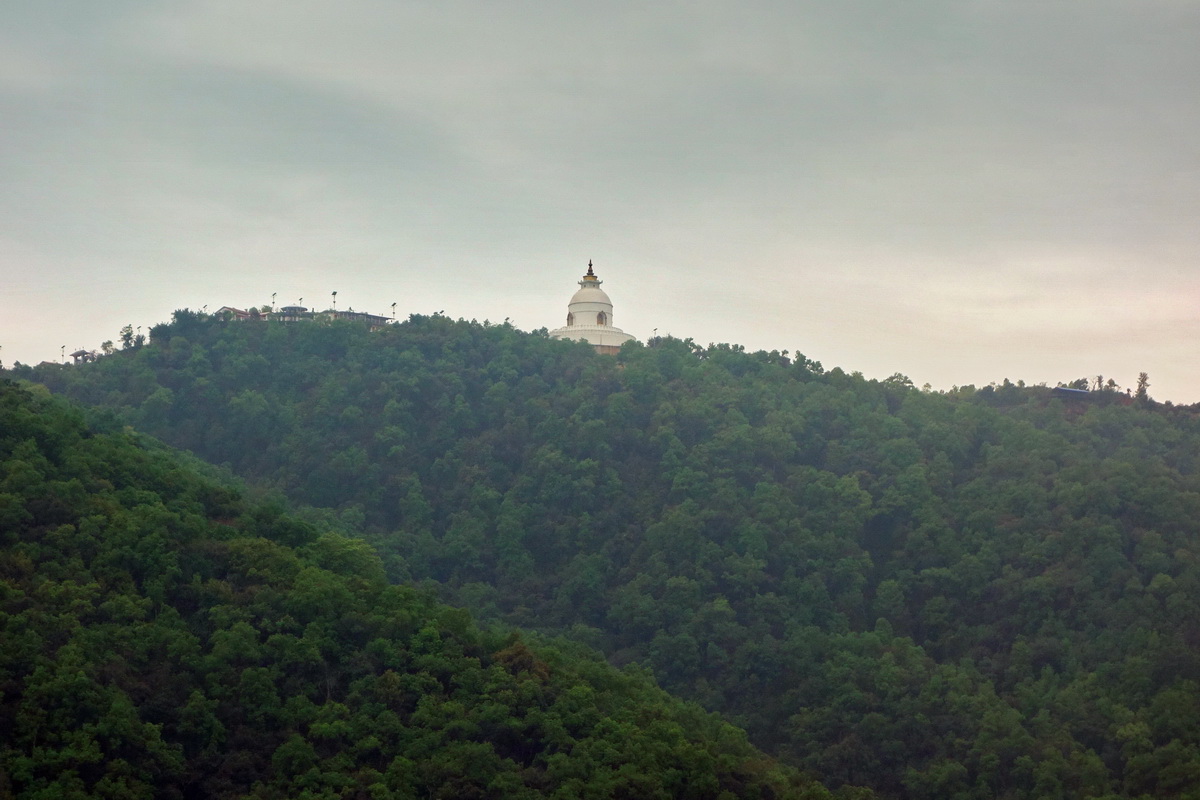
View from the hotel roof to the Peace Pagoda. It is located on a small hill on the opposite shore of the lake.
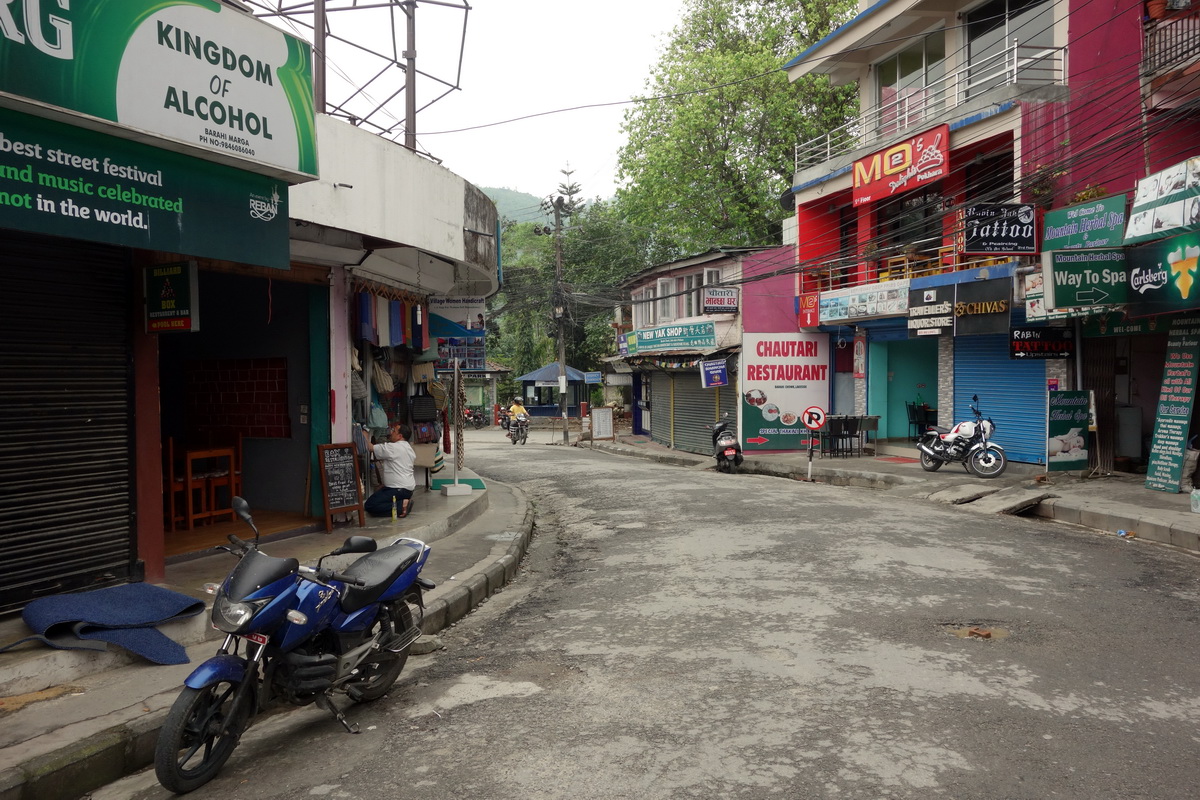
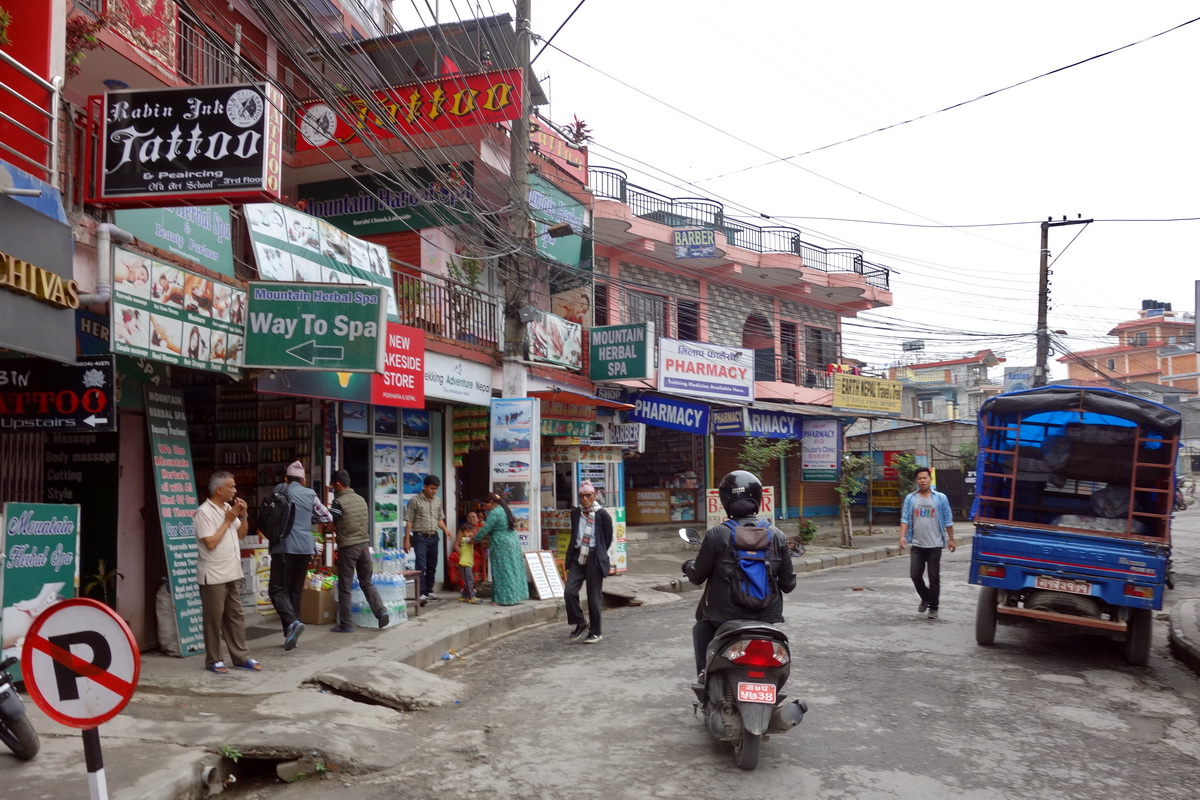
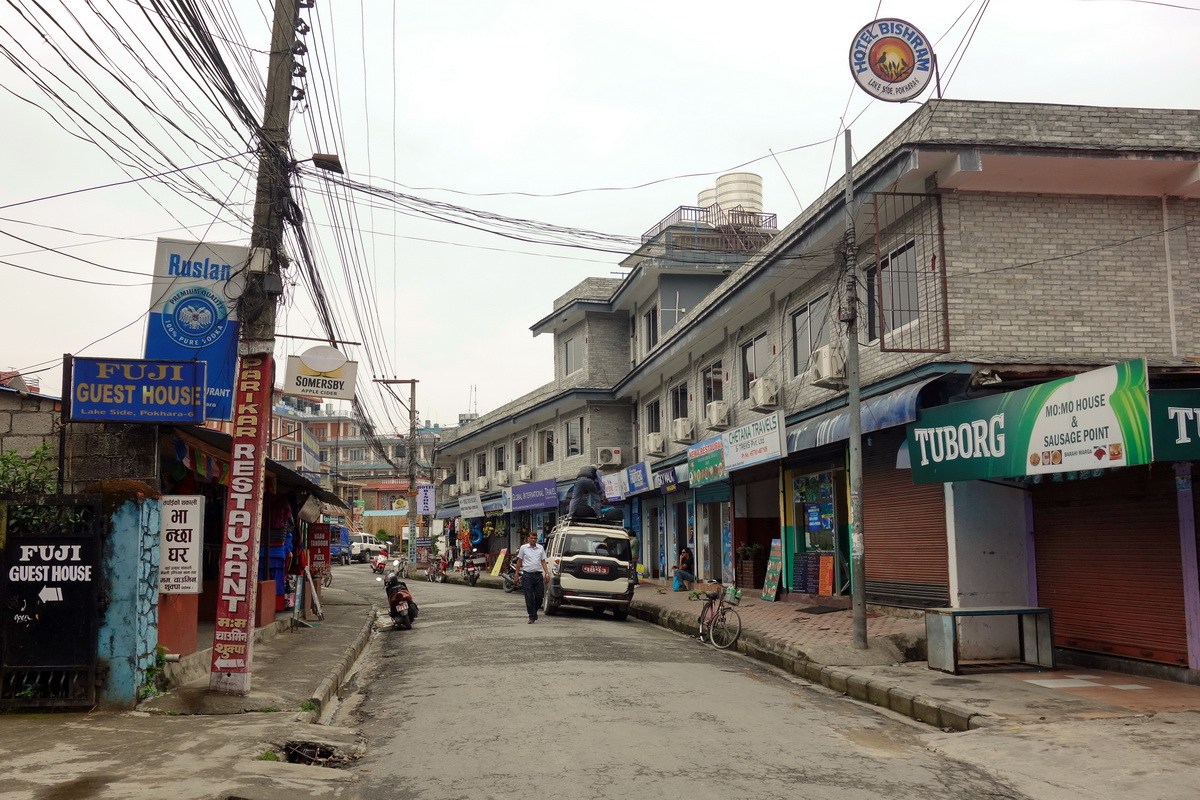
Pokhara’s streets.
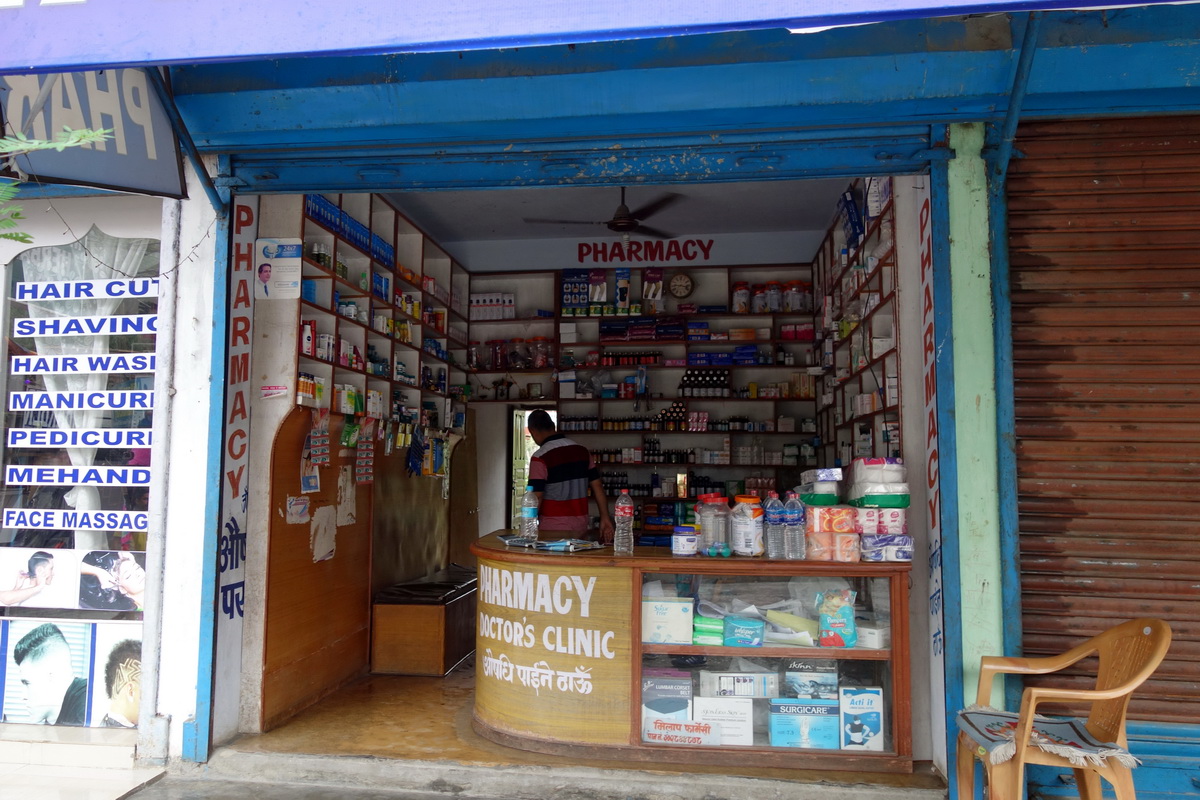
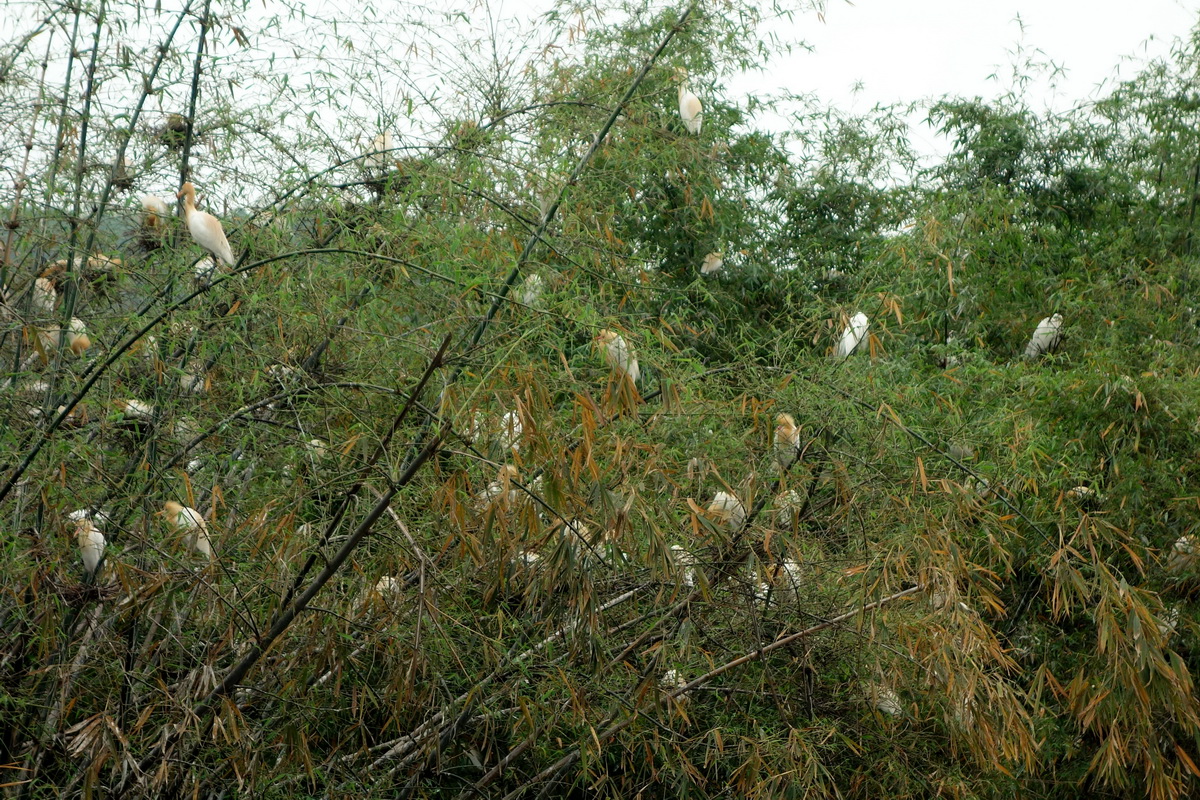
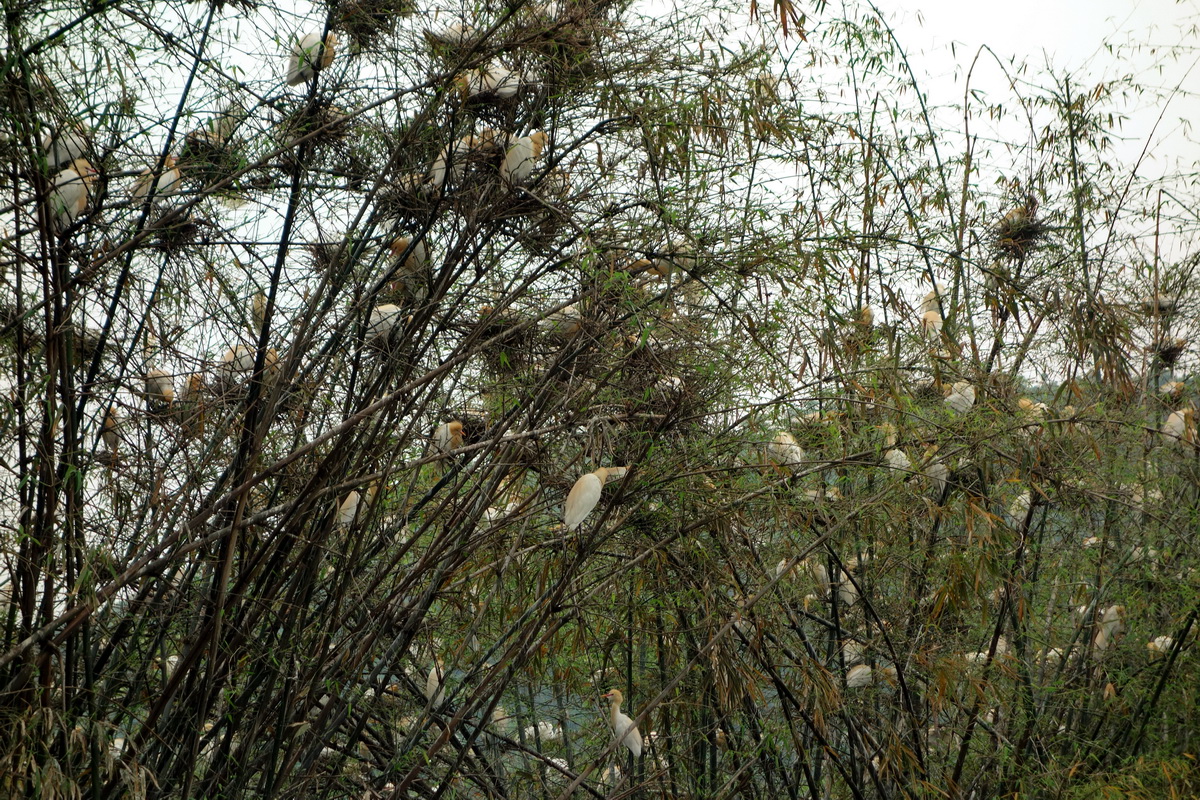
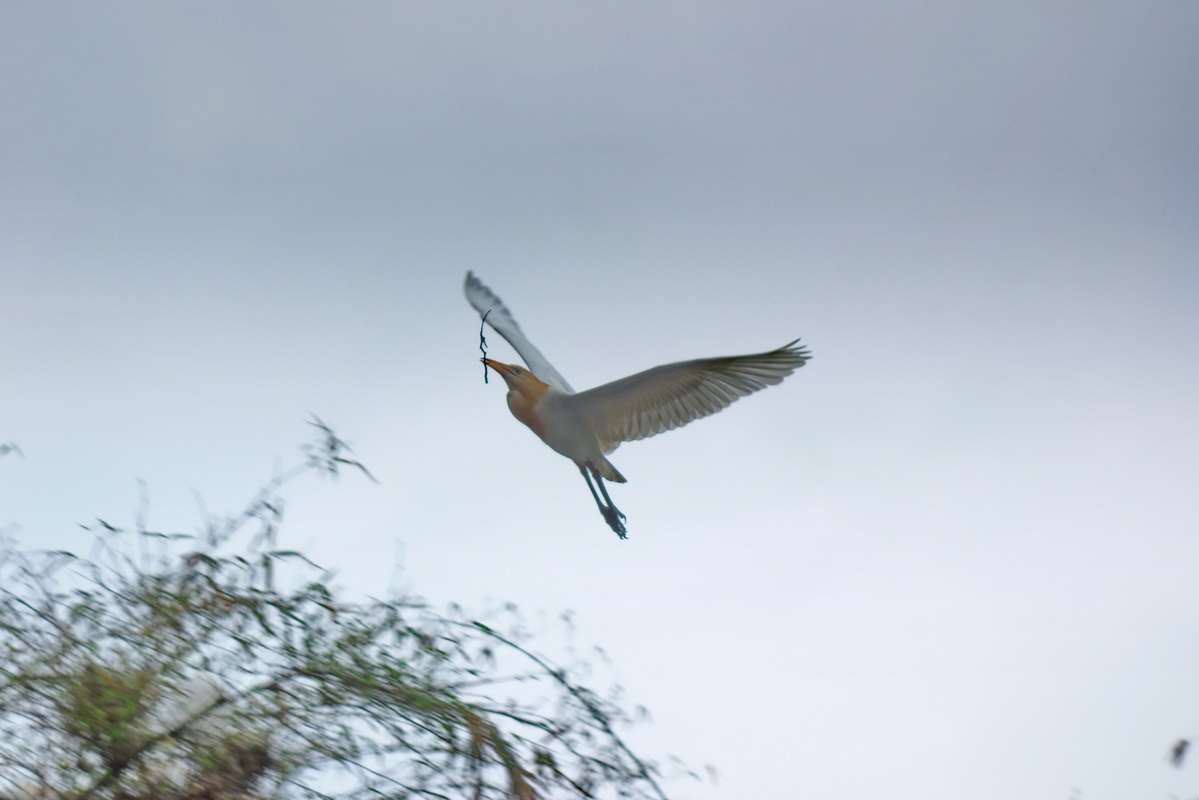
We head toward the boat station on Phewa Lake. Many trees are covered with numerous so-called “Egyptian” egrets.
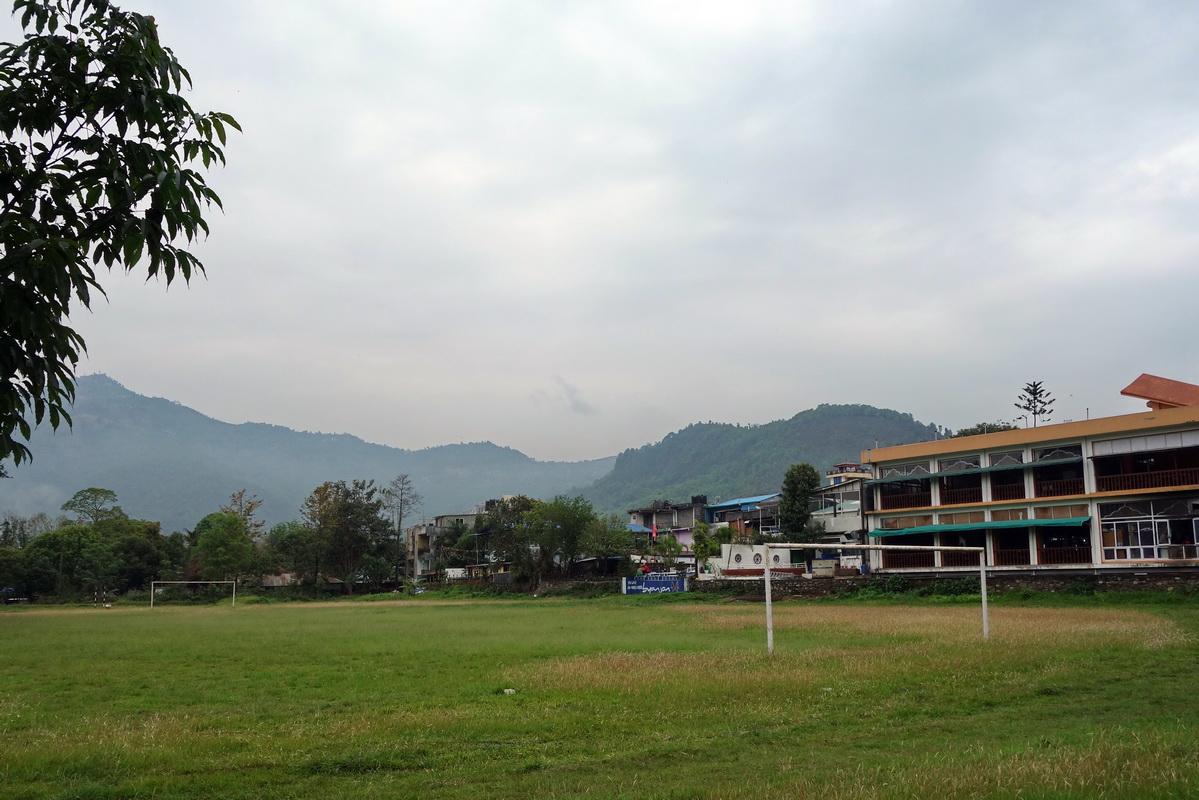
A stadium near the lake.
The boat station and rates. From here, you can reach a small island in the middle of Phewa Lake and see the Varahi shrine.
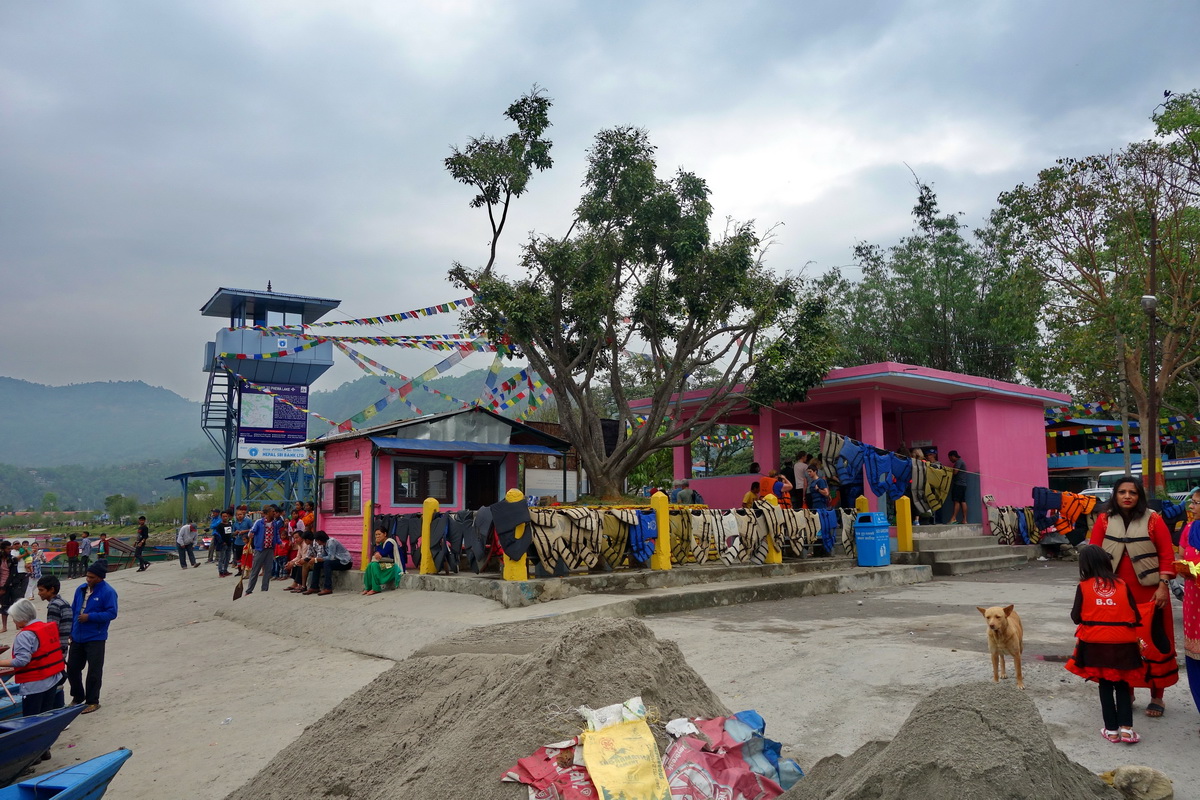
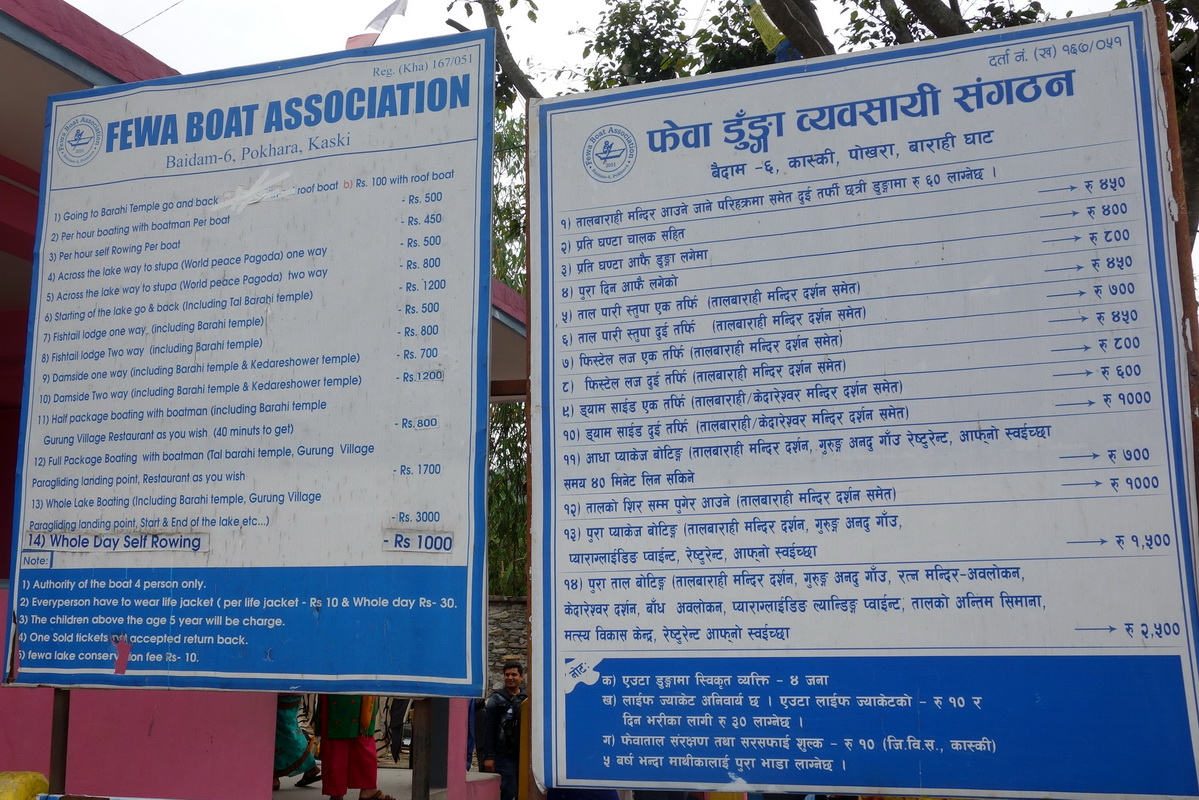
You can get to the island either by public raft or by renting a boat, which we did. The rental cost was $12 to the island and to the opposite shore of the lake.
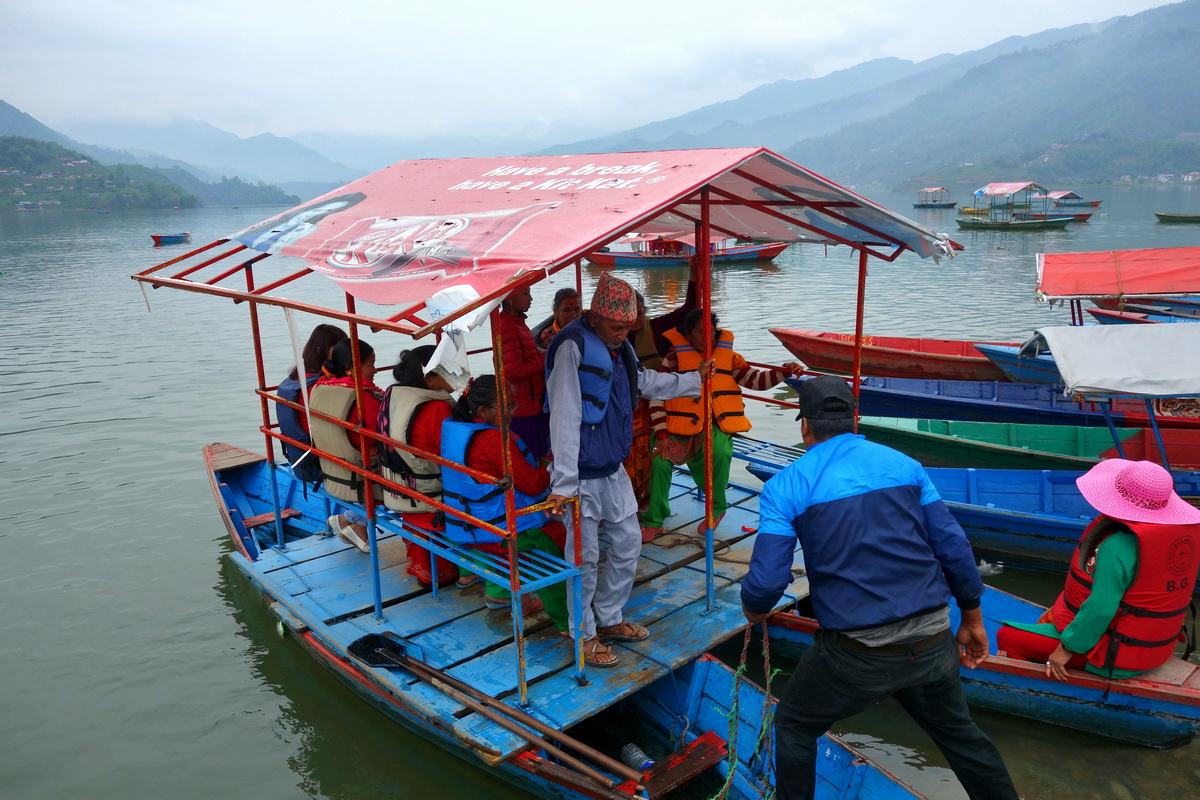
We head to the island.
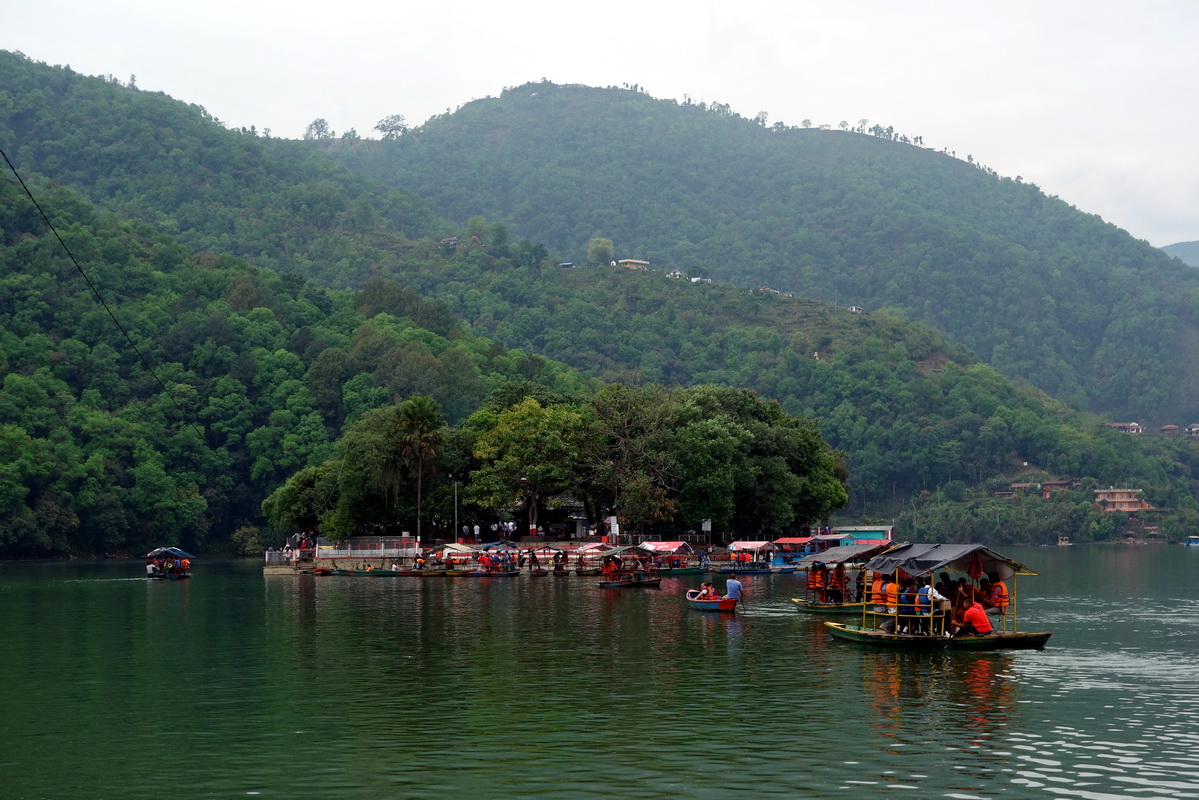
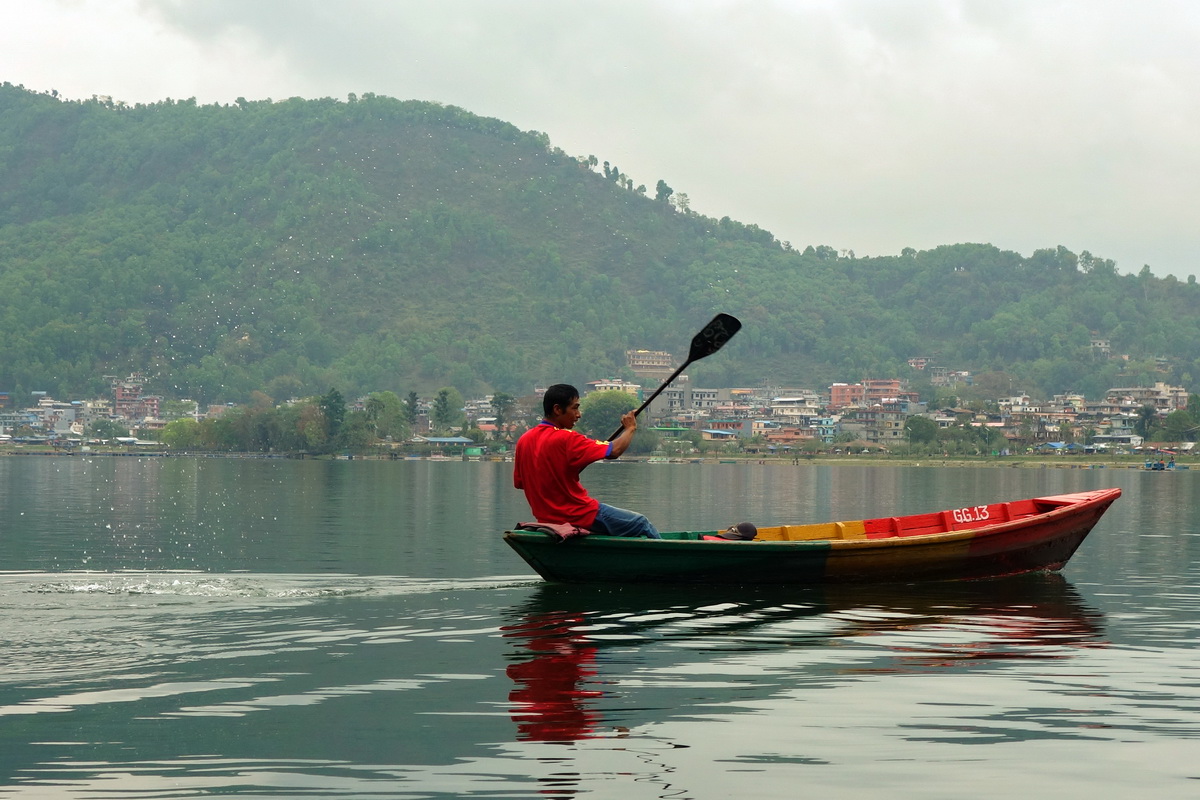
The boat itself is small, more like a canoe. During the trip, we try not to rock the boat too much, as the side of the boat is literally 10–20 cm above the lake level.
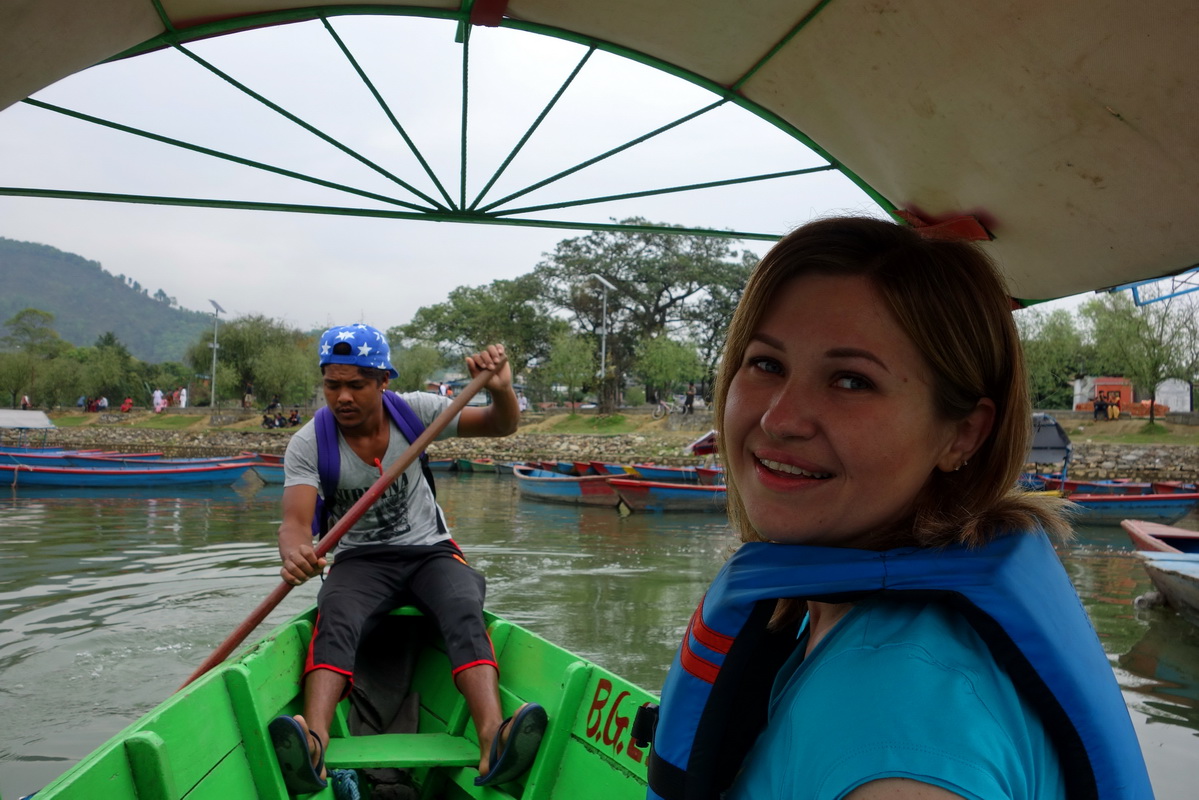
By the way, the average depth of Phewa Lake is about 9 meters, and the maximum is almost 23 meters.
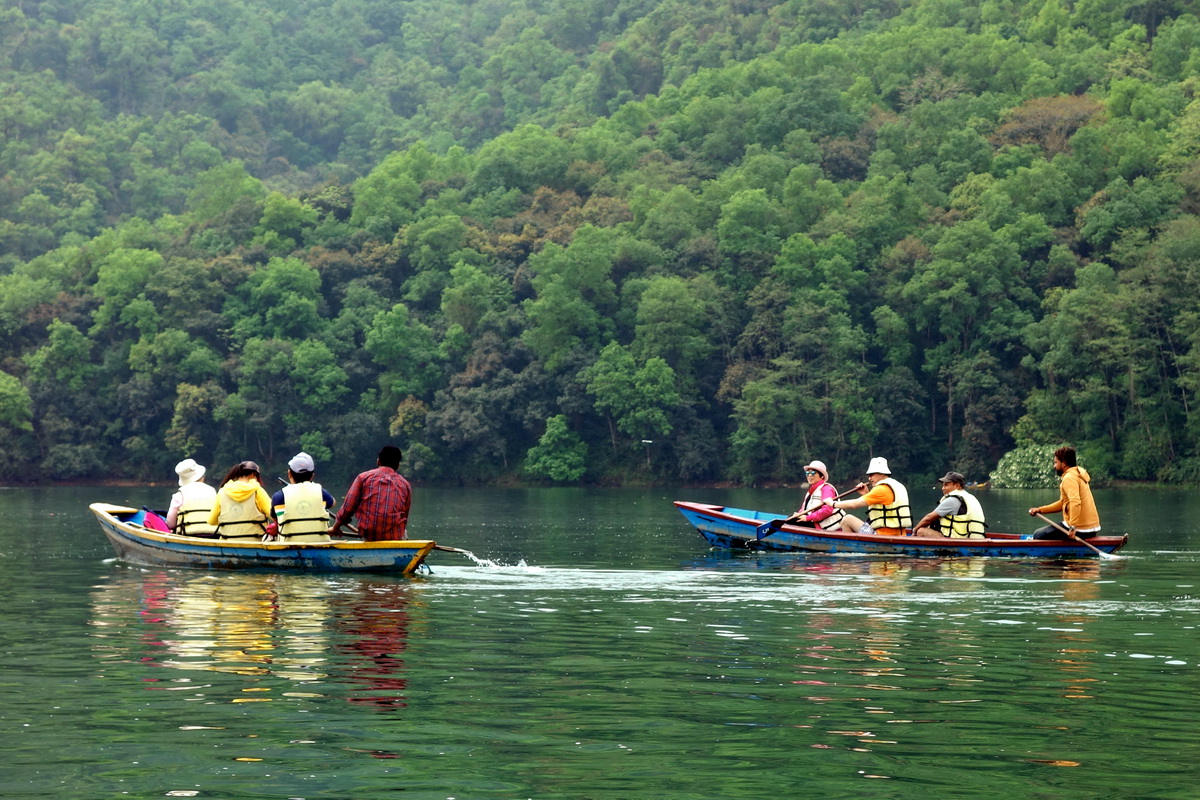
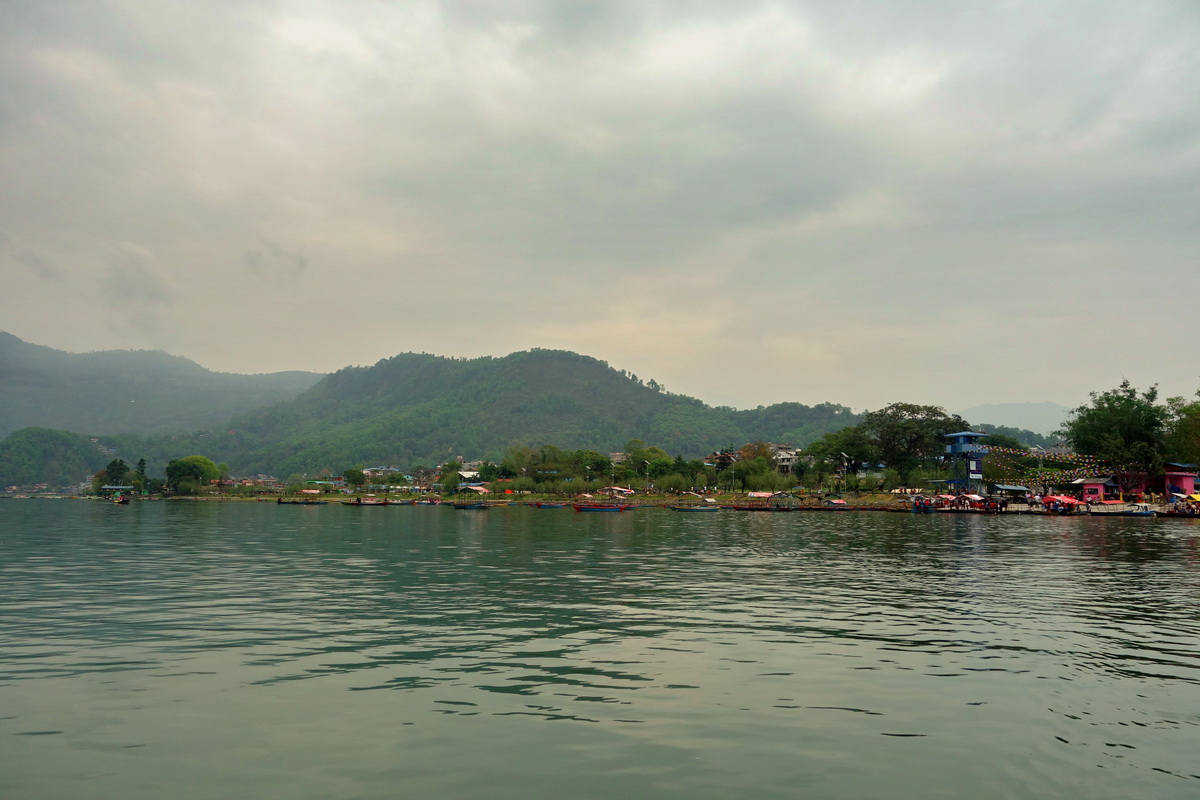
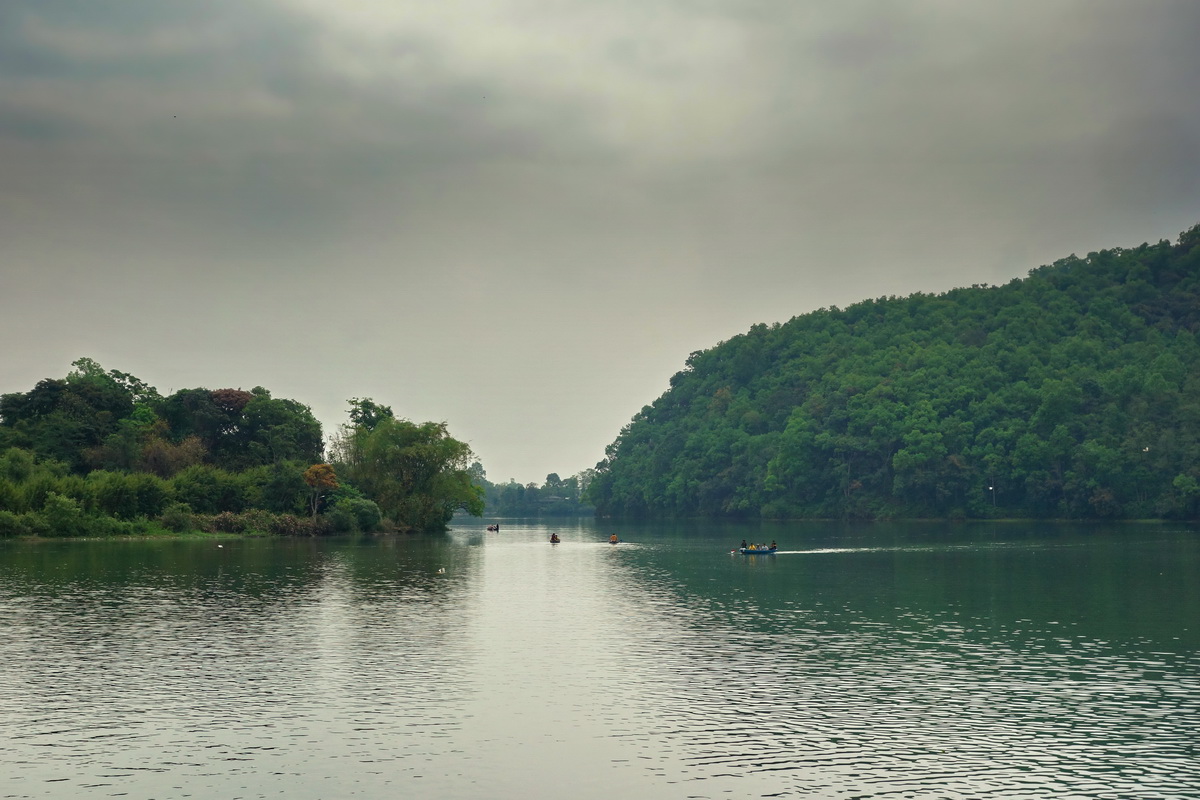
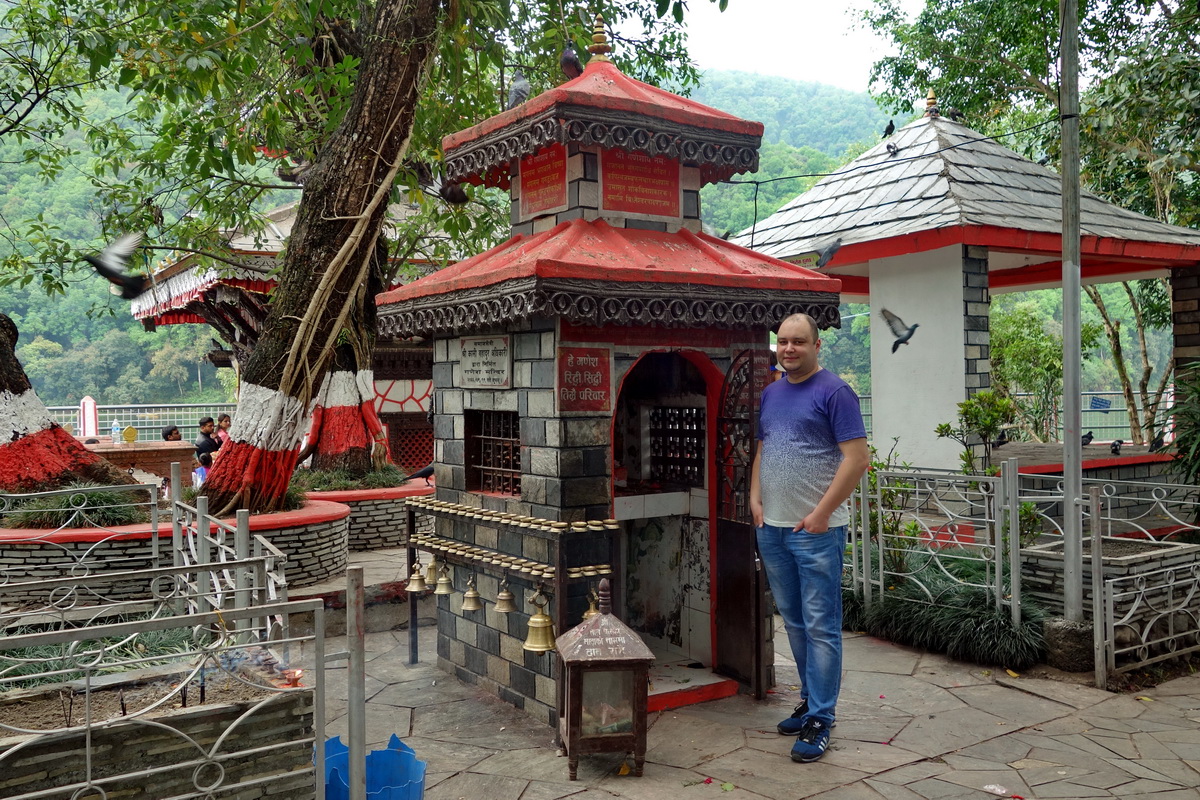
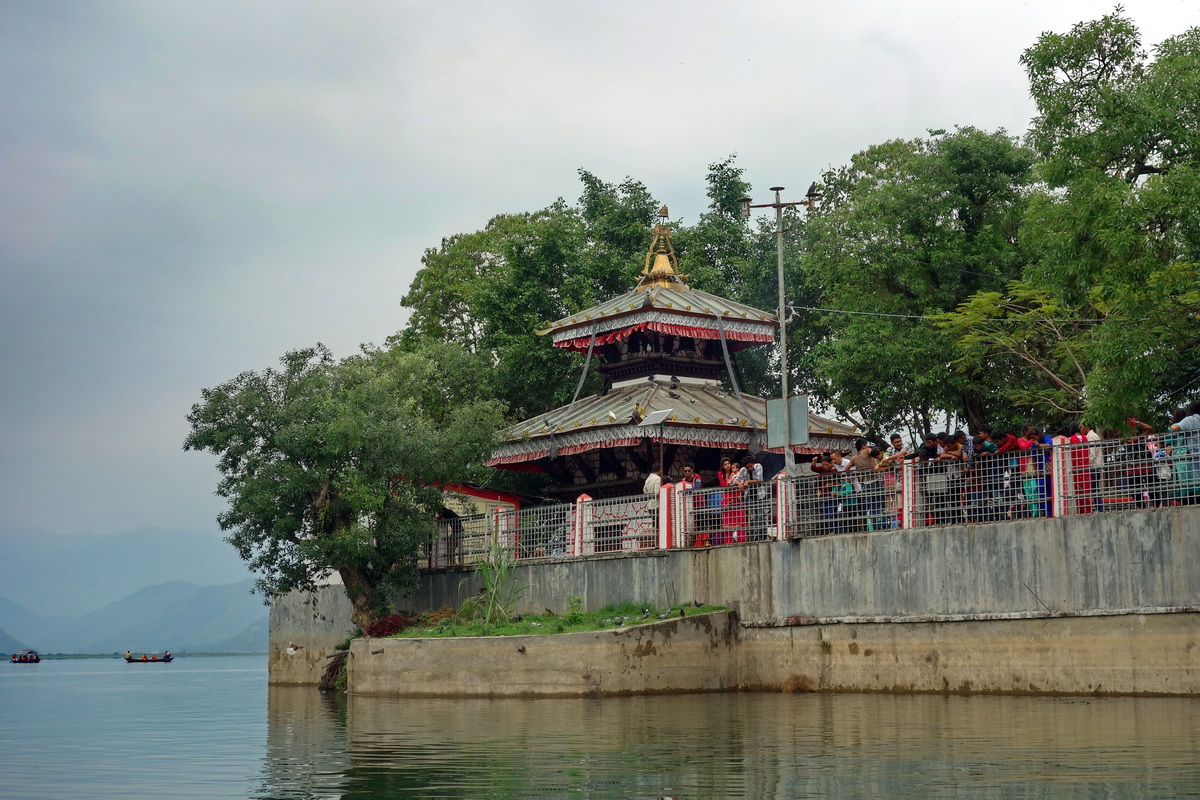
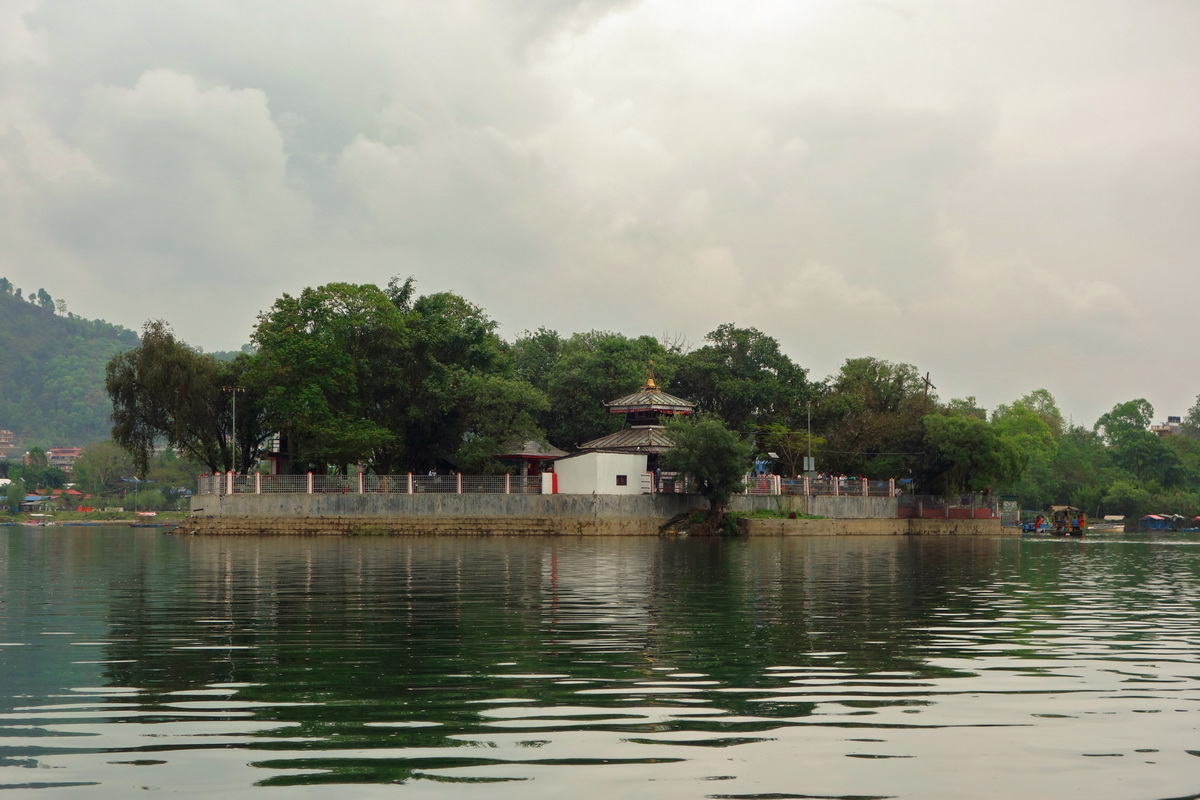
The Varahi Temple is a Hindu shrine. It is located on a small island that local residents call “Dragon.” According to legend, a dragon lived in Phewa Lake, which turned to stone after death and became overgrown with shells, and a temple was built on its ridge, hence the local name of the island “Dragon.”
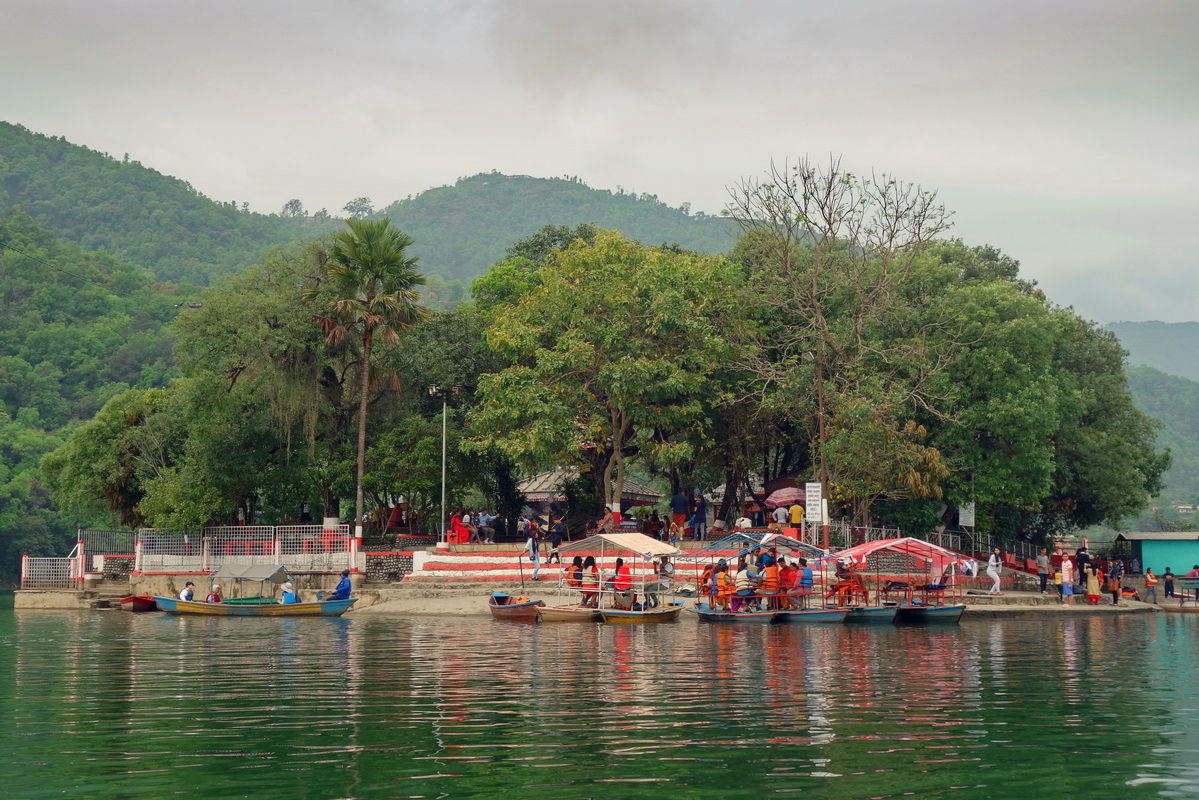
We moor our boat and head to the shrine.
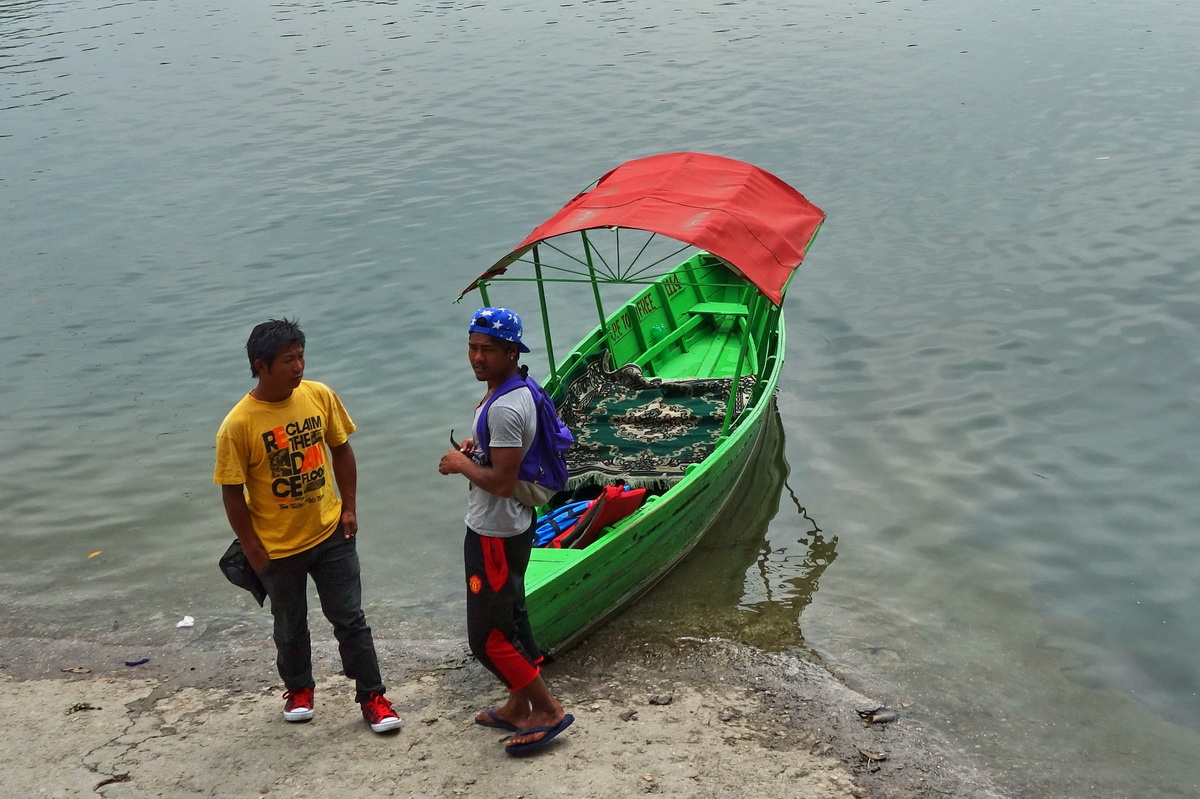
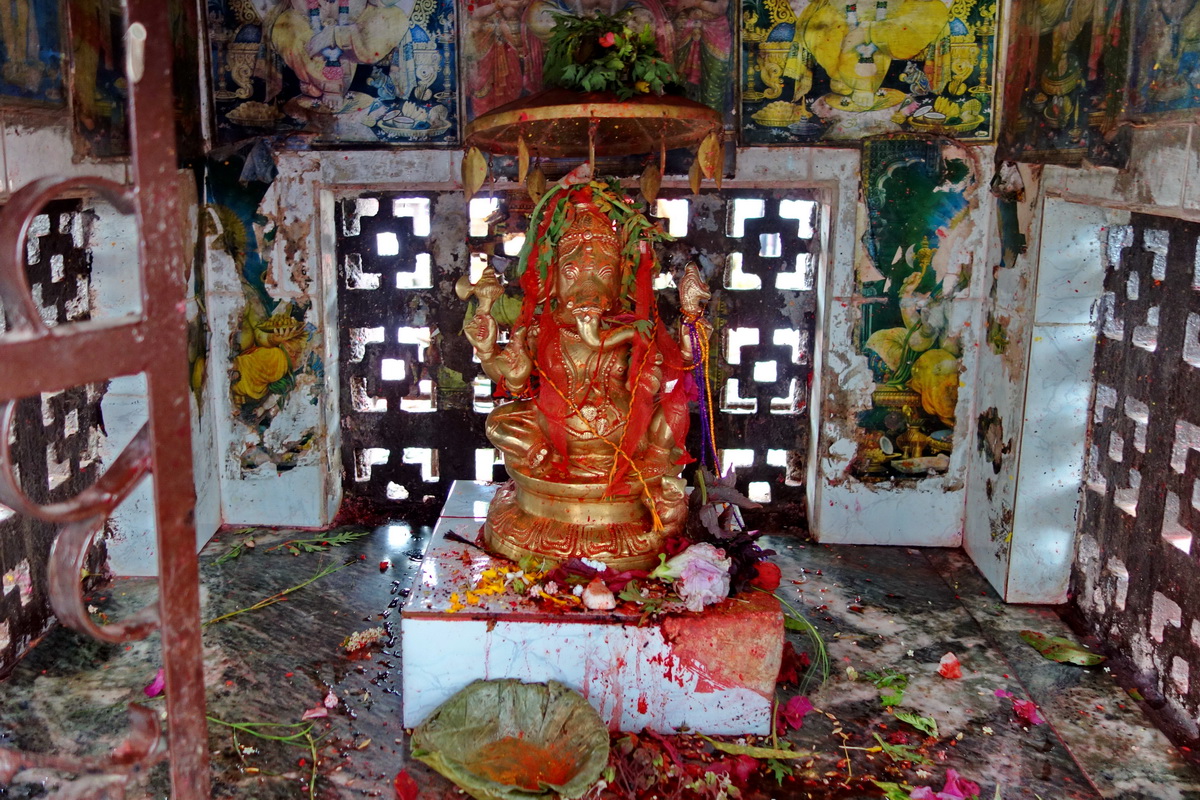
The temple was built in honor of Varahi, who is one of the incarnations of the god Vishnu.
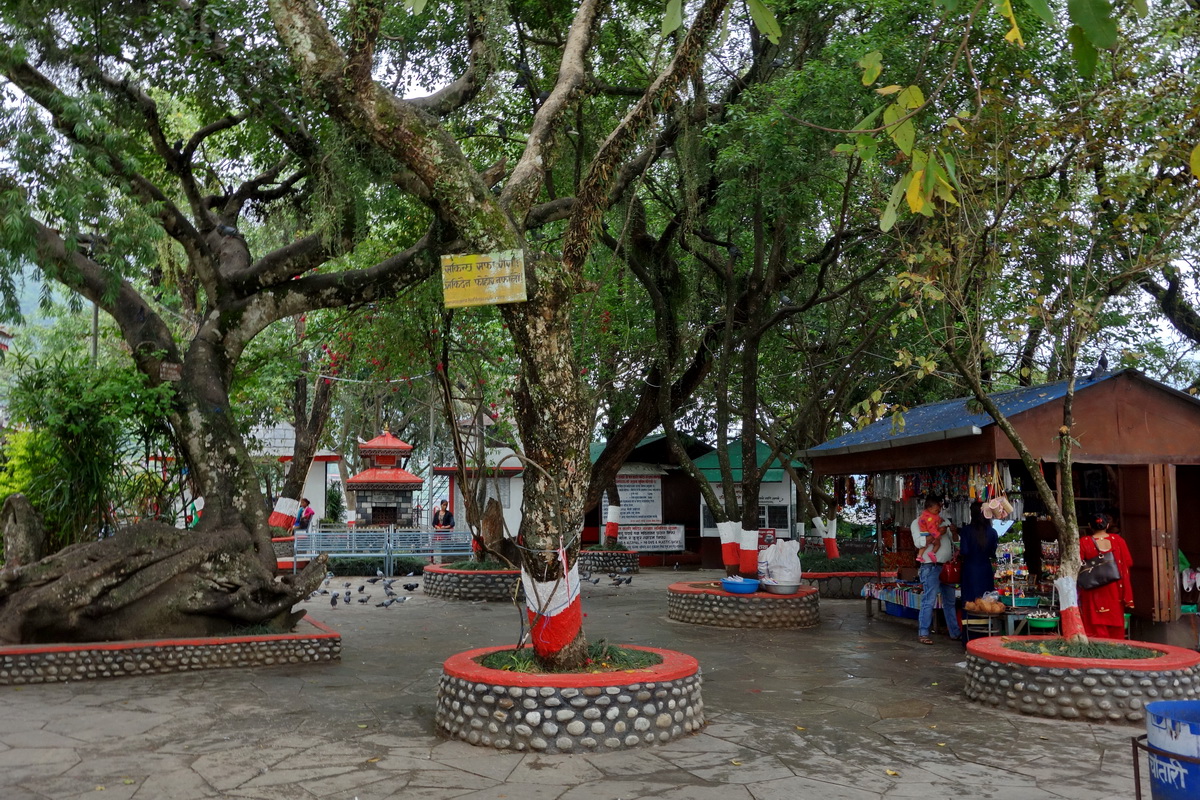
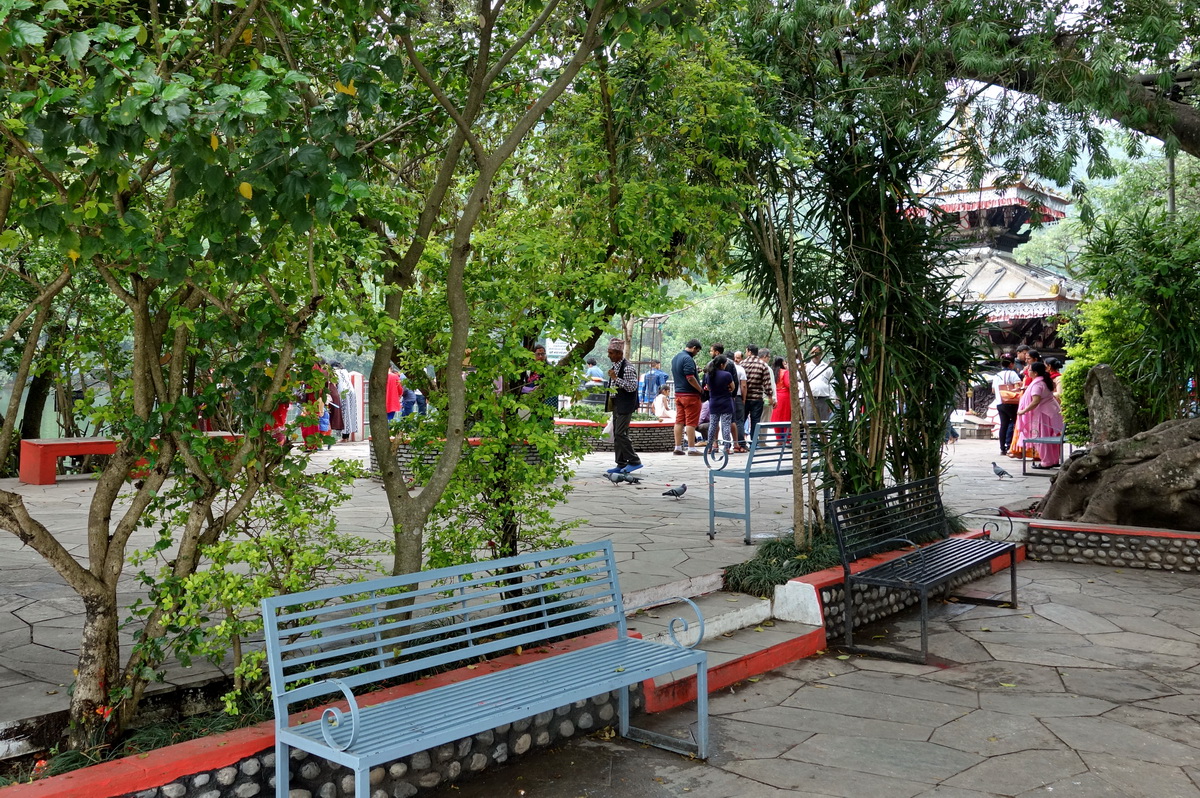
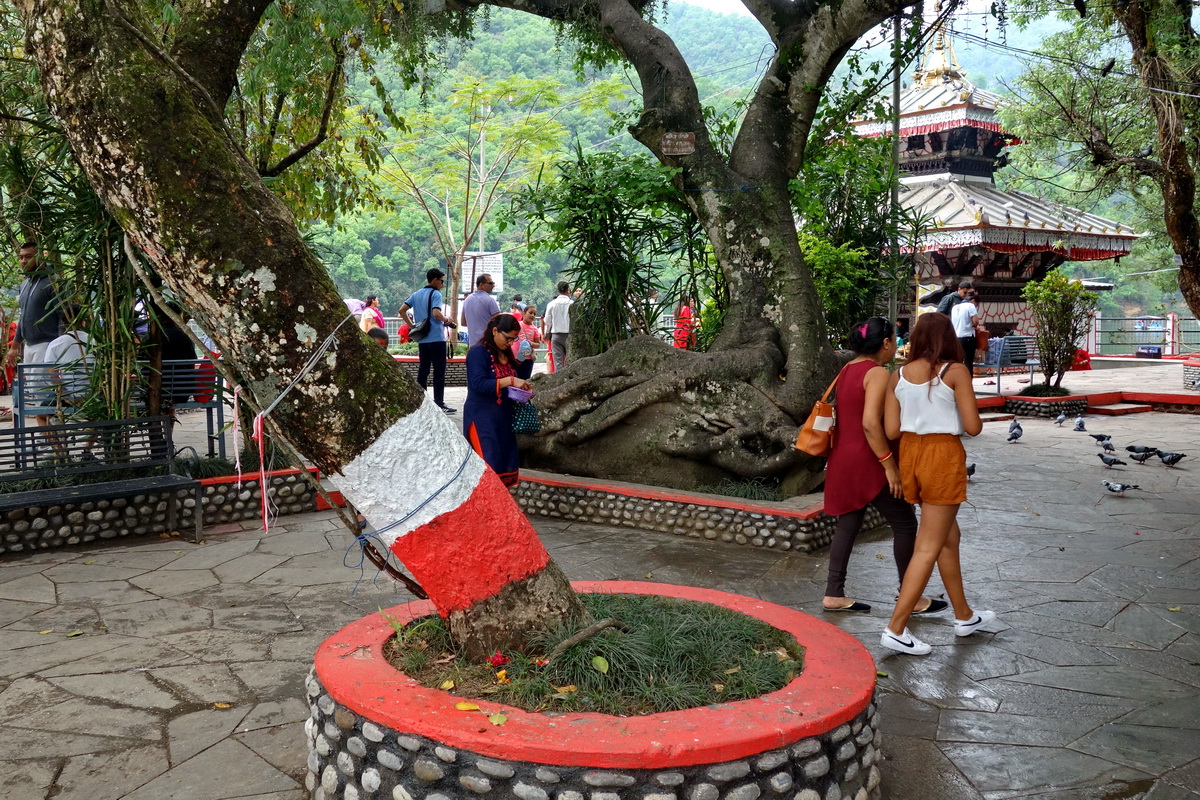
The shrine is built in the form of a pagoda and is considered one of the holiest temples in Pokhara.
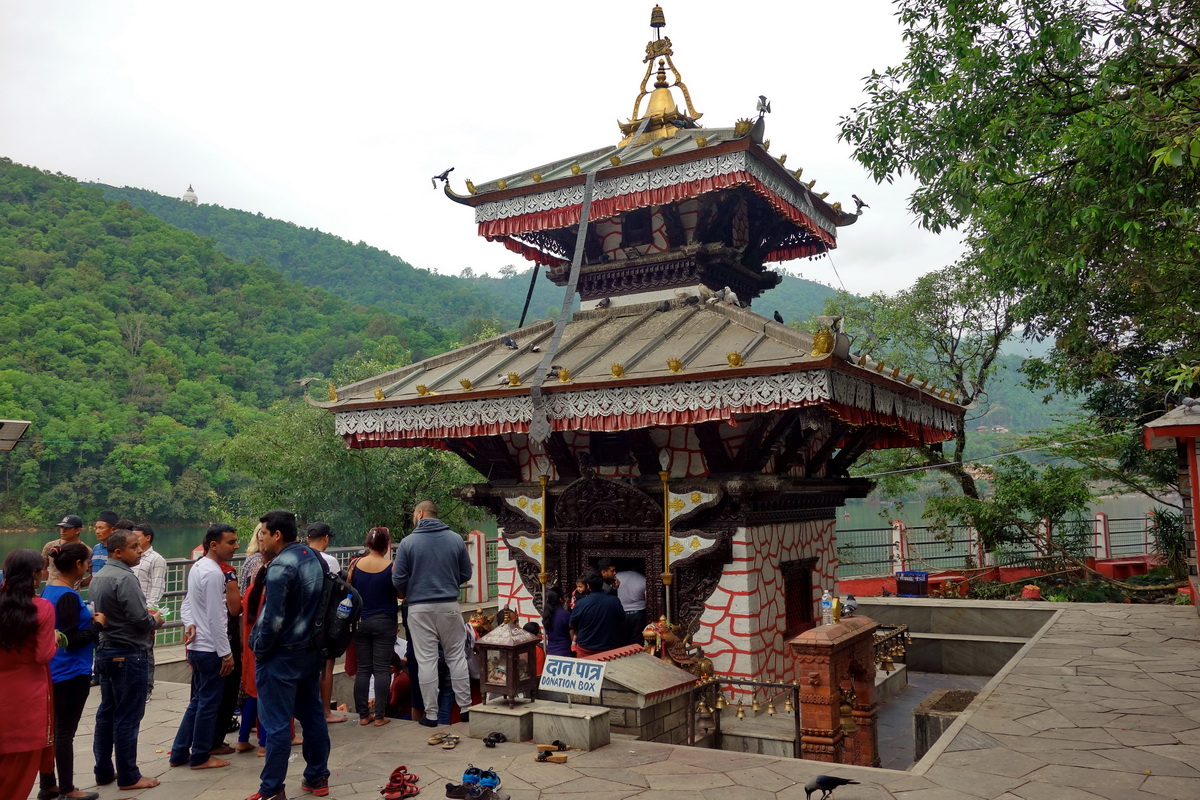
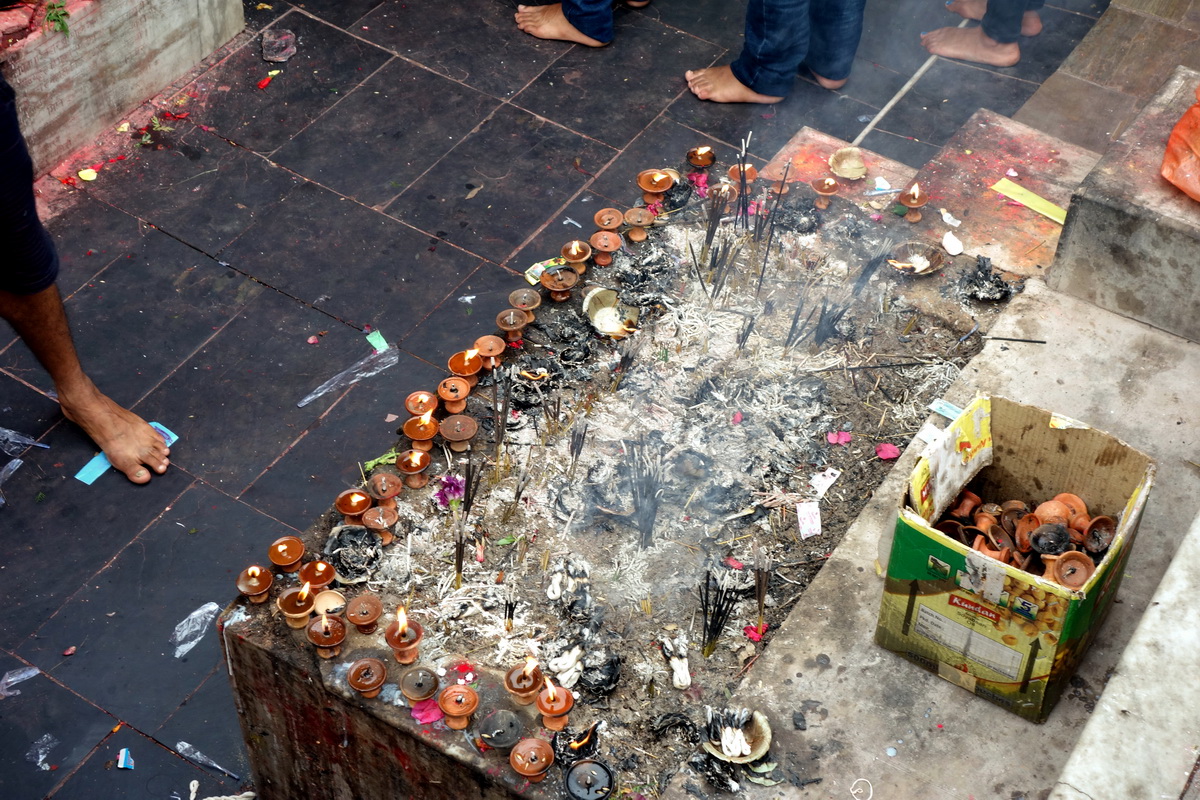
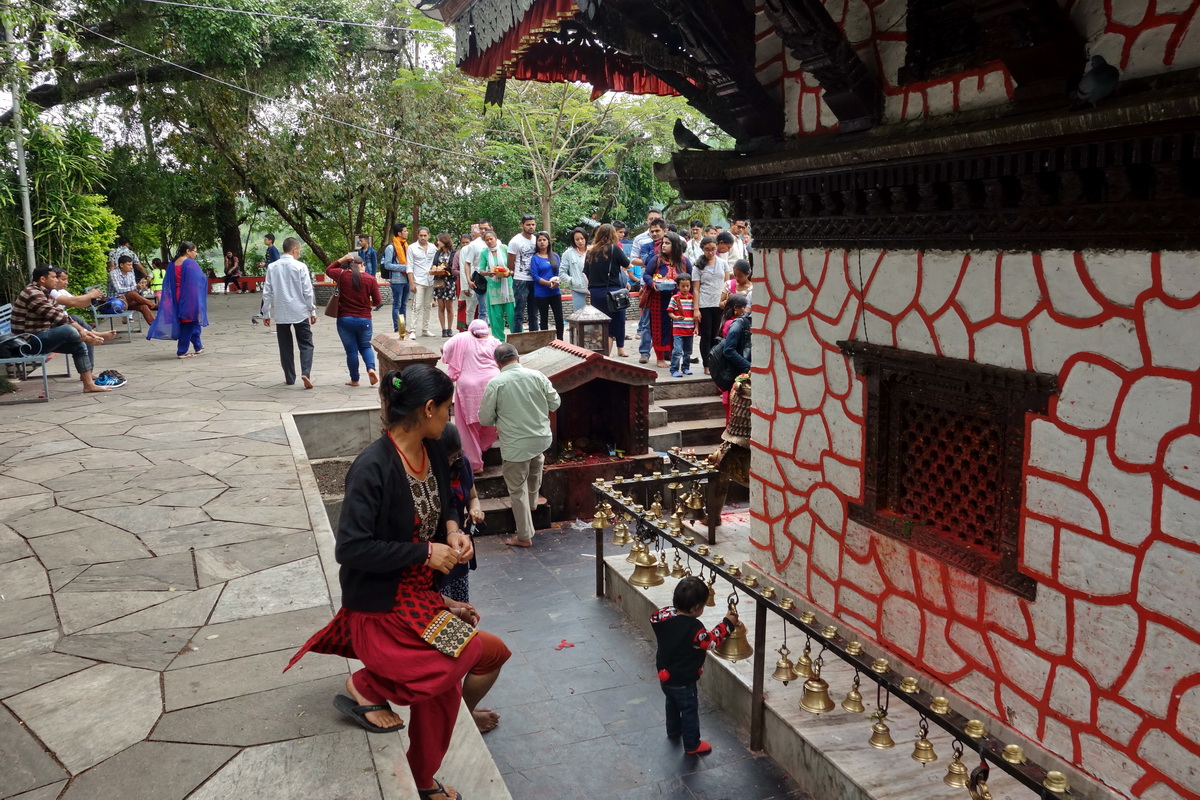
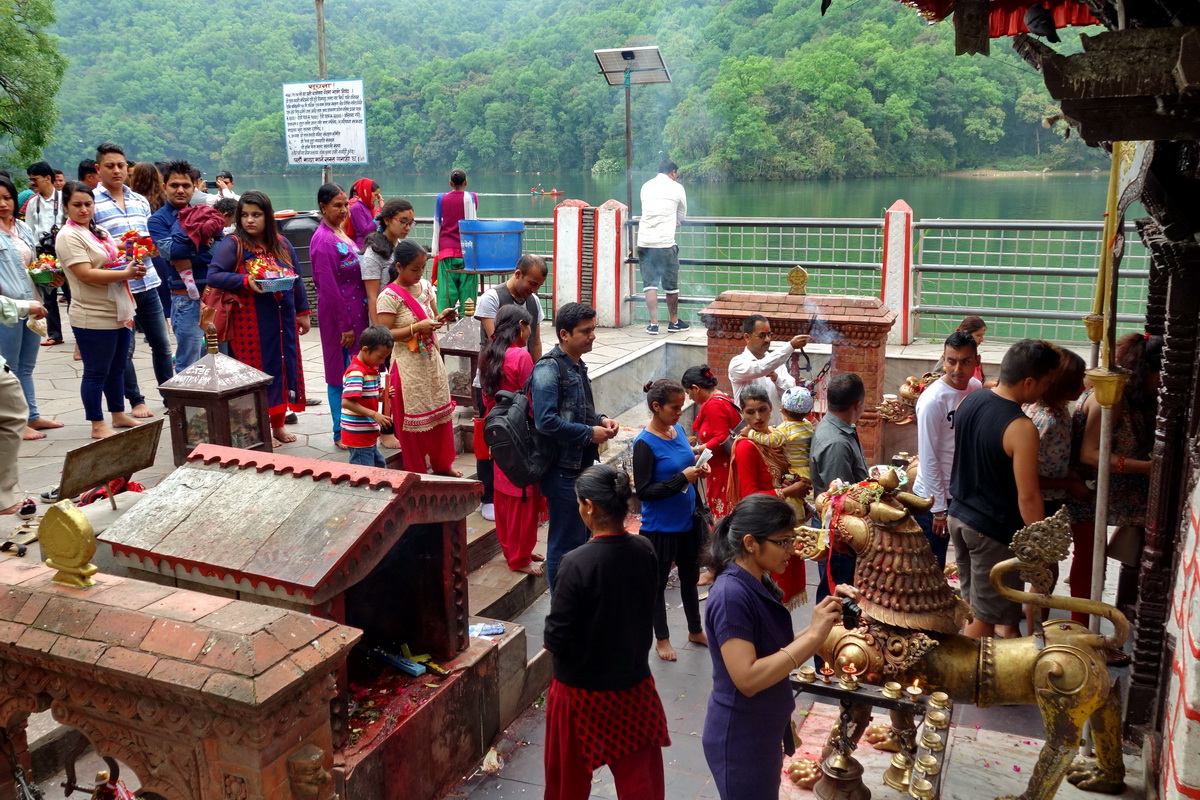
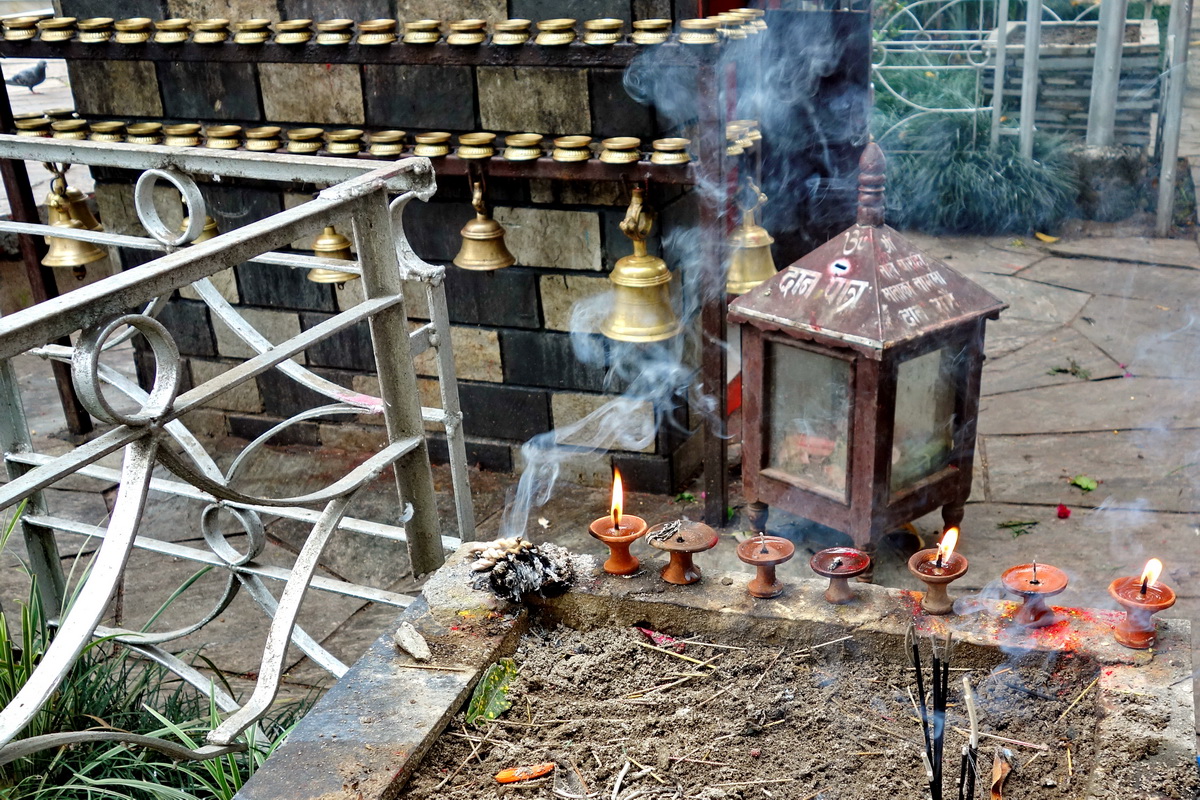
Every day, hundreds of Nepal residents come here for blessings, and on holidays and Saturdays, believers gather on the island near the Varahi Temple to praise the deity and make offerings.
From the island, there is a wonderful view of the hill, on the top of which is the Peace Pagoda.
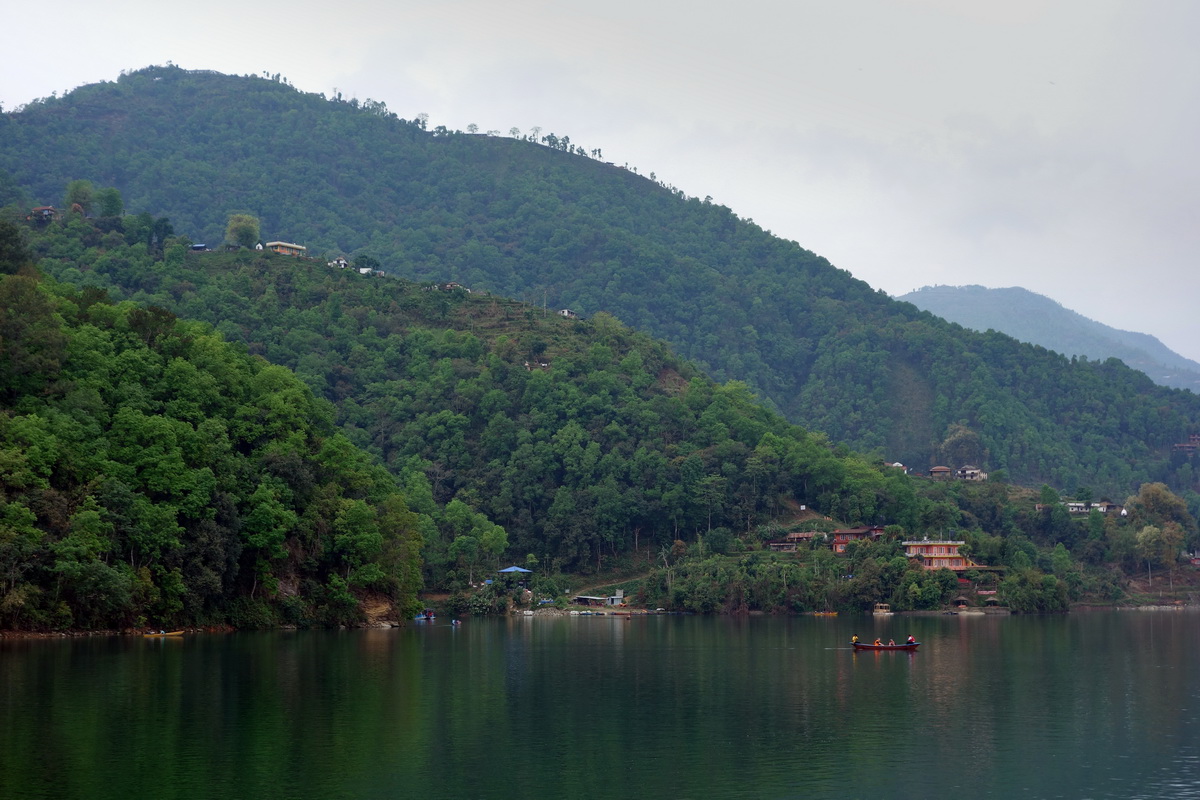
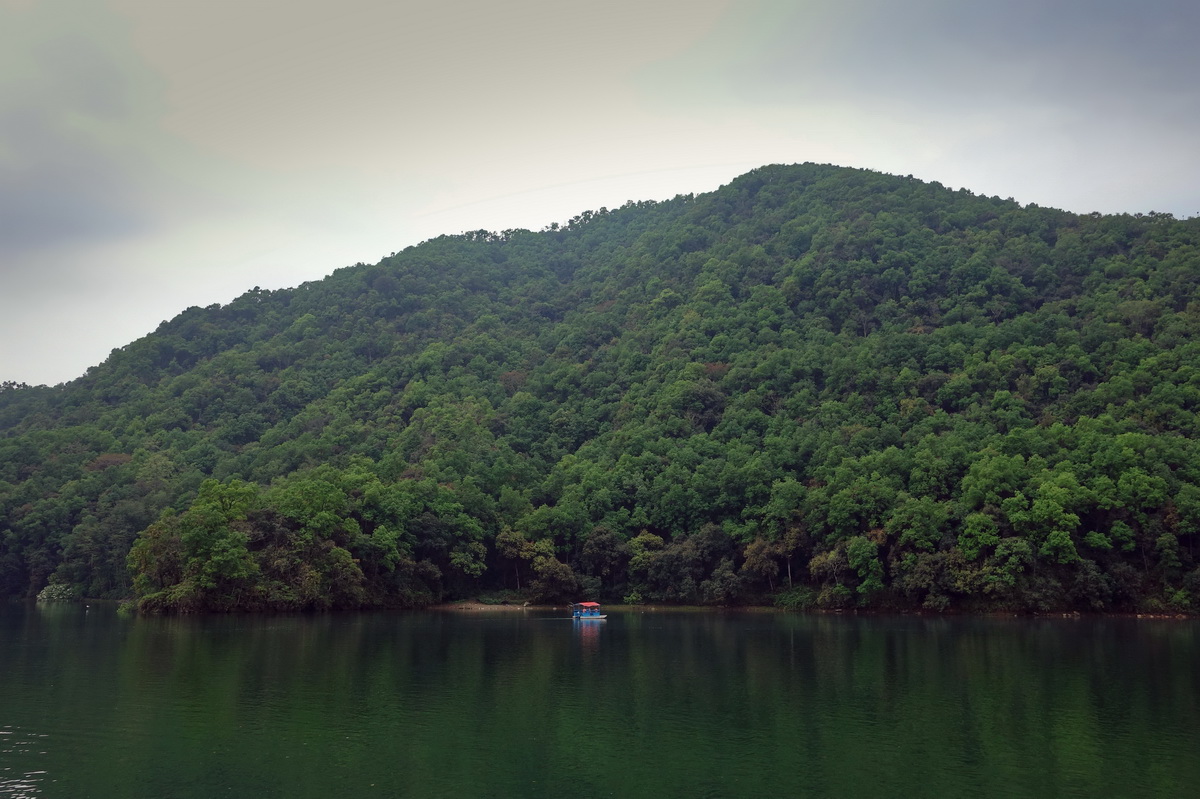
You can get to the Peace Pagoda by crossing to the opposite shore of the lake and climbing up the hill. We sail further...
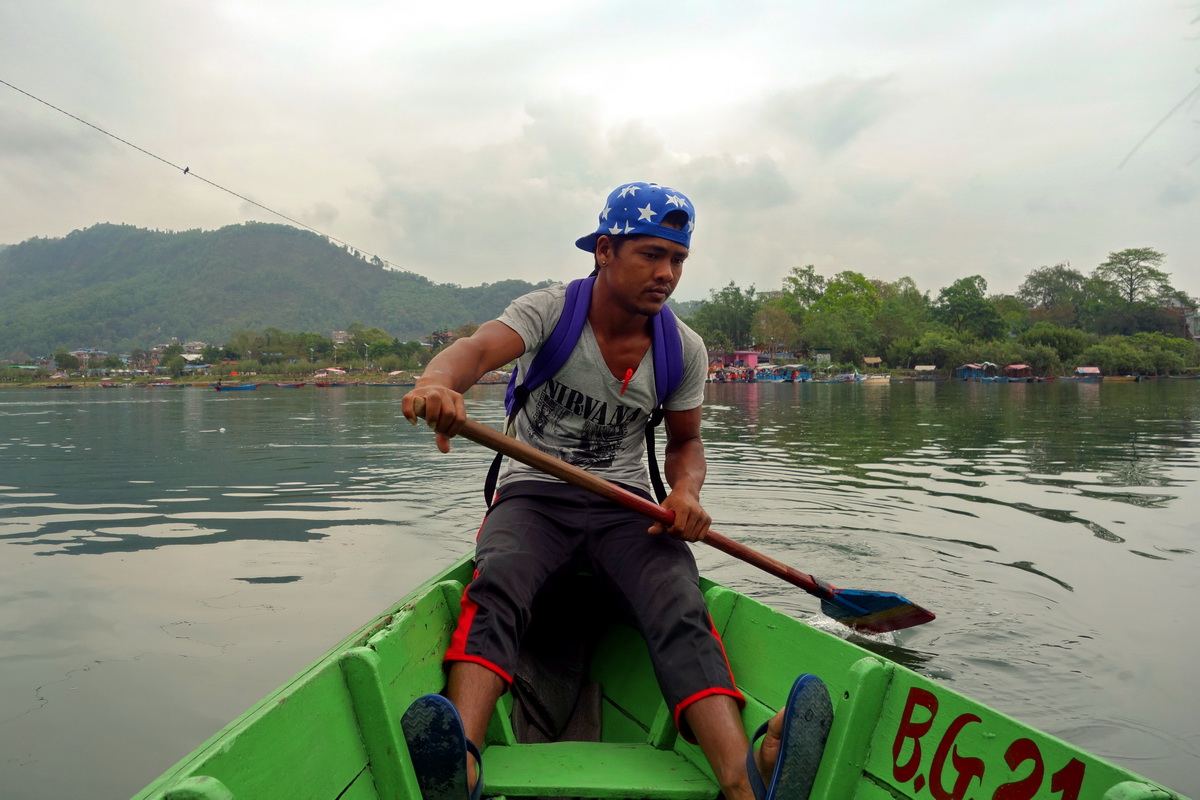
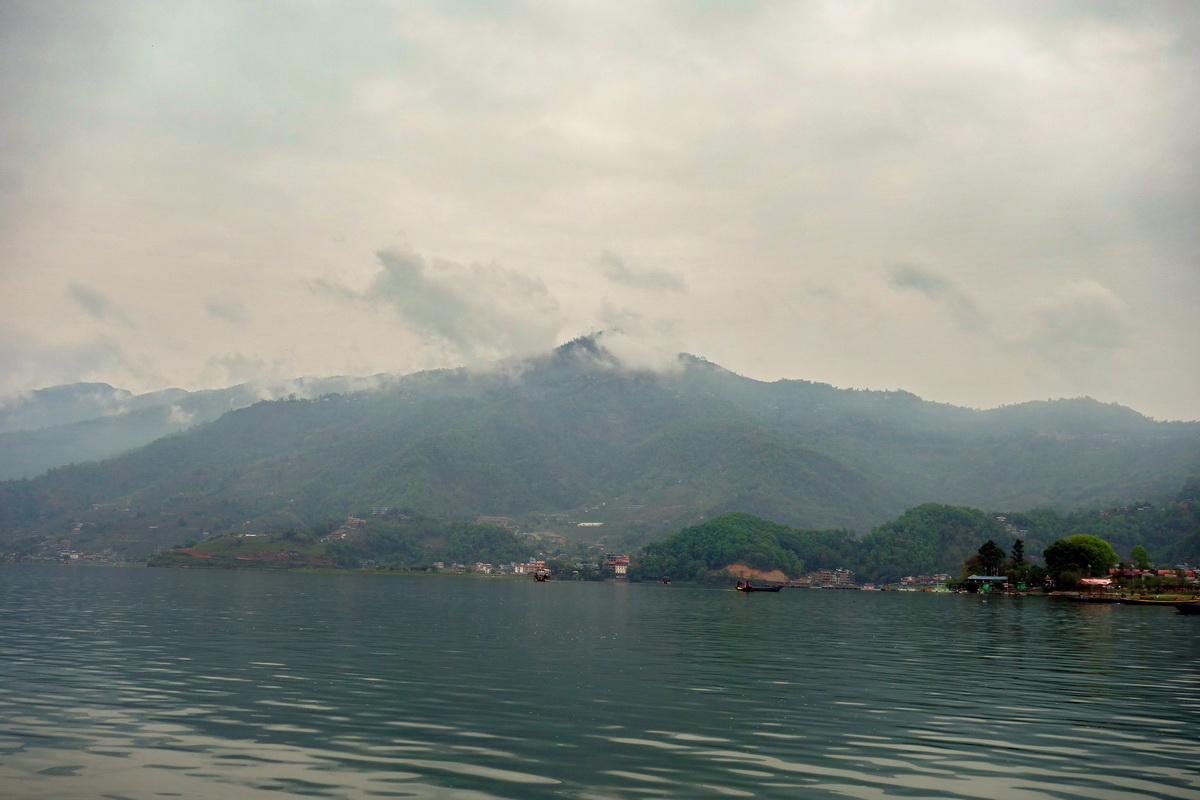
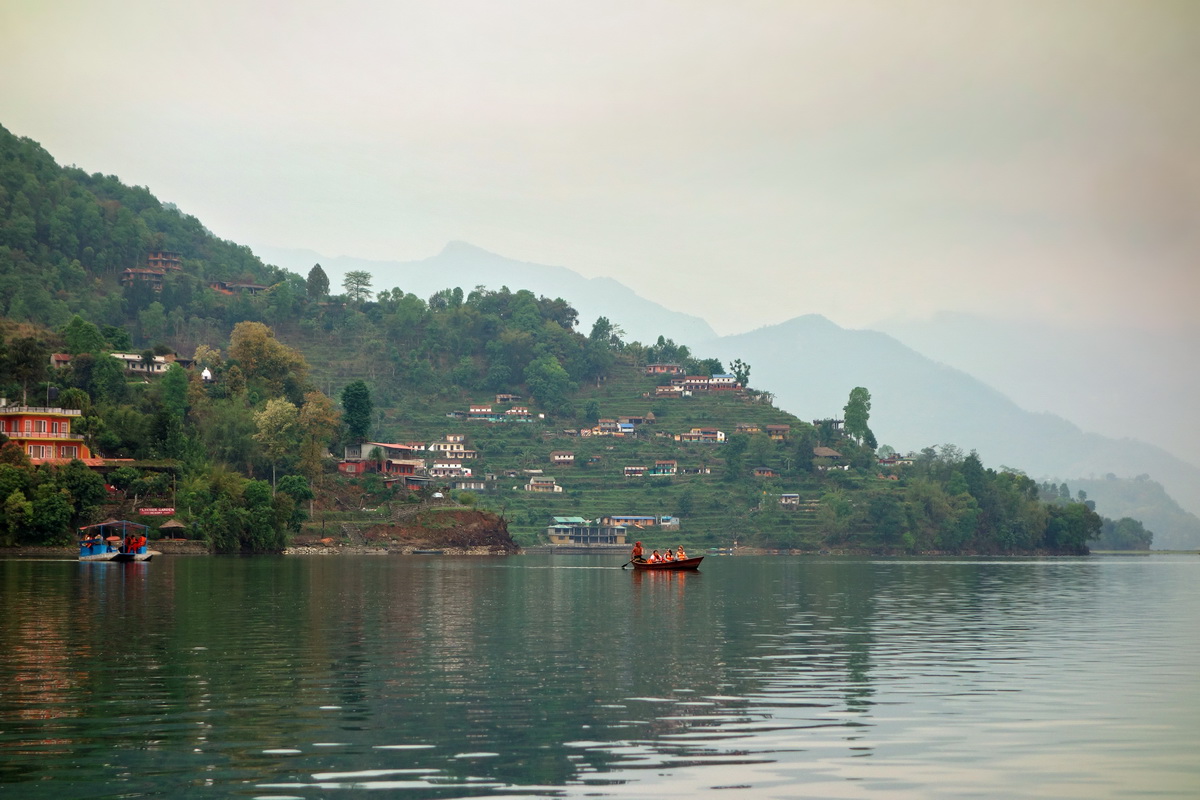
From the boat, we admire the stunning views of the picturesque nature.
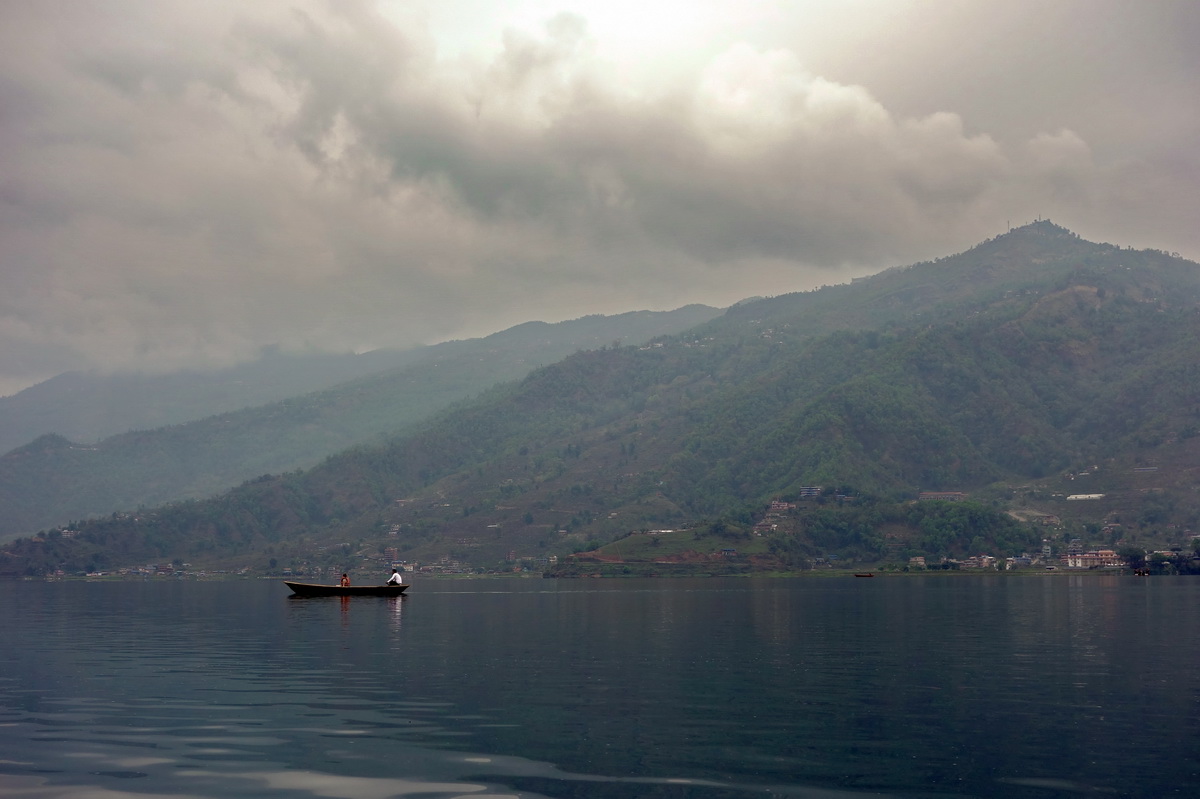
...
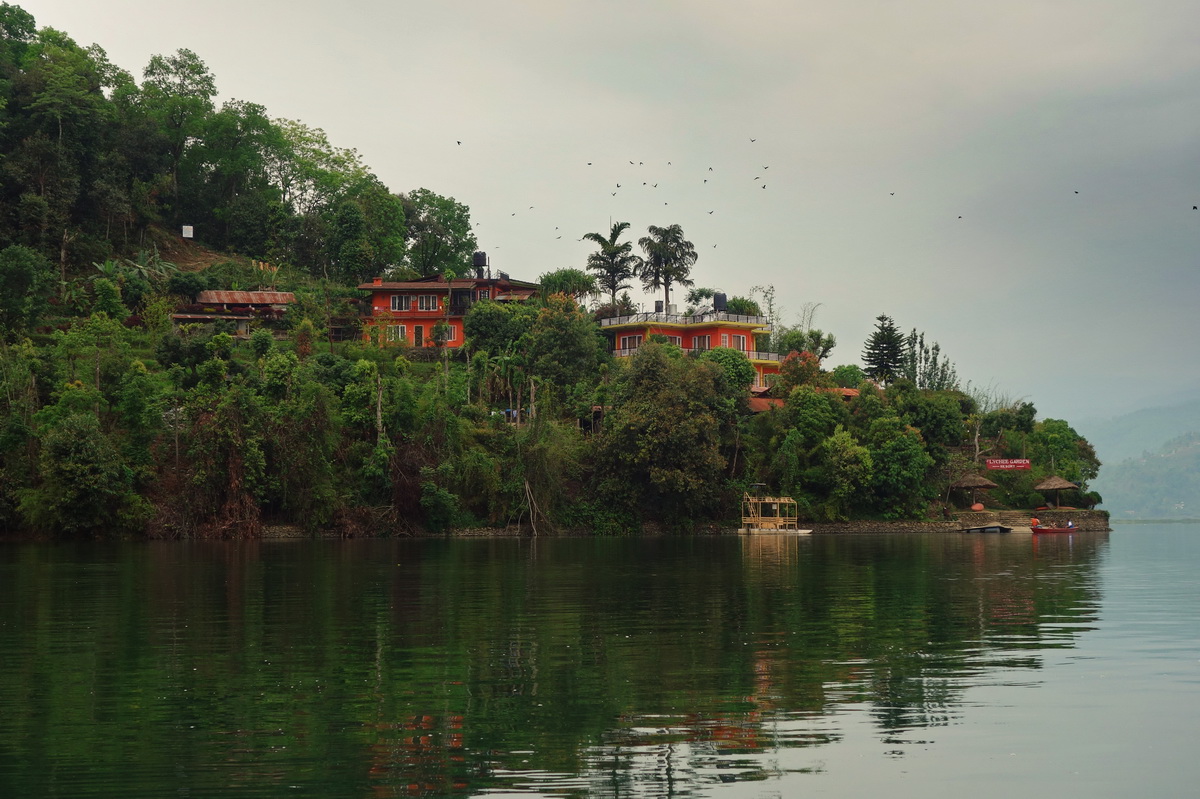
We approach.
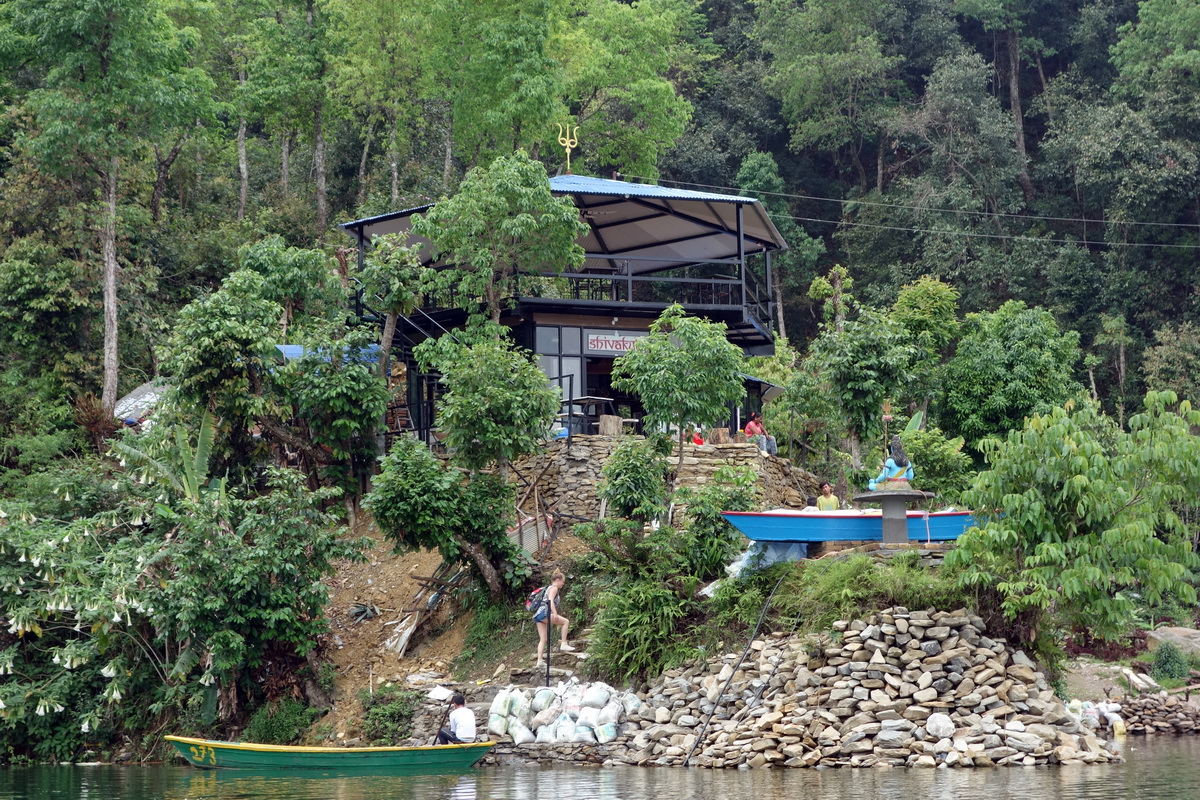
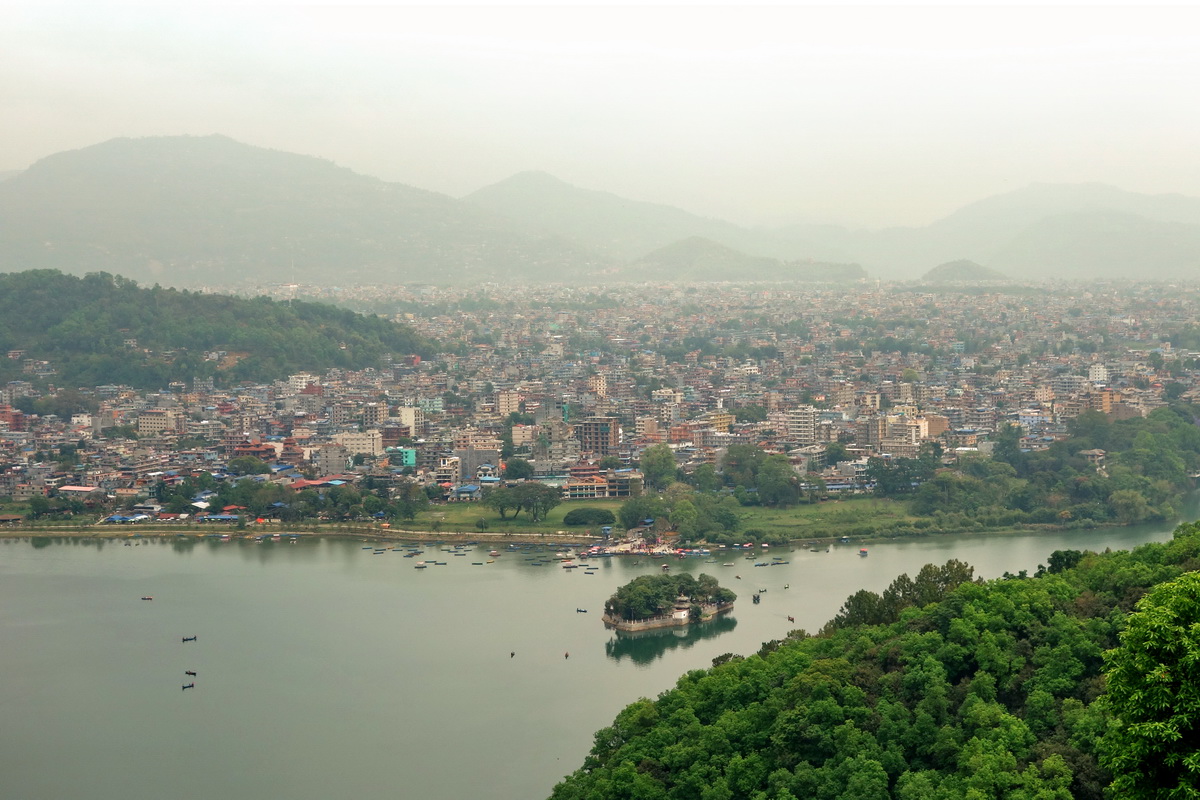
We disembark on the shore. From here, there is a view of the Lakeside district, from where we sailed.
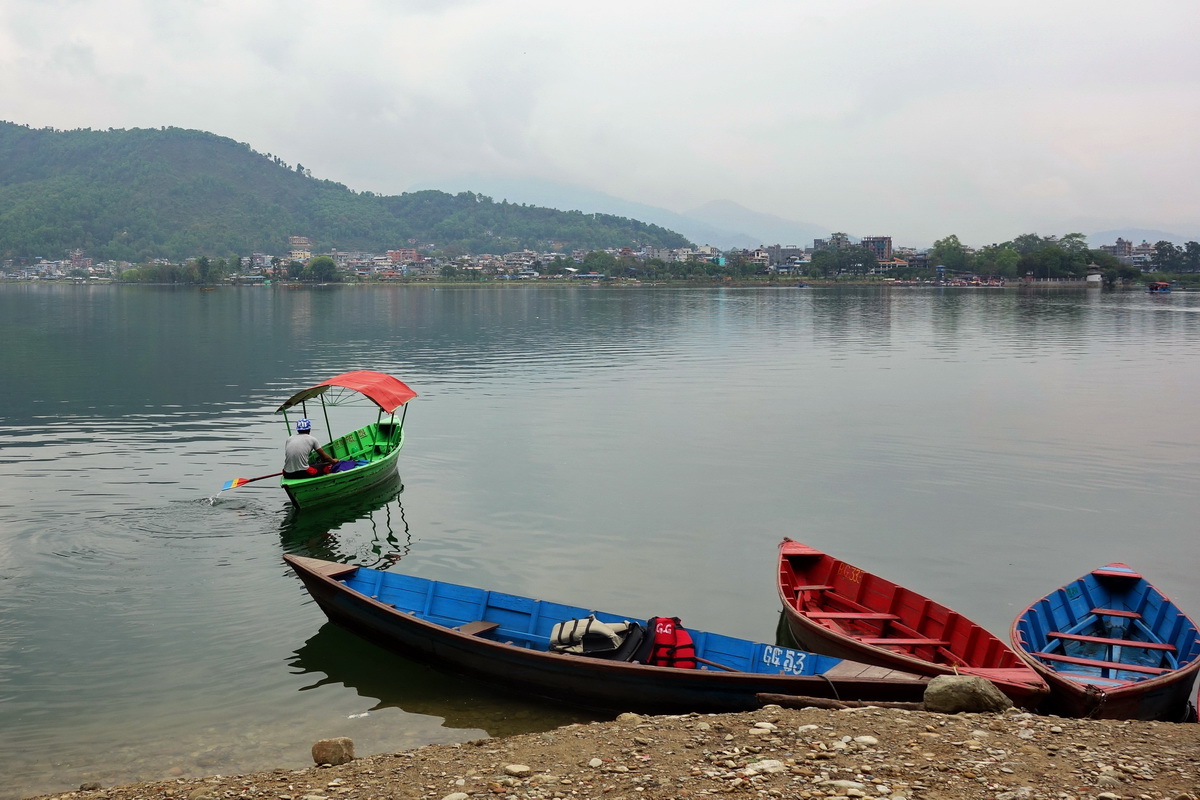
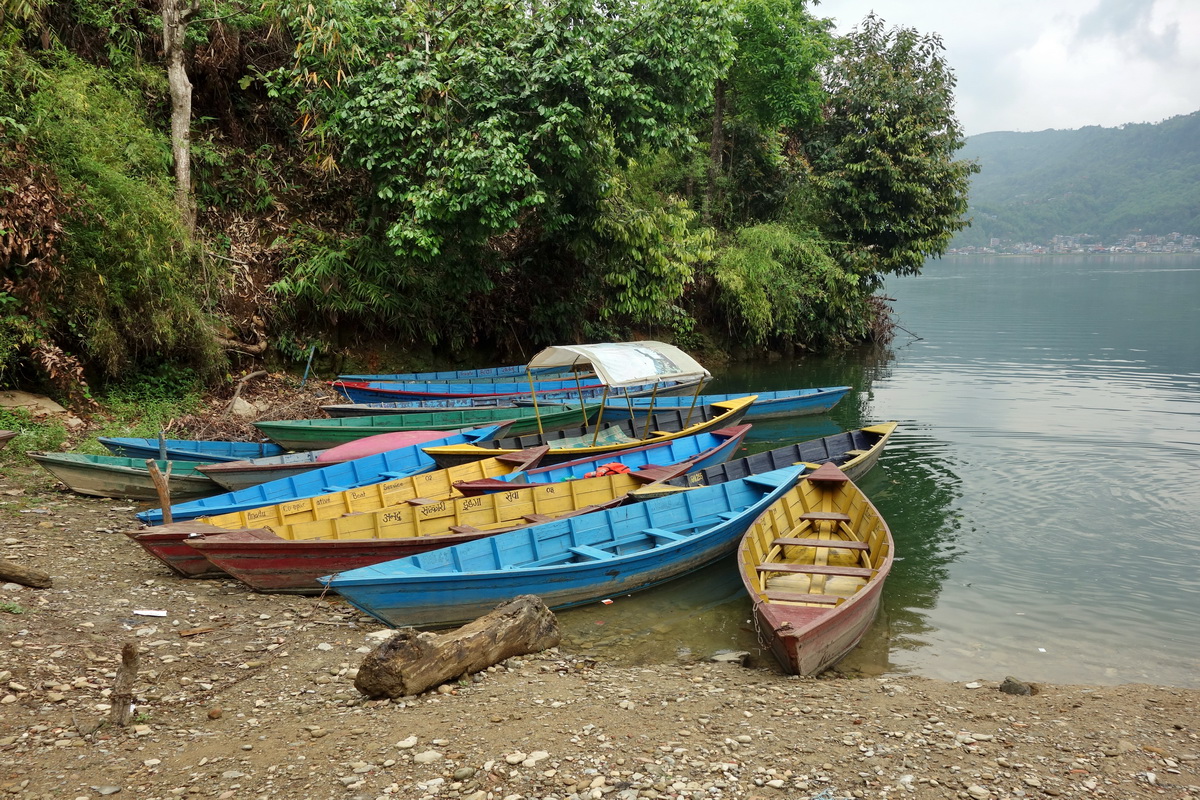
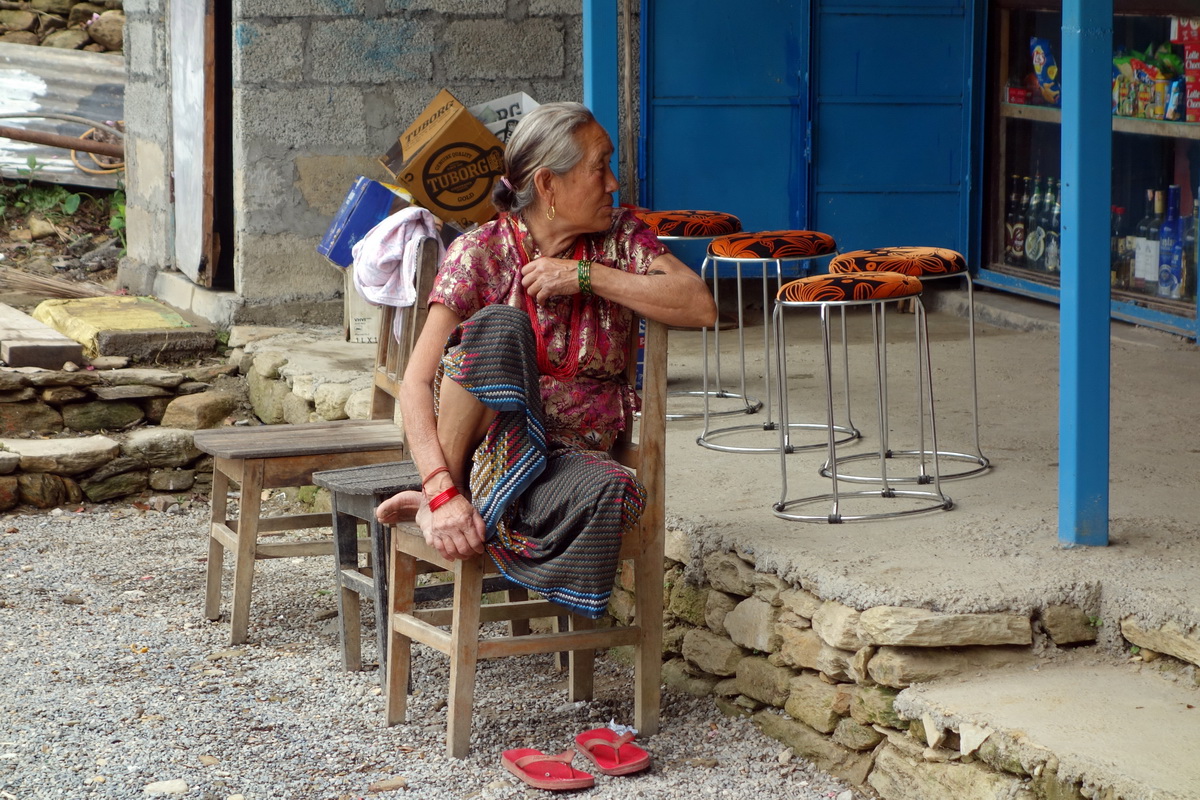
On this shore, there are a couple of local “restaurants.”
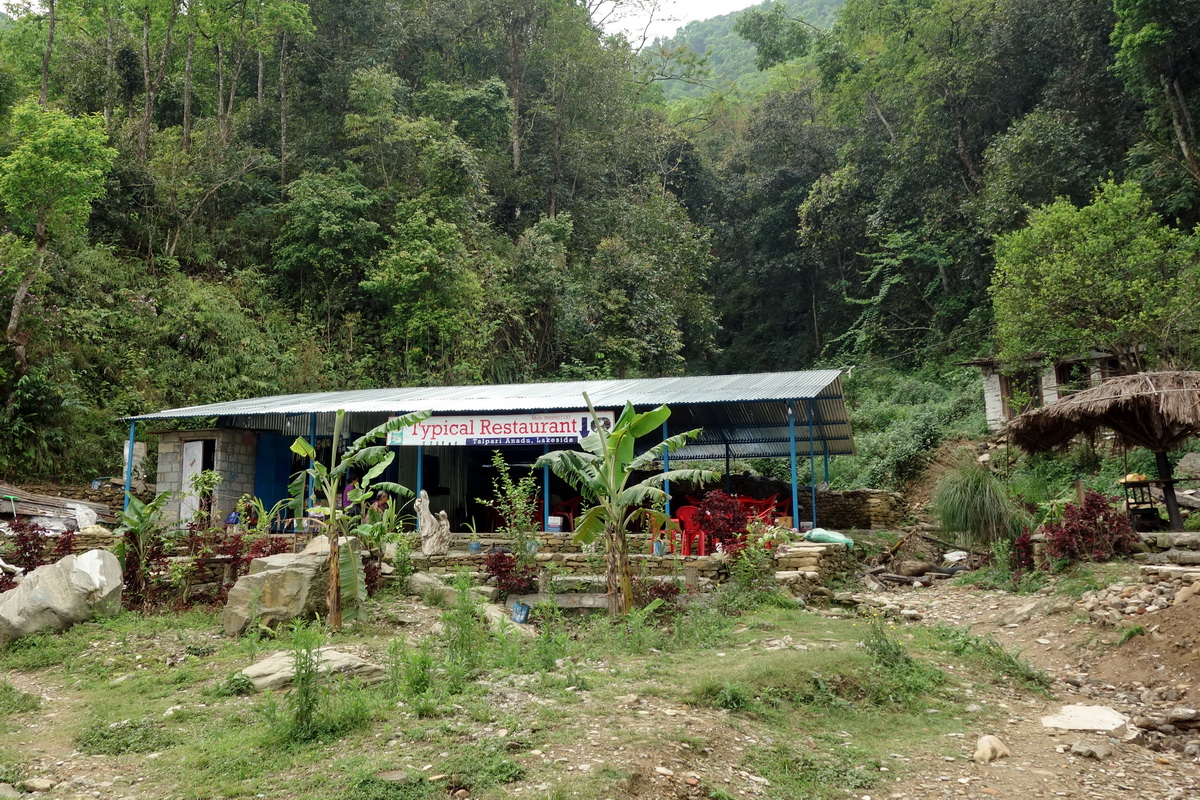
And right from here, the trail to the top of the mountain to the Peace Pagoda begins. We climb.
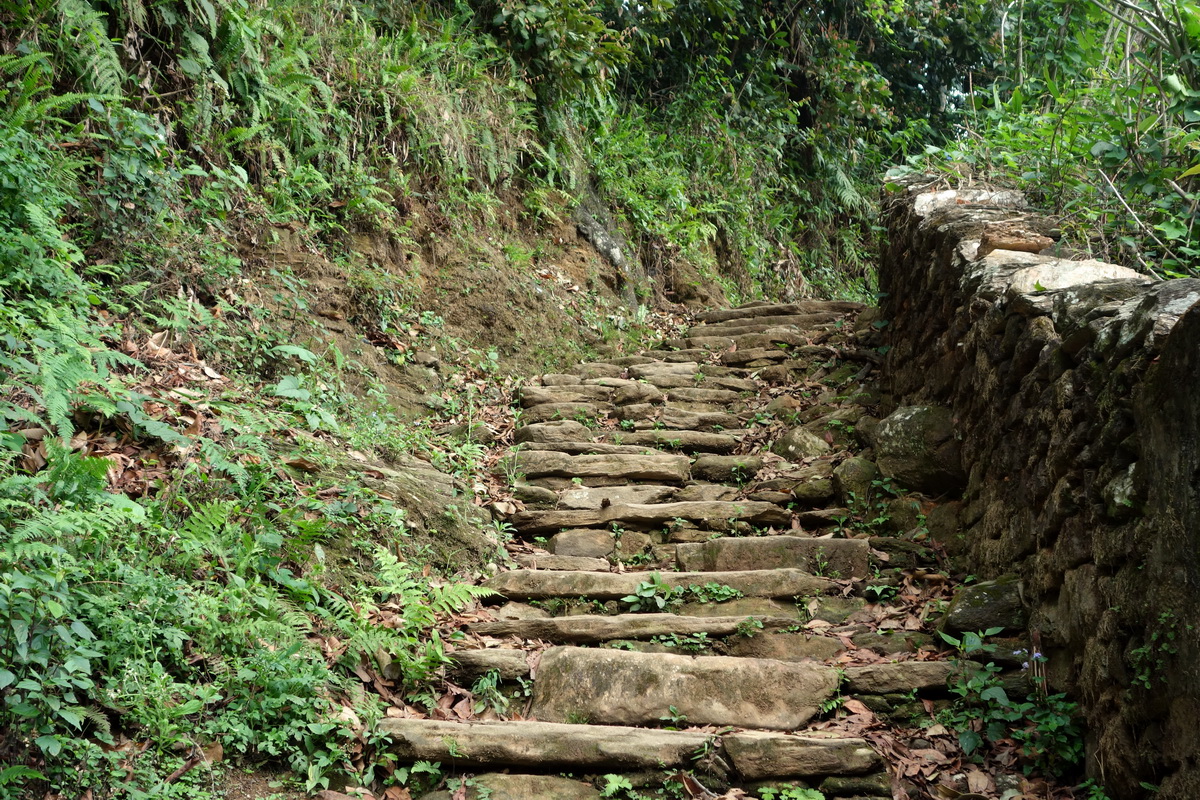
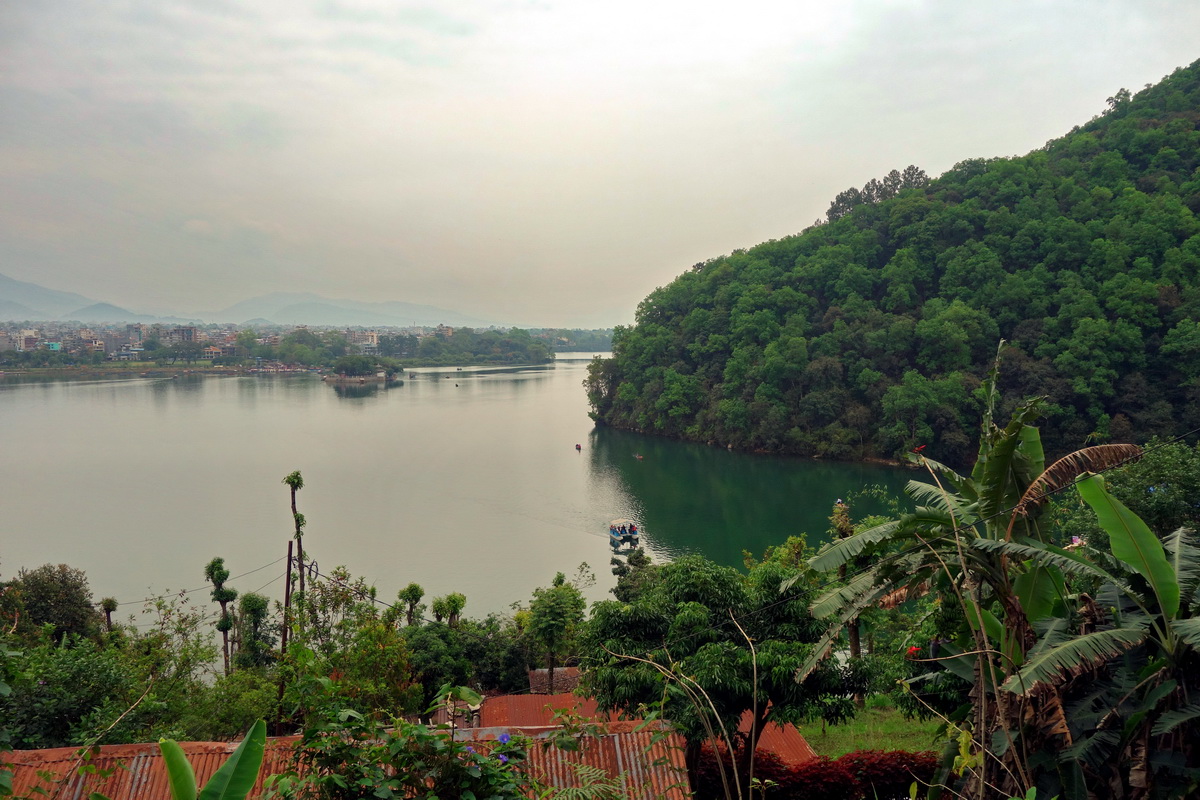
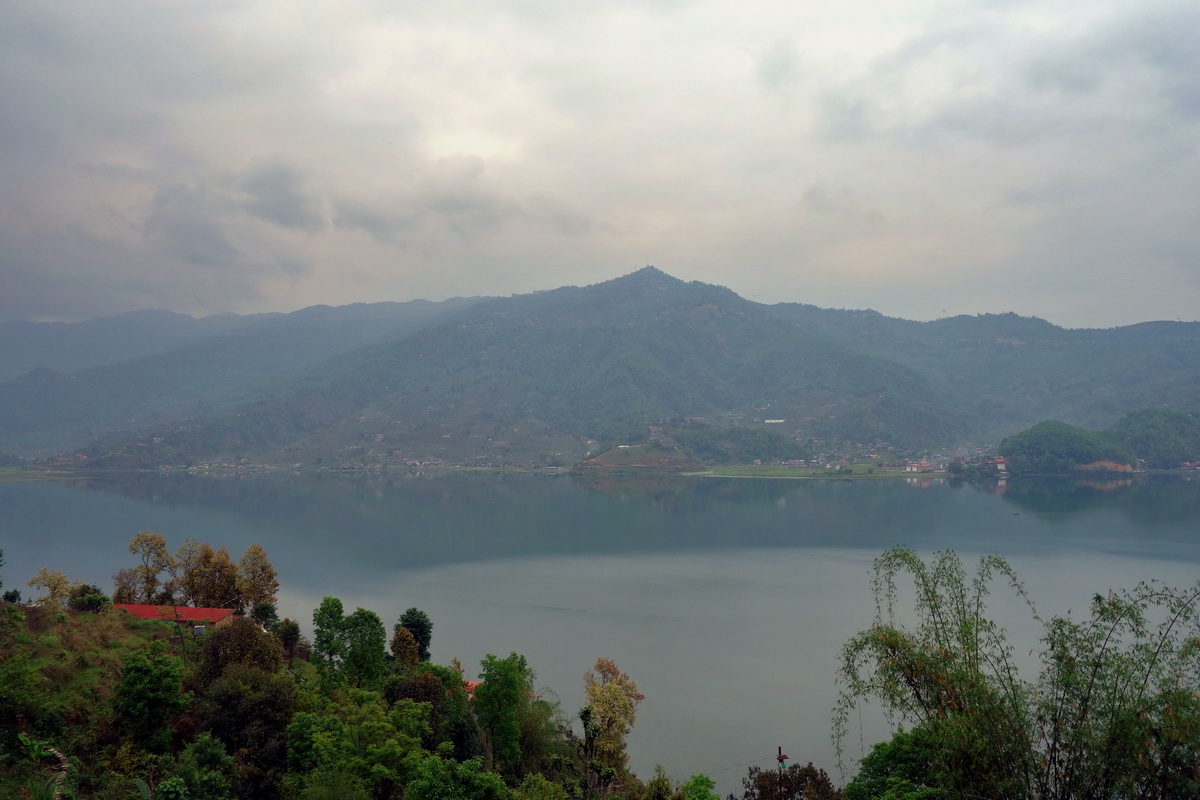
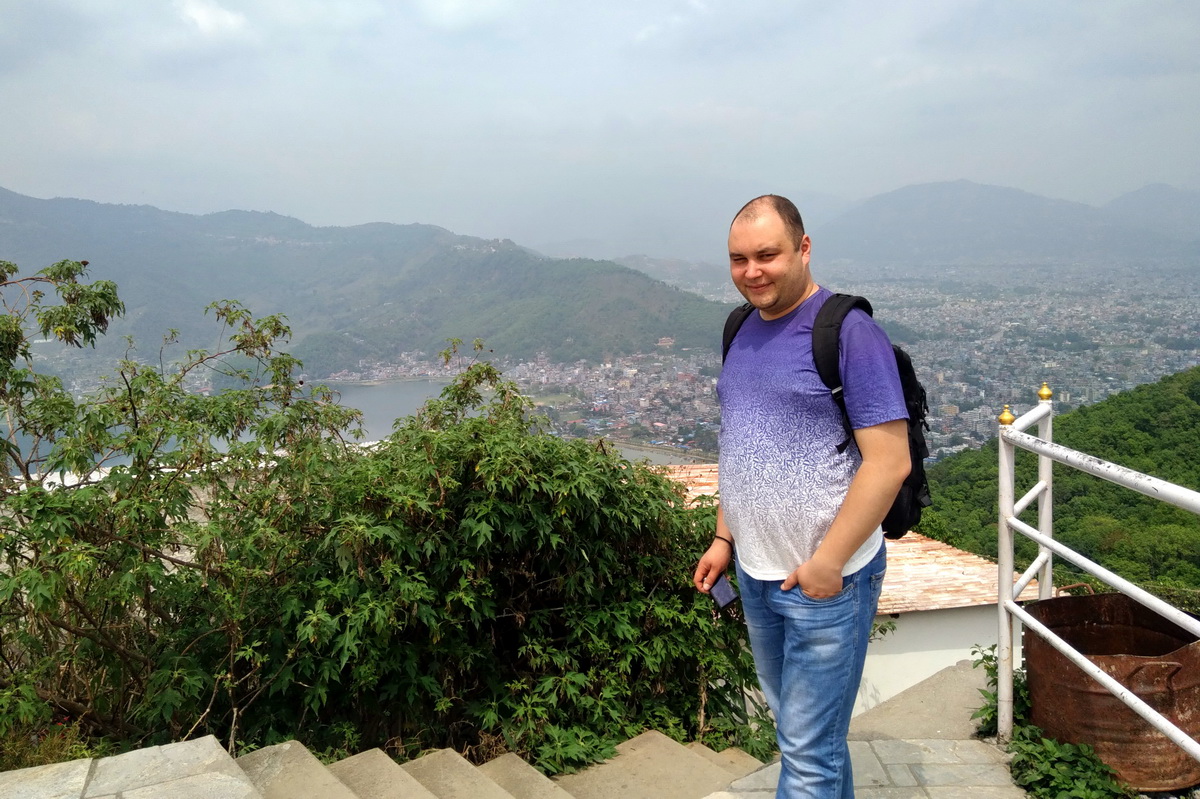
The height of the pagoda relative to the lake level is about 300 meters, and the total path length is about 2 kilometers. As we climb higher, magnificent views of Phewa Lake and Pokhara gradually open up.
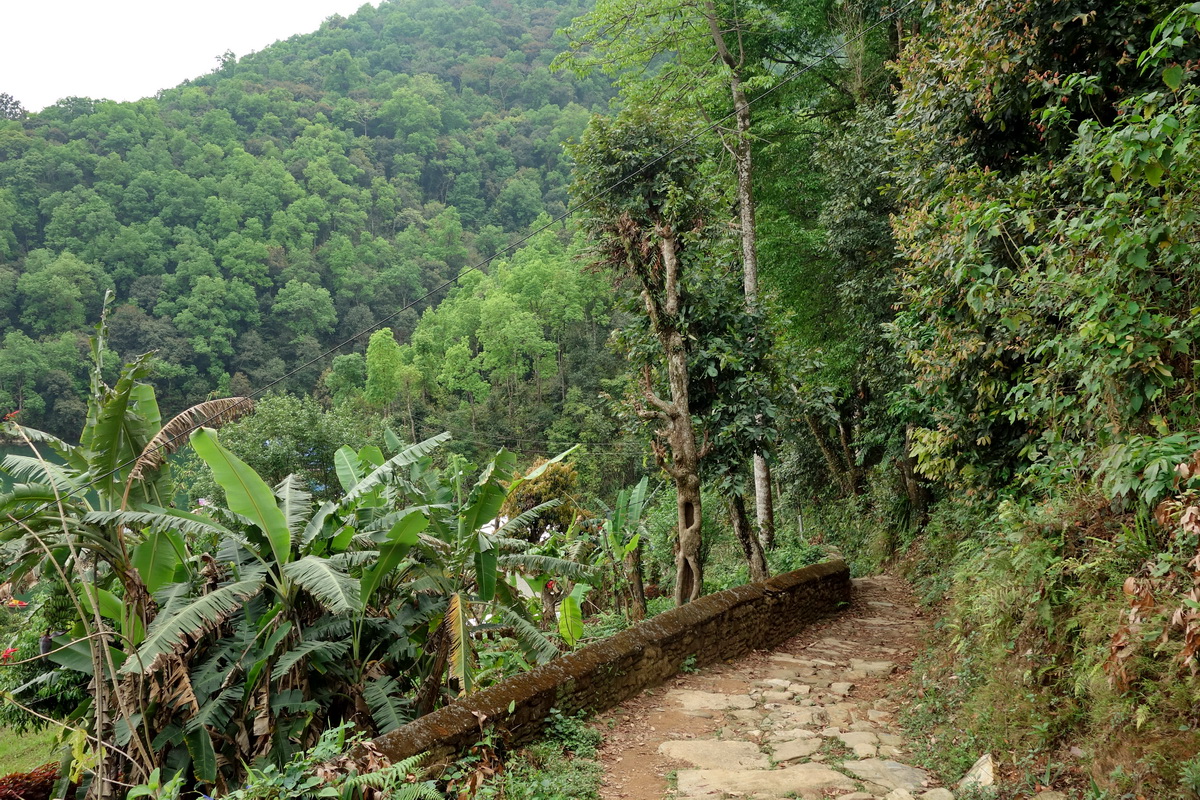
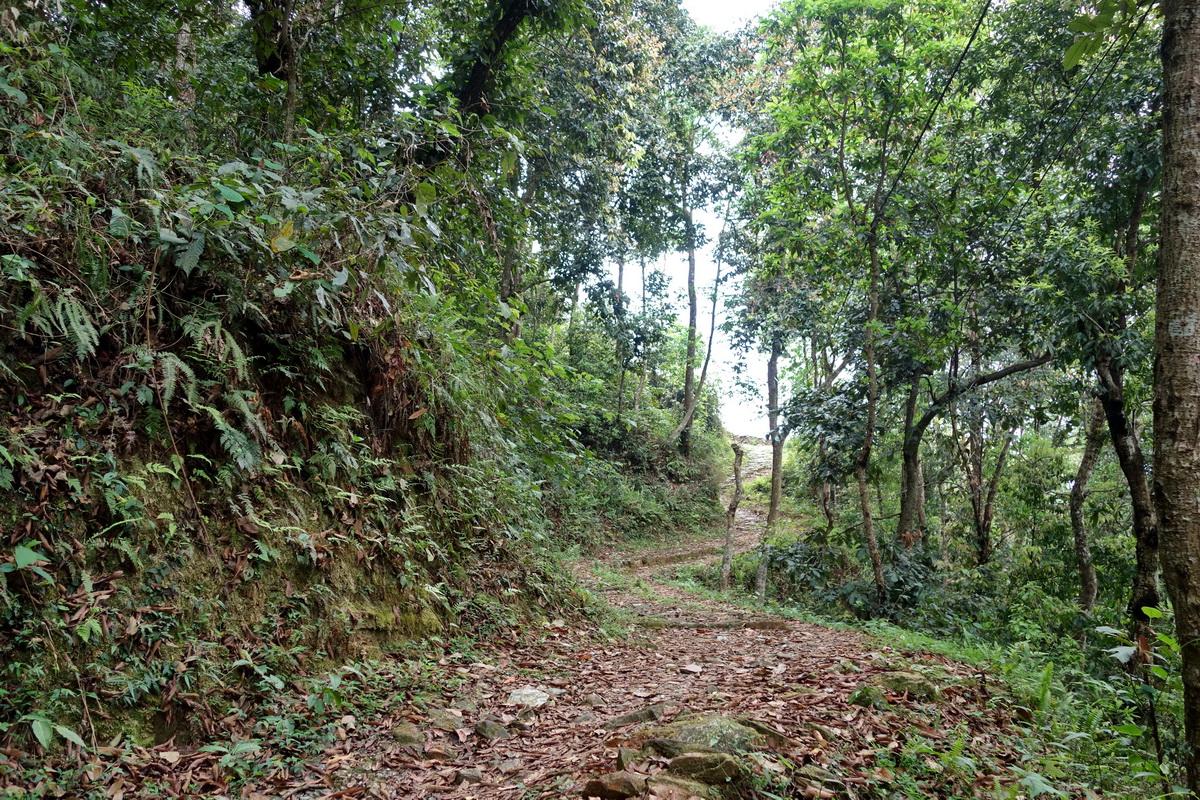
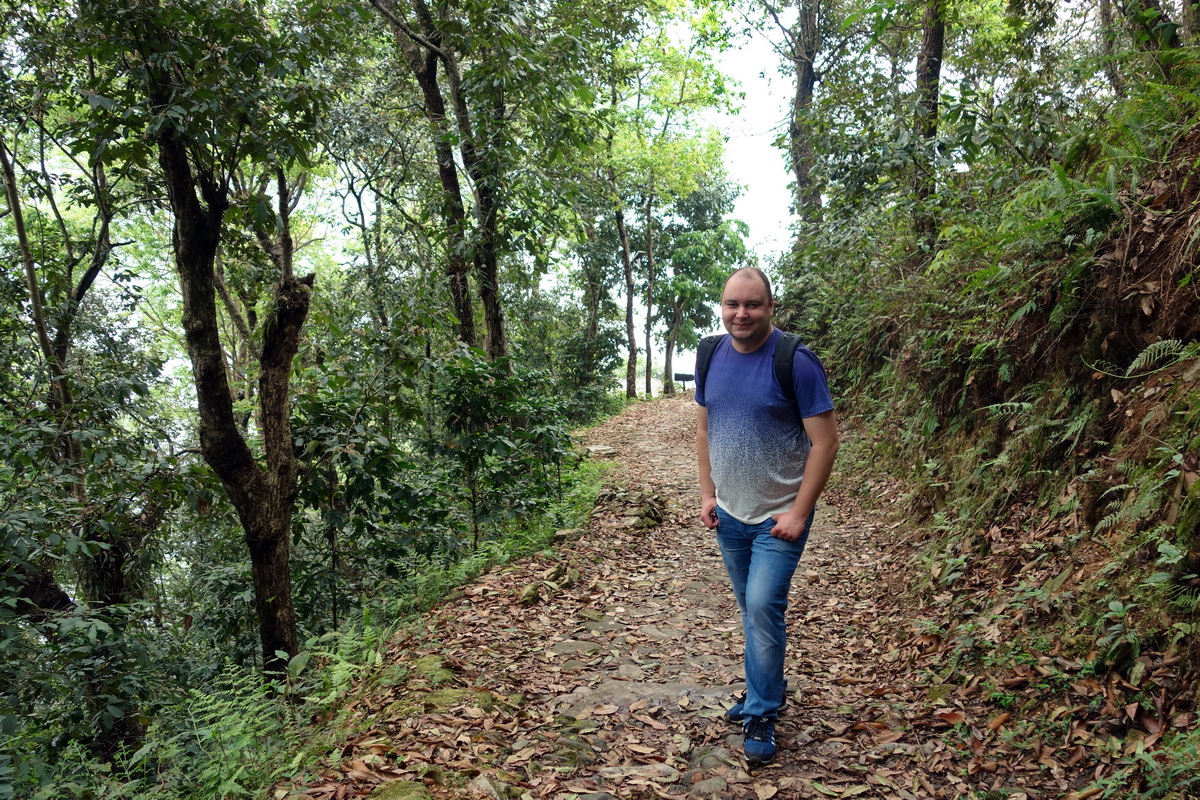
The trail up runs through the forest. Climbing is still not difficult.
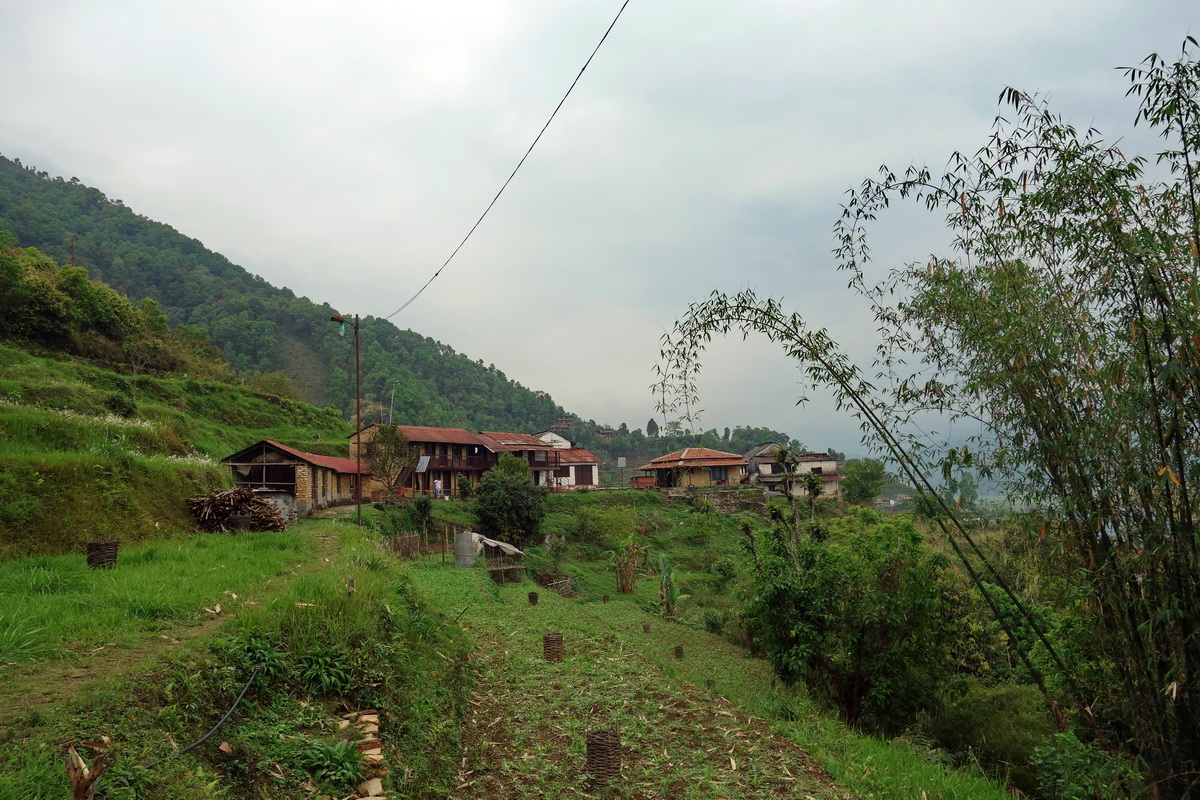
And here’s some village appearing...
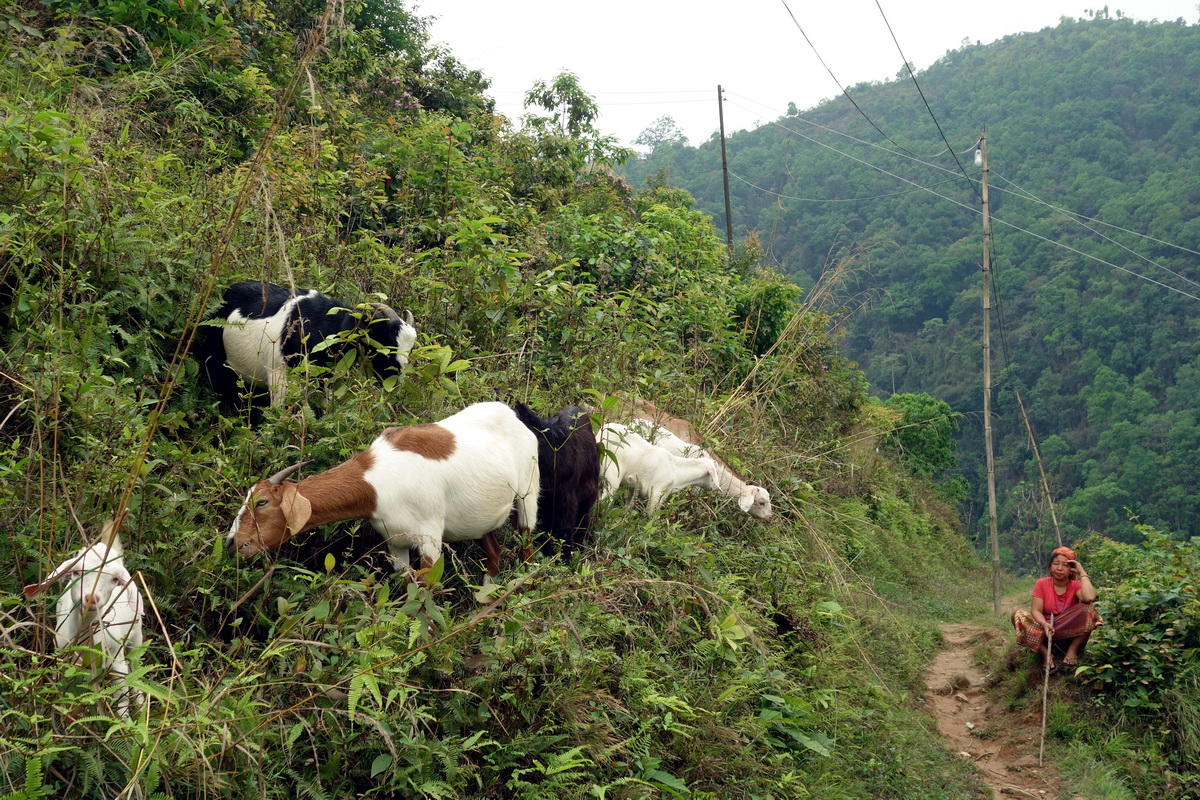
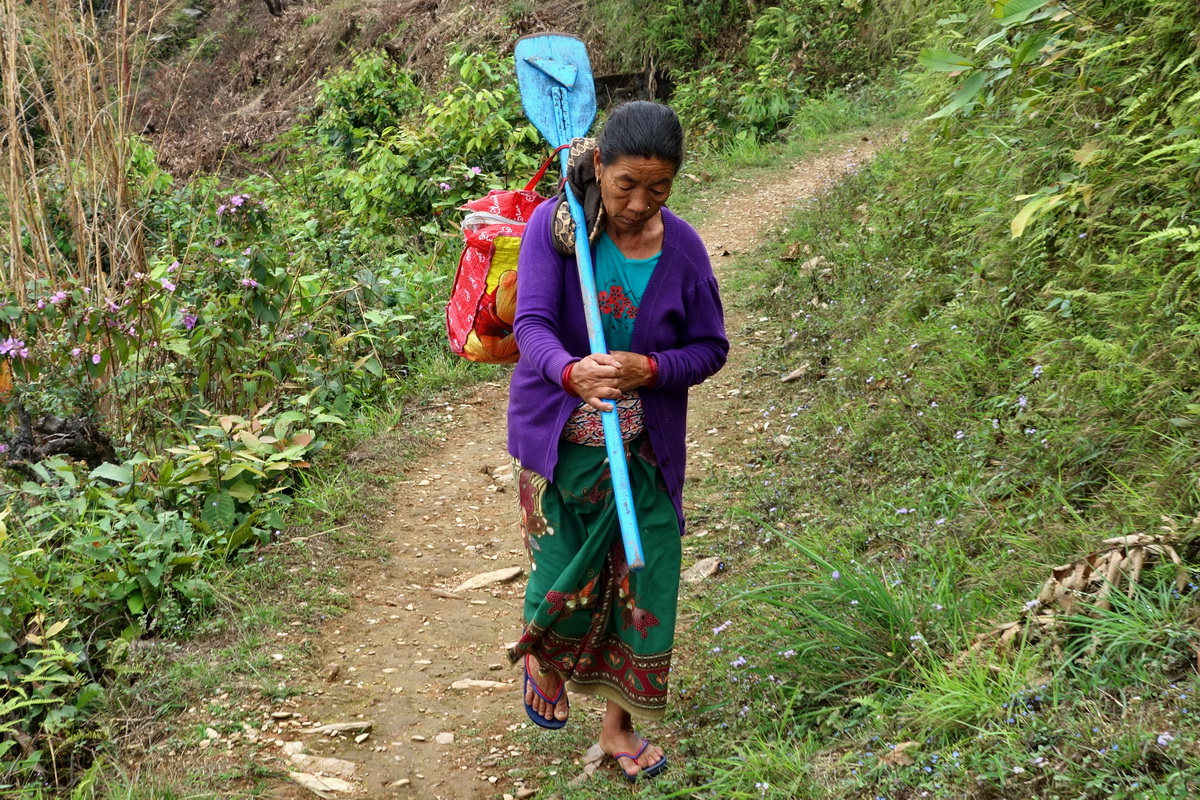
Along the way, we meet local residents and Nepalese goats.
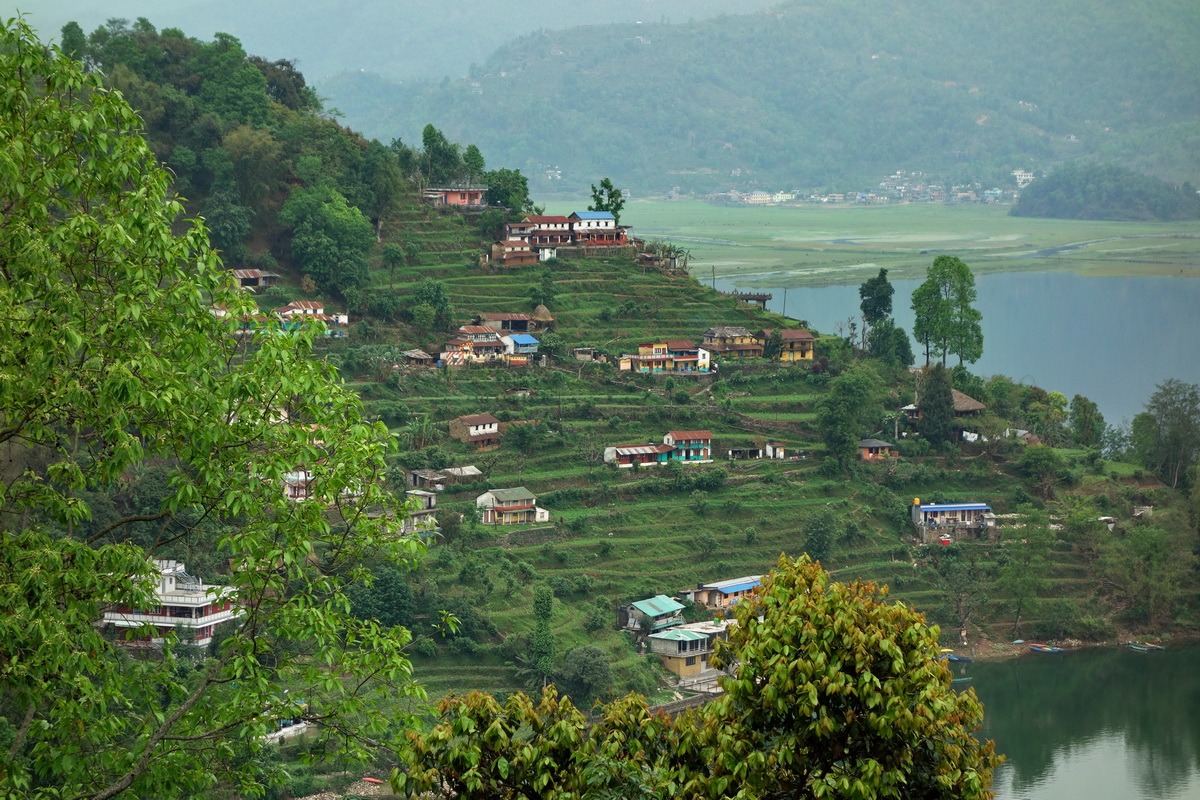
On the so-called tiers on the mountain, there are vegetable gardens where locals mainly grow corn and cabbage.
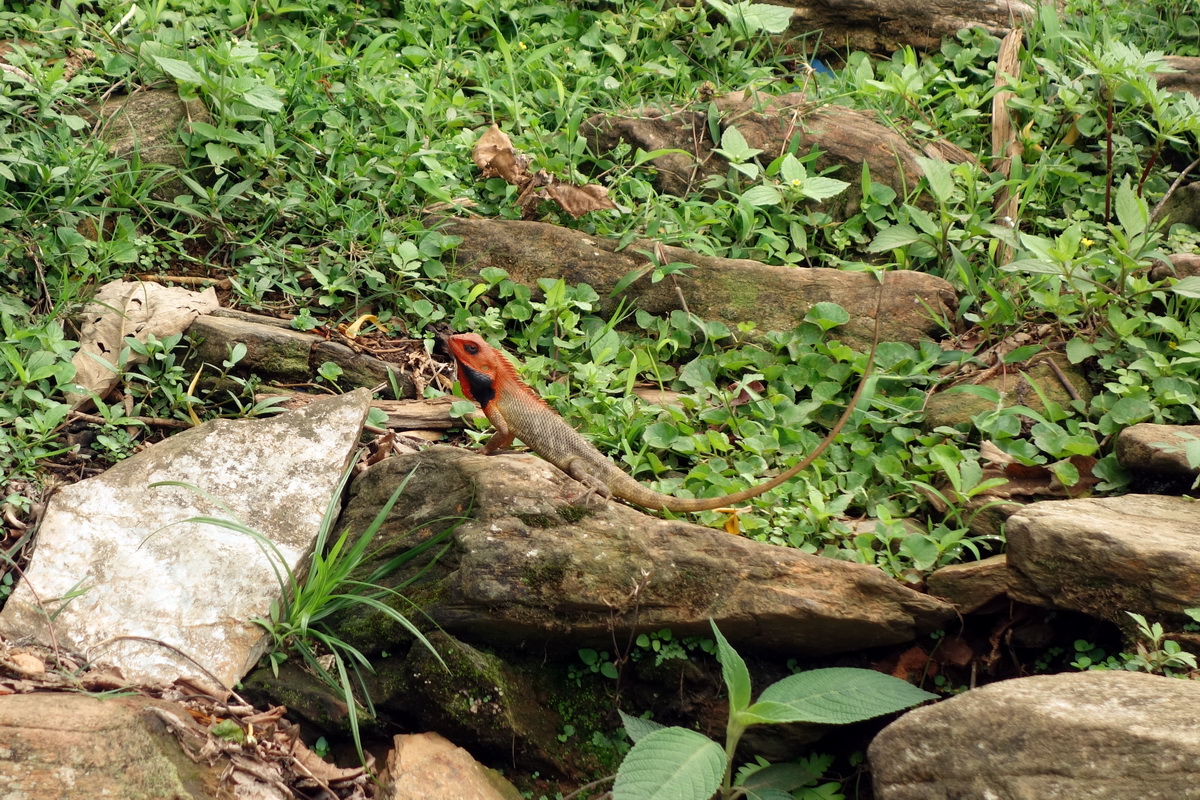
A lizard.
The mountain is completely covered with greenery; there are unusual trees here—star anise.
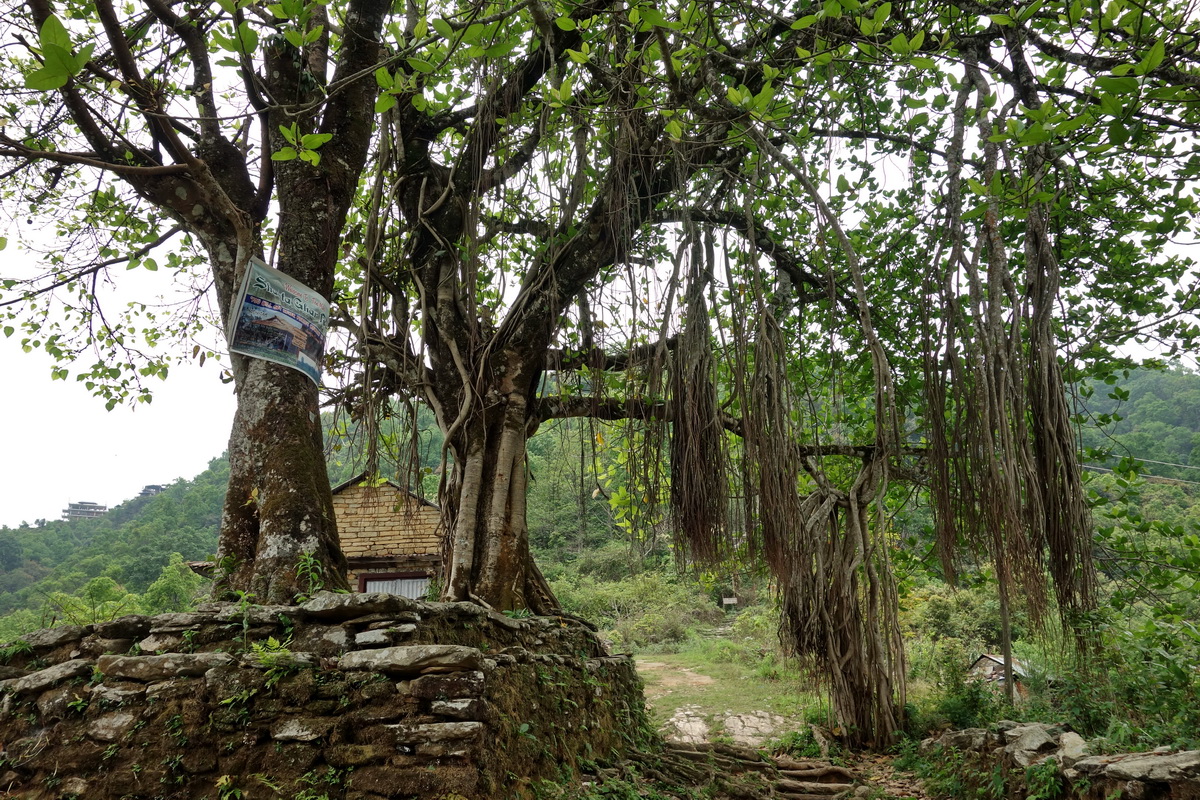
We’ll rest a bit. After all, climbing is not as easy as it seemed at first. Plus, it’s very hot and humid.
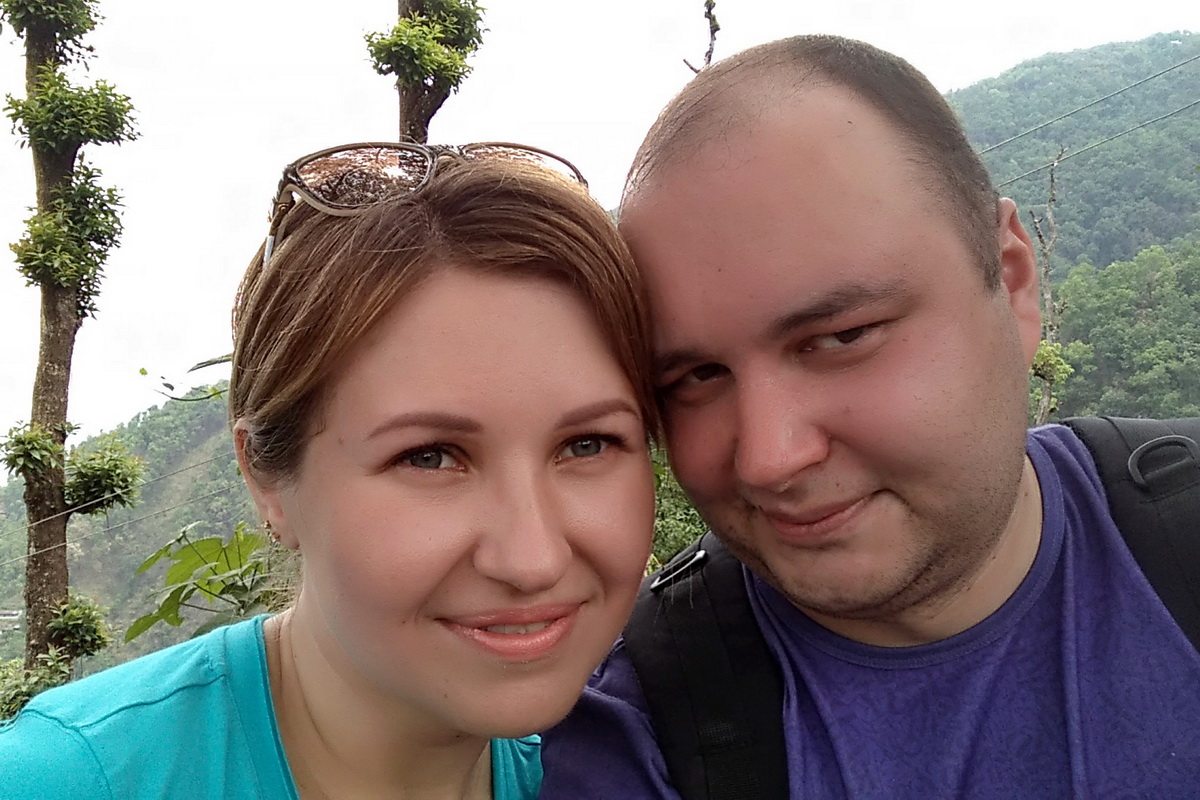
We continue the path higher toward the Peace Pagoda.
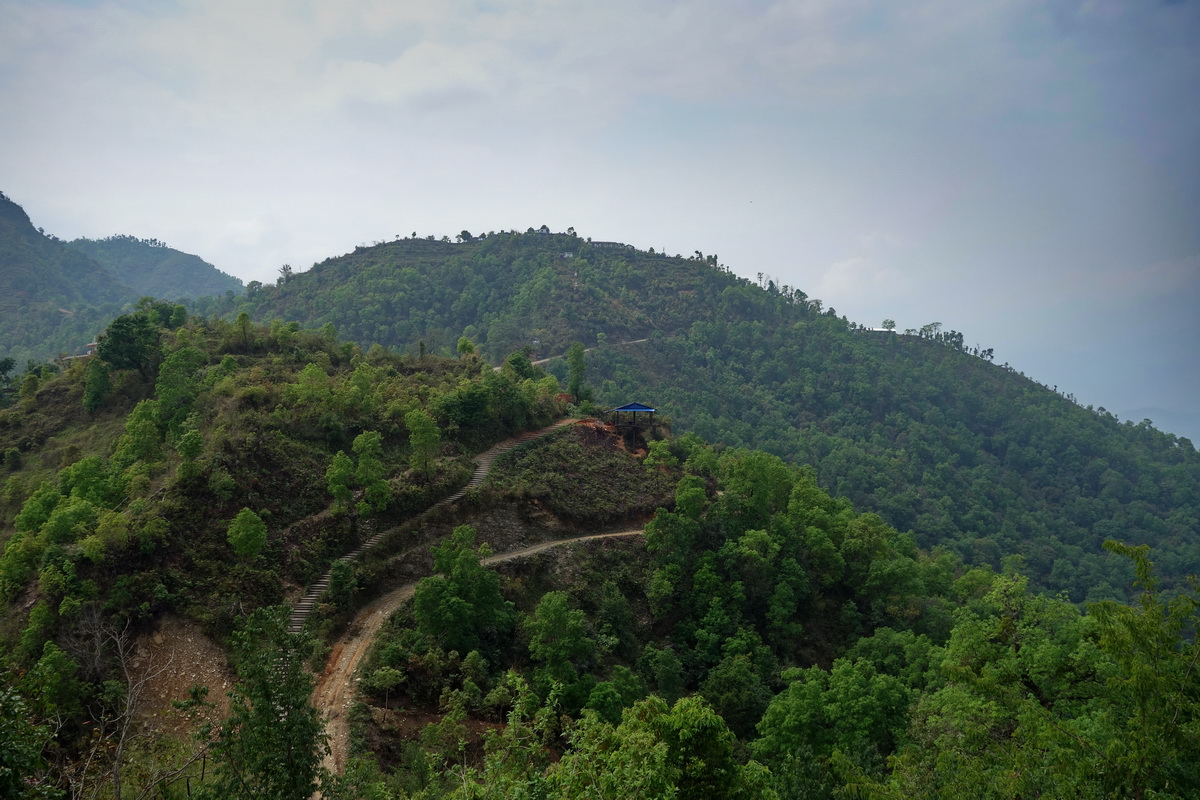
We’ve climbed, finally. The entire path to the pagoda took us about two hours. The pagoda is located at an elevation of 1,250 meters above sea level, although, as mentioned earlier, its actual height is just over 300 meters.
The Peace Pagoda is a Buddhist pagoda created to unite people of all races and faiths in the search for peace and tranquility. It symbolizes peace, harmony, and kindness. Entry is free.
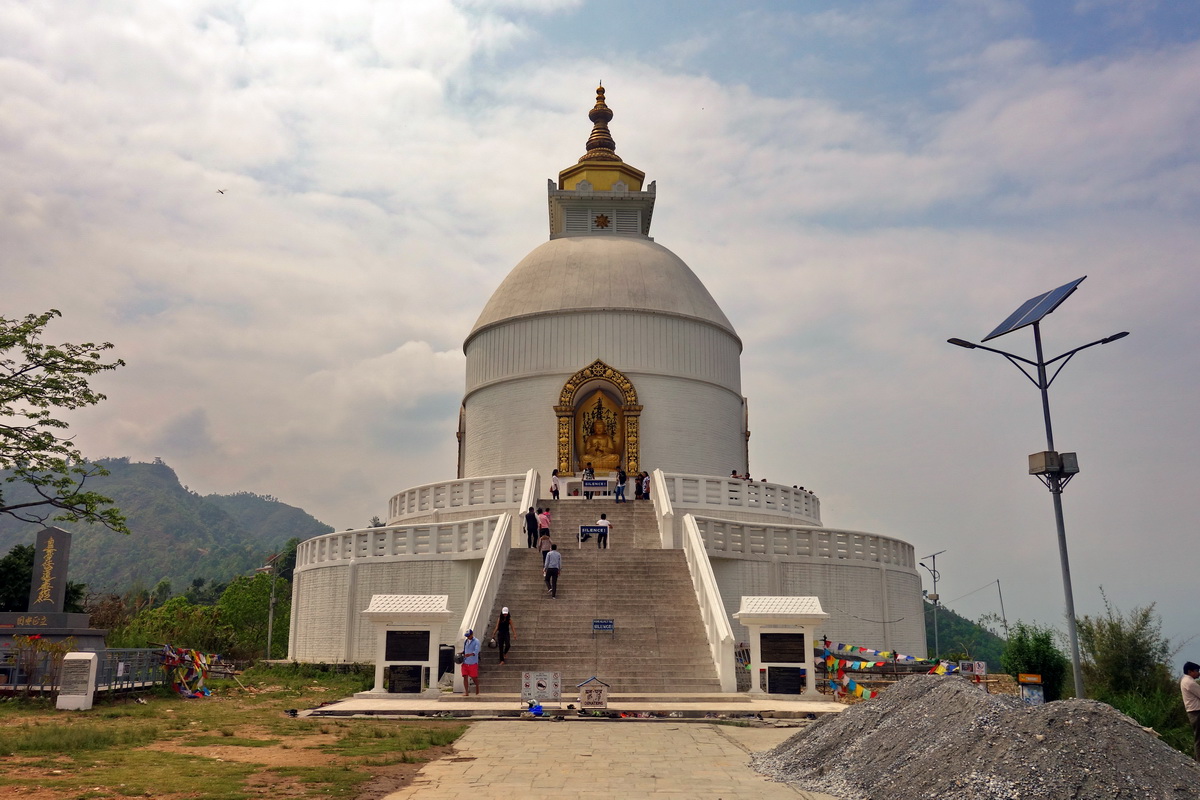
This pagoda was built with funds from a Japanese organization led by a Buddhist monk who was a proponent of compassion and kindness. Under his leadership, over 80 similar stupas were built worldwide. The first stupas were erected in Hiroshima and Nagasaki in memory of the nuclear bombing of these cities.
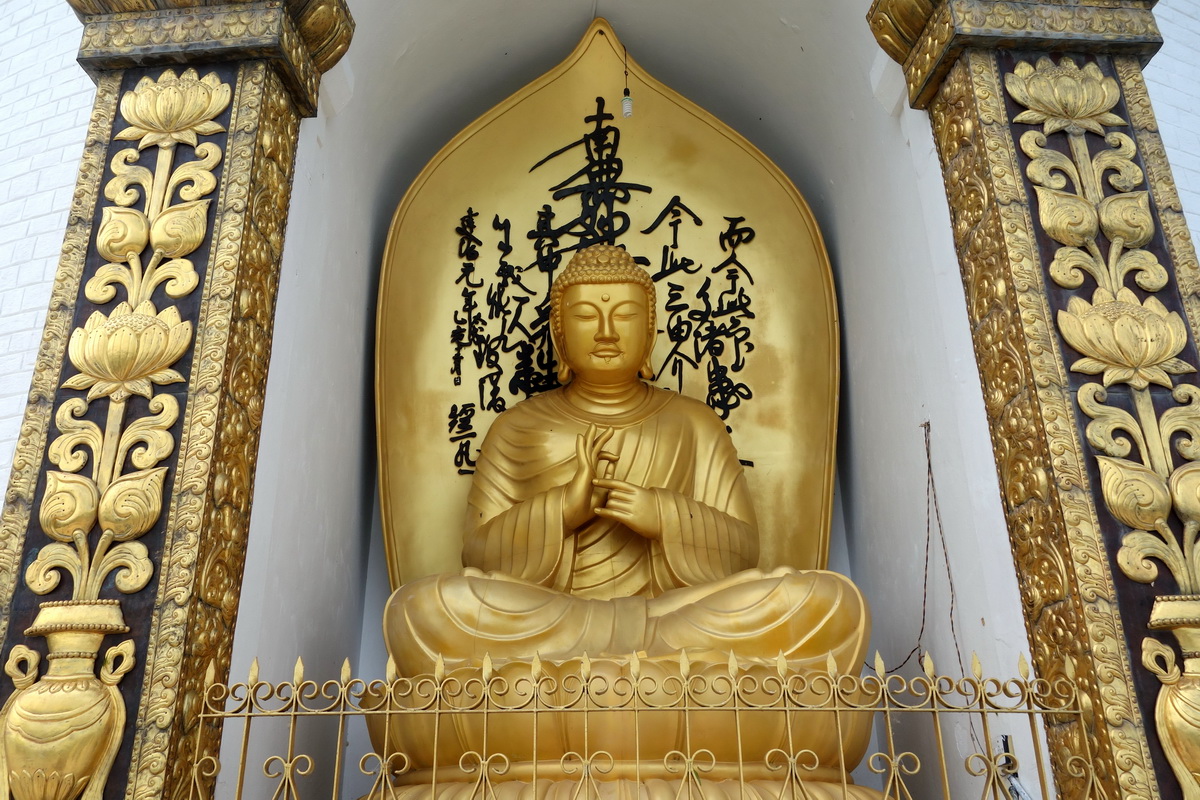
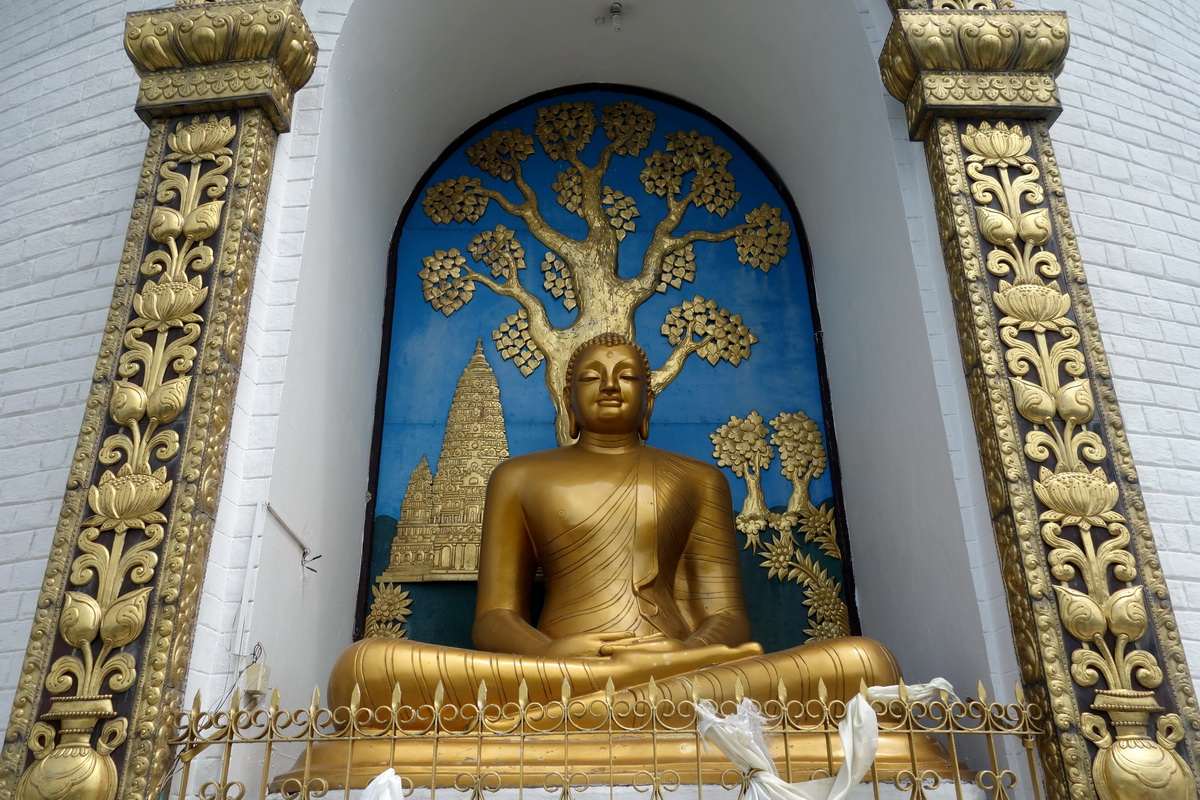
The stupa houses four golden statues of Buddha brought from China, Japan, Nepal, and Vietnam. They are meant to become a symbol of friendship among peoples. These statues face each cardinal direction.

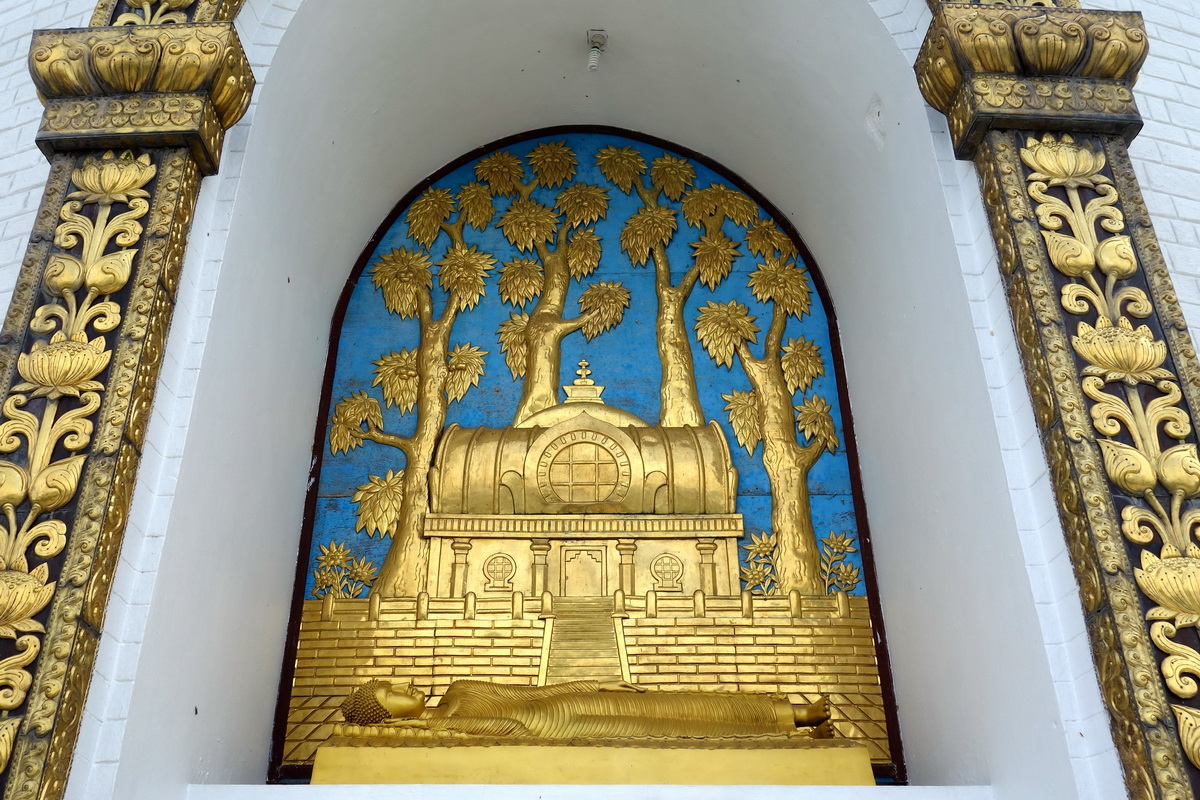
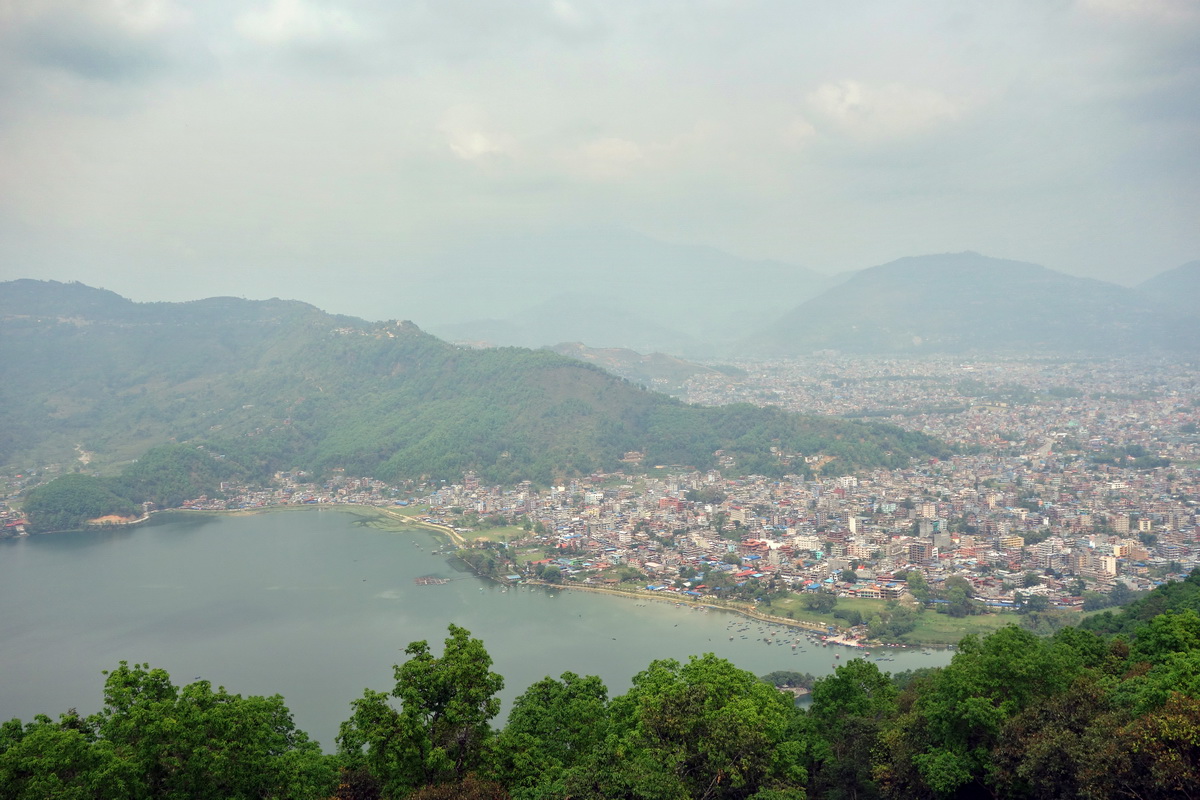
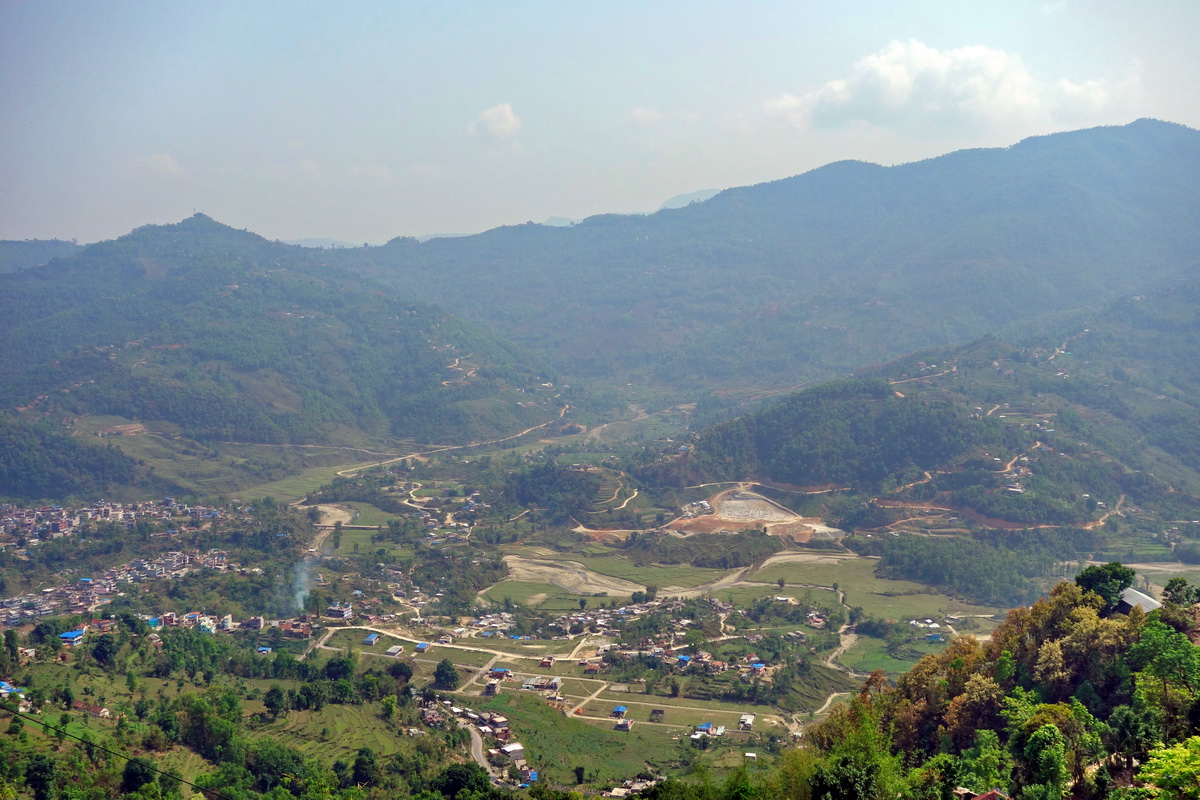
From here, there is a panoramic view of Pokhara.
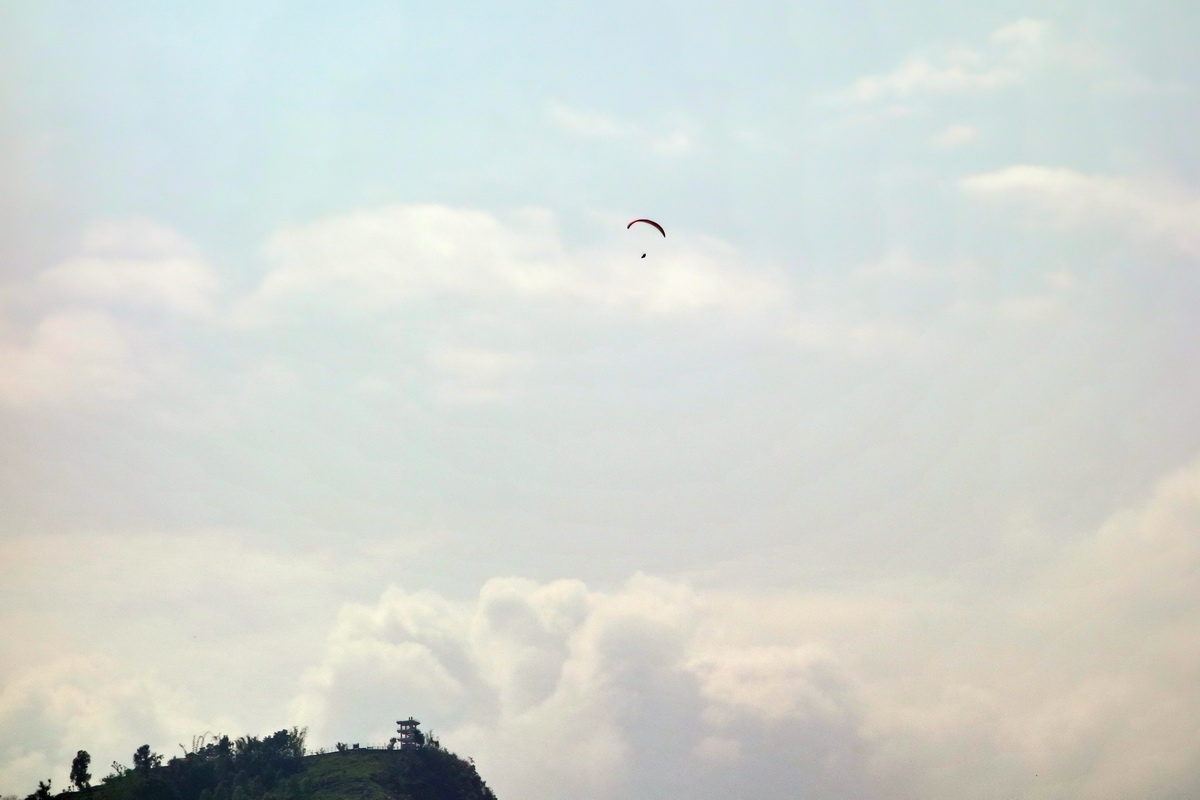
Silence must be maintained on the pagoda grounds. Before climbing it, you need to remove your shoes.
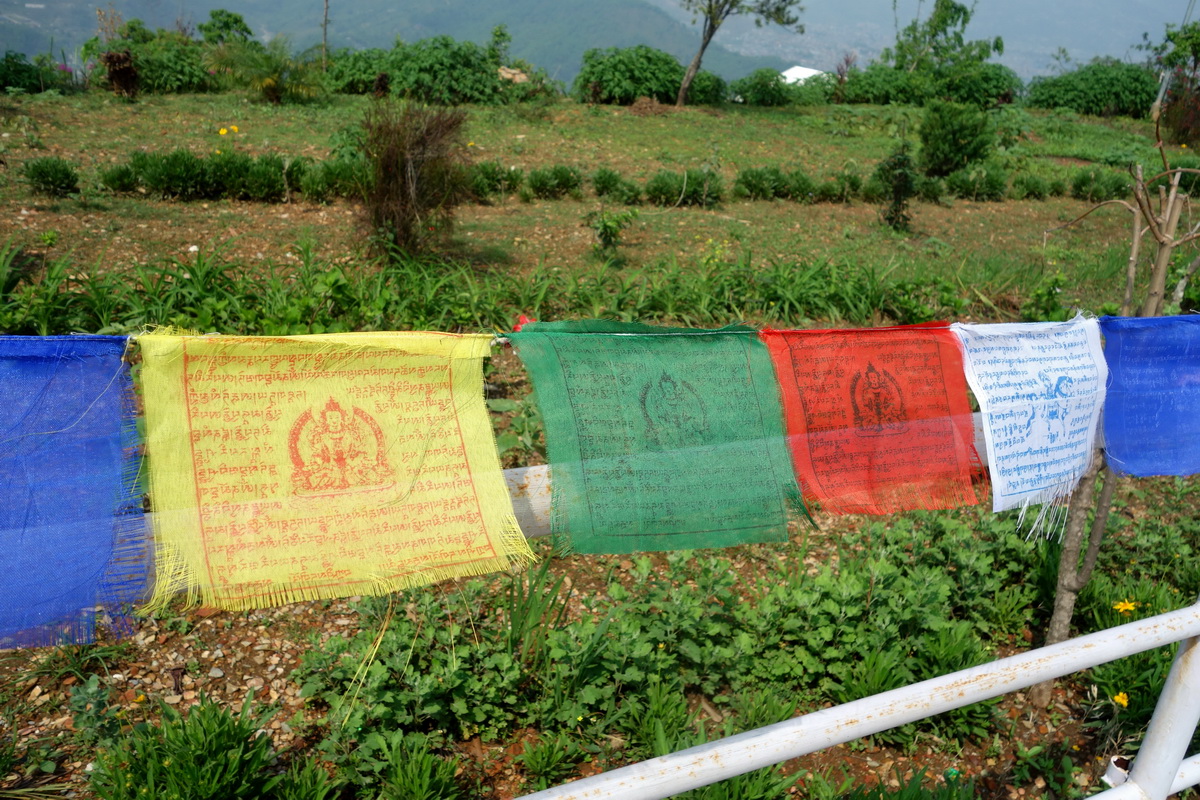
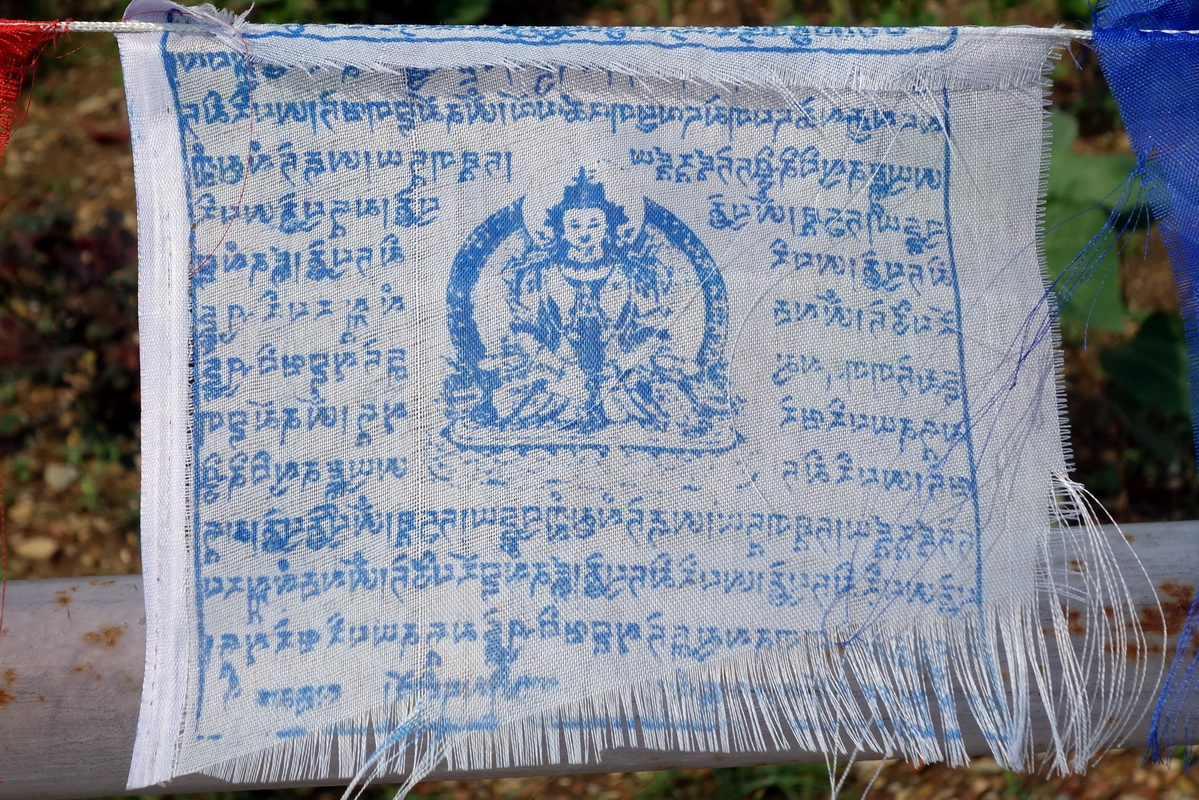
On the square next to the pagoda, Tibetan prayer flags are hung.
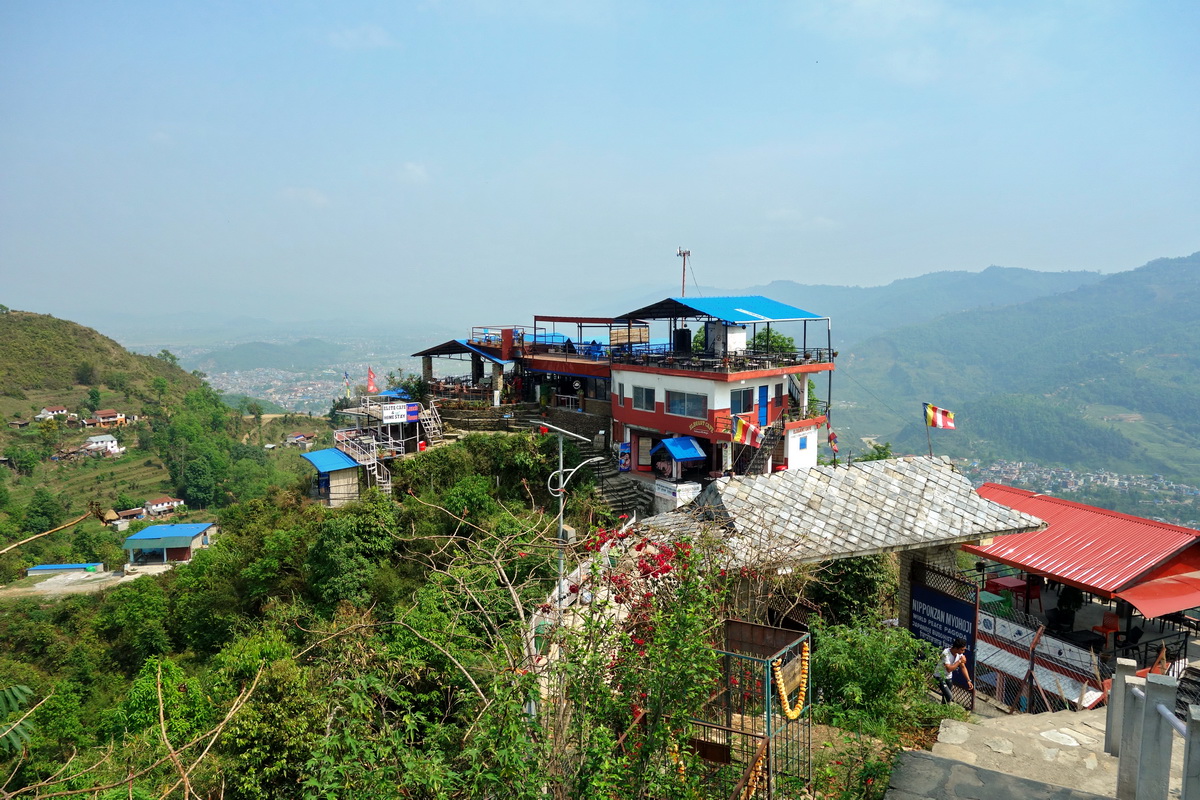
The pagoda is popular among the local population and travelers. Near the square where the pagoda is located, there are several small restaurants.
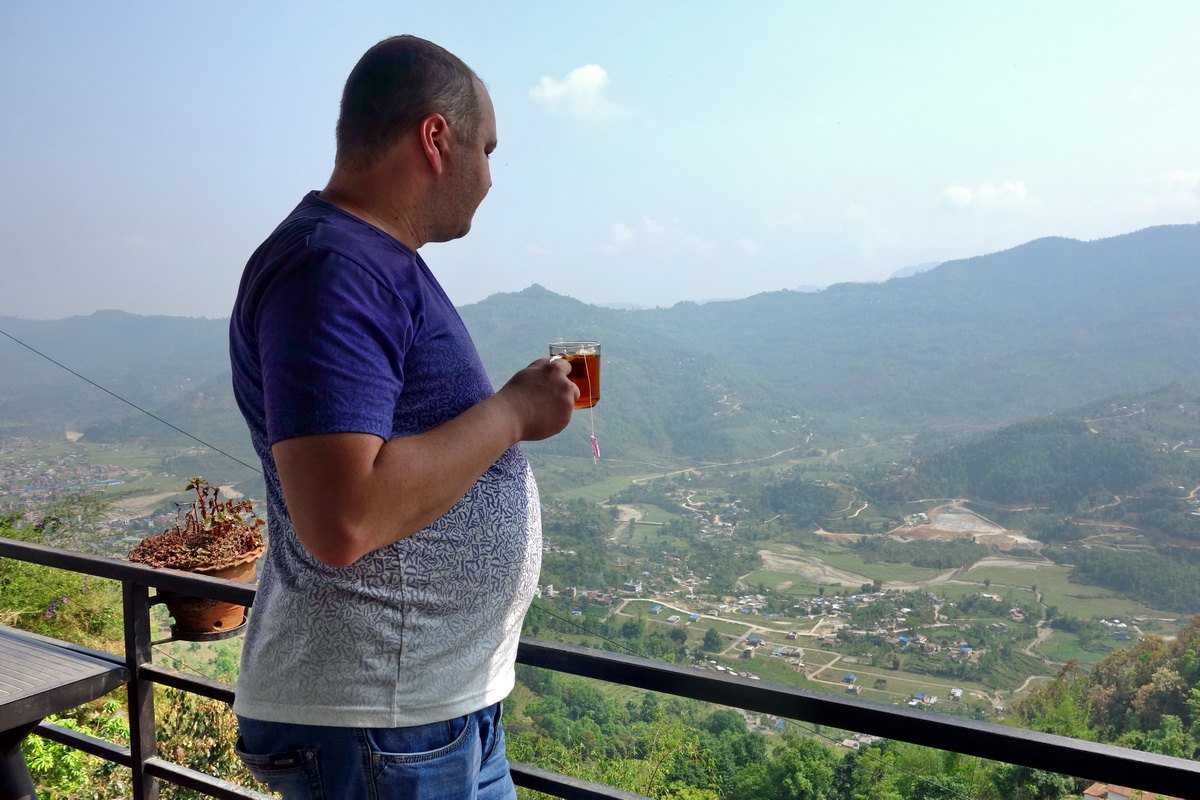
And how can you refuse a cup of delicious Nepalese tea with a view of such beauty?!
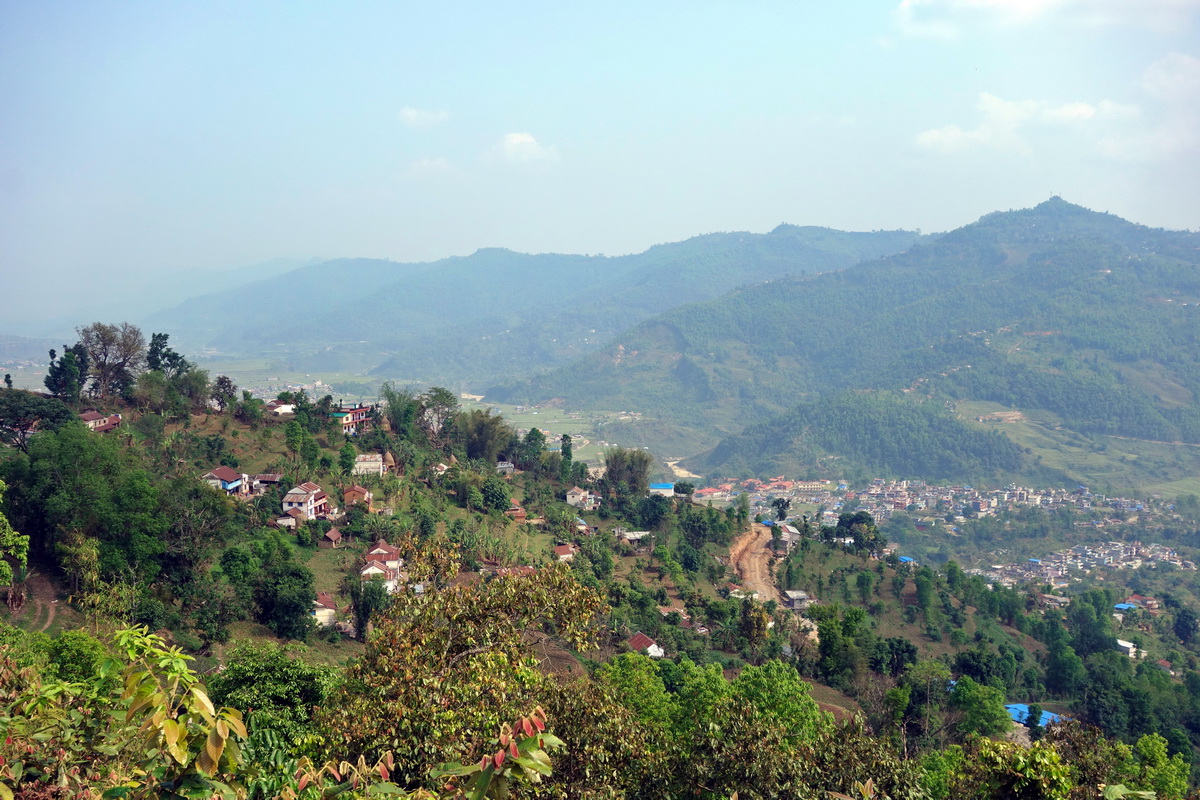
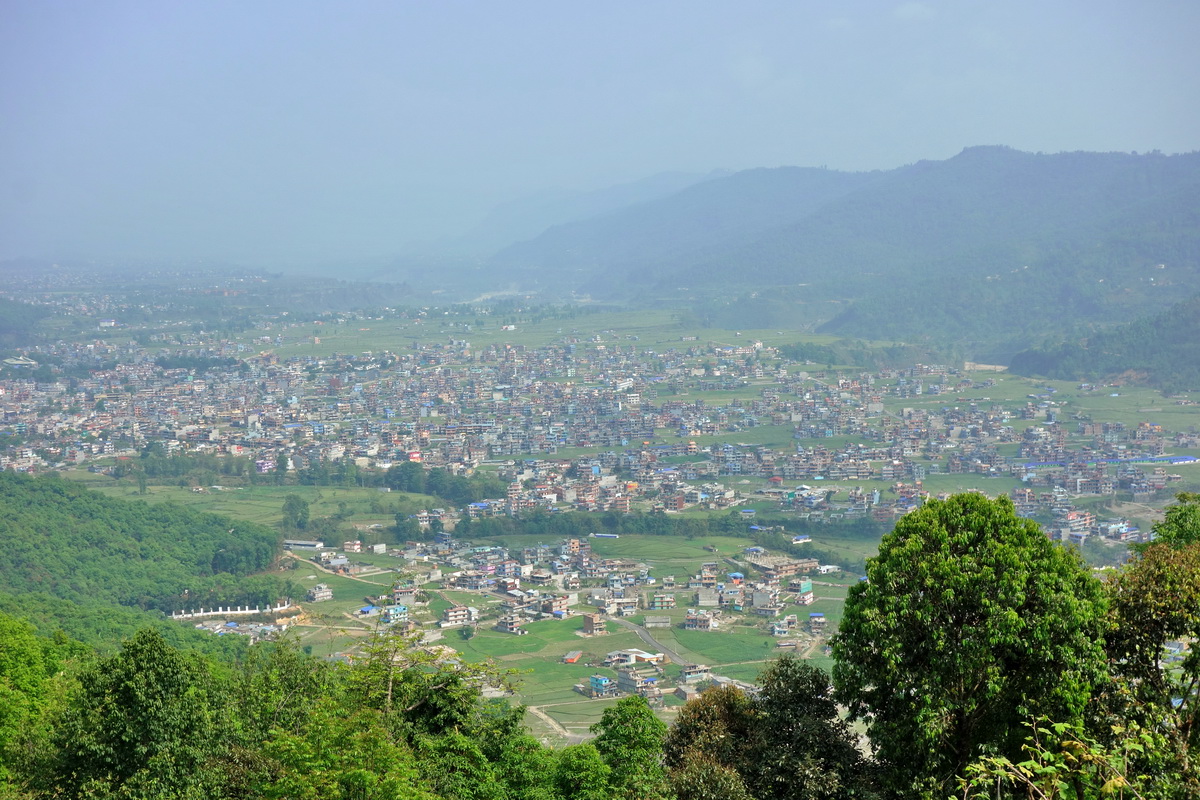
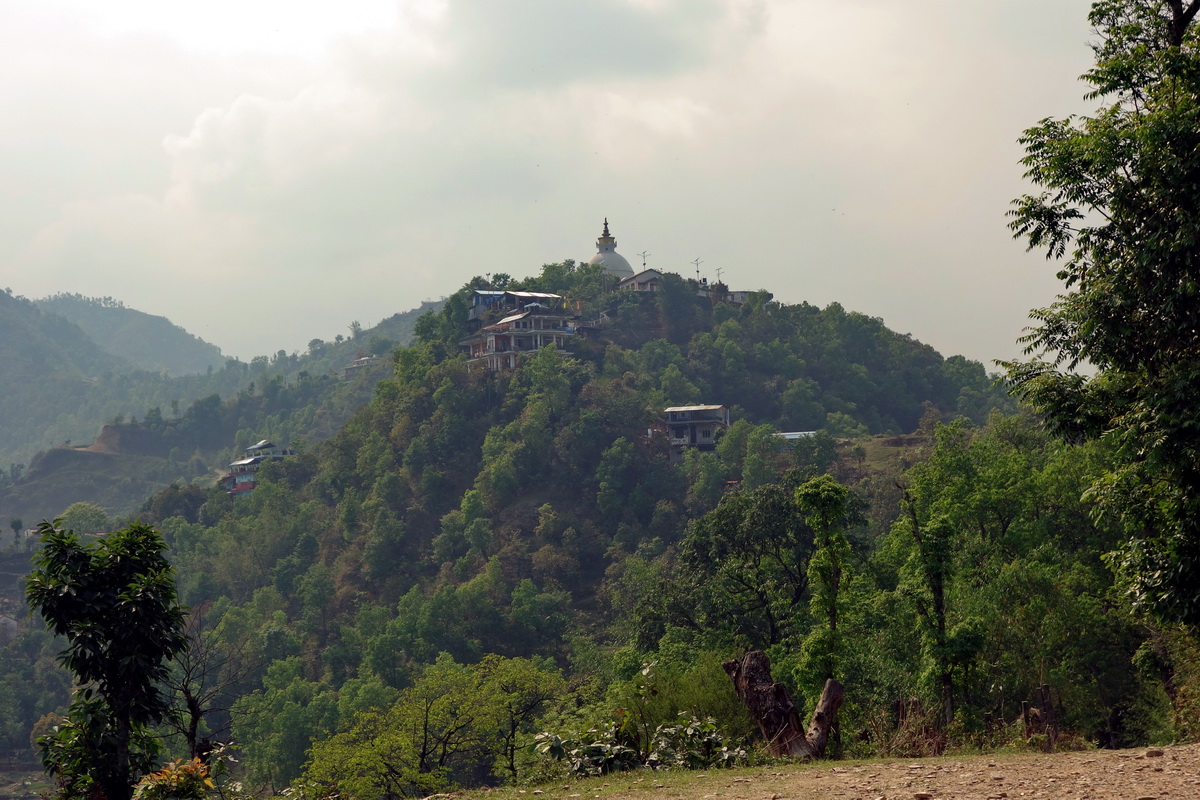
After a short rest and a walk near the pagoda and the square where it is located, we began descending. The pagoda quickly disappeared behind us, as descending is much more fun than ascending.
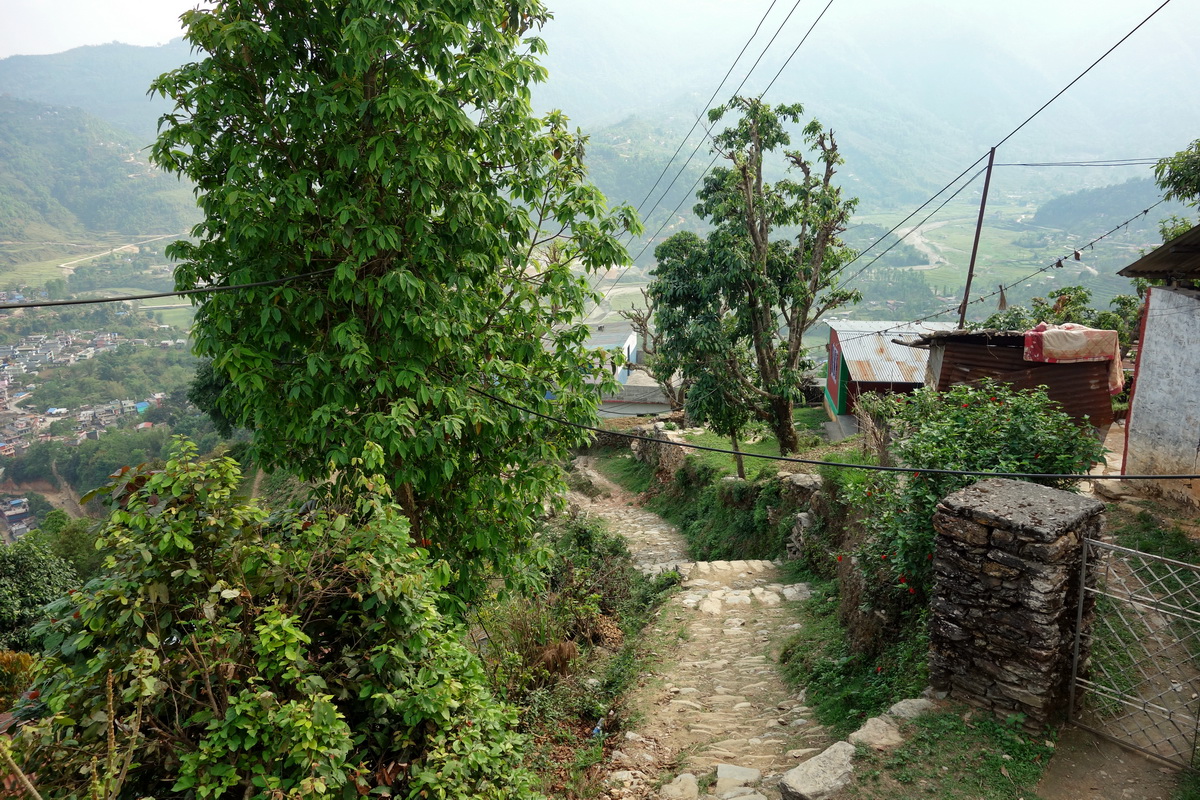
The trail down passed between residential houses and terraces with plantings.
During the descent, we were accompanied by very cute dogs, of which there are plenty in Nepal.
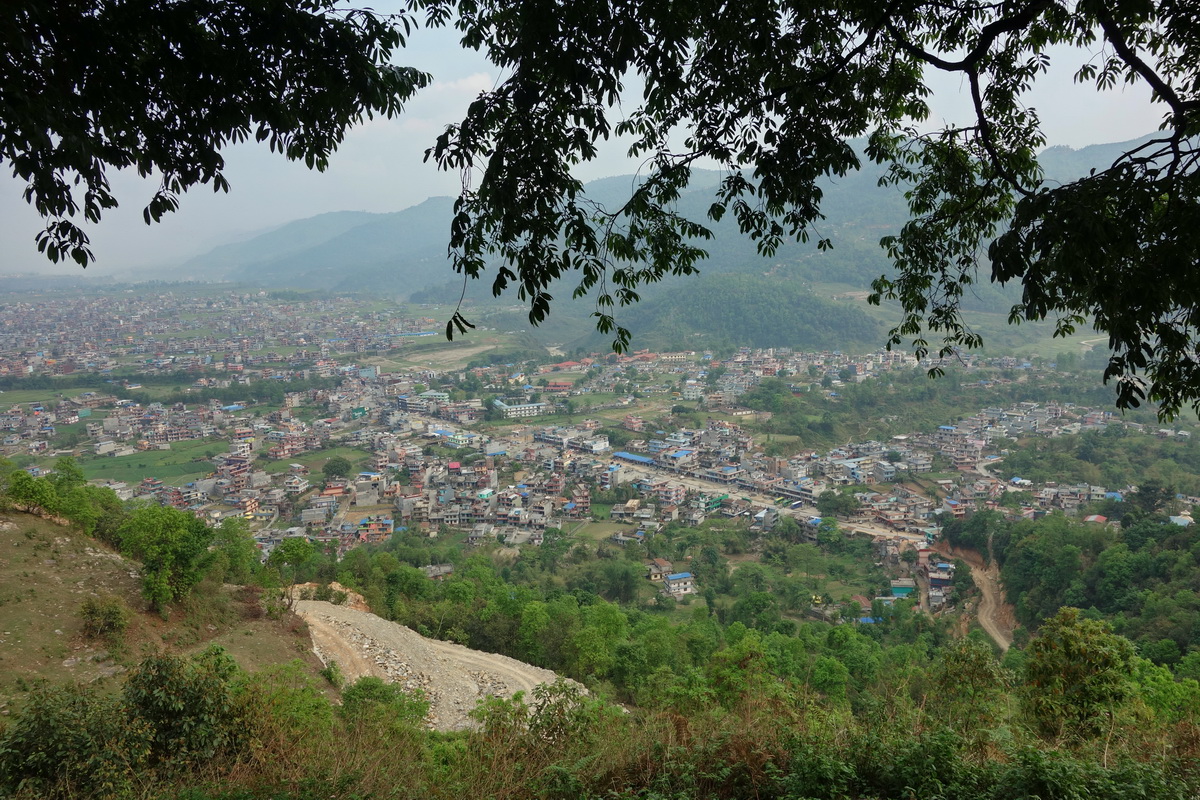
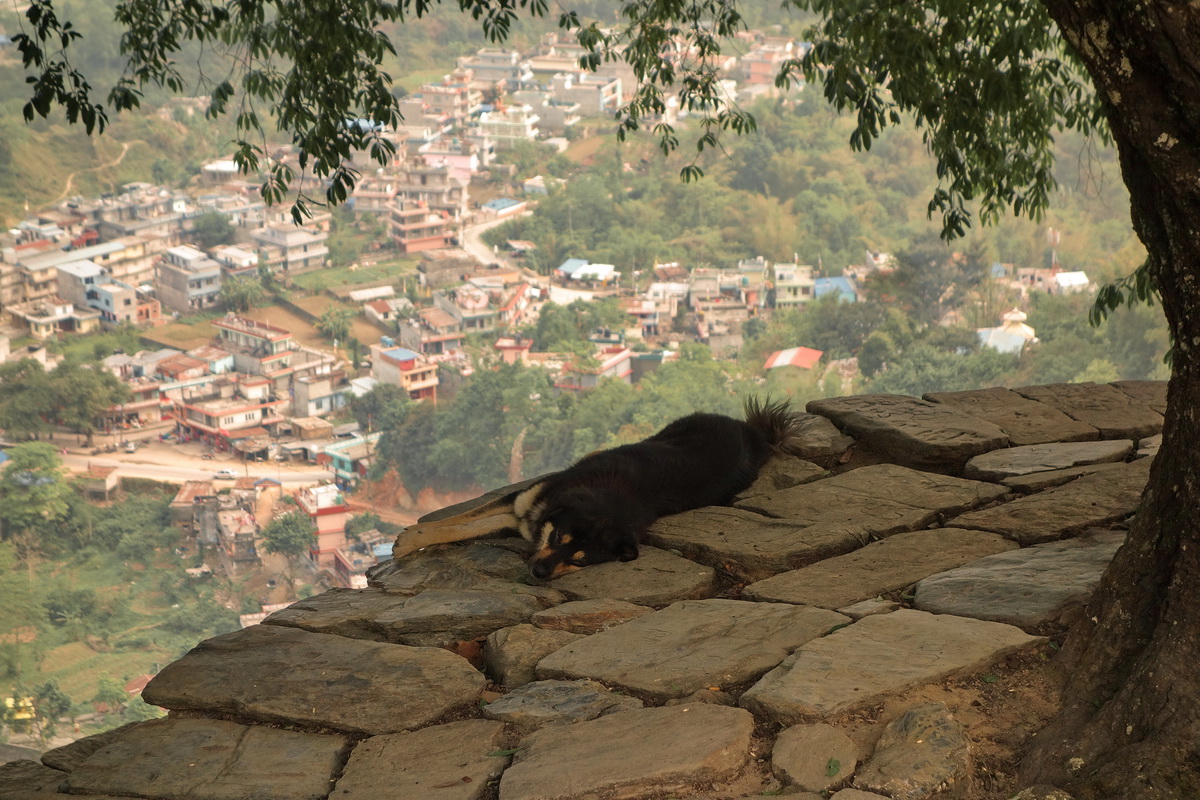
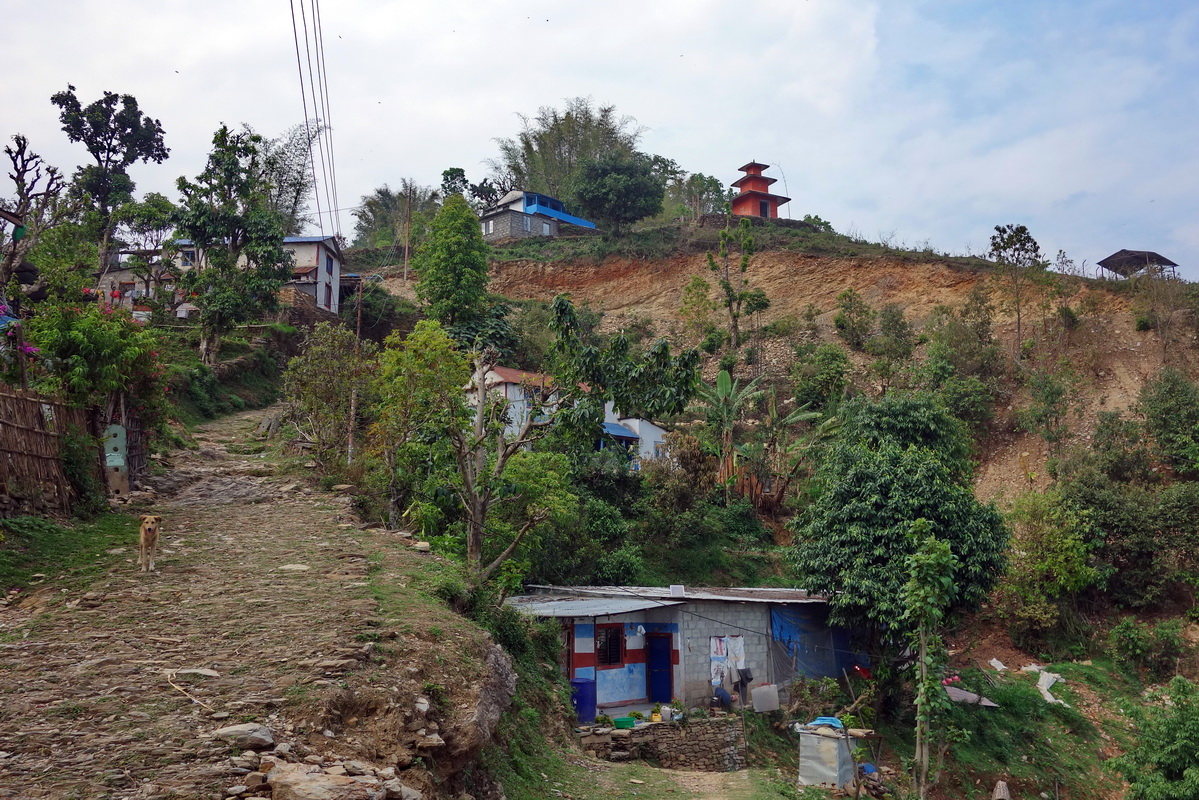
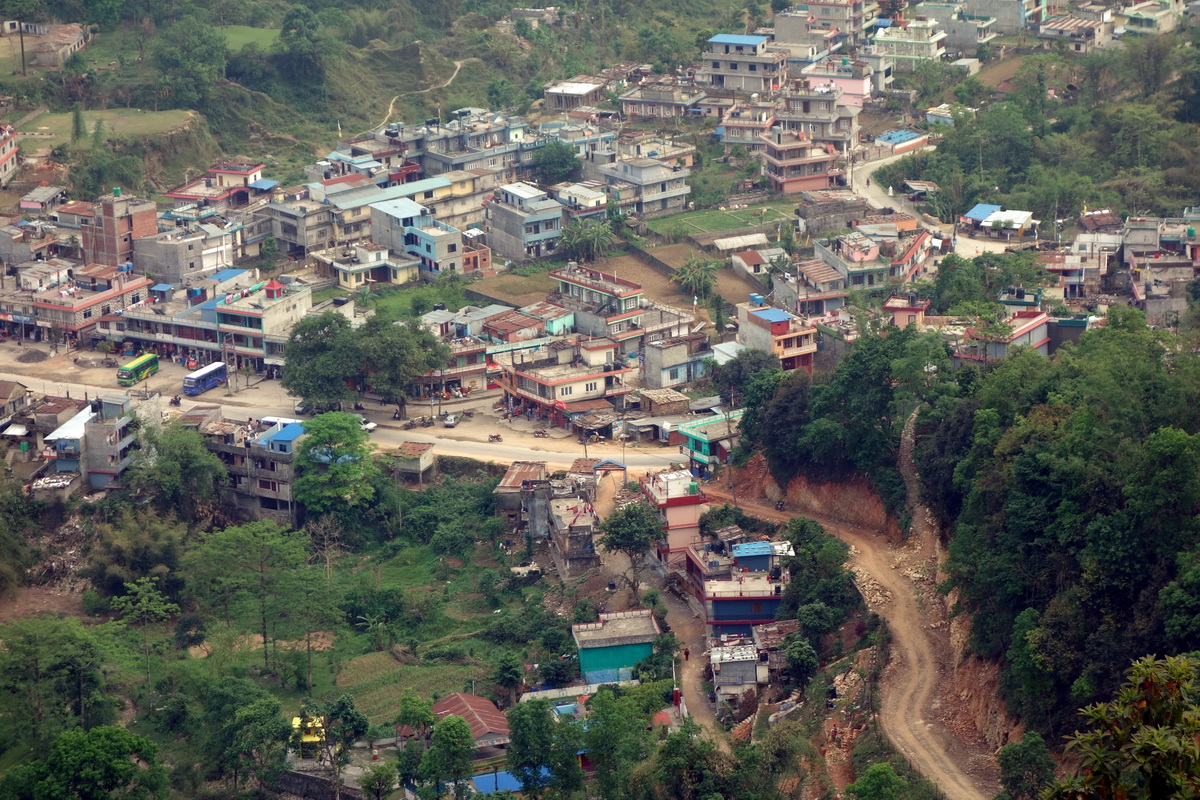
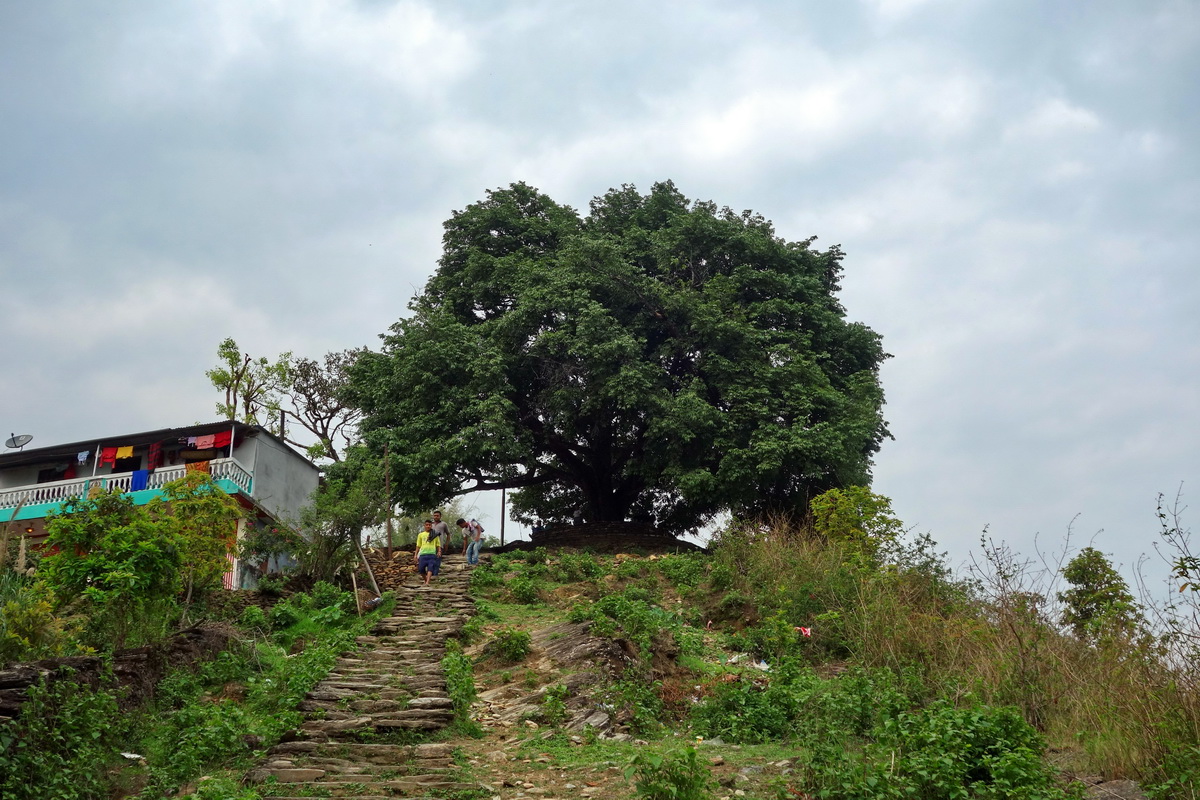
Almost all slopes are inhabited.
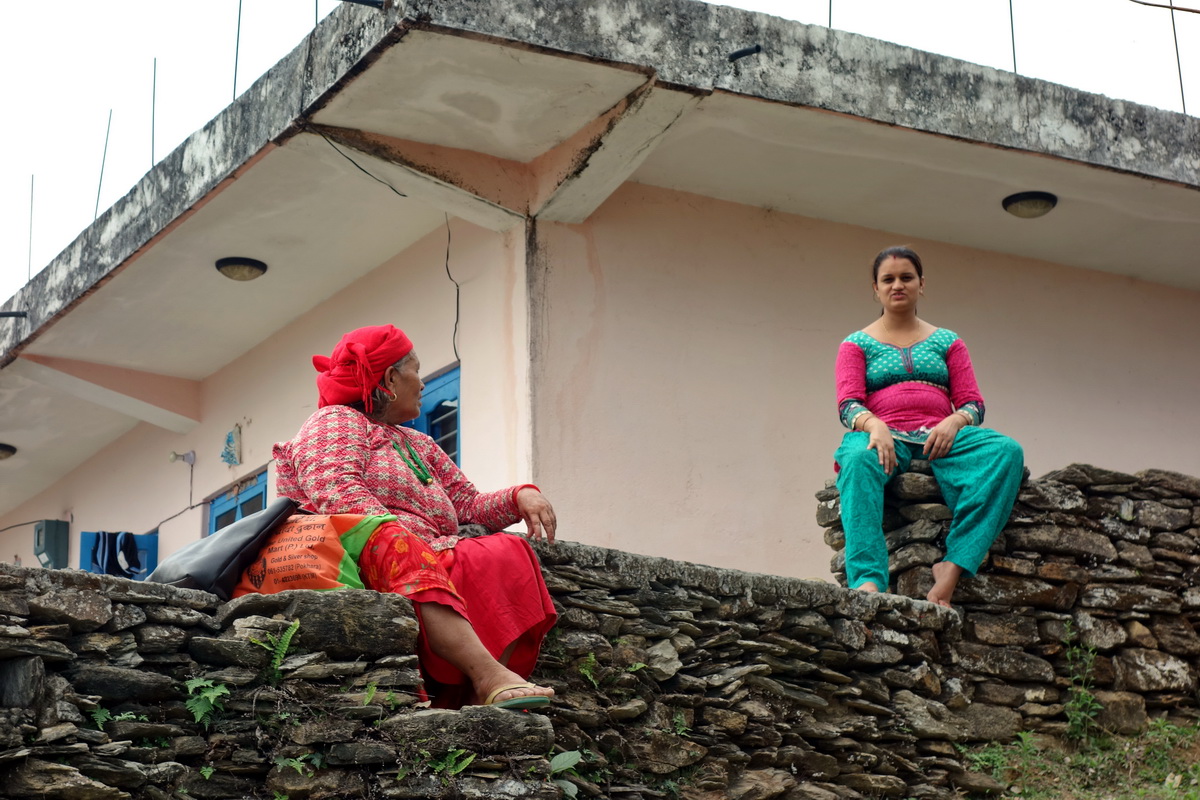
Local women.
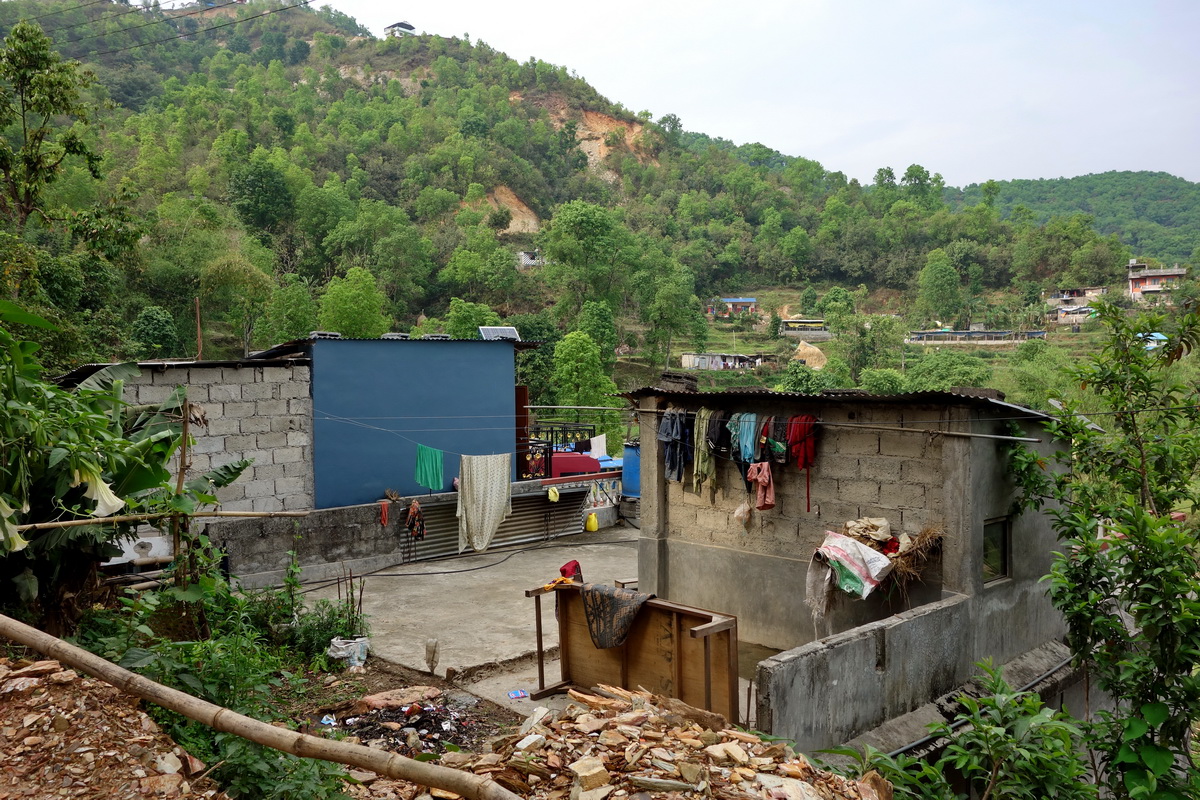
A courtyard.
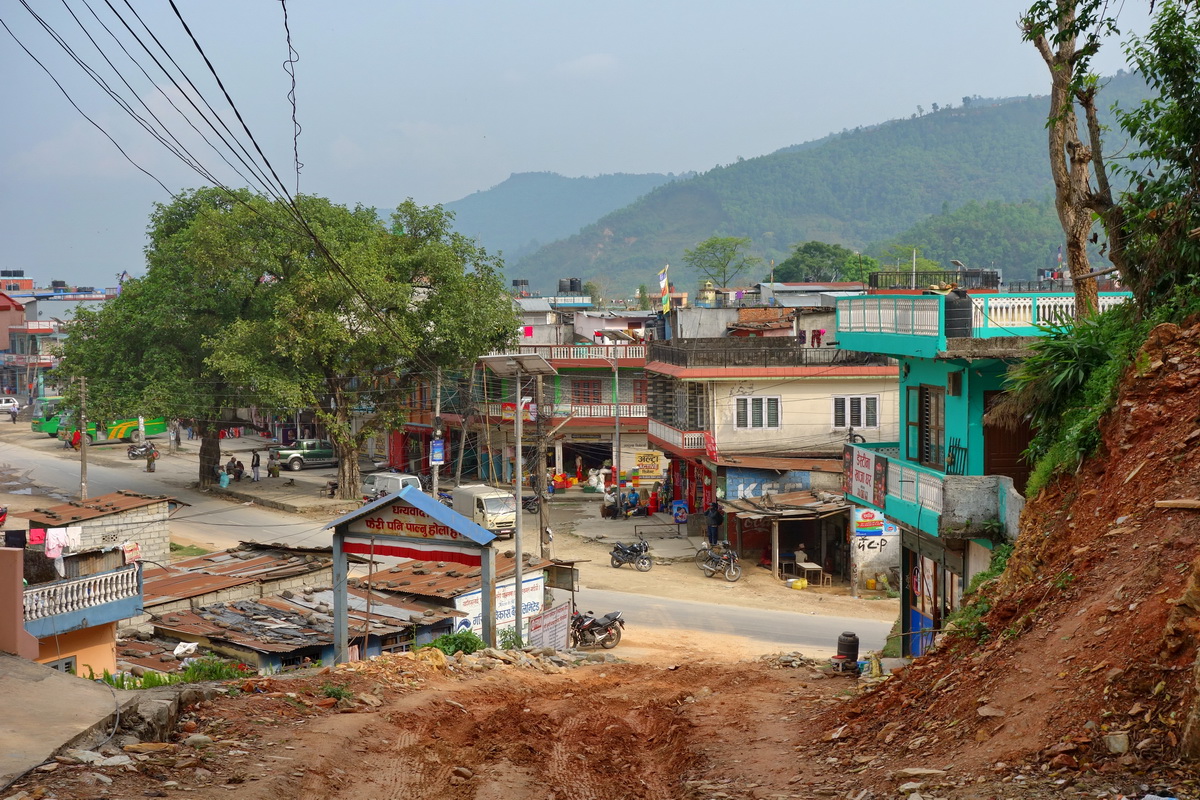
We’ve almost descended into the city.
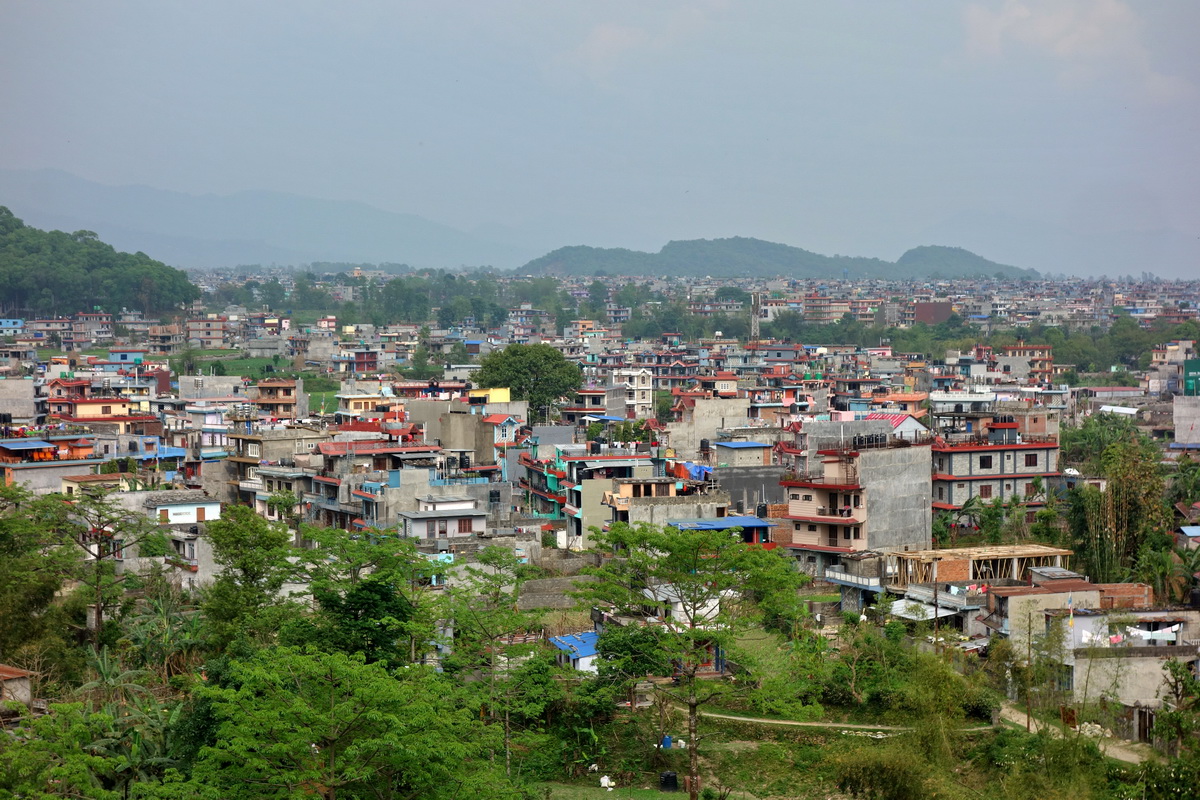
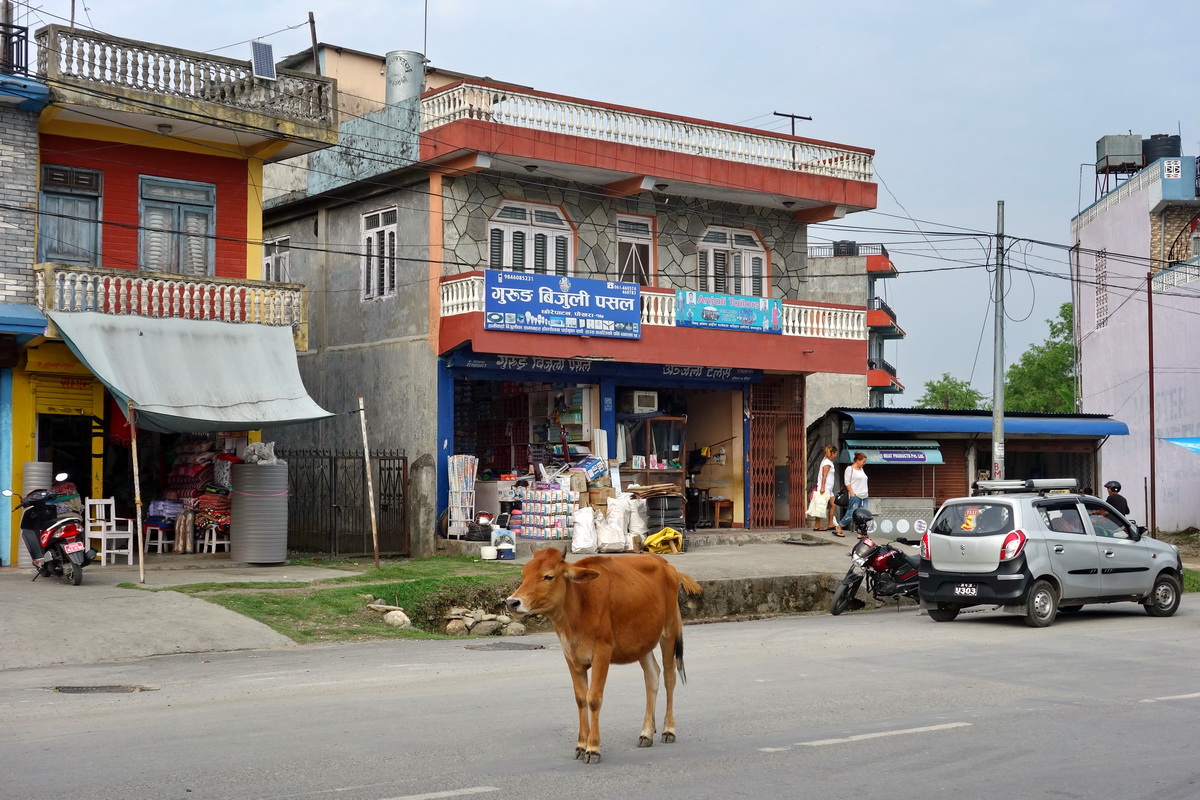
Sacred cows are just strolling along the road.
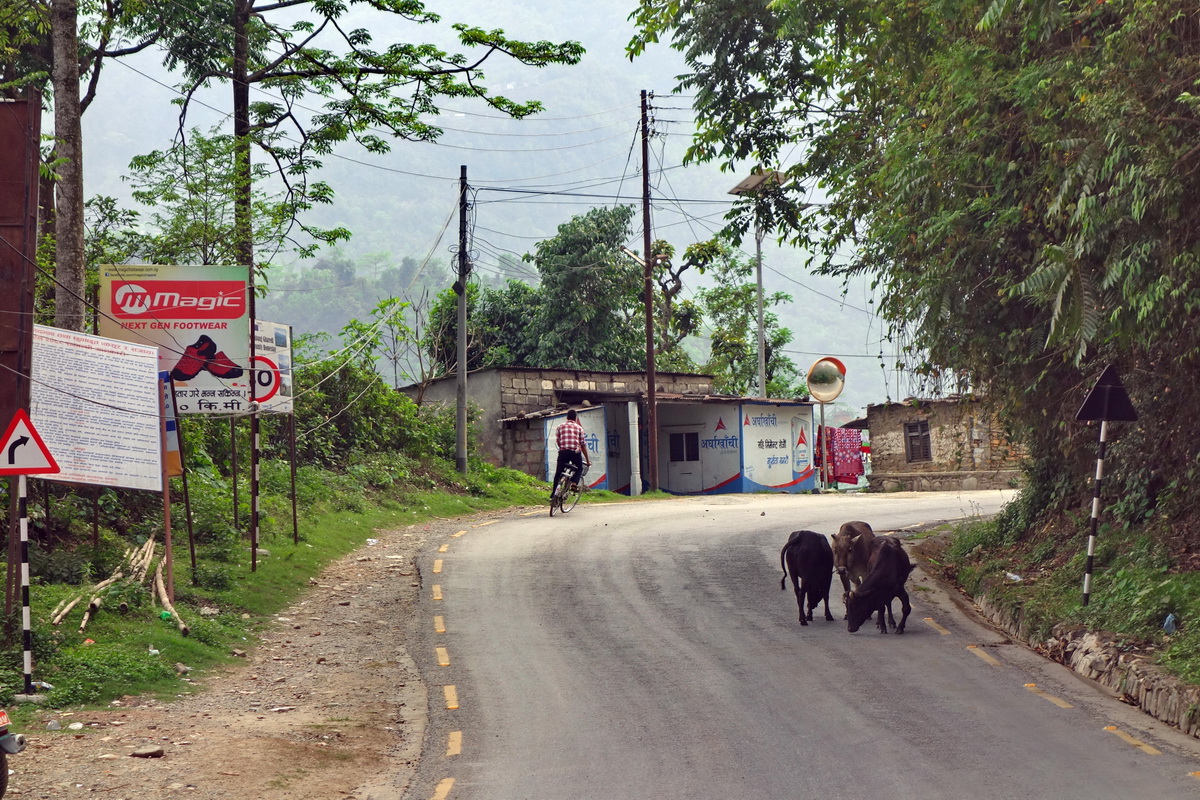
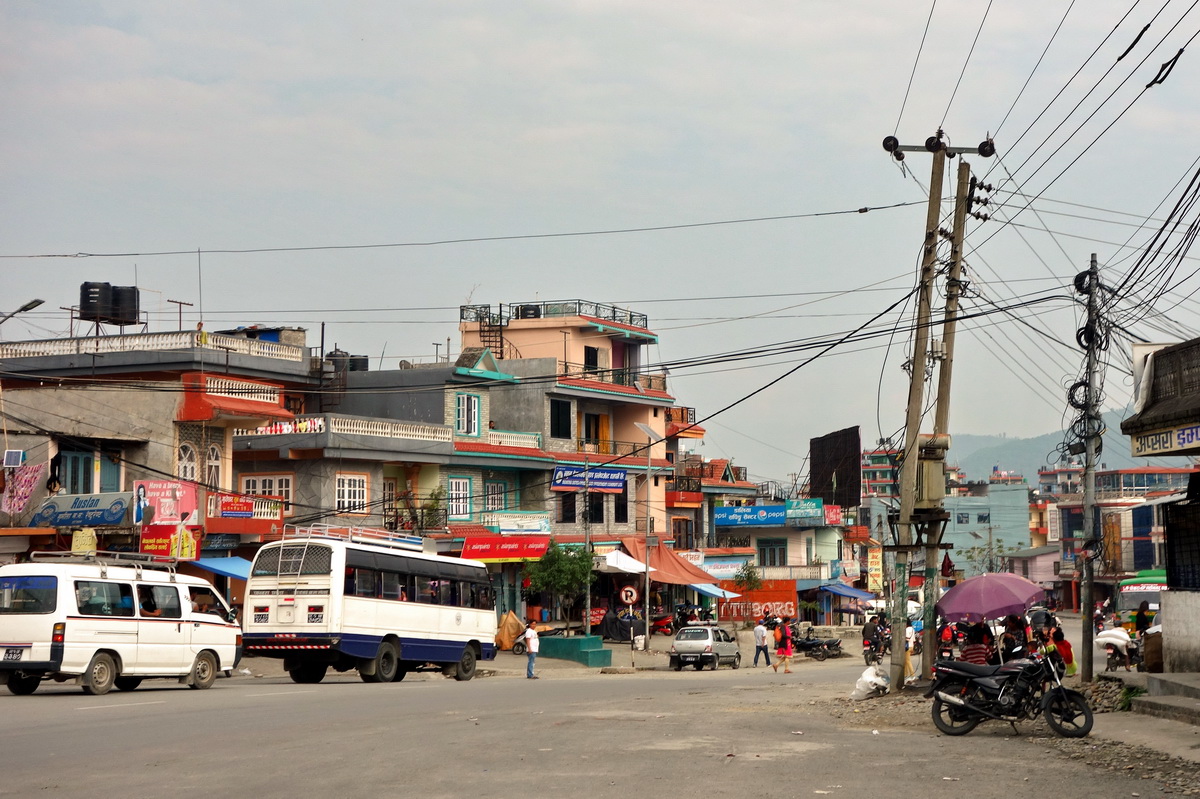
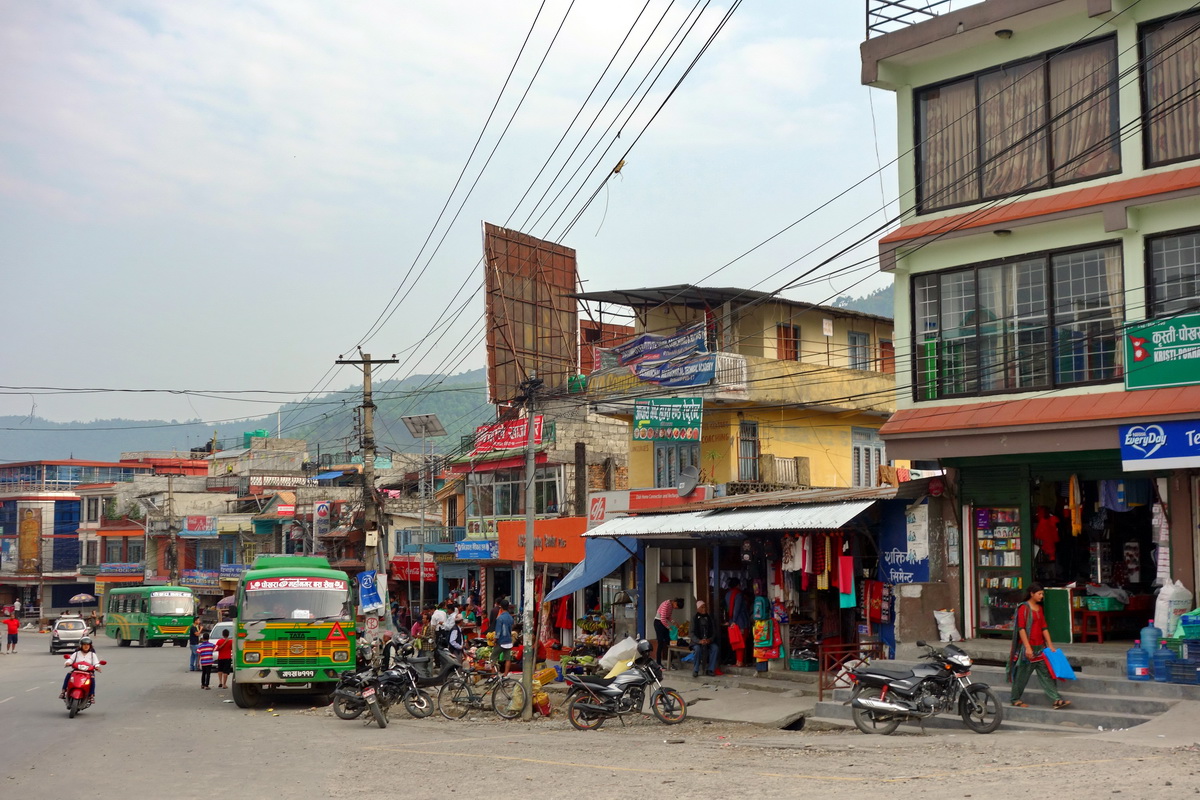
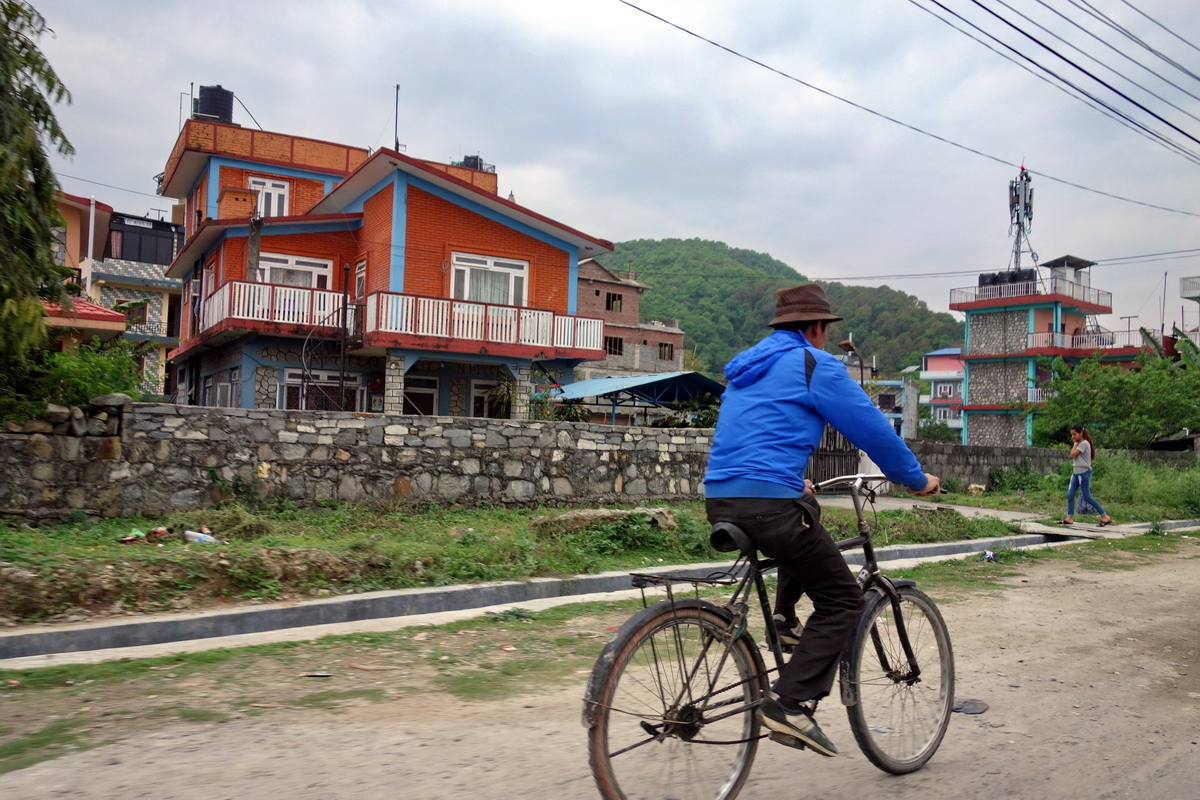
We’ll take a walk along the ordinary streets of Pokhara.
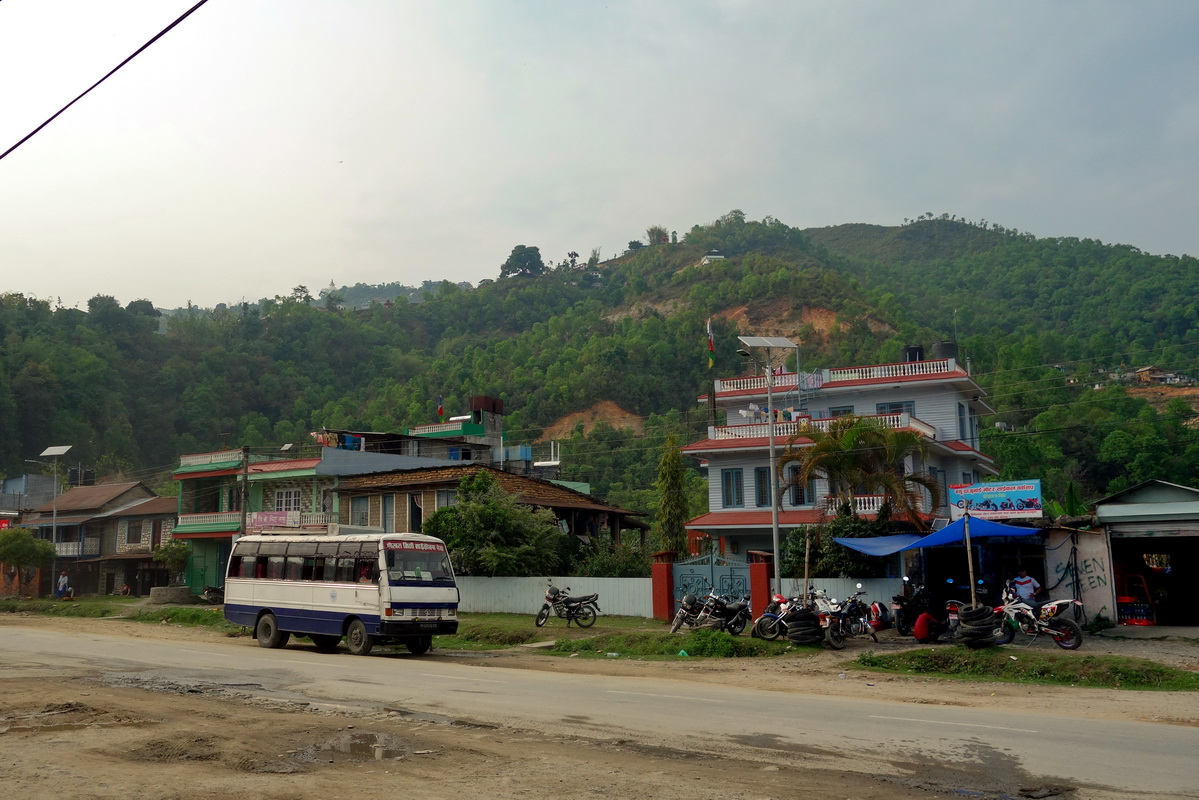
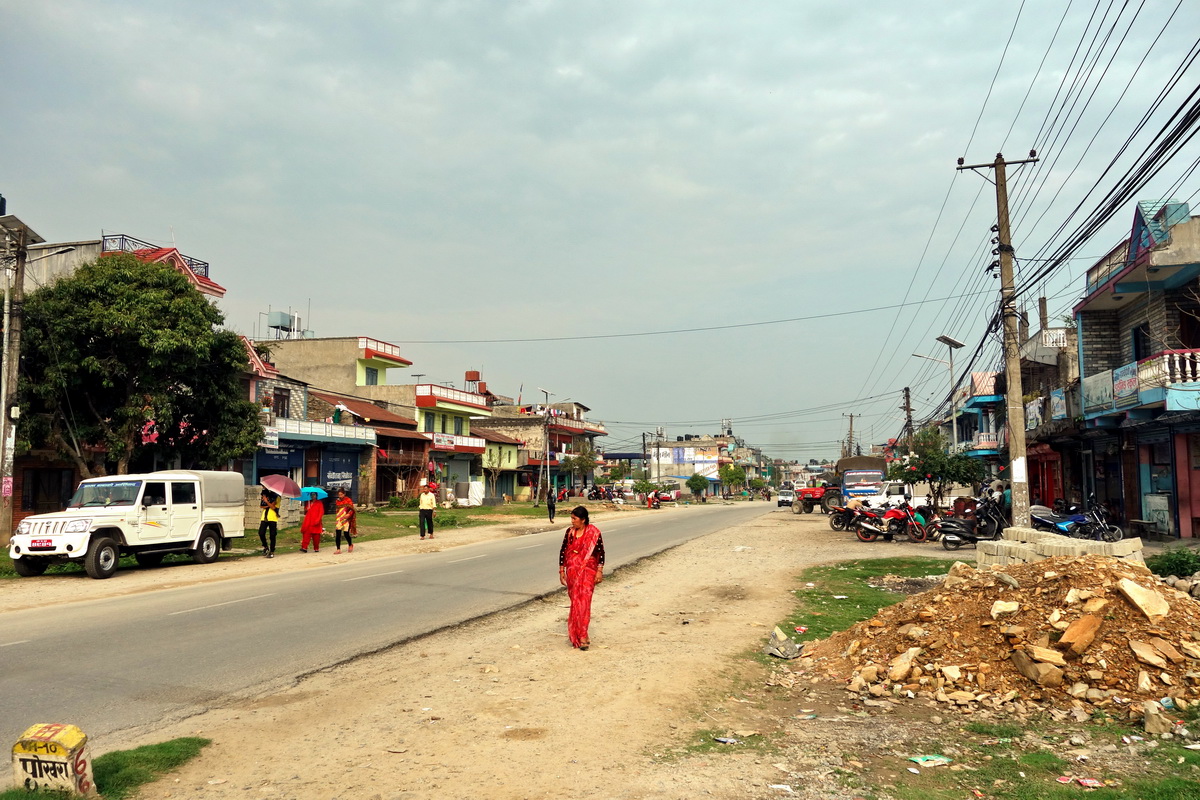
...
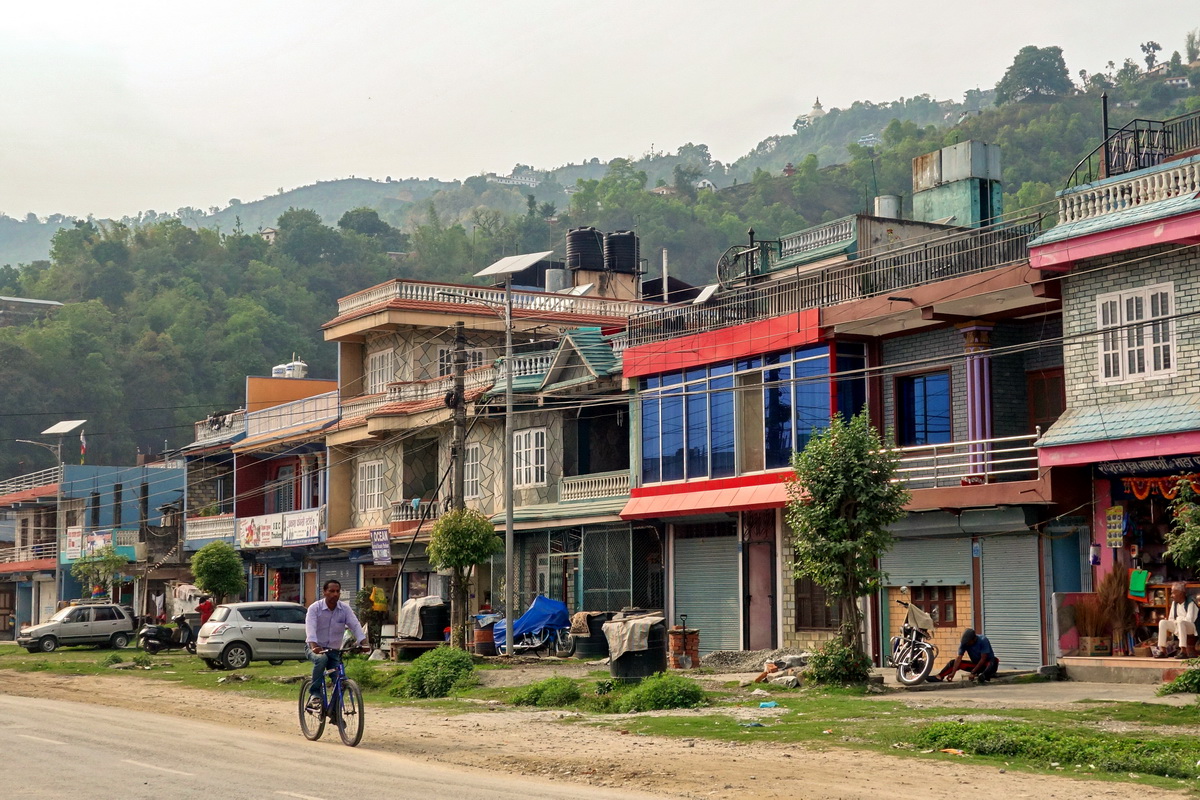
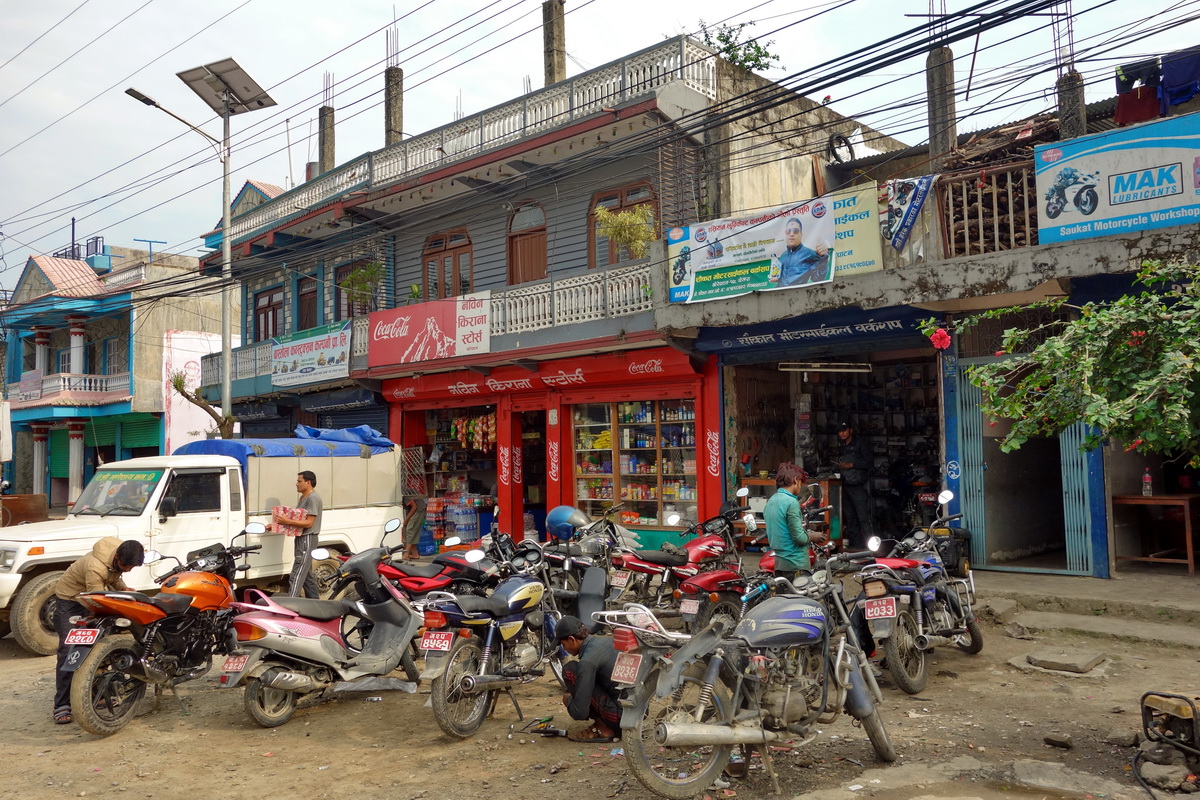
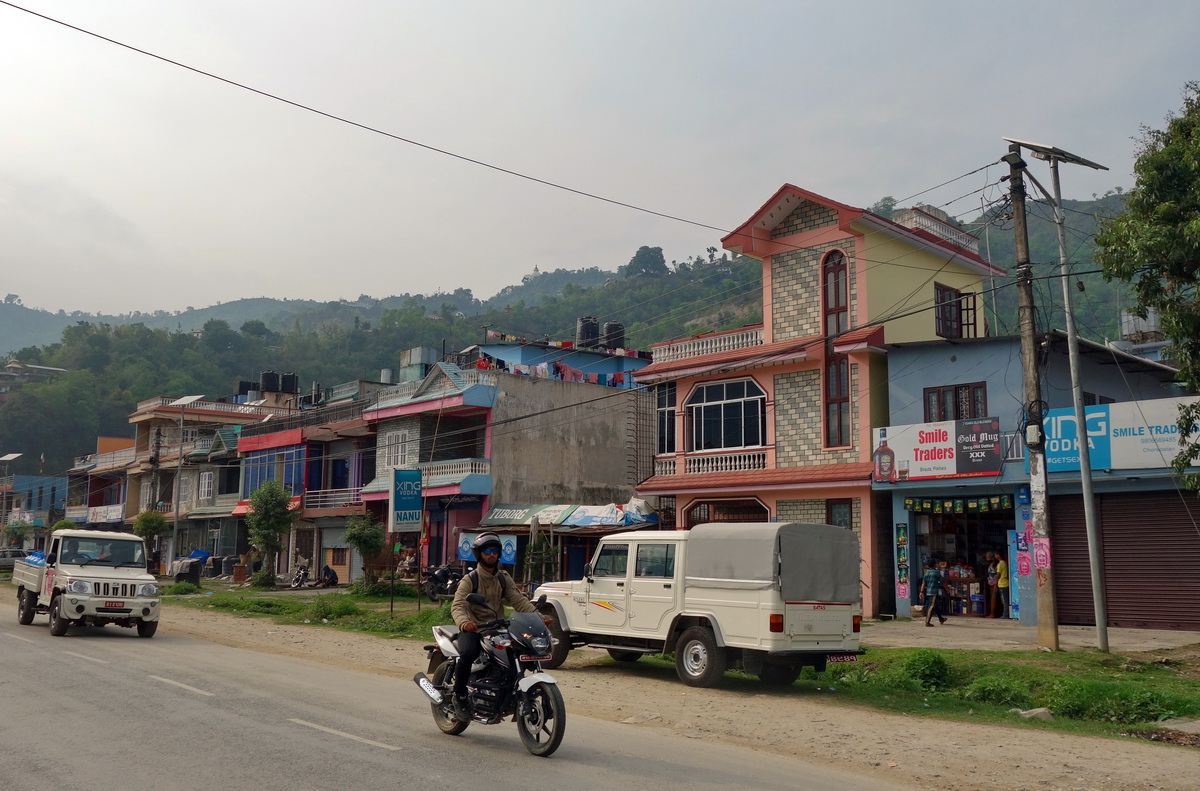
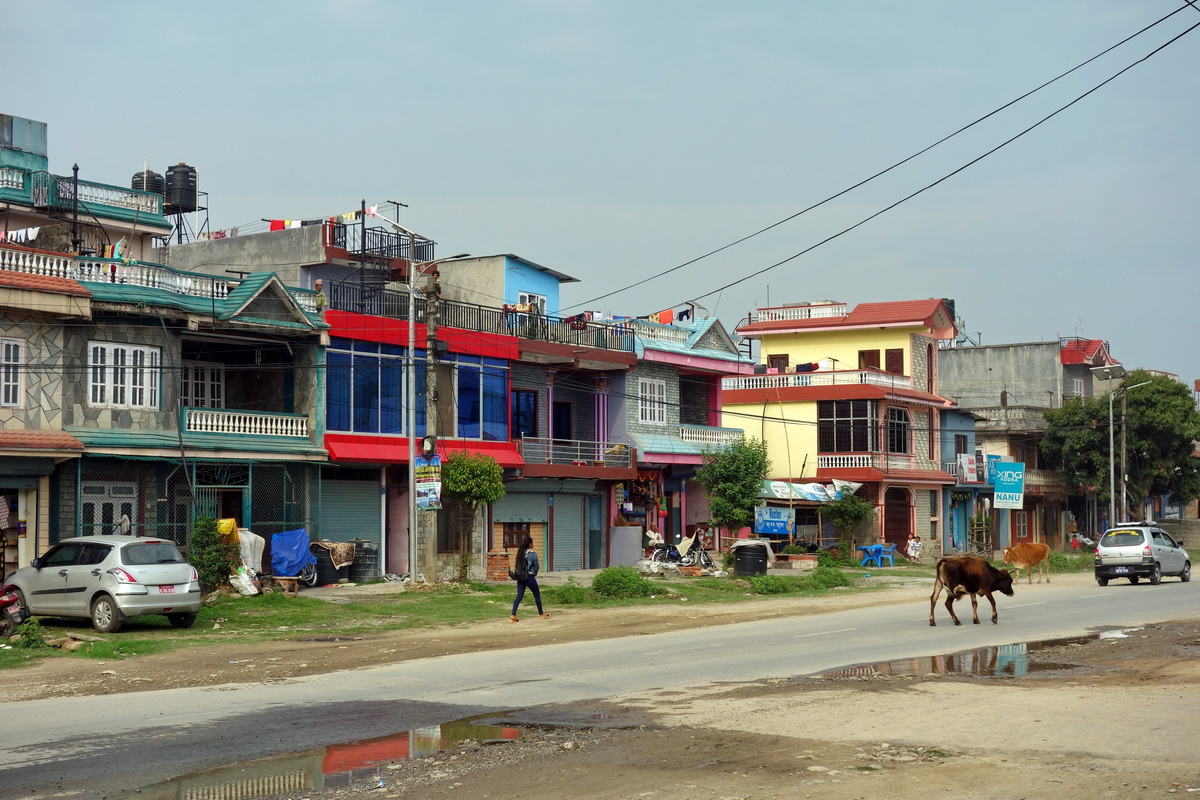
You can buy almost anything in every house, from groceries and water to various chemical products.
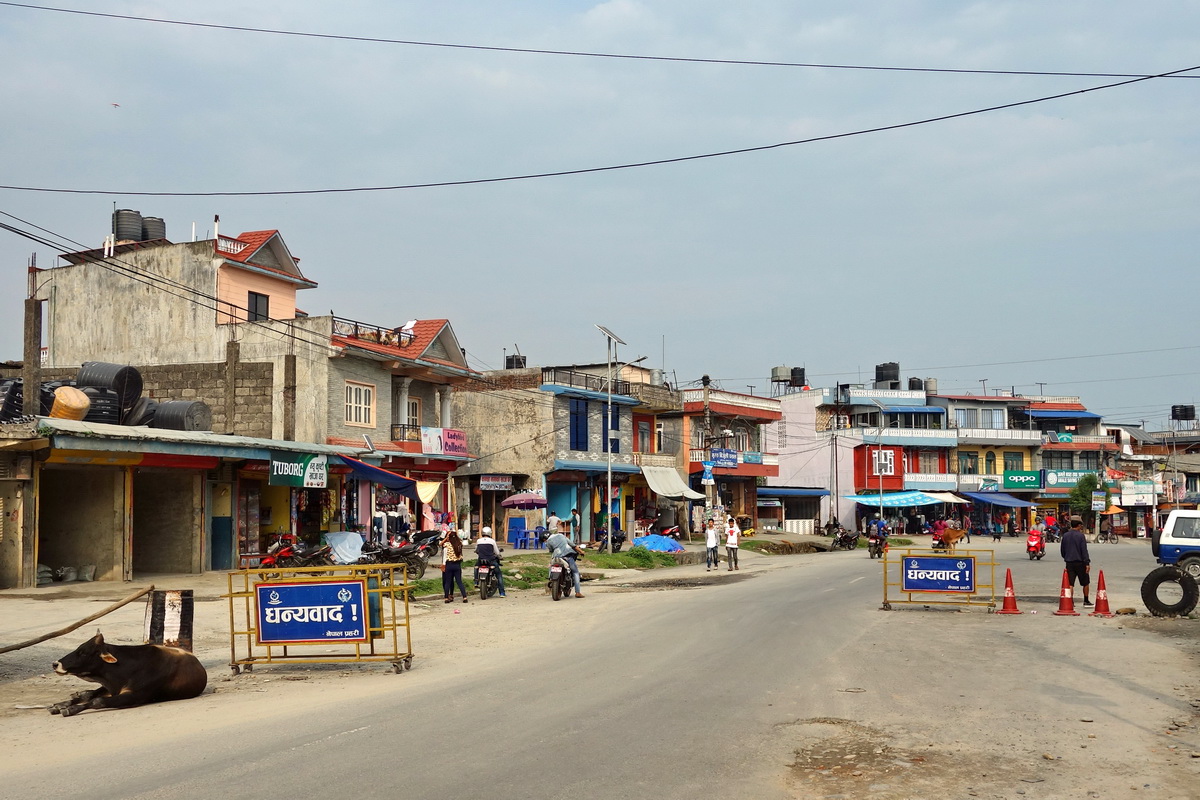
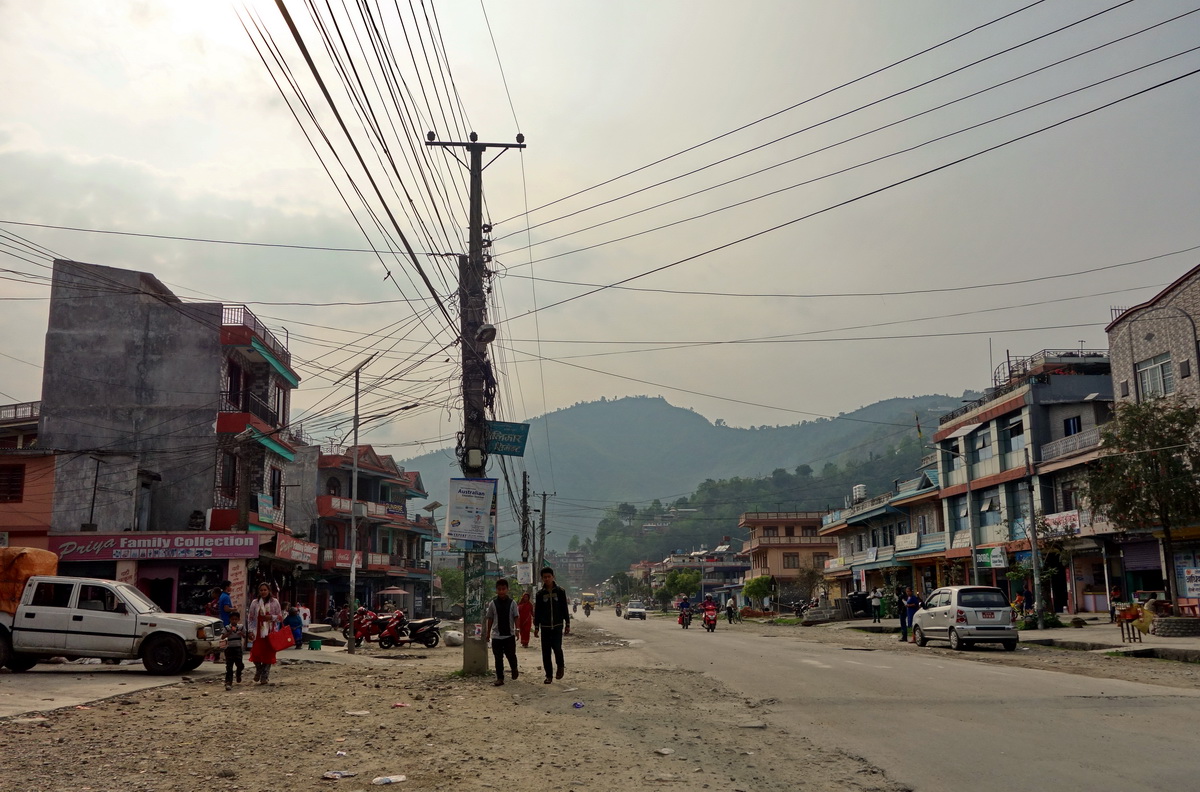
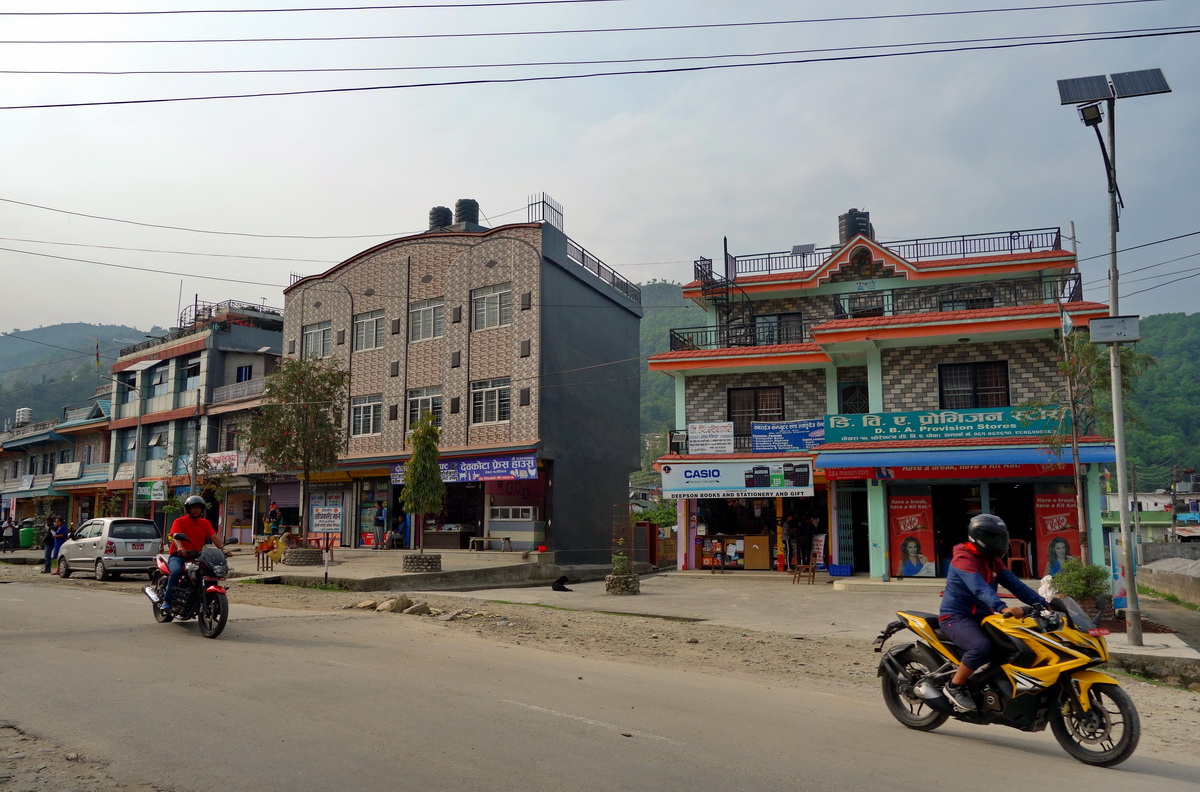
A web of wires and, of course, cows.
We head to the sacred cave for Hindus, called Gupteshwar Gupha. The passage to the square where the cave entrance is located.
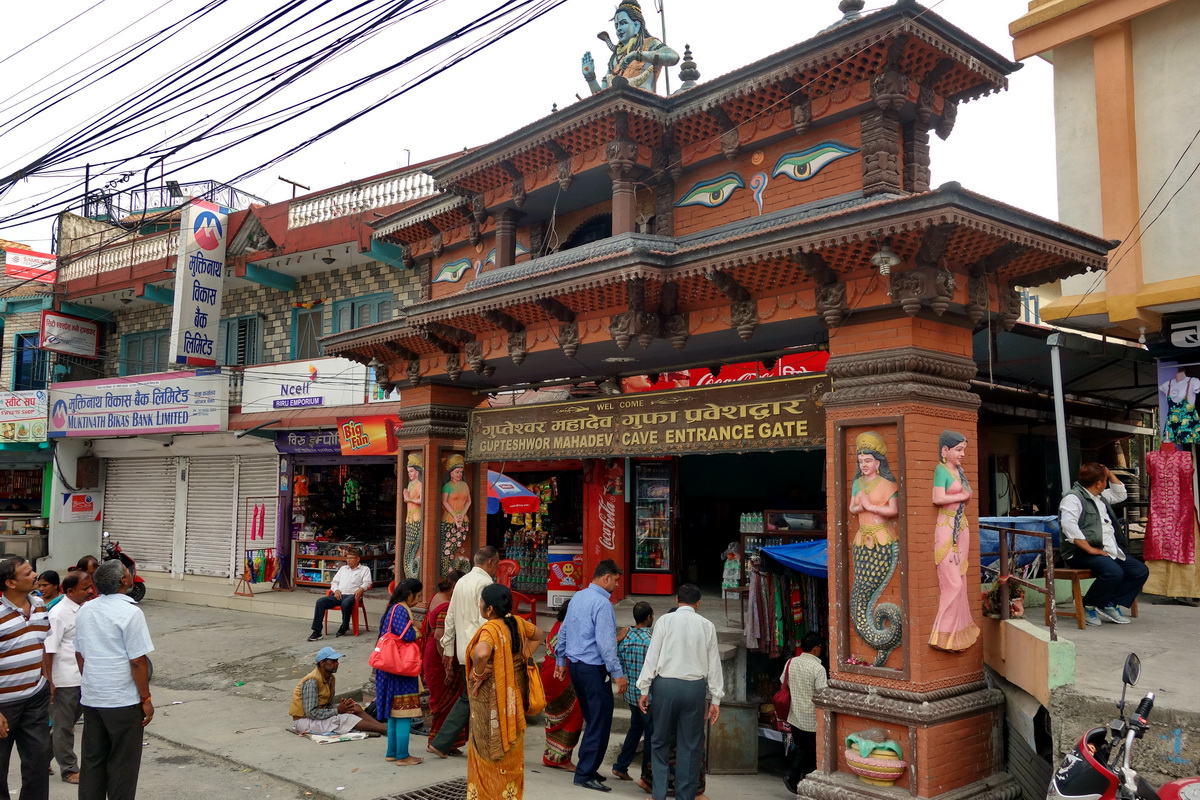
Entry to the cave costs $1, but to buy a ticket, you have to stand in line. By the way, all Hindus seemed quite calm people to us, but at the ticket counter, they literally pushed each other to buy the entrance ticket as quickly as possible. We barely squeezed through to the ticket window.
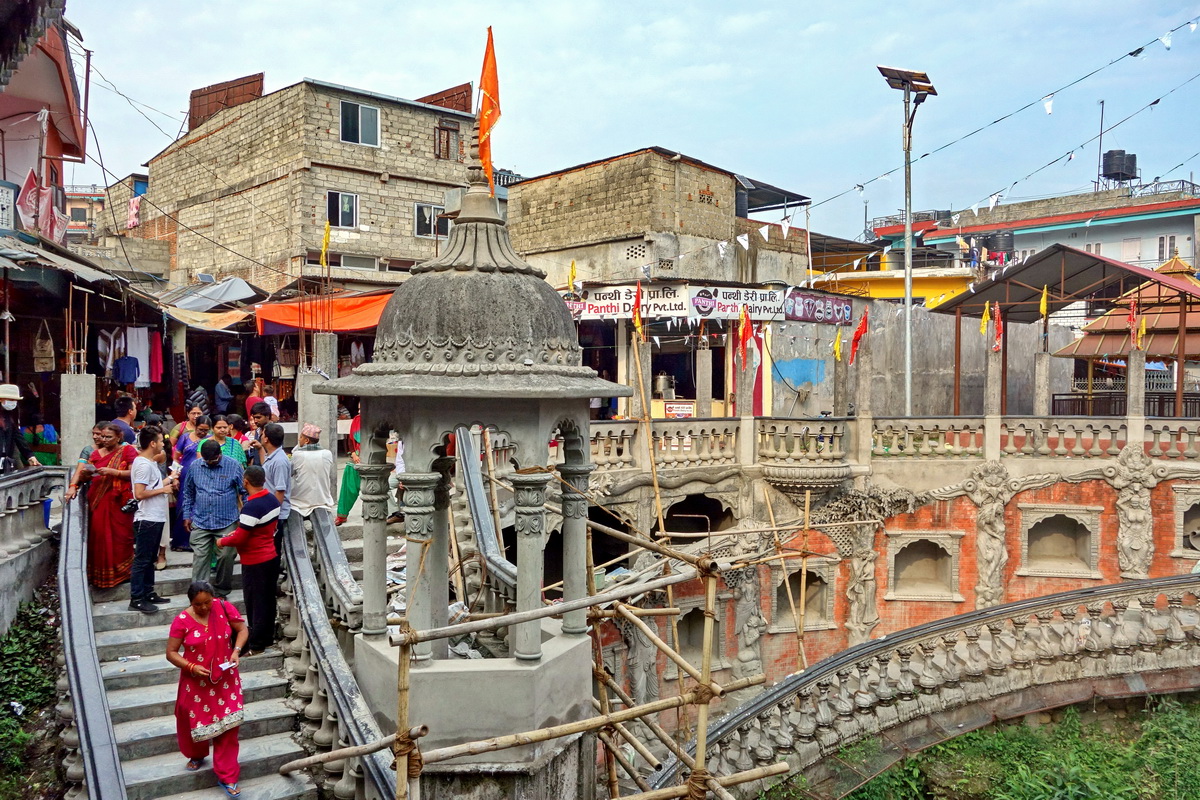
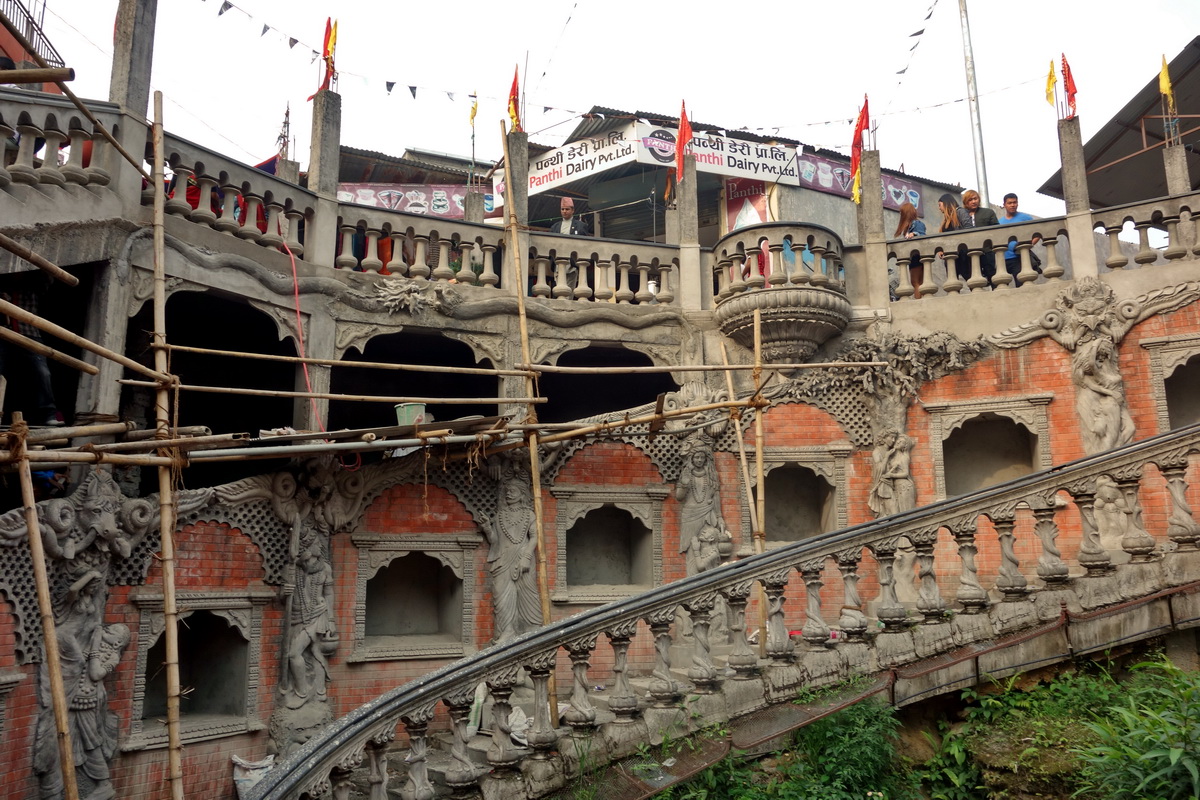
We descend to the cave via a beautiful spiral staircase with sculptures. Before entering the cave, many removed their shoes, but since it wasn’t mandatory, we decided not to. And, by the way, we decided correctly, as walking barefoot on a wet and dirty cave is very difficult and unpleasant.
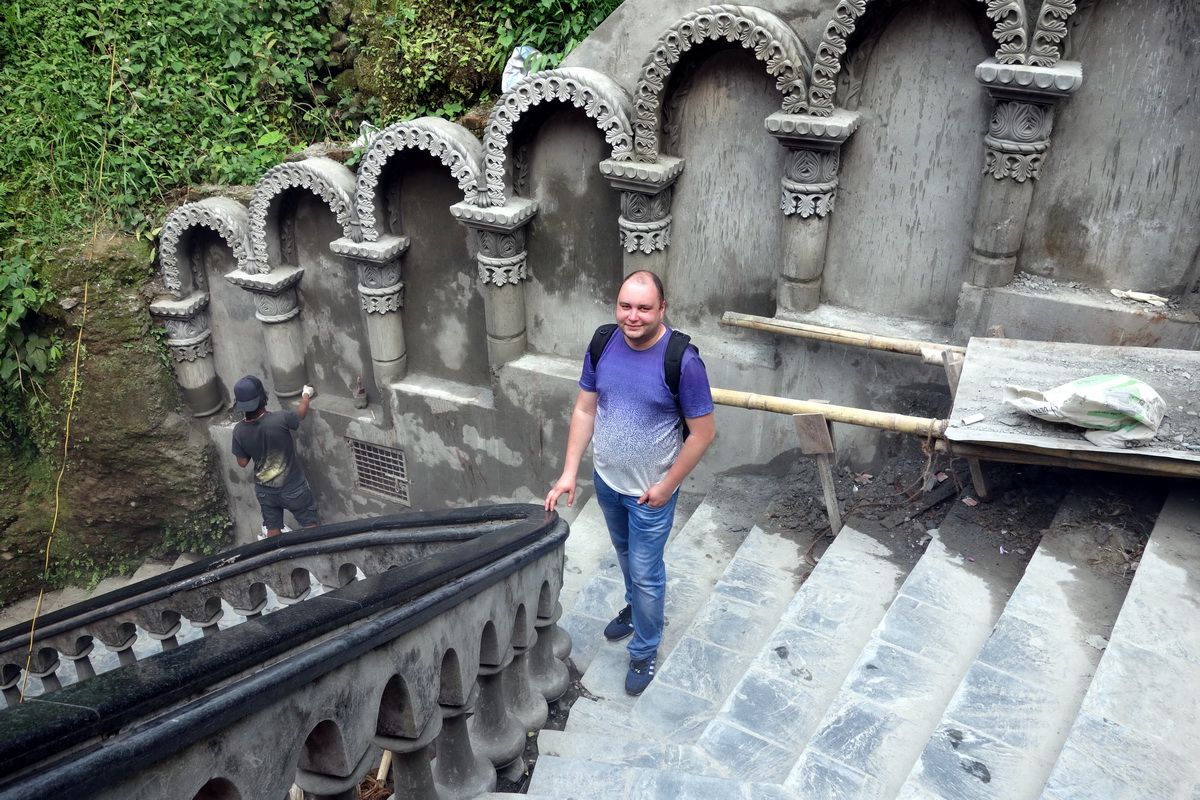
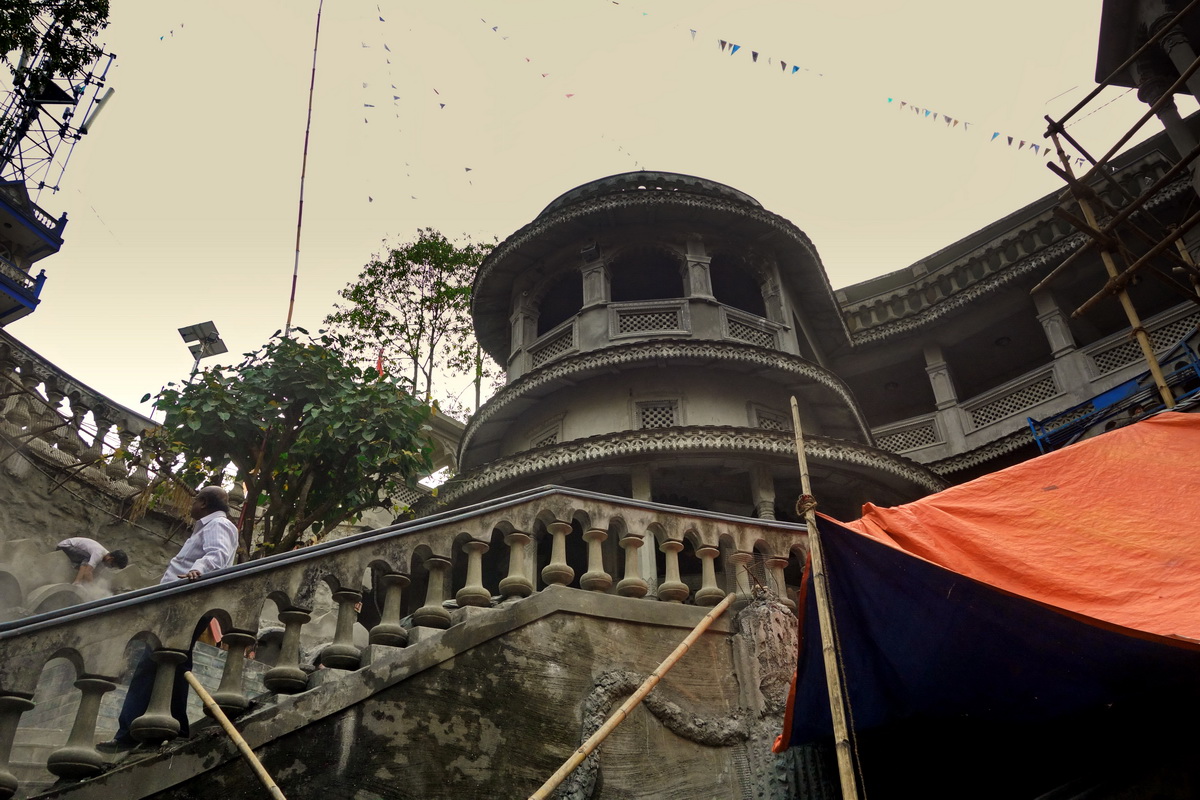
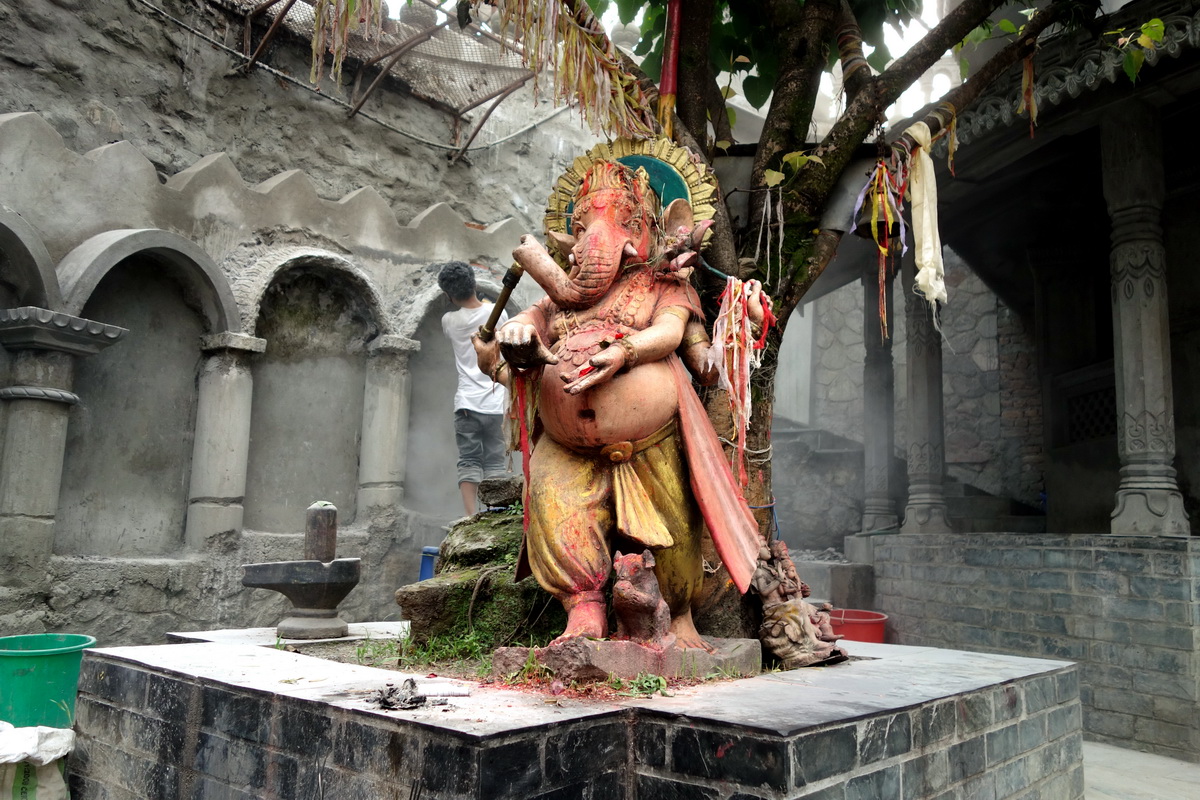
The cave holds special value for Hindus because there is a stone in the shape of a Shivalingam. A stone bull urinating on the lingam.
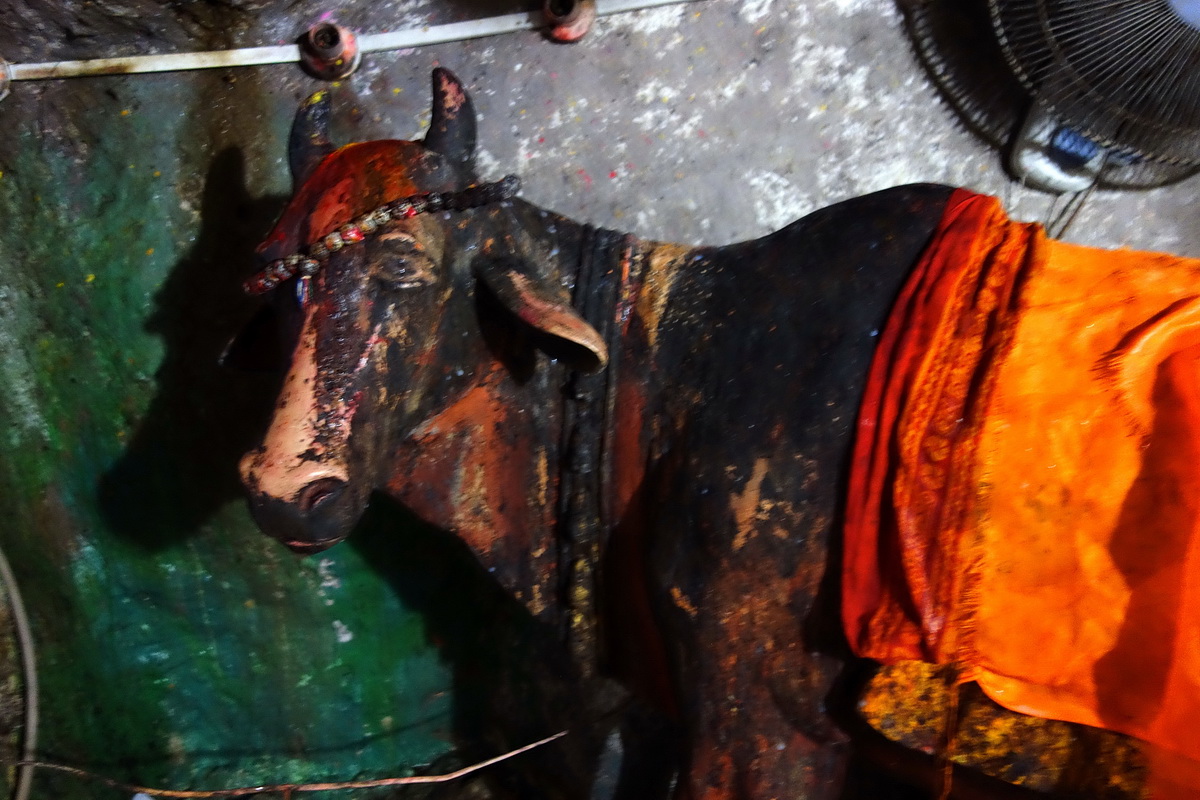
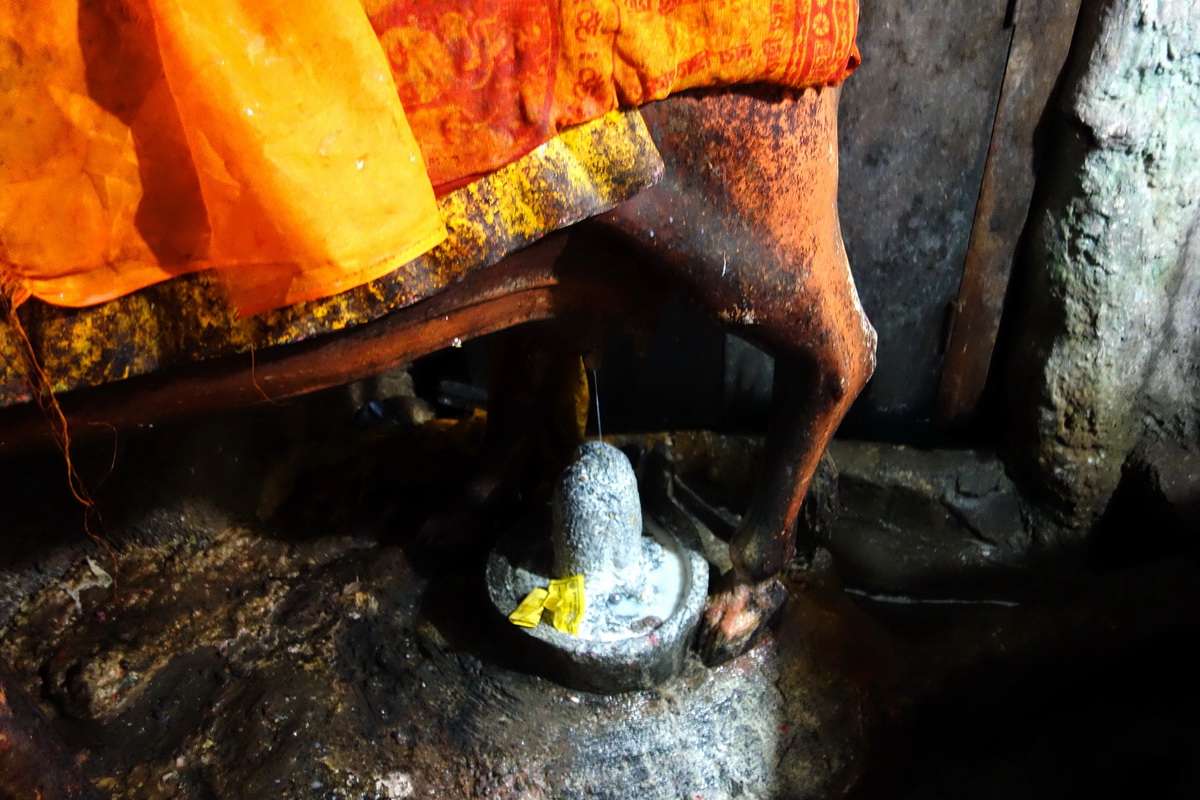
We walk through the cave. It consists of a chain of large and small caves connected by narrow passages. Many of them can only be traversed on all fours.
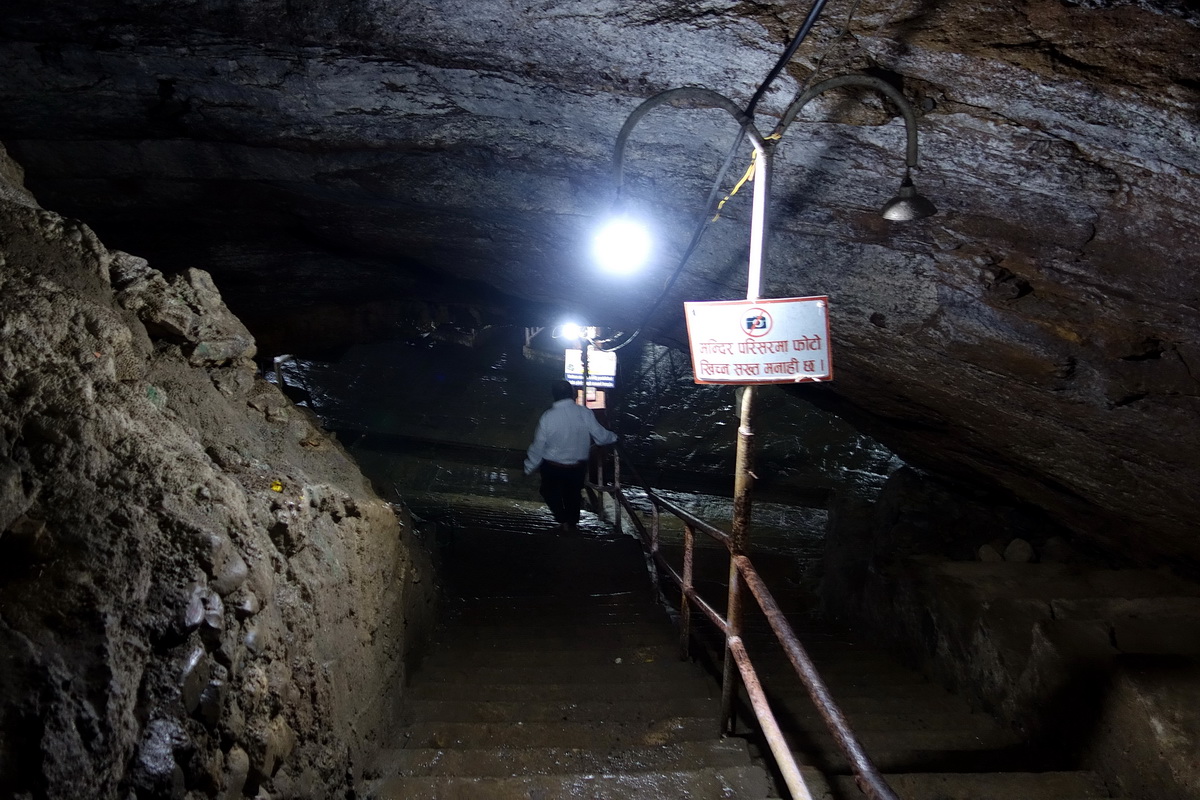
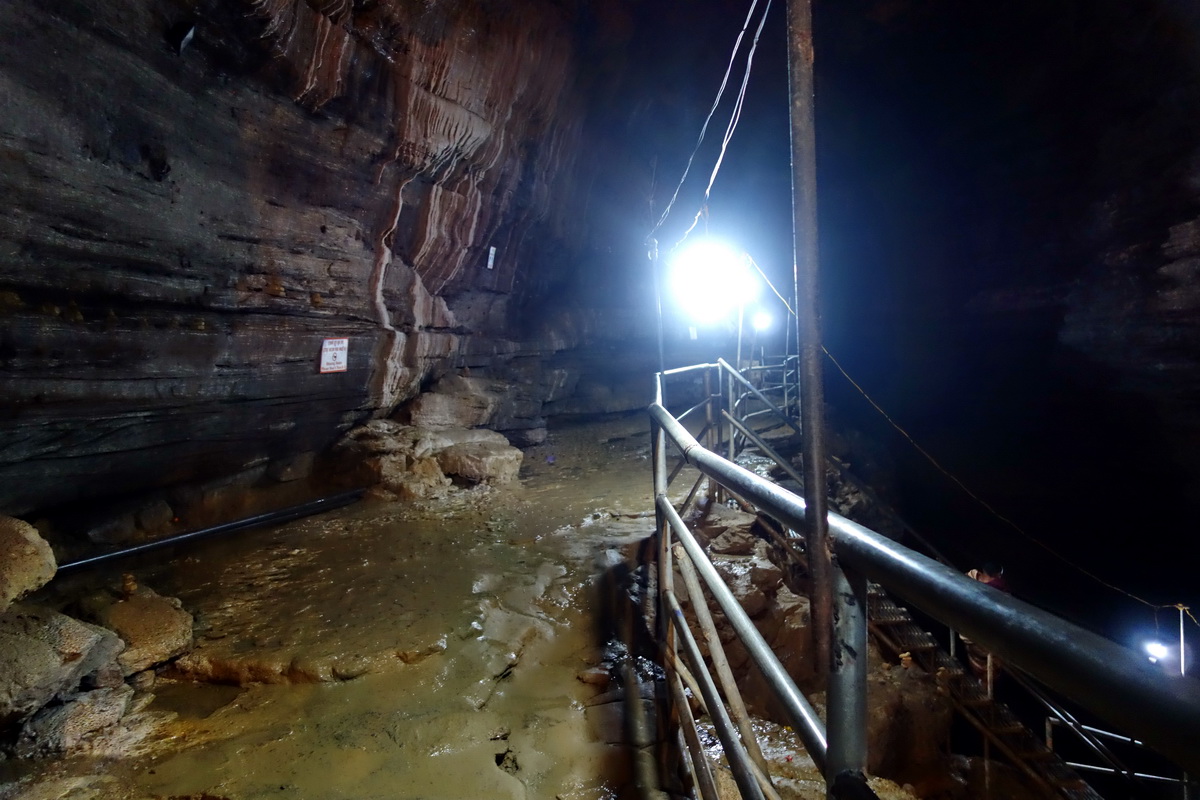
We reached the spot where you can see how the waterfall connects to the cave.
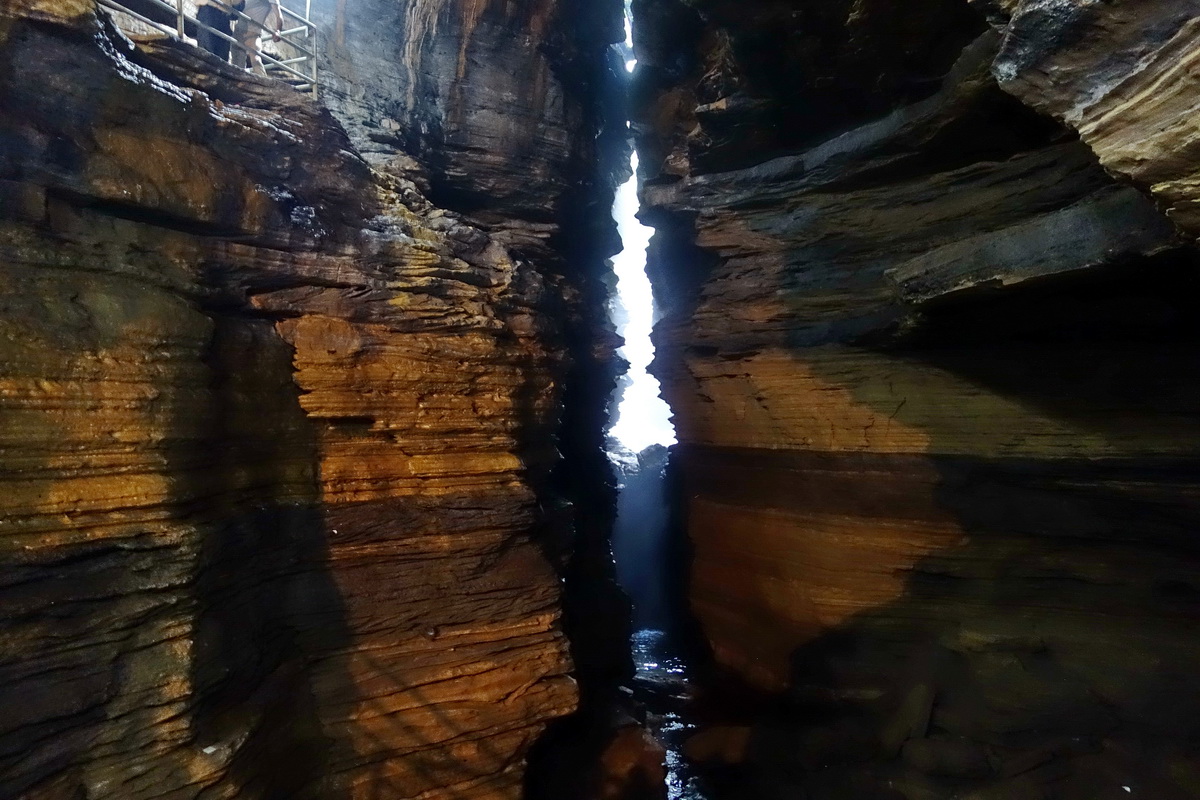
Inside, there are viewing platforms with walkways.
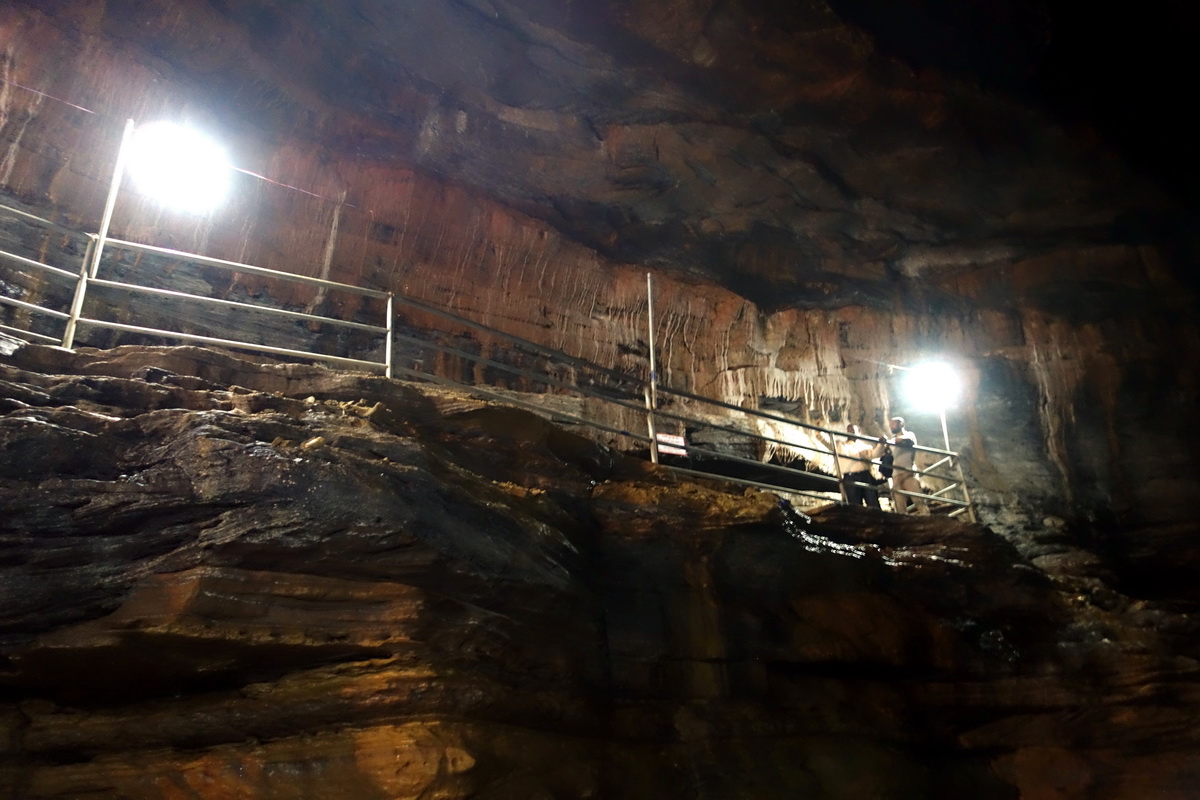
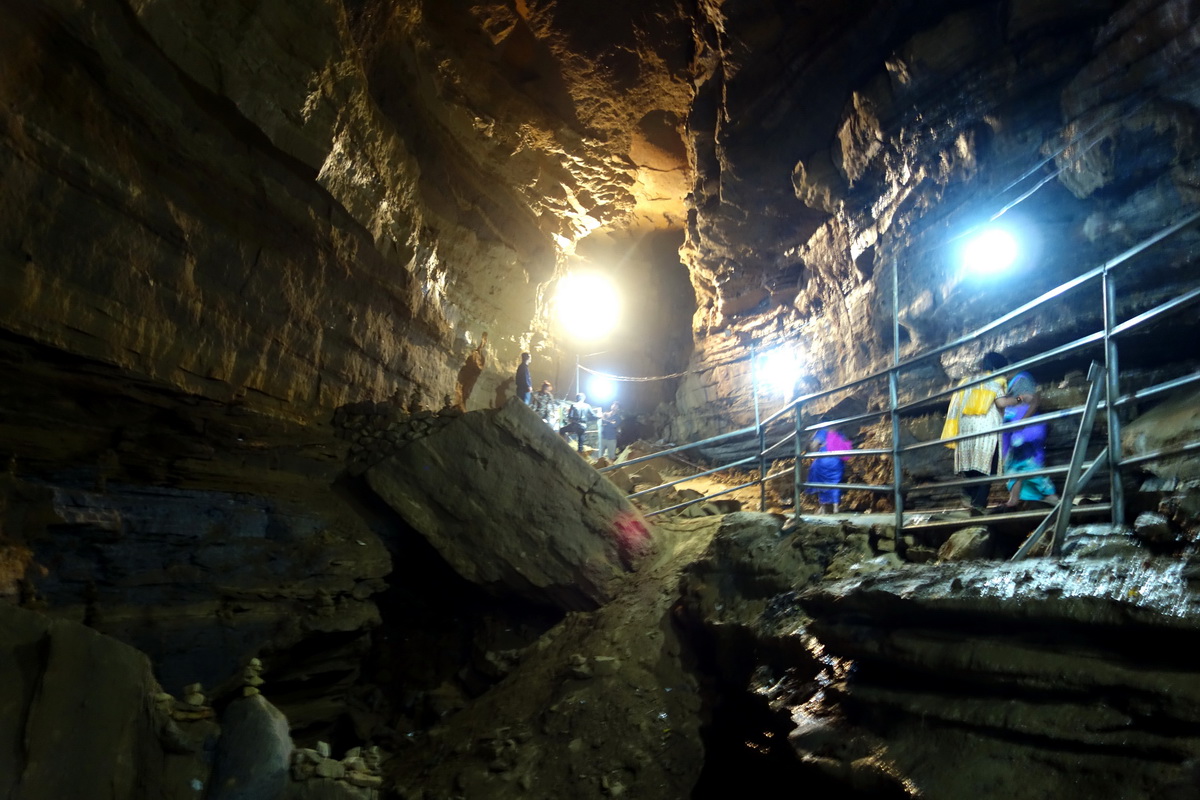
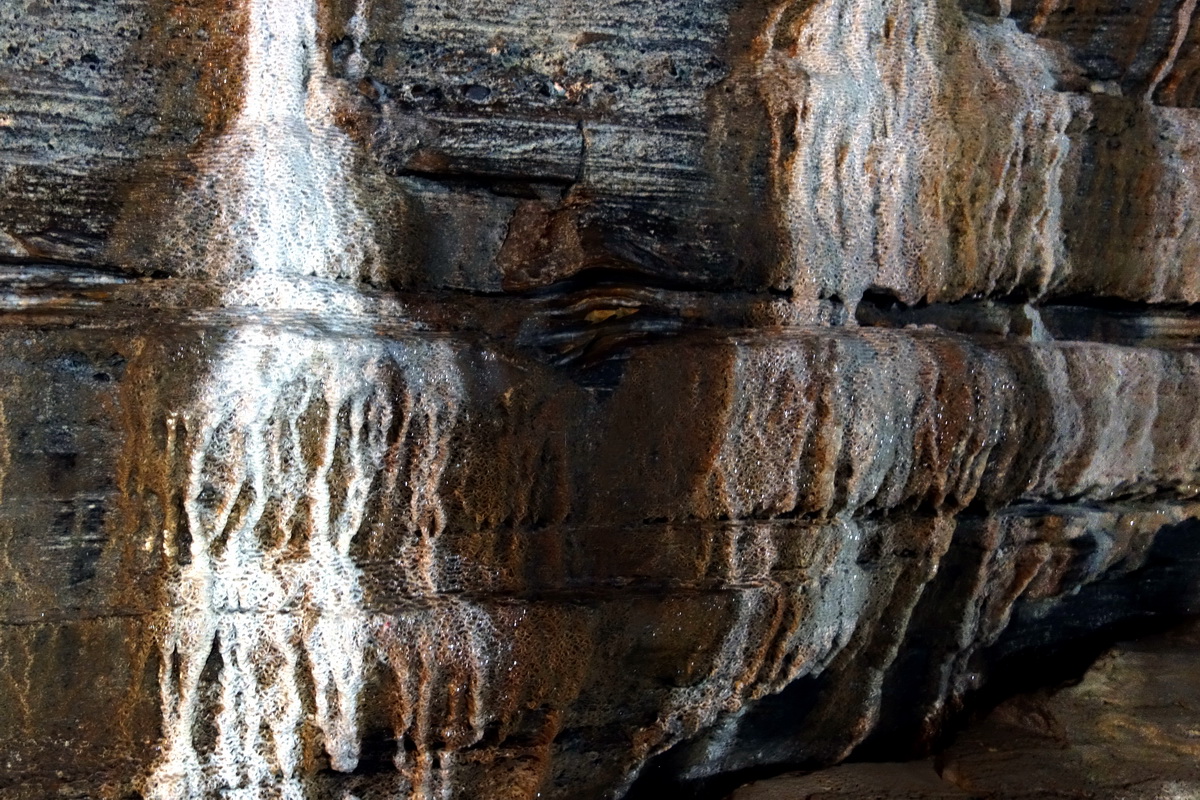
There’s nothing particularly incredible in the cave itself—it’s hot, there are some stalactites, plus it’s convenient to combine it with a visit to the Peace Pagoda. But it’s not worth going specifically for it.
Stone pyramids.
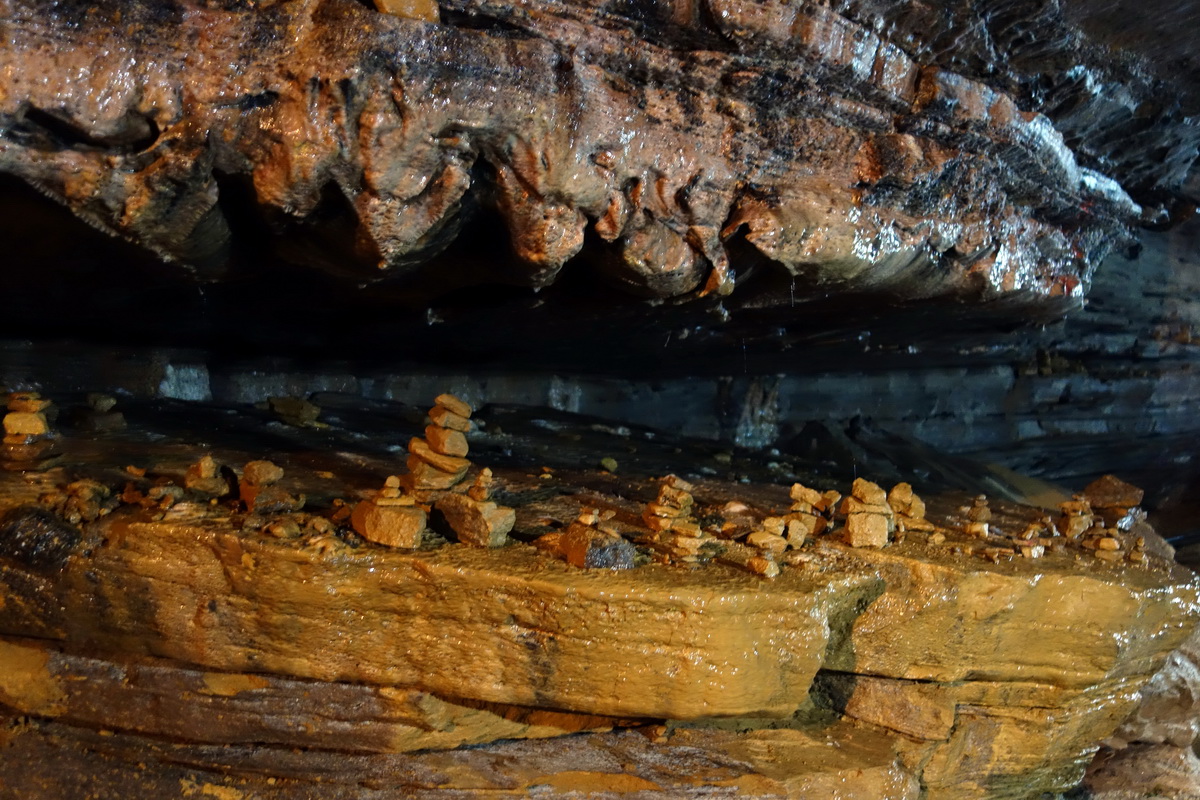
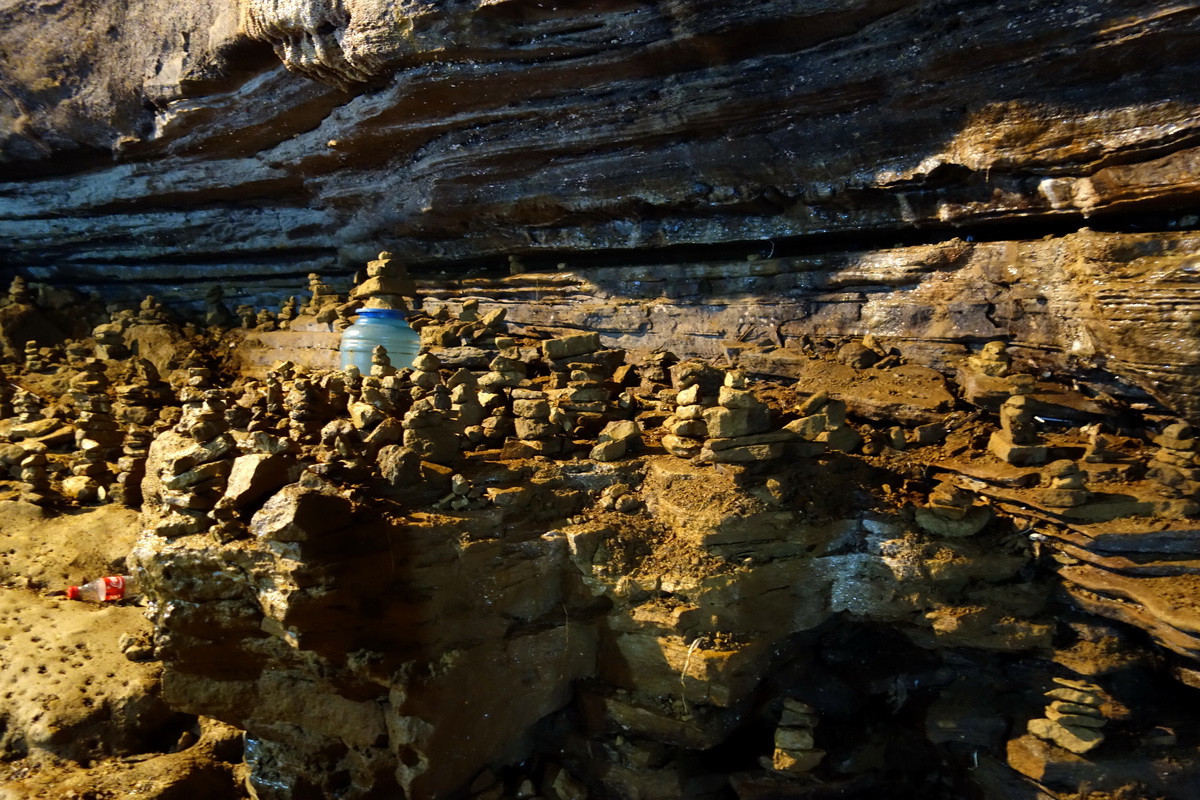
Water drips from above, and sometimes there’s water and mud below; the air is humid. In general, it’s dark, slippery, and damp. Visiting the cave took us about 30 minutes.
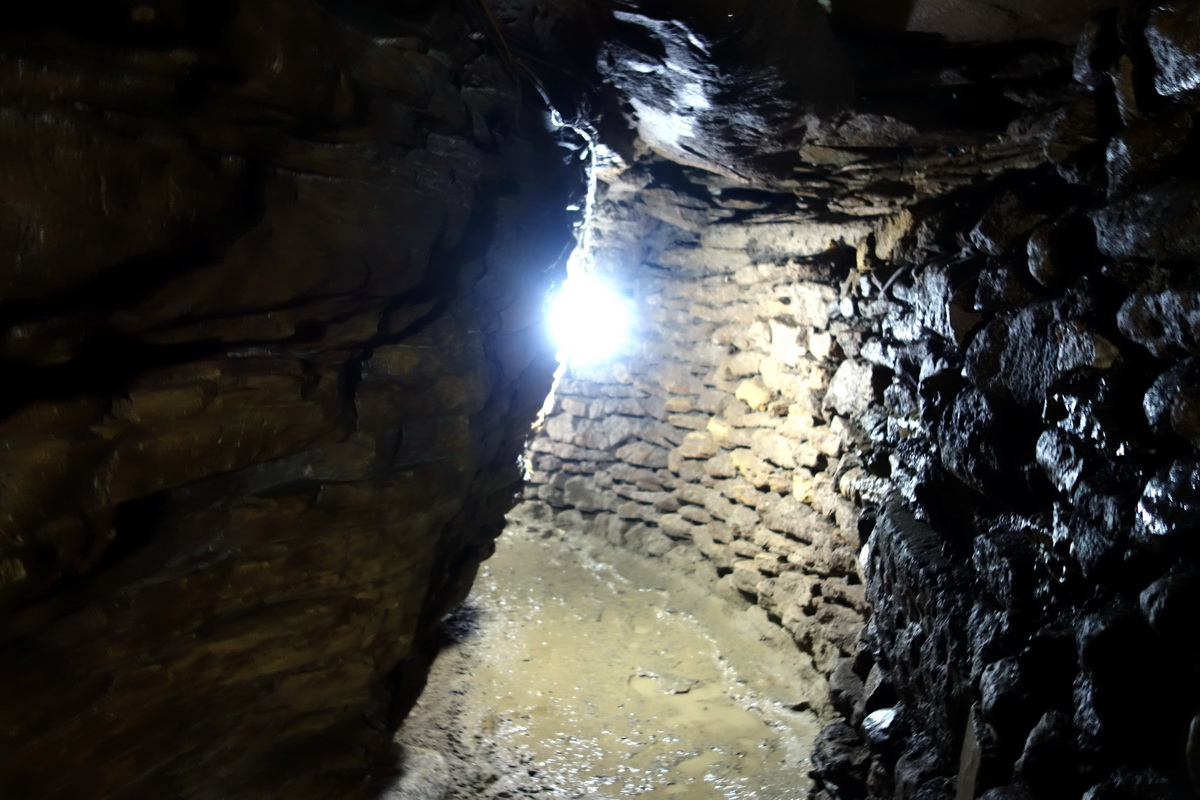
We exit the cave. Near the entrance to this sacred place, buffaloes are grazing.
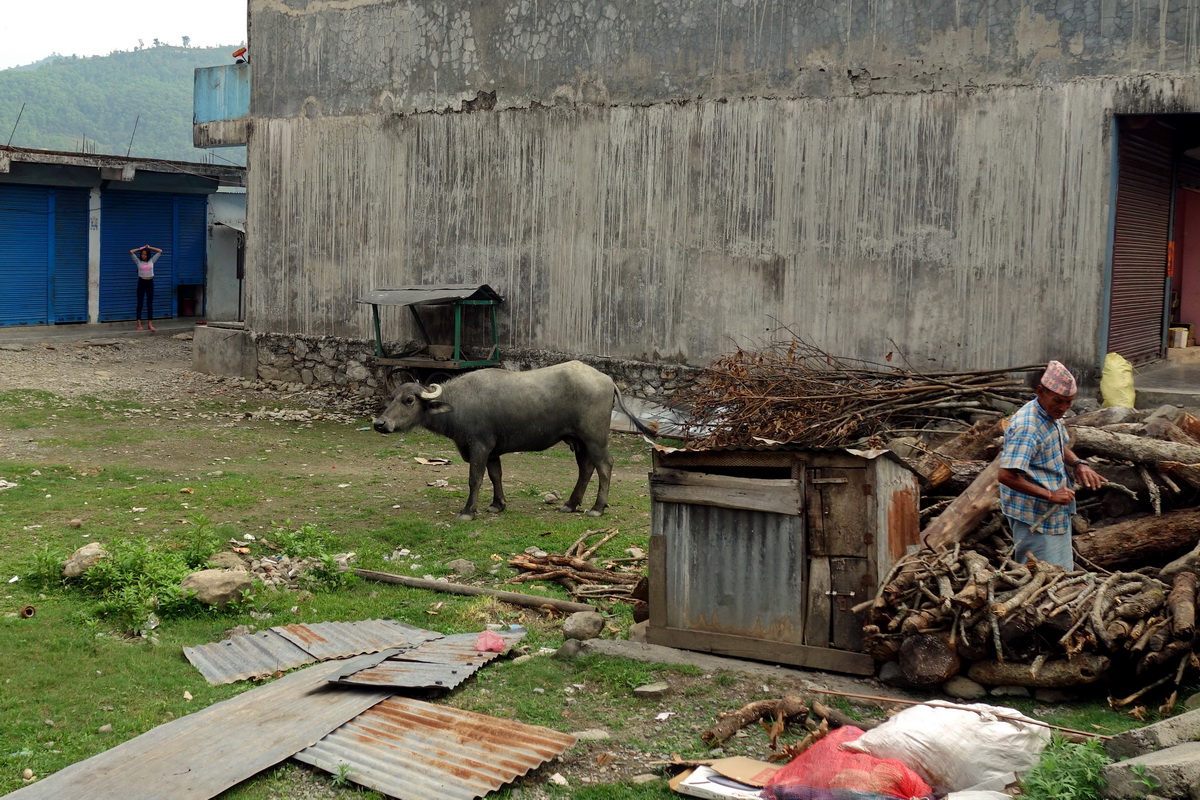
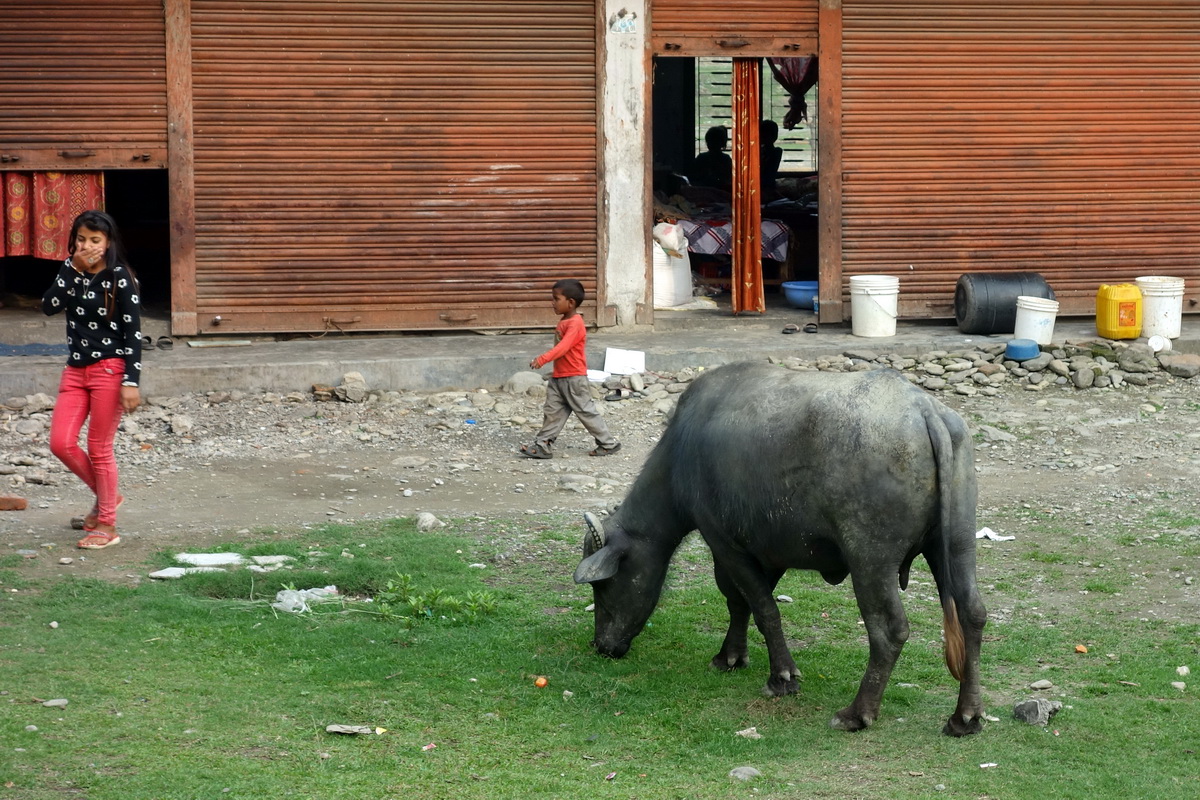
We head to Davis Falls, located practically on the opposite side of the street from the cave entrance.
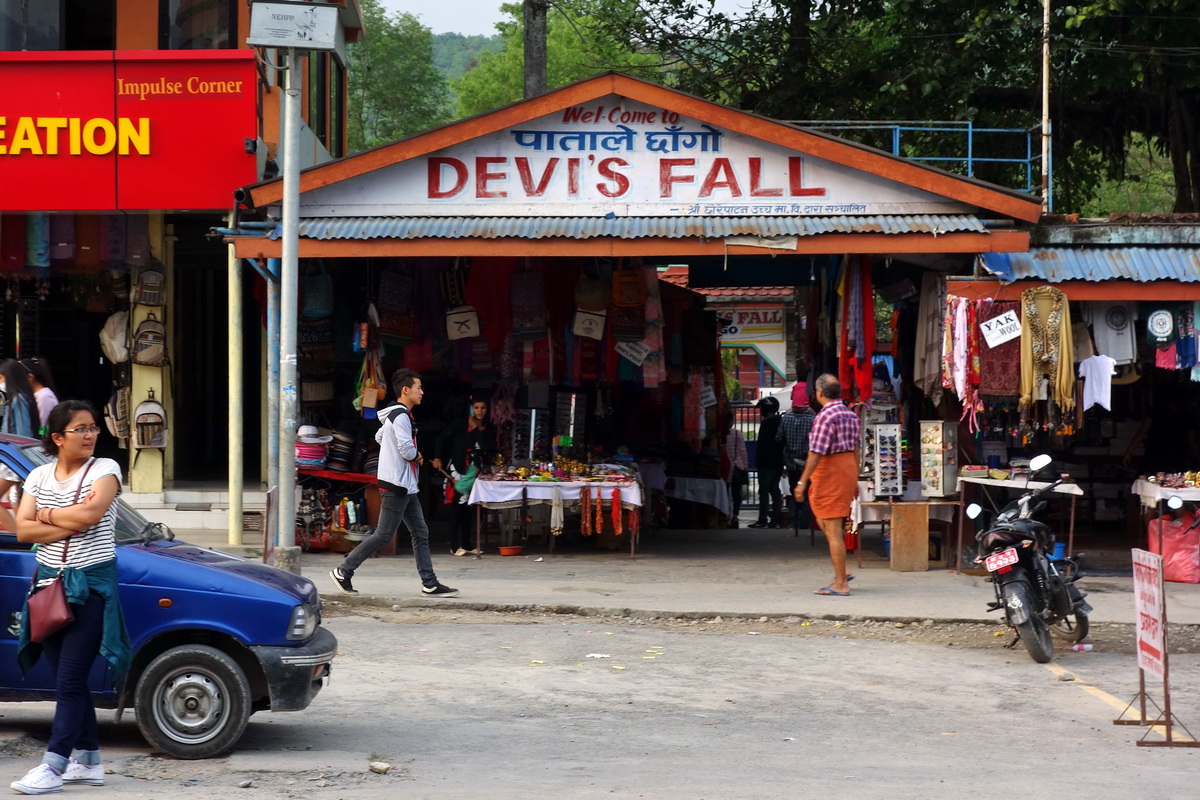
The cost of visiting the park with the waterfall is 30 cents. We stroll through the beautiful park.
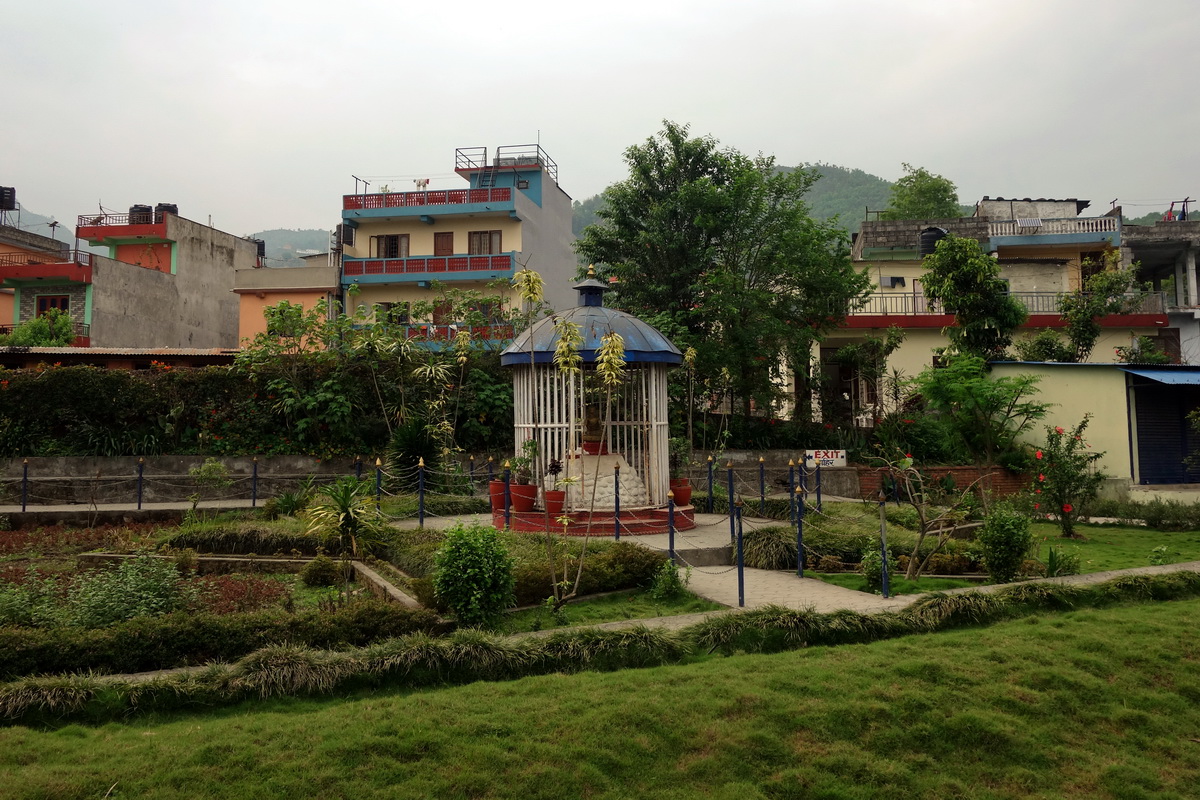
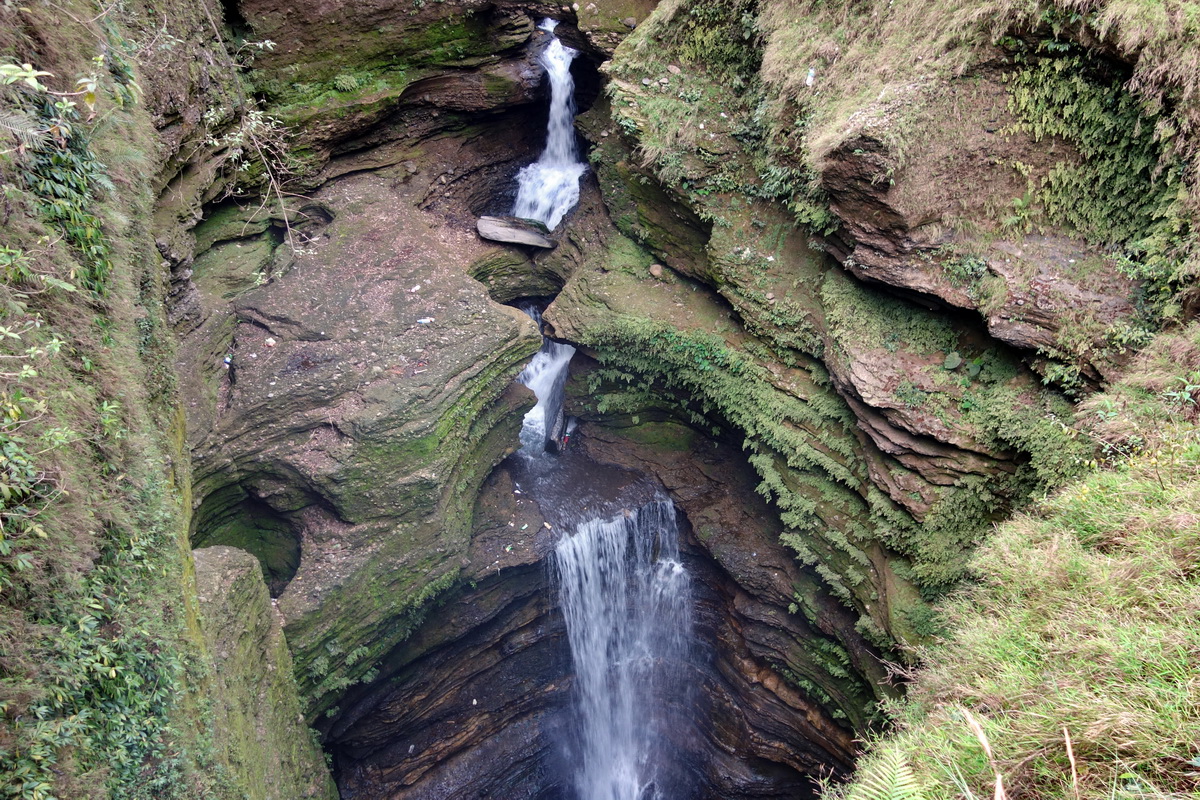
The source of the waterfall is the dam of Phewa Lake; during the rainy season, when the water level is high, the flow increases greatly, which only positively affects the natural landscapes. They are indescribably beautiful here.
Locals say that this waterfall is connected to a legend in which a girl, stumbling, accidentally fell from a mountain into an abyss. And her lover Davis couldn’t live without his beloved and jumped after her. That’s how the waterfall got the name Davis.
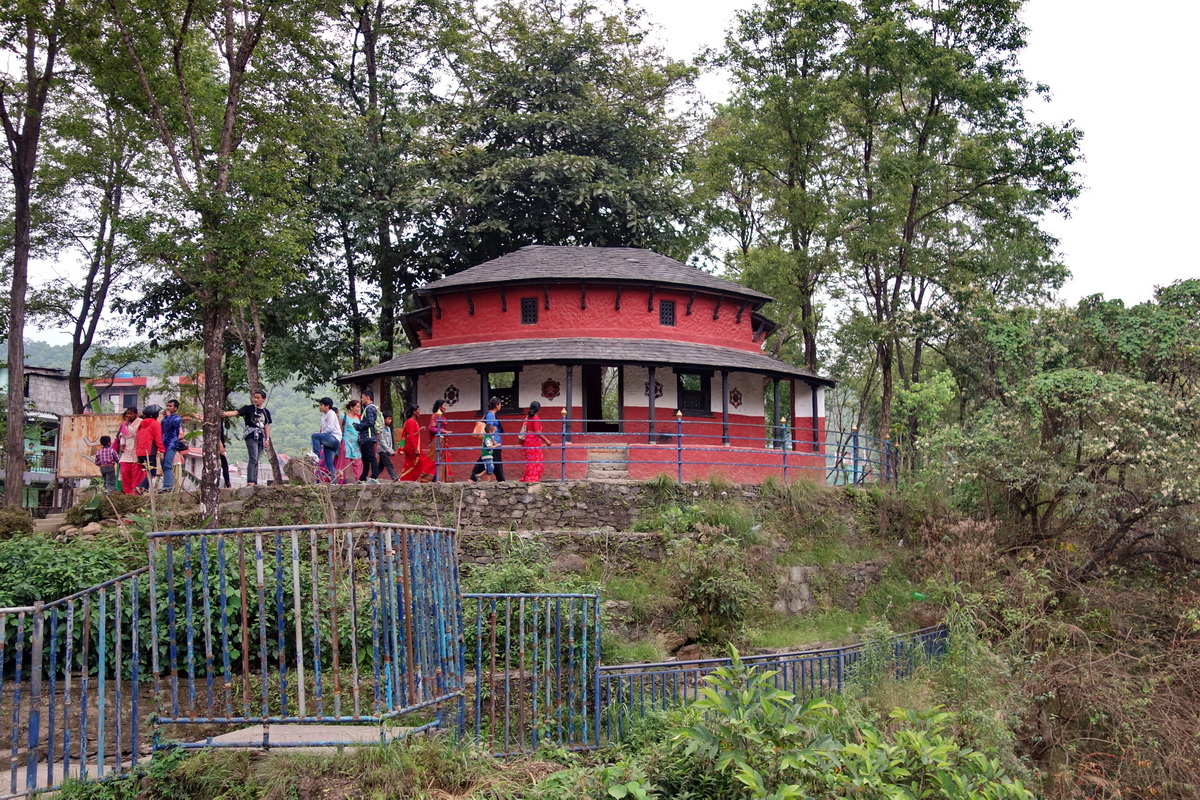
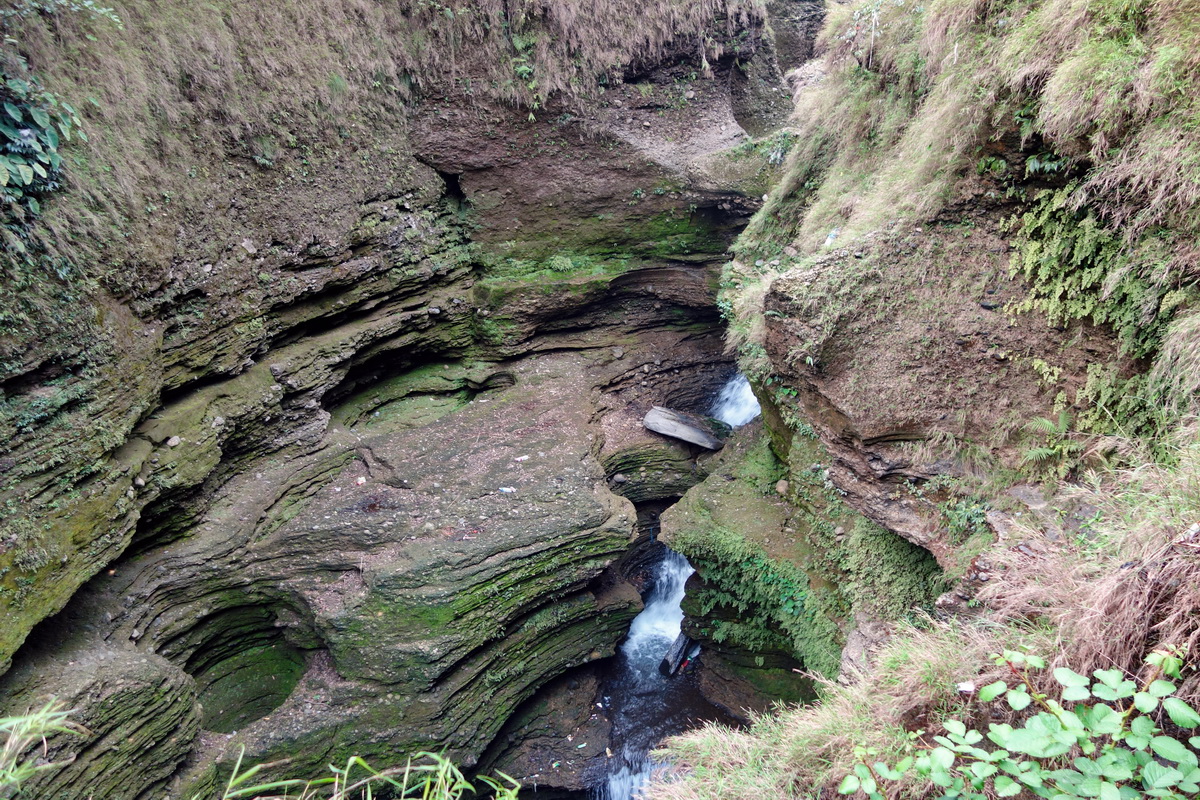
An interesting fact about the waterfall is that the water passes through a natural tunnel located well before the waterfall. After falling into the cave, it forms the underground Seti River. By the way, the waterfall is connected to the previously visited Gupteshwar Gupha cave.
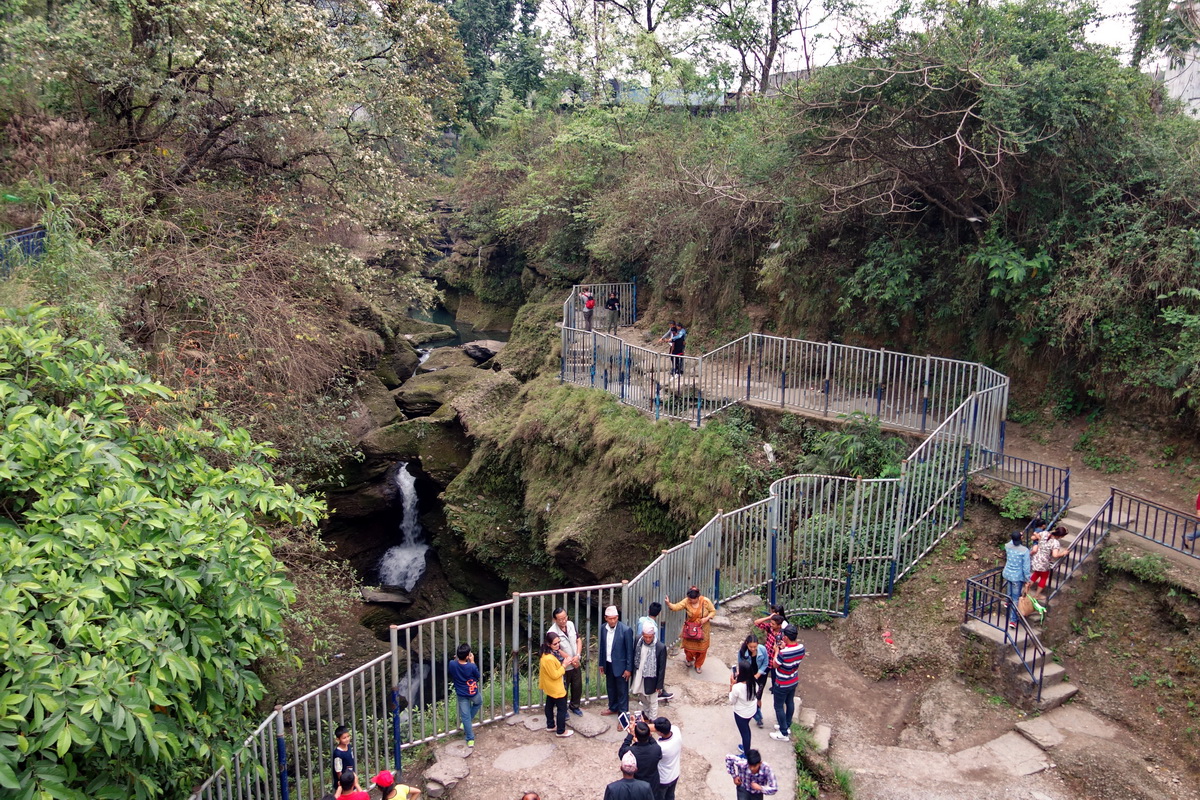
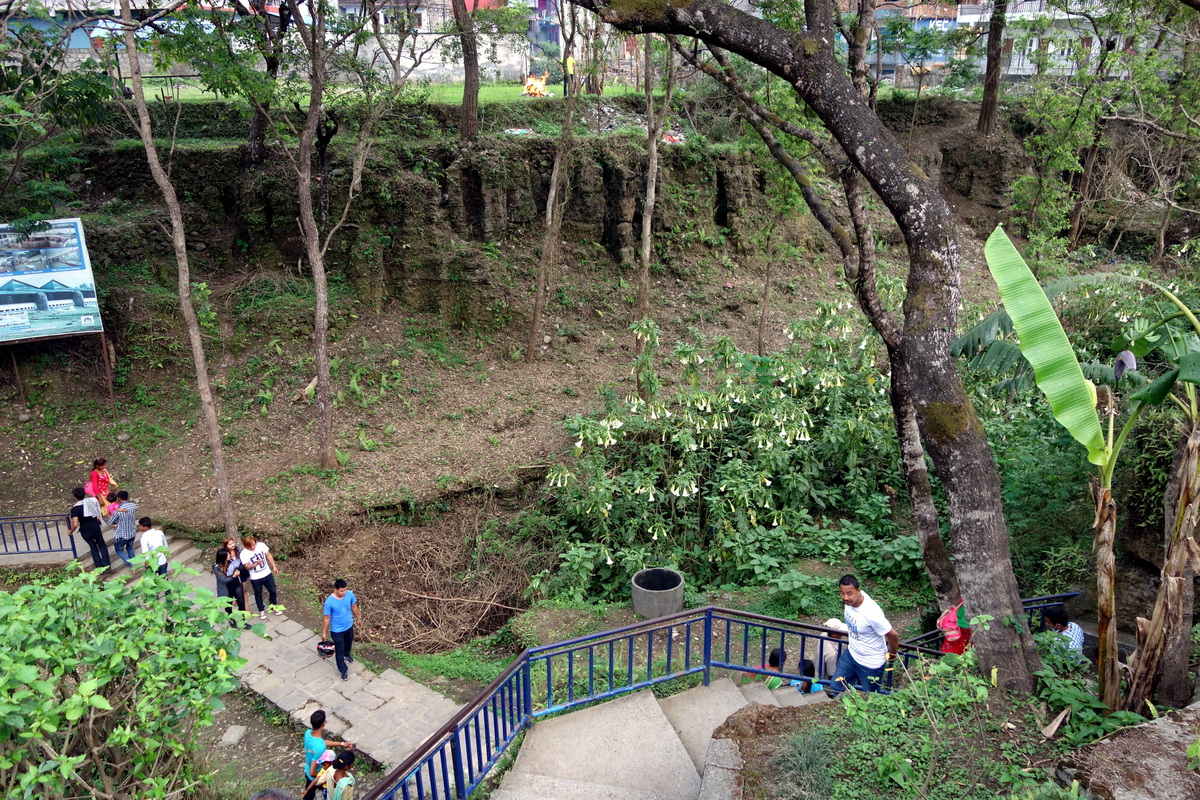
You can’t peek into the gorge where the water falls due to the fence. But for tourists’ convenience, numerous walkways have been built here, allowing you to enjoy the waterfall from different angles.
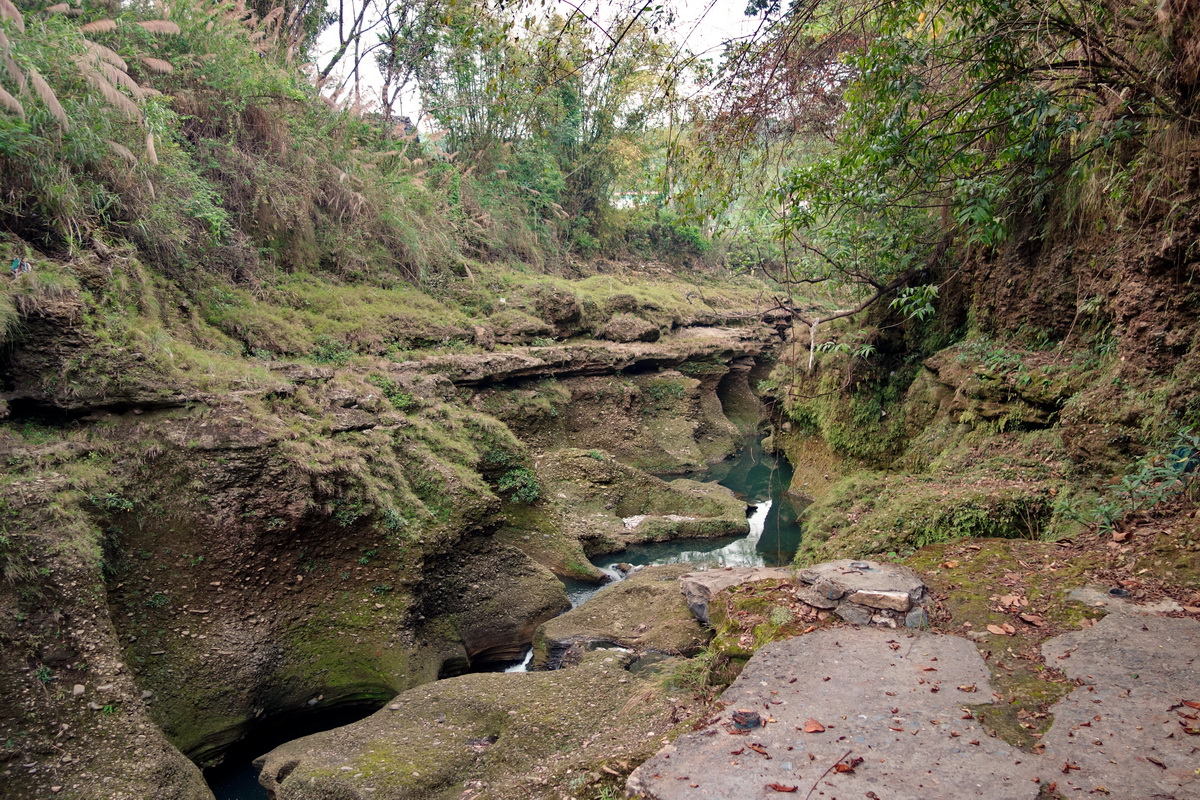
The waterfall and its surroundings are a captivating sight. The gorge winds, and the rock formations create crevices leading to underground caves. The water in the waterfall is crystal clear and turns the grotto into a fairy-tale masterpiece of nature.
It’s time for us to leave and prepare for the upcoming mountain trek in the Himalayas.
Read the continuation: Part IV. Annapurna.