Part IV. Annapurna.
While planning our trip to Nepal, we didn’t initially intend to go on a mountain trek, as these treks last 2–3 weeks, and we had neither the time nor the desire to spend the entire trip in the mountains. Our primary goal was to visit thermal springs. Having visited thermal springs in nearly every country I’ve traveled to, I wanted Nepal to be no exception. As it turned out, one of the thermal springs in Nepal is located in the Annapurna mountain range, near the village of Jhinu Danda. Getting to this village and the thermal spring is not easy and can only be done on foot, covering a significant distance along mountain trails. Many trekkers visit it during their mountain hikes. So, the idea to organize a Himalayan trek with a visit to the thermal spring came up quickly. However, with limited time, we had to fit it into 4 days.
Our trek followed this route:
Nayapul (1,070 m) > Birethanti (1,040 m) > Sauli Bazaar (1,170 m) > Kimche (1,960 m) > Ghandruk > Jhinu Danda (1,760 m) > Chomrong (2,300 m) > Kimrong Khola > Ghandruk.
In Nepal, you can see advertisements for organizing mountain treks of various durations at every turn, and besides a guide, a porter for your belongings can accompany you. But we were against such “support” from the start, so we planned everything in advance and downloaded the necessary GPS apps for navigation.
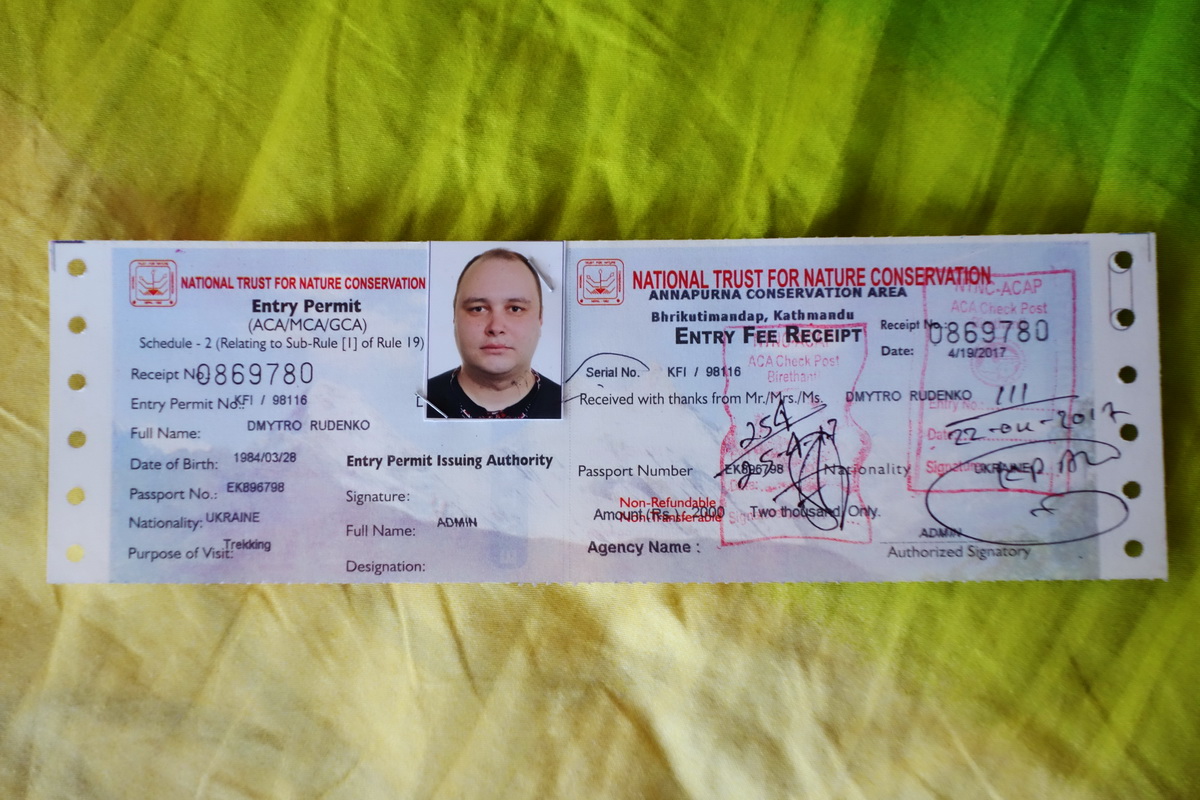
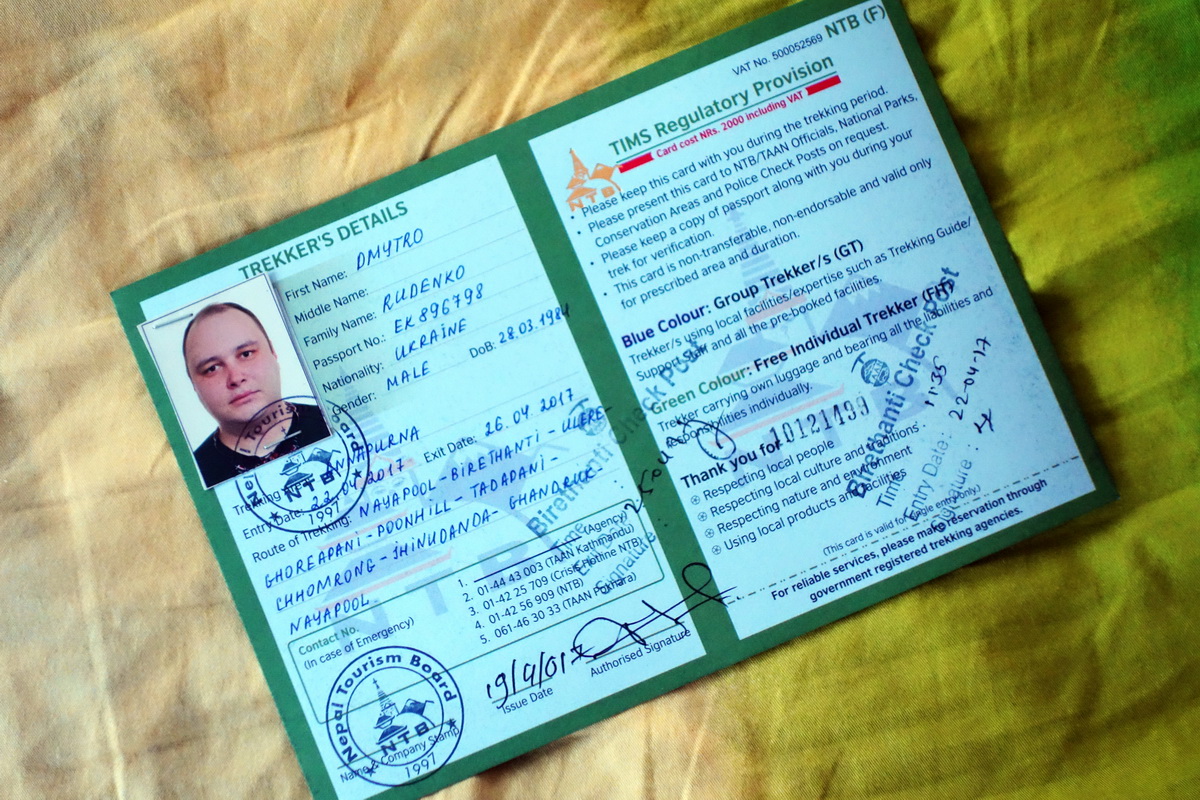
To visit the Annapurna Conservation Area, you need to obtain a permit called a “permit” and a “TIMS” (Trekkers’ Information Management System) card. We obtained both documents in Kathmandu at the Nepal Tourism Board for $80 per person. To get them, we had to provide two photos and fill out a special form with details such as personal information, planned route, insurance number, contact details, etc. The total duration of our trek was 3 nights and 4 days.
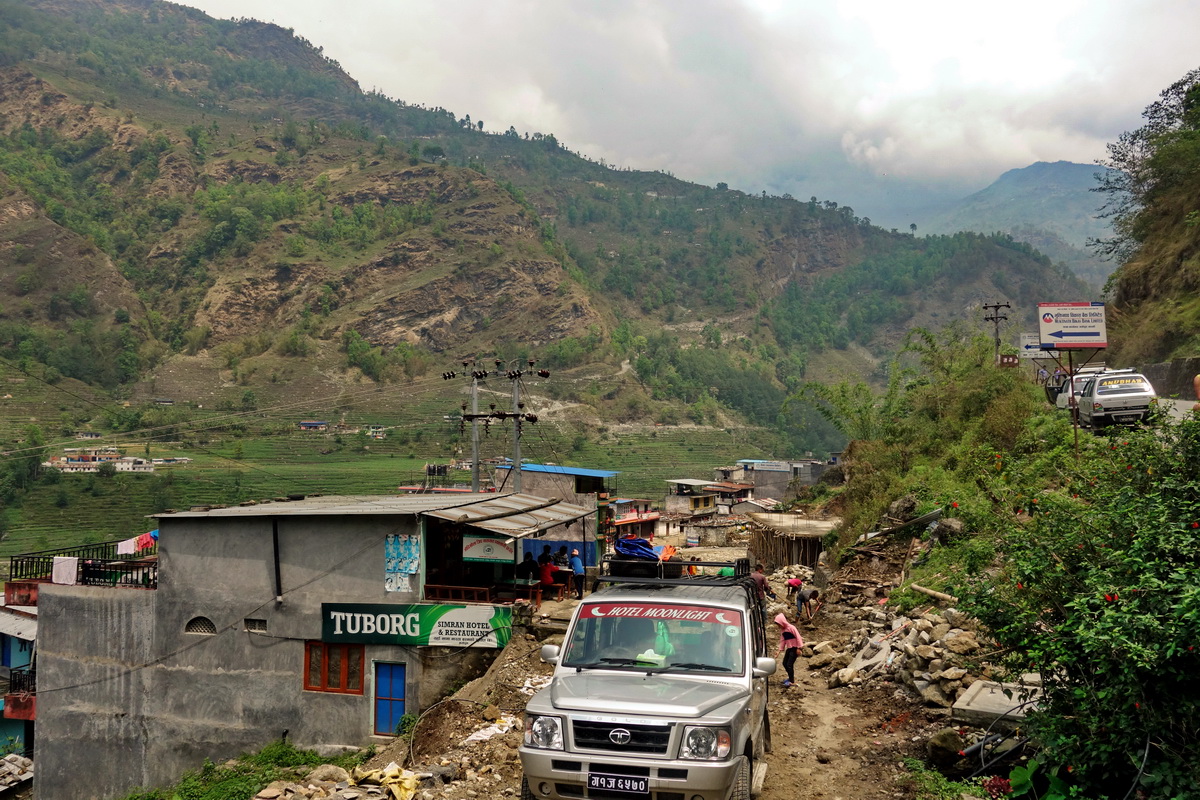
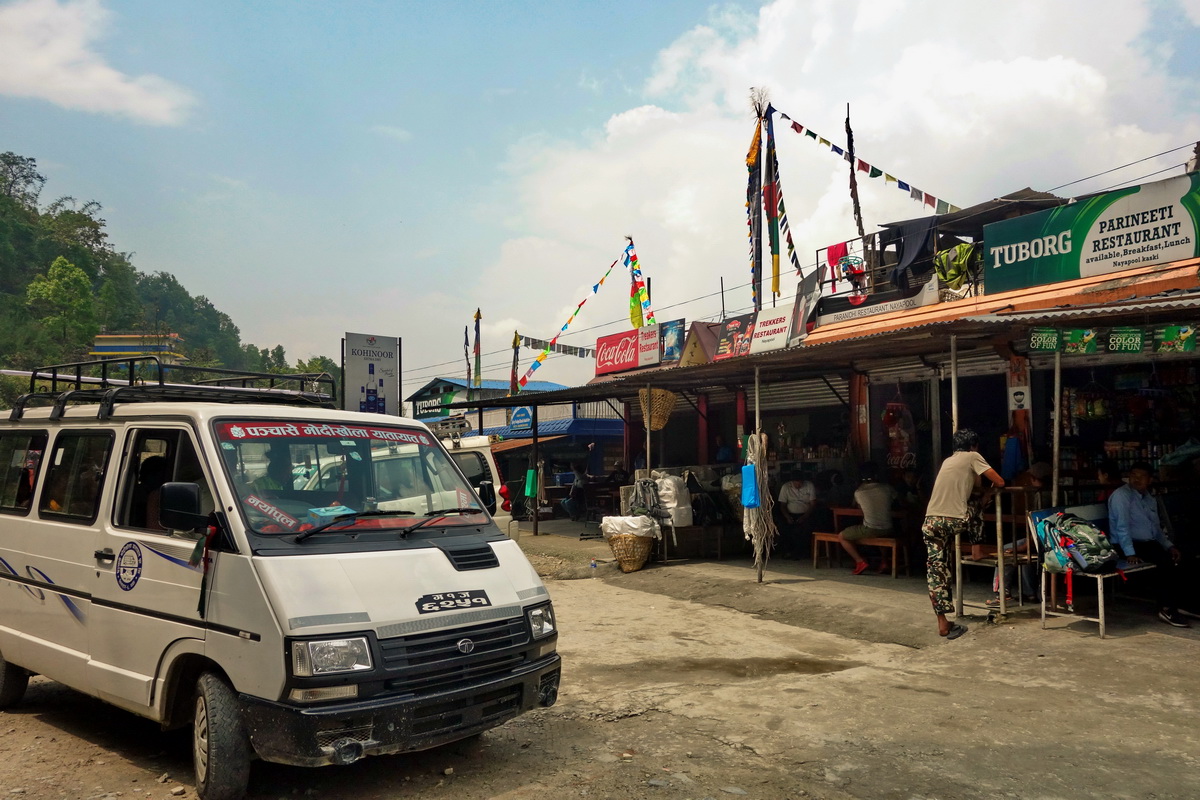
We took a taxi from Pokhara to the starting point of our trek—the village of Nayapul. The serpentine road took us about 1.5 hours. Here, we met trekkers who, like us, were just starting their hike or those who had already returned. You can also grab a snack or buy food or gear here.
We went on the trek with the backpacks we brought to Nepal. We didn’t take any special gear (trekking poles, sleeping bags, tents, etc.). So, off we go!
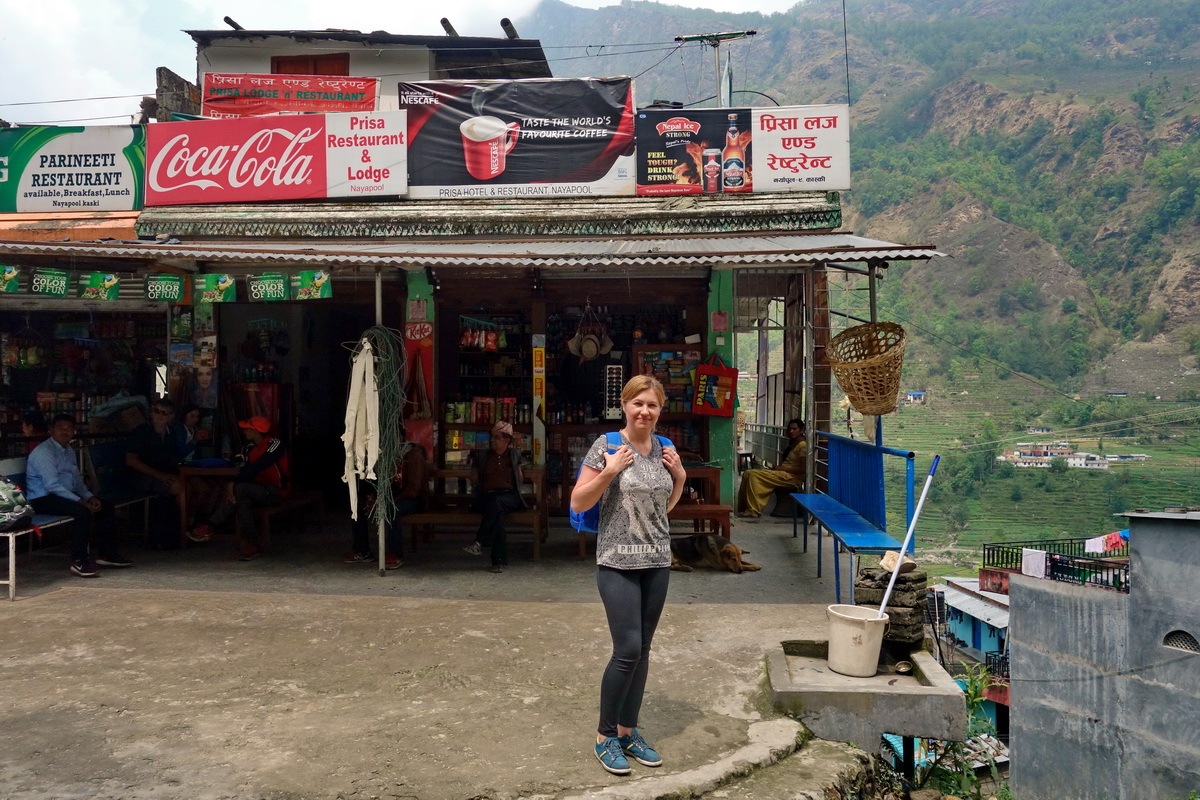
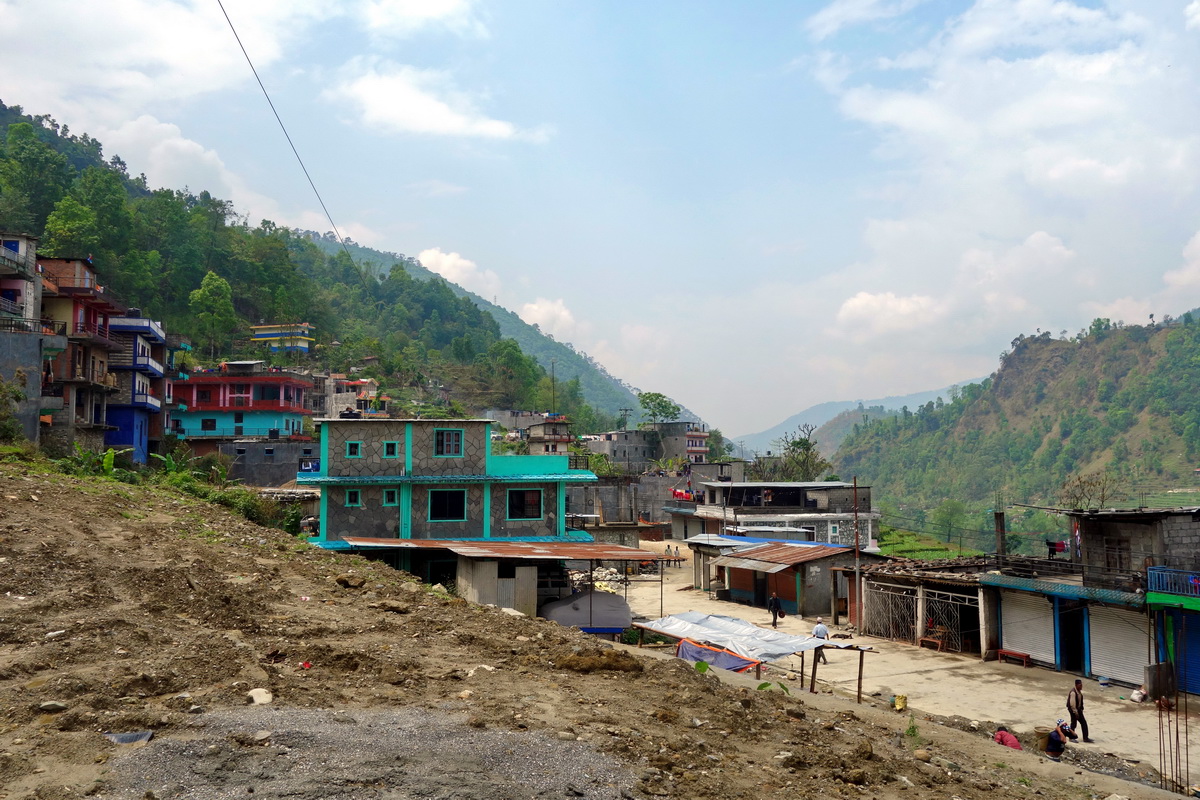
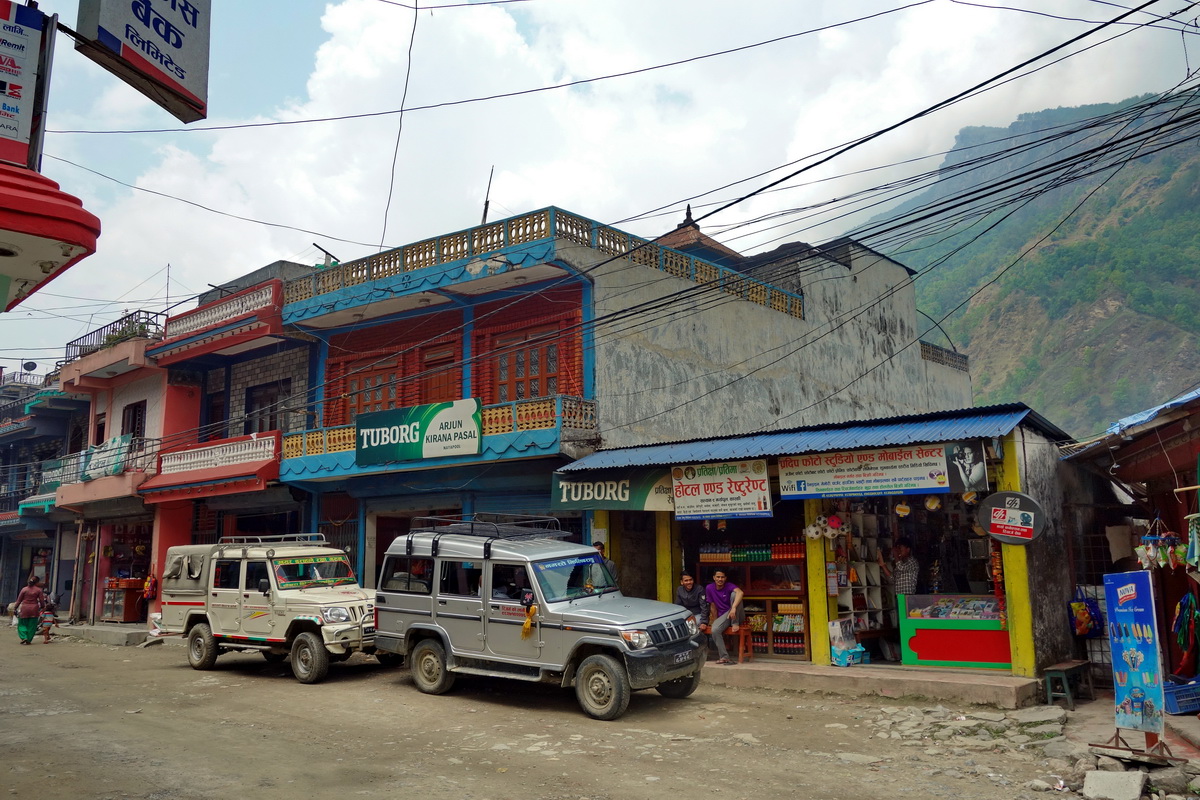
We pass through the village of Nayapul toward Birethanti. Distances in the mountains are measured not in kilometers but in hours of walking. Signposts along the route often indicate the time needed to reach a certain place. But we noticed that the time we were told or read on signs should be multiplied by two (if not three). Maybe it’s because of trekking poles, which really help cover distances faster?
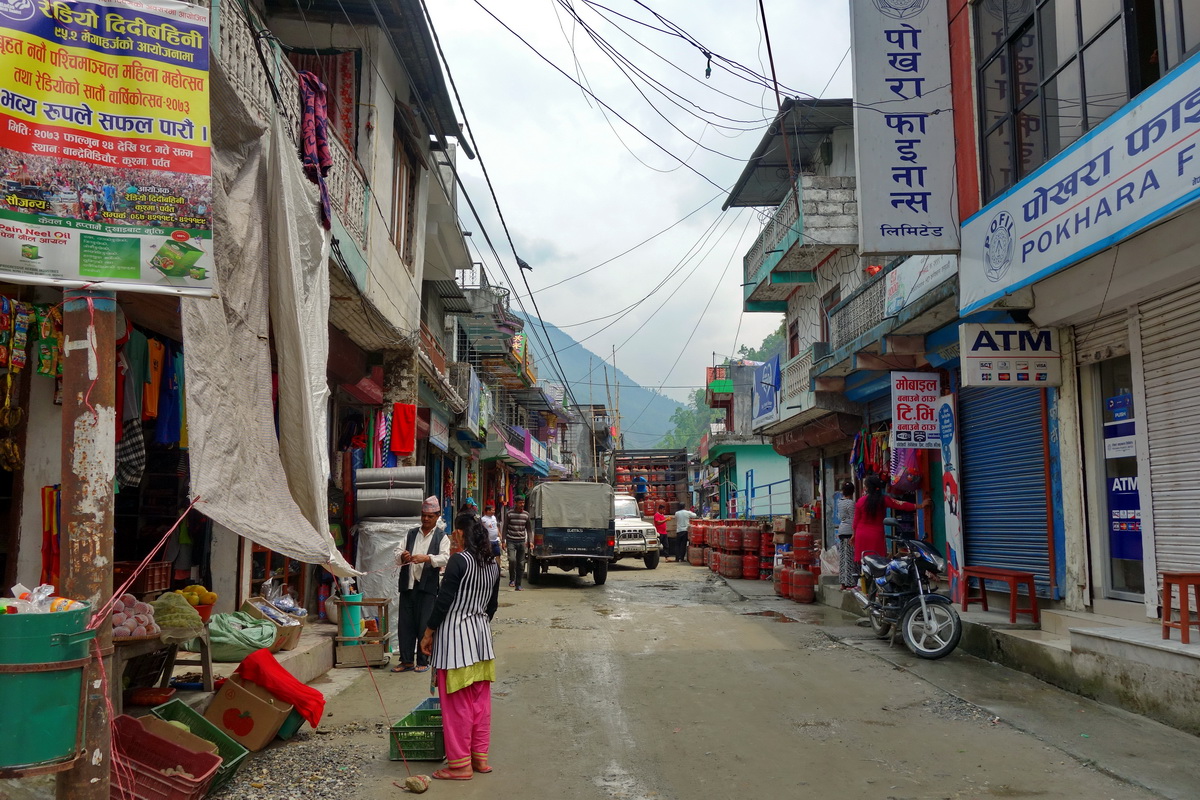
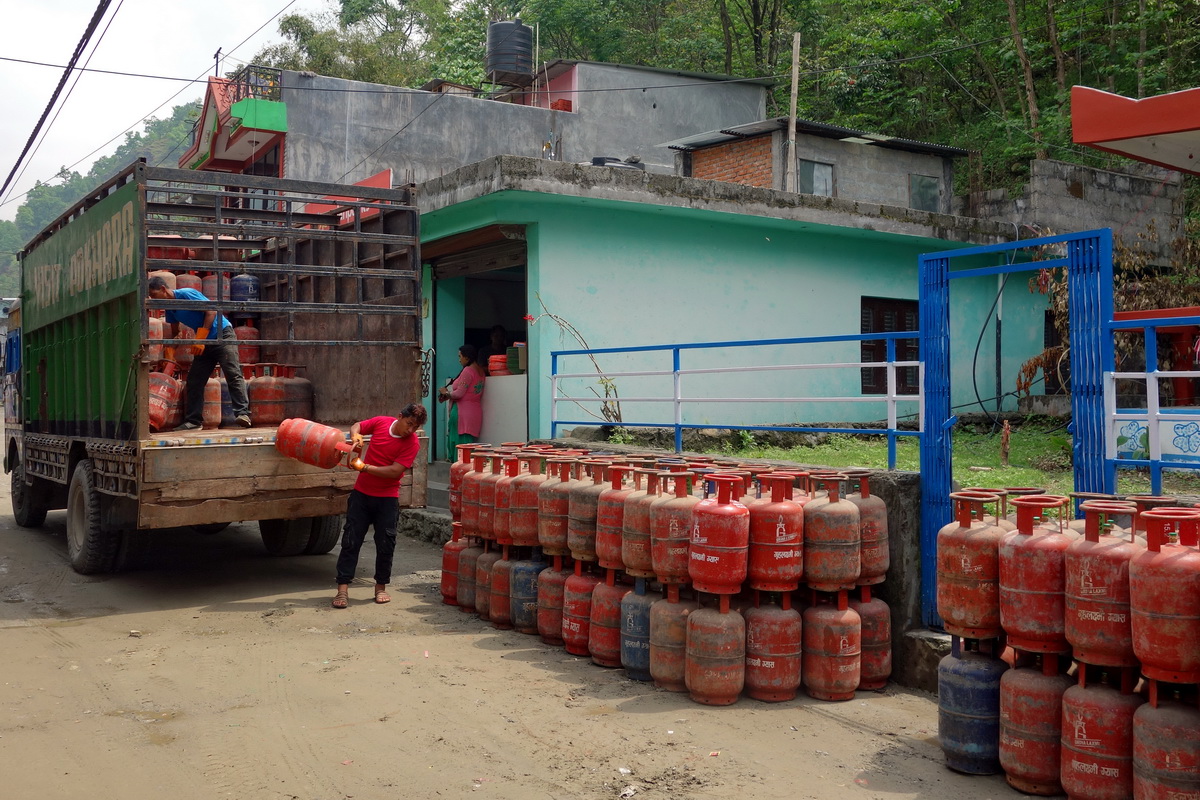
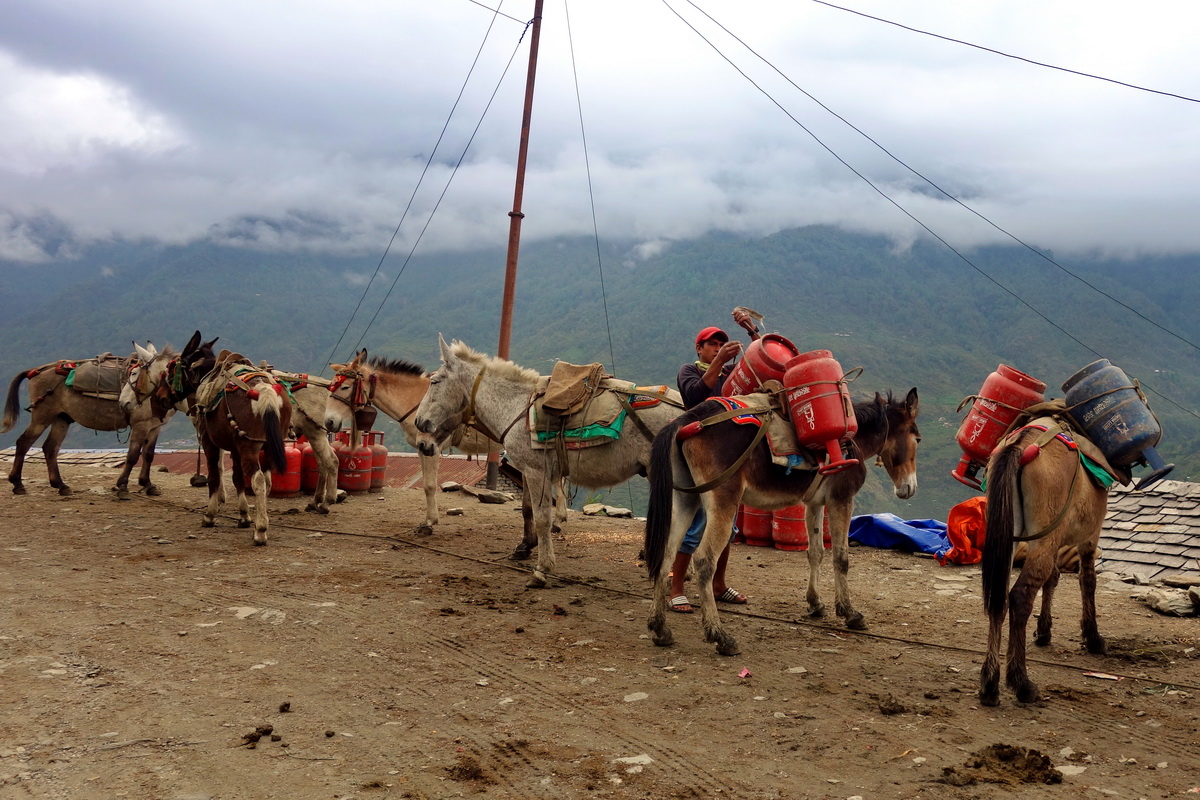
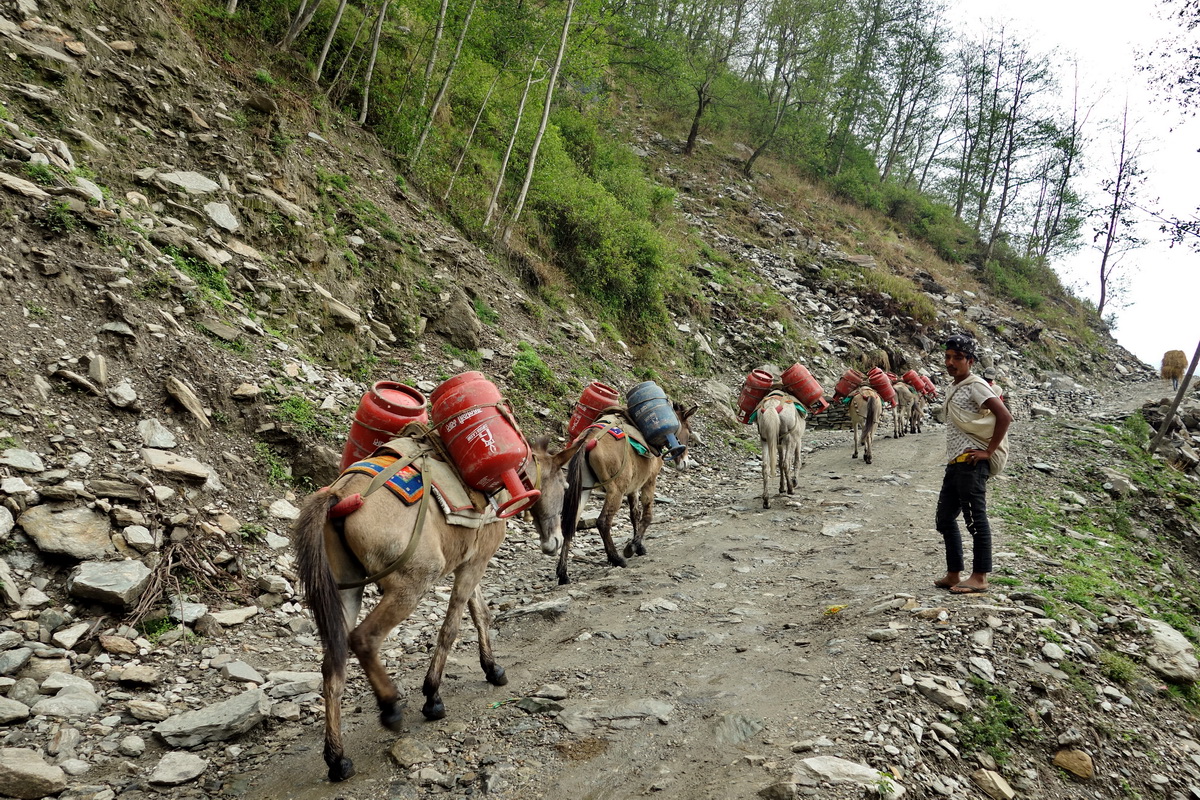
Gas cylinders used for cooking in the mountains. Residents of mountain villages come for them on donkeys. Electricity is scarce in the mountains, so food is cooked on gas delivered in cylinders.
We could have reached Birethanti by taxi, but we decided to walk the distance.
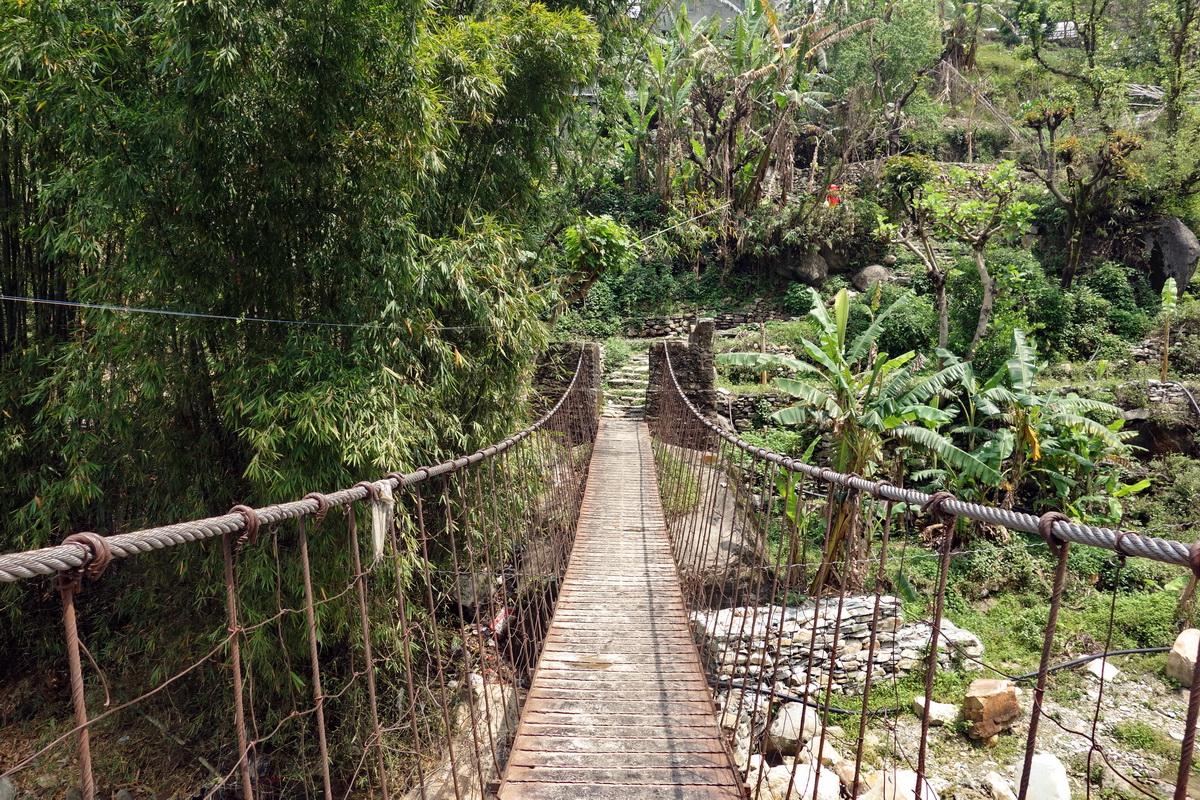
A suspension bridge over a cliff adds a bit of thrill.
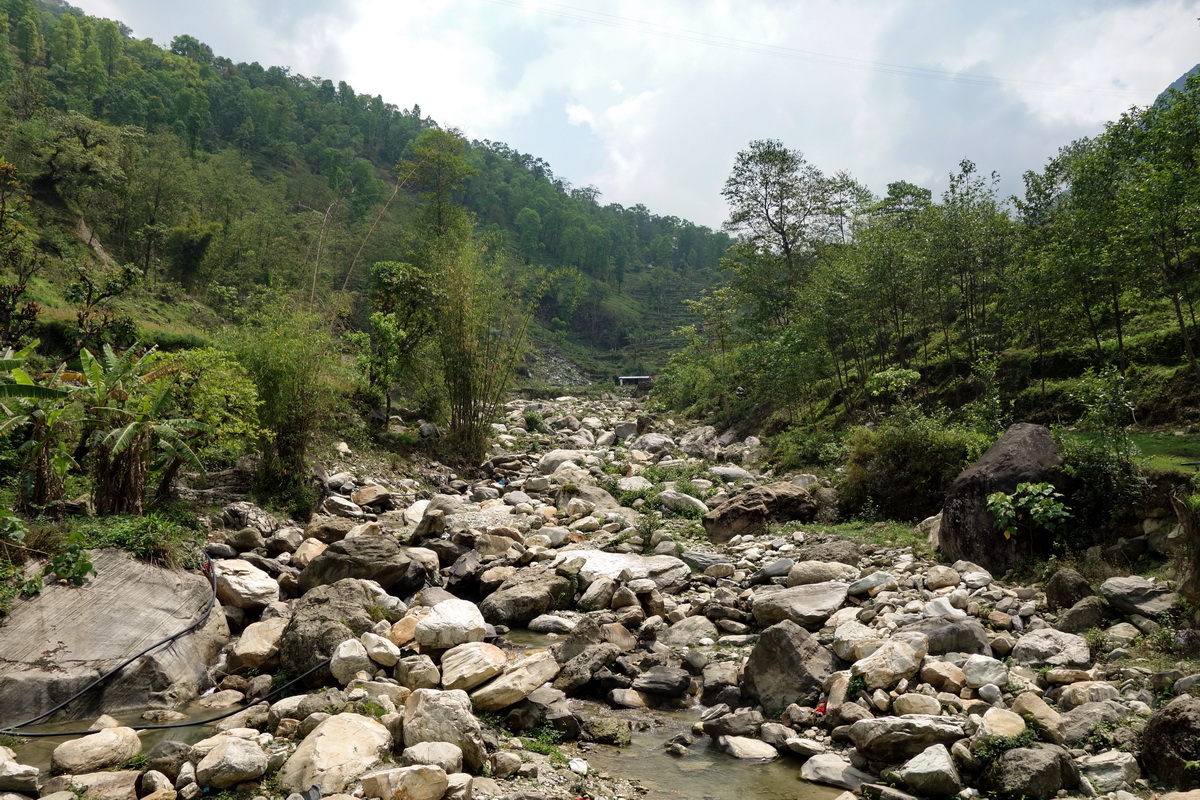
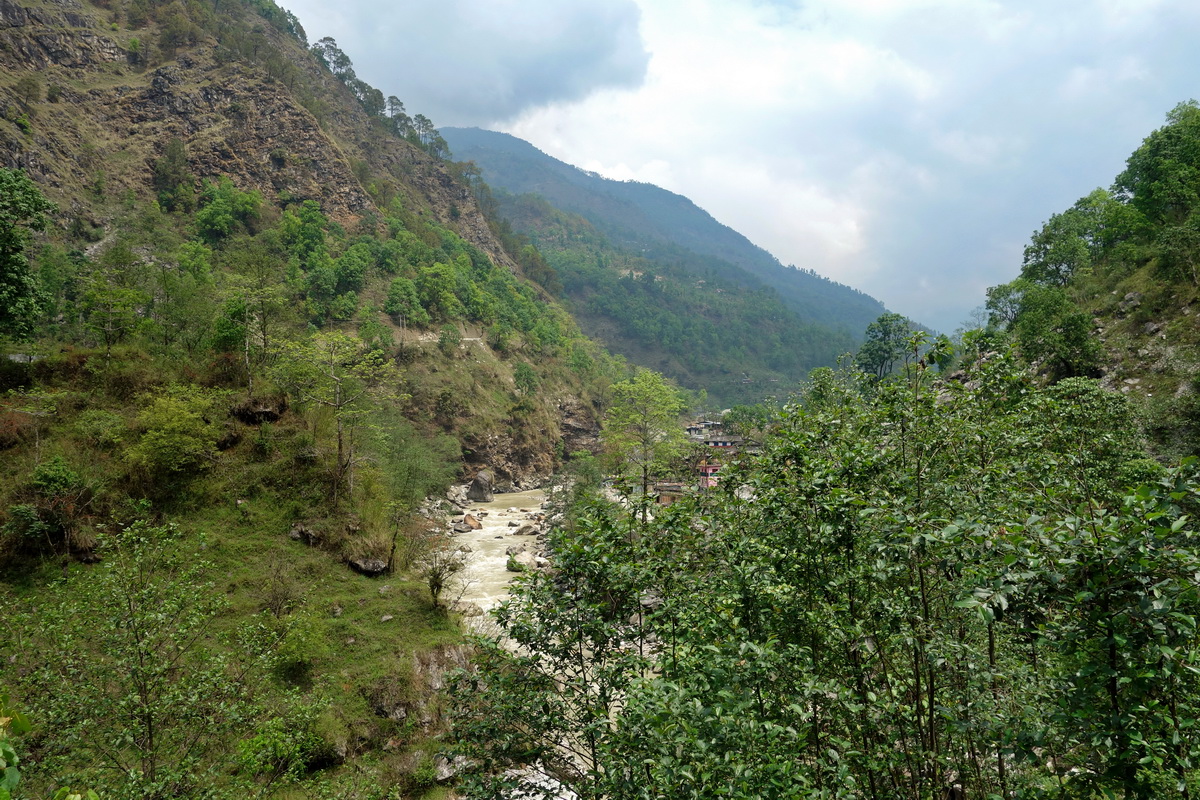
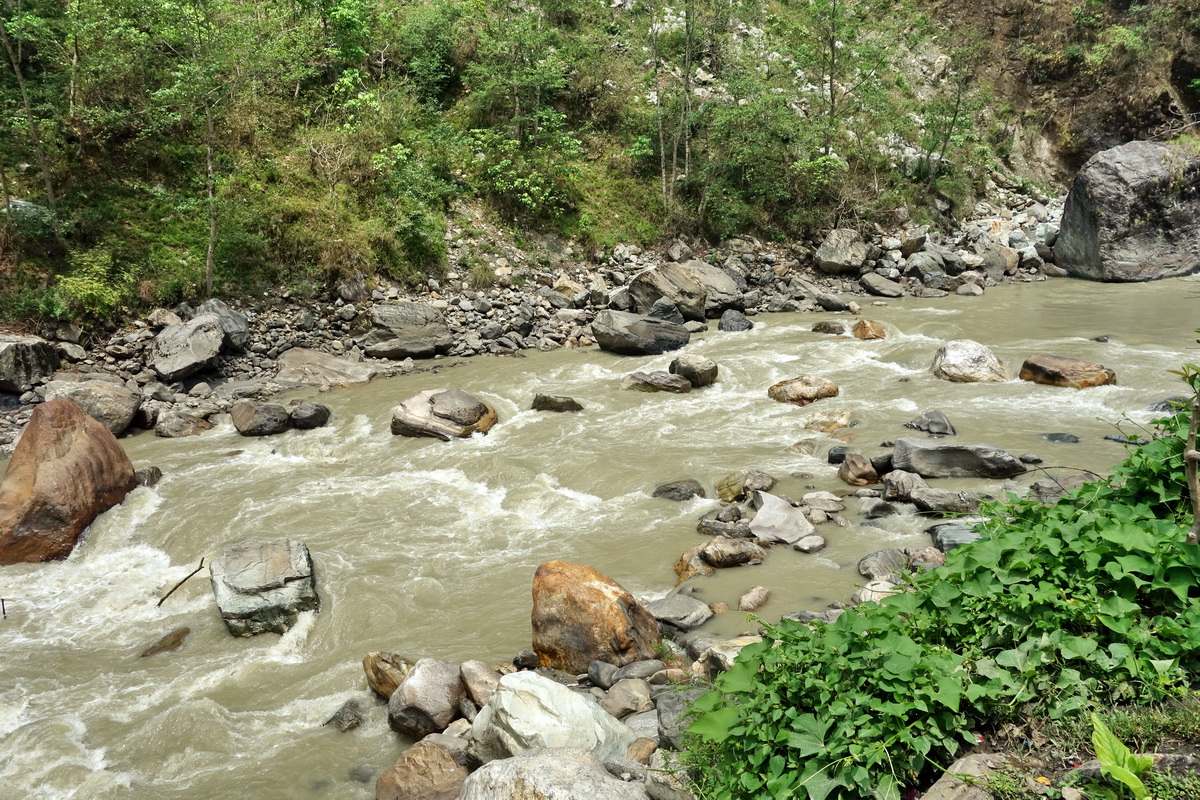
The road to Birethanti runs along the Modi Khola River, crossing from one side to the other.
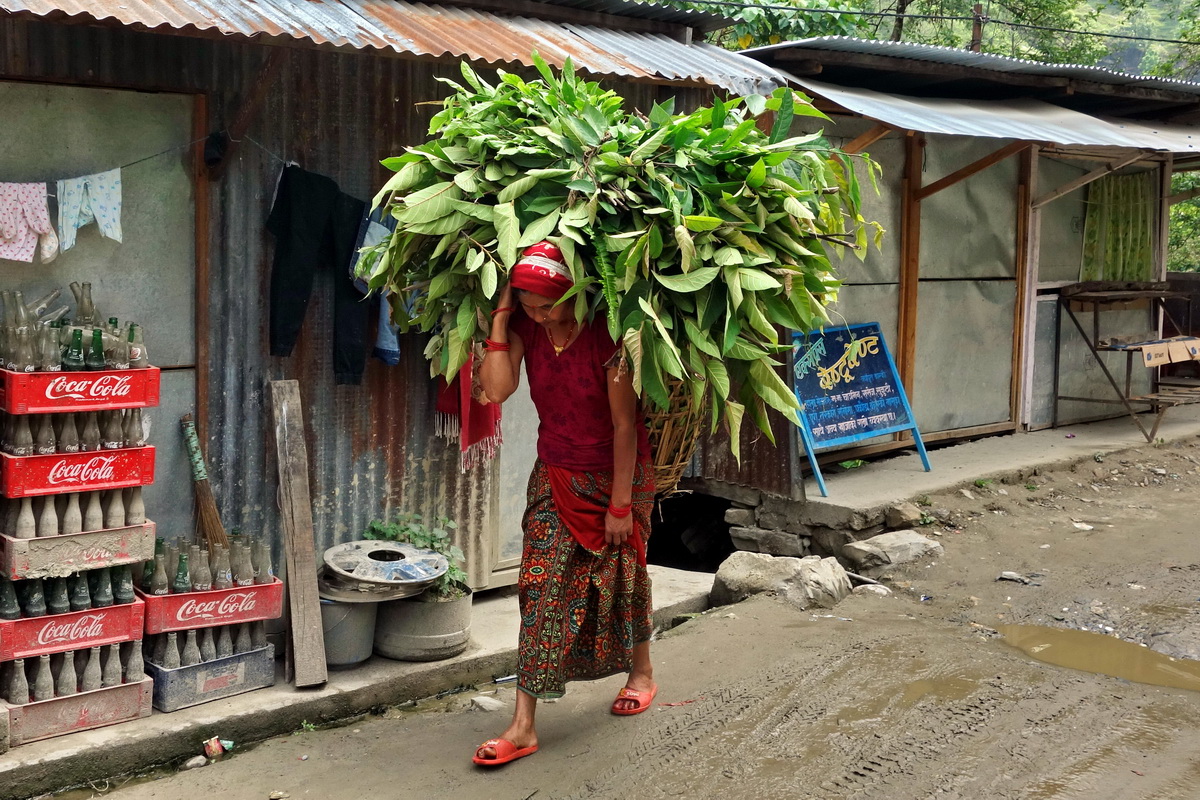
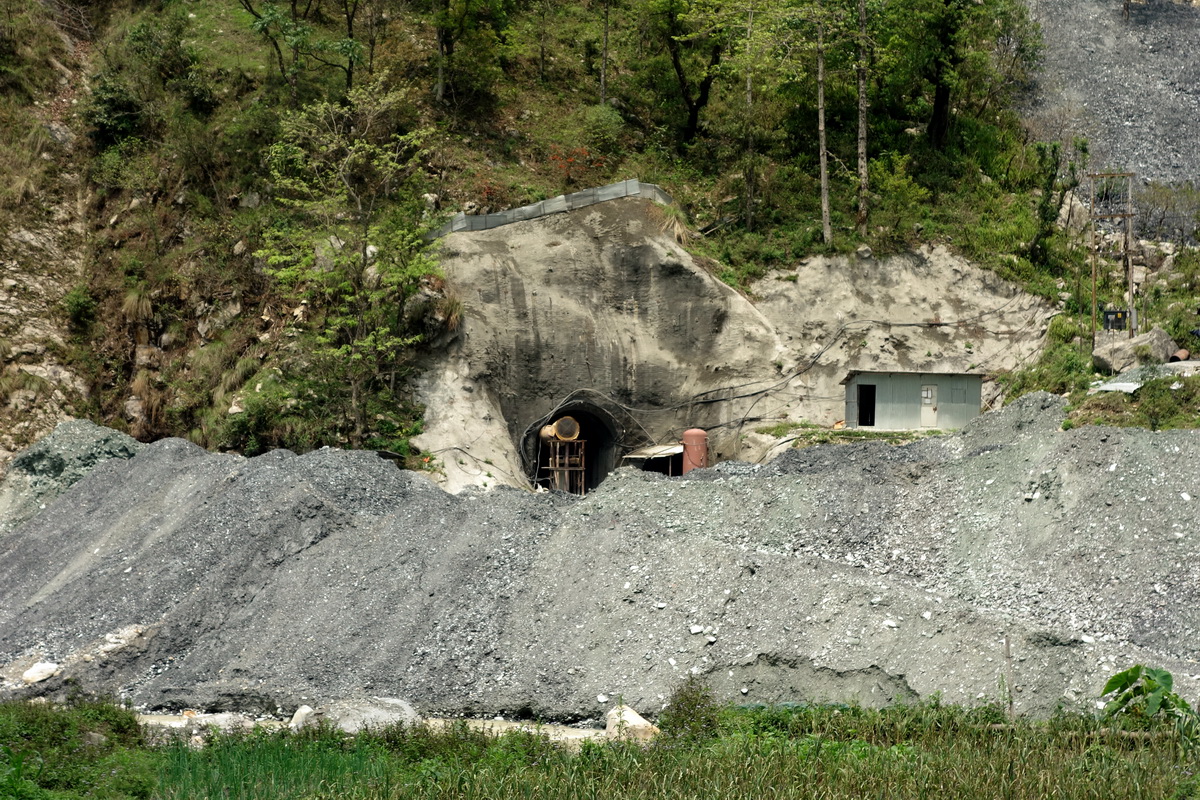
Near the canyon and river, they’re digging some kind of tunnel.
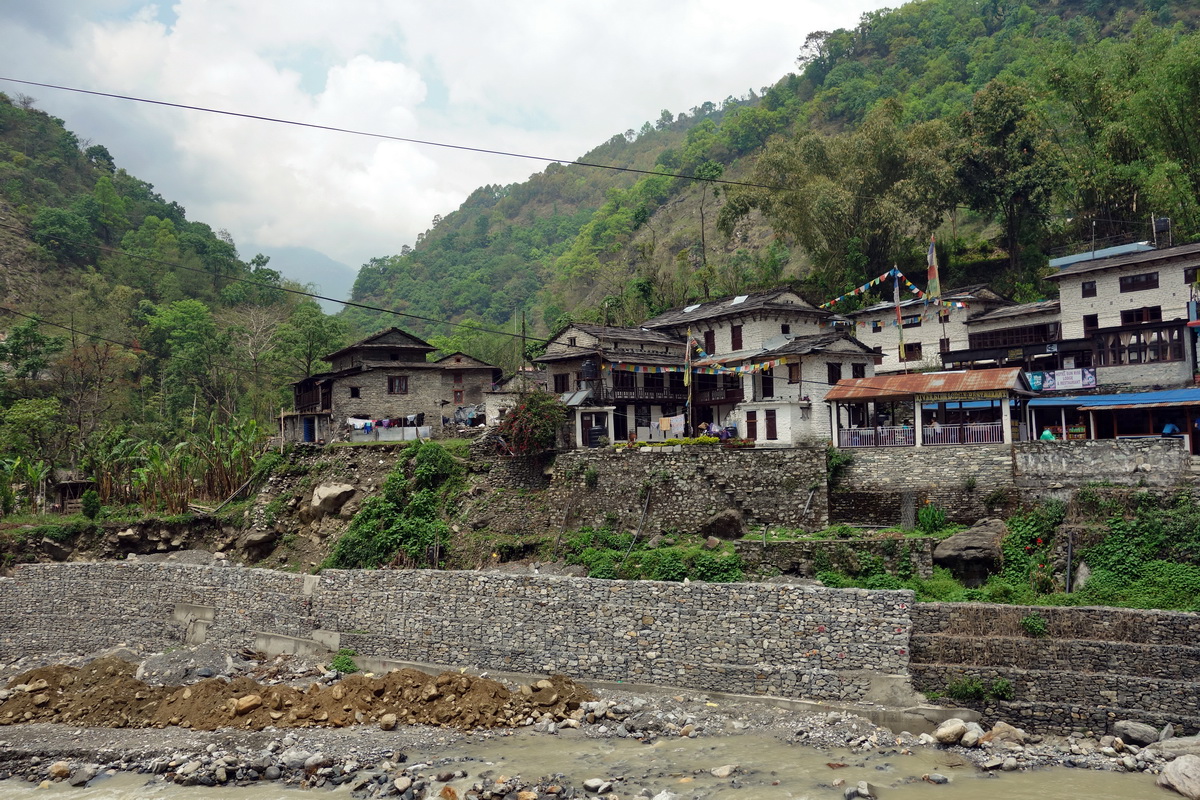
At a leisurely pace, we reached Birethanti in about 35–40 minutes.
In Birethanti, there are two checkpoints: at one, we showed our permit for visiting the Annapurna Conservation Area, and at the other, our TIMS cards. Our details were recorded in a logbook, and we continued on.
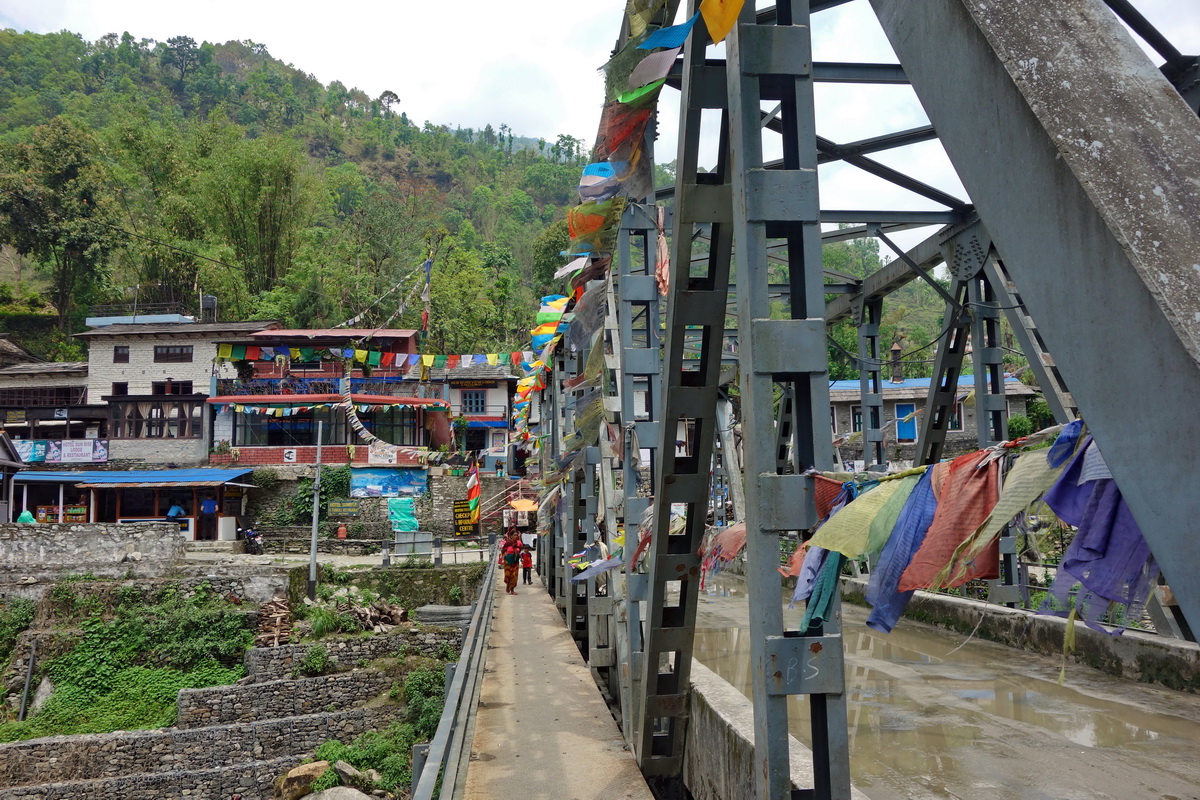
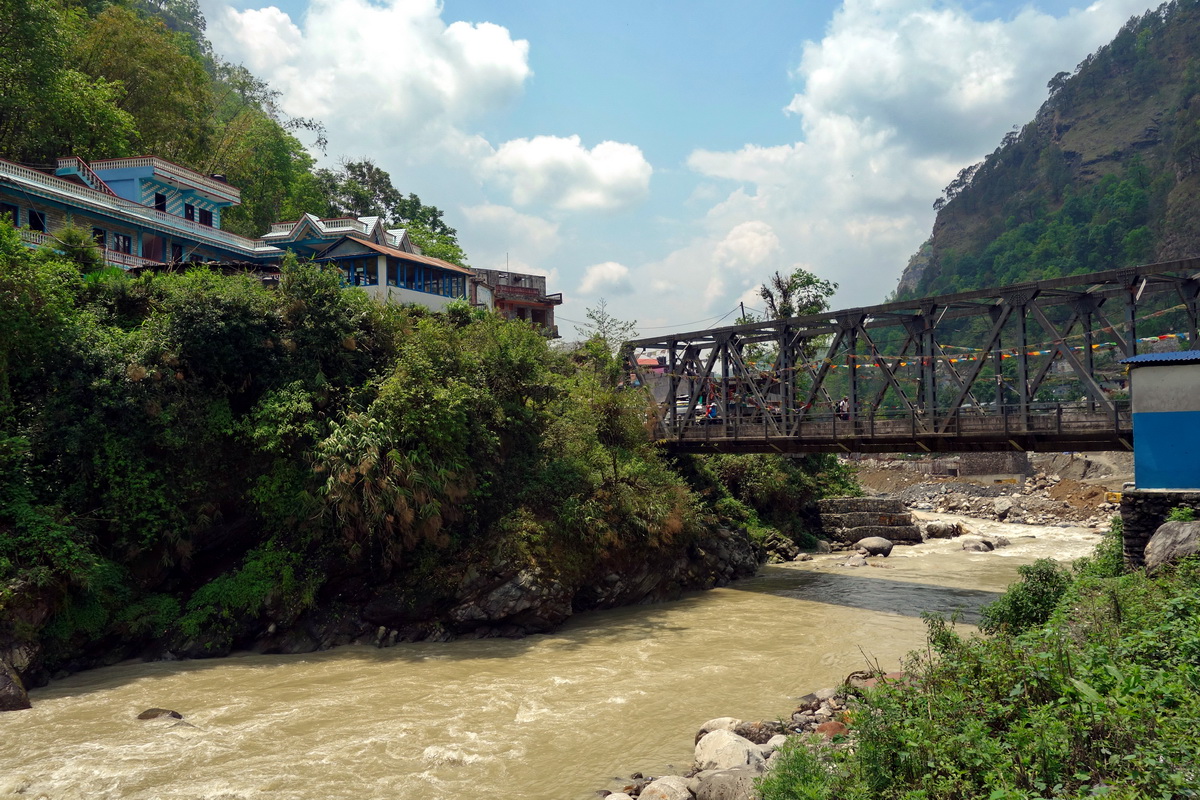
From Birethanti, the trail splits in two directions; we head toward the village of Ghandruk, planning to reach it by evening and spend the night.
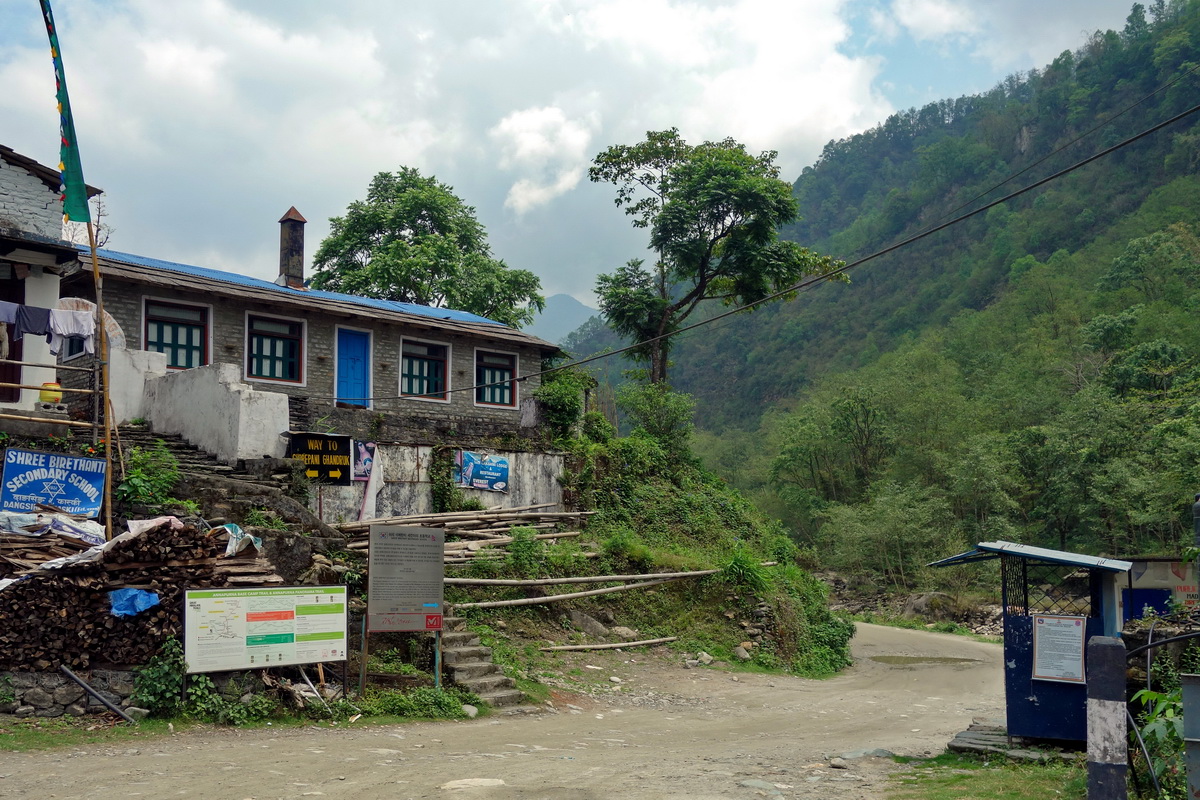
We walk along the river. The path is still relatively flat, with no climbs, and the surface is dirt.
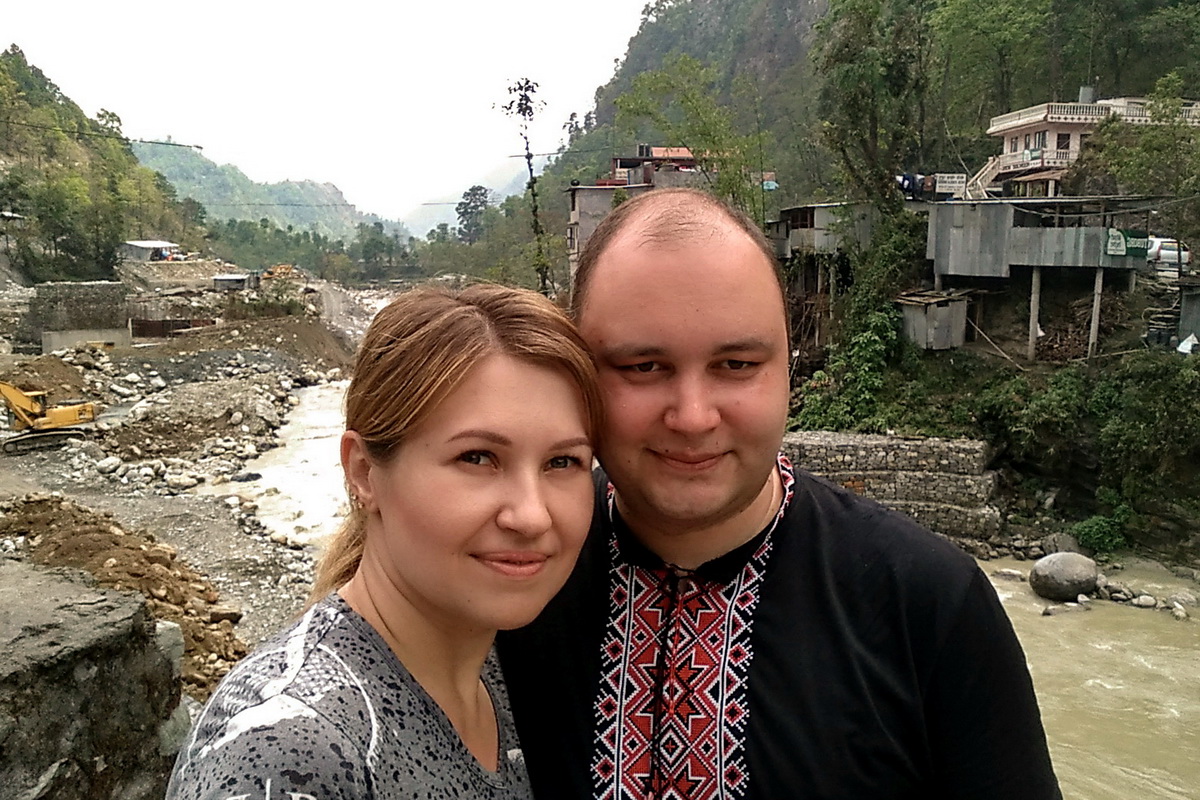
Occasionally, local residents’ cars and buses pass by. It’s not hard to walk yet.
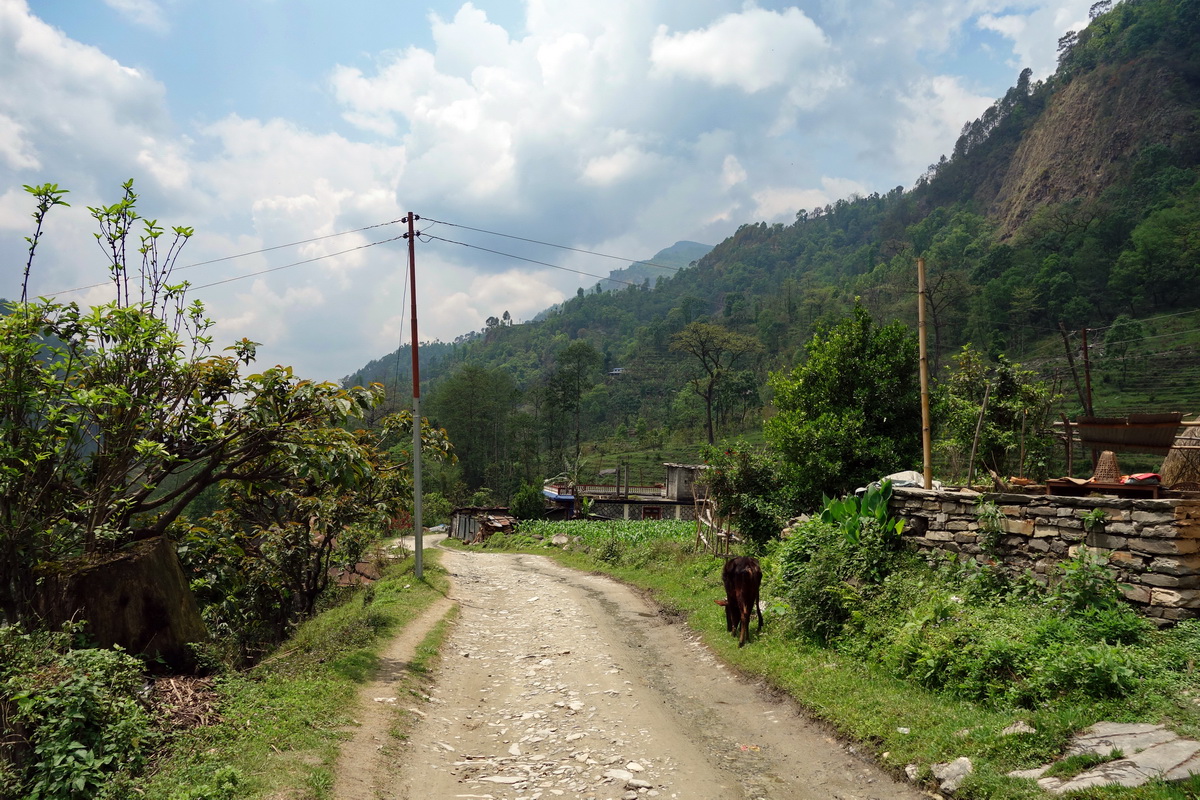
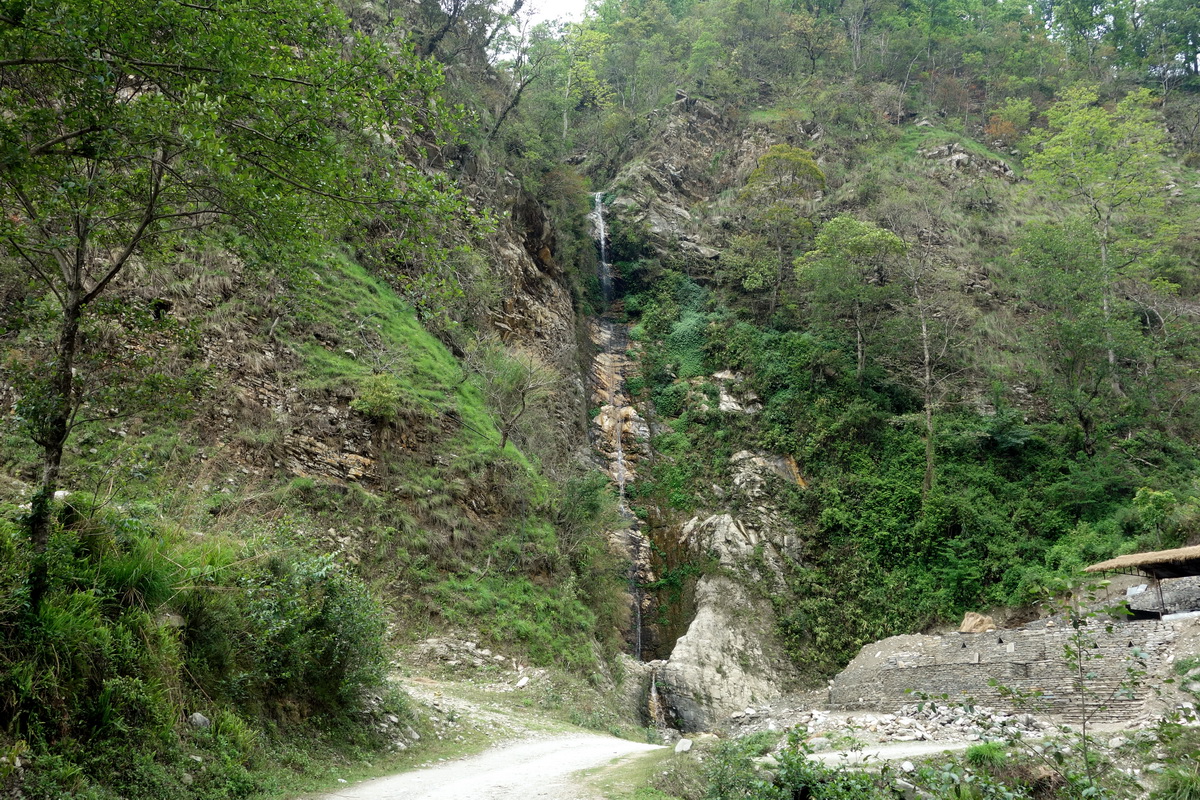
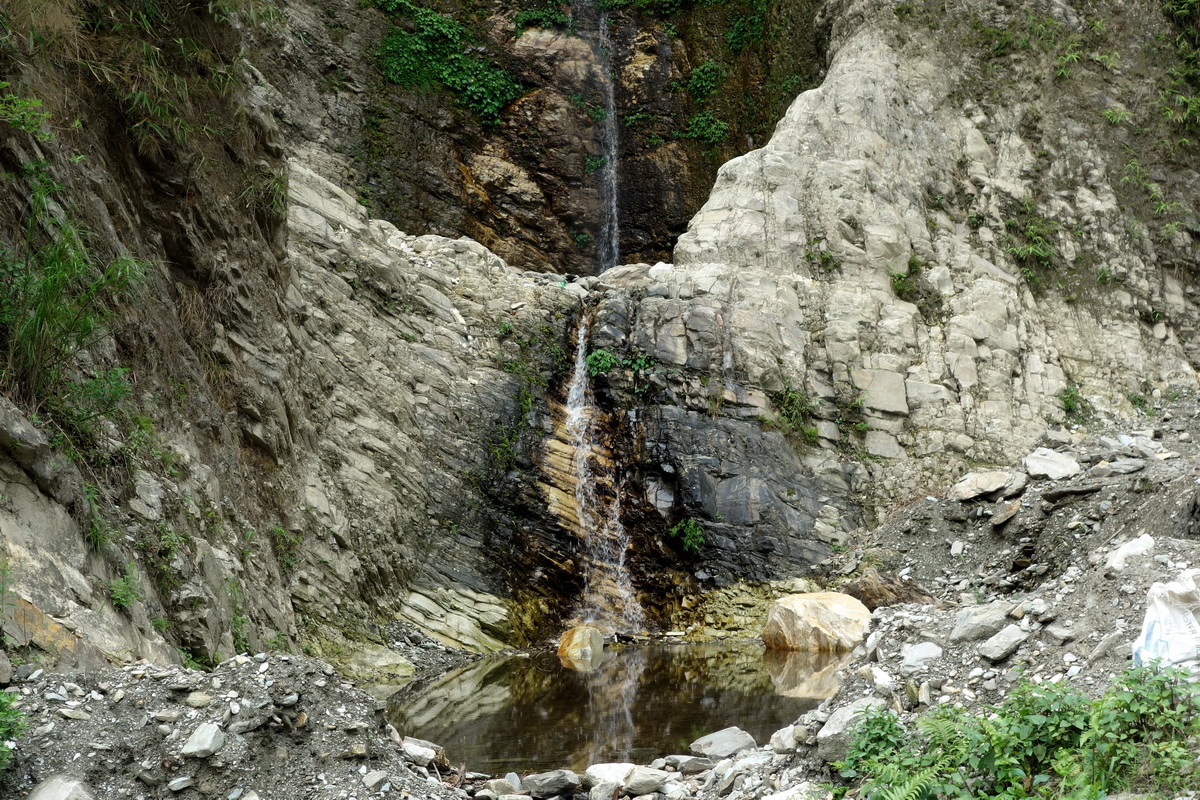
The road starts to gradually climb uphill. We come across a small waterfall.
We admire the unfolding landscape. The sun starts to beat down strongly. We stop to apply sunscreen to exposed skin.
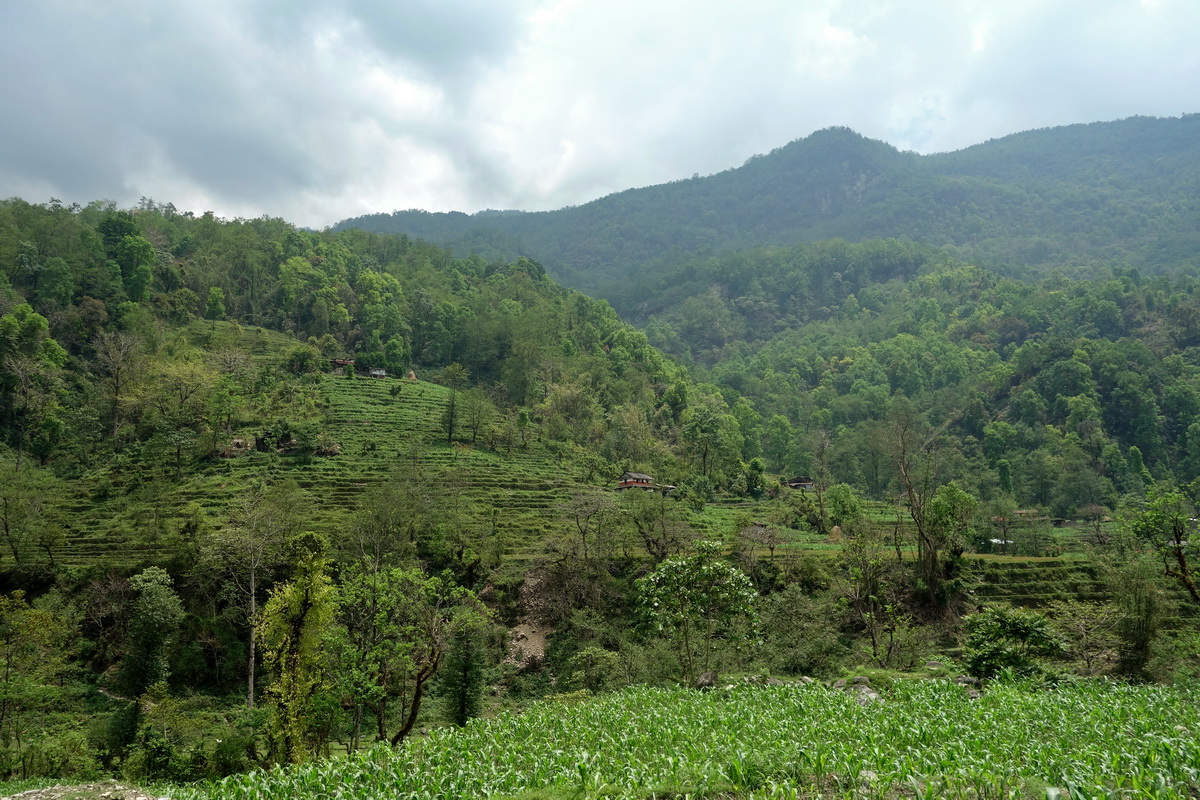
The road runs along a noisy river flowing over huge rocks. It’s not hard to descend to the river.
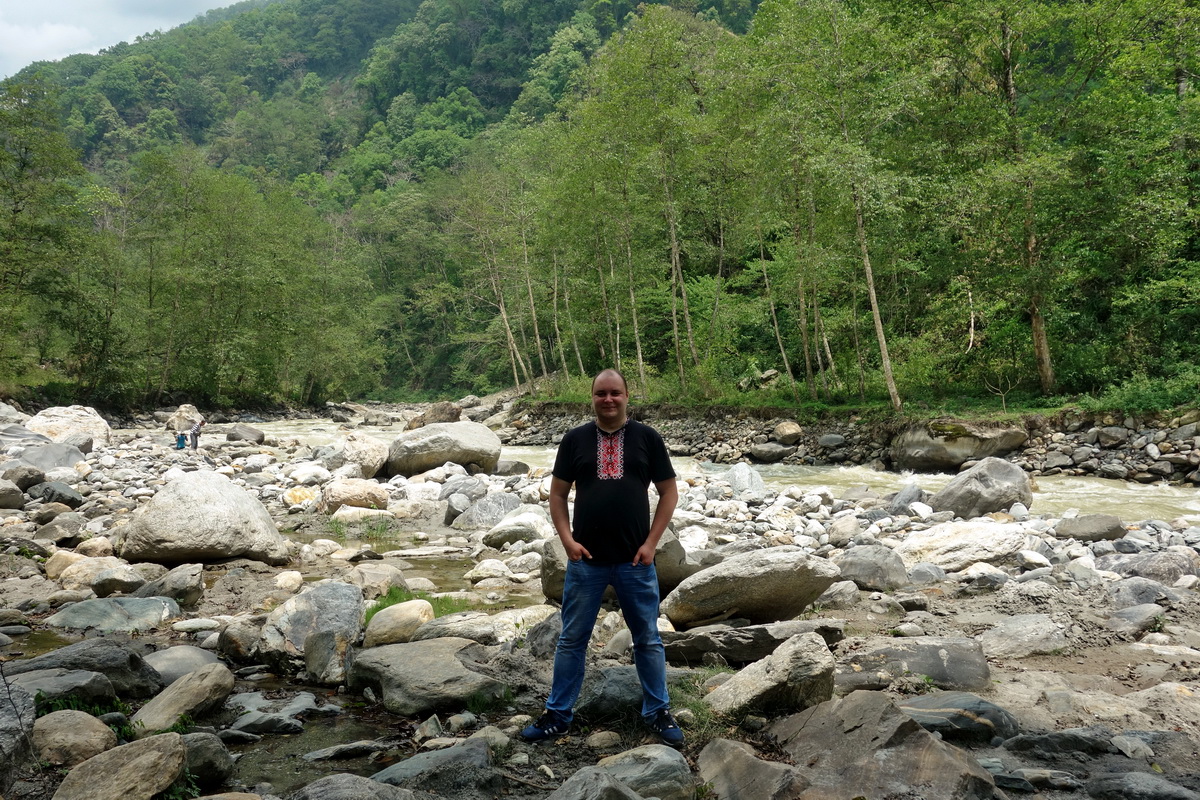
Higher up the mountain, you can hear cars and buses, as there’s still a road to Ghandruk, but we’re shortening our trek to Ghandruk through the villages of Sauli Bazaar and Kimche.
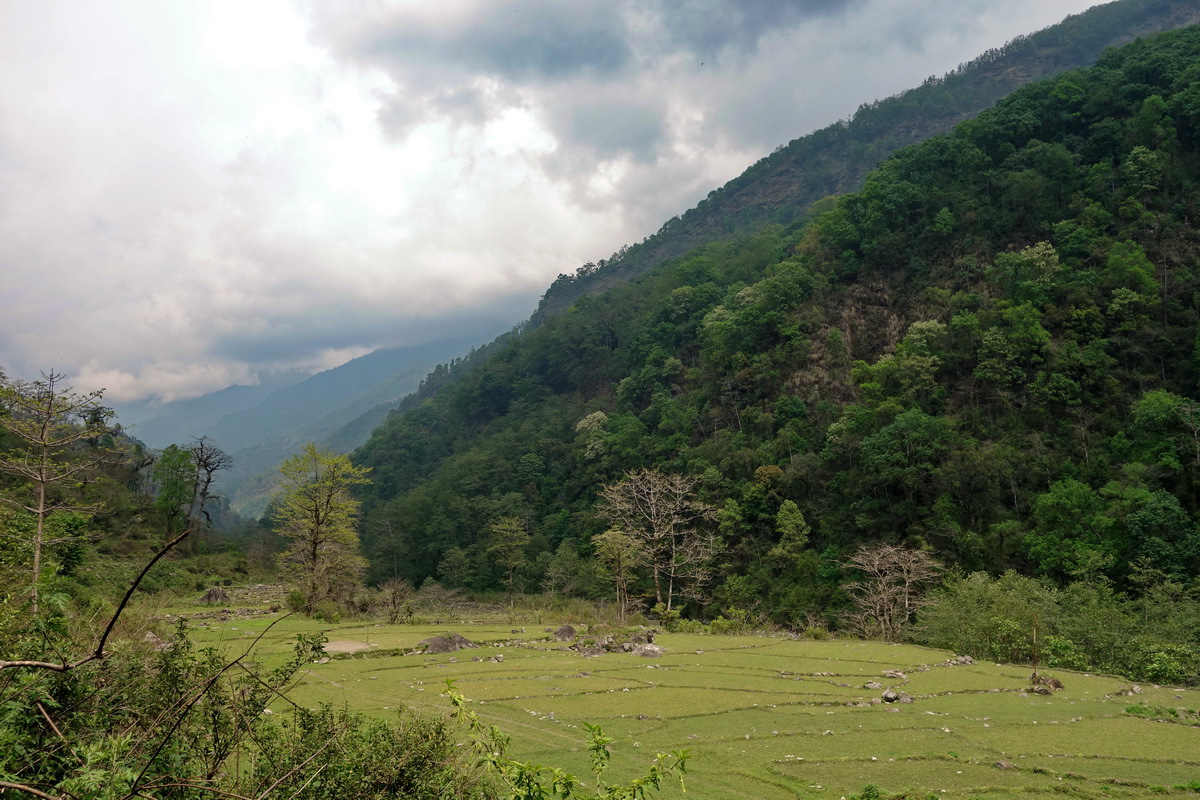
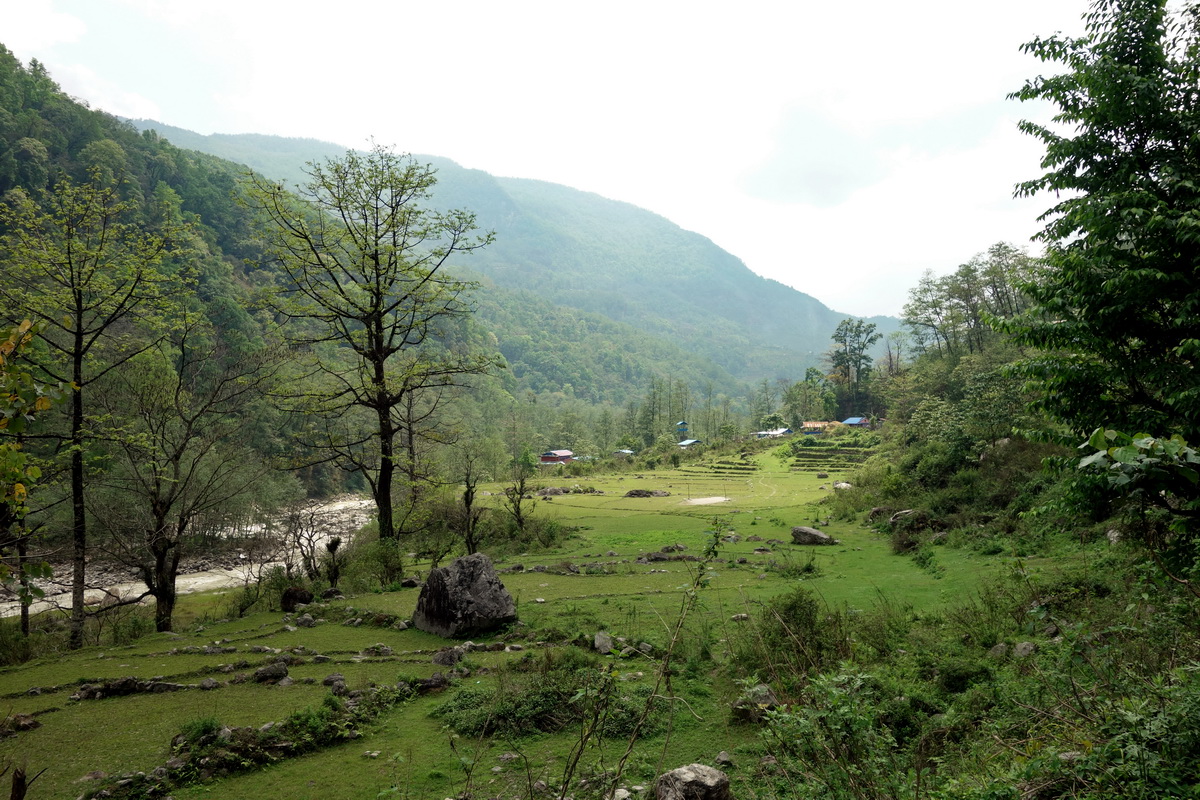
Meanwhile, the road turns into a narrow trail trodden right next to a cliff.
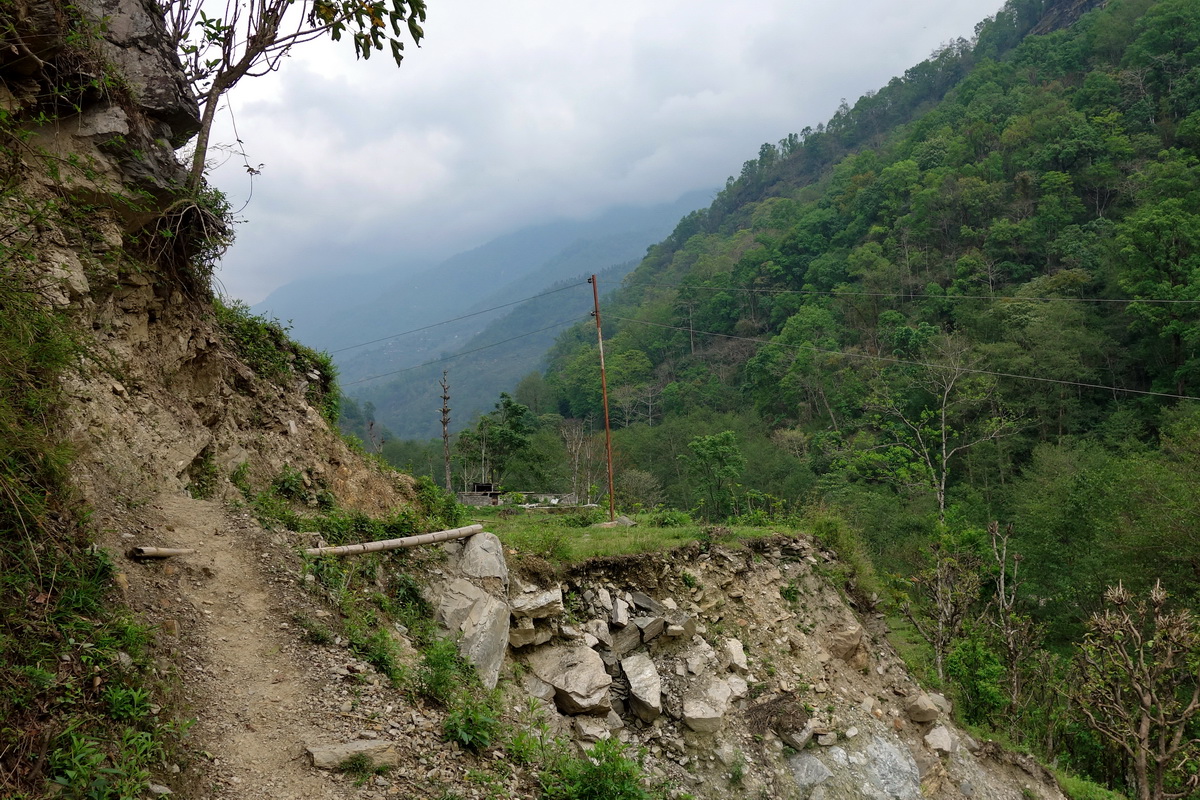
It often rains in the mountains. Today is no exception. But it doesn’t scare us, as we brought raincoats. They were a lifesaver during the trek, as it rained every day, usually starting in the afternoon and lasting for hours. Without raincoats, we and our backpacks with documents and electronics would have been completely soaked.
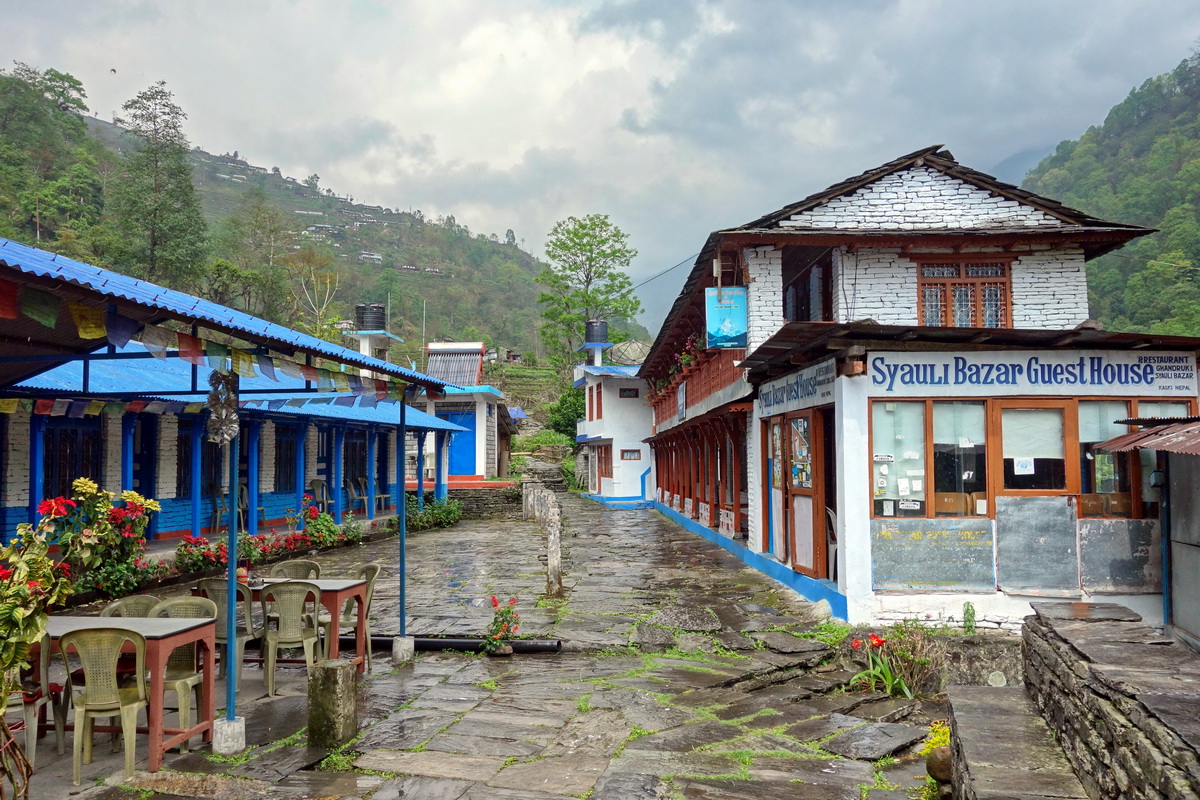
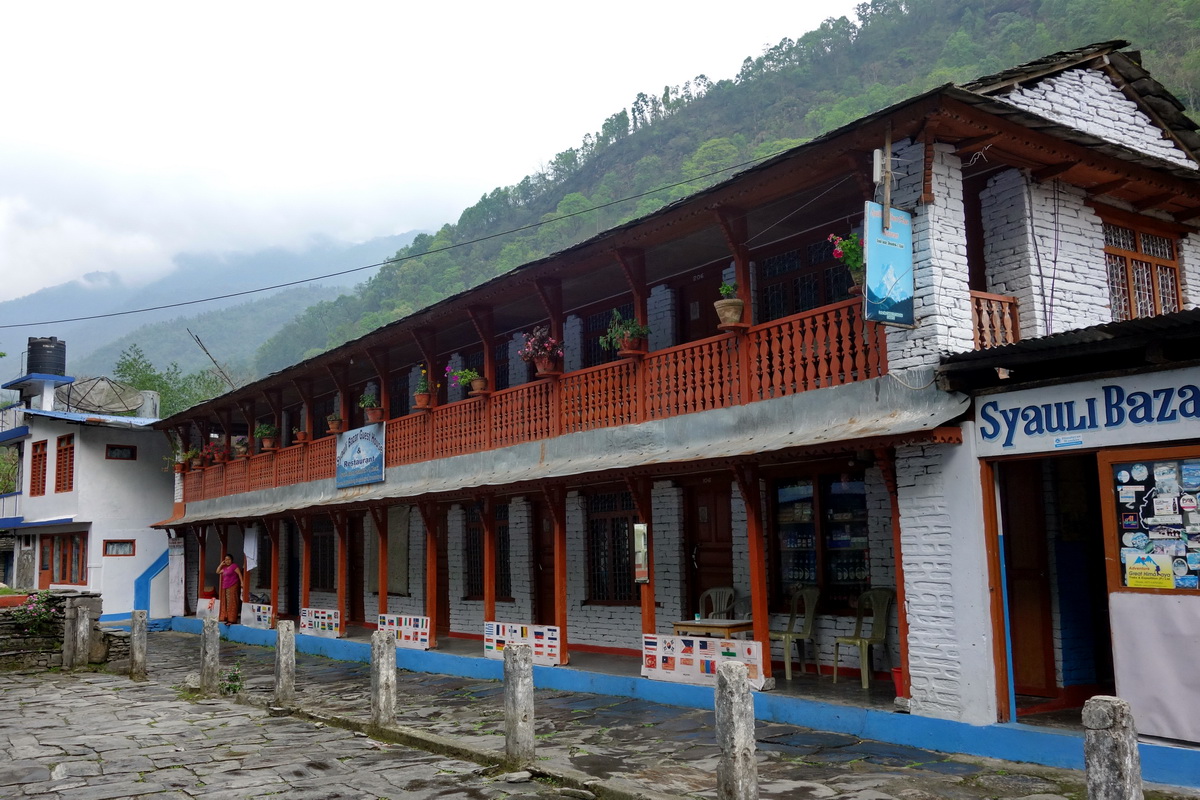
We reached the village of Sauli Bazaar. It was quiet and peaceful, and surprisingly, we didn’t meet a single tourist. We decided to have tea and wait out the rain a bit.
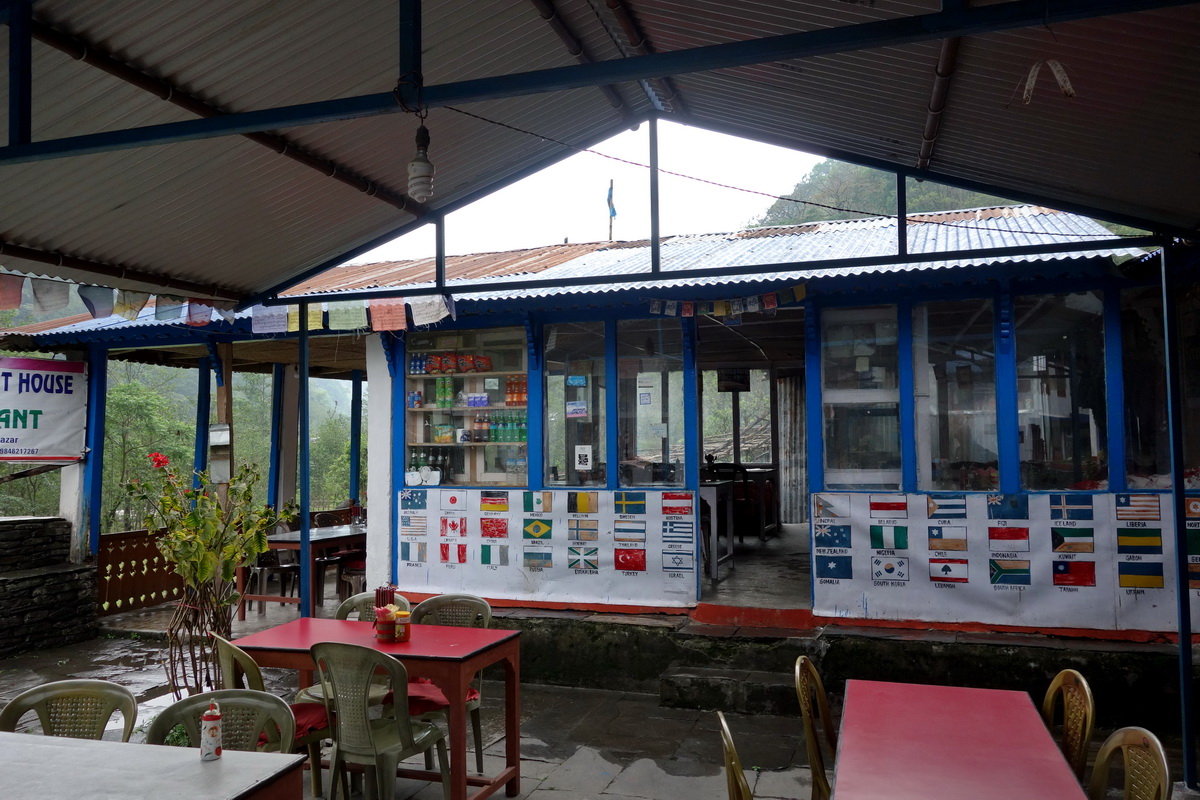
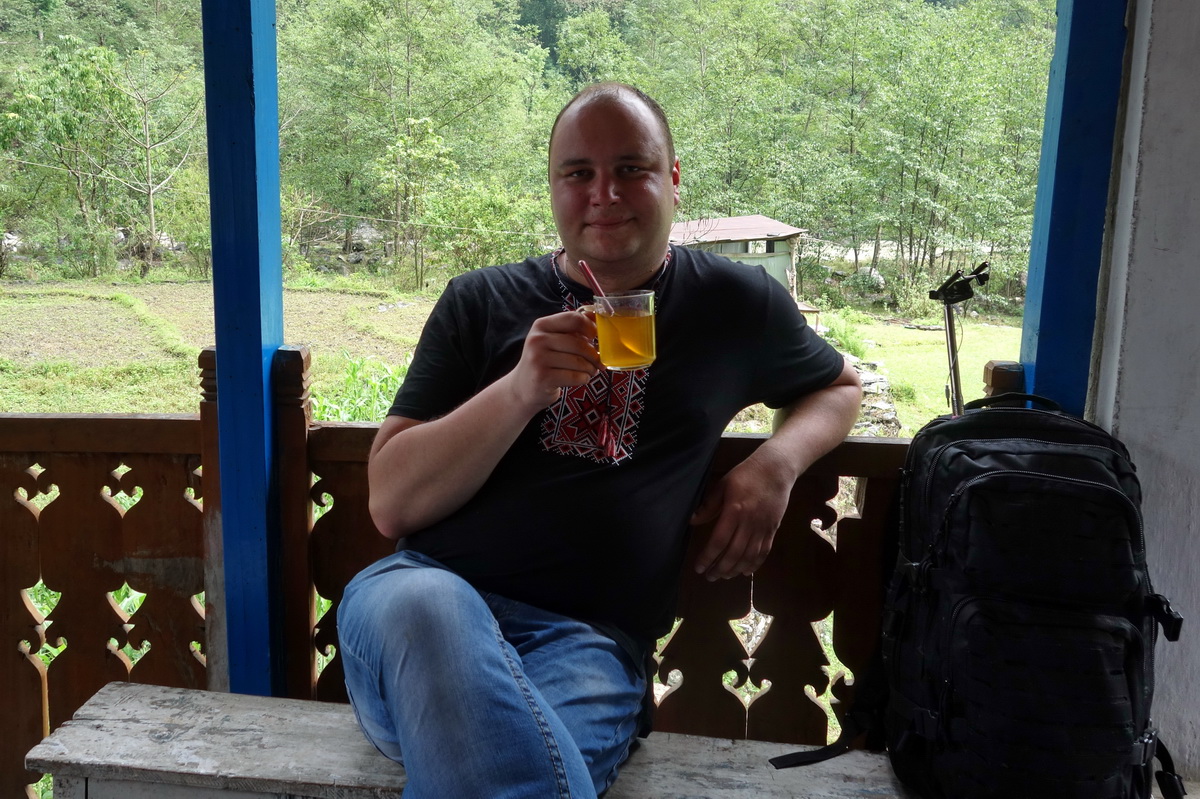
But the rain didn’t stop, so we moved on. We had to climb stone steps.
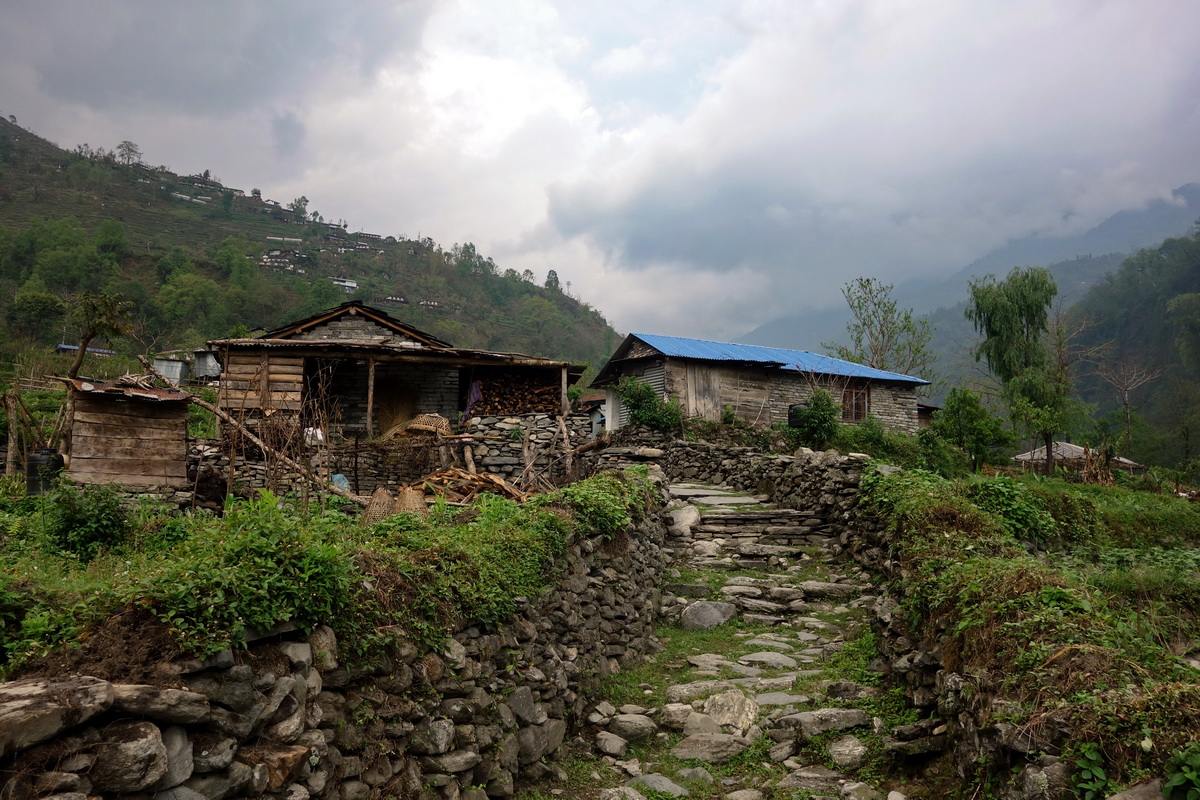
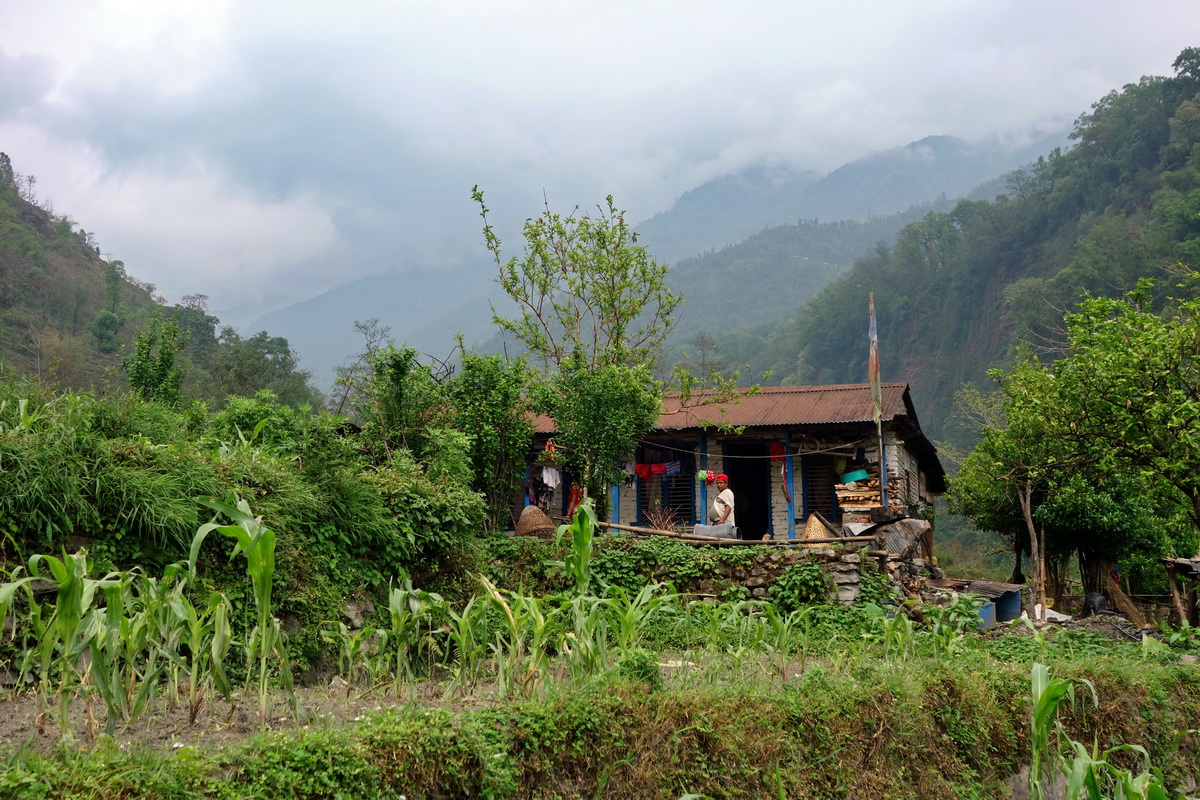
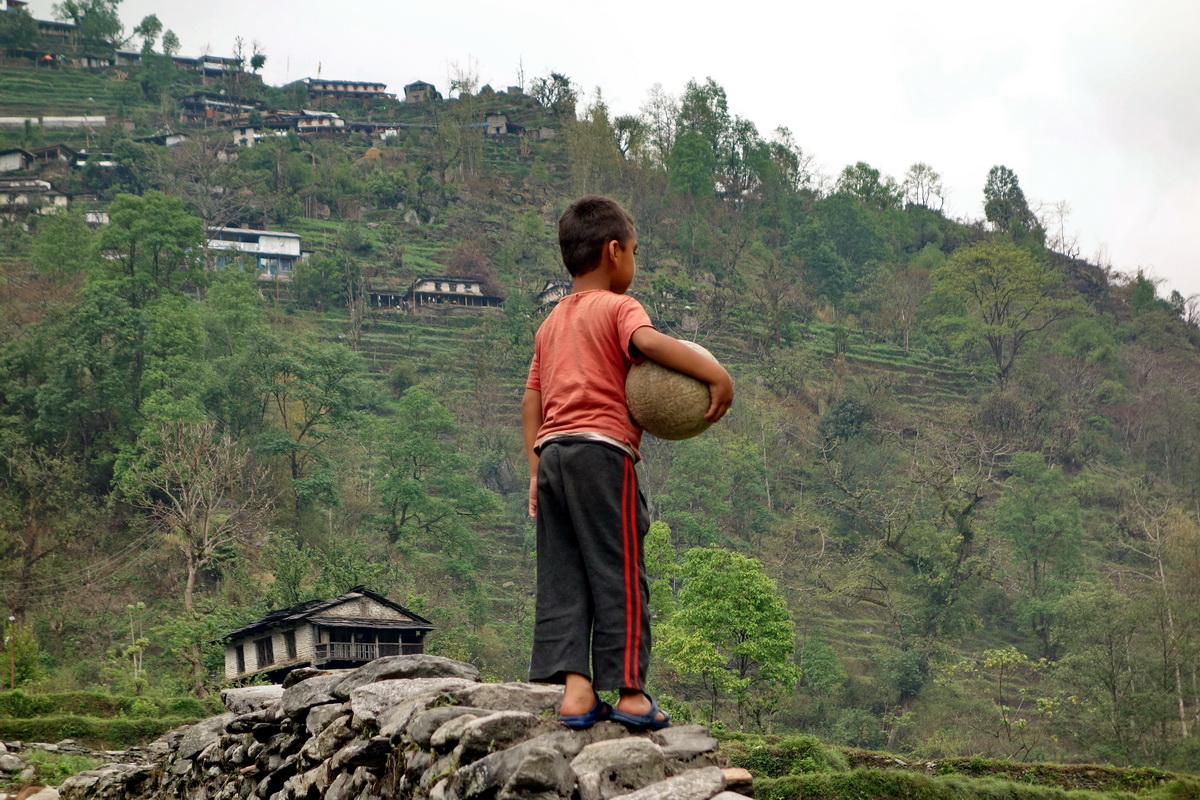
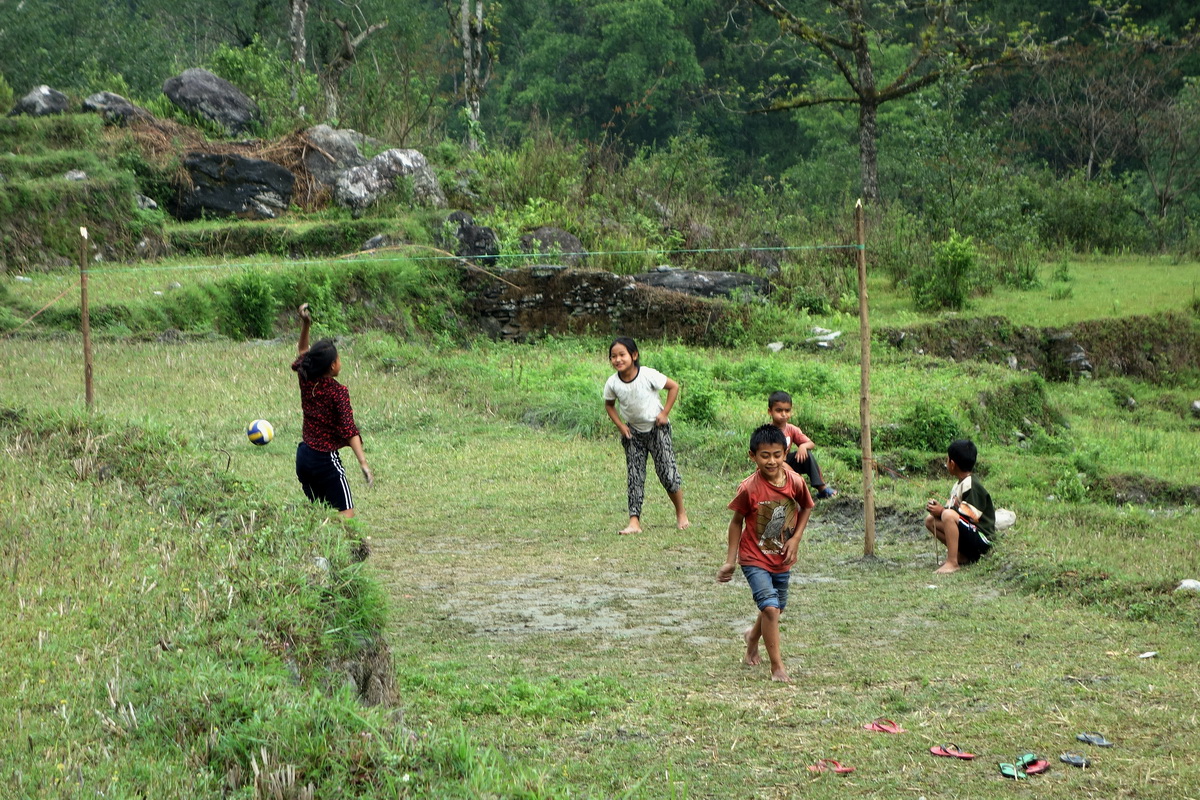
Life in the villages is not much different from our villages—kids run around and play, adults work in the fields, and goats graze.
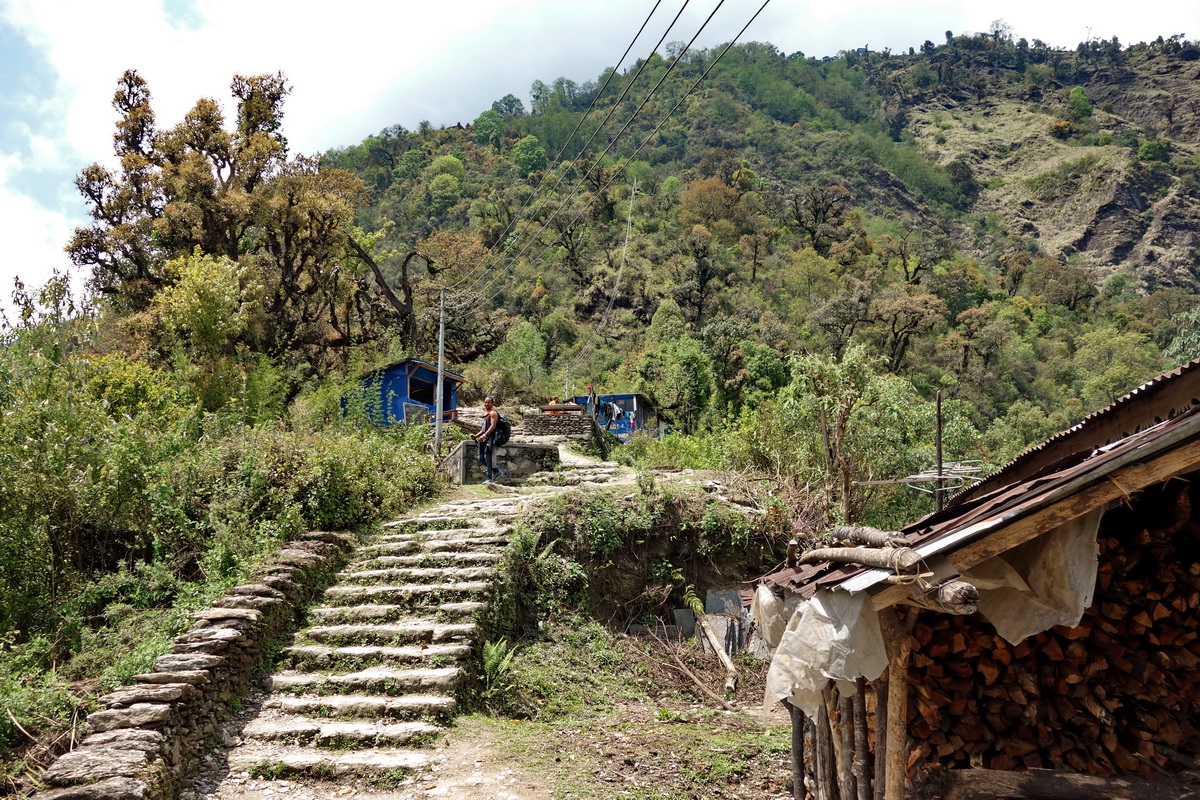
Along the way, there are often huts where you can have tea or grab a snack. There are also decent guesthouses, so we had no issues with accommodation or food during our trek.
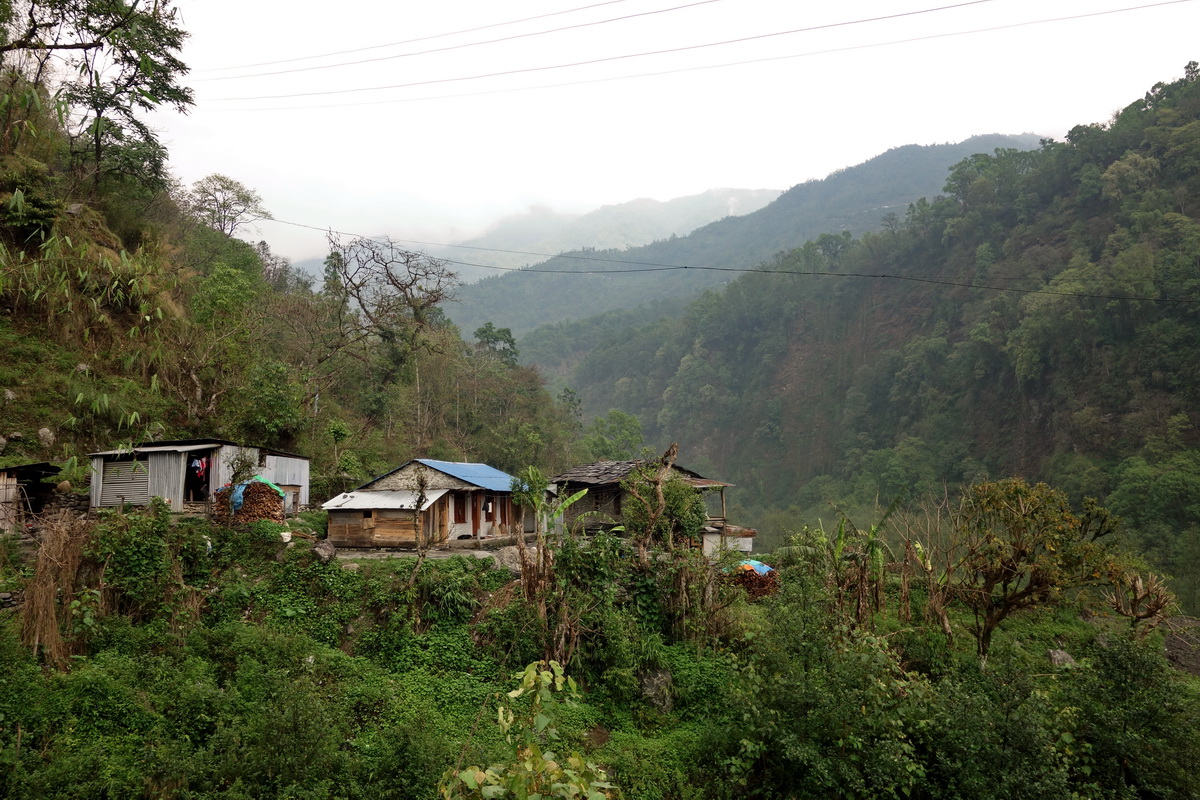
We climb higher up the stone steps. It’s getting tough.
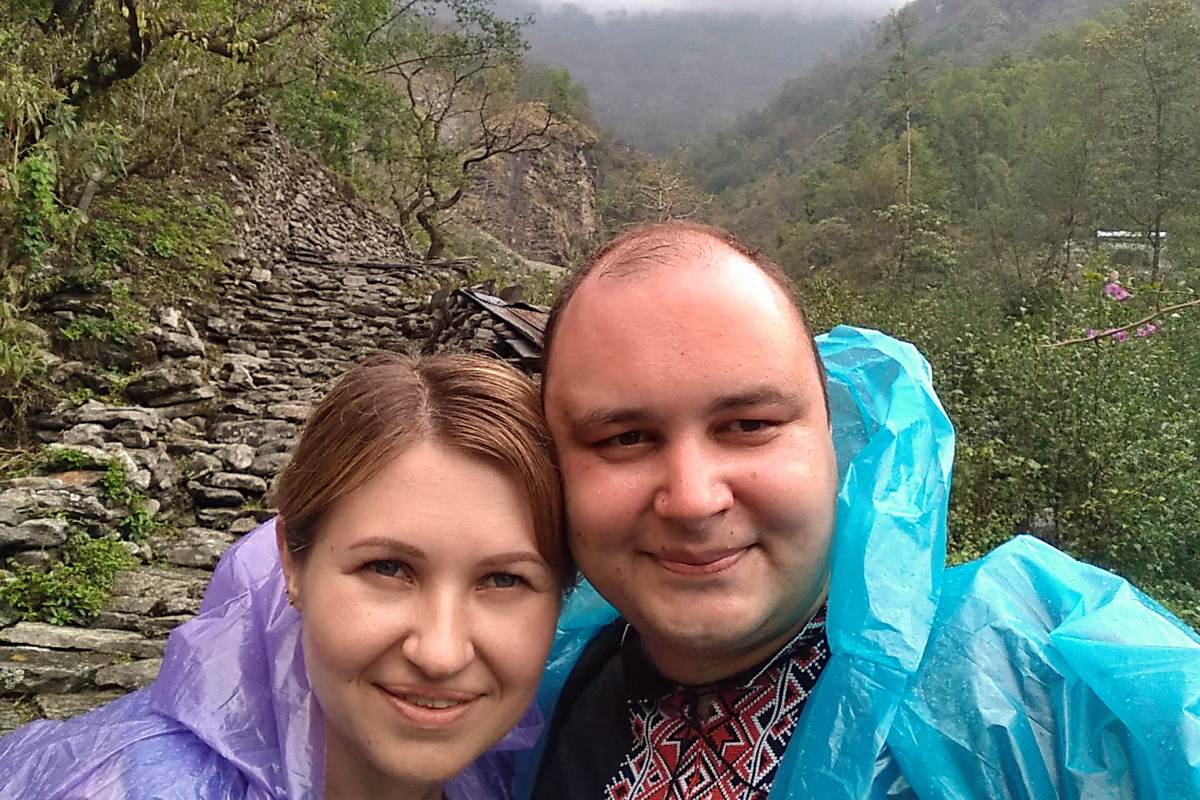
Climbing mountain trails is quite a workout; the leg muscles are very tense. Local residents often jogged past us briskly. How do they do it?!
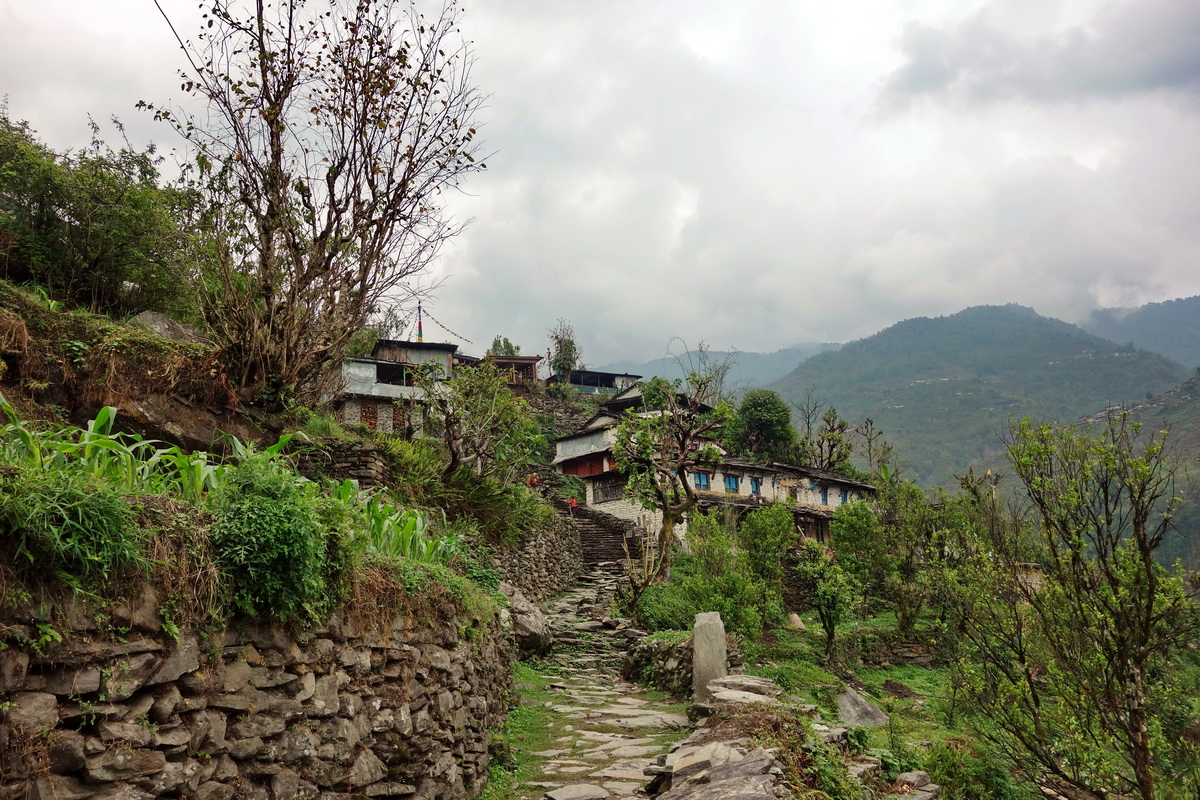
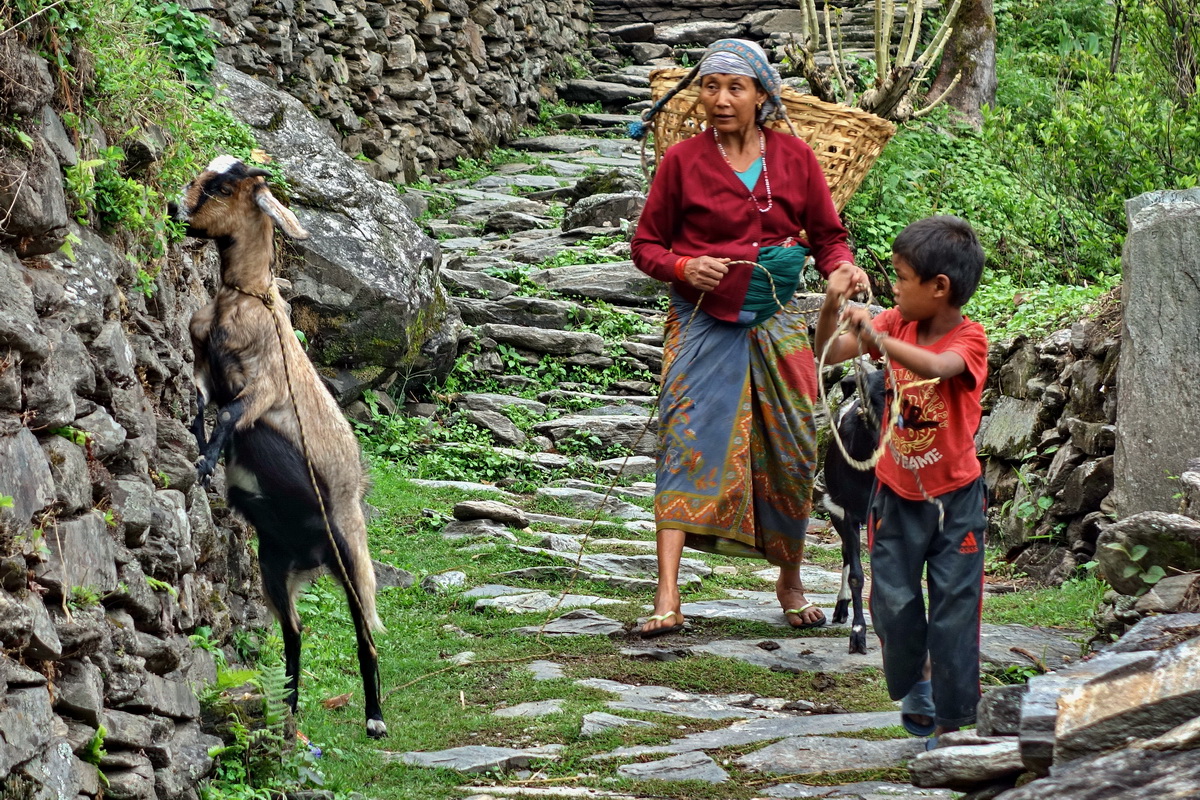
From here, there’s a stunning view of the Himalayas. The mountains along our route are inhabited, with fields on the terraces, mainly growing corn.
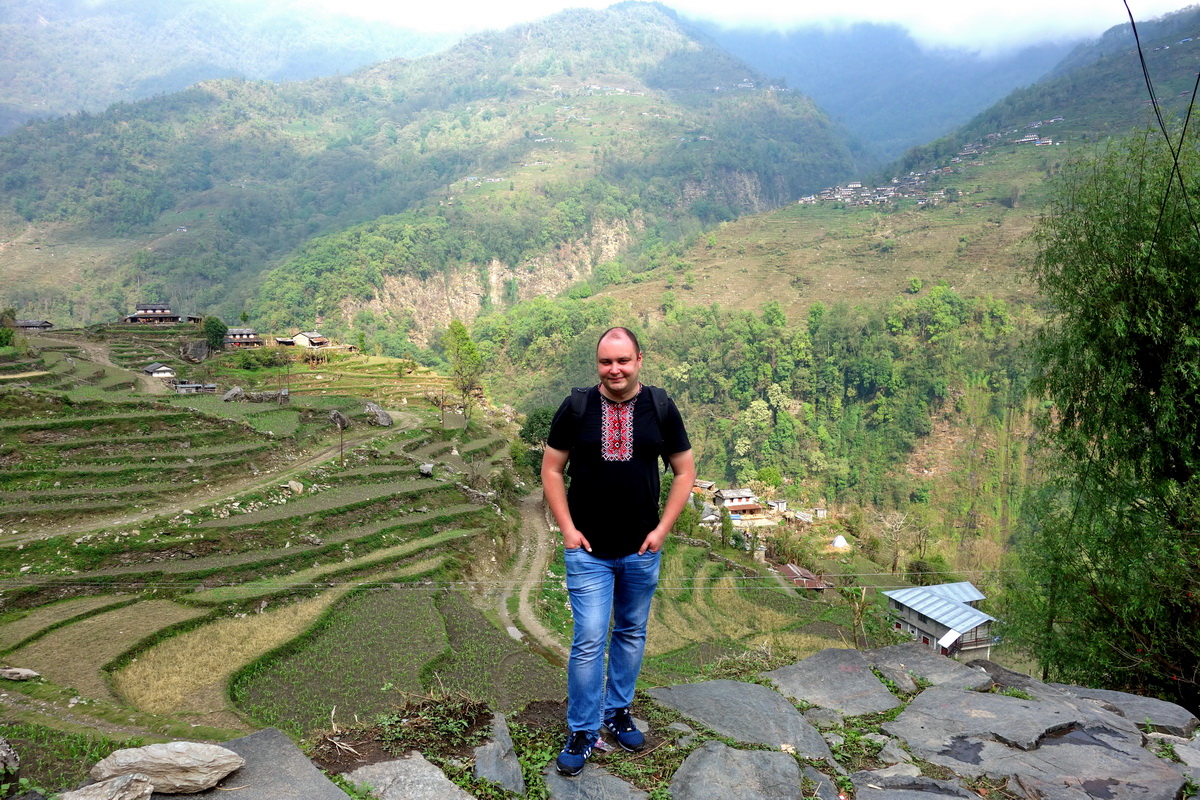
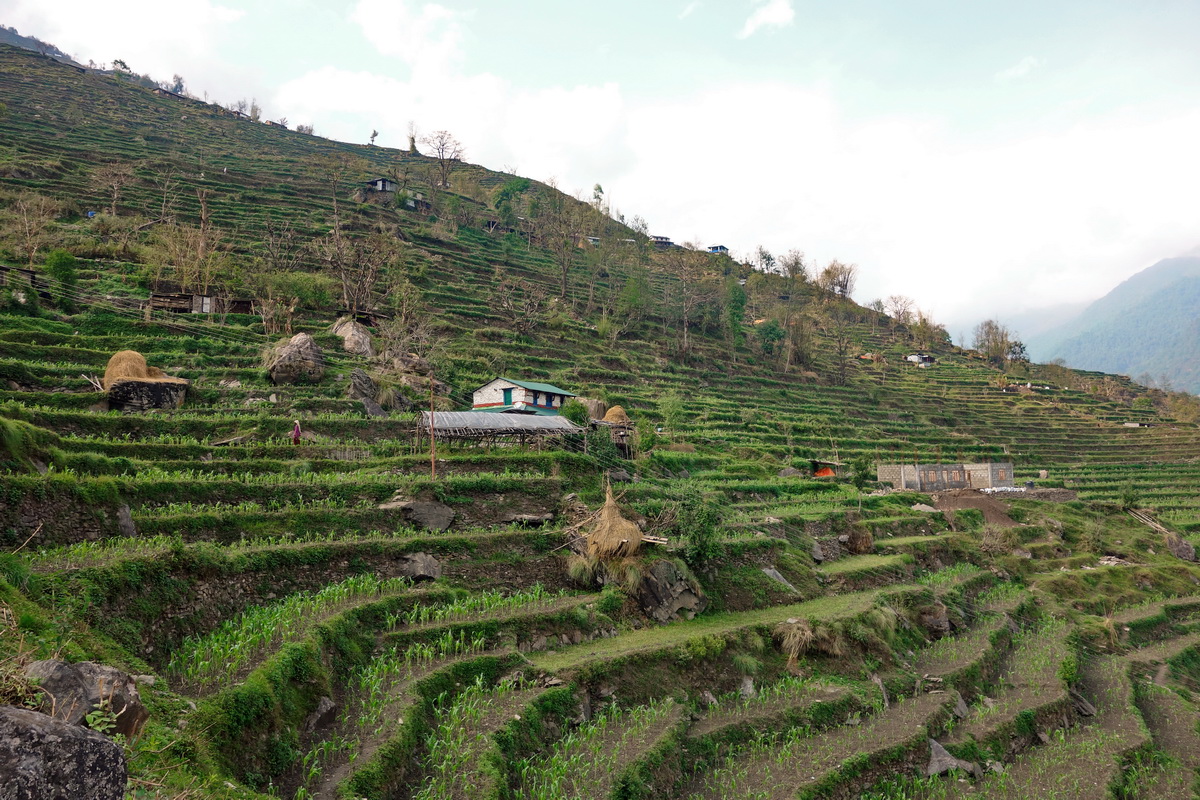
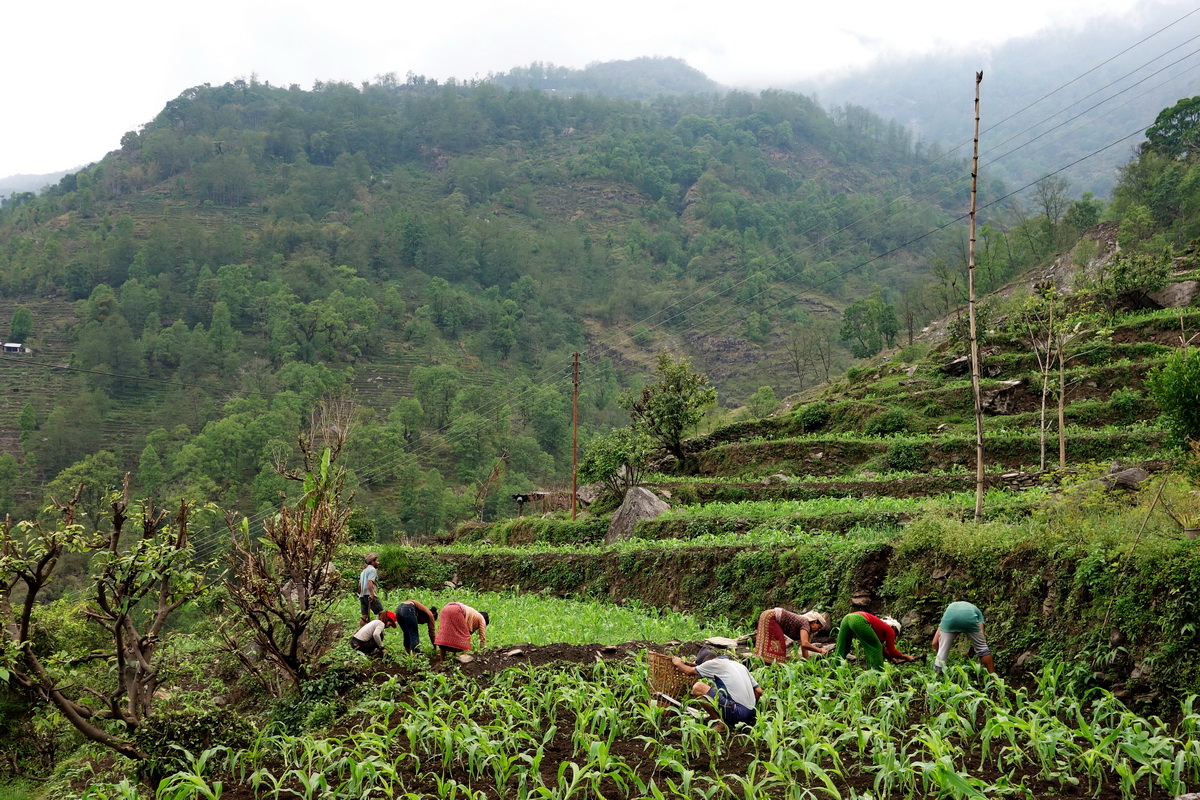
The weather cleared up after the rain, revealing a snow-covered peak. An indescribable sight.
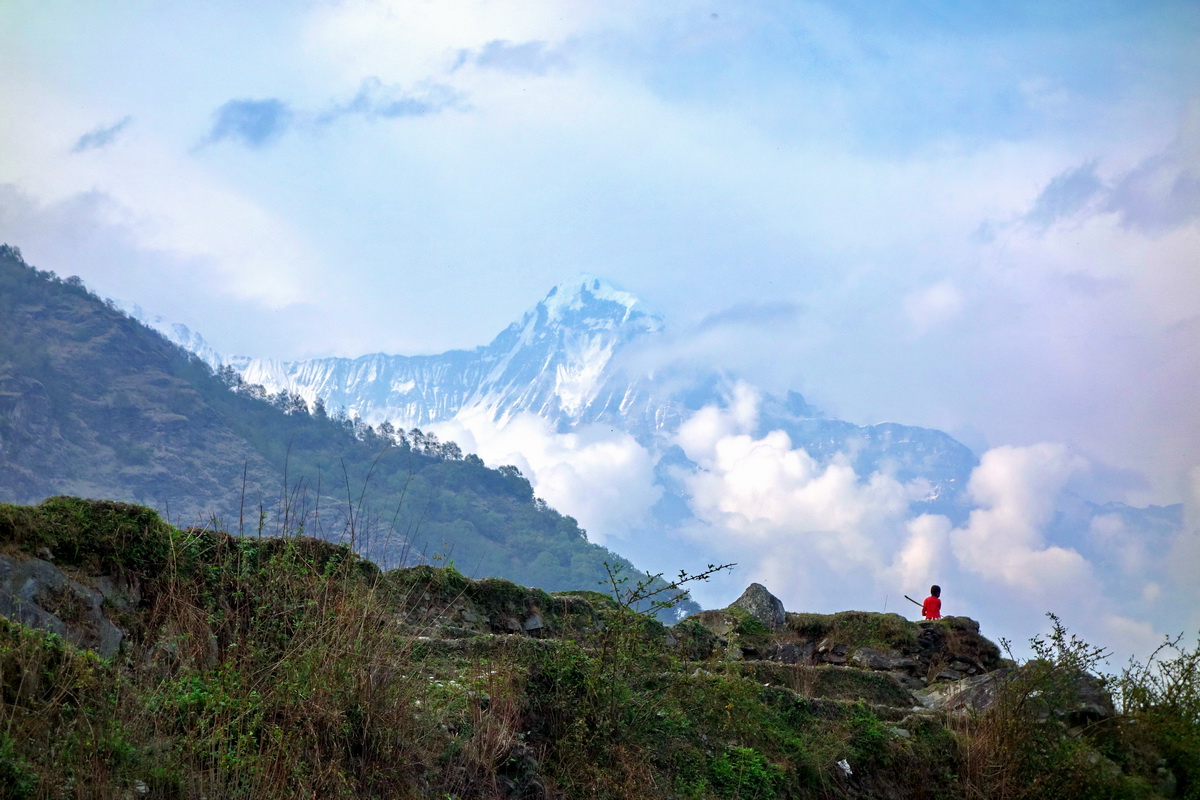
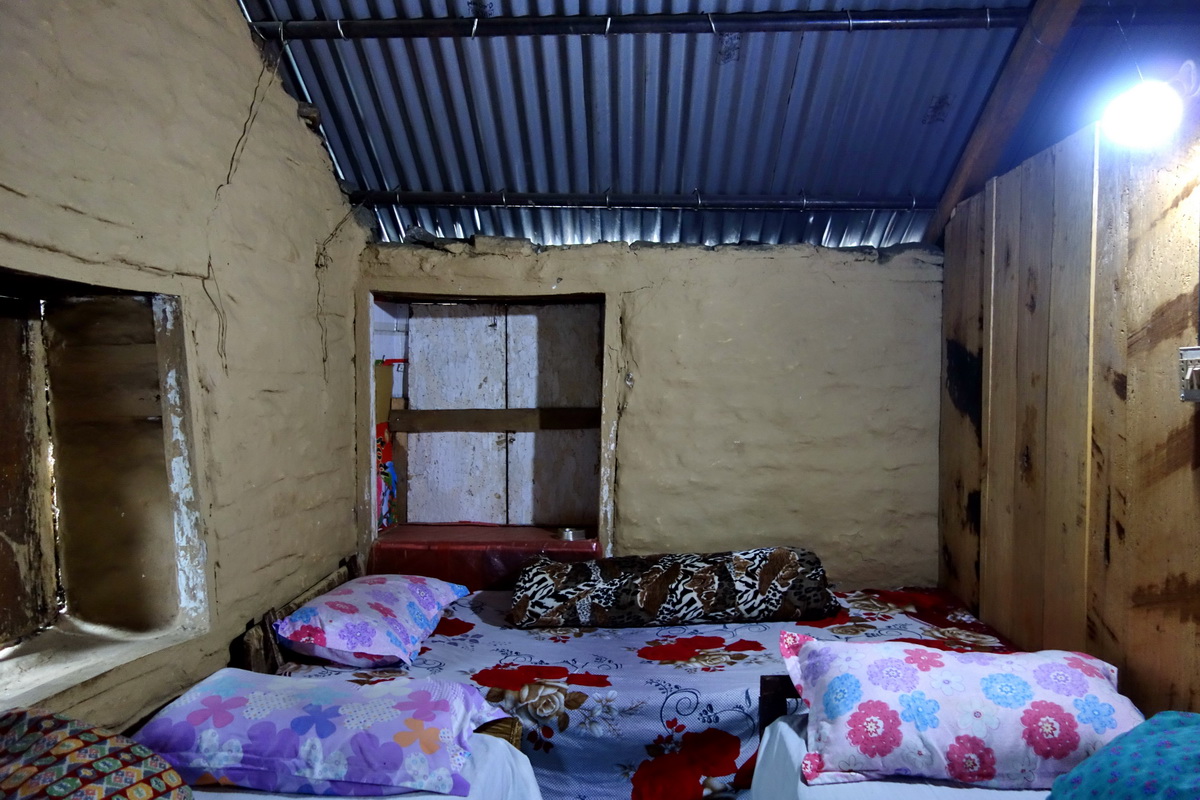
It gets dark early in the mountains. So, we decided to reach the nearest guesthouse around 6 p.m. and stay there for the night. We pass a small wooden house and two local women. There are no signs indicating rooms for rent, but since it’s getting dark, we took a chance and asked about lodging. They put us up in a room right in the locals’ house. By the way, this was the only place where we were given buckets of hot water. At other “lodgings,” there was no hot water at all. We were given a small room—just three beds and an outlet. Surprisingly, there was electricity.
The room cost $2, but with dinner and breakfast, the stay cost about $30. Food prices here are significantly higher than in Pokhara or Kathmandu.
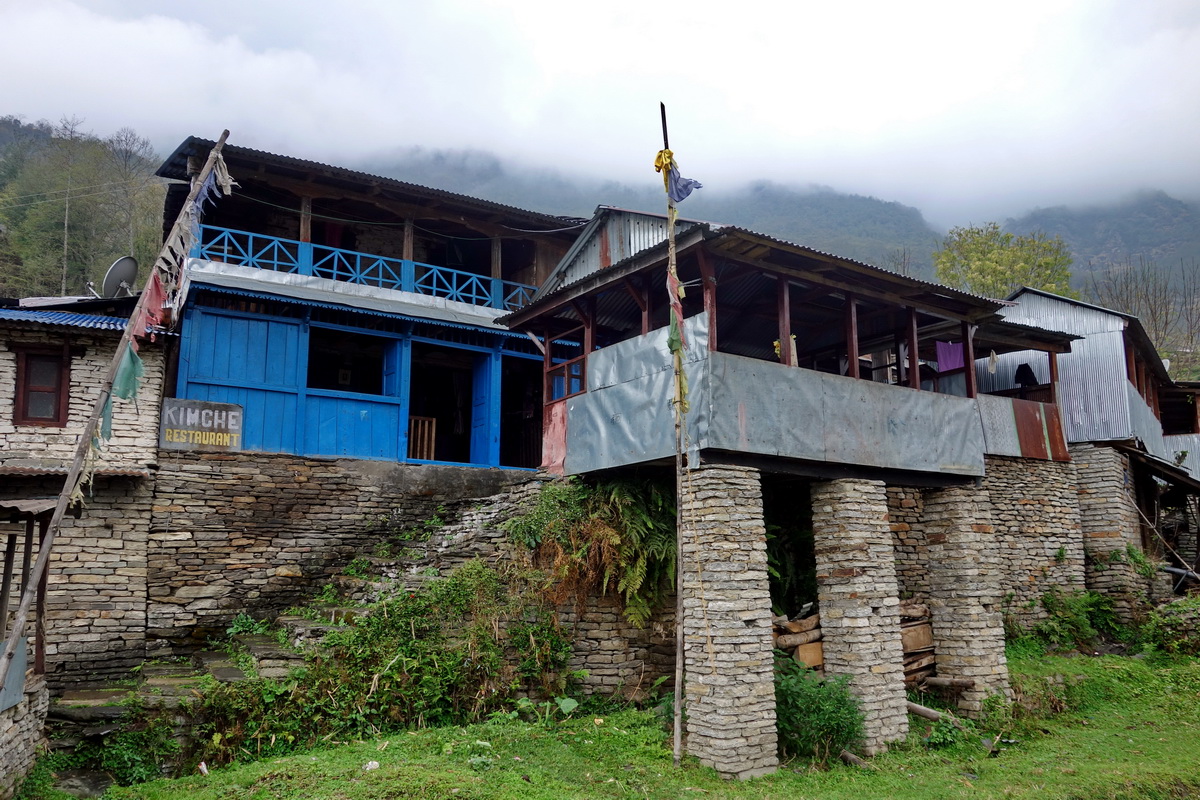
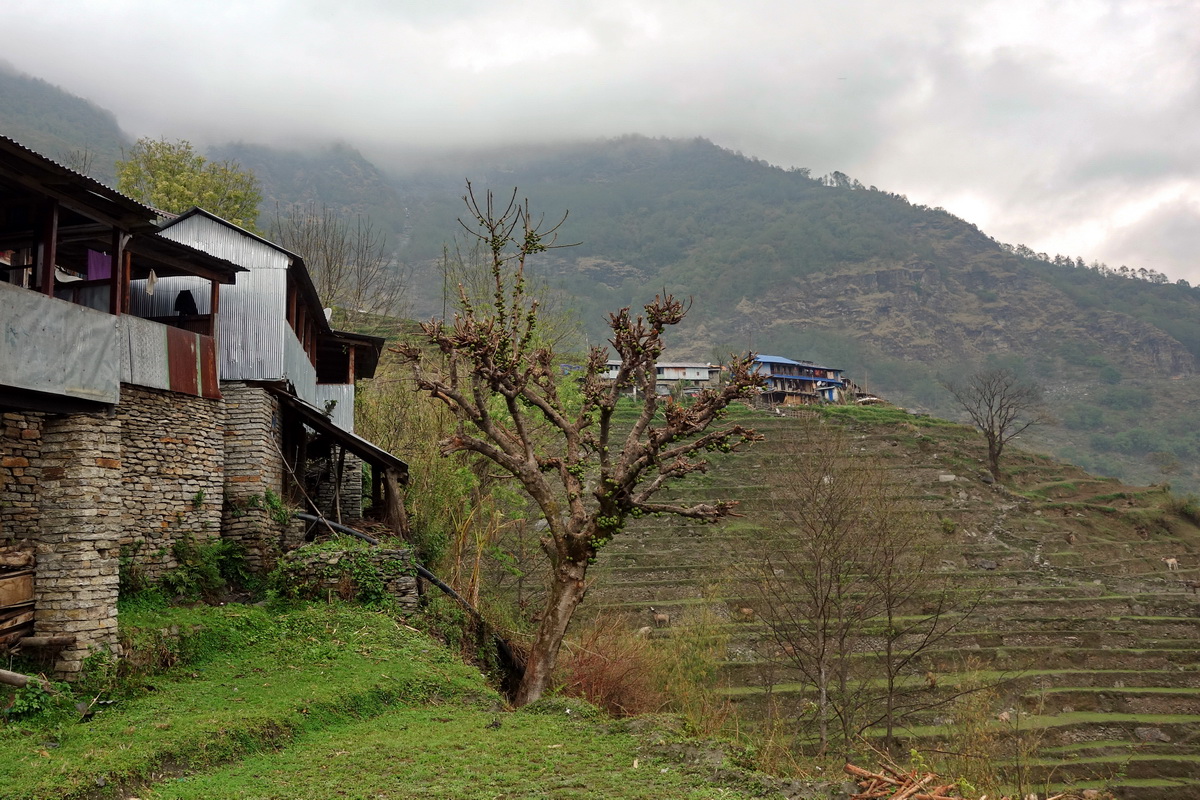
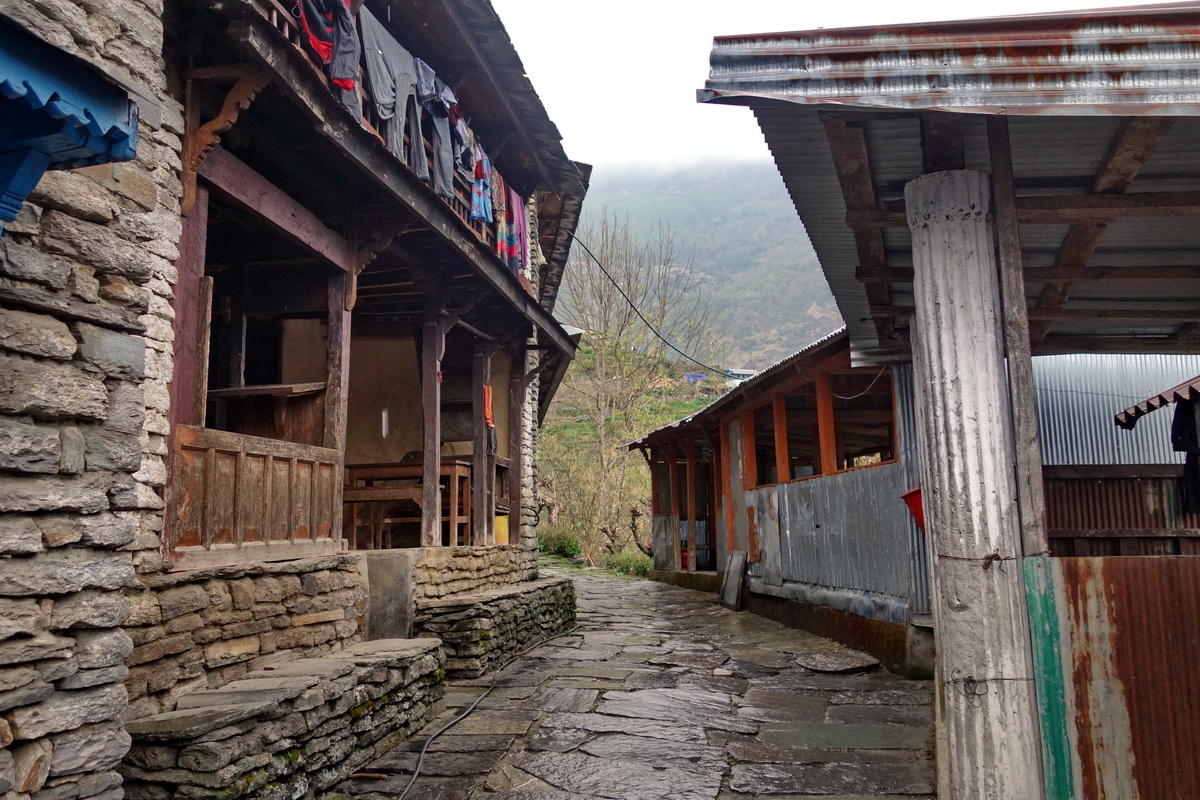
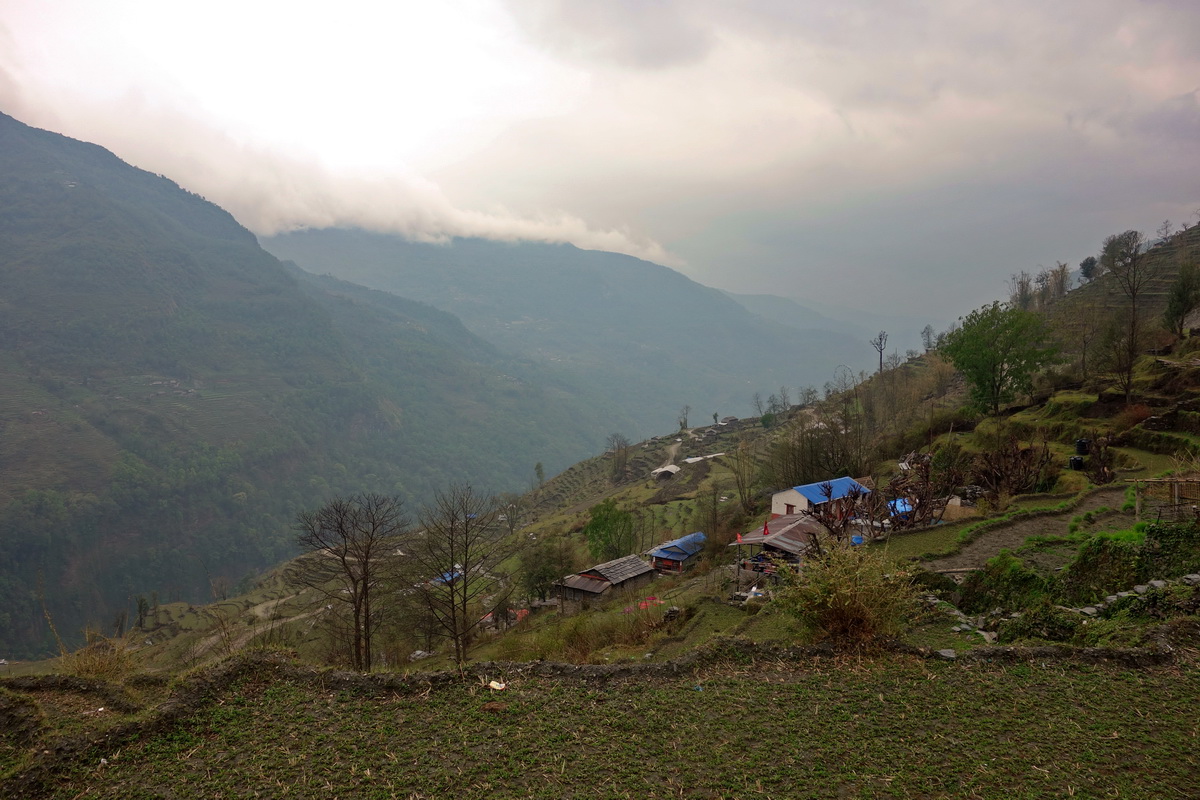
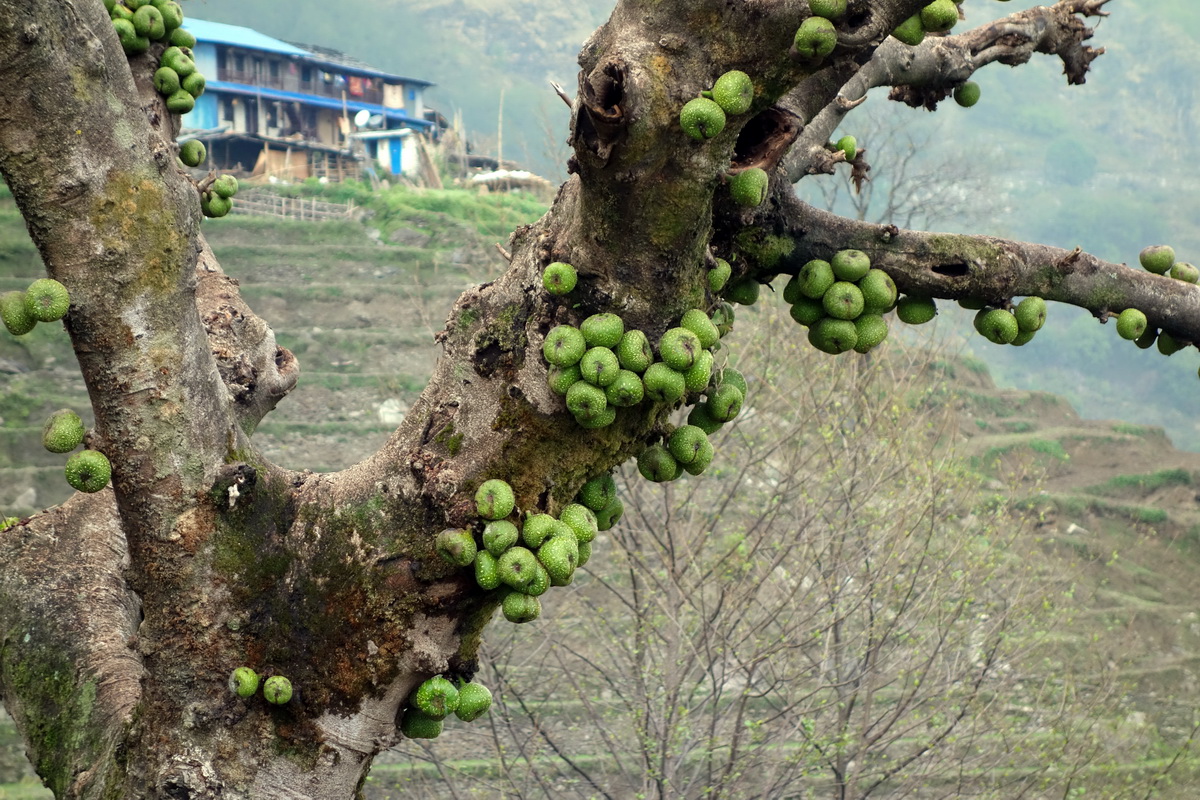
The view from our lodging.
Our room.
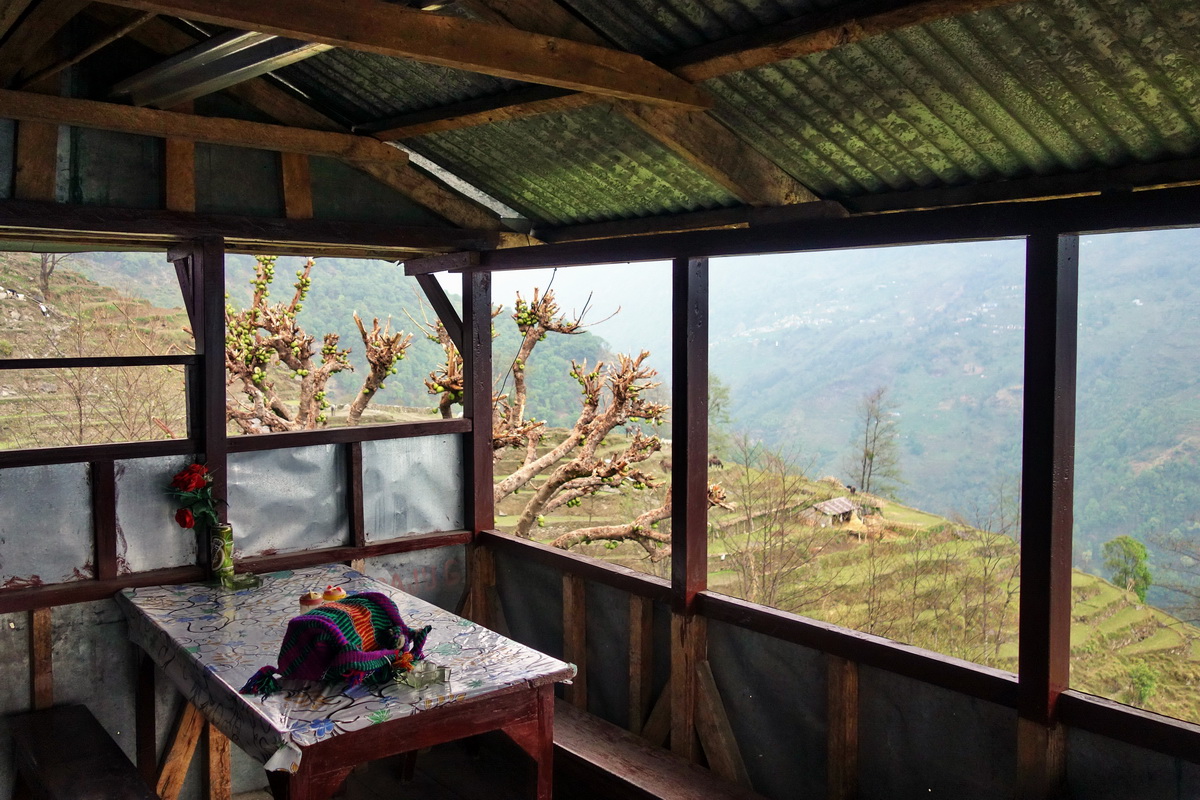
In this gazebo, they set up a table for our dinner and breakfast. It offers a stunning view of the mountains.
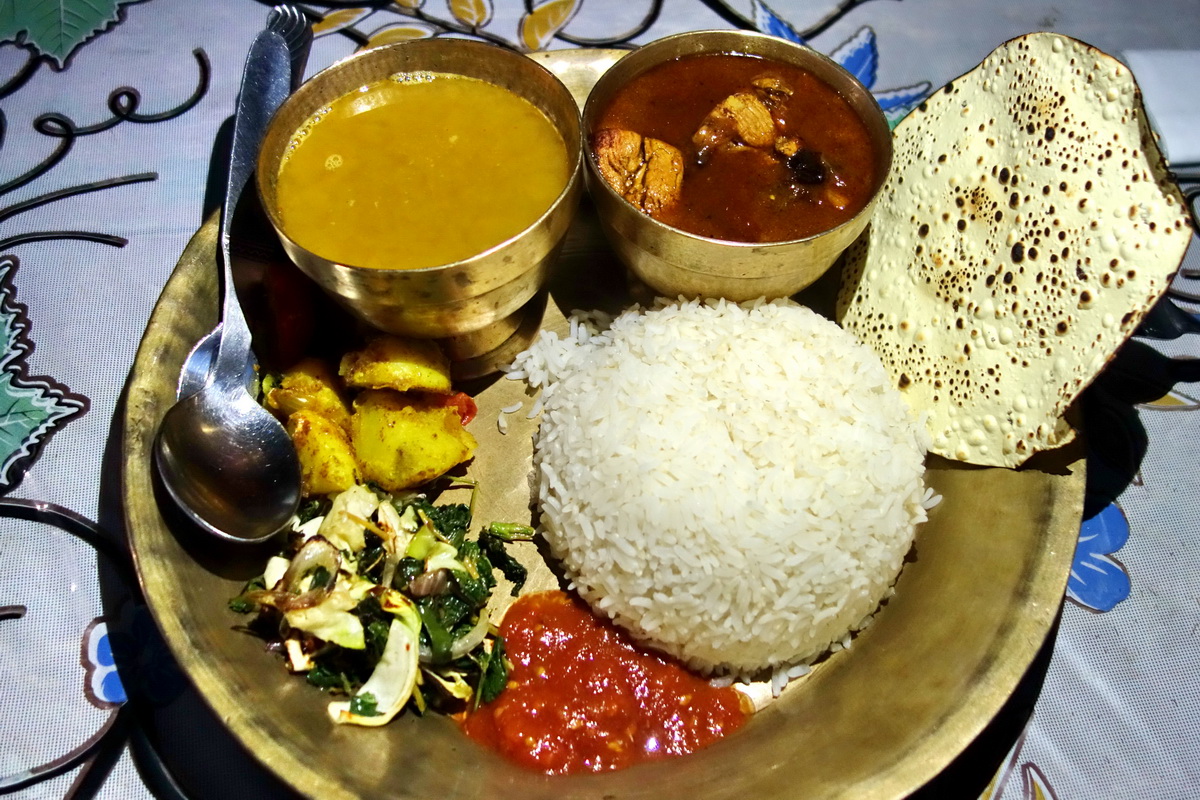
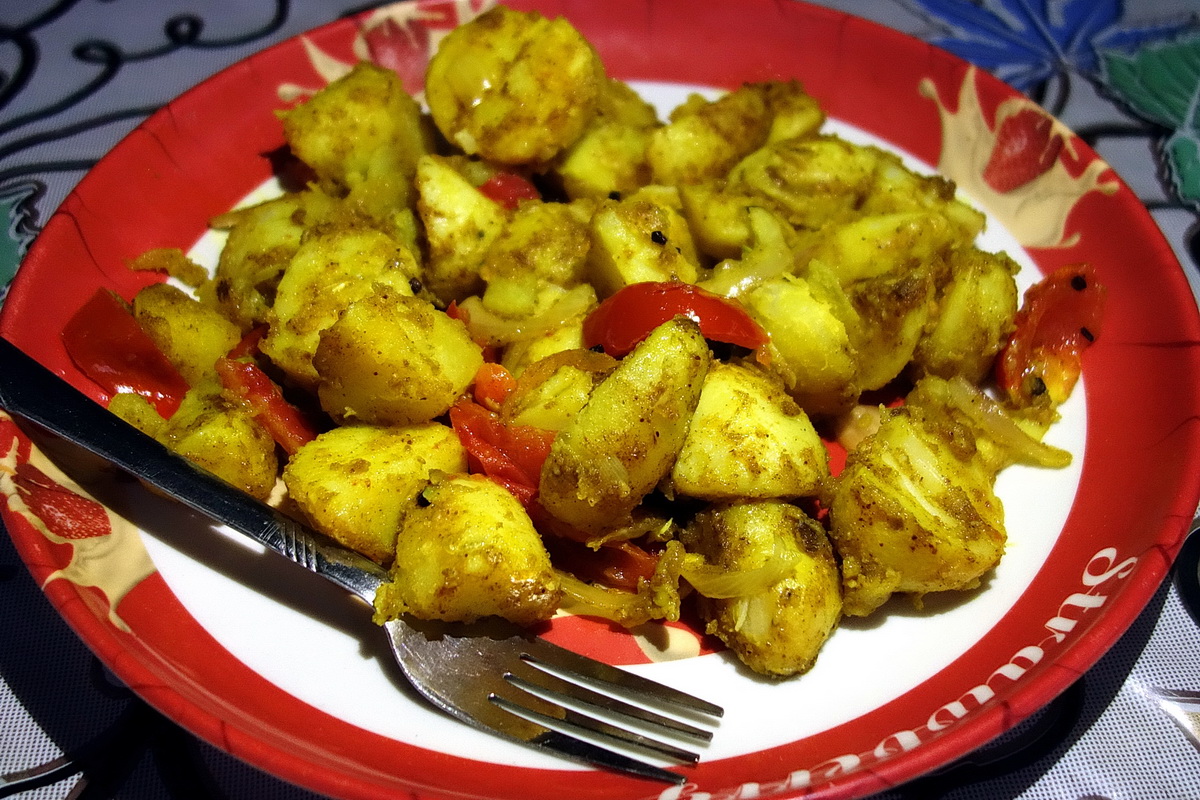
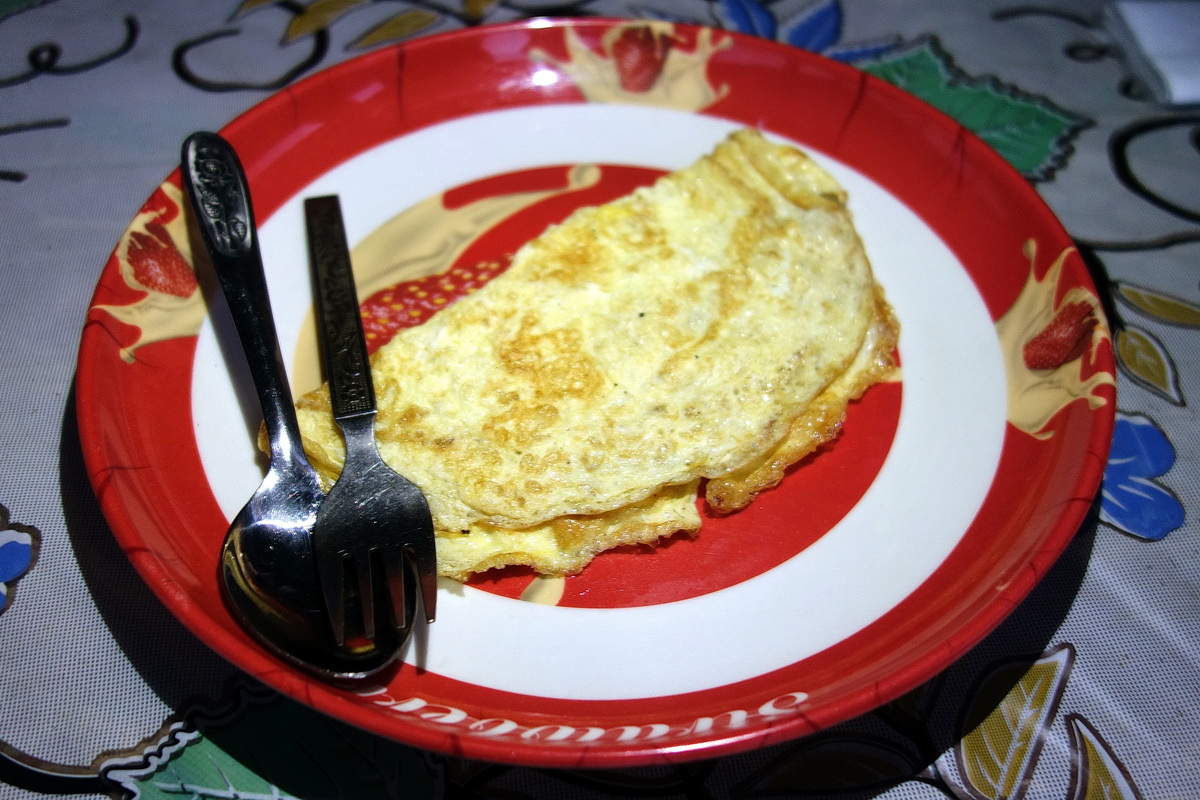
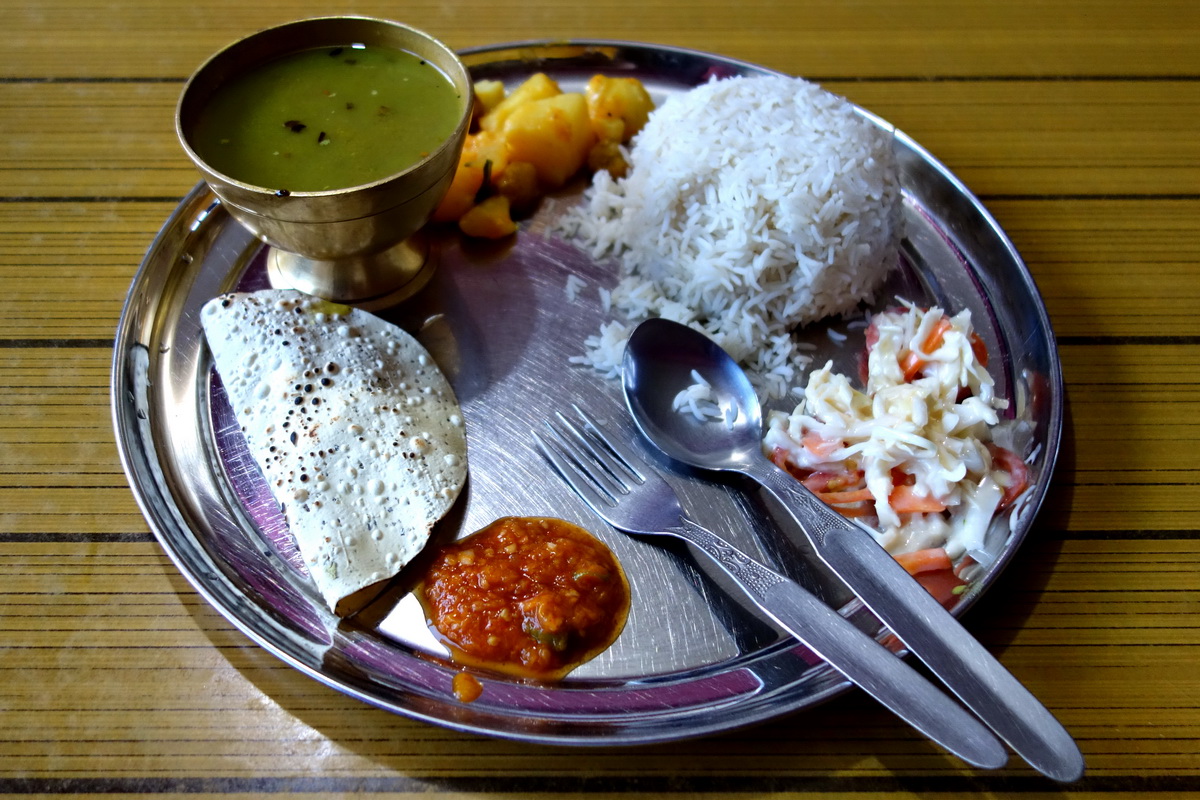
For dinner, we ordered Nepalese dal bhat, potatoes, and an omelet. In Nepal, dal bhat is a very popular dish with a unique presentation. It always includes lentil soup, rice, vegetable curry, spicy paste, and may also have onions, spinach, ginger, other vegetables or sauces, and, in our case, a chicken gravy. Maybe we were very hungry, but we ate everything with great pleasure.
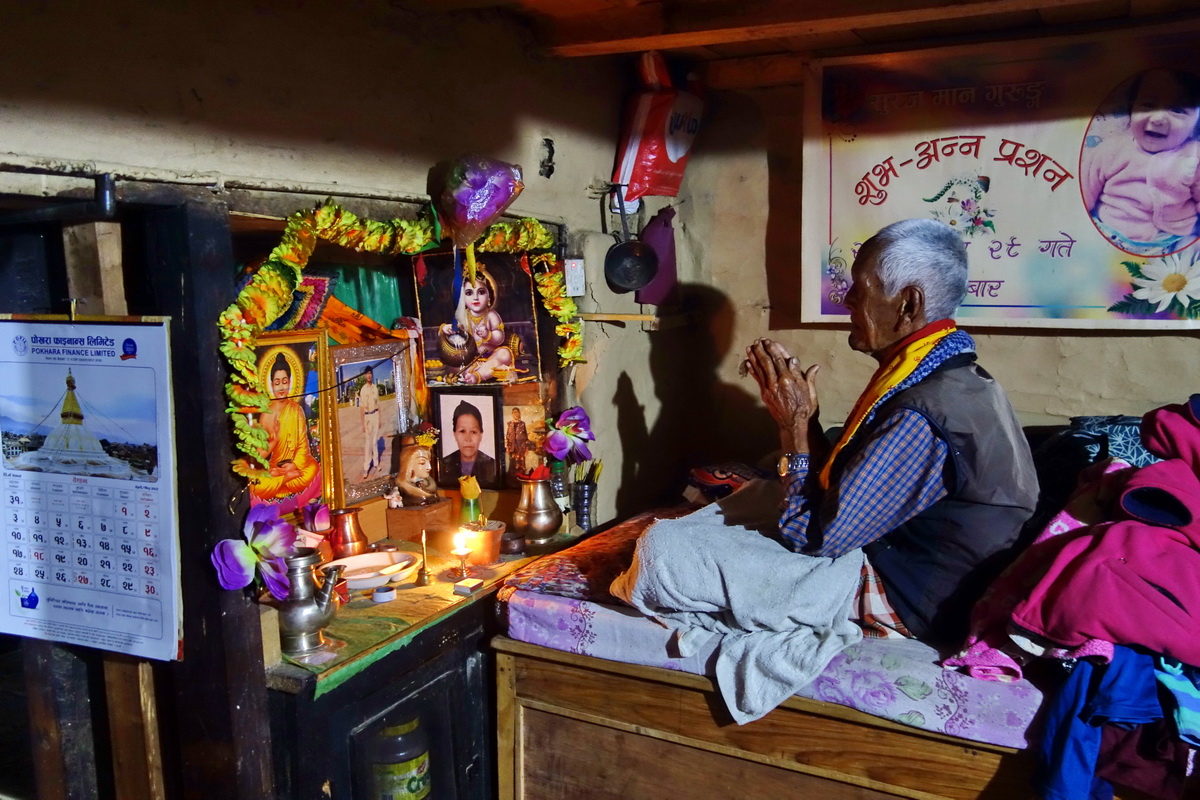
The family we stayed with practices Buddhism. In the evening, one family member was praying and chanting Buddhist mantras.
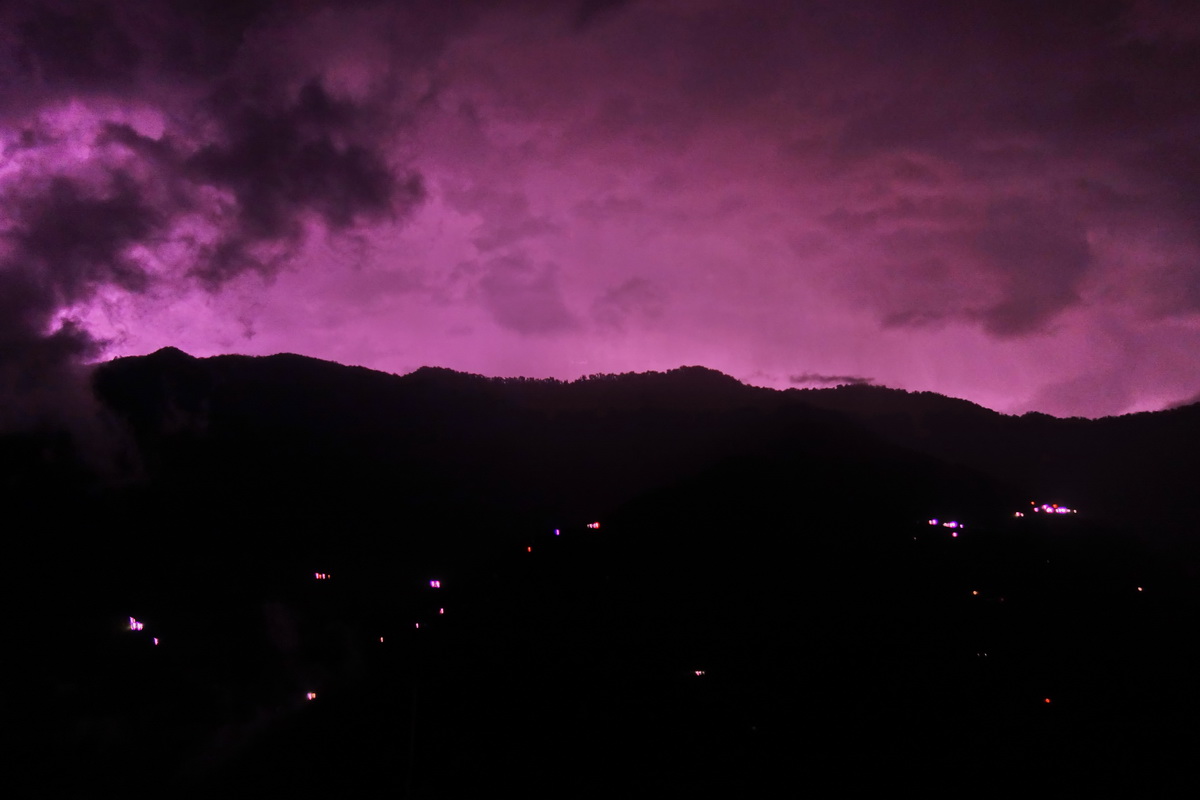
It rained almost all evening, and at night, a thunderstorm covered the mountains, literally making them sparkle. Watching a thunderstorm in the mountains at night is incredibly beautiful. After an eventful first day of trekking, we slept well. The only inconvenience was the metal roof in our room, which the rain drummed on almost all night. Good night!
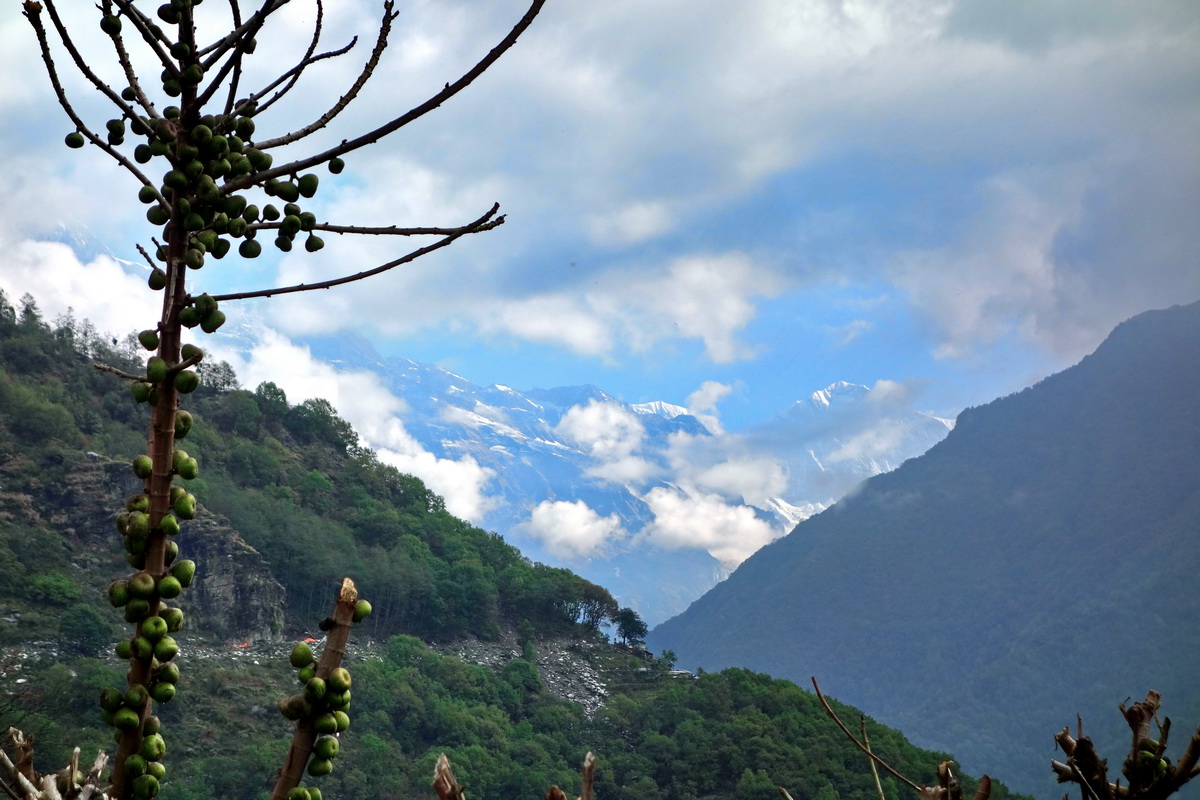
The morning greeted us with clear weather. From our “room,” we had a view of the snow-covered mountain peaks.
After breakfast, around 7 a.m., we headed up our “favorite” steps.
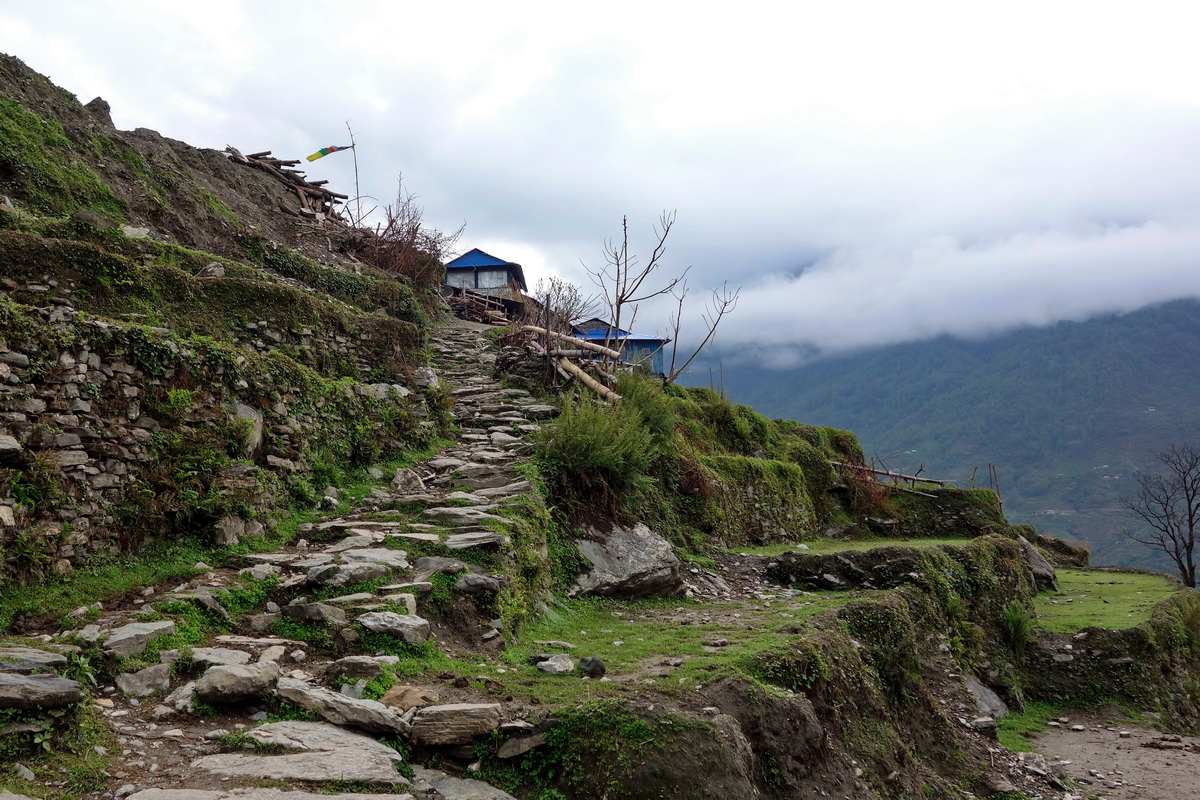
We pass through the village of Kimche, where we spent the night.
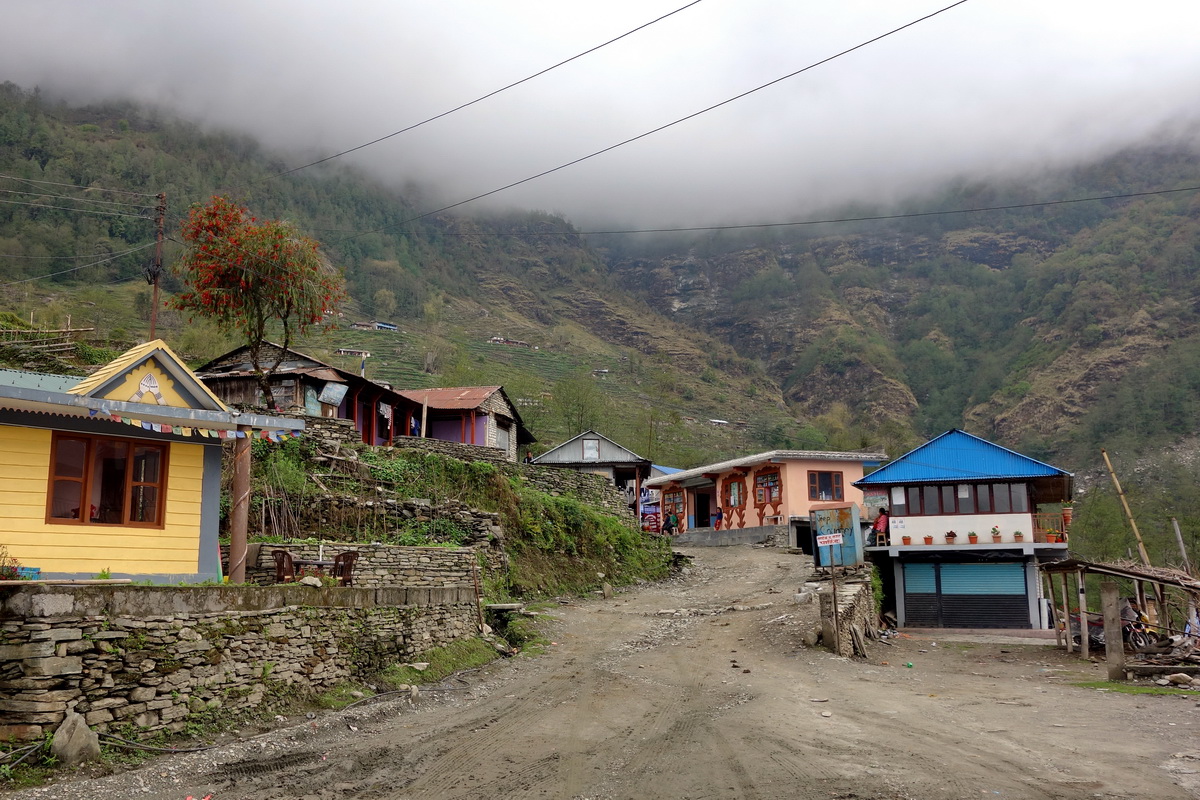
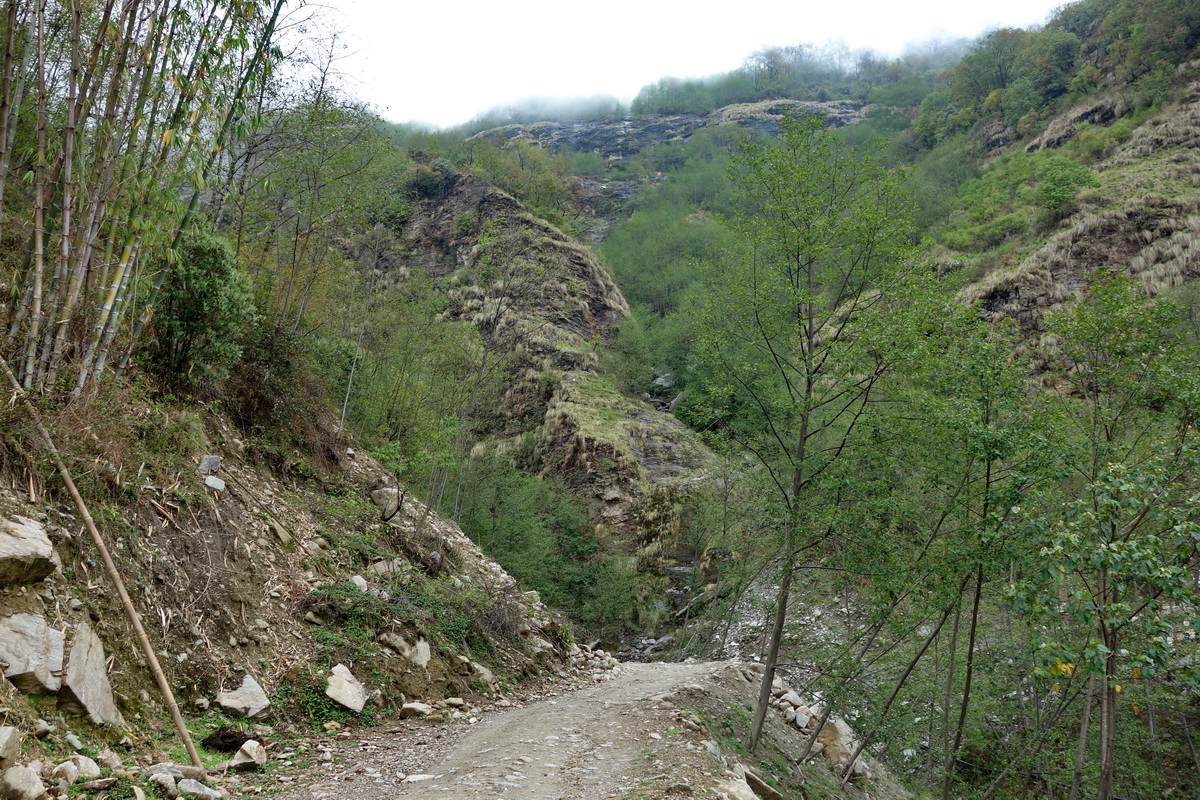
Today, we planned to pass through Ghandruk and reach Jhinu Danda by evening for the night. There’s still a dirt road here, and jeeps drive by.
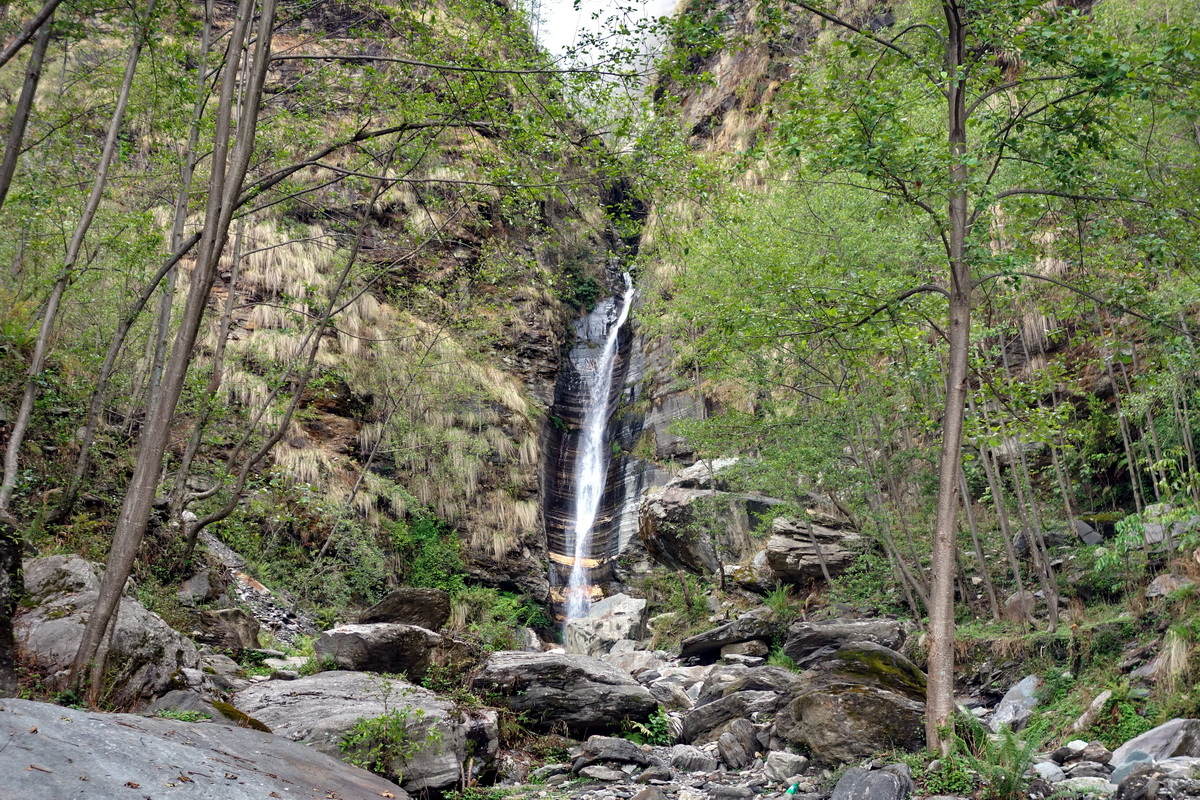
A waterfall.
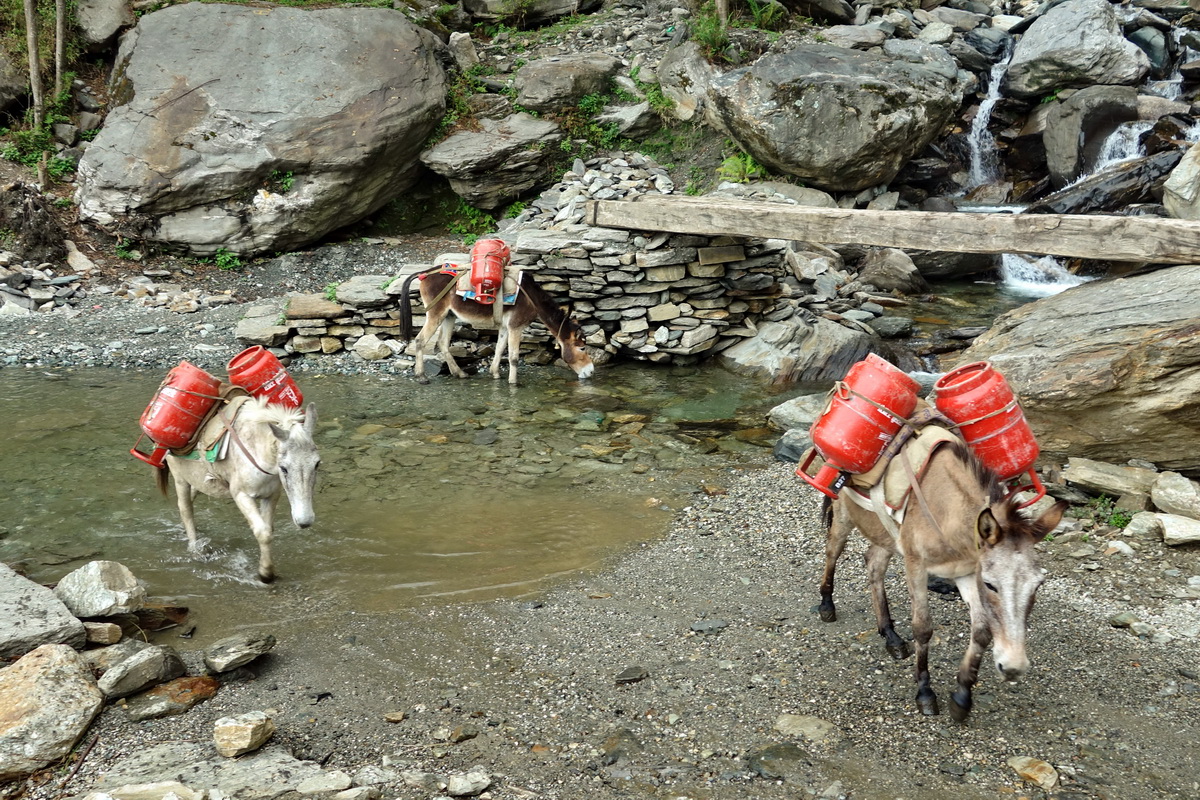
Donkeys loaded with gas cylinders pass by us. They move in a well-coordinated team. It’s clear the route is familiar to them. Donkeys are usually accompanied by 1–2 people who manage to dart between them quickly. In the mountains, donkeys are a good means of transporting food, water, and other goods.
We gradually reach the point where the road ends. Up to this point, we could have taken a car, but from here, it’s only on foot. From here, you can see the village of Kimche, where we spent the night.
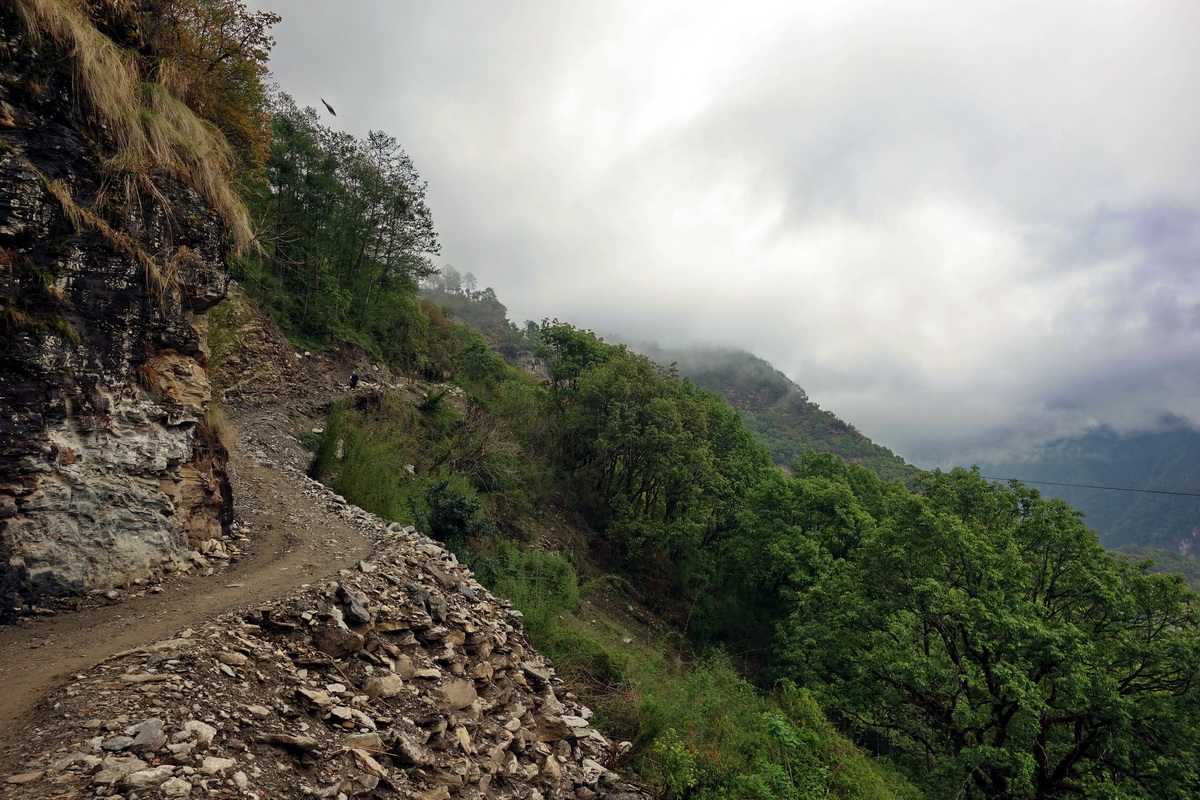
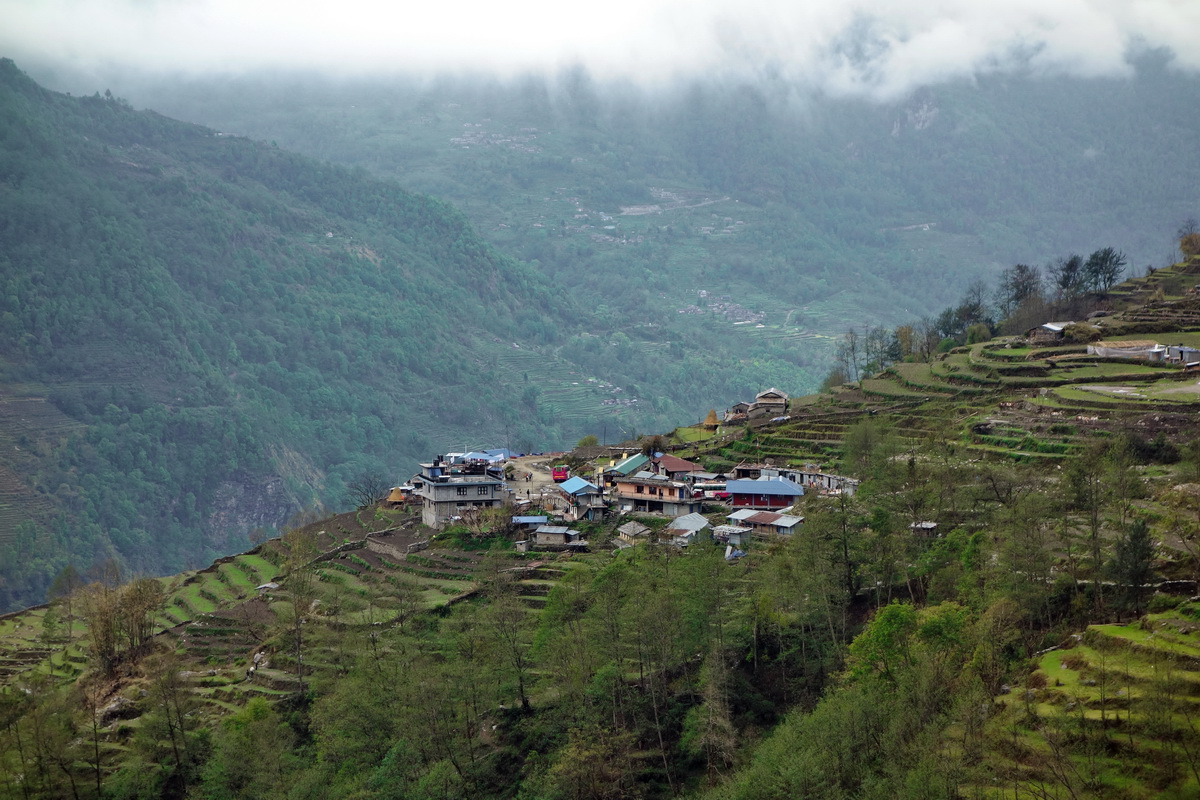
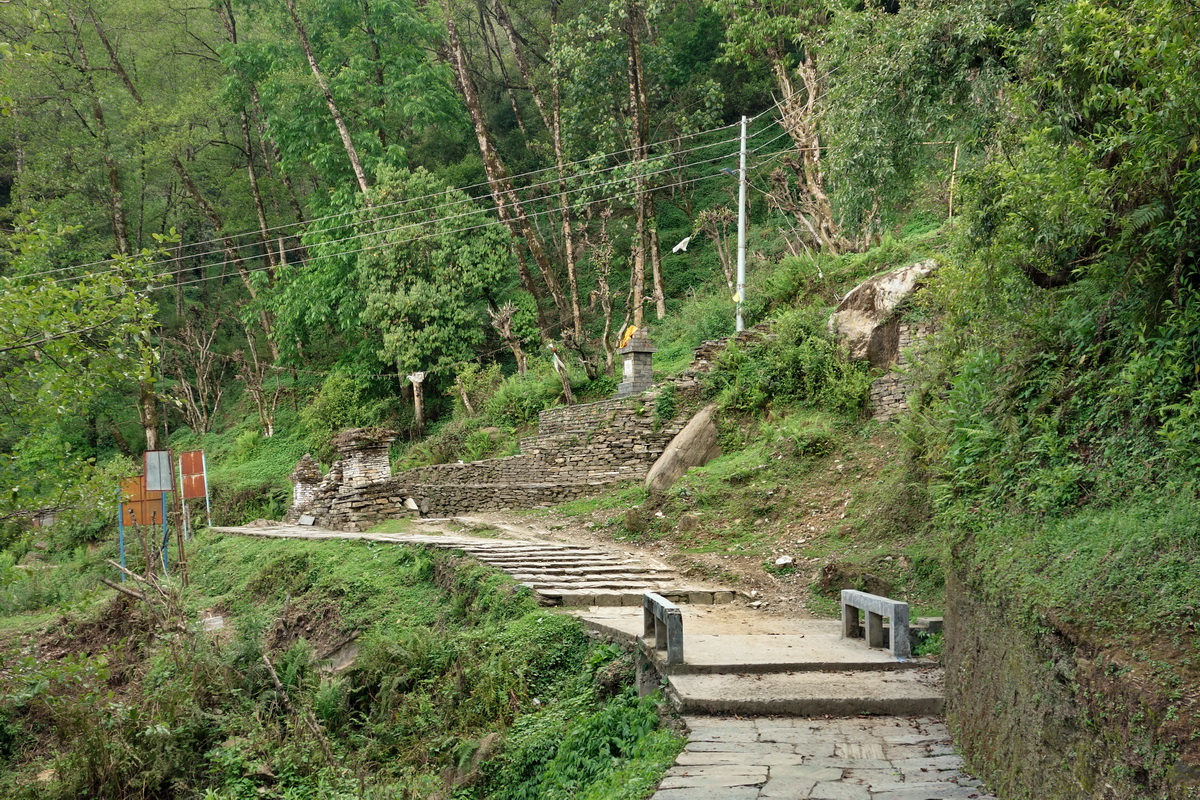
We walk along a narrow trail, with climbs alternating with flatter sections.
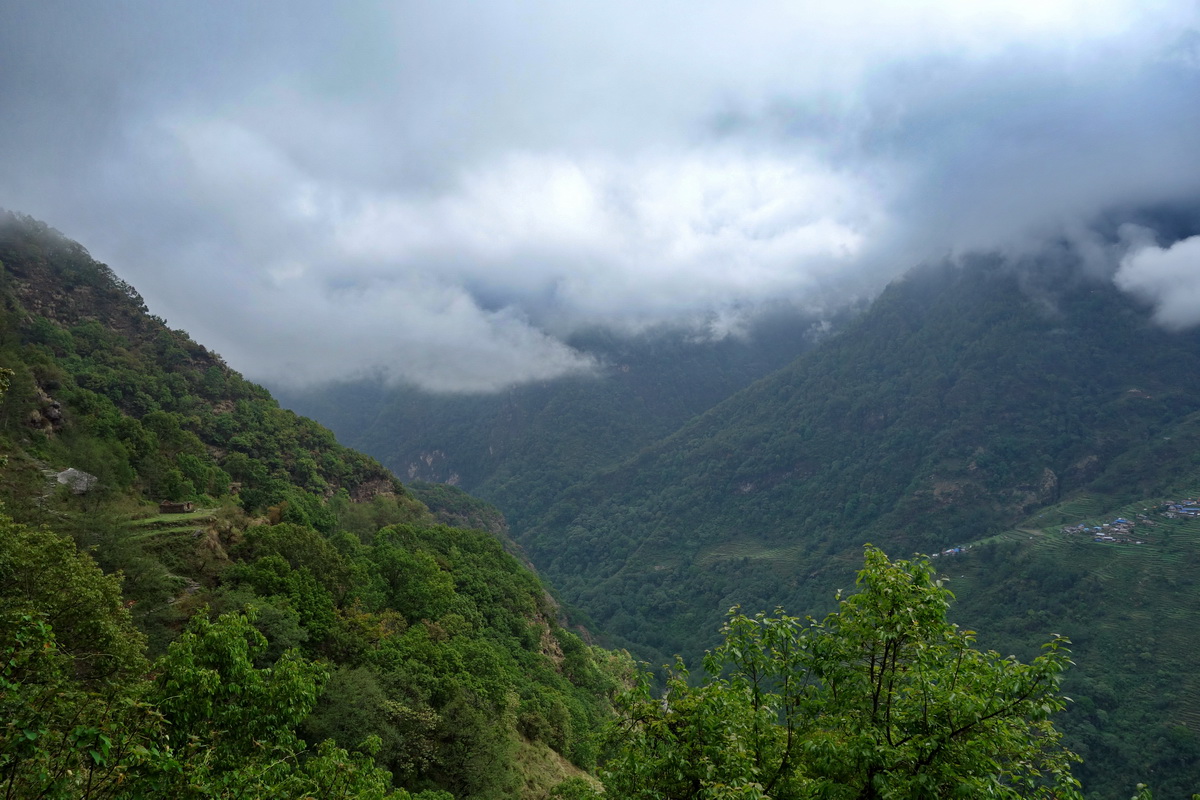
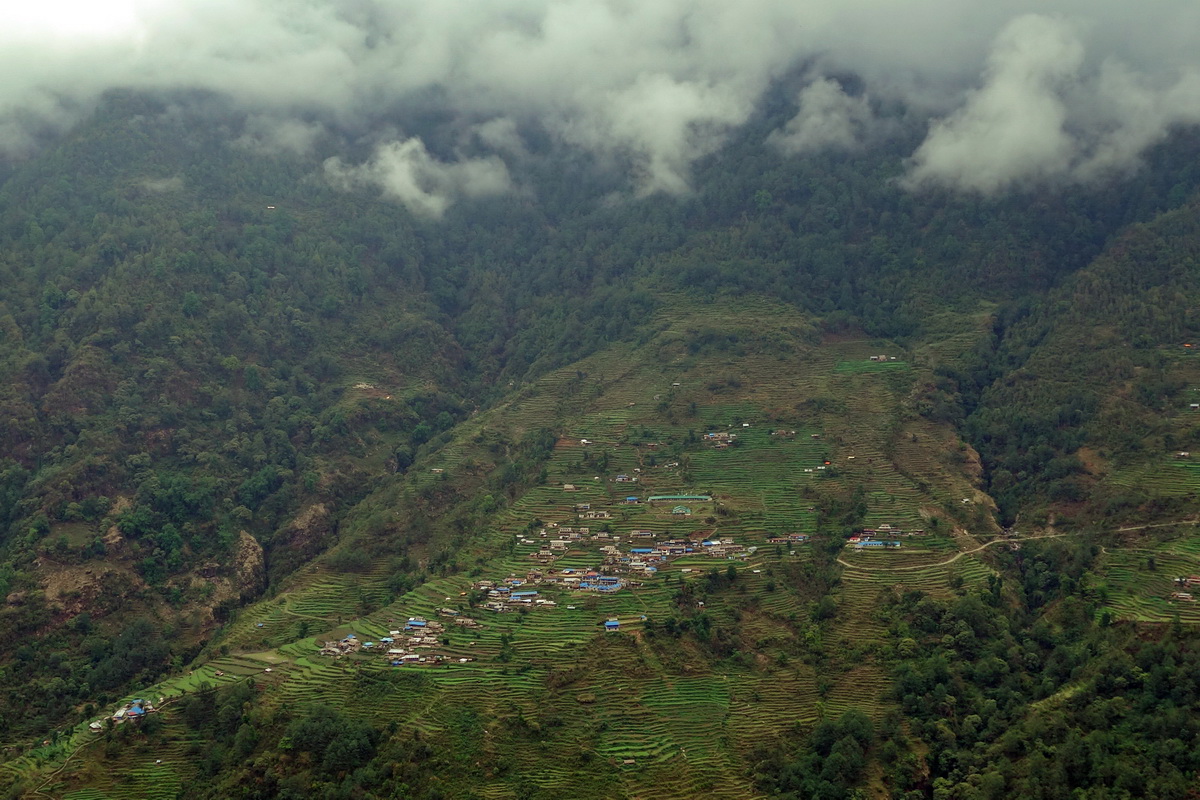
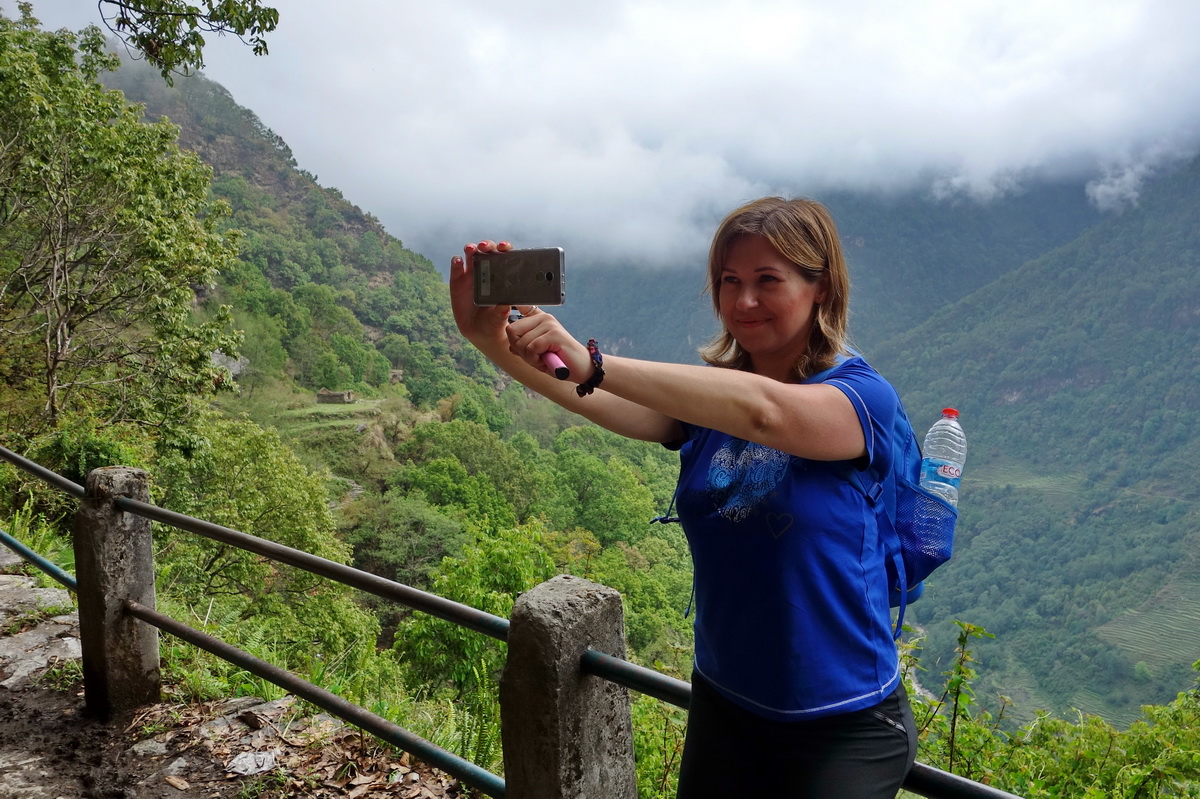
It’s incredible to stand next to clouds floating by you.
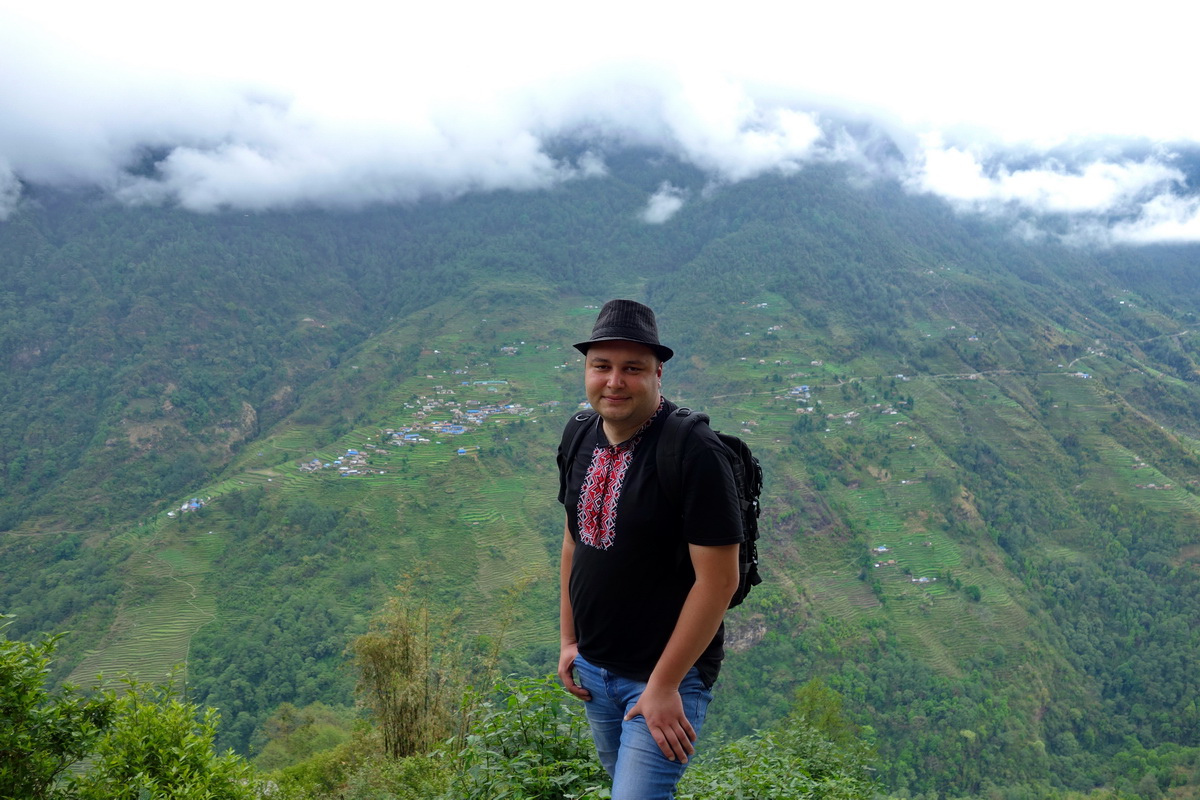
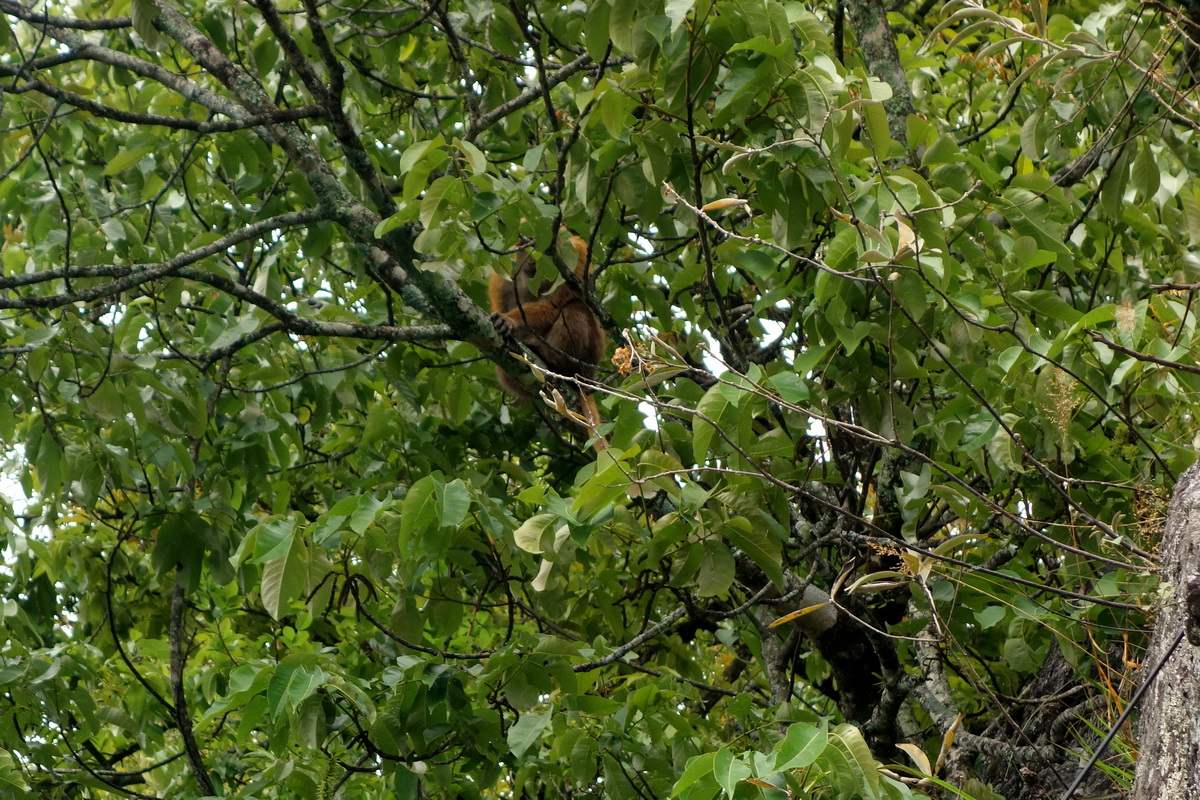
It’s not too hard to walk yet, and at a calm pace, we reach Ghandruk in about 2.5 hours. Almost at the village entrance, we’re greeted by monkey butts. The monkeys themselves didn’t dare to meet us.
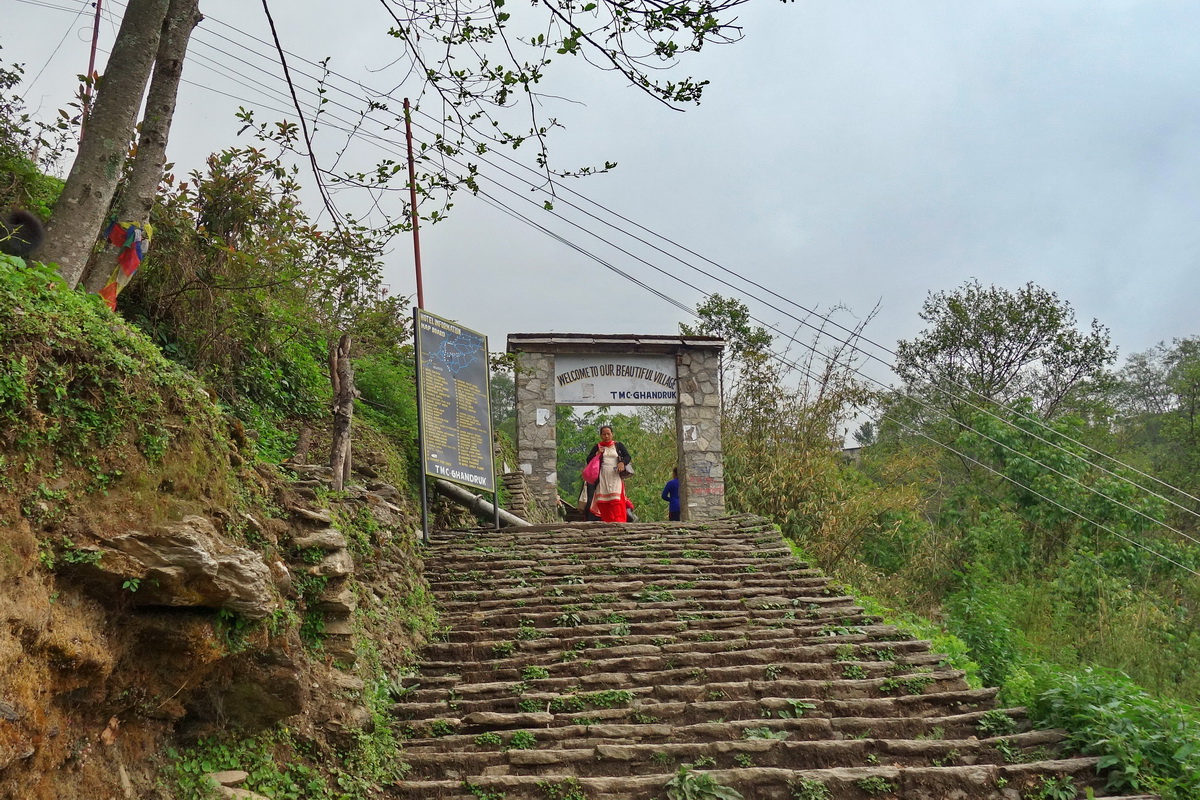
The entrance to Ghandruk village.
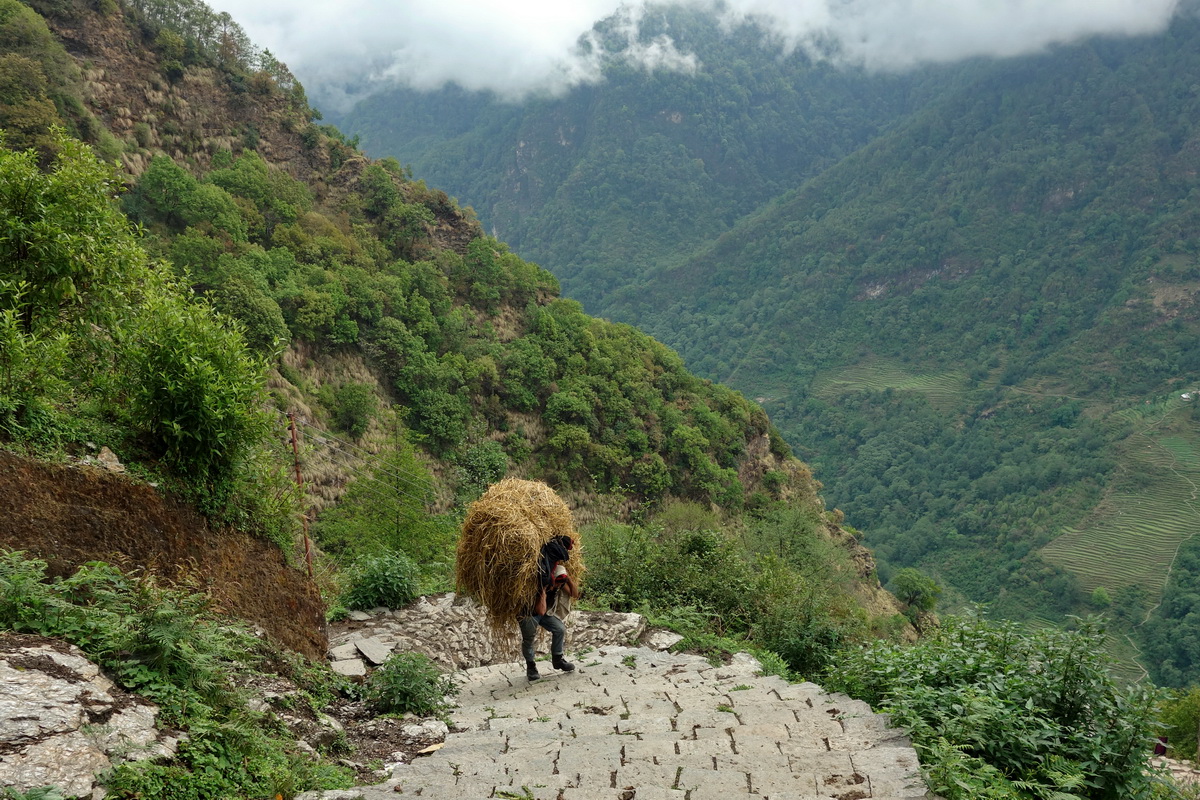
The village is very inhabited; instead of our usual rural roads, you have to navigate stone paths here.
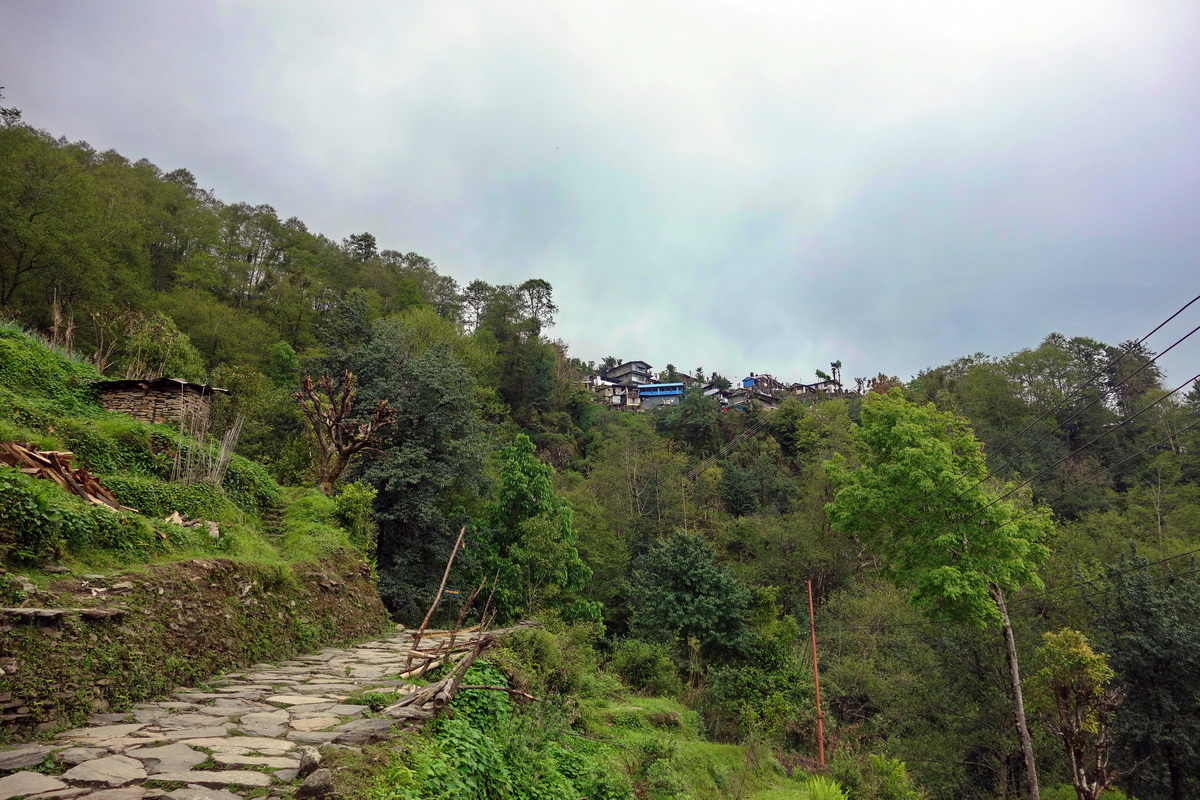
Ghandruk has many guesthouses and eateries. You can even find places with Wi-Fi. Everything is geared toward tourists.
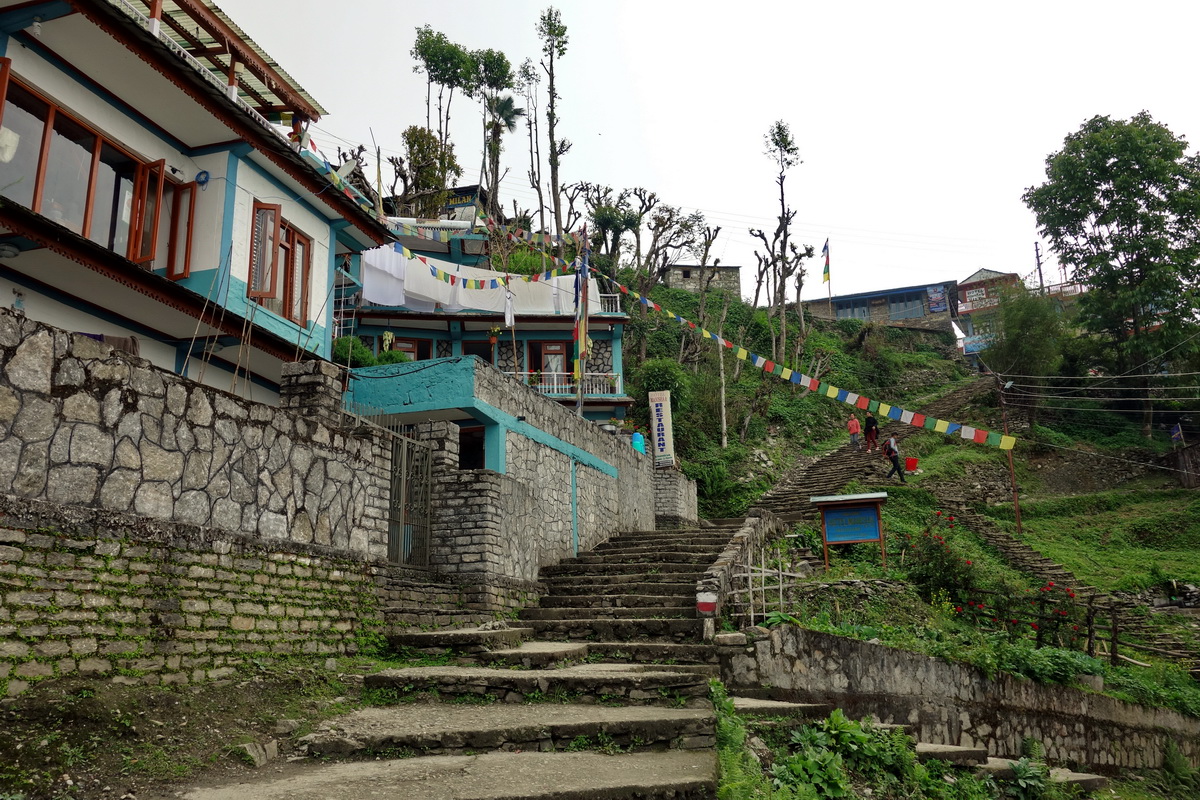
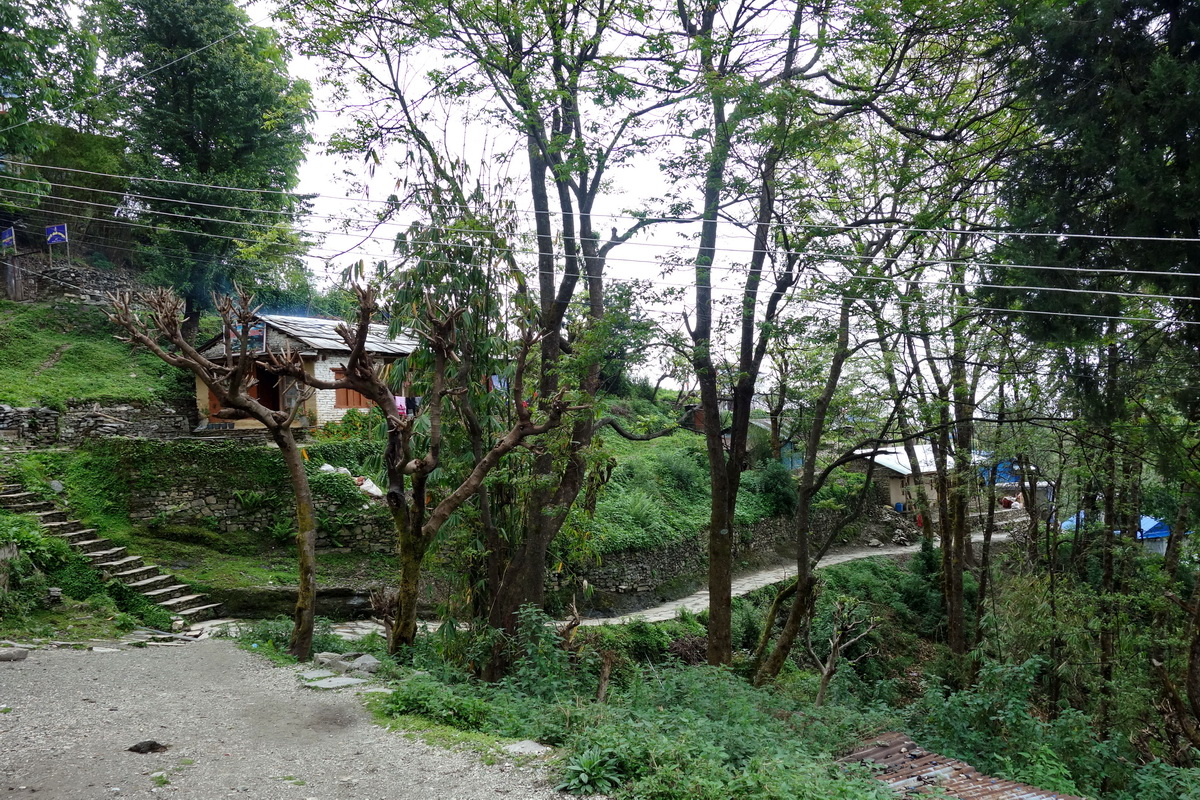
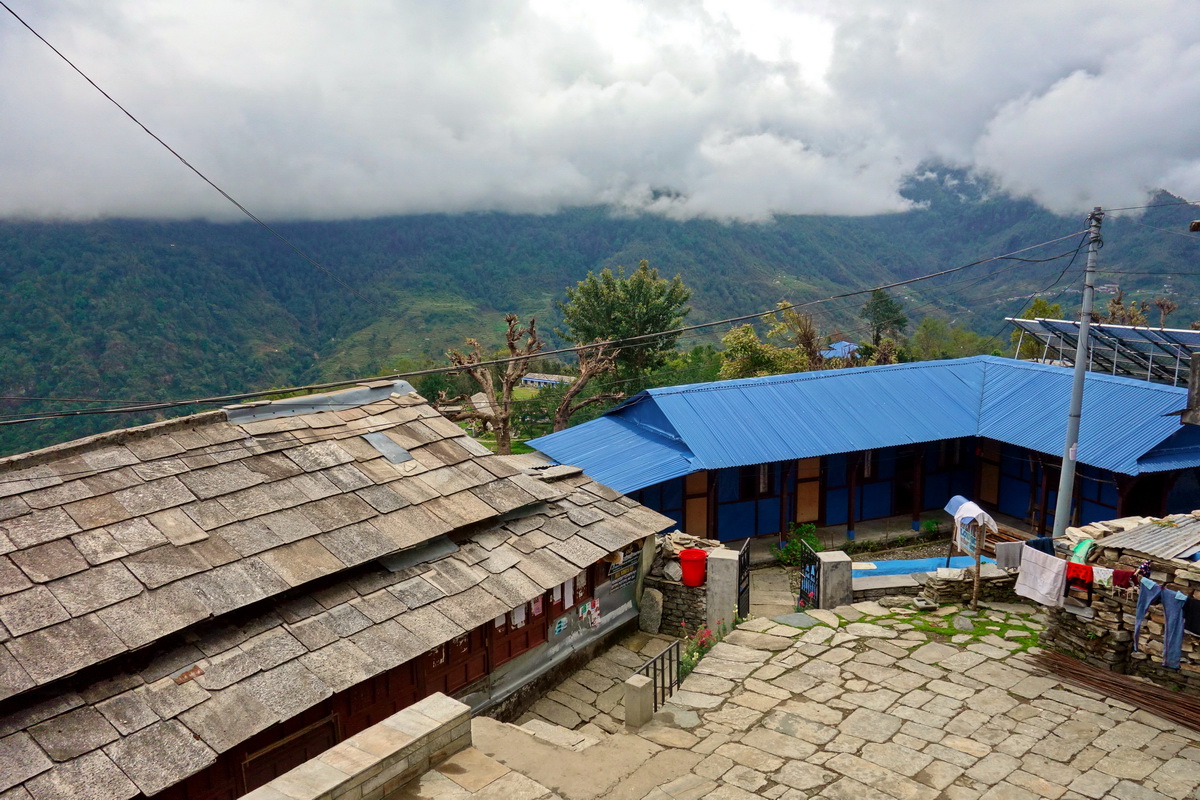
We decided to rest a bit from the journey and stop for a snack at a guesthouse. Surprisingly, the internet works here, though the connection quality leaves much to be desired.
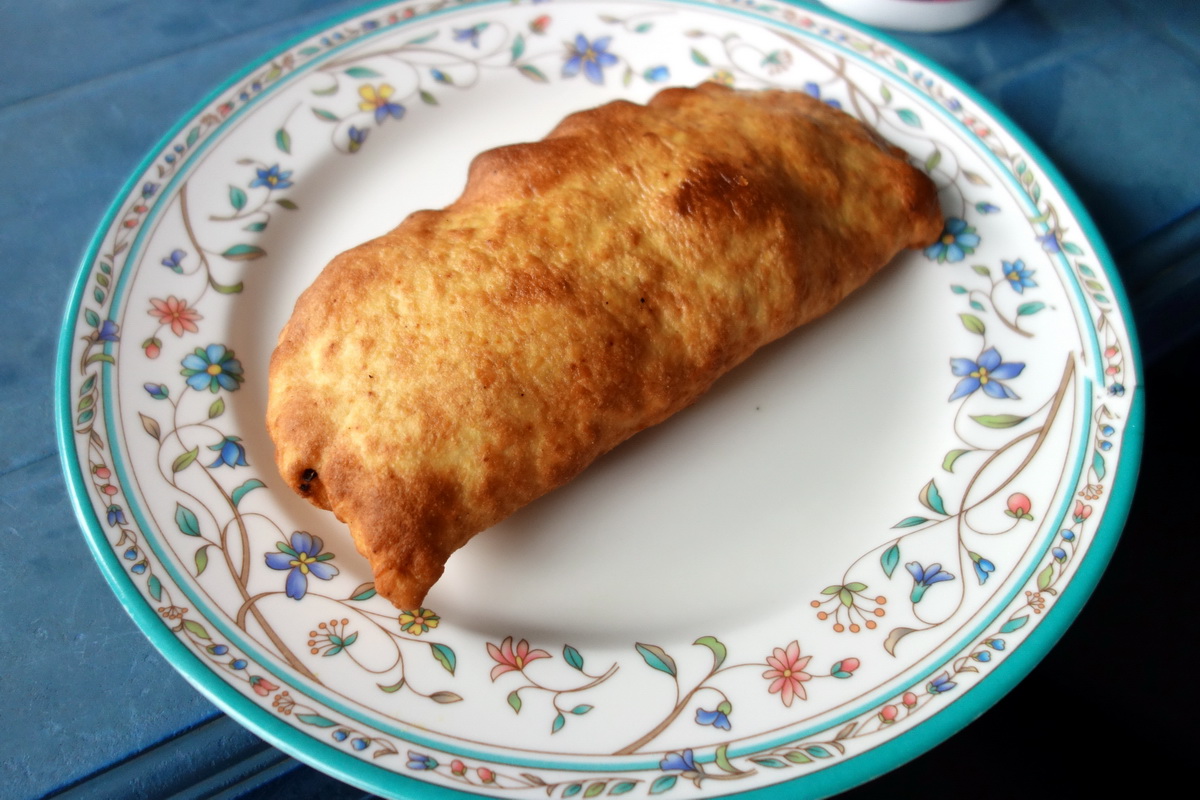
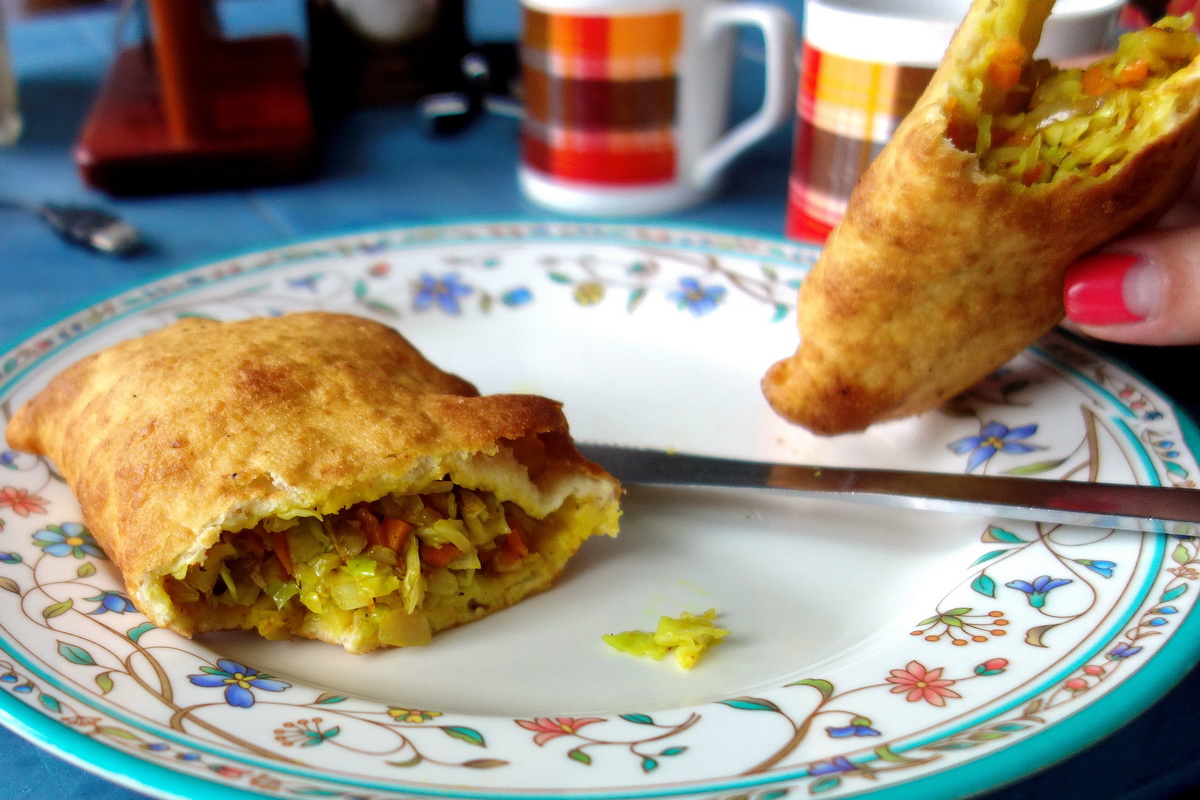
We ordered a vegetable spring roll. It’s a very common dish in Nepal—a dough envelope with various fillings. Tasty.
In Ghandruk, we encountered a small “surprise.” It turns out that in the mountains, water can only be bought on tap into your own container, as delivering bottled water to such heights is problematic.
Lunch and the search for water in Ghandruk took us about 1.5 hours. Time to move on toward Jhinu Danda.
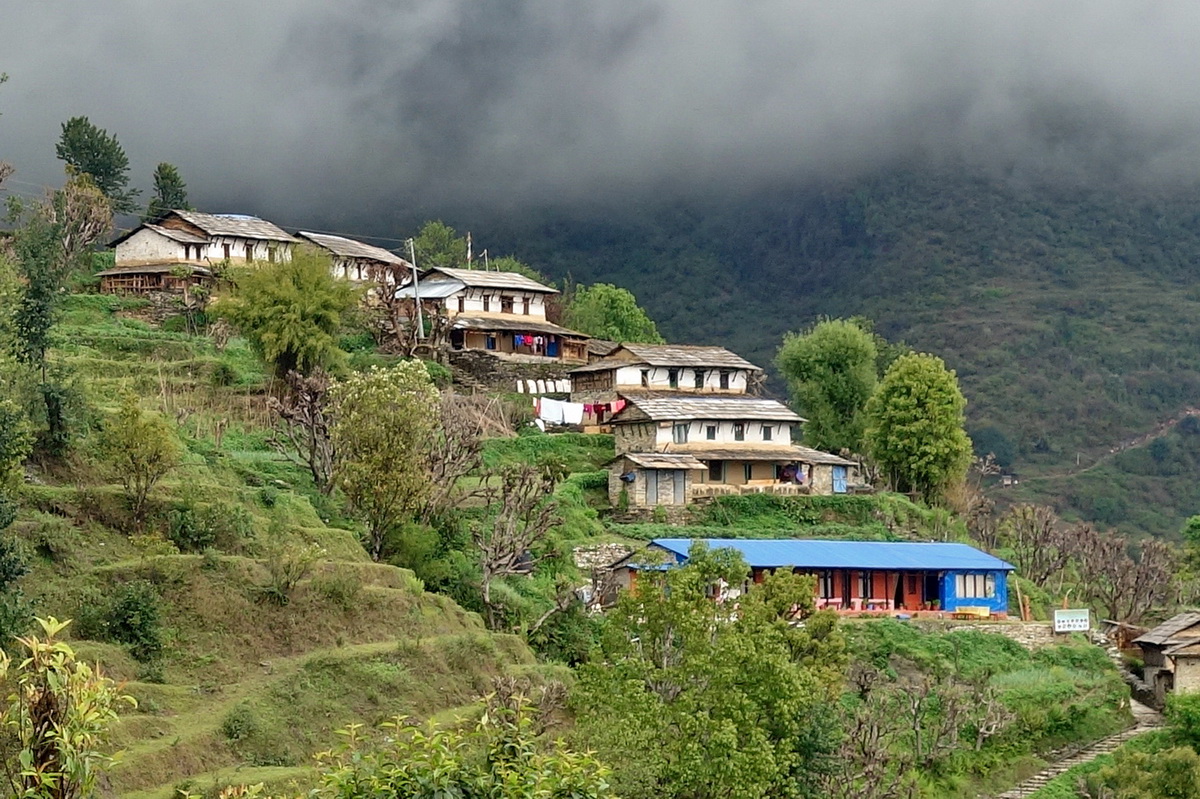
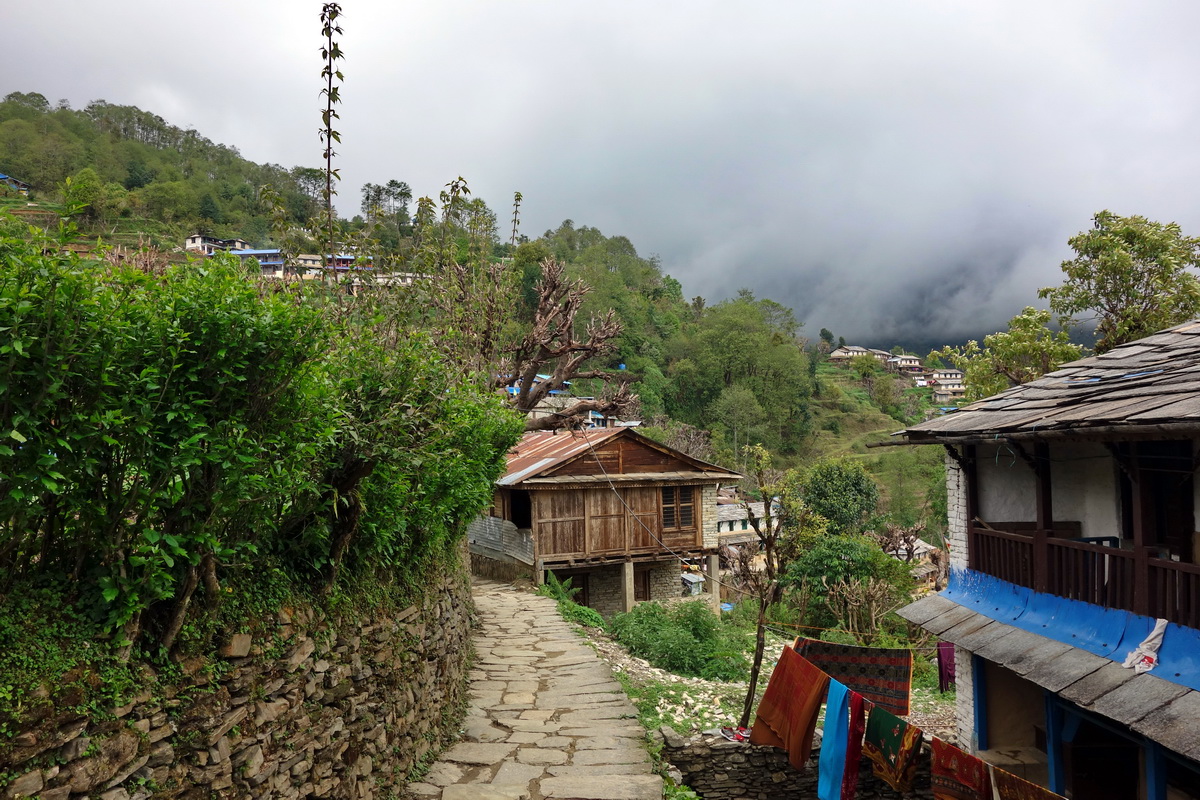
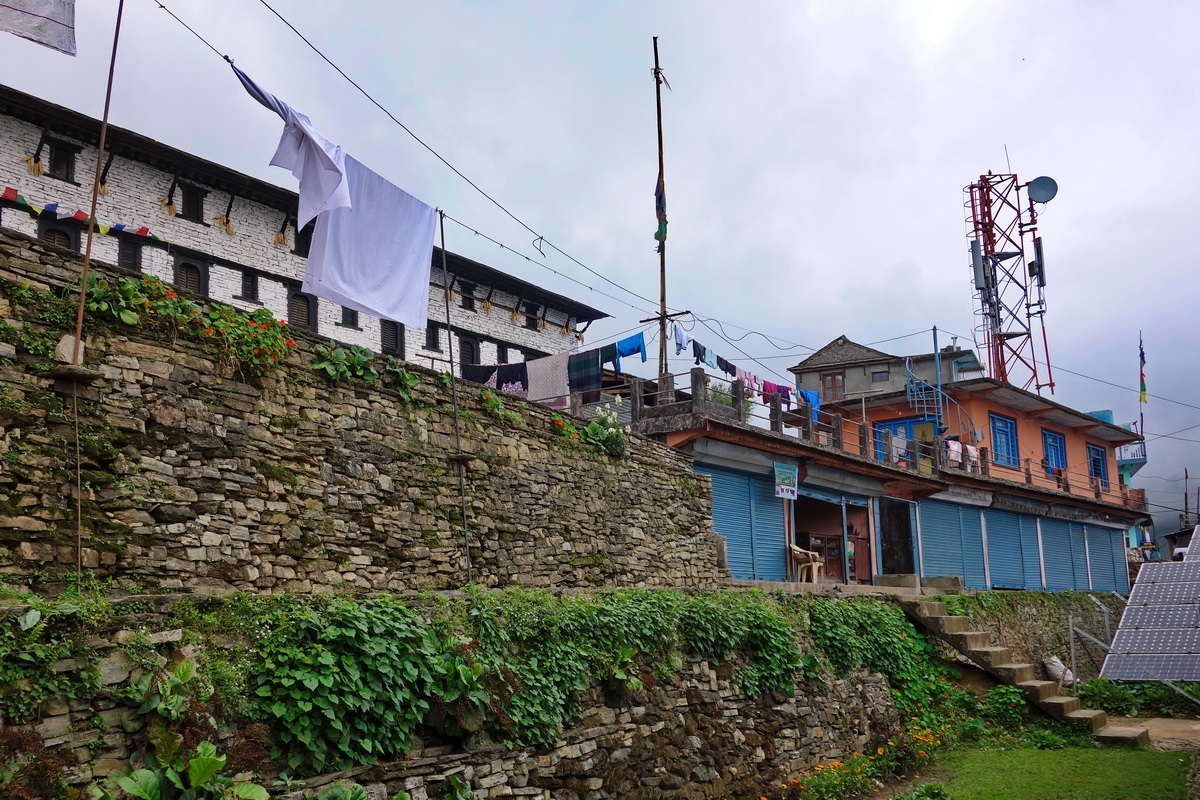
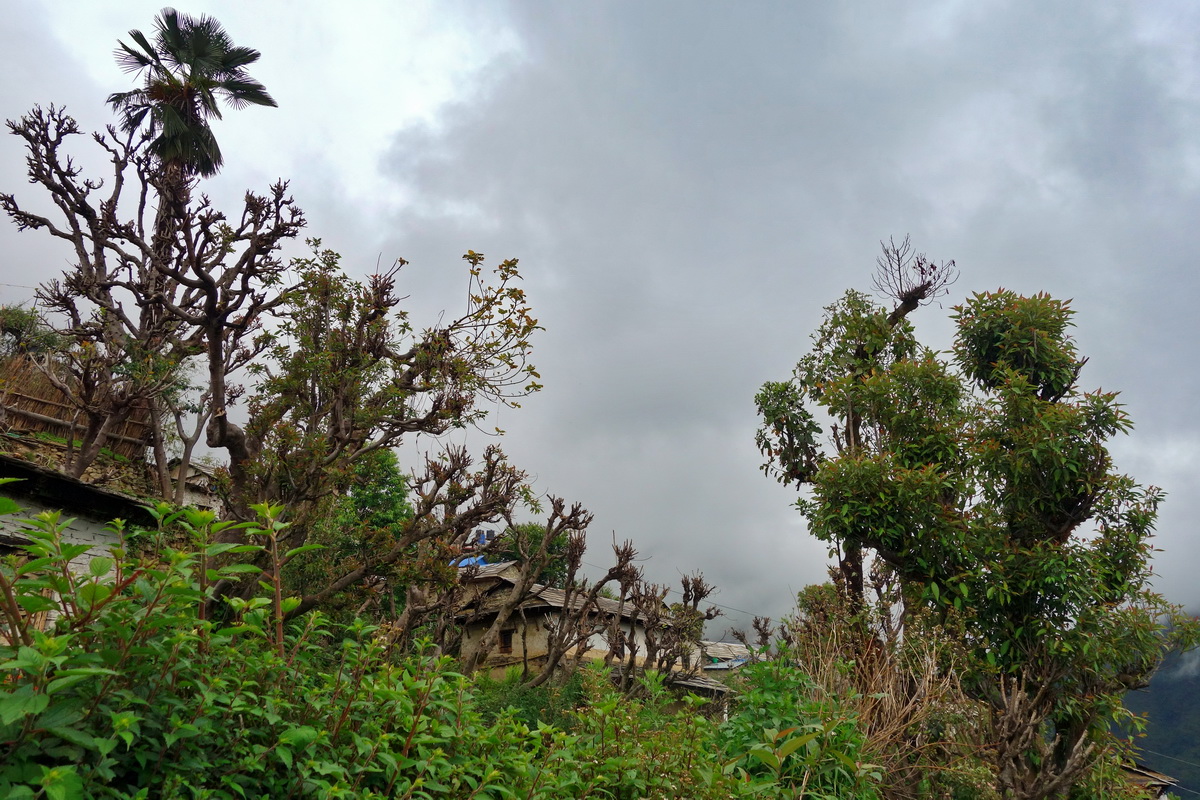
The sky is cloudy again. We often meet Nepalis breaking stones and paving paths. Tough work.
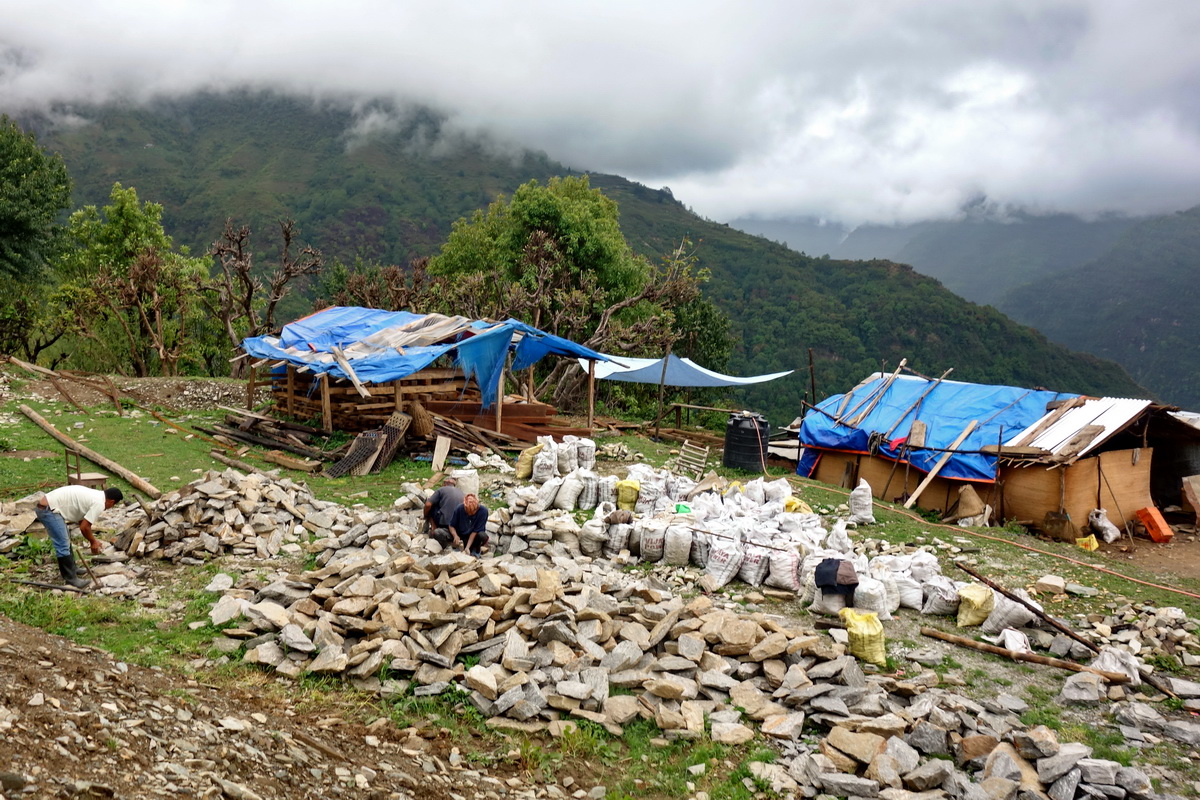
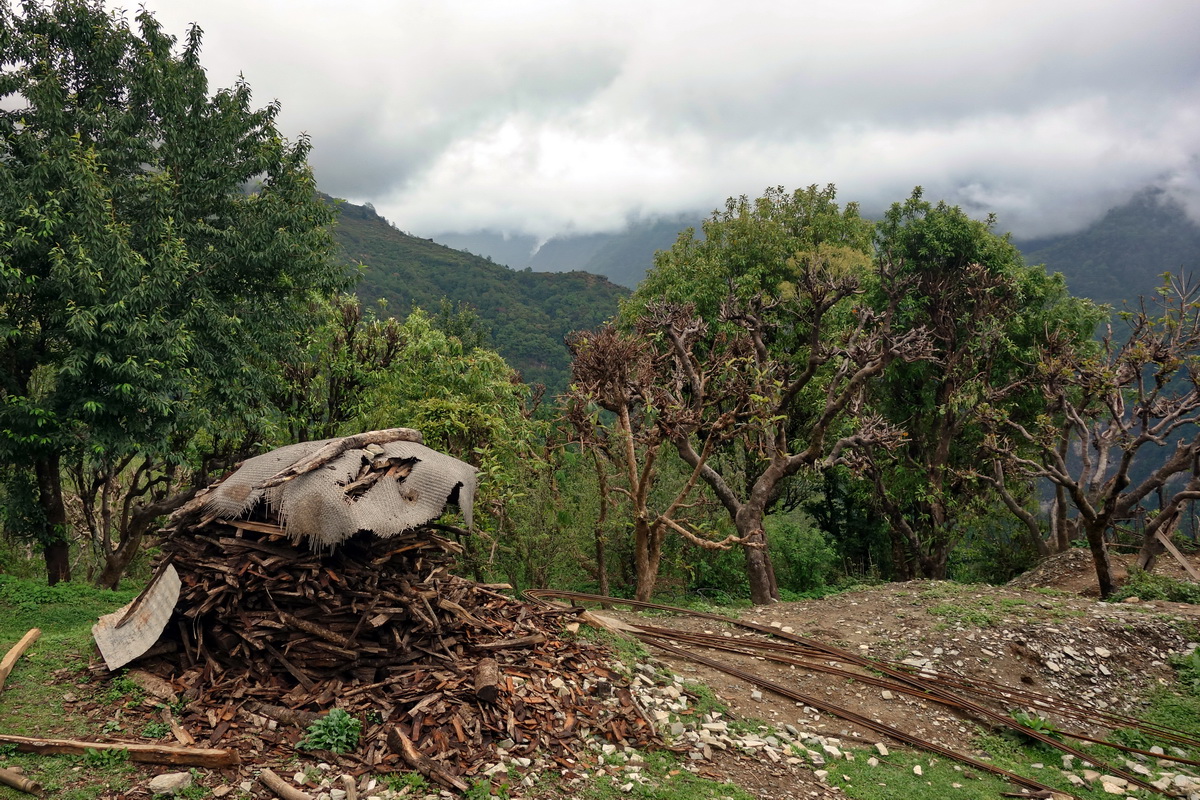
Unusual trees and endless steps :)
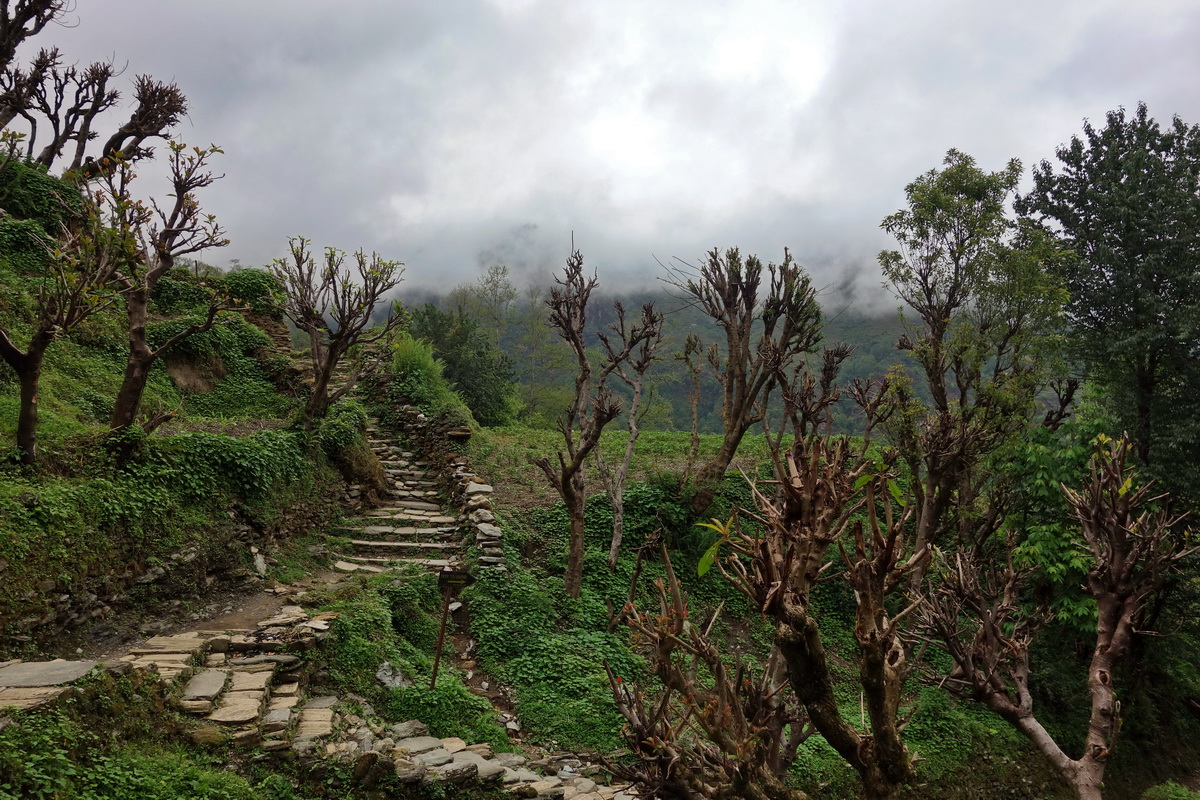
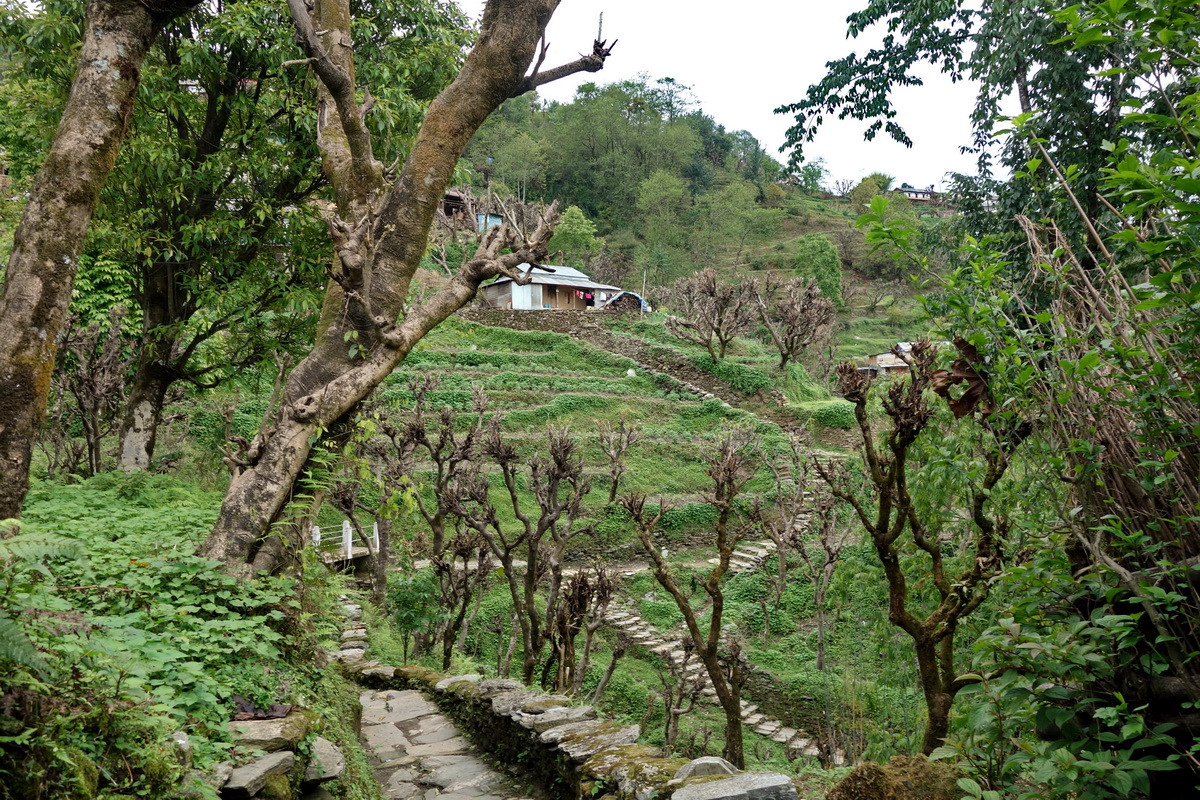
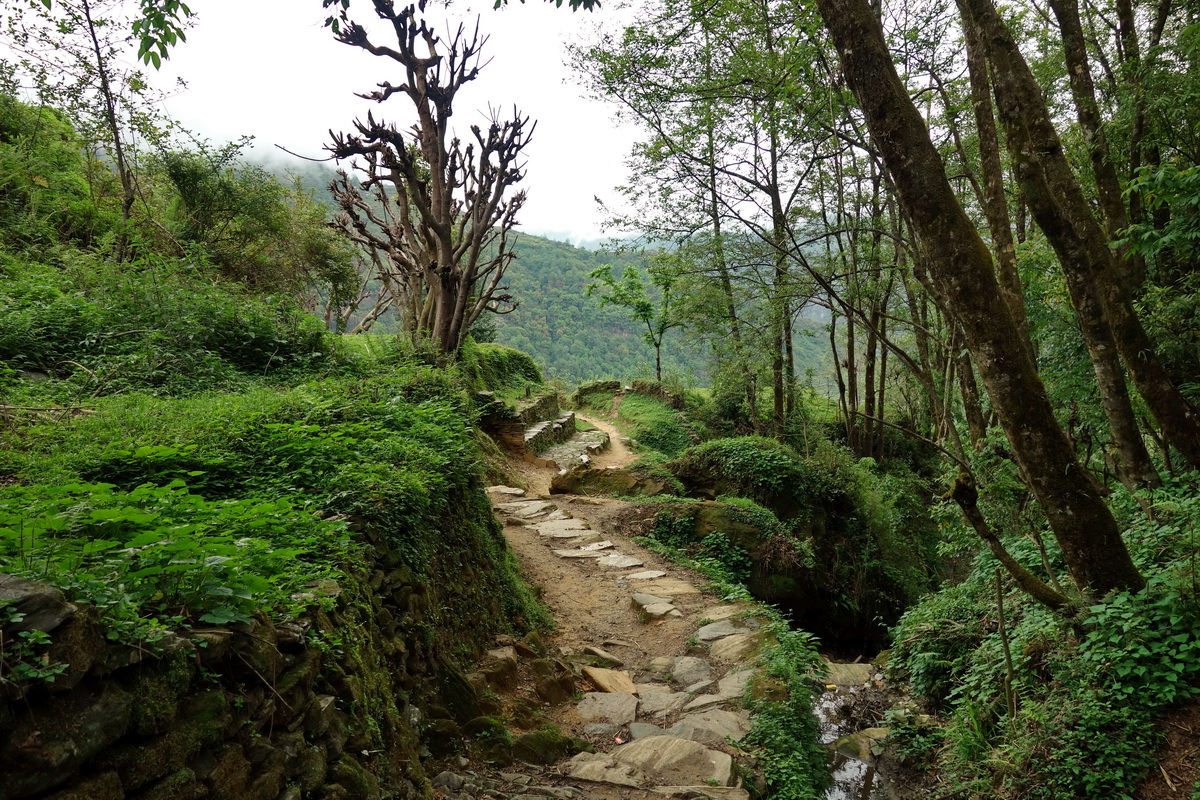
We descend the trail. It’s a bit daunting that Jhinu Danda is still high up on the mountain, meaning a climb awaits us.
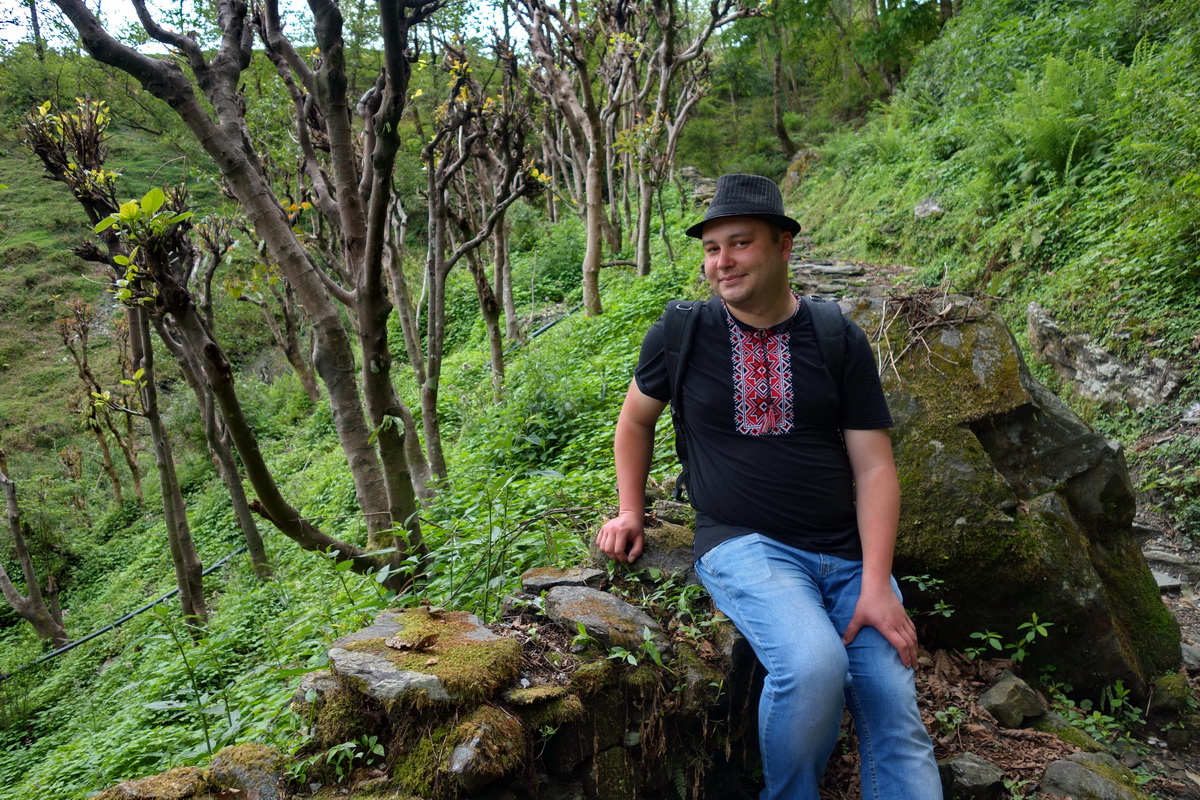
Along the way, we meet locals and kids. By the way, kids often ask tourists for candies. Many locals ask where we’re headed and point out the way. There are no language issues; many can indicate the path in English, but the language of gestures works too.
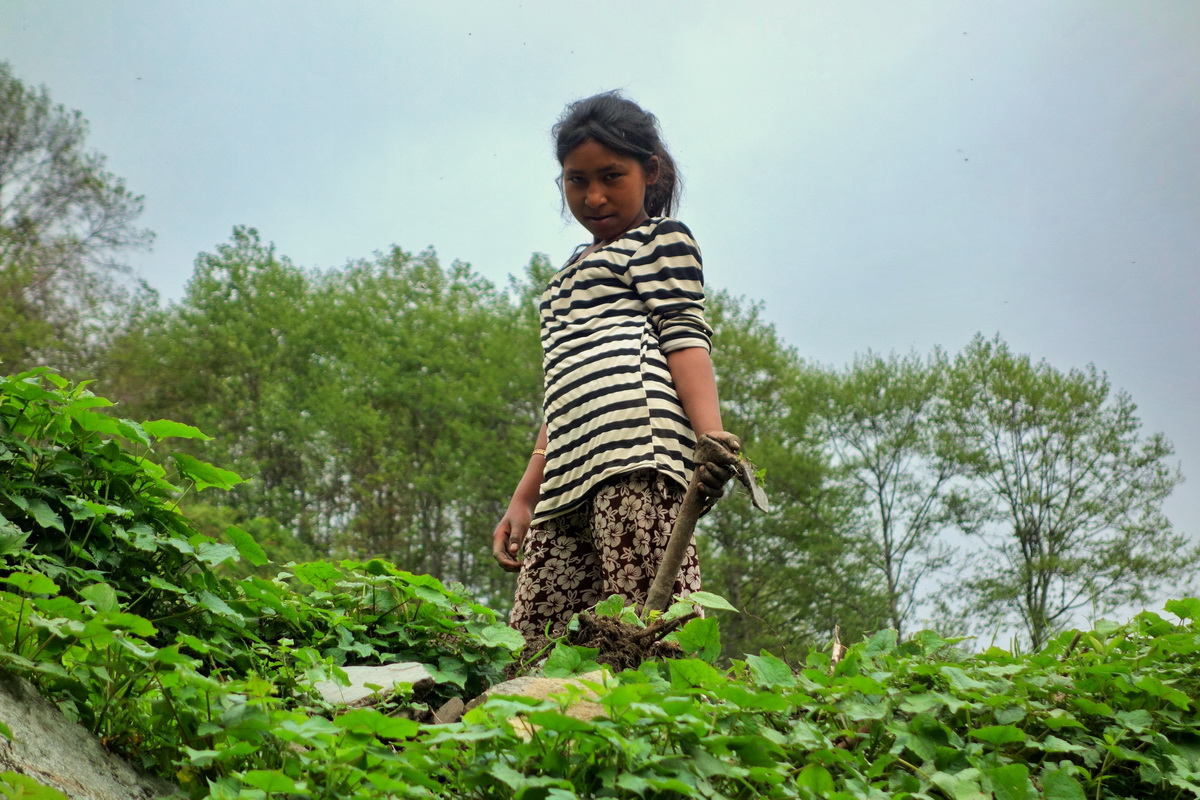
We follow a path of incredible beauty. Stunning landscape and energy.
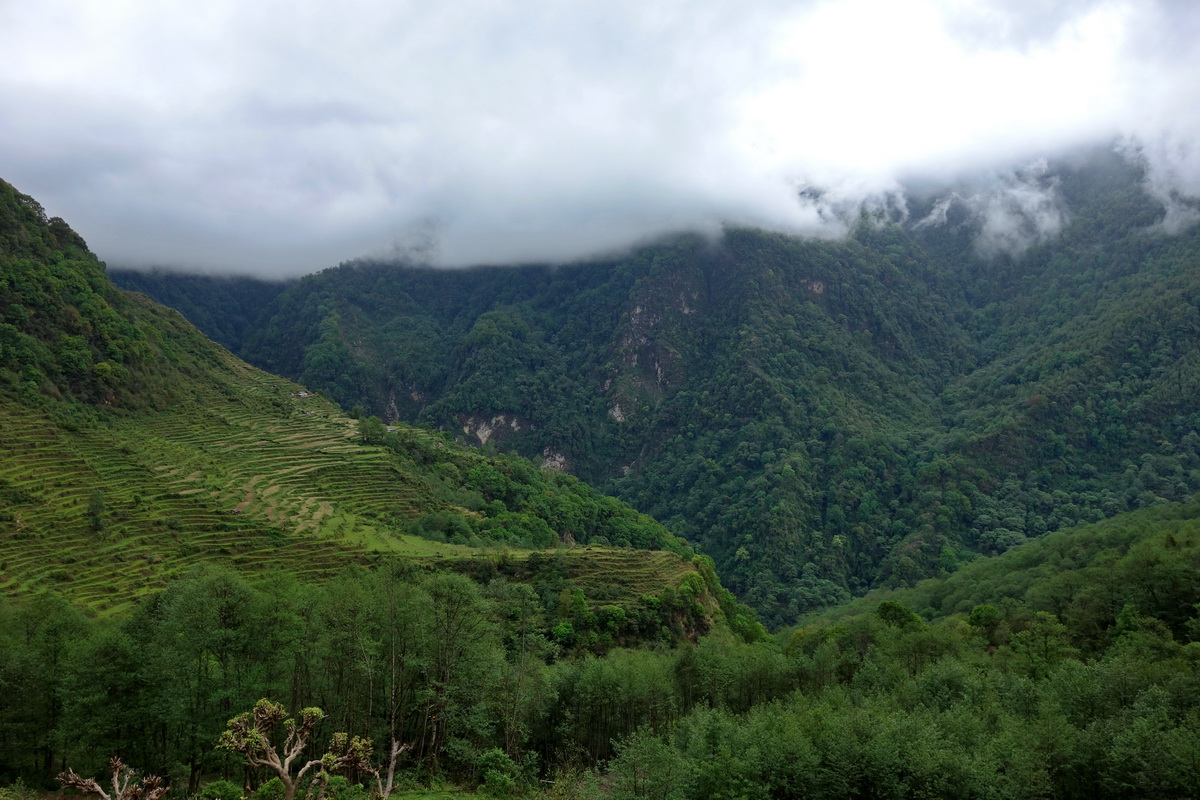
We cross a bridge over a small canyon.
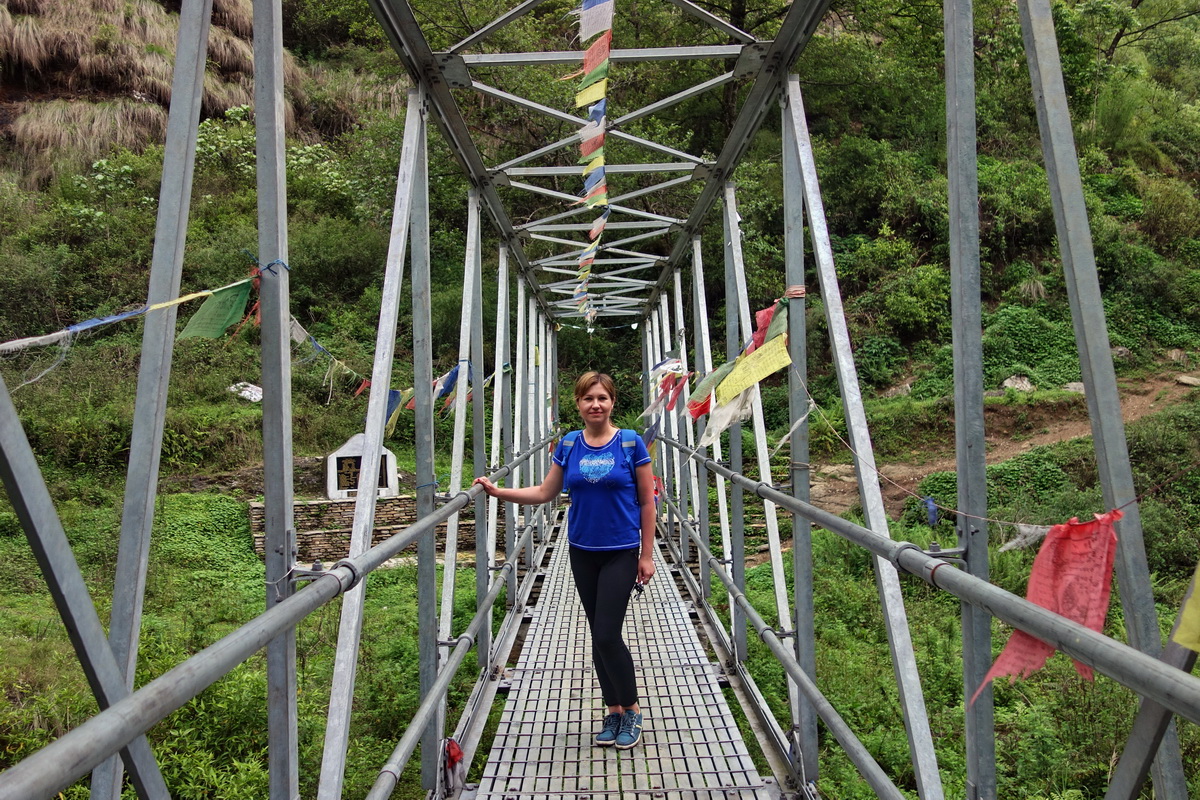
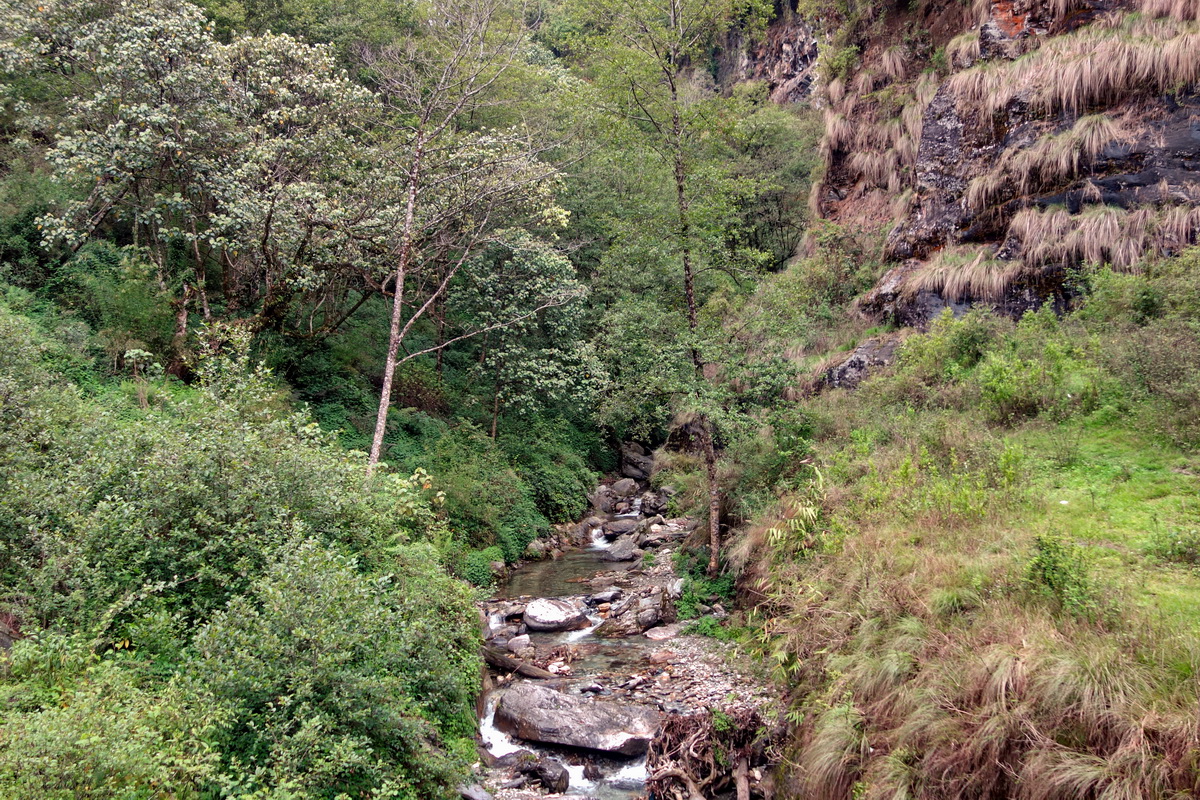
It starts raining again. Raincoats came in very handy.
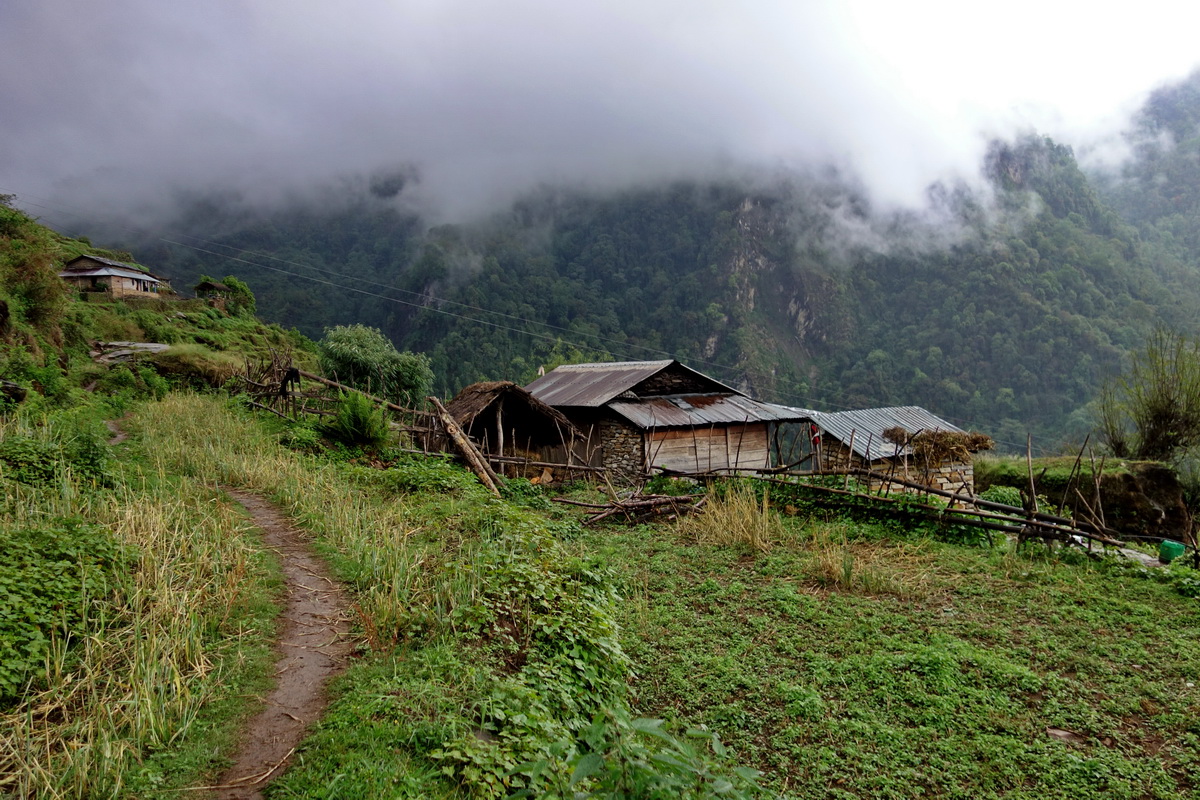
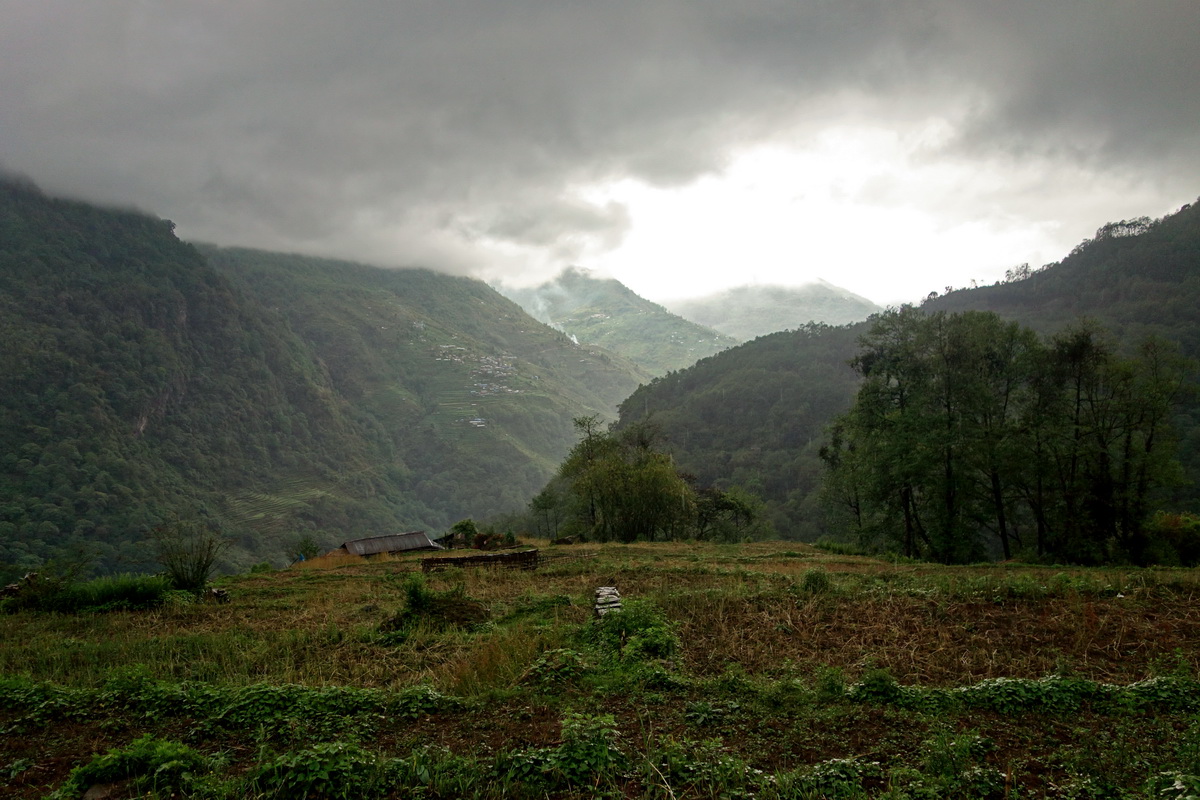
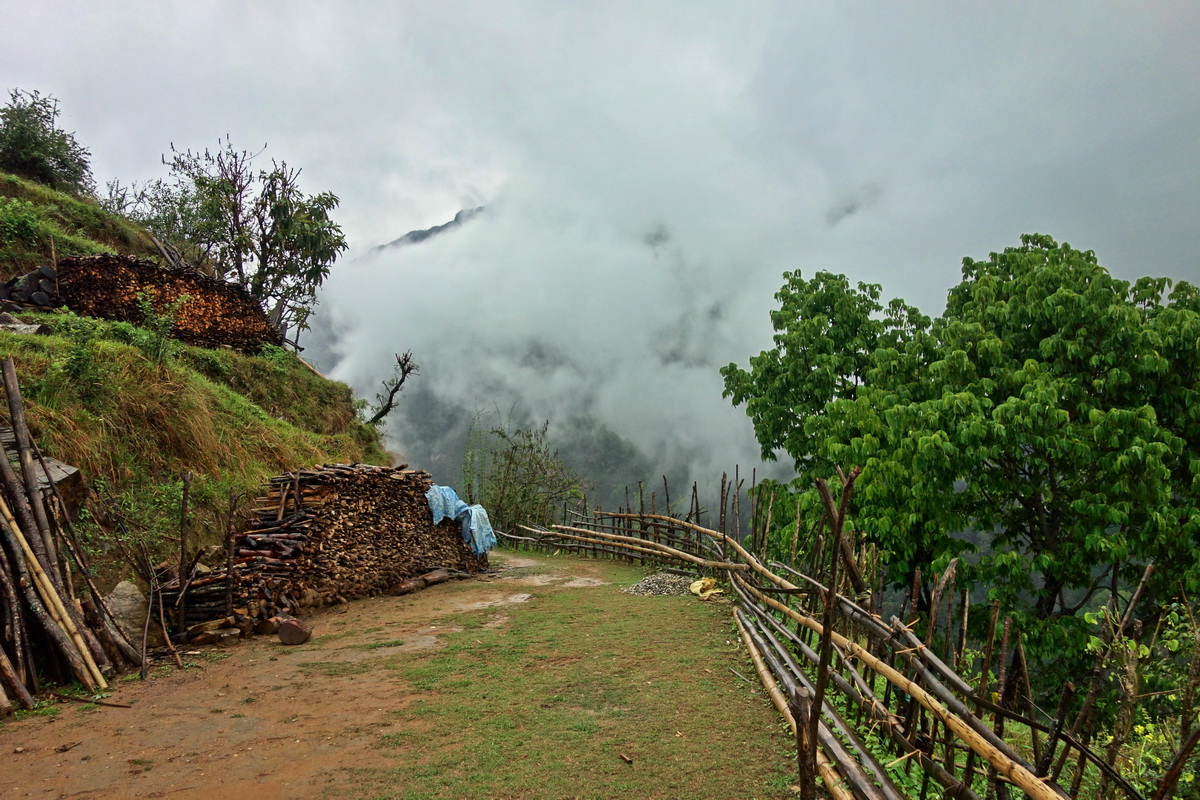
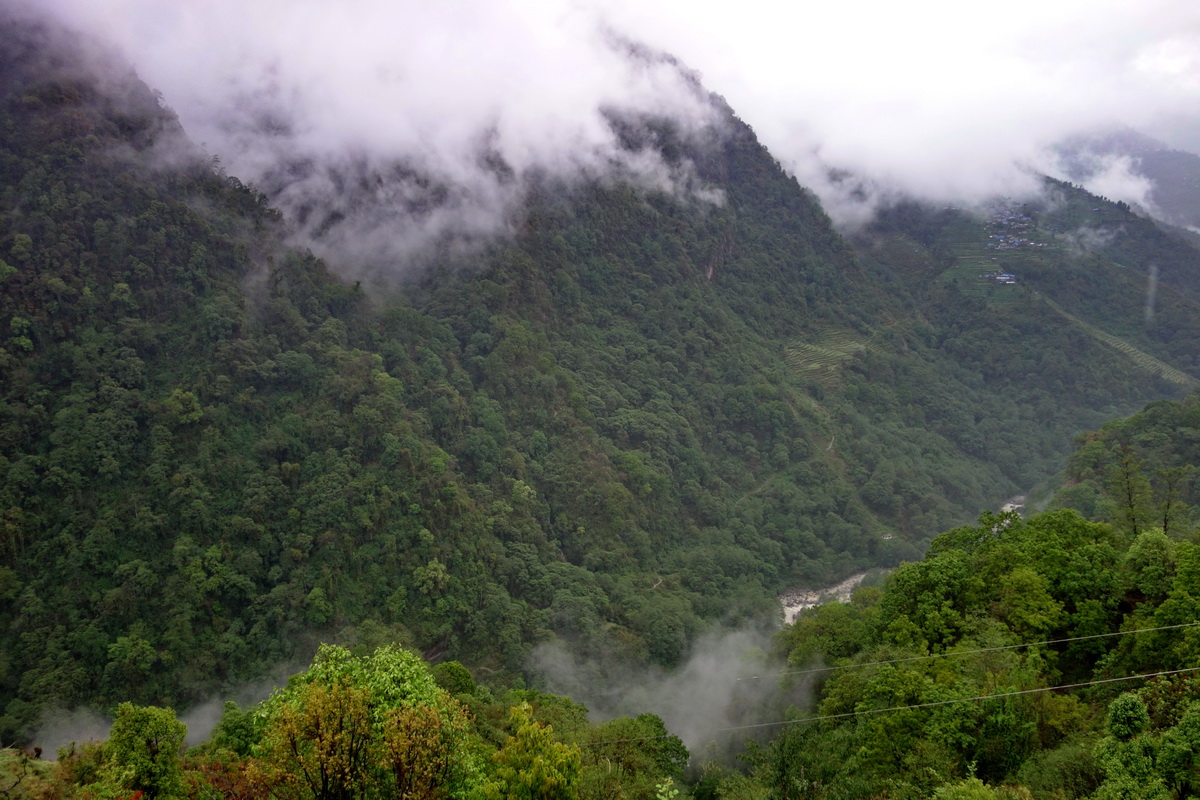
We reached a small hut-restaurant. We take a 40-minute stop for hot tea.
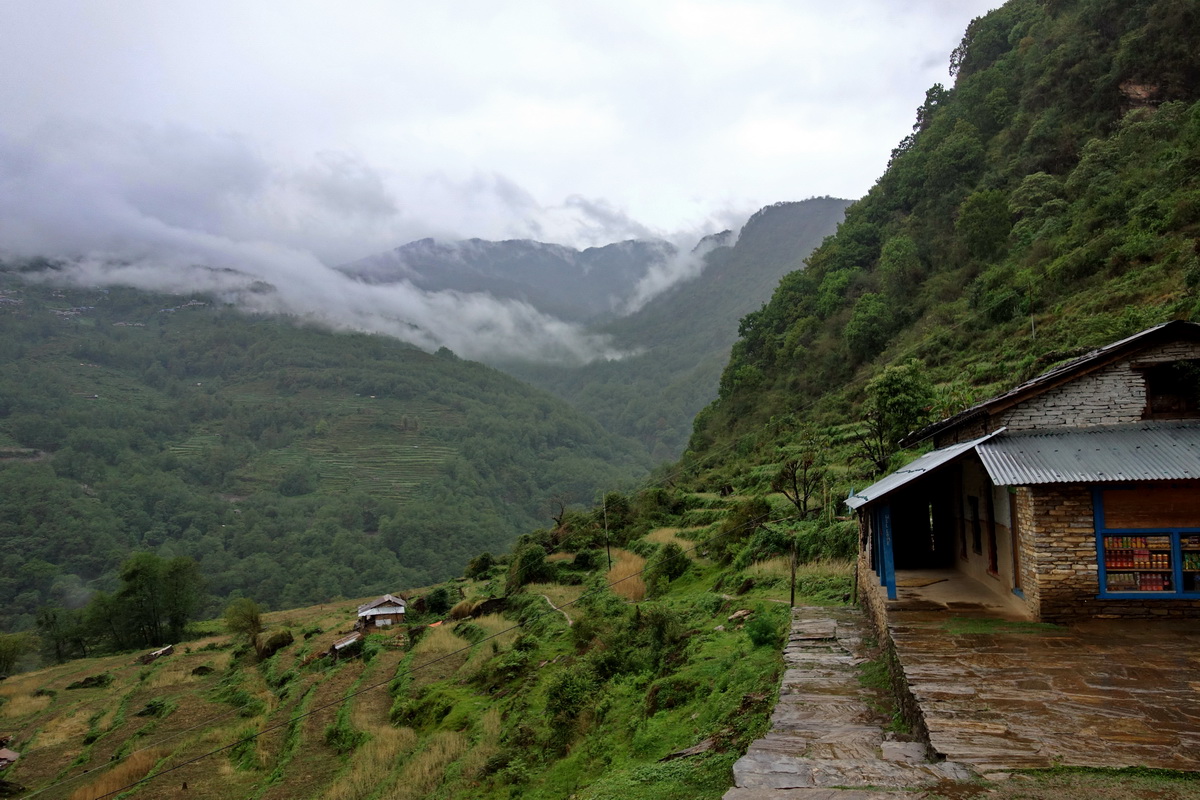
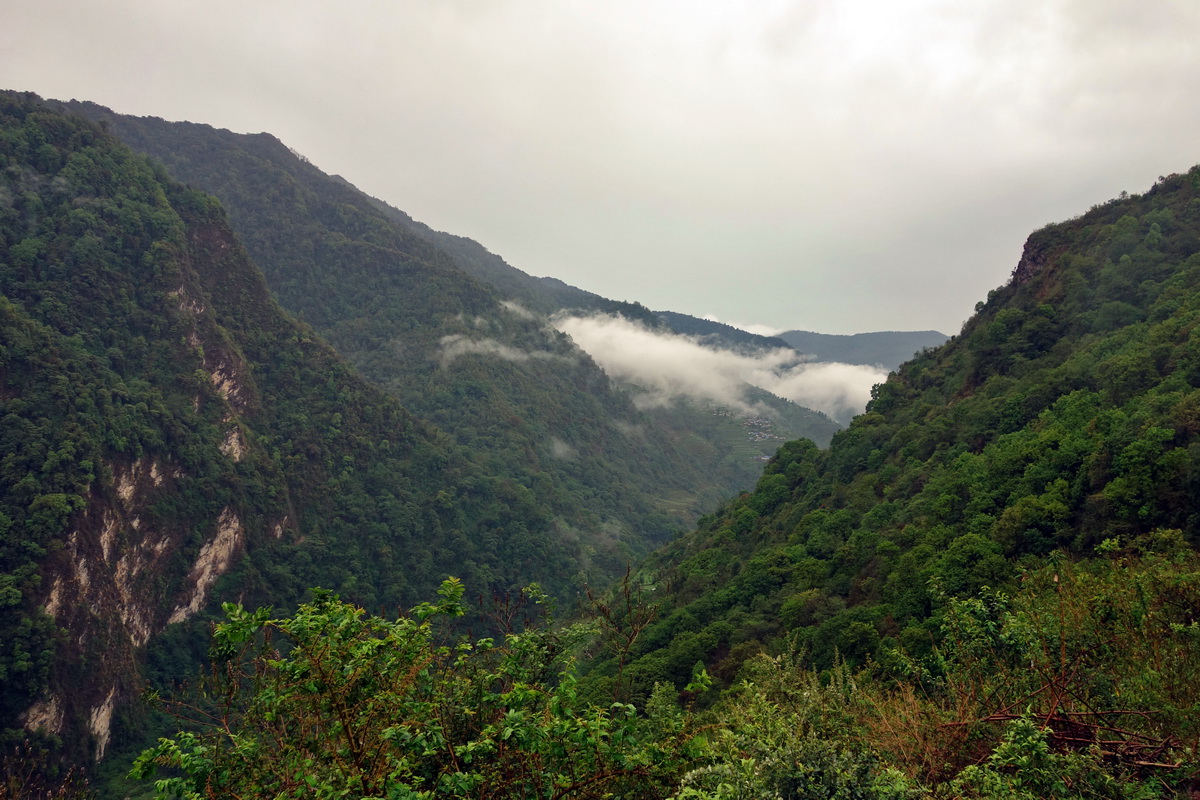
We continue in raincoats along a dirt path. A magnificent panorama opens up—a snow-covered mountain peak.
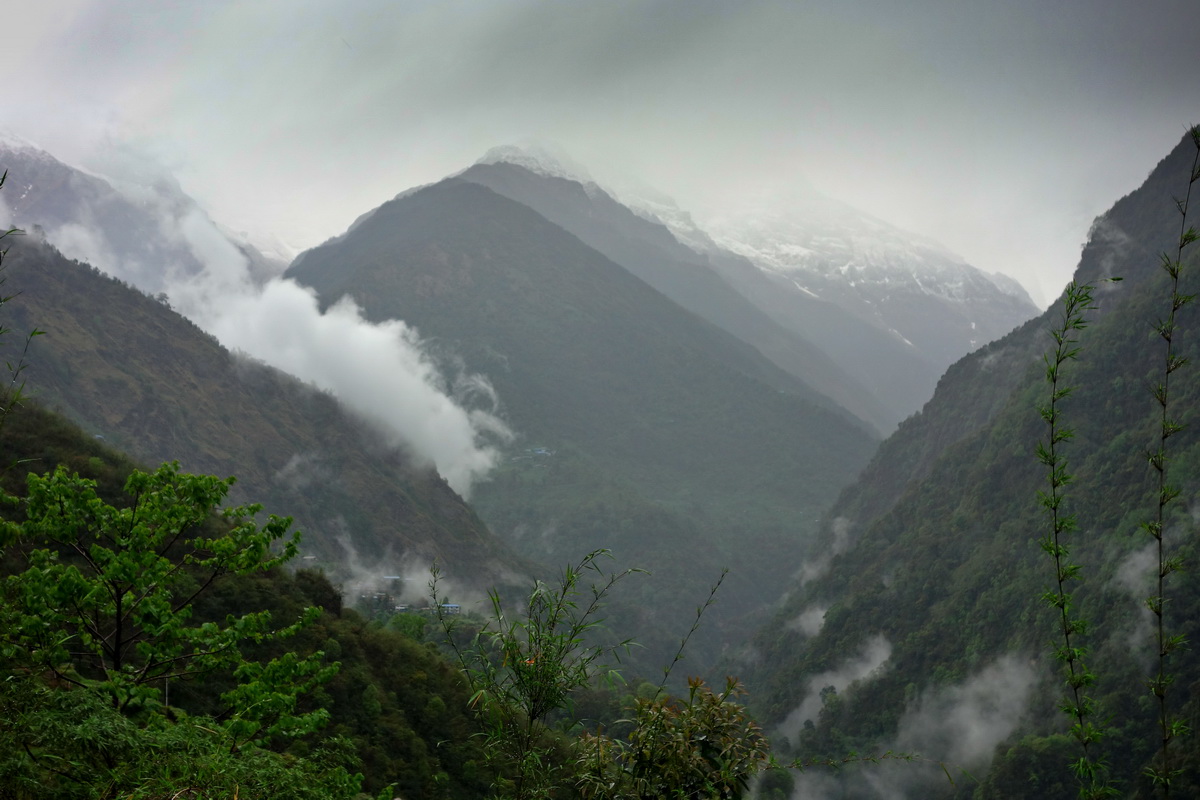
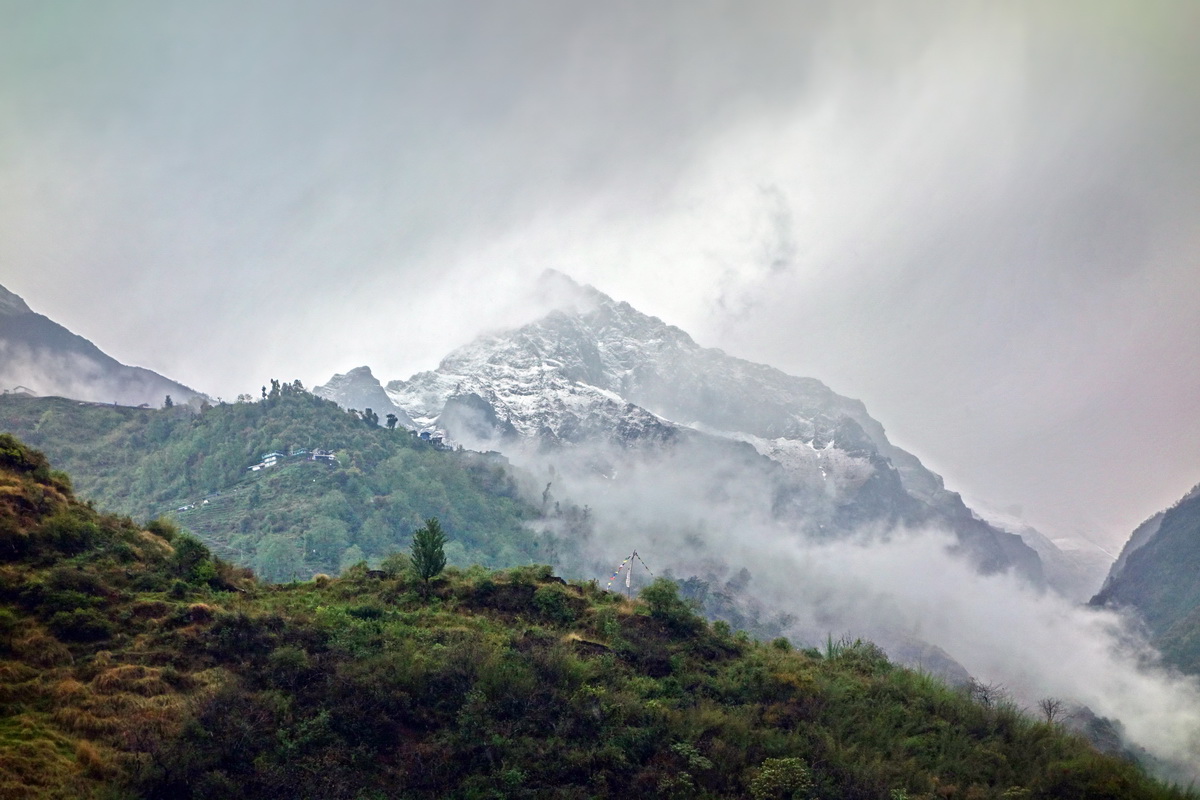
It’s not hard to walk yet. But we encountered an unexpected challenge with leeches, which become particularly active after rain. They are so agile and sneaky, crawling into shoes and backpacks, that if you stop for a moment on a mountain trail or put down your backpack, they manage to get inside your shoes and bag. Sneaky creatures :)
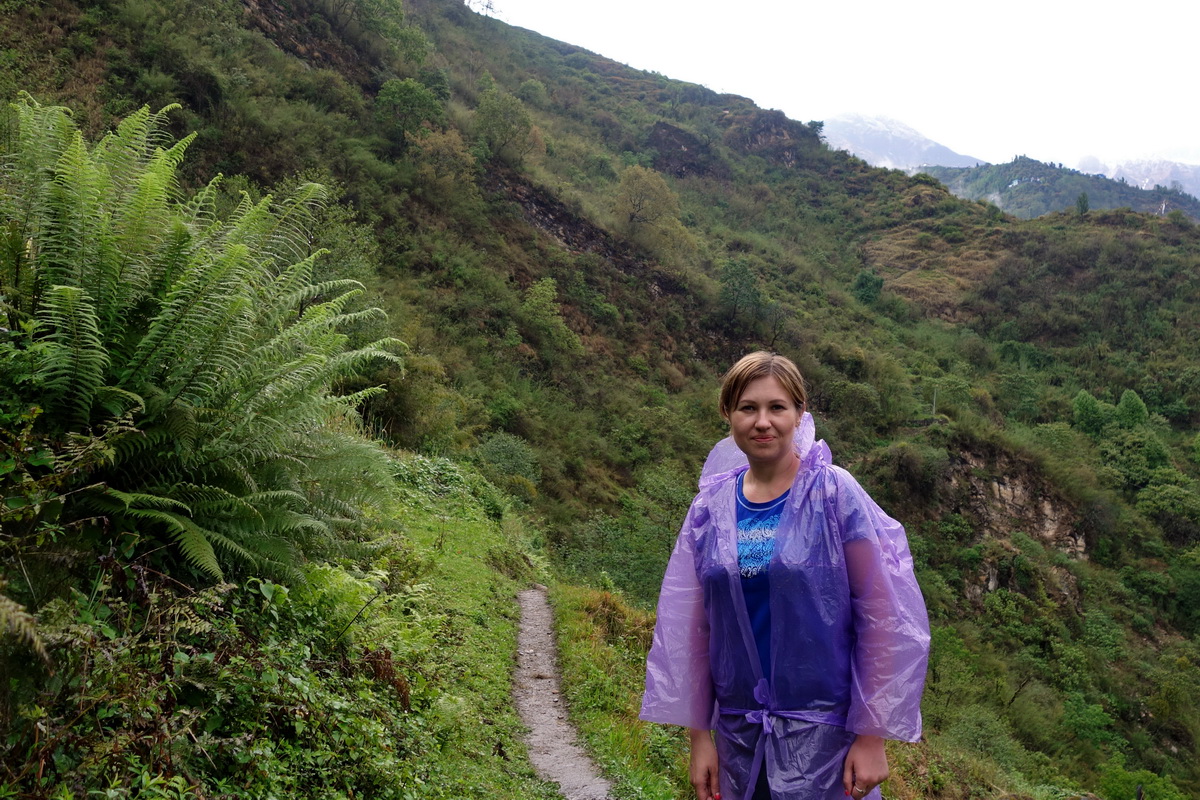
Clouds here move at tremendous speed.
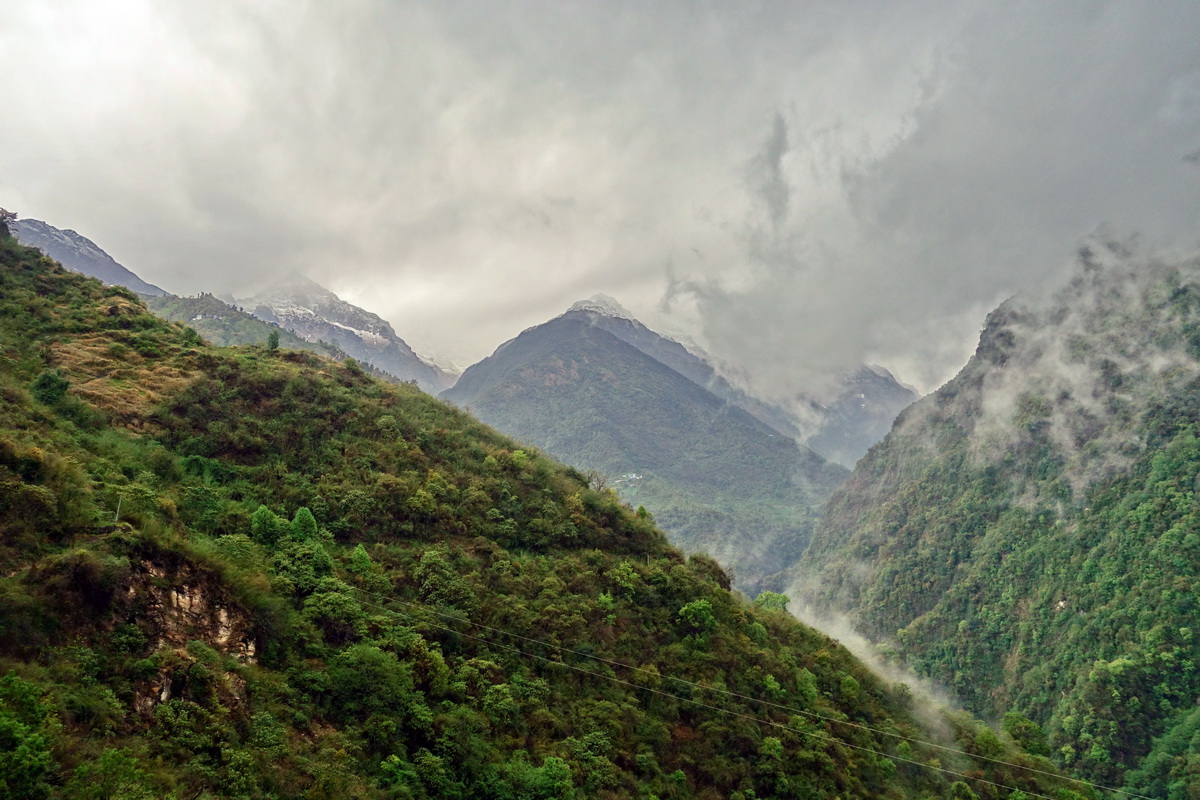
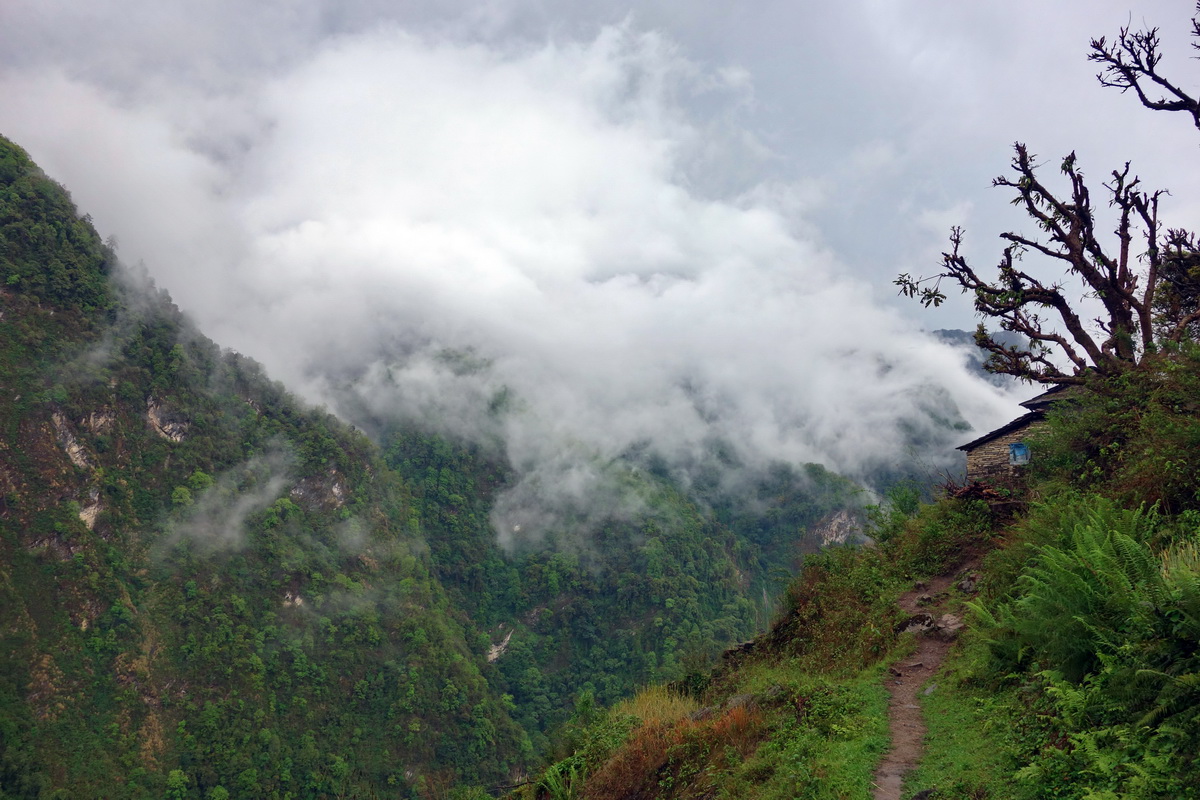
Just a moment ago, the clouds were high, and now we’re practically walking through them.
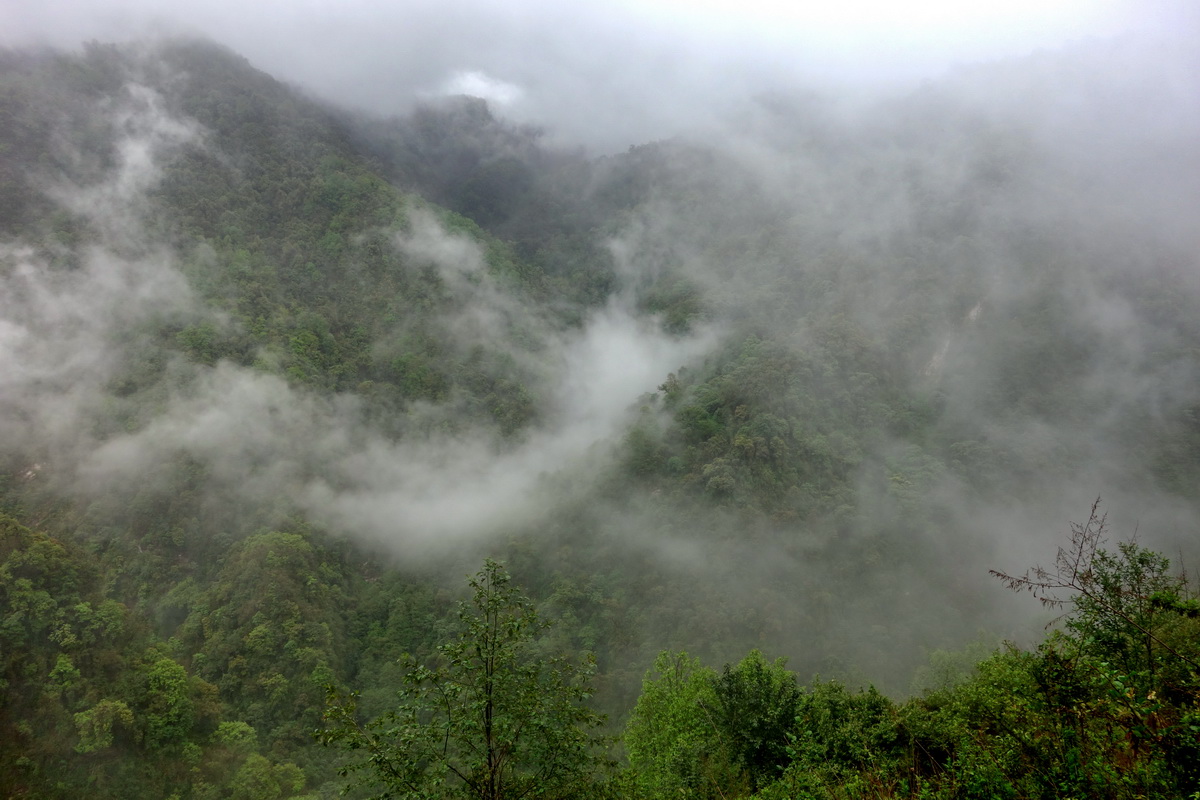
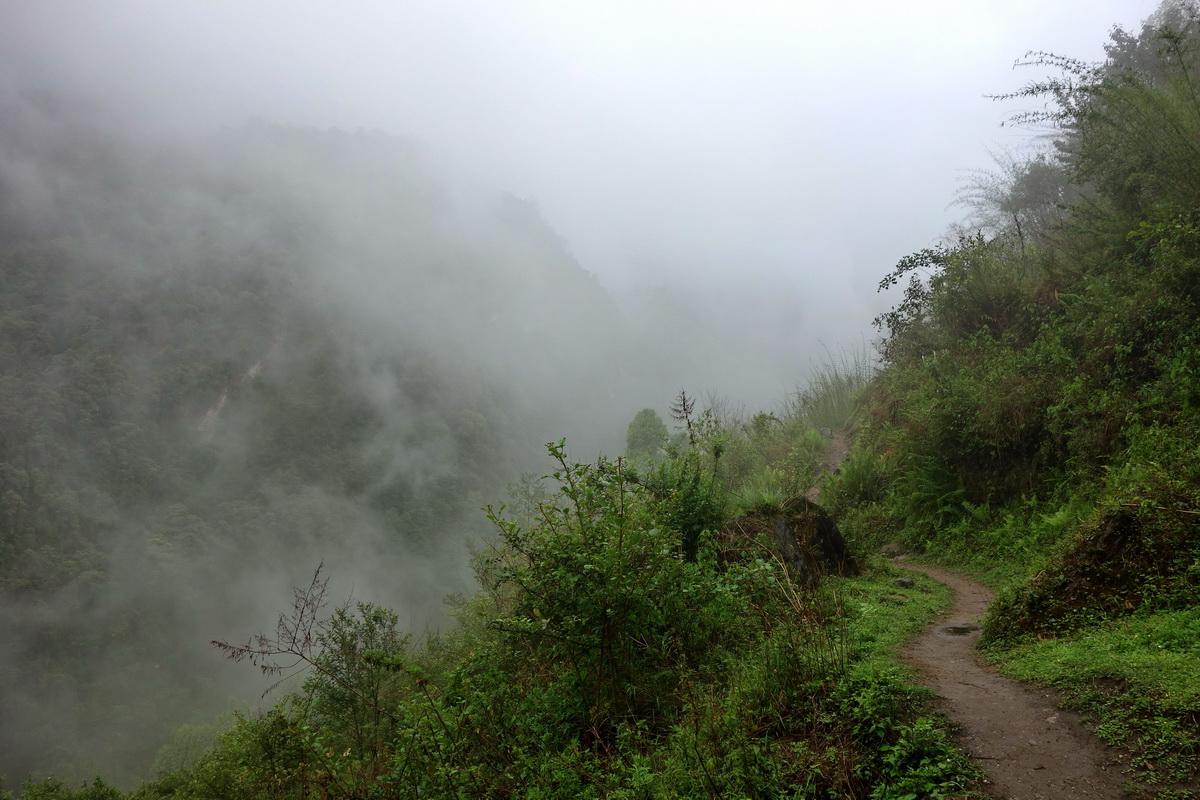
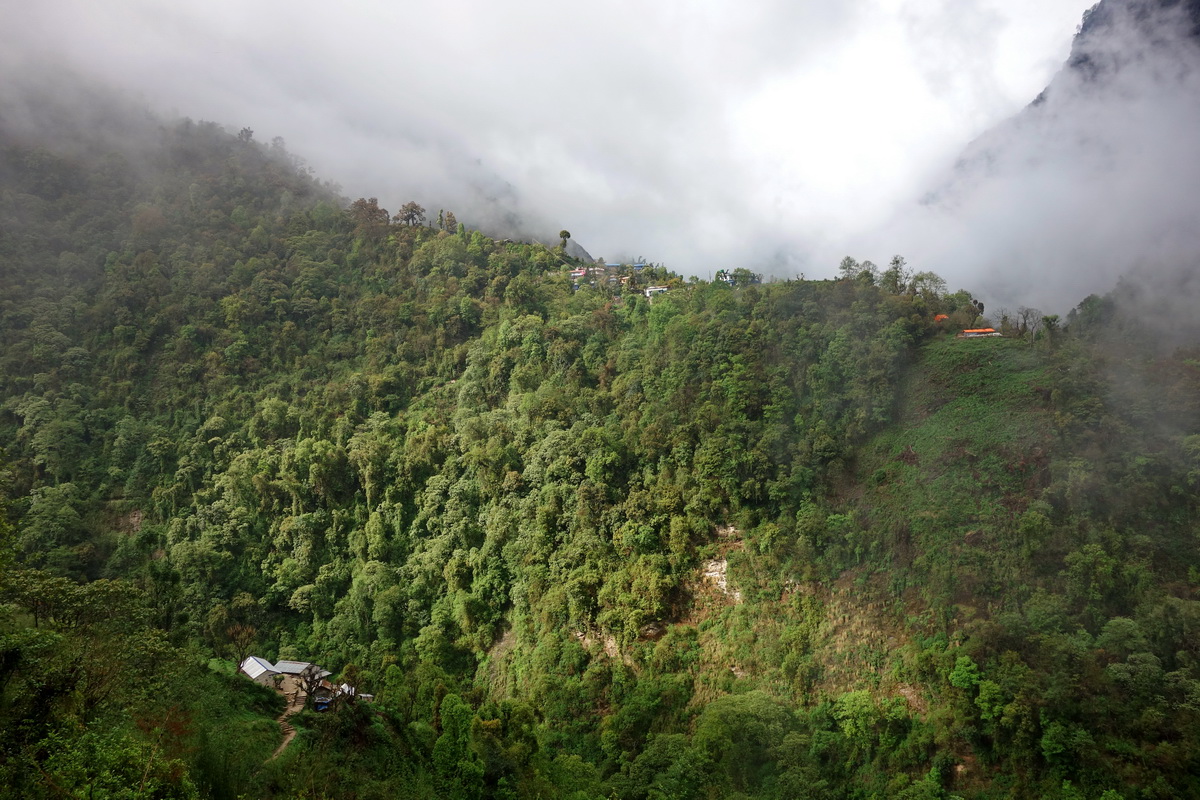
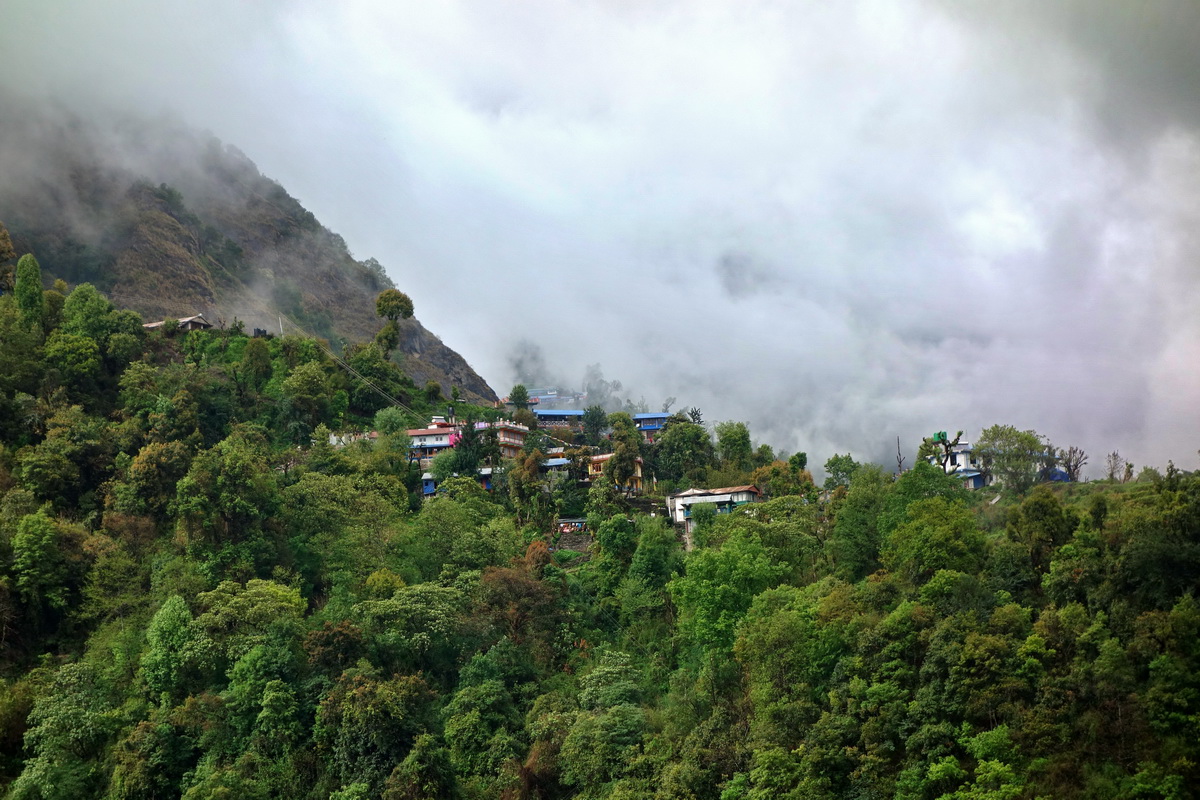
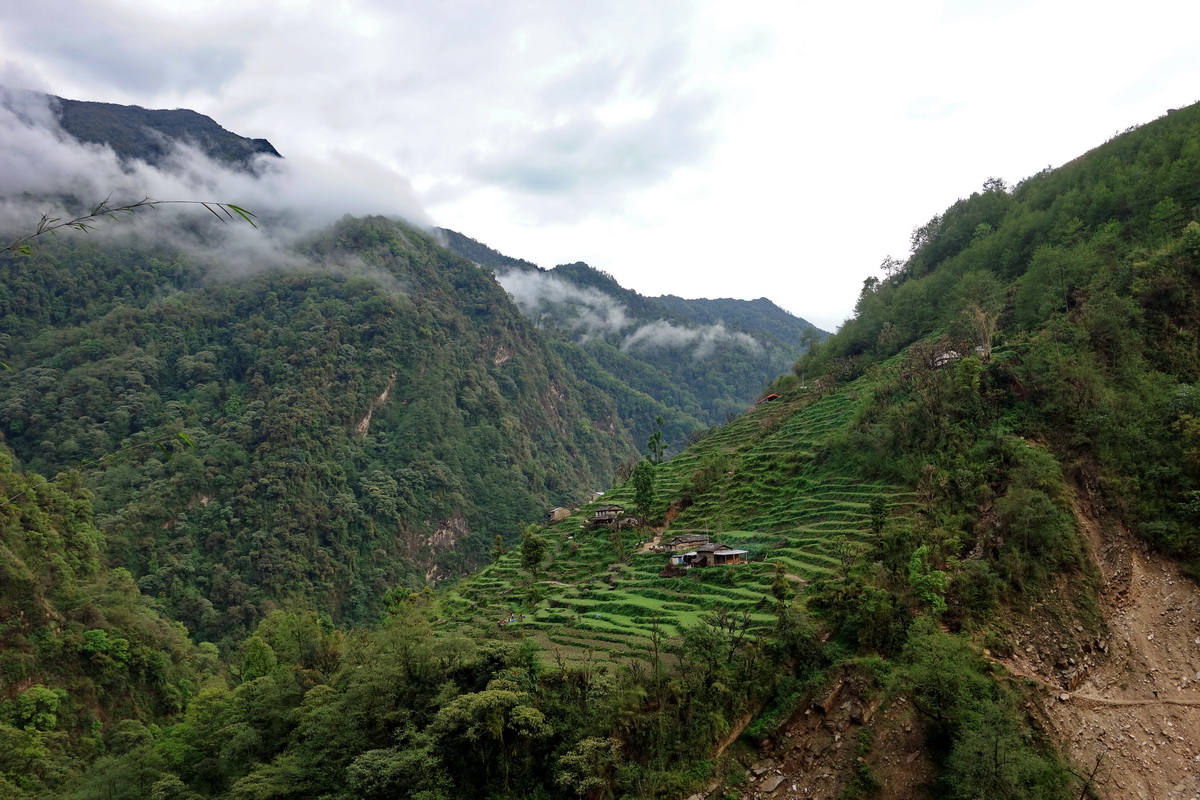
In the distance, on the mountain opposite us, you can already see the roofs of Jhinu Danda, where we’re headed.
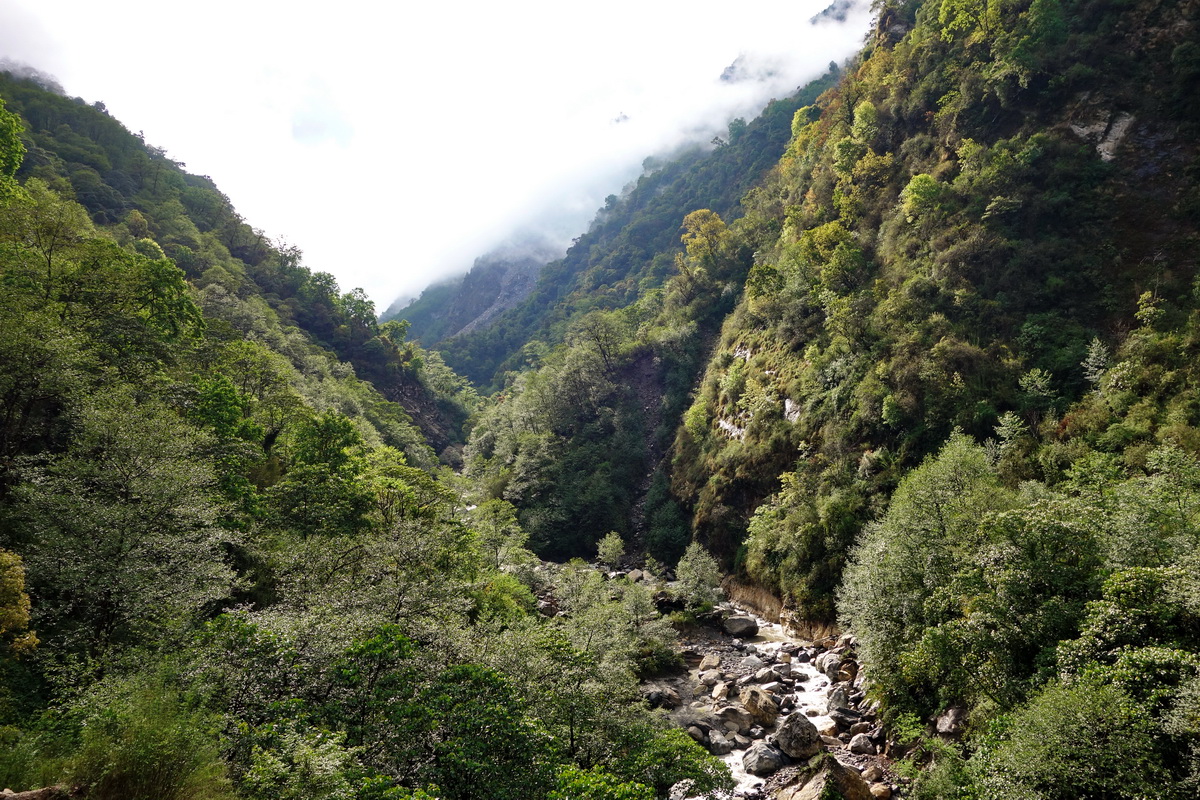
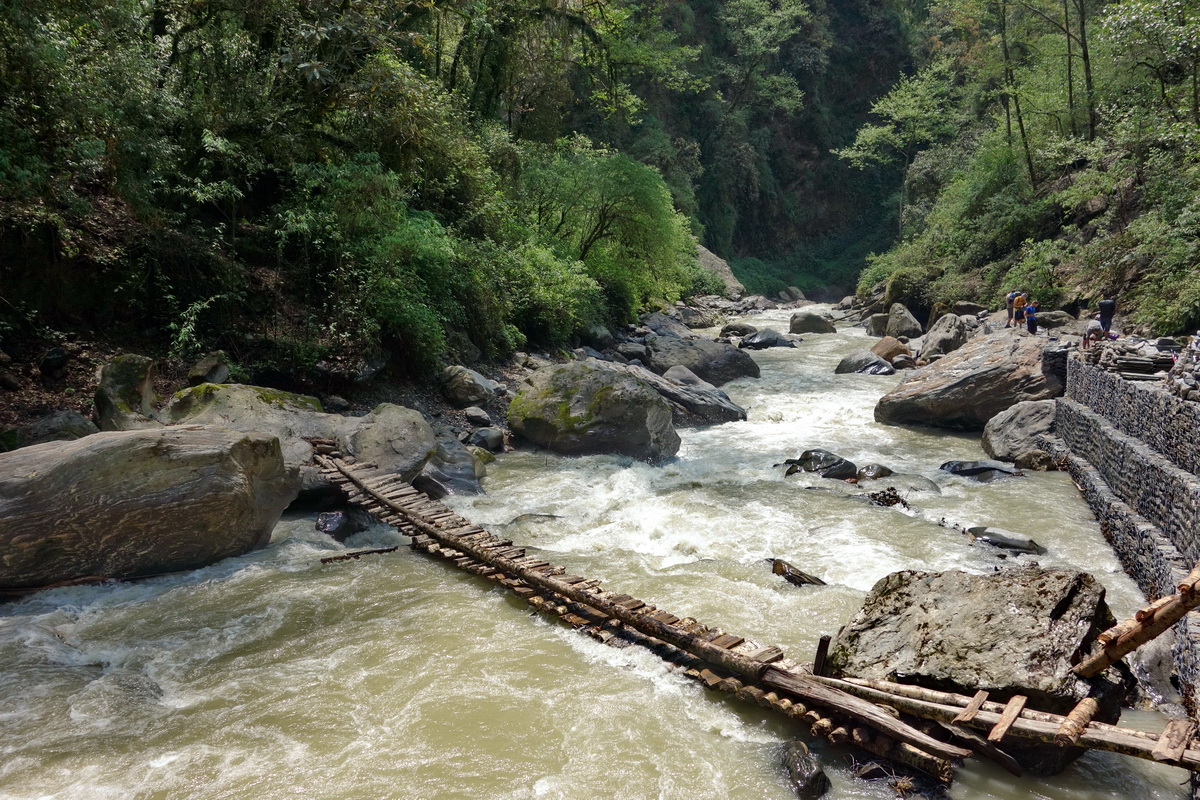
Meanwhile, we descend into a canyon with a fast-flowing mountain river.
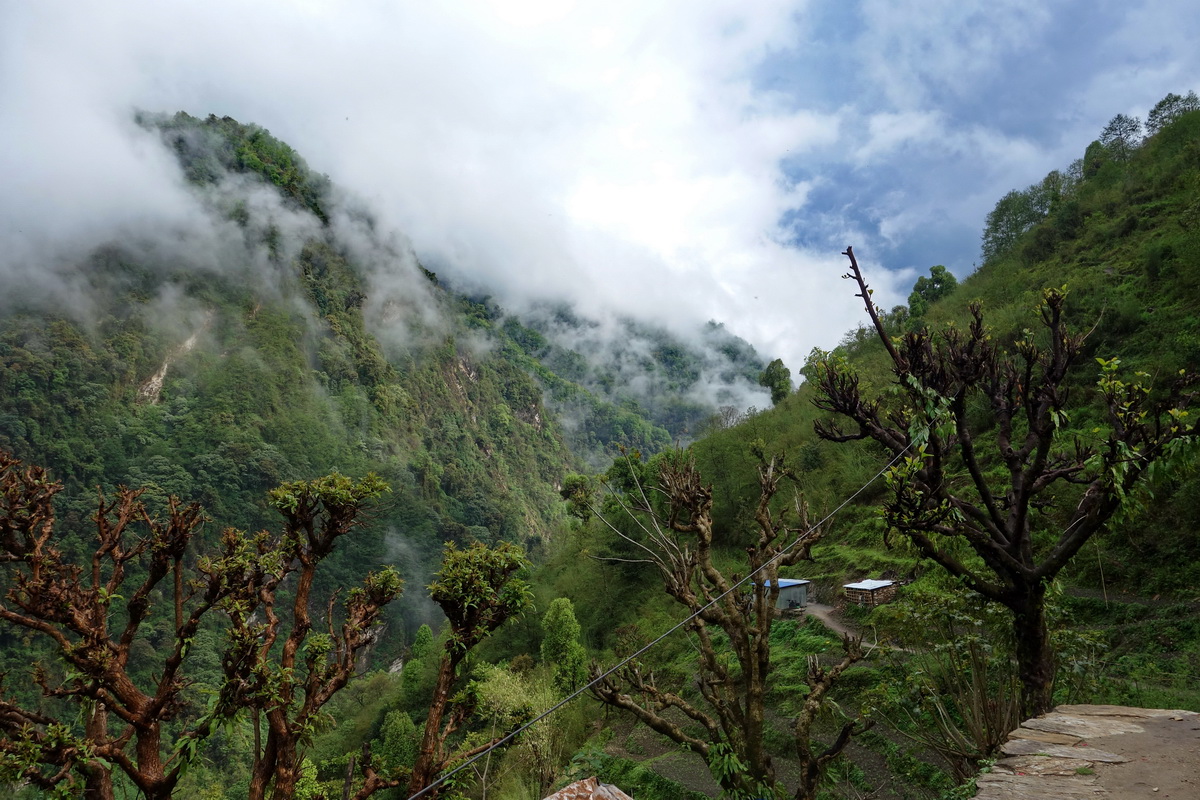
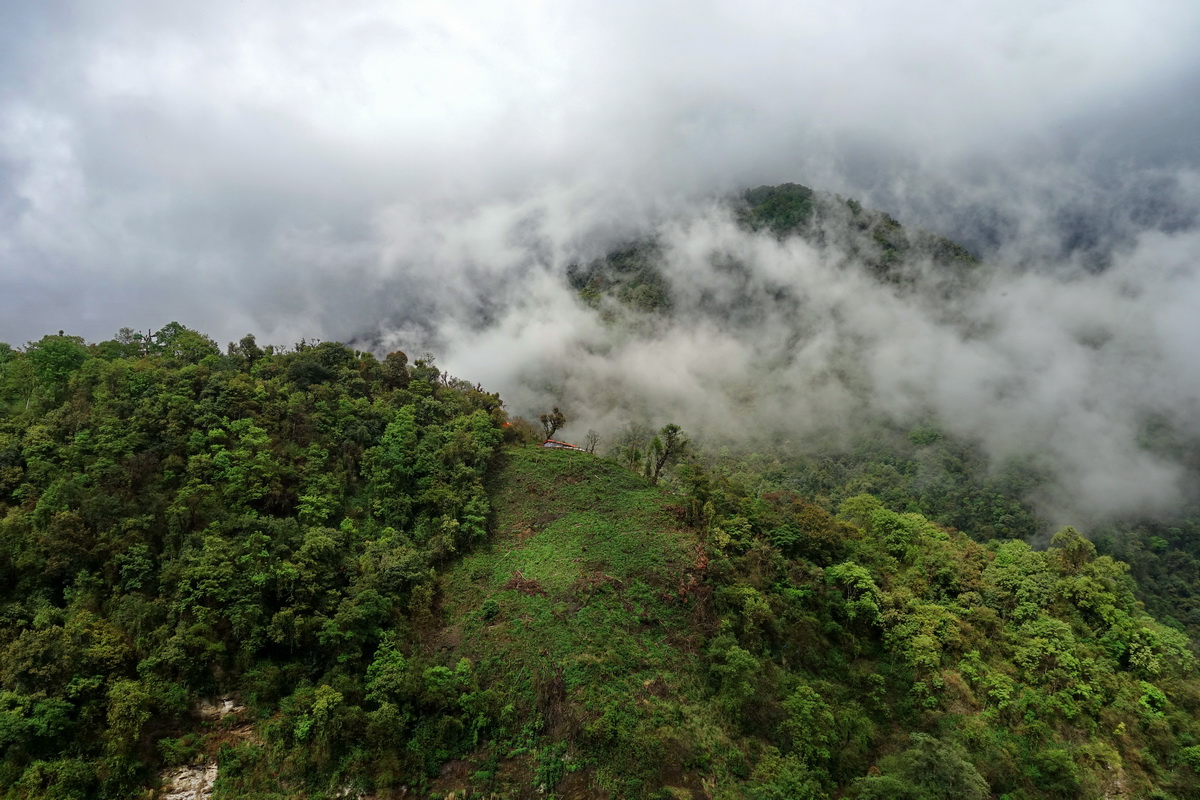
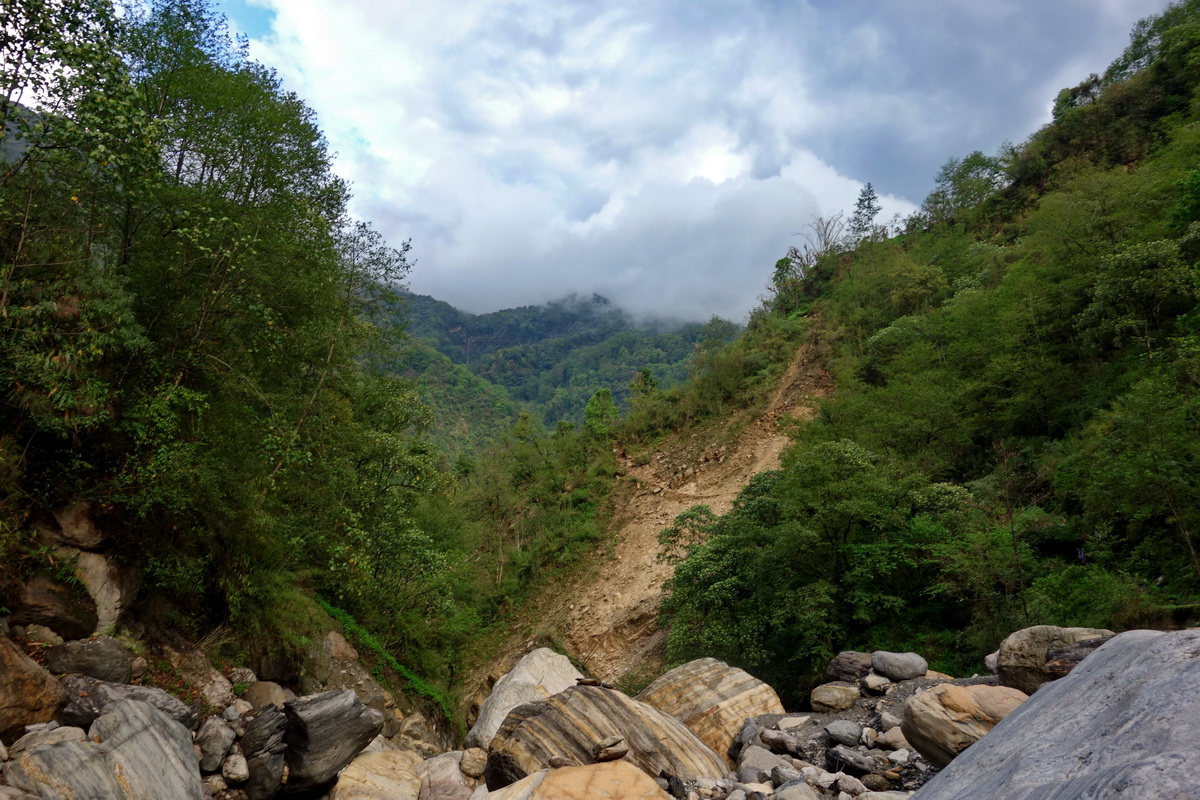
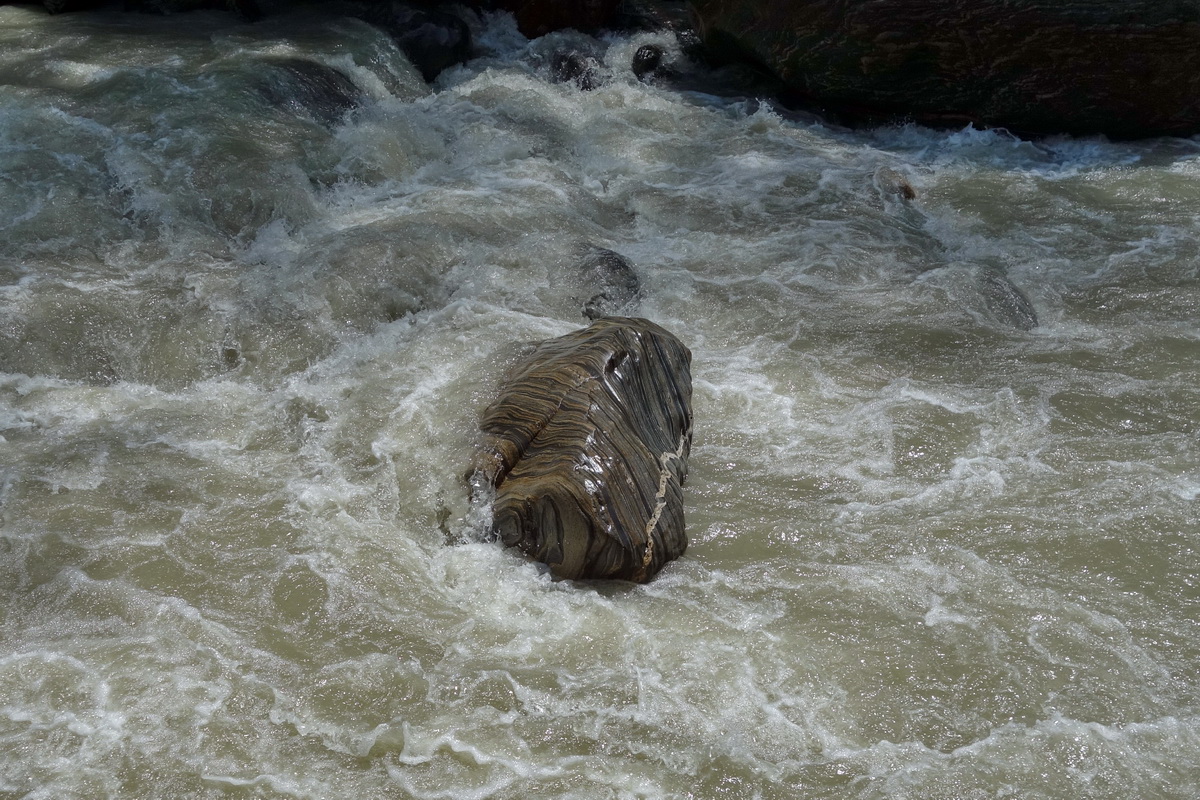
Crossing the river in this canyon is tough, as the water flow is quite strong, and we had to step on large wet rocks, with a high chance of slipping and falling into the water.
We crossed the river, and now it’s time for a steep climb up the steps.
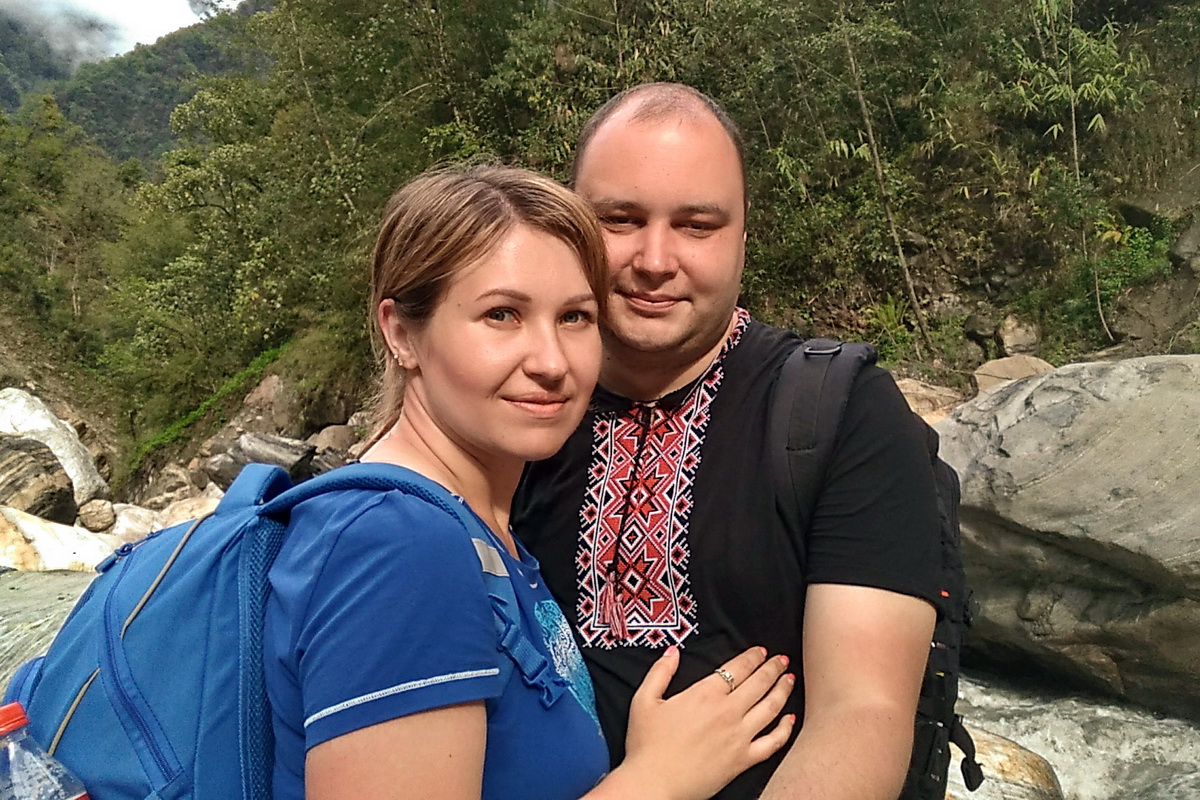
Climbing uphill after such an active day is very tough. Only about 100 meters of steep stone steps remain, but it’s incredibly difficult. Even the porters, who often overtook us on other sections, are now struggling to climb alongside us.
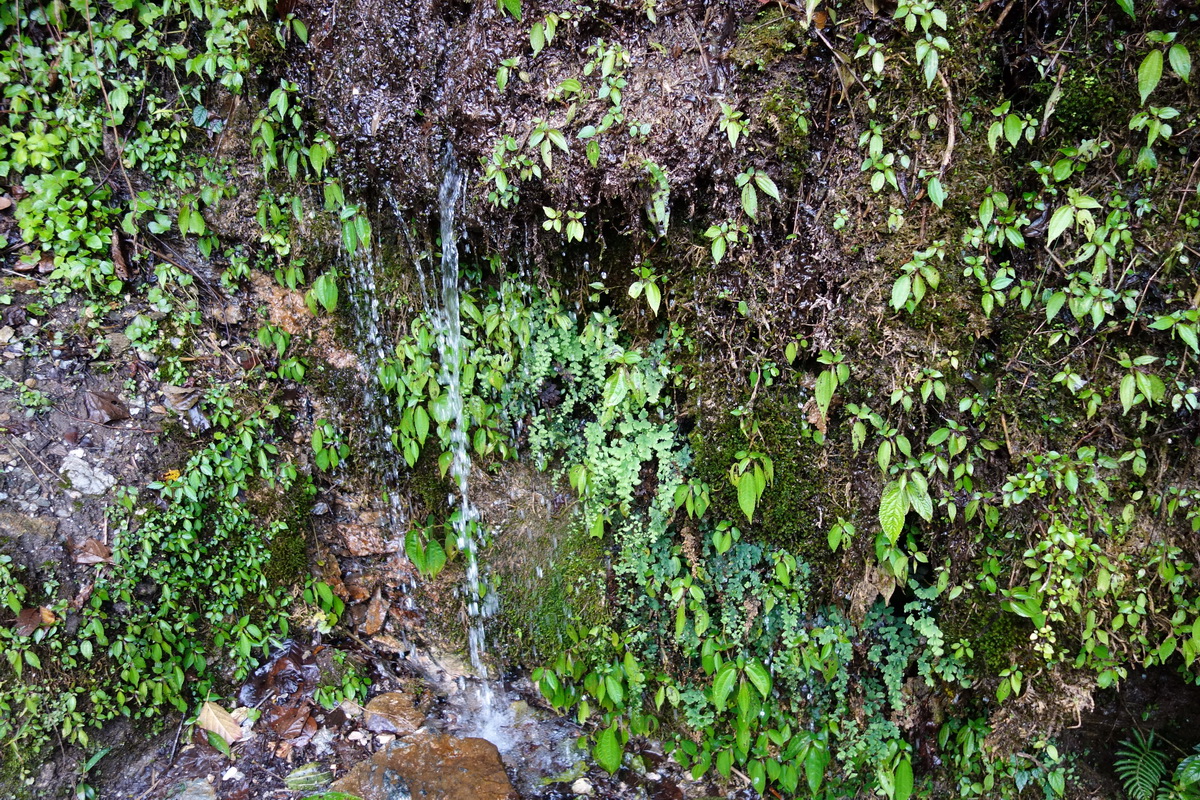
A small spring water source.
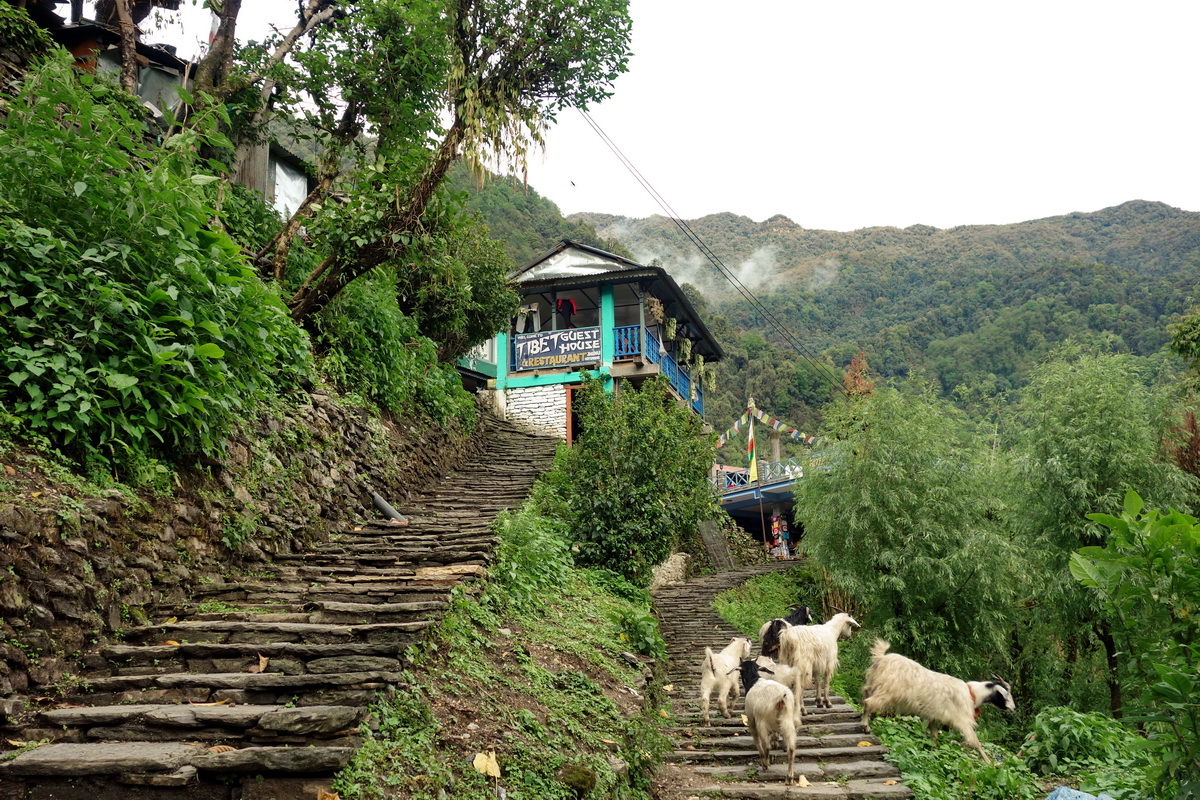
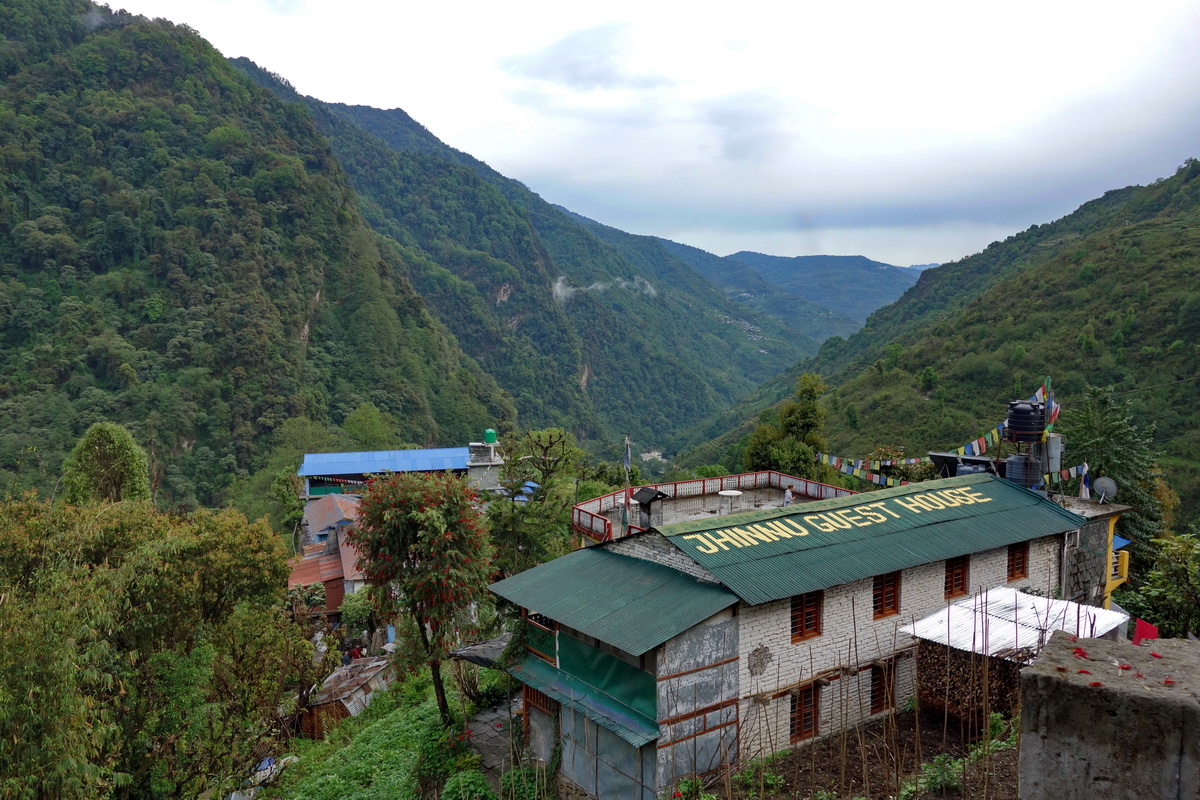
We reached Jhinu Danda around 6 p.m.
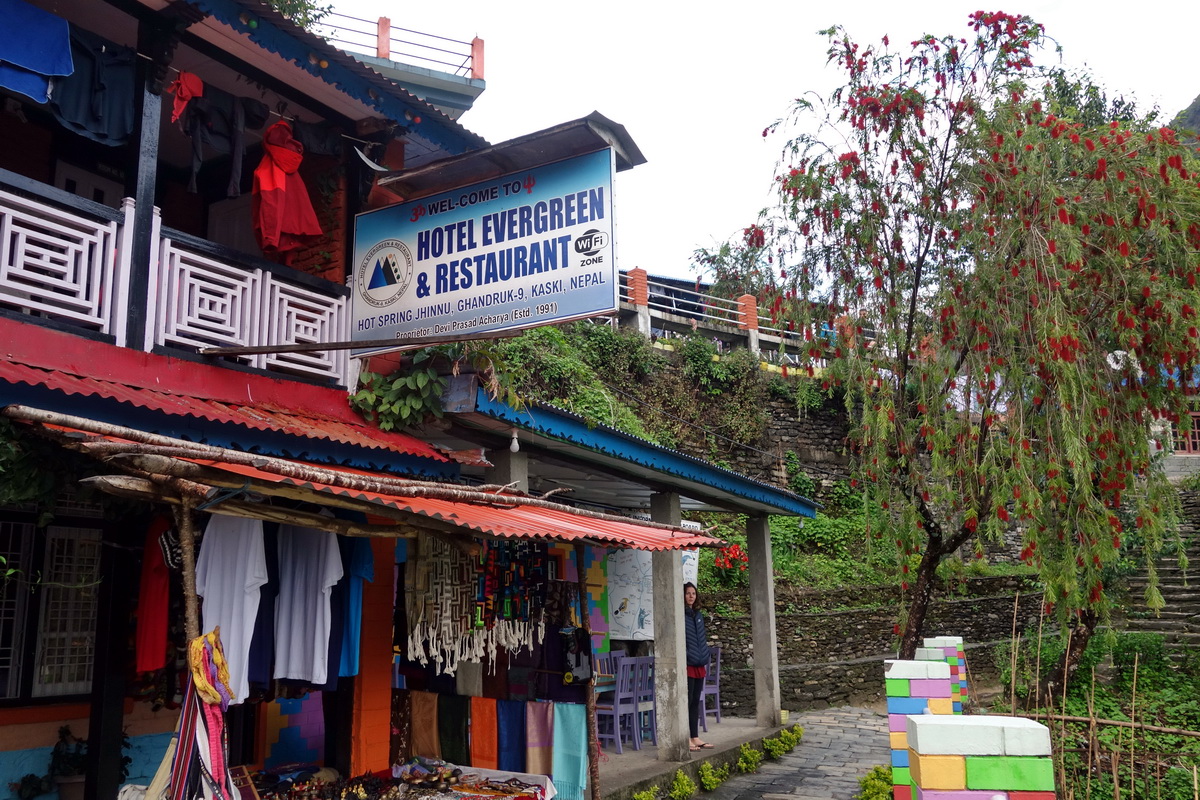
Other trekkers gradually started arriving here for the night.
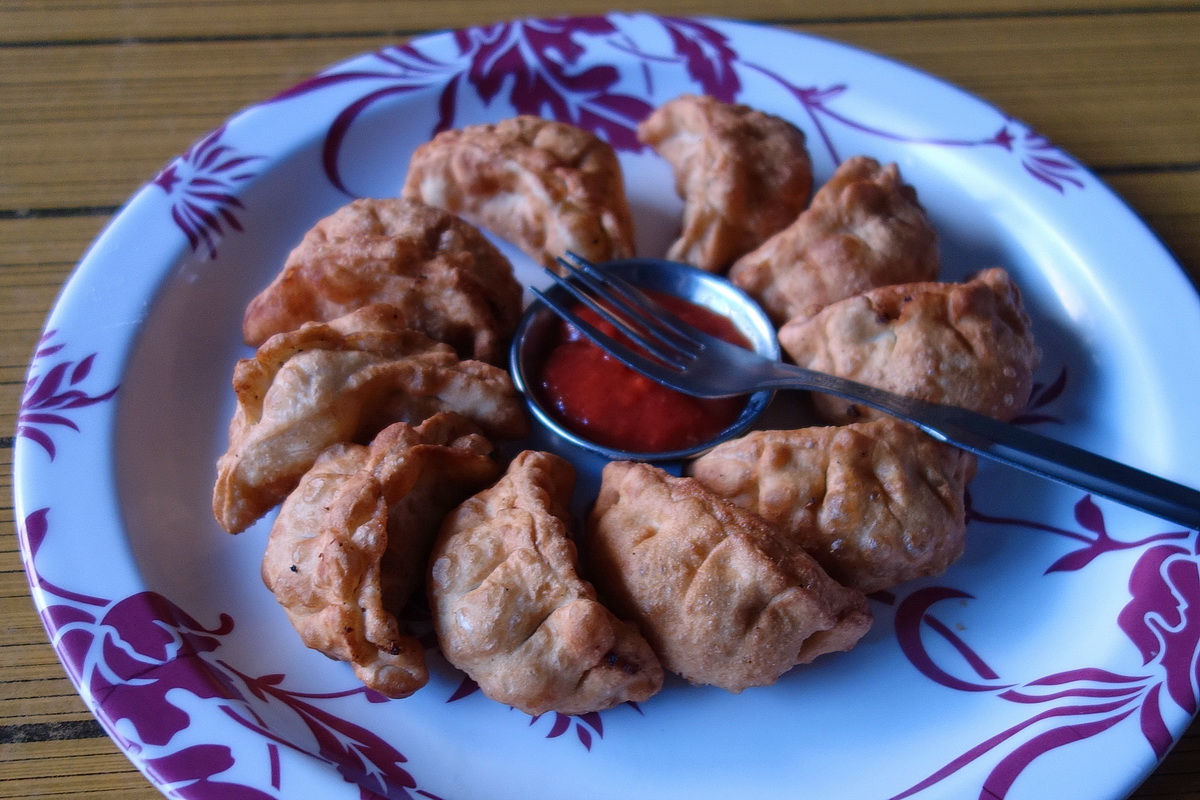
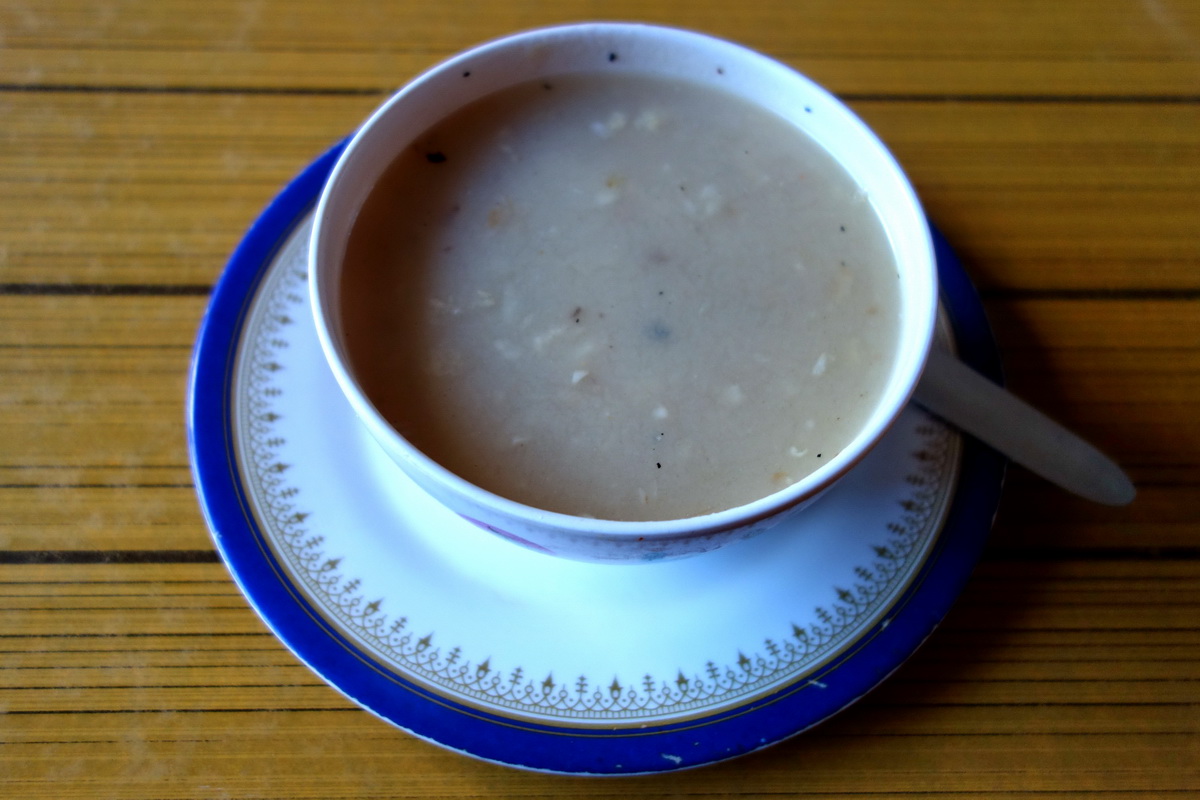
Dinner. We ordered dal bhat with rice, salad, potatoes, and a flatbread. Also, fried chicken momo and garlic soup puree.
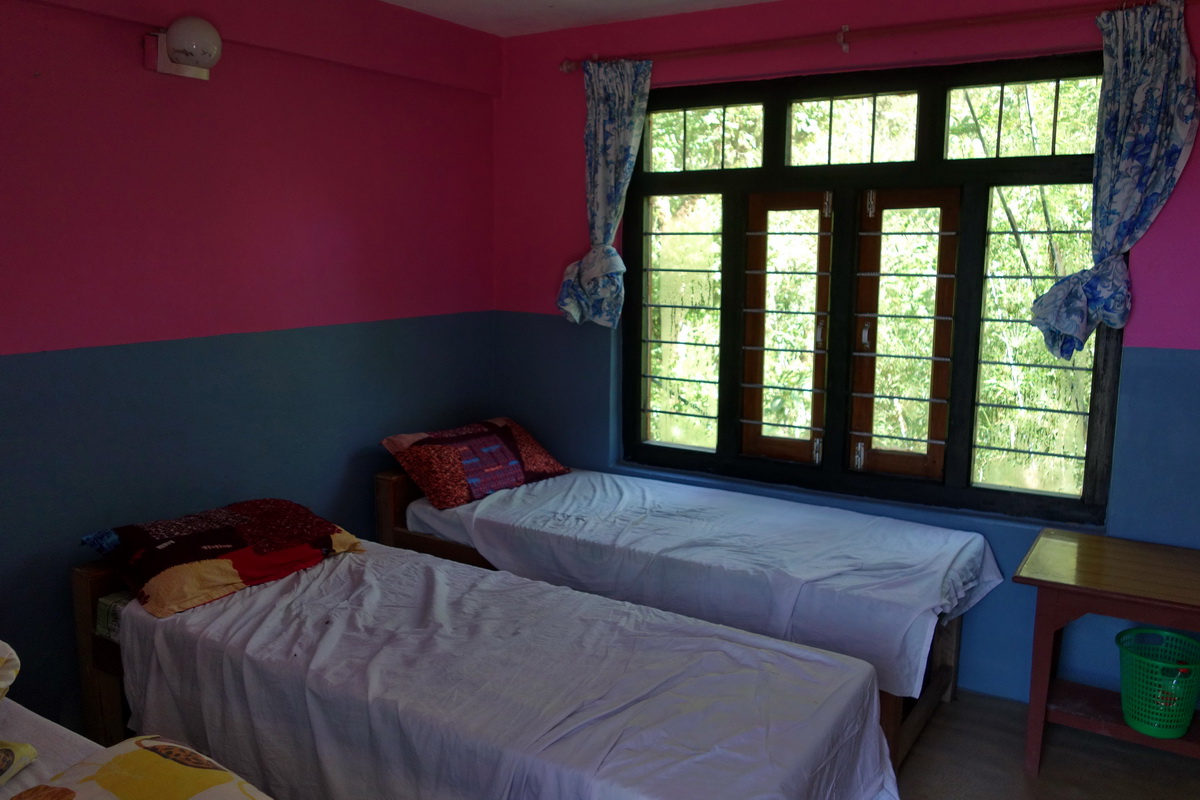
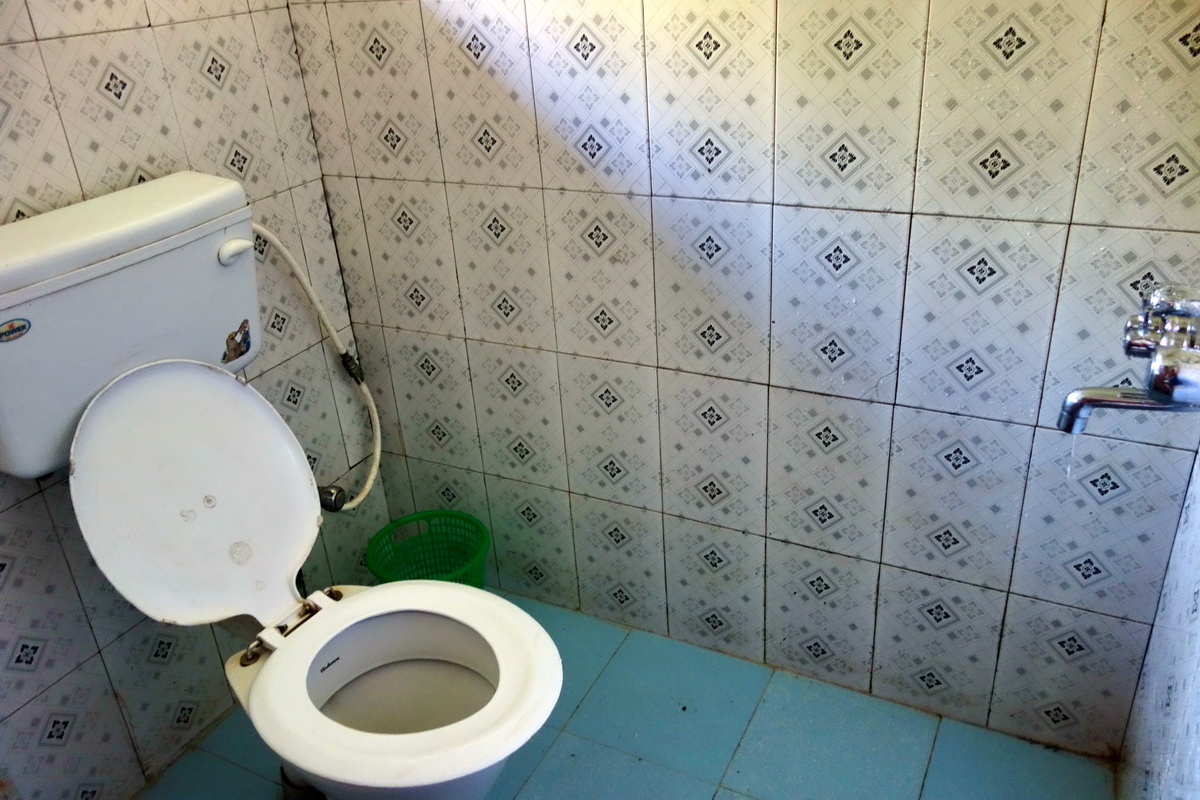
We rented a room with all amenities: the usual three beds, a toilet, and a cold-water shower, with no working outlets in the room. The cost of such a room was $8 per night.
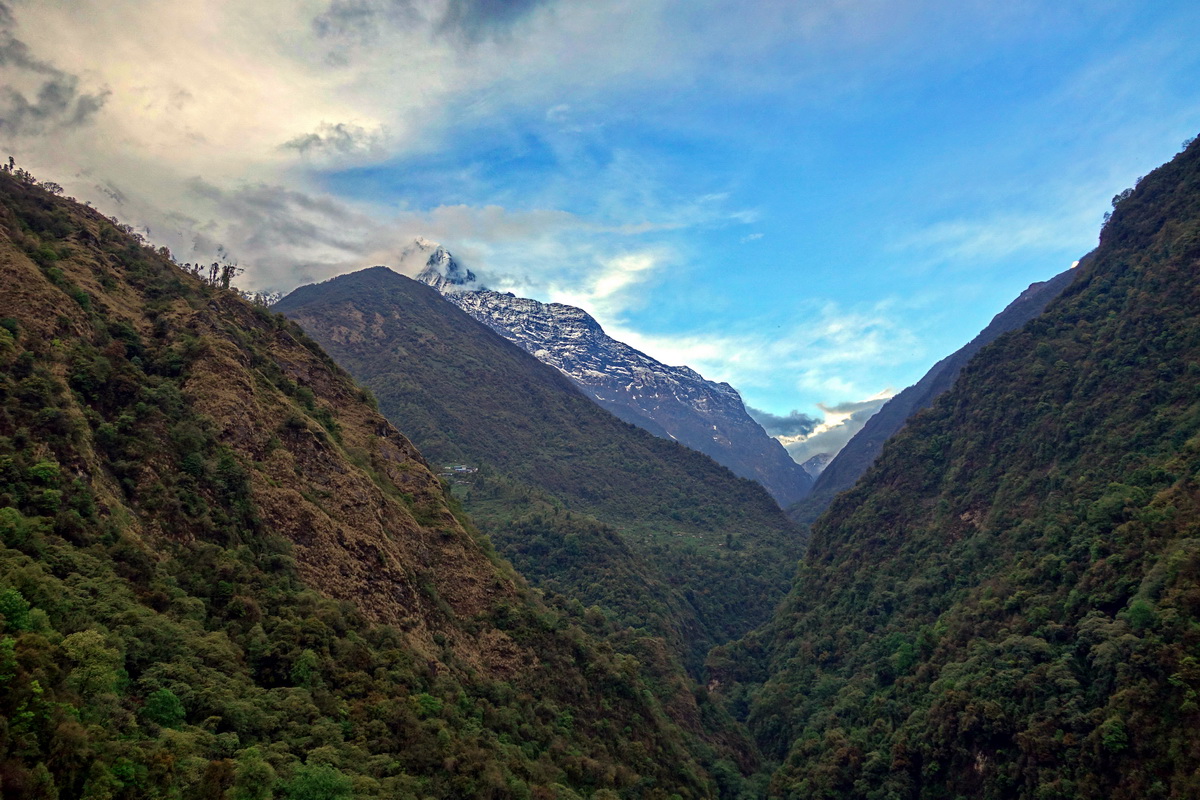
Here’s the wonderful view of the surrounding mountain peaks in the morning.
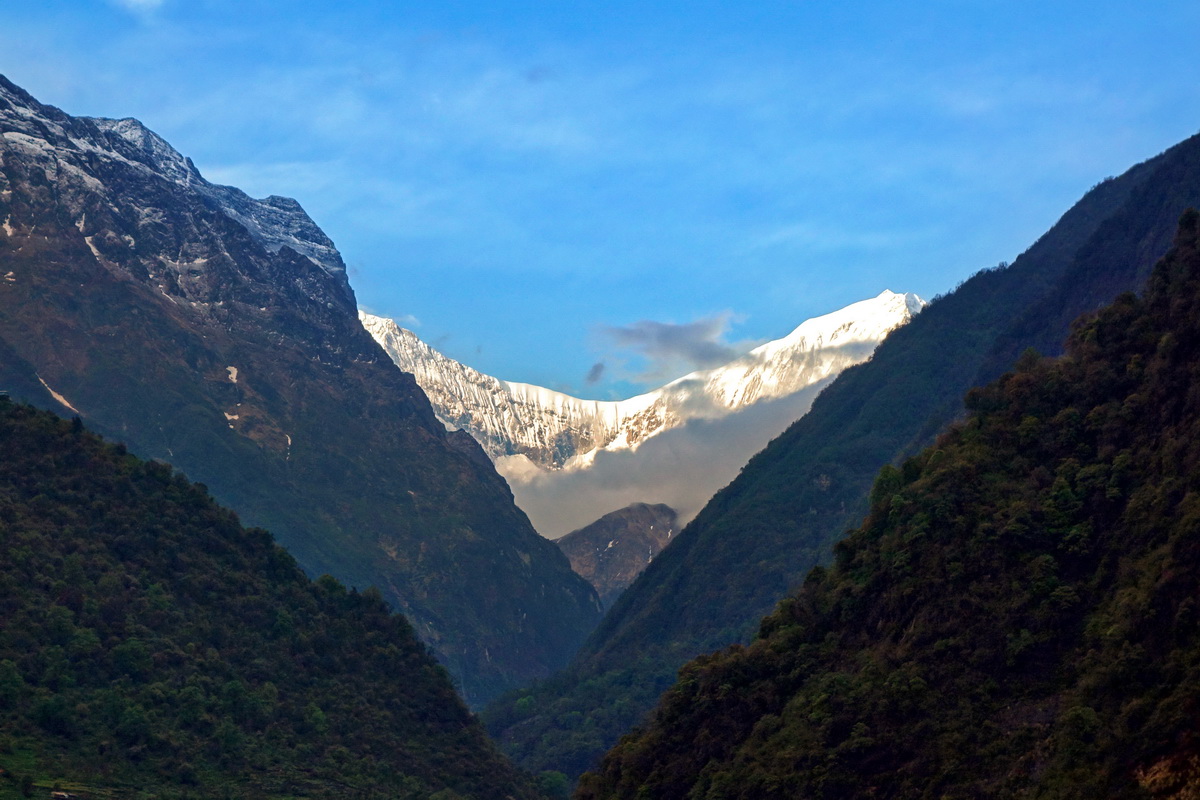
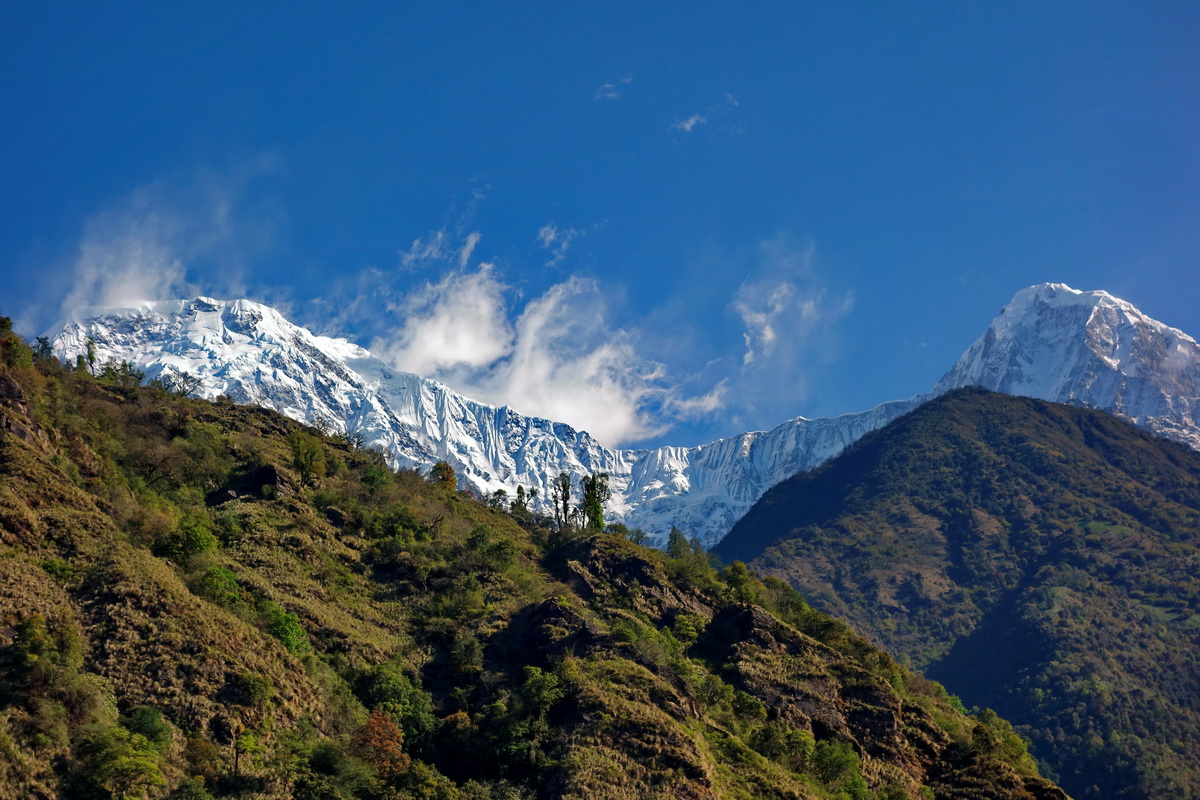
Good morning :) The sparkling snow-covered Himalayas. Indescribable joy from the beauty we saw.
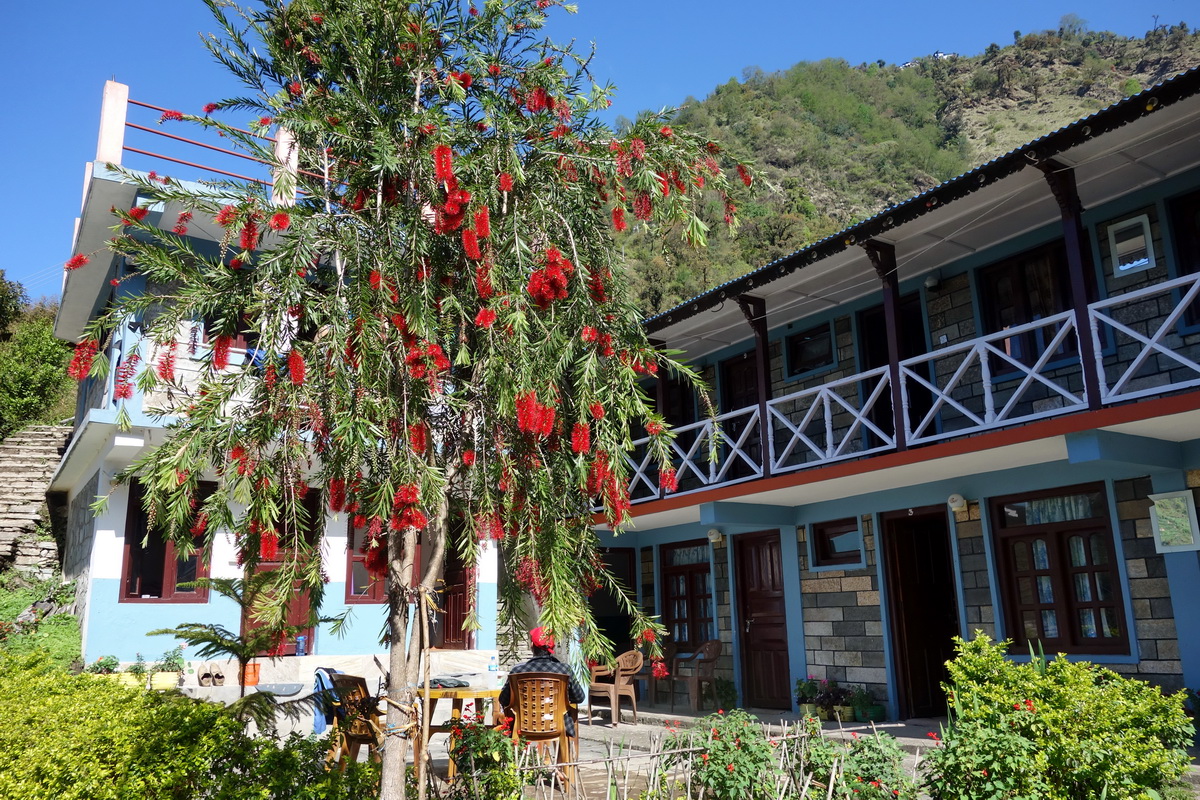
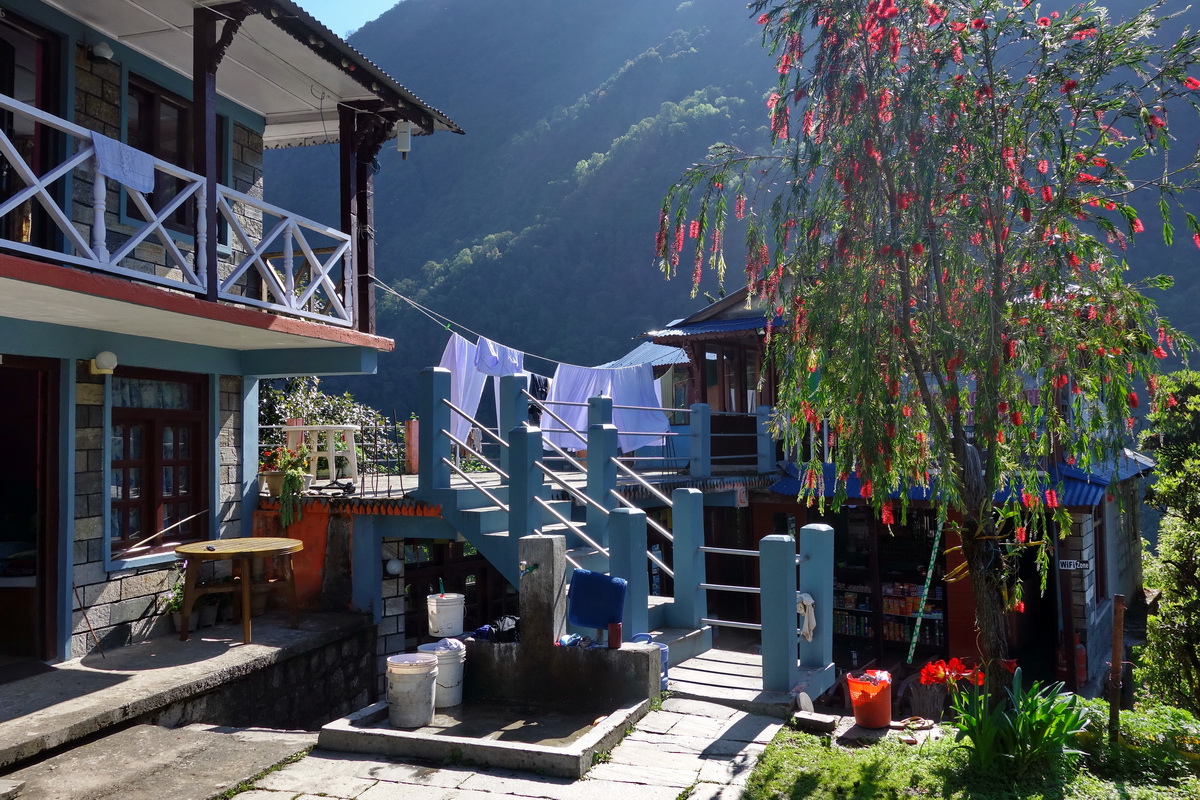
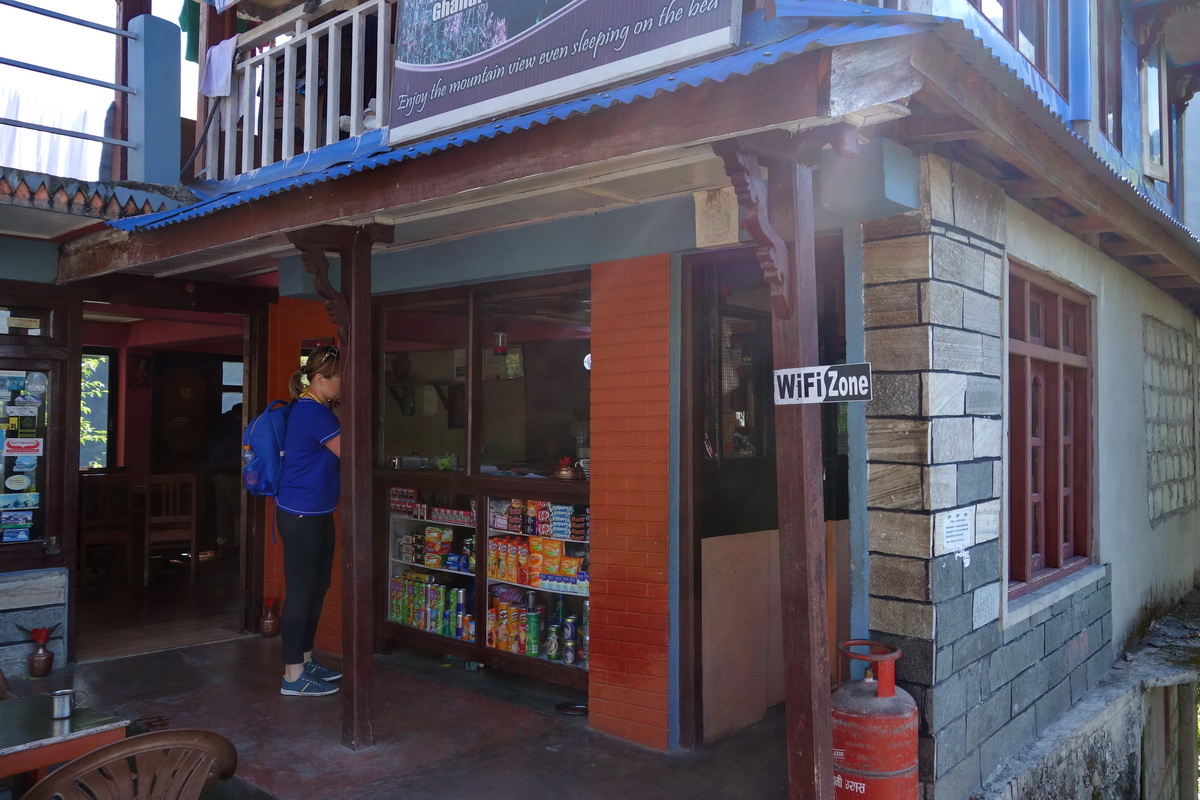
The grounds of the guesthouse where we rented a room.
After breakfast, we headed down the mountain to the natural thermal springs.
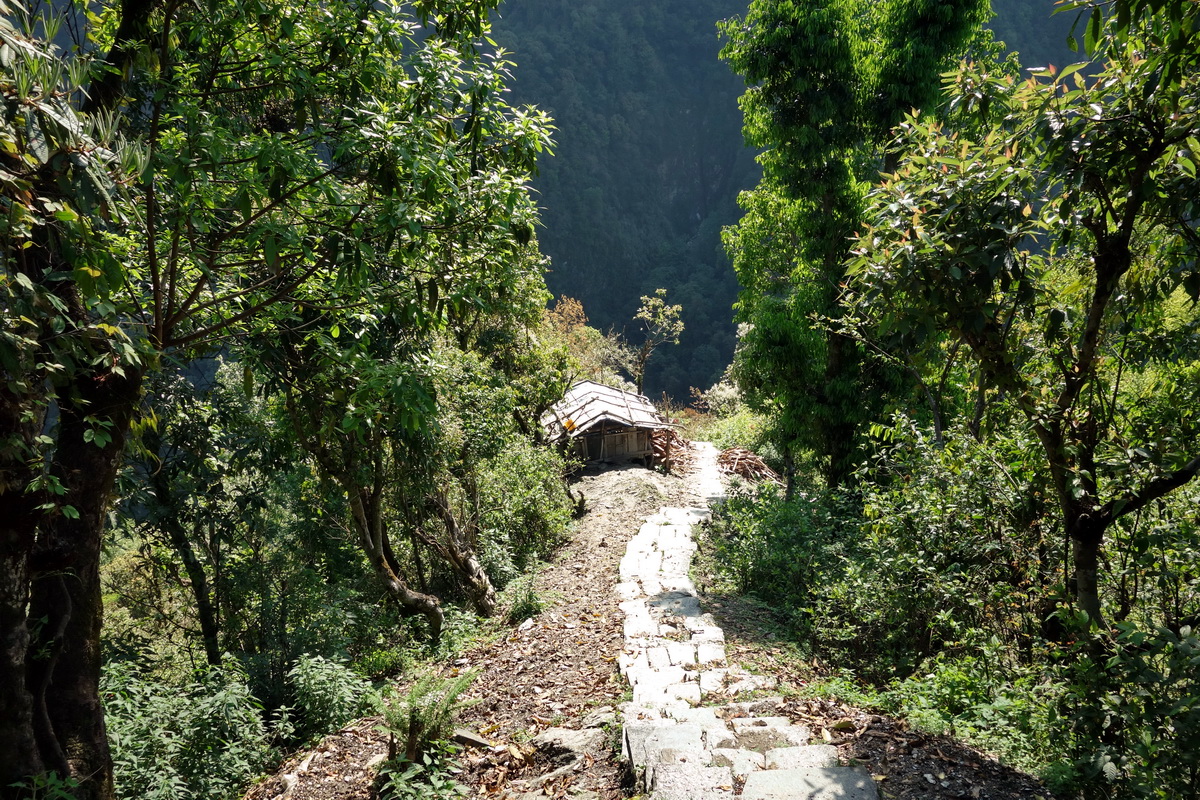
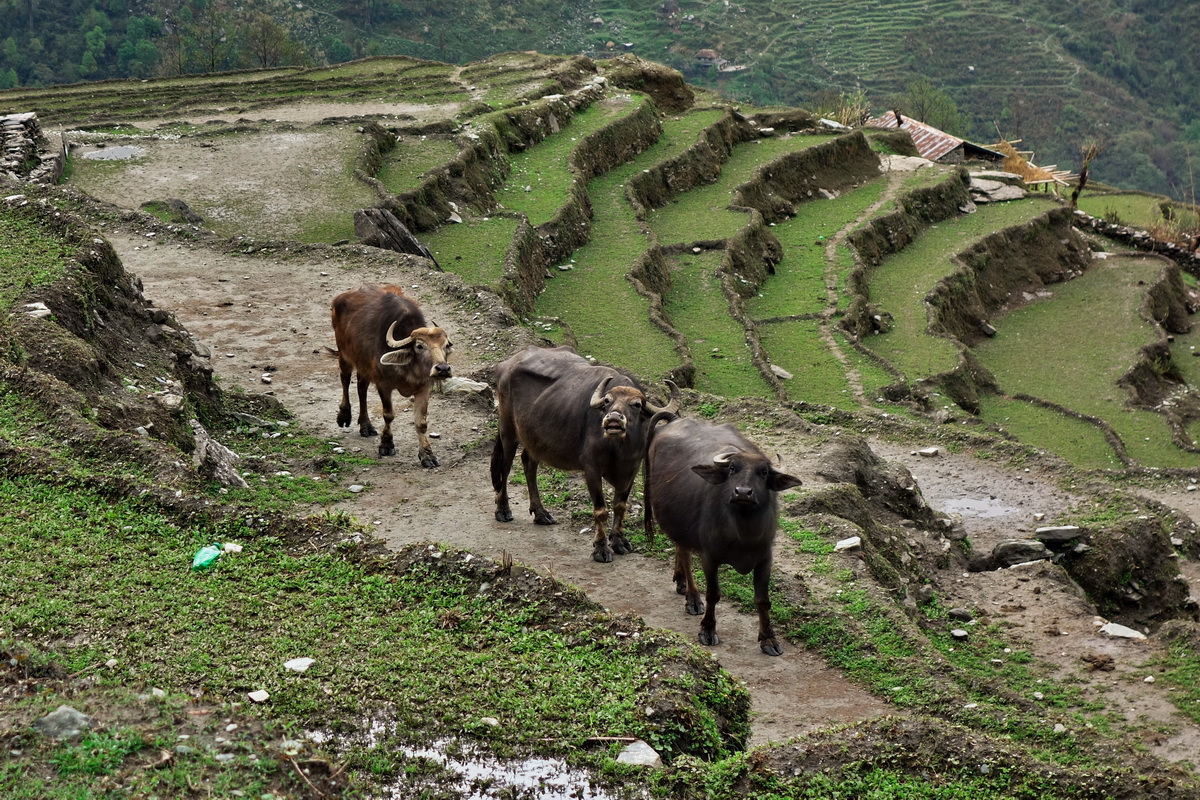
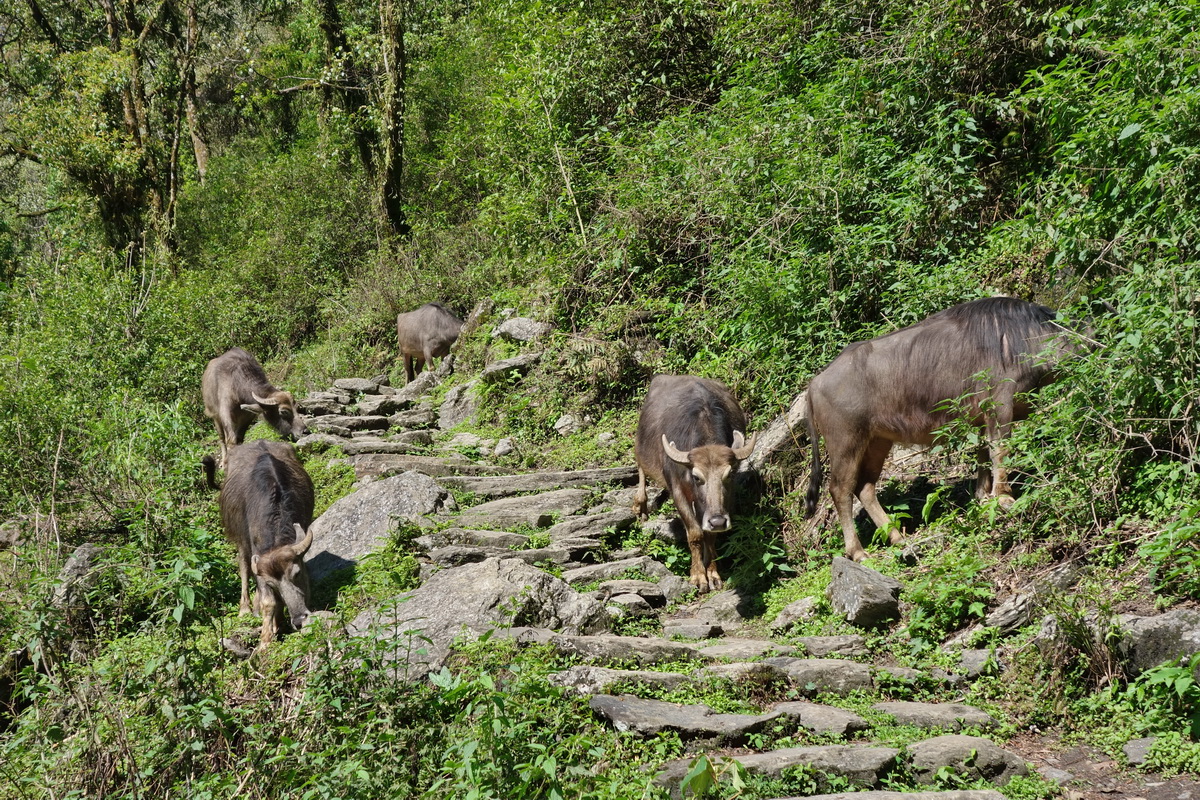
Buffaloes greet us along the way. How wonderful it is to go downhill instead of up.
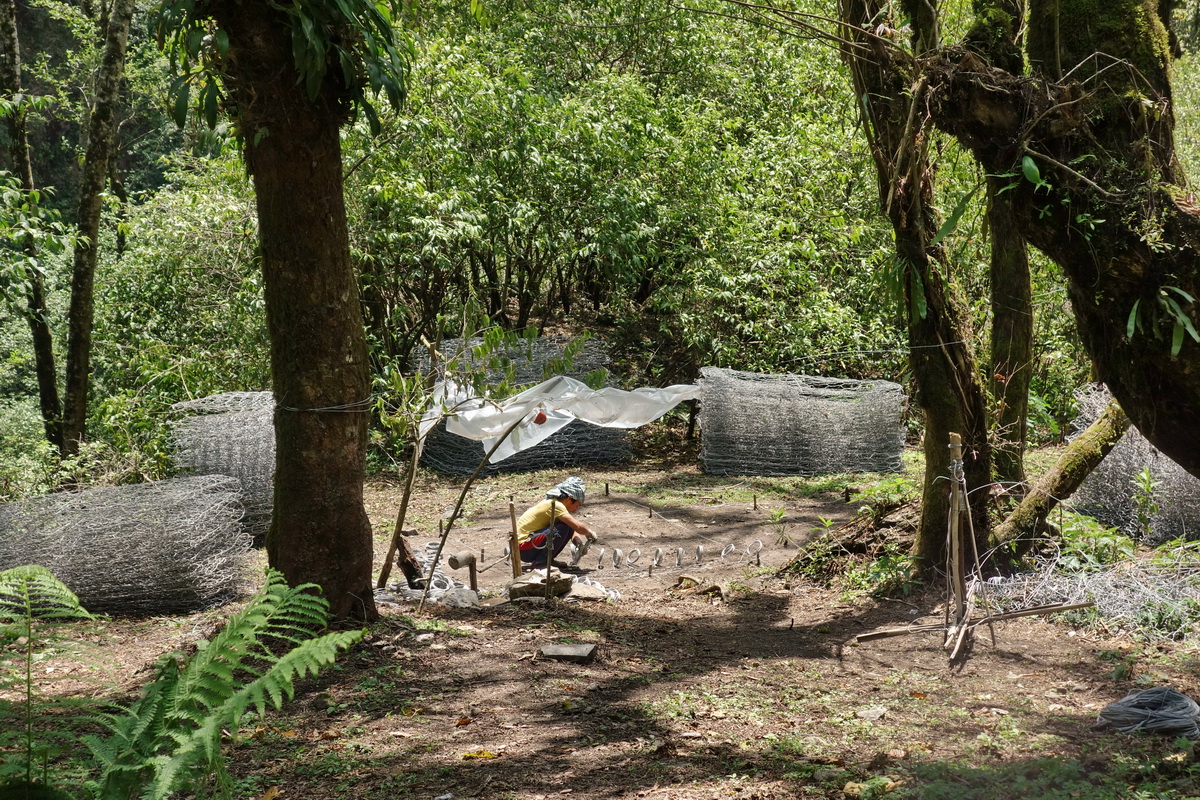
A worker makes a net used as a fence for stone walls.
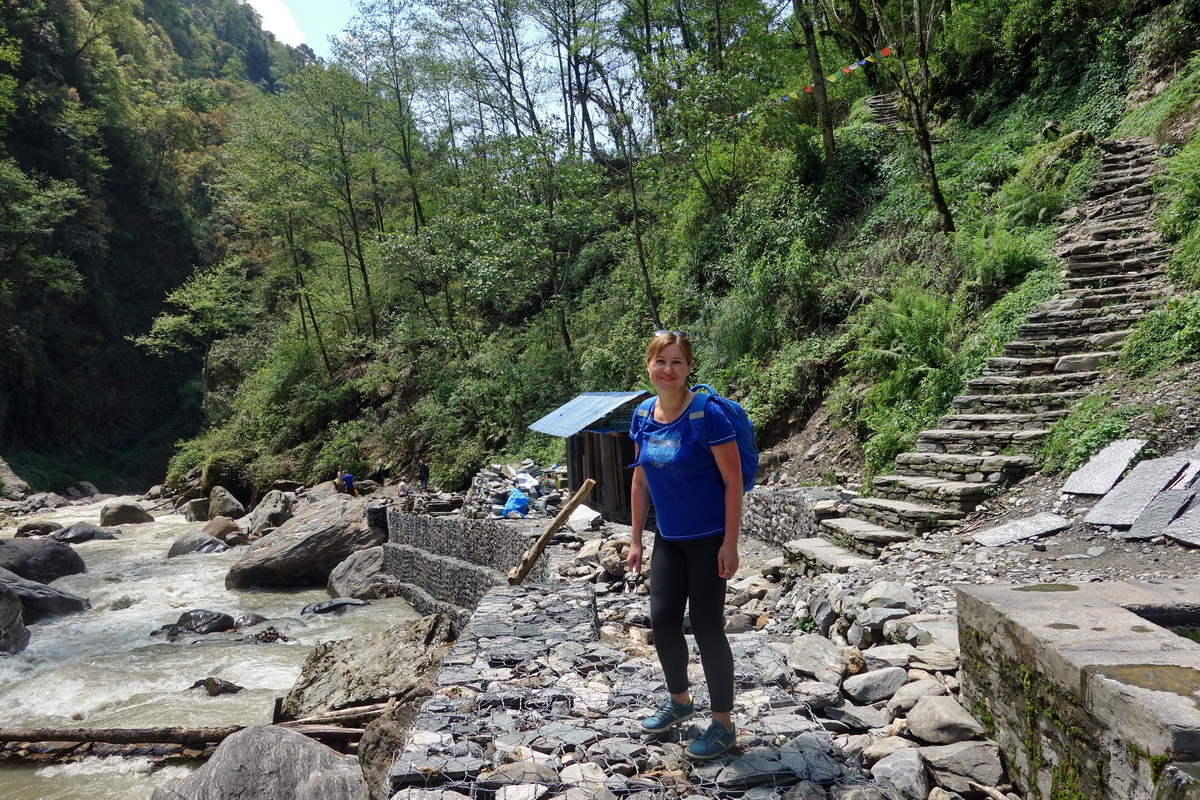
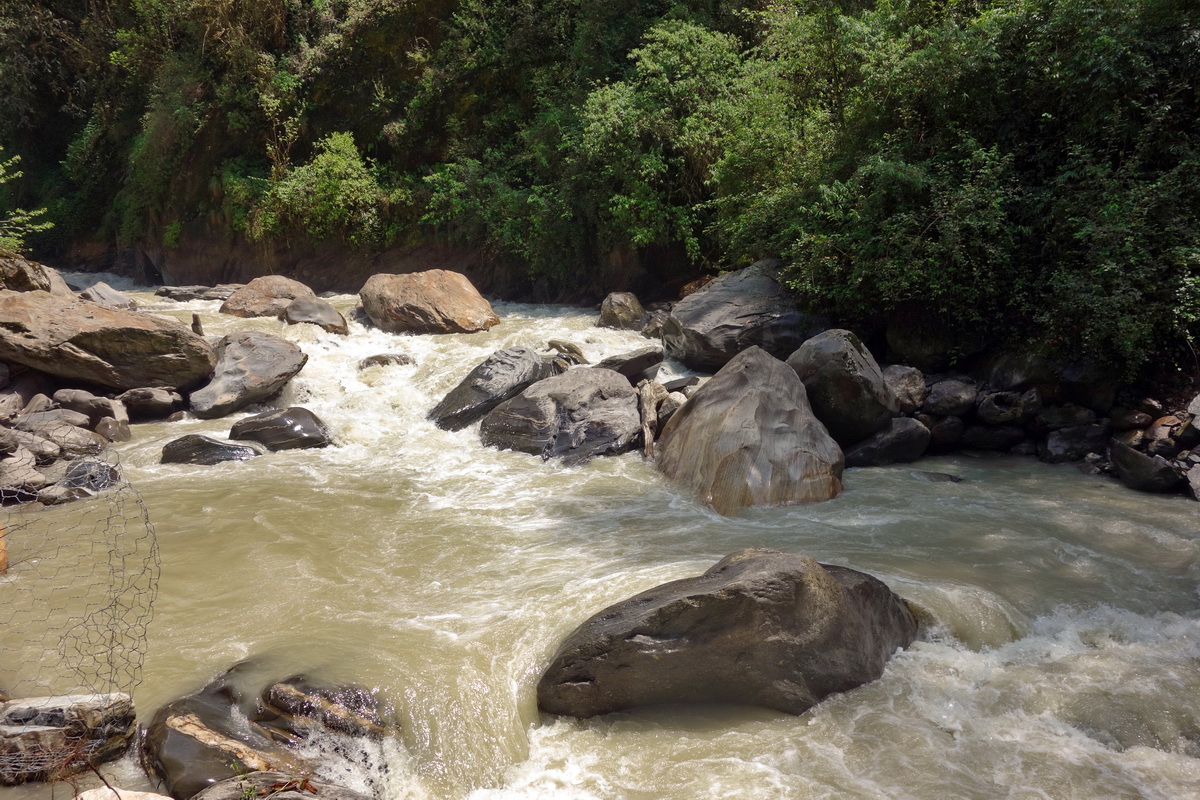
We descended to the canyon with the Modi Khola River and the thermal springs.
The springs are hot, like bathwater, around 40–45 degrees. They are arranged in three pools, but only two were functioning, as the third was under reconstruction.
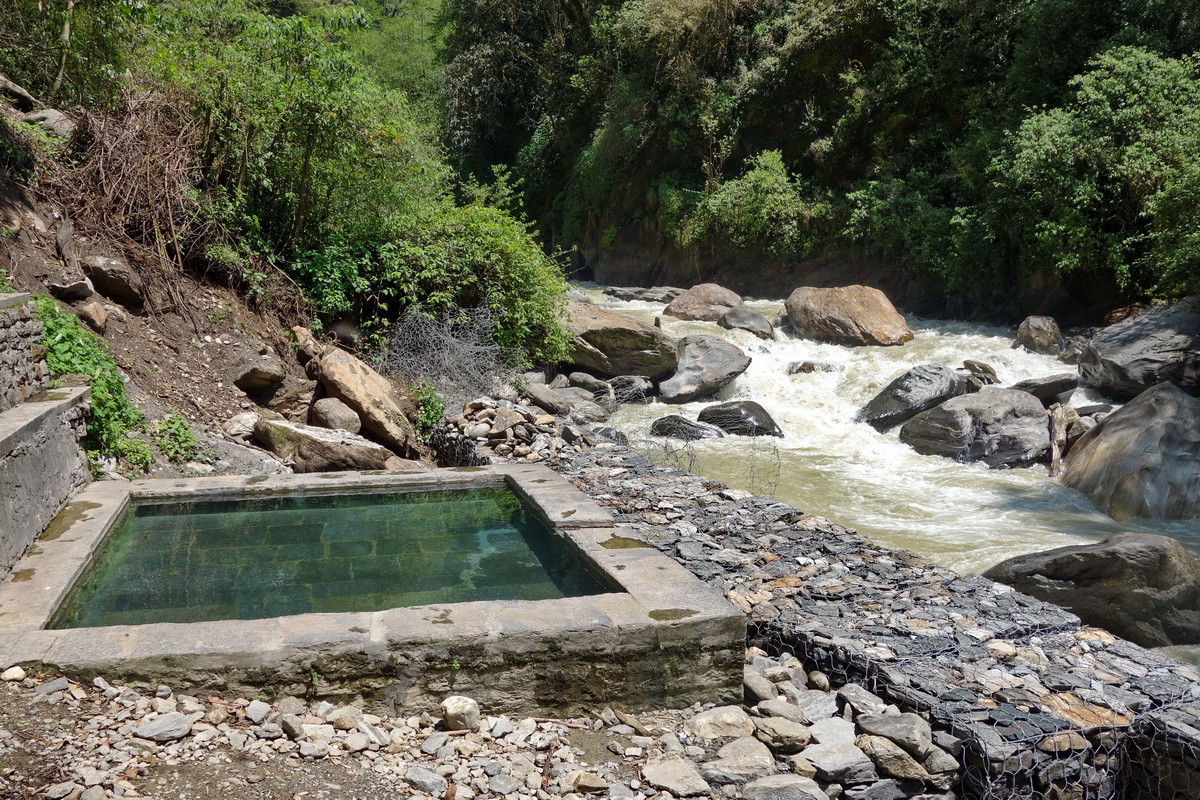
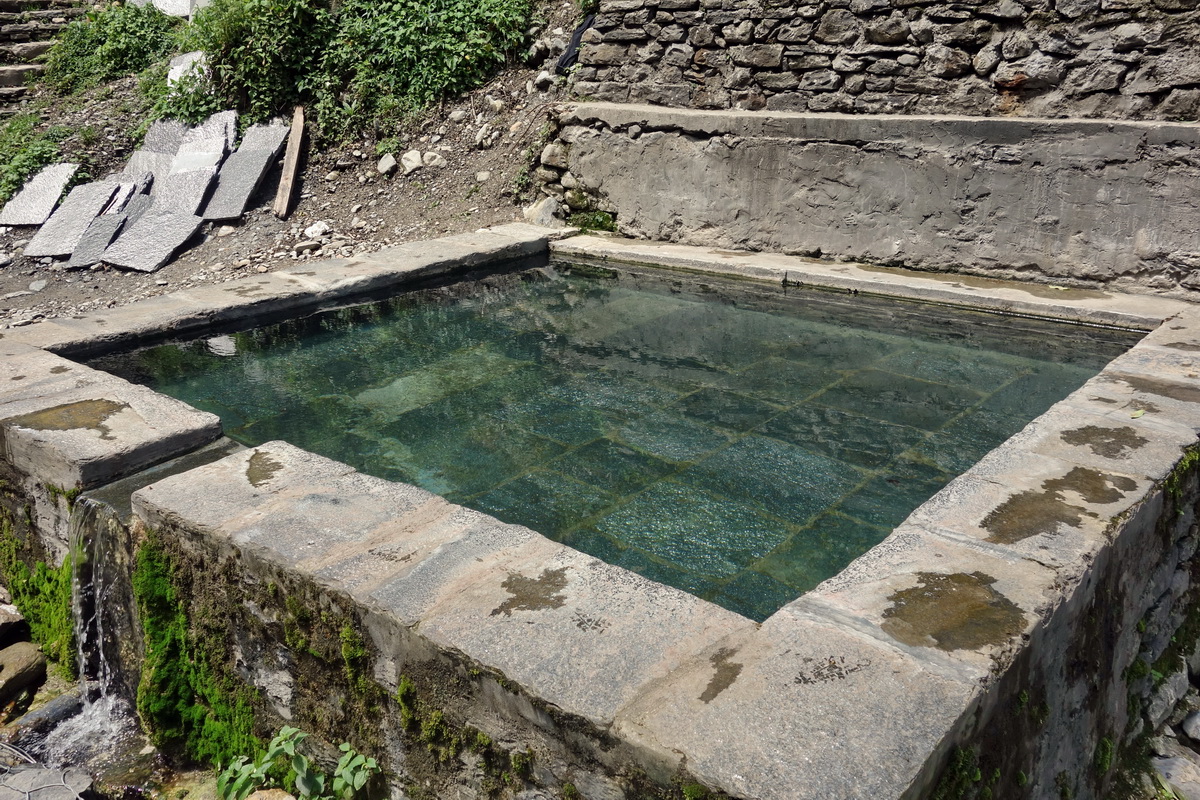
Visiting the springs is paid. The entry fee is $1 per person.
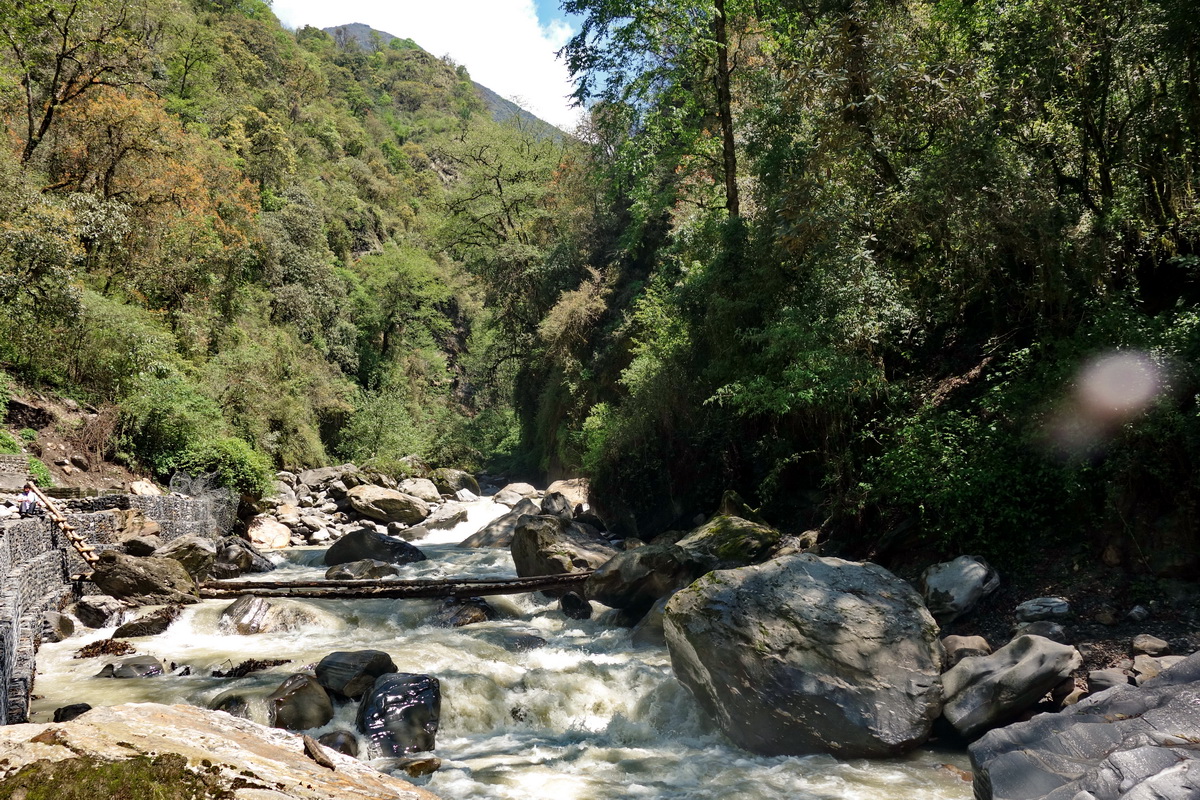
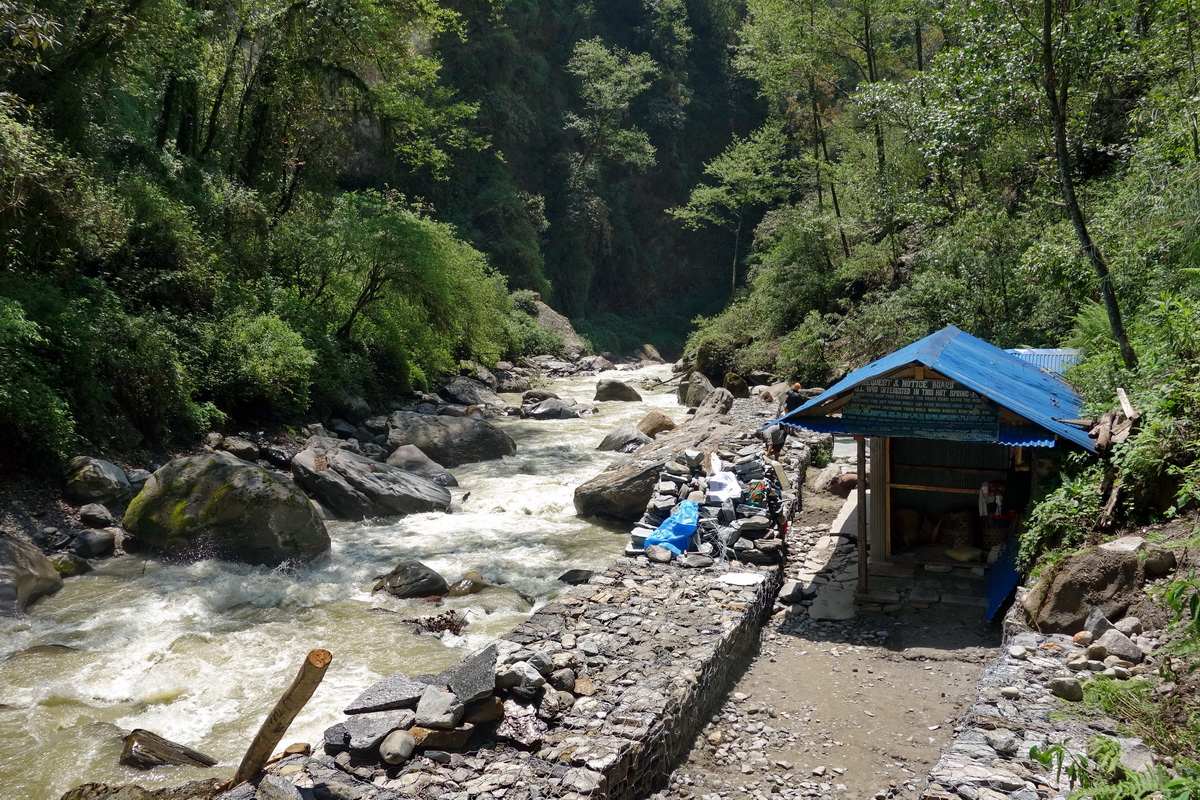
There are changing rooms near the springs.
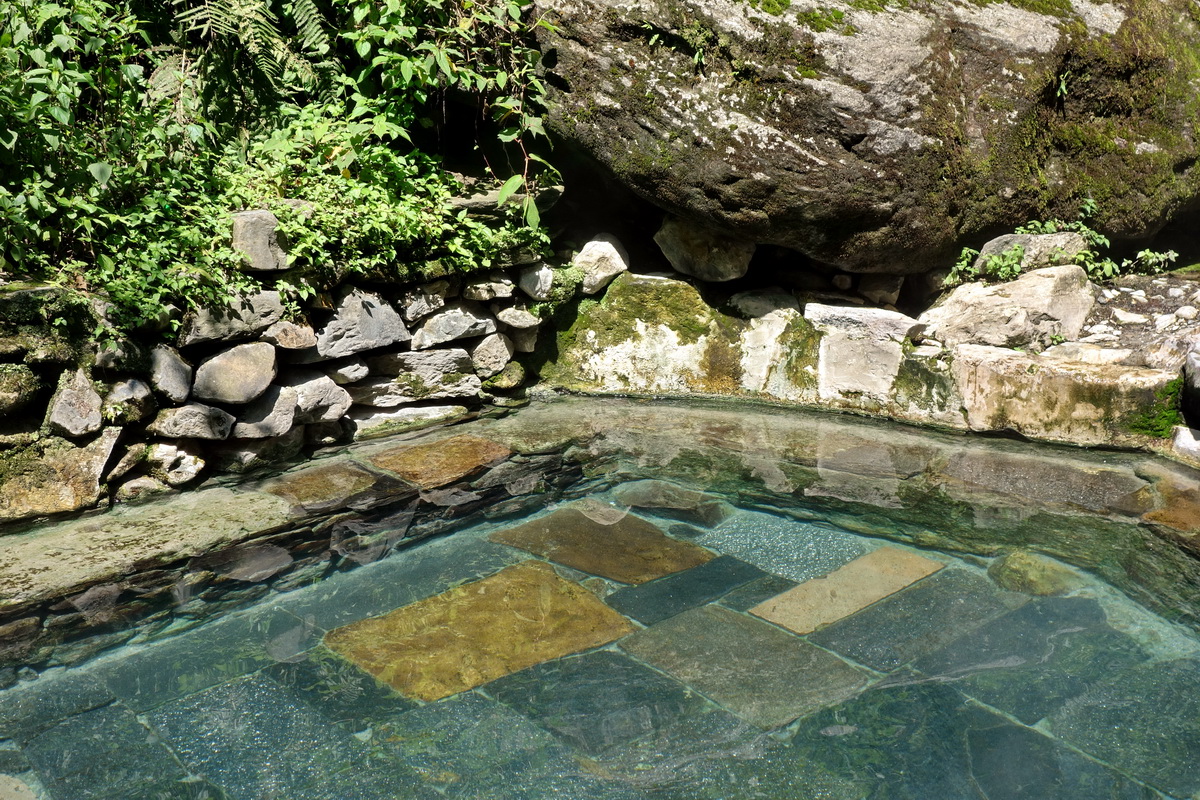
The so-called thermal water pool is not sealed, meaning the water doesn’t stagnate but is constantly renewed.
After two intense days of trekking, we really wanted to relax.
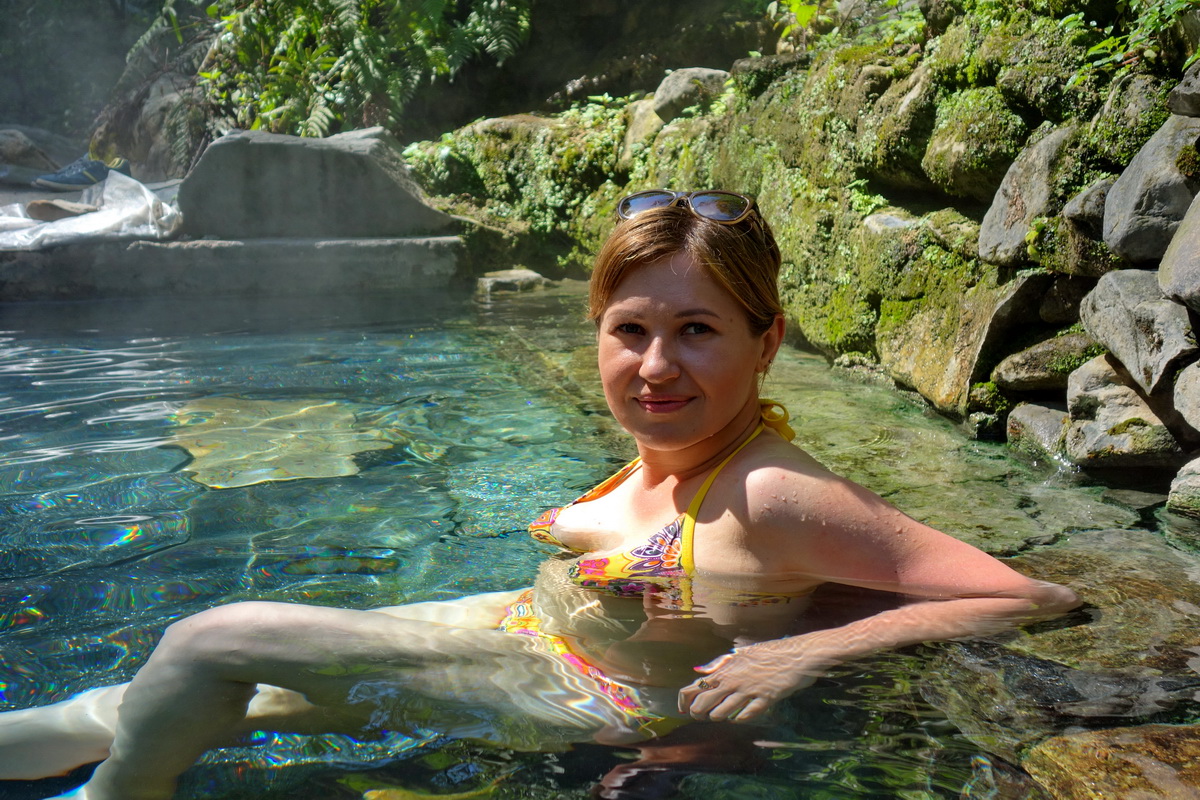
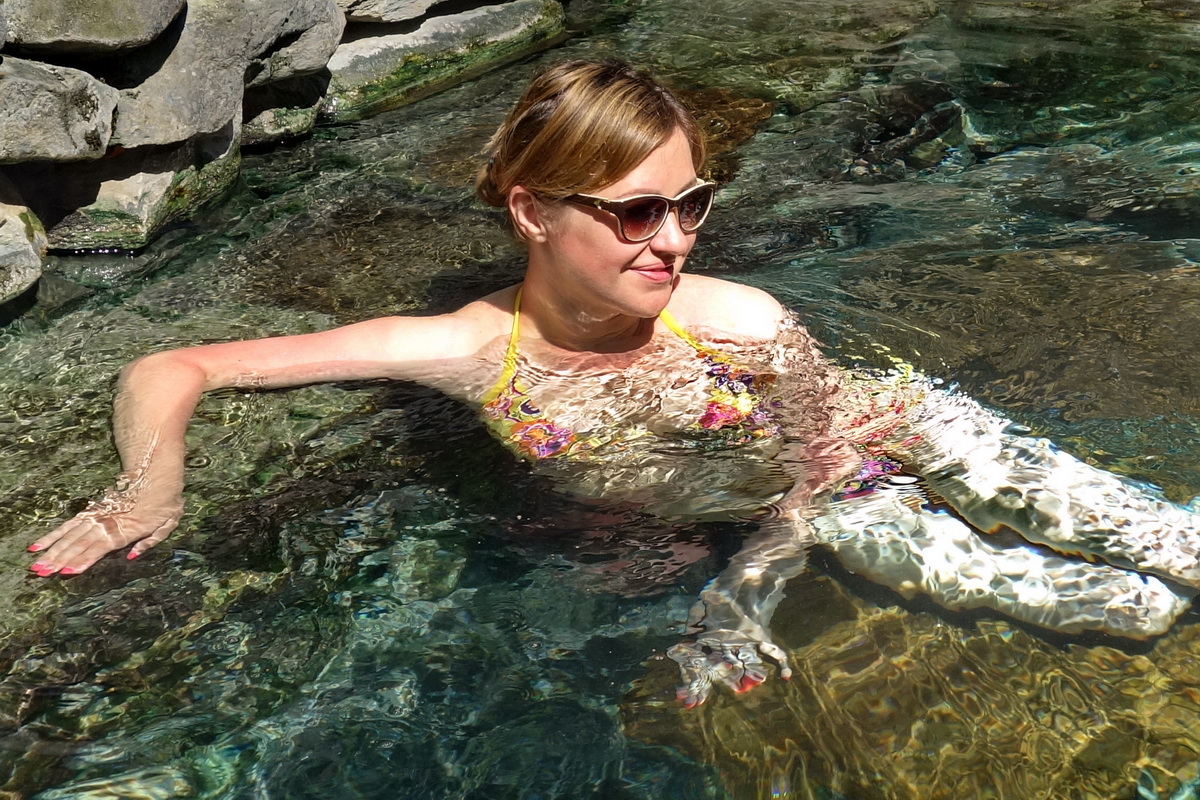
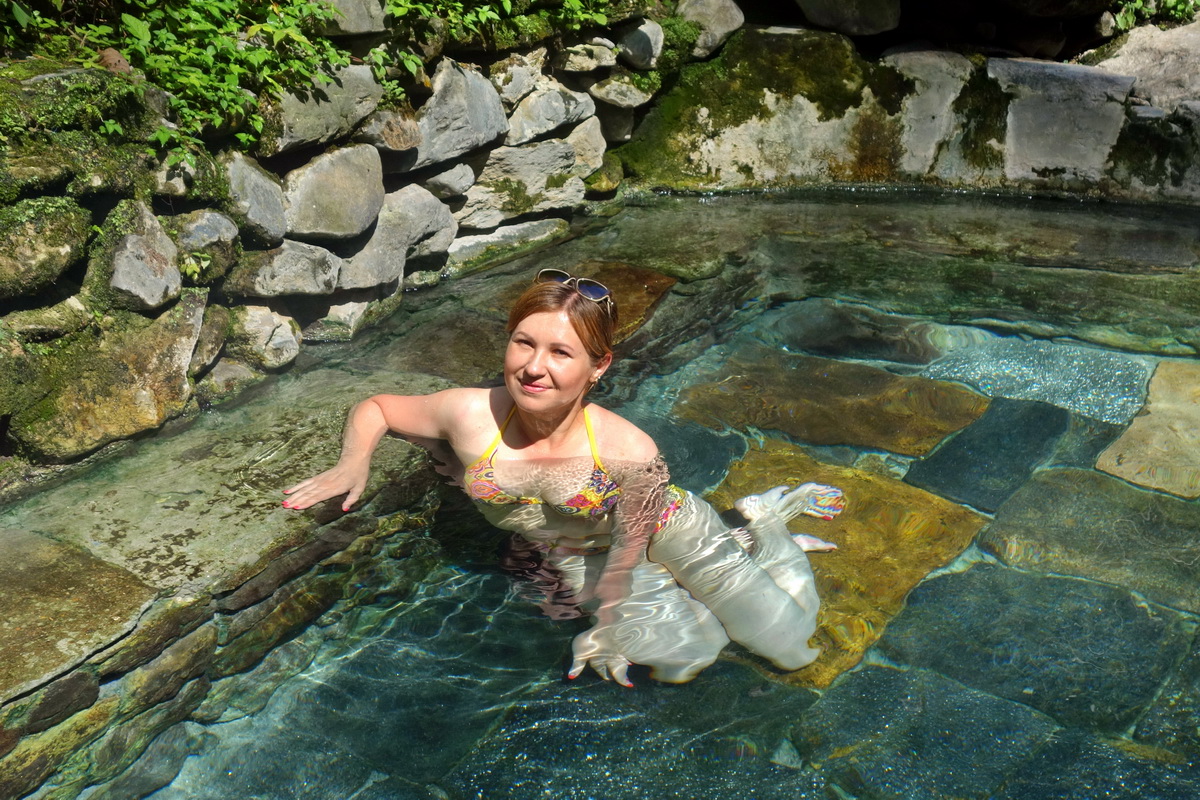
It felt like we were in a large bathtub, and we were lucky—we came in the morning when there was hardly anyone here. We enjoy the spring and breathe fresh air.
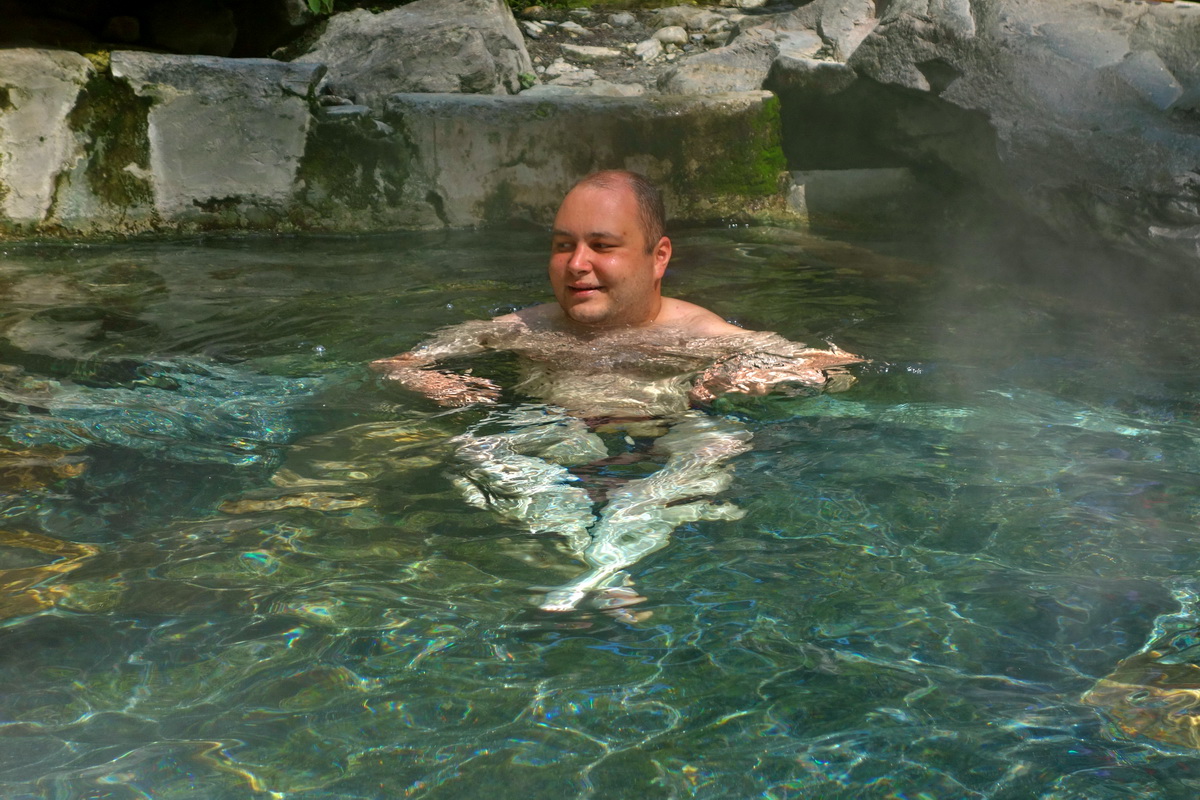
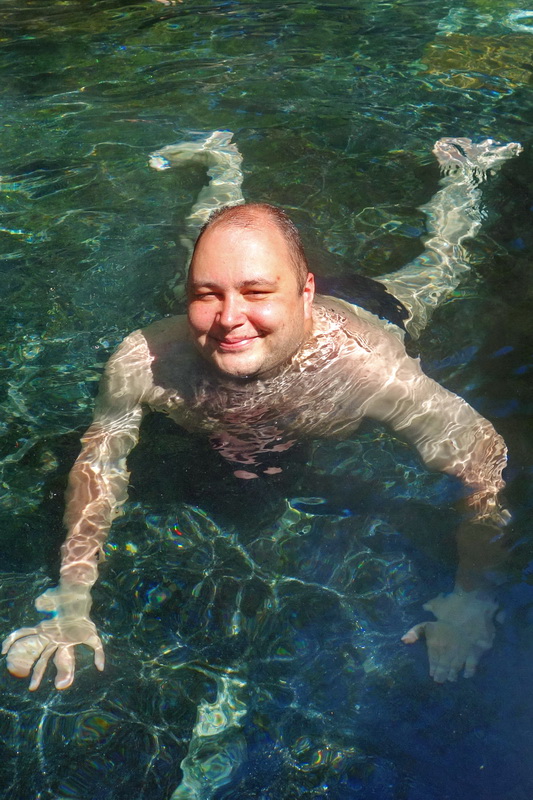
After visiting the spring, we felt relaxed, and the fatigue seemed to fade away.
Recharged by the hot spring, we set off. There was no time to go deeper into the mountains; we needed to get out of the mountains and return to Pokhara by the next evening. We decided to head back toward Ghandruk, but via a slightly different route—through the villages of Chomrong and Kimrong Khola.
The village of Chomrong is about 500 meters higher than Jhinu Danda. It’s the highest point of our route—2,300 meters above sea level. A stepped trail leads from Jhinu Danda to it.
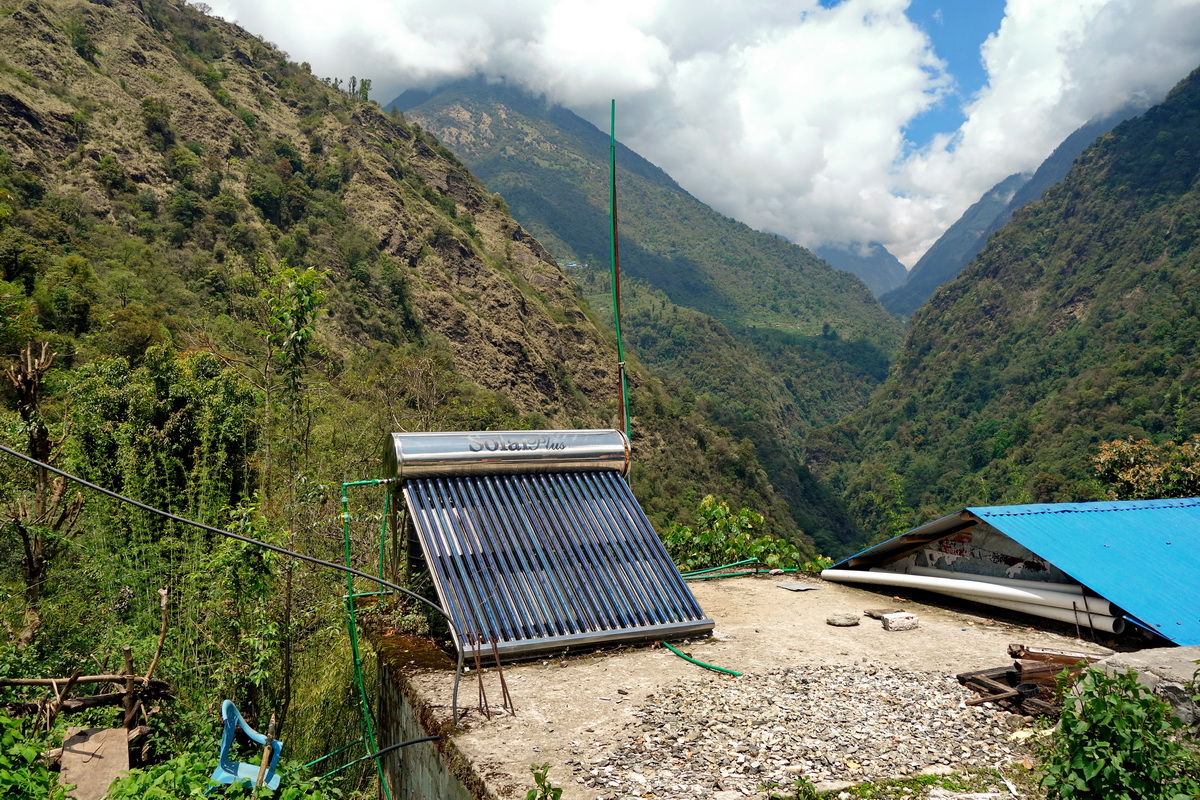
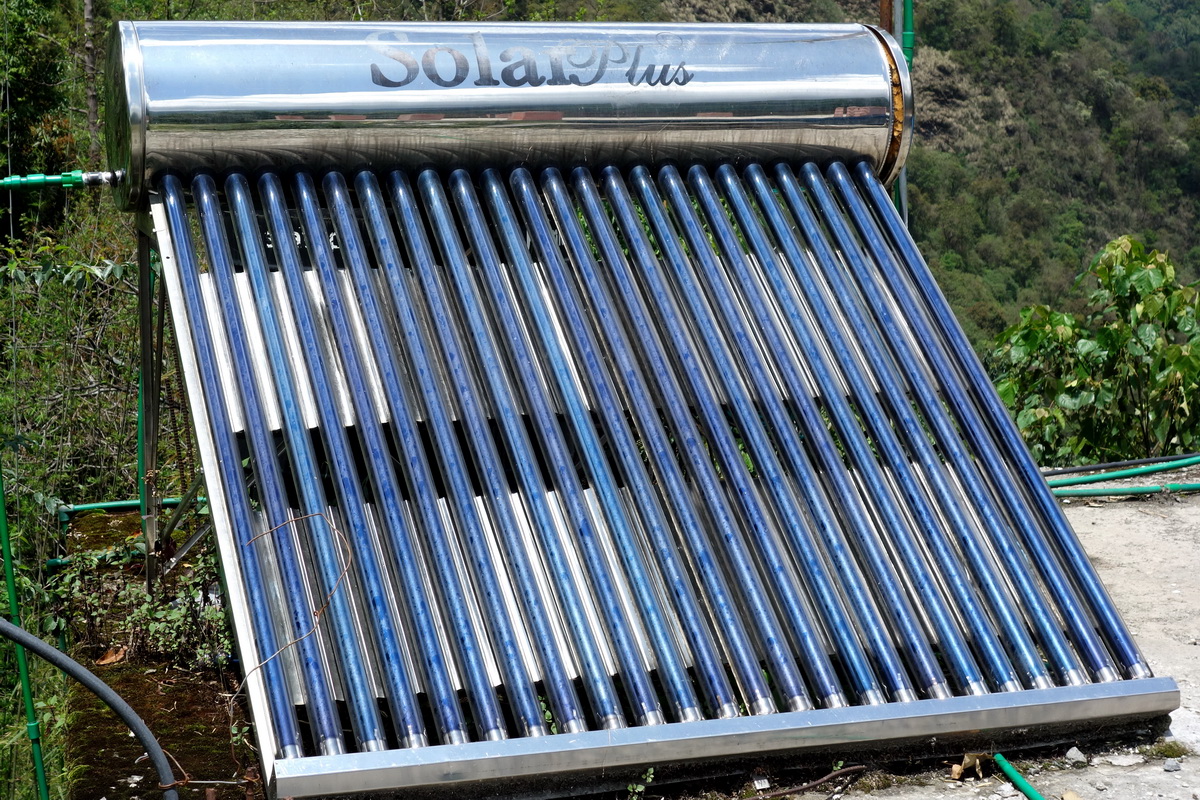
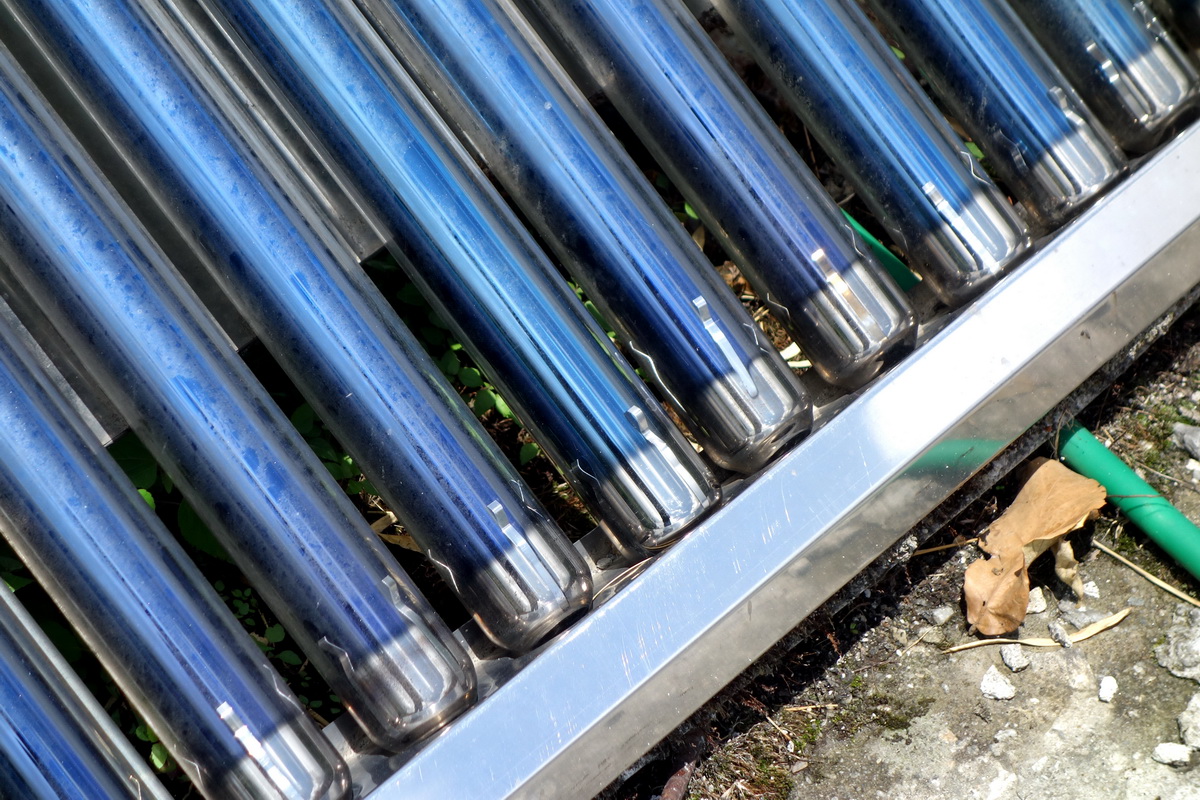
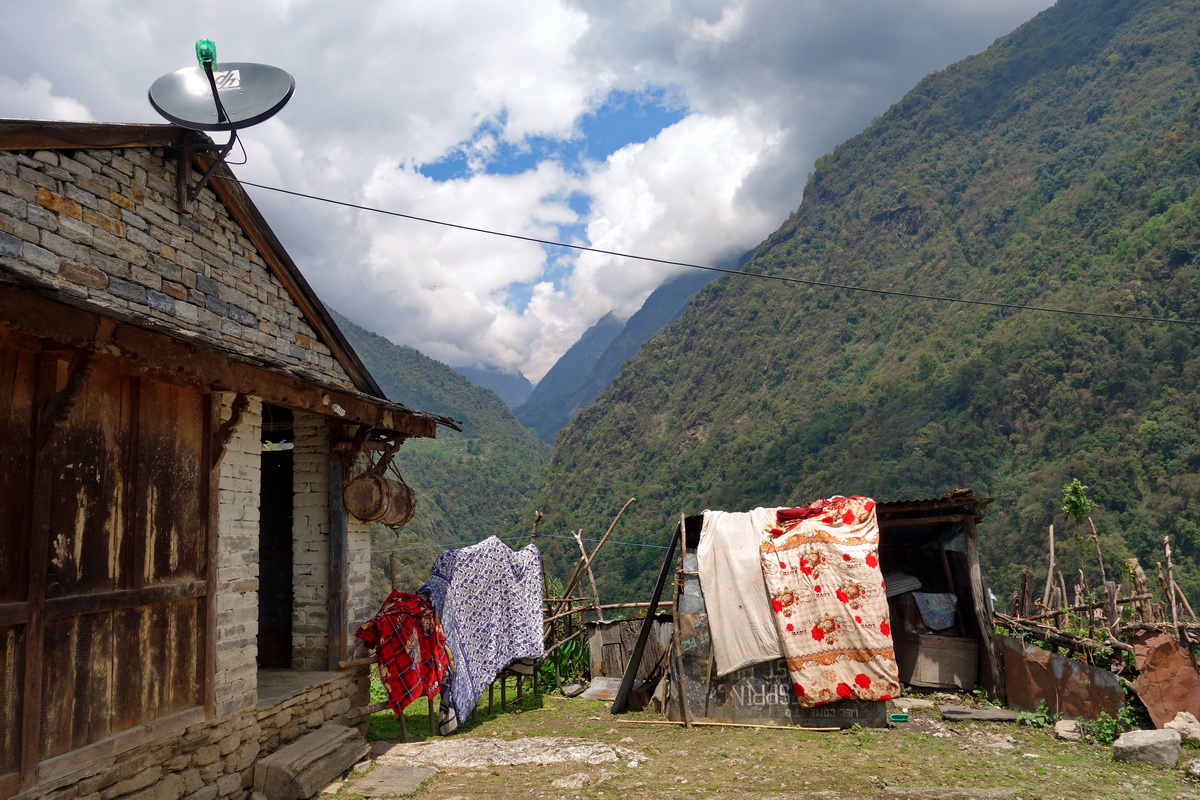
Along the way, we see devices on house roofs for heating water with solar energy.
The stone steps go constantly uphill, so climbing was very tough.
We had to make frequent stops. If the first two days of our trek saw sun alternating with clouds and heat with slight coolness from the rain, today was very sunny and hot.
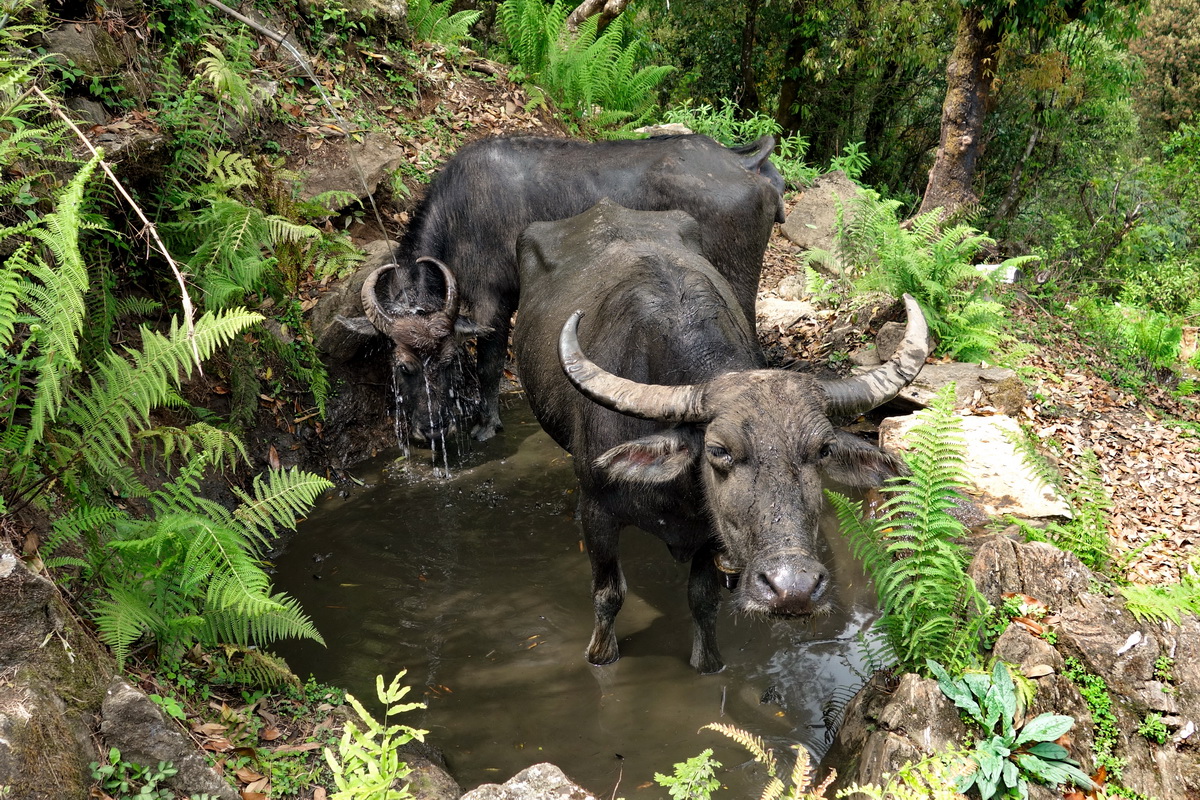
Even our favorite bulls take showers to escape the heat a bit.
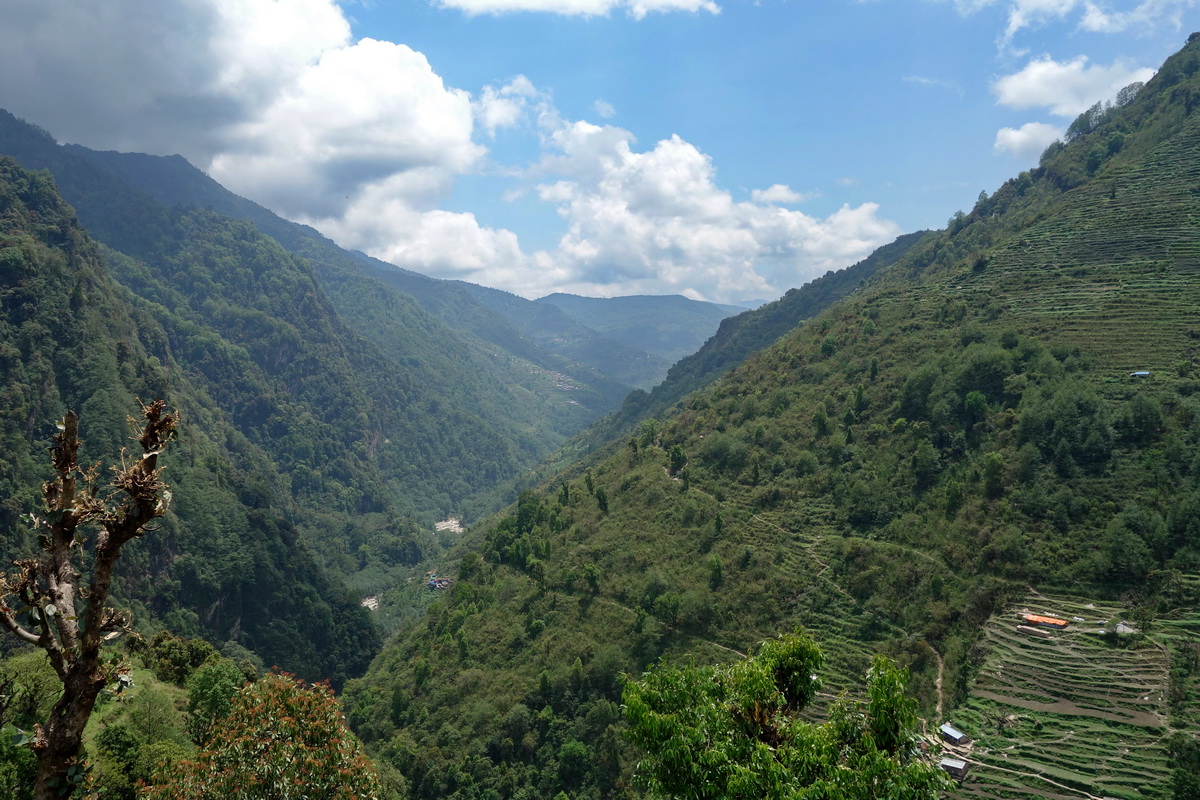
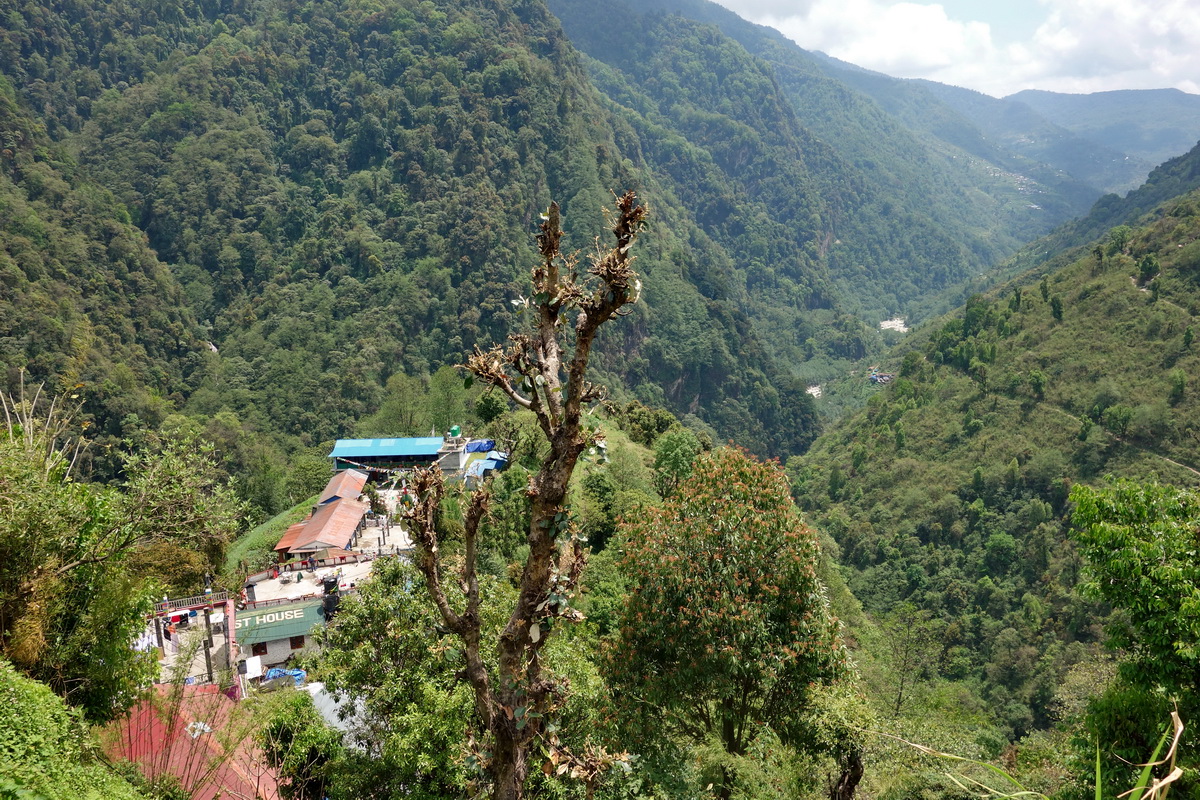
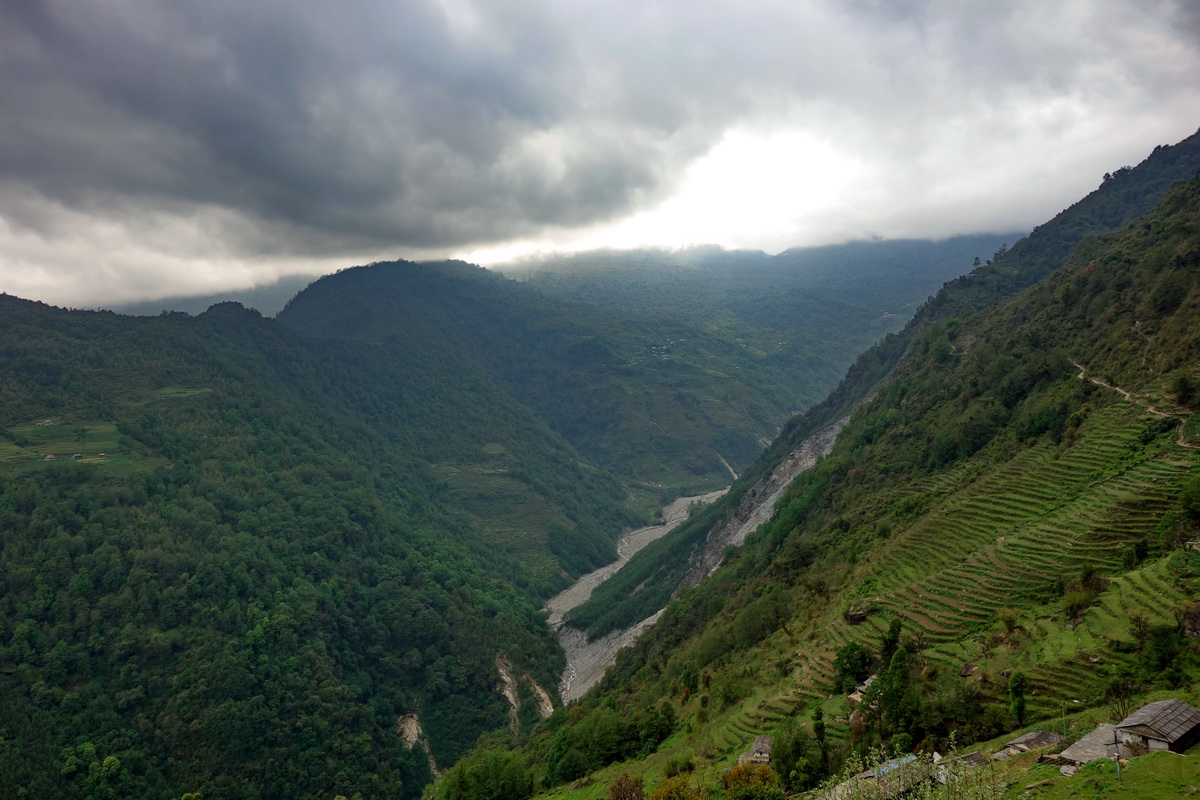
We climb higher. From here, there’s an extraordinary view of the mountains and the canyon with the Modi Khola River, where we bathed in the thermal spring this morning. How high we’ve climbed!
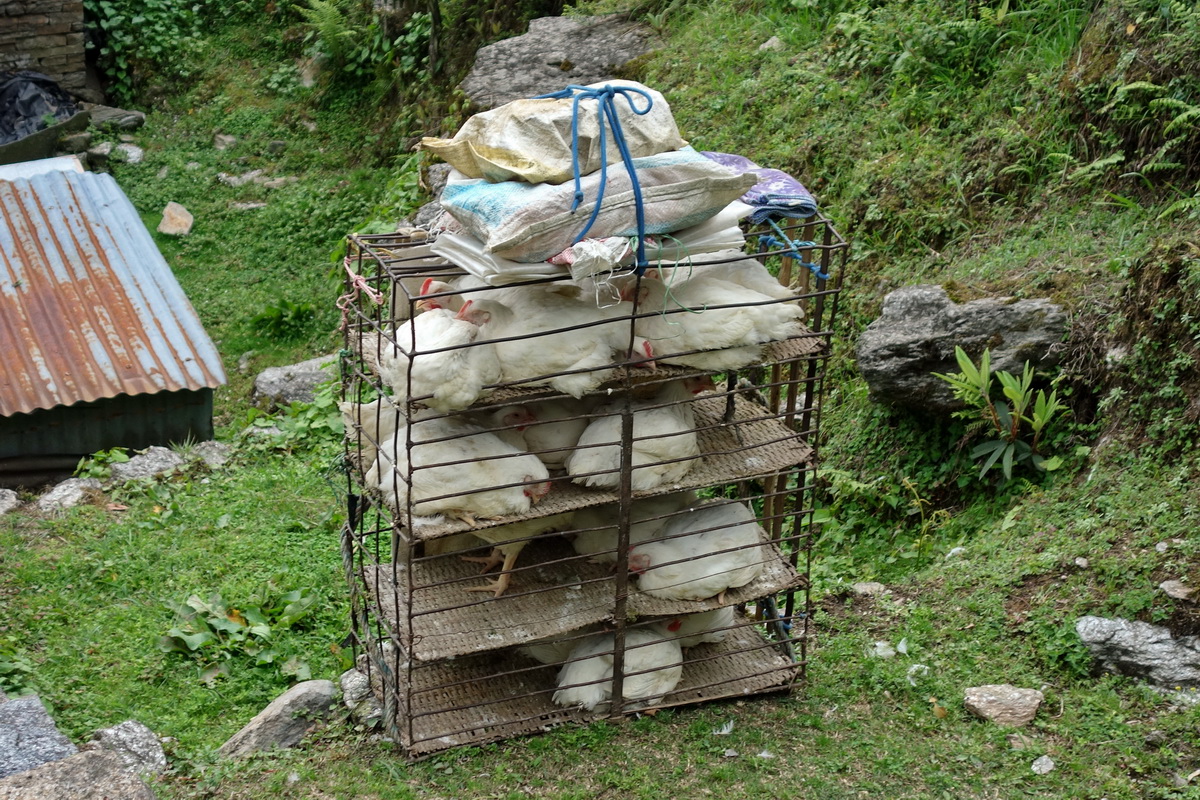
Porters often overtook us, and here in the mountains, they carry not only tourists’ backpacks but also transport goods and animals from one village to another. Here’s the load of one porter. With such a structure loaded with chickens, porters manage to move quite quickly along mountain trails.
After about 4–5 hours, we reached the high-altitude village of Chomrong.
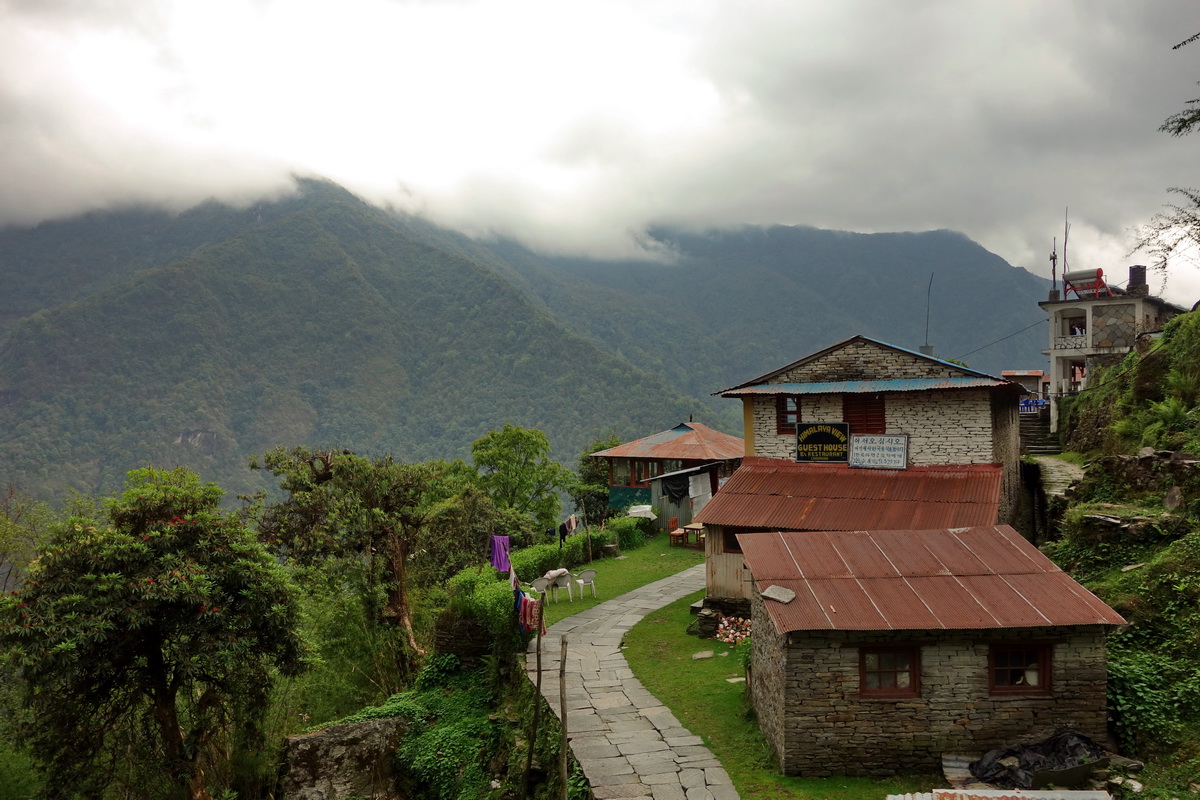
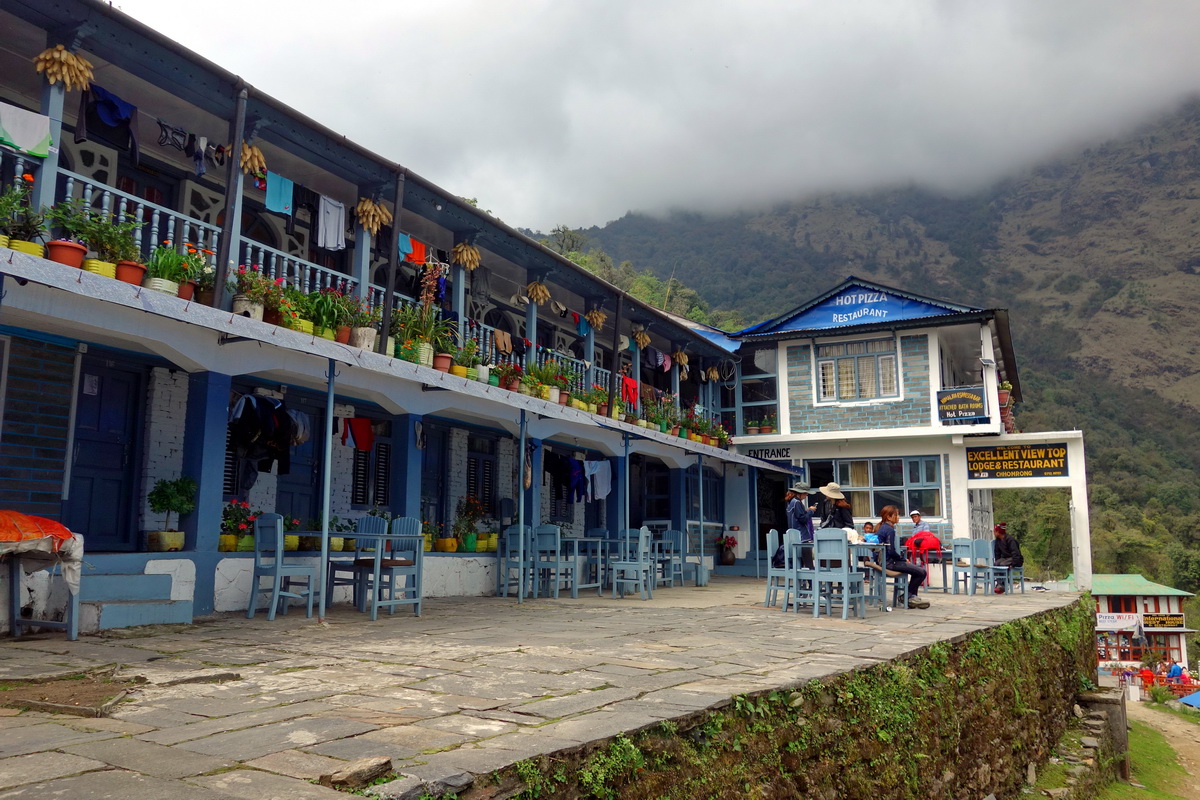
This village consists of a few guesthouses and cafes where you can stop, rest, and have tea. They say there’s Wi-Fi here, as it’s an issue in nearby villages.
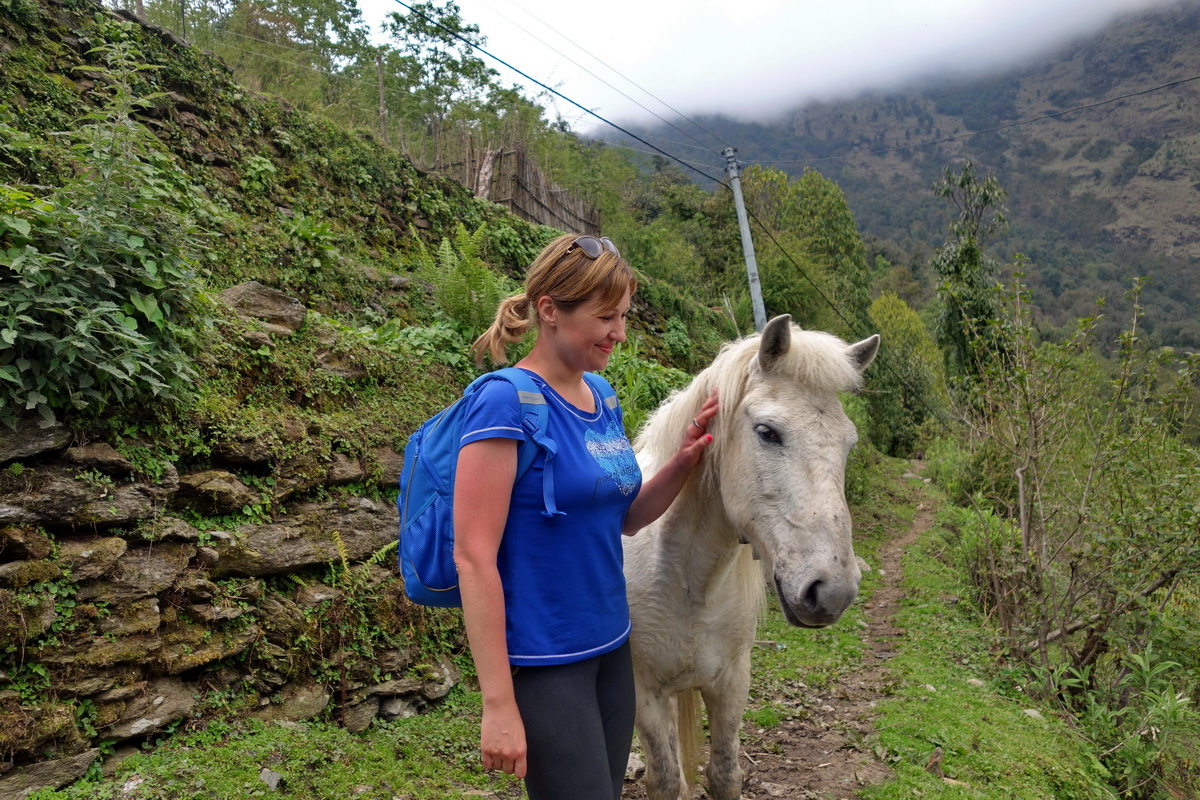
But we decided to keep going. Along the way, we meet a white horse.
And the steps start again...
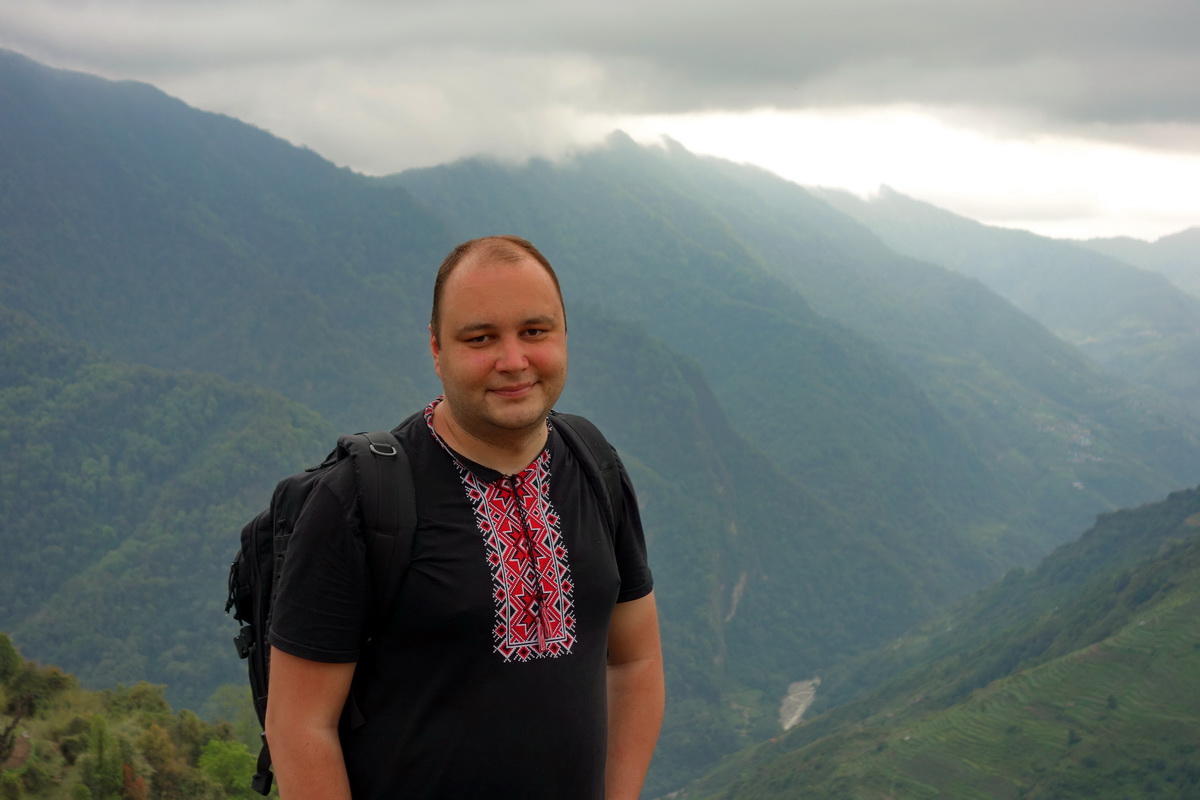
Meanwhile, the sky is getting cloudy.
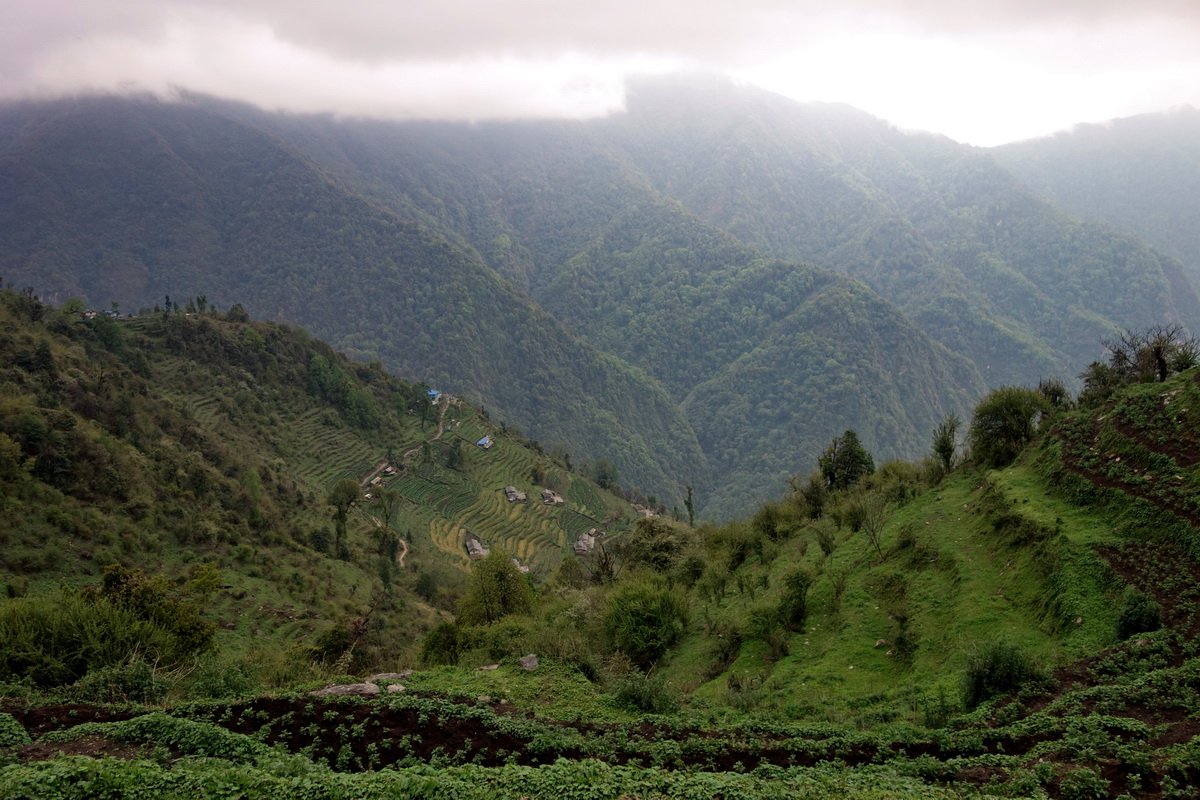
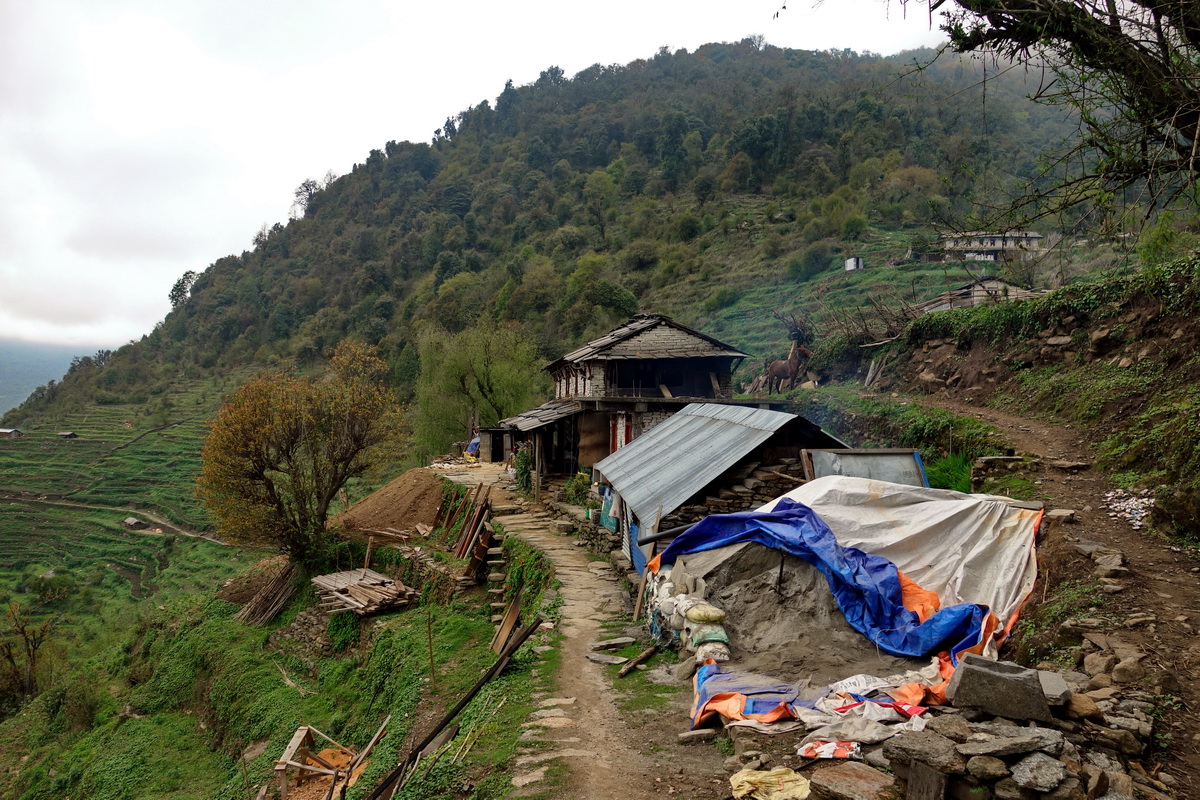
It starts raining. We realize we might reach the nearest village, Kimrong Khola, at night.
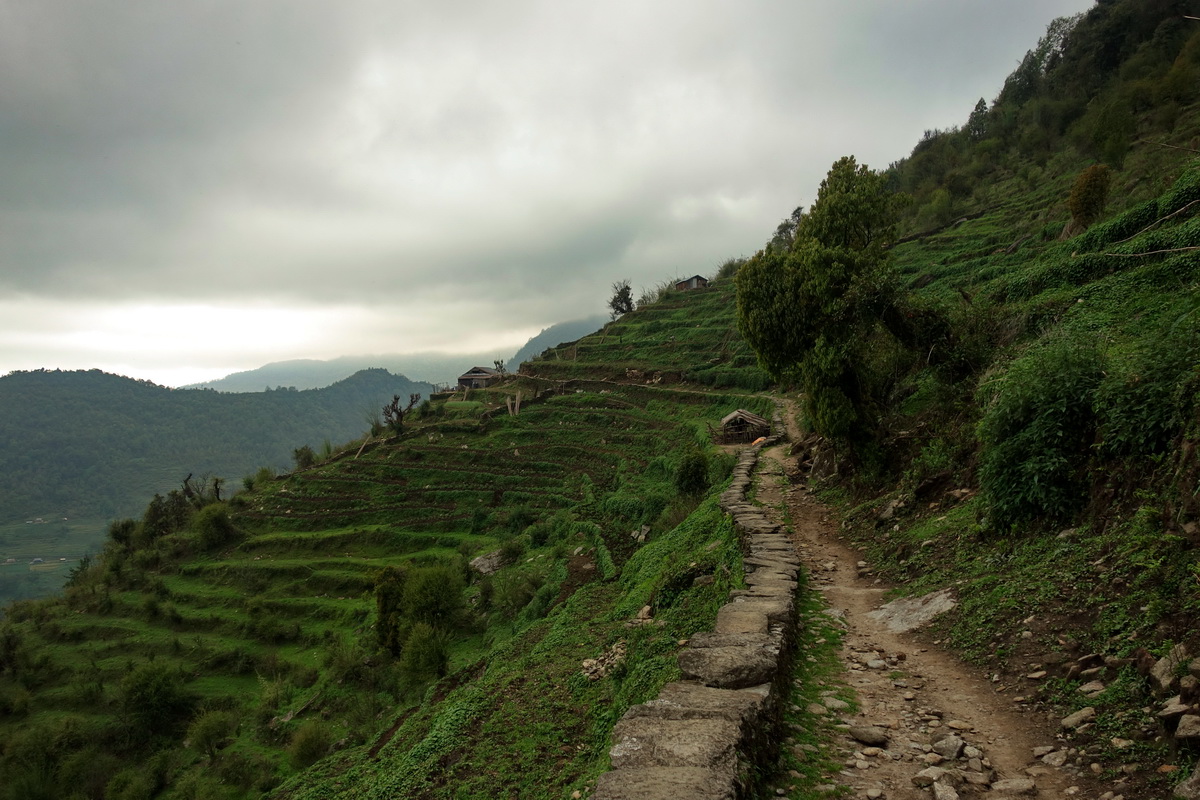
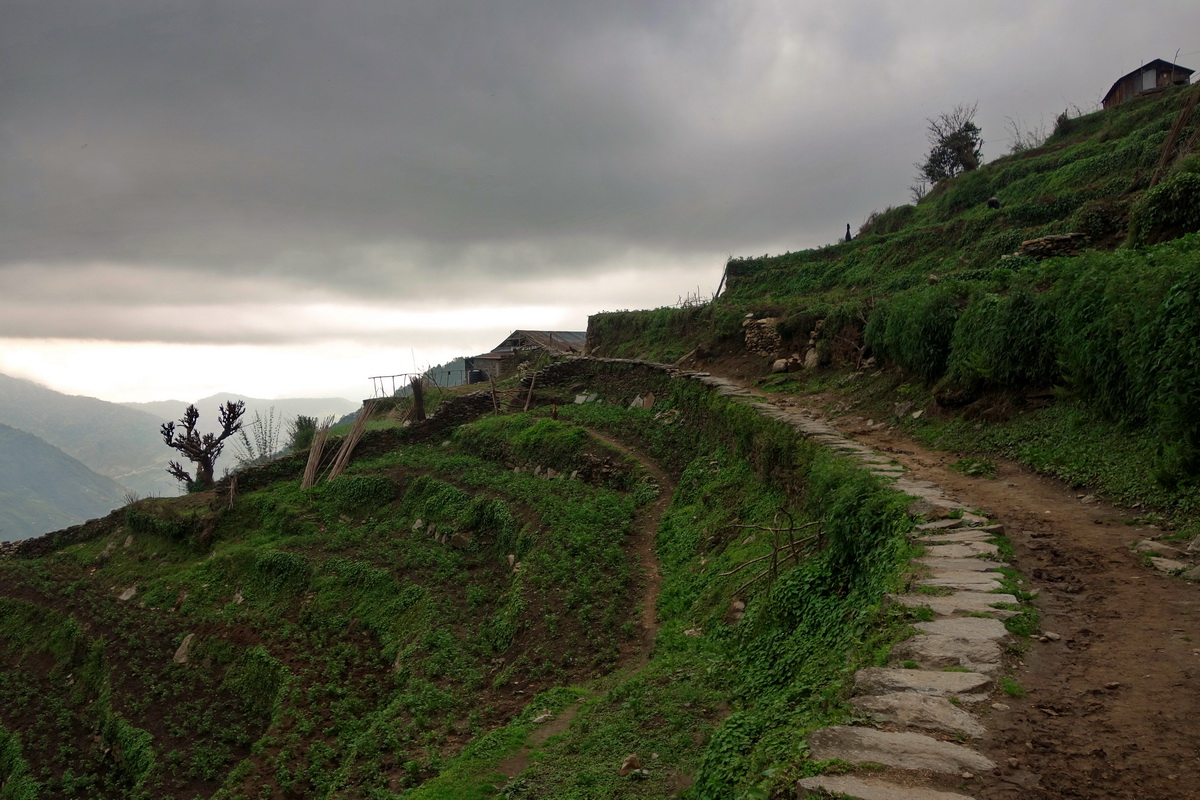
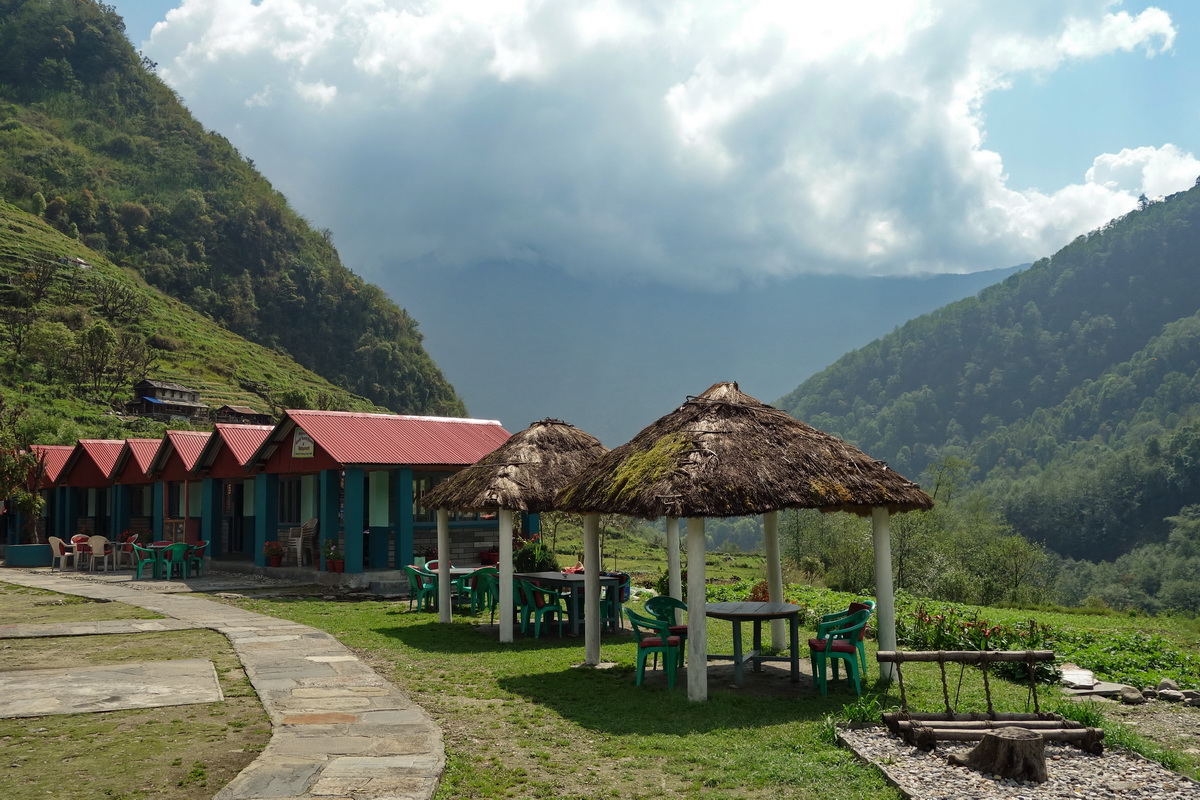
Fortunately, we come across a lone guesthouse along the way. We decided to spend the night there.
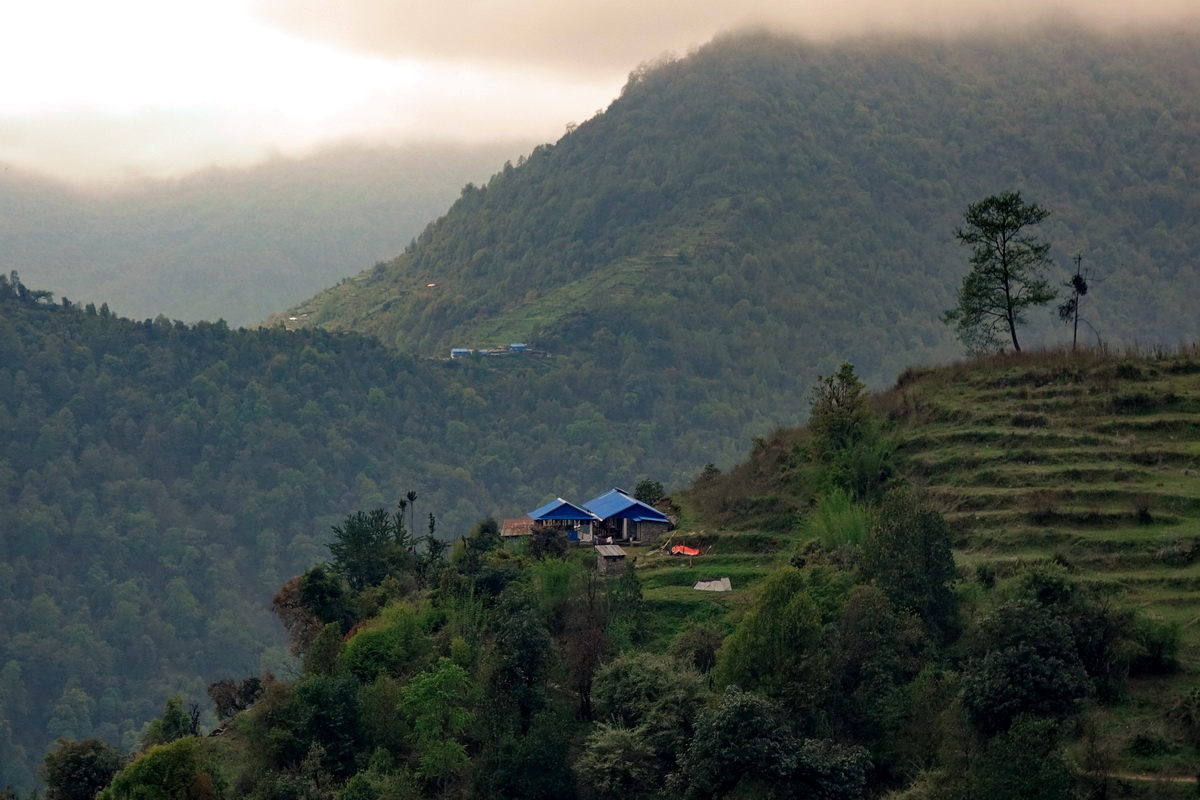
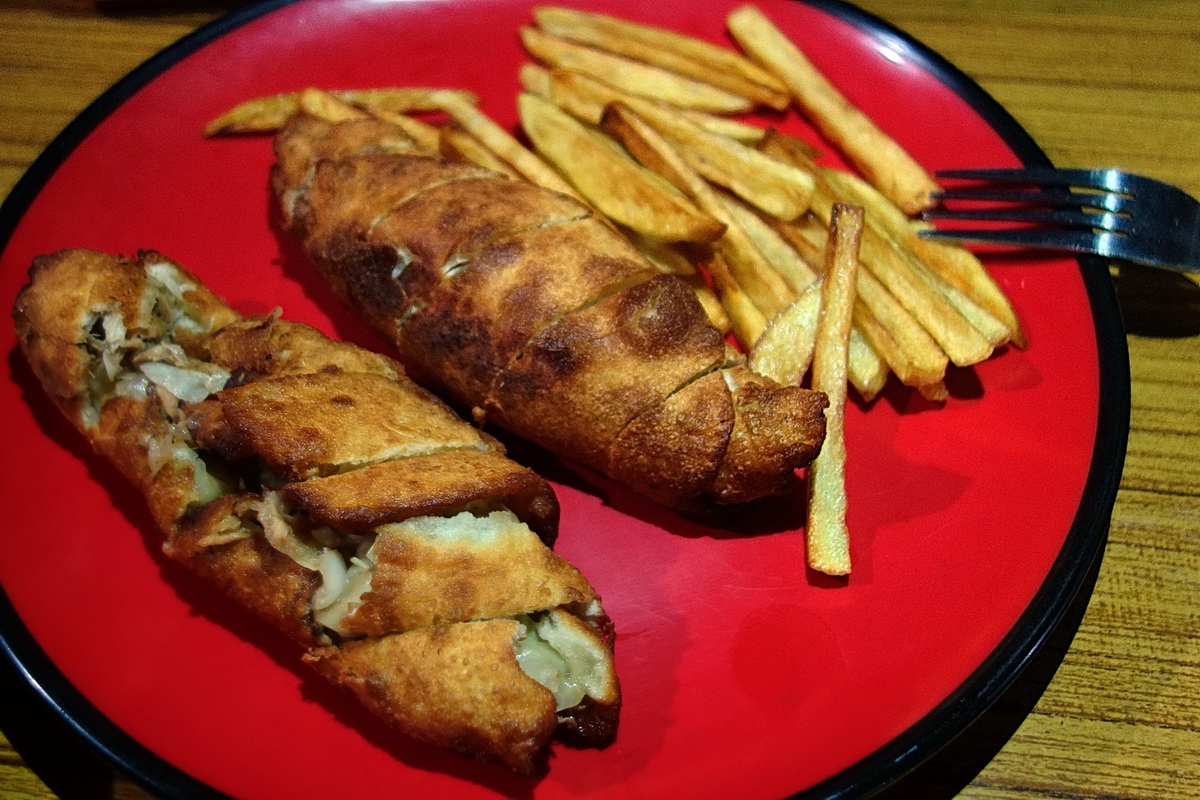
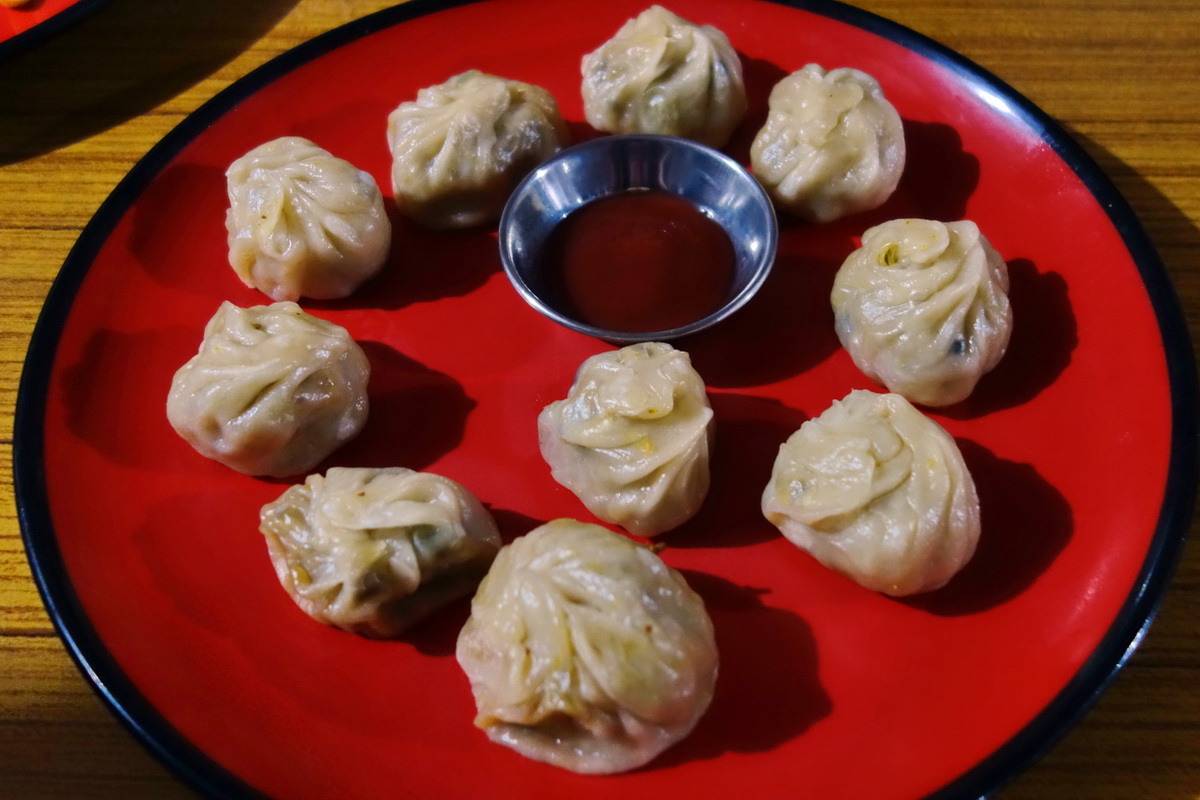
We were the only guests in this guesthouse. The owners are very friendly people. They fed us a delicious dinner: spring rolls and momo. The momo here were the best we had in Nepal.
Here’s our room. Two beds and a nightstand between them :)
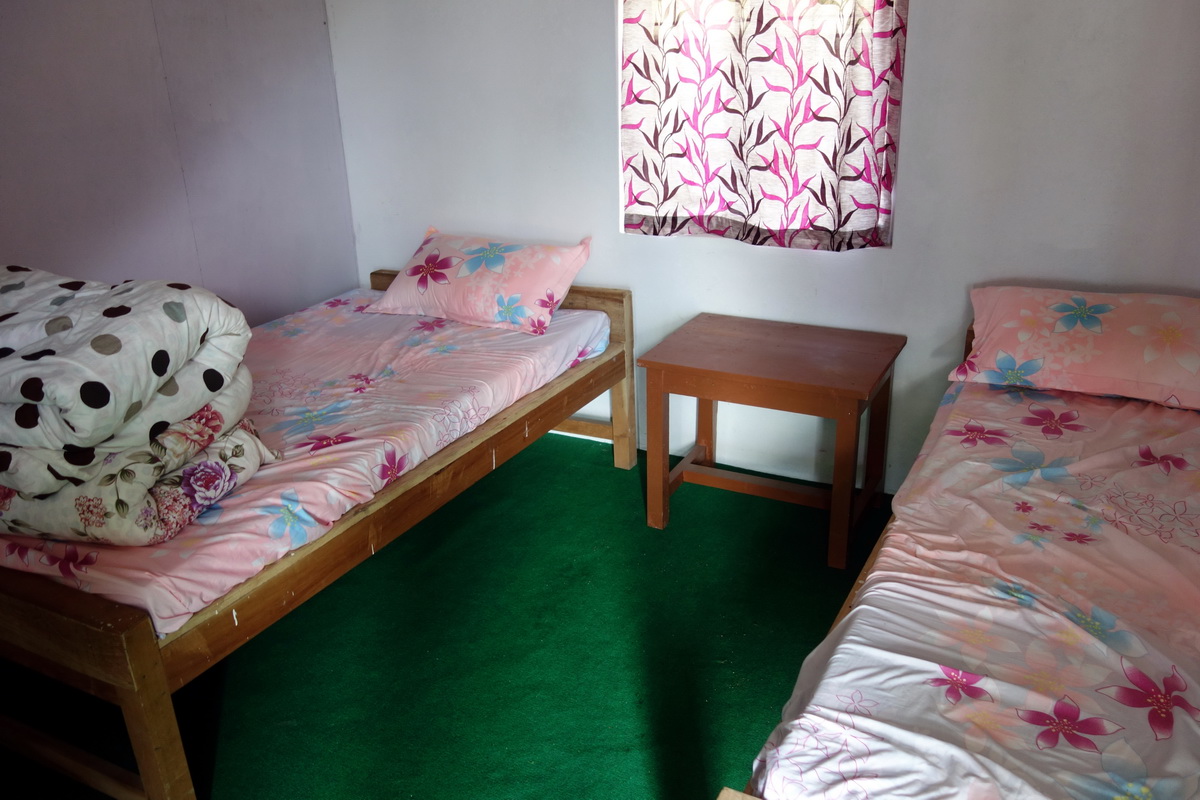
Good night :)
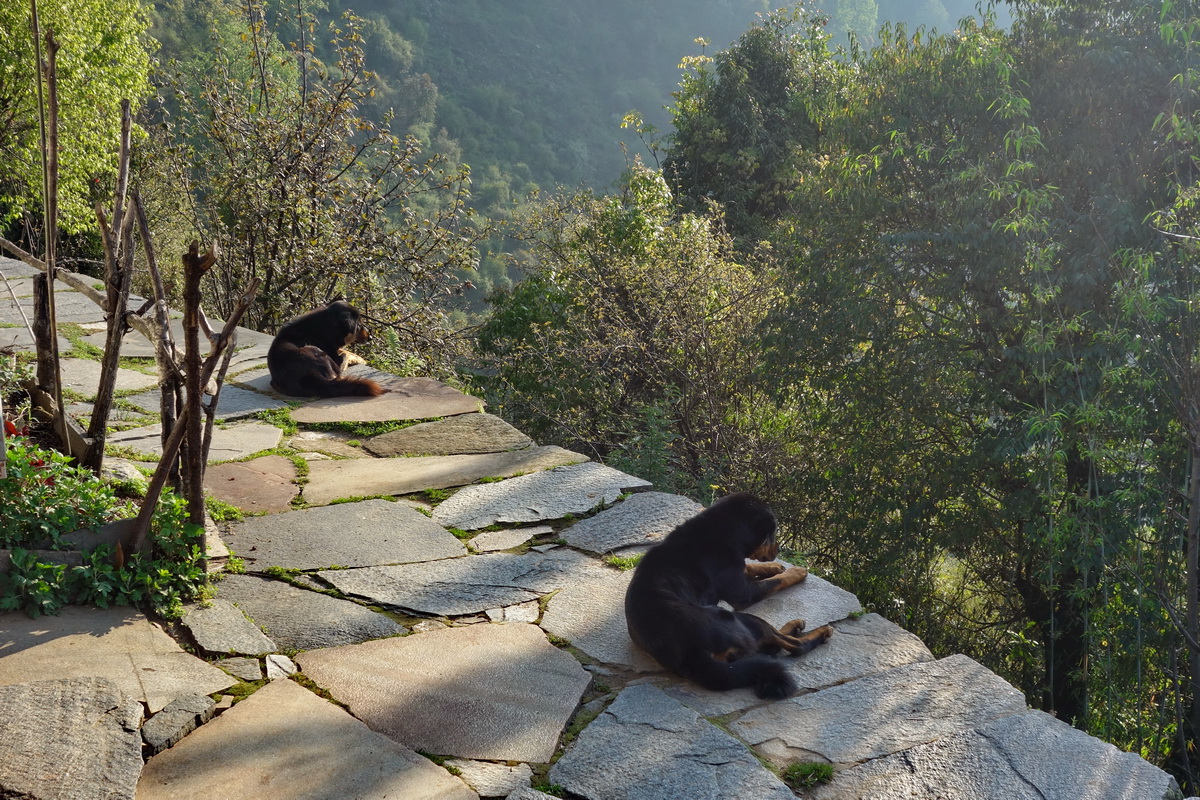
Good morning :) These are the guards of our guesthouse.
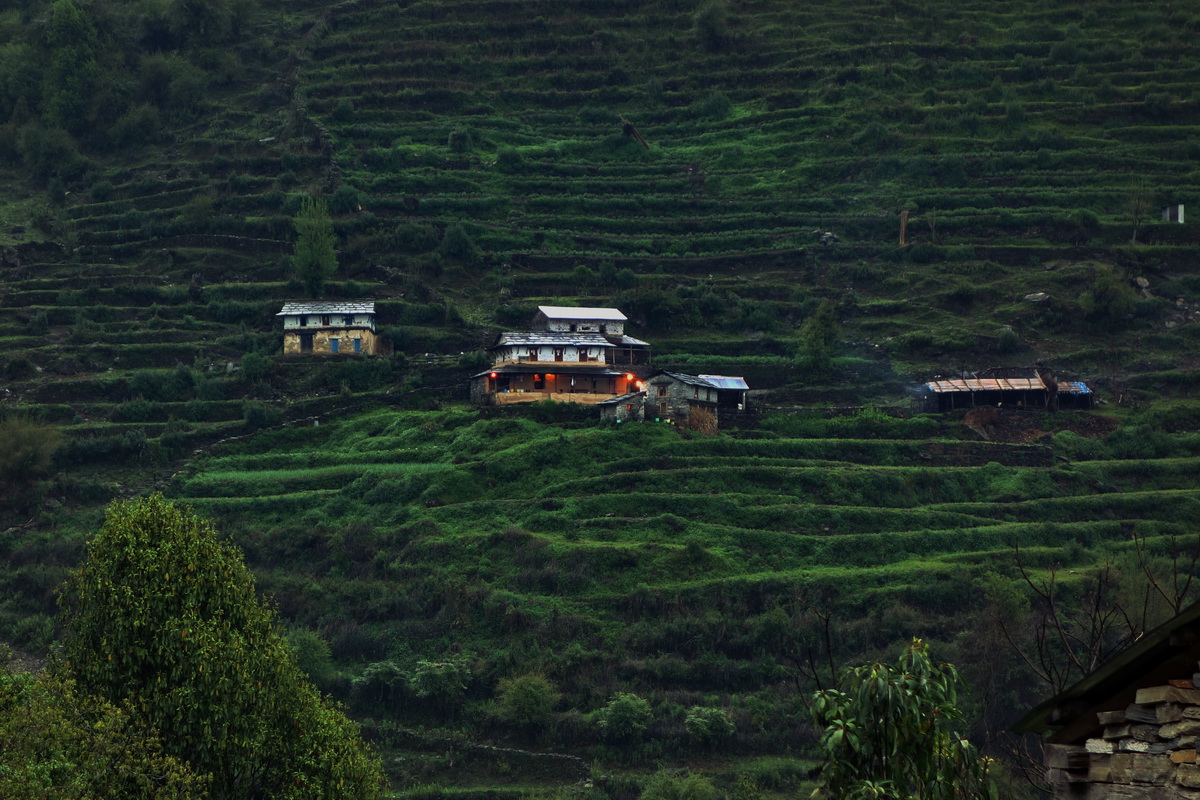
This is the beauty visible right from the courtyard of our guesthouse.
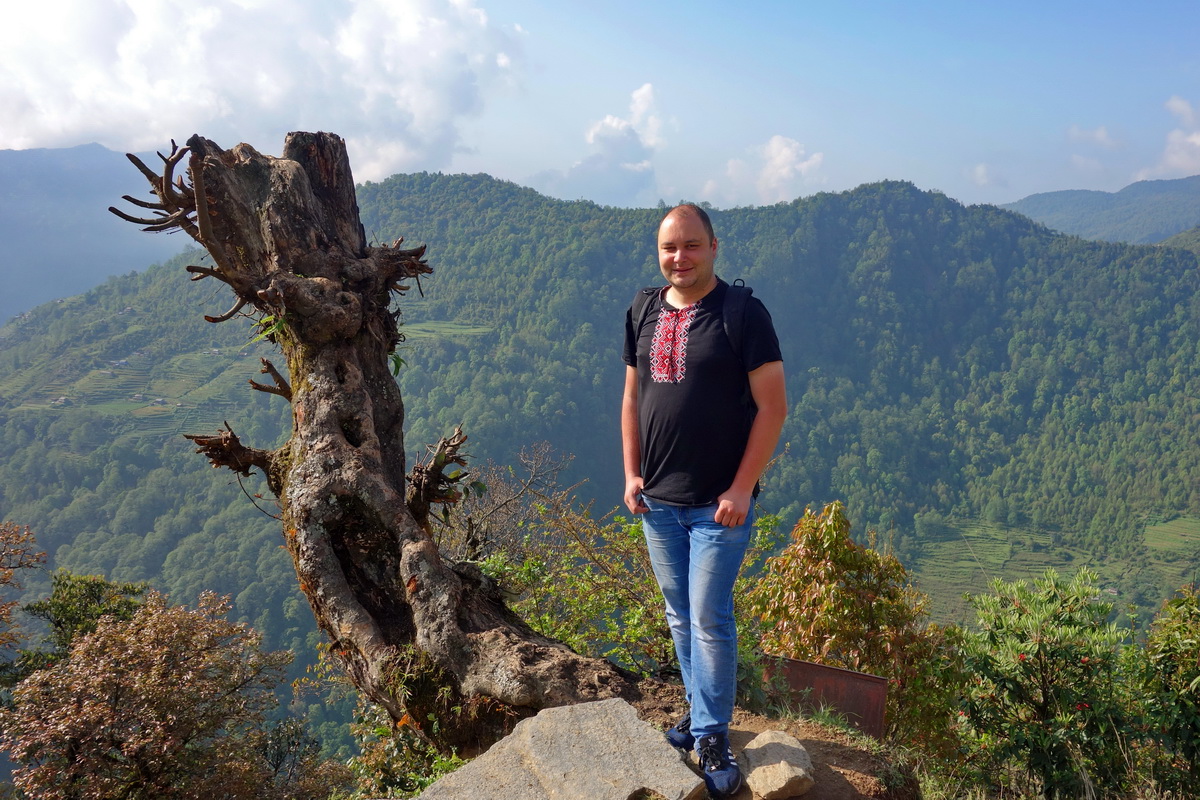
After breakfast, around 7 a.m., we set off. Today, we plan to be back in Pokhara by evening, which means we’ll have to actively climb the steps. After about an hour, we reached Kimrong Khola village. After drinking a Coke, we move on.
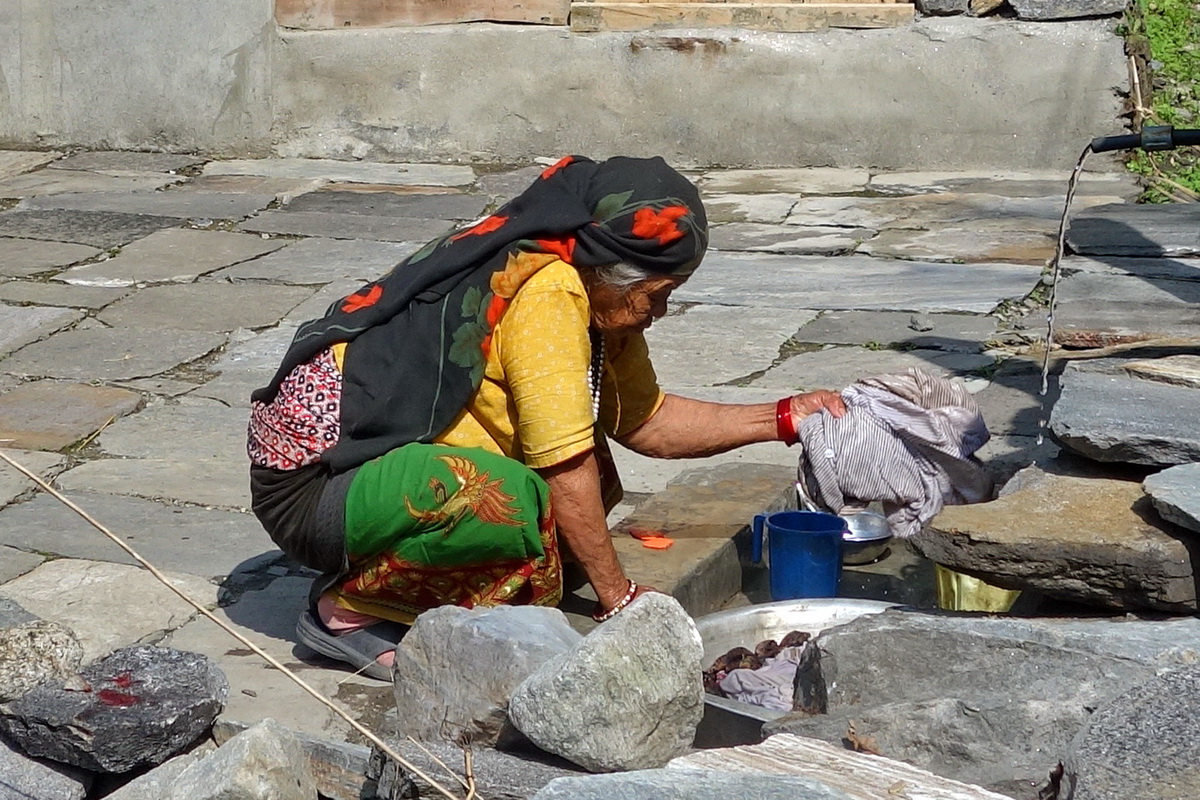
An elderly woman is washing clothes.
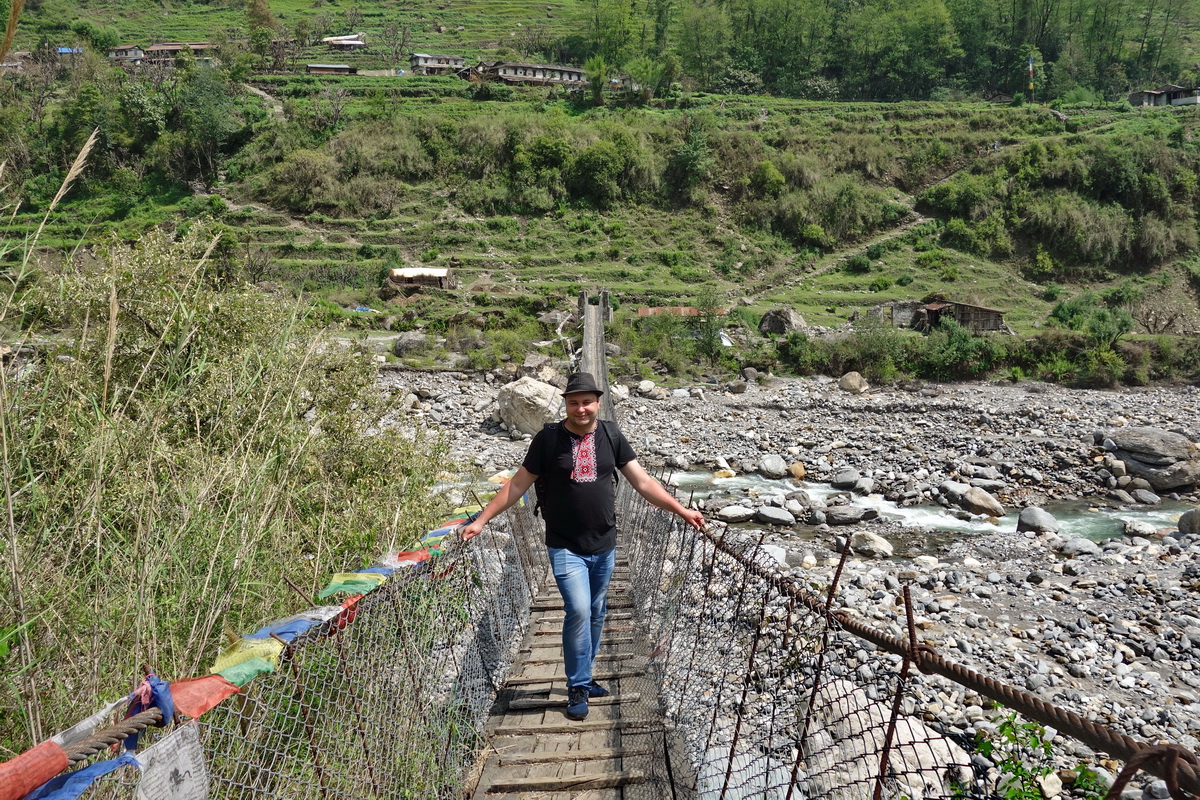
A suspension bridge. By the way, during our trek, we encountered many bridges. All were in good condition.
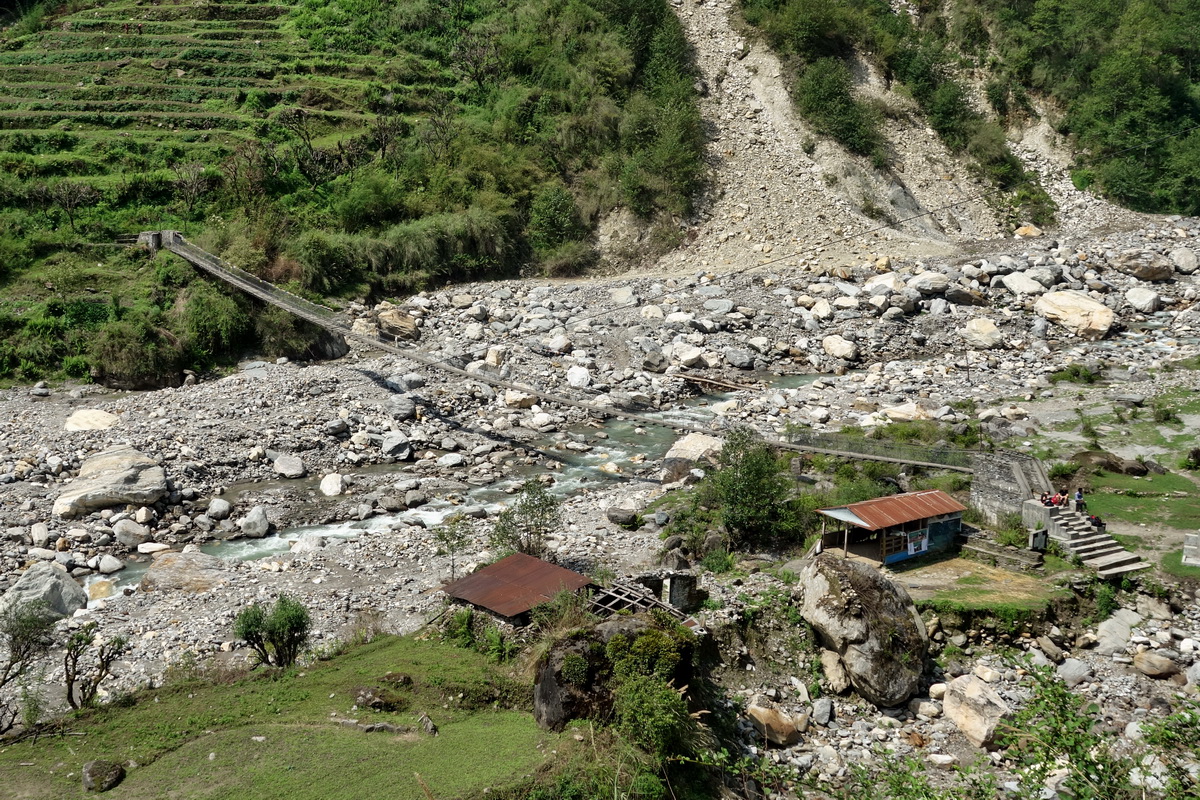
This bridge is the longest of all.
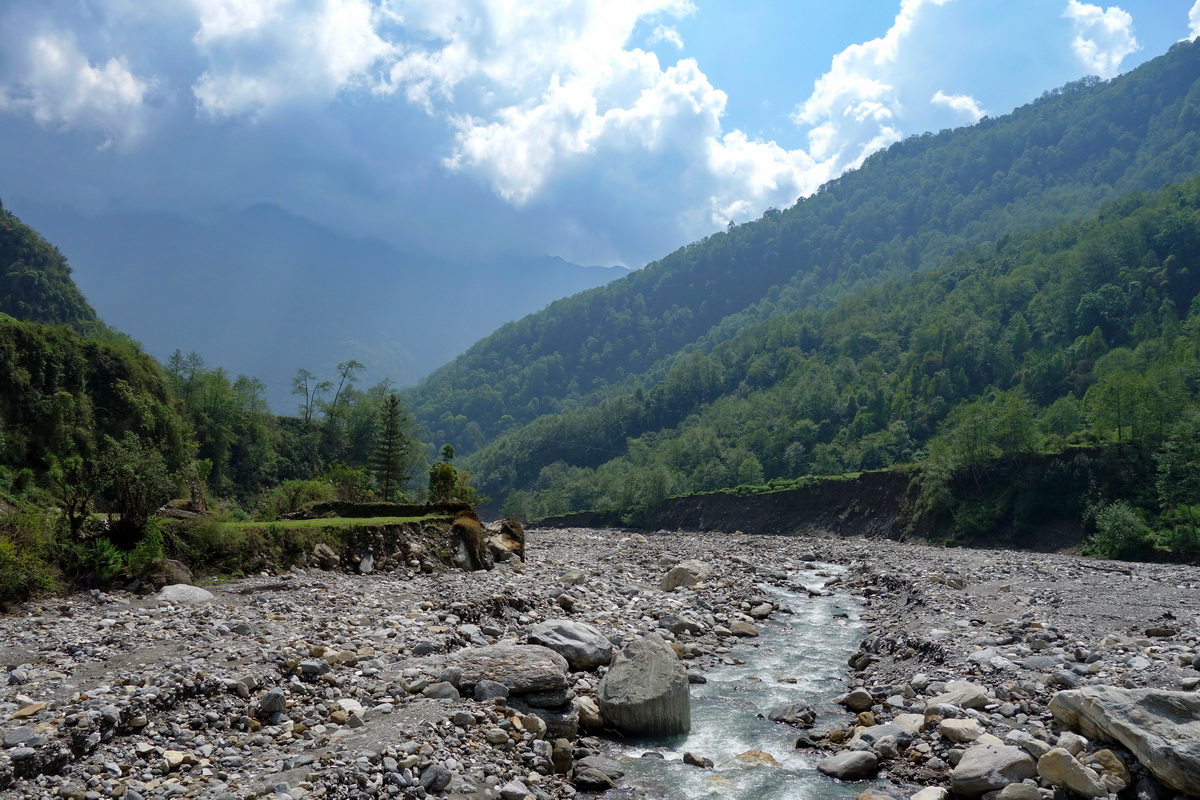
We reached a small eatery. It’s a bit tough to walk, but the mood is upbeat.
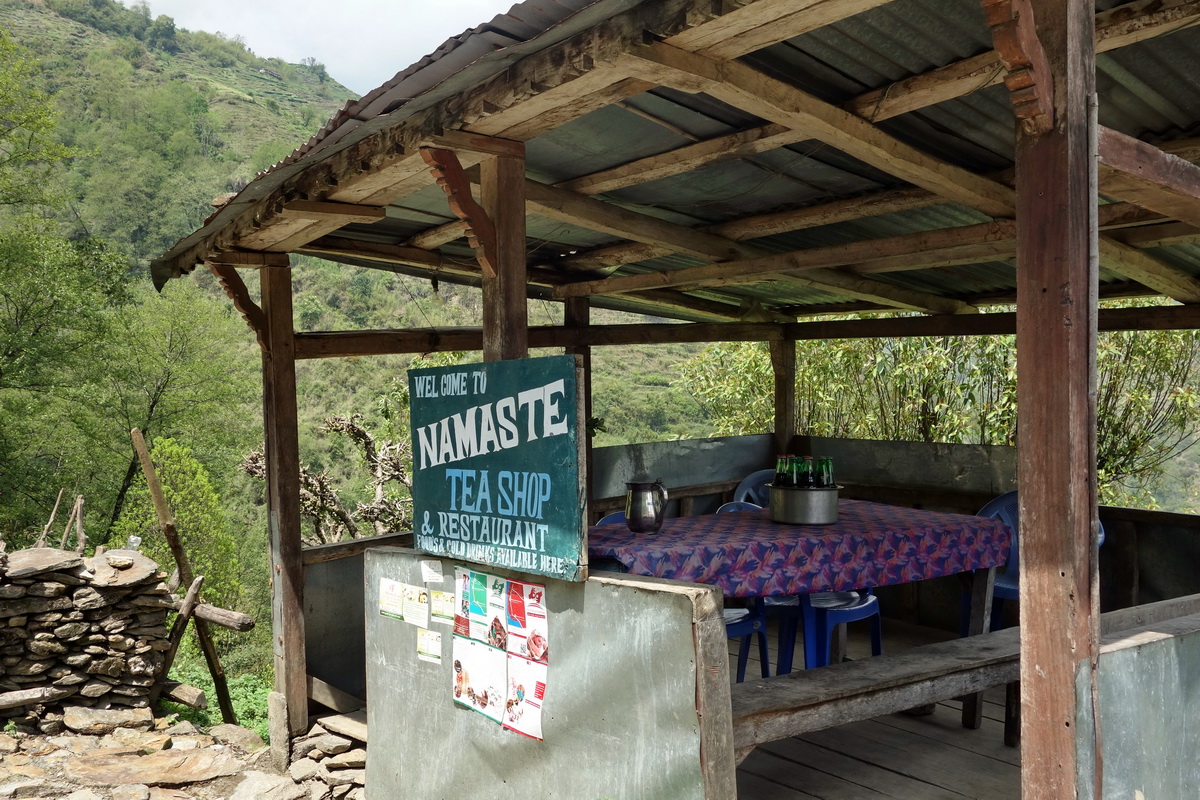
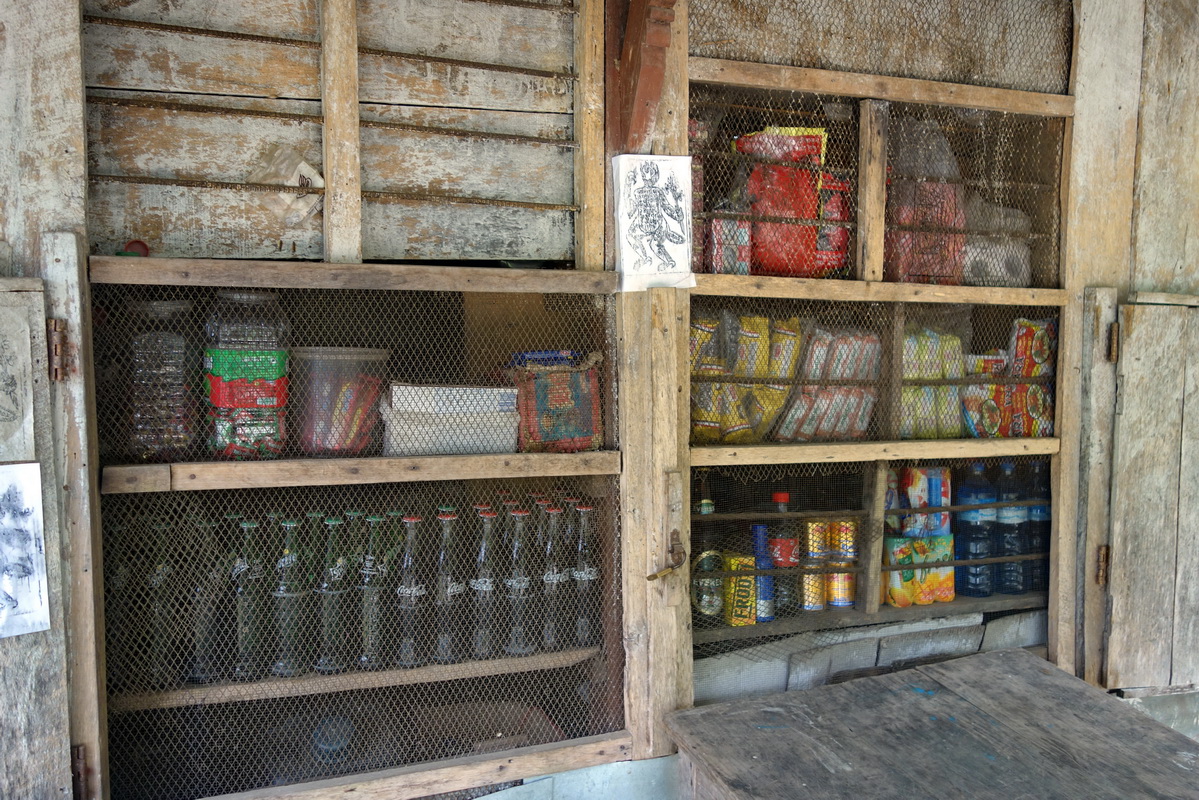
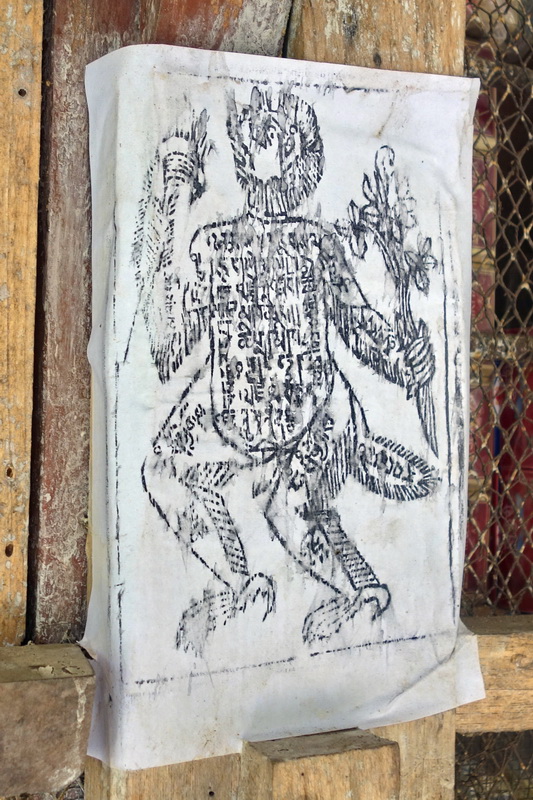
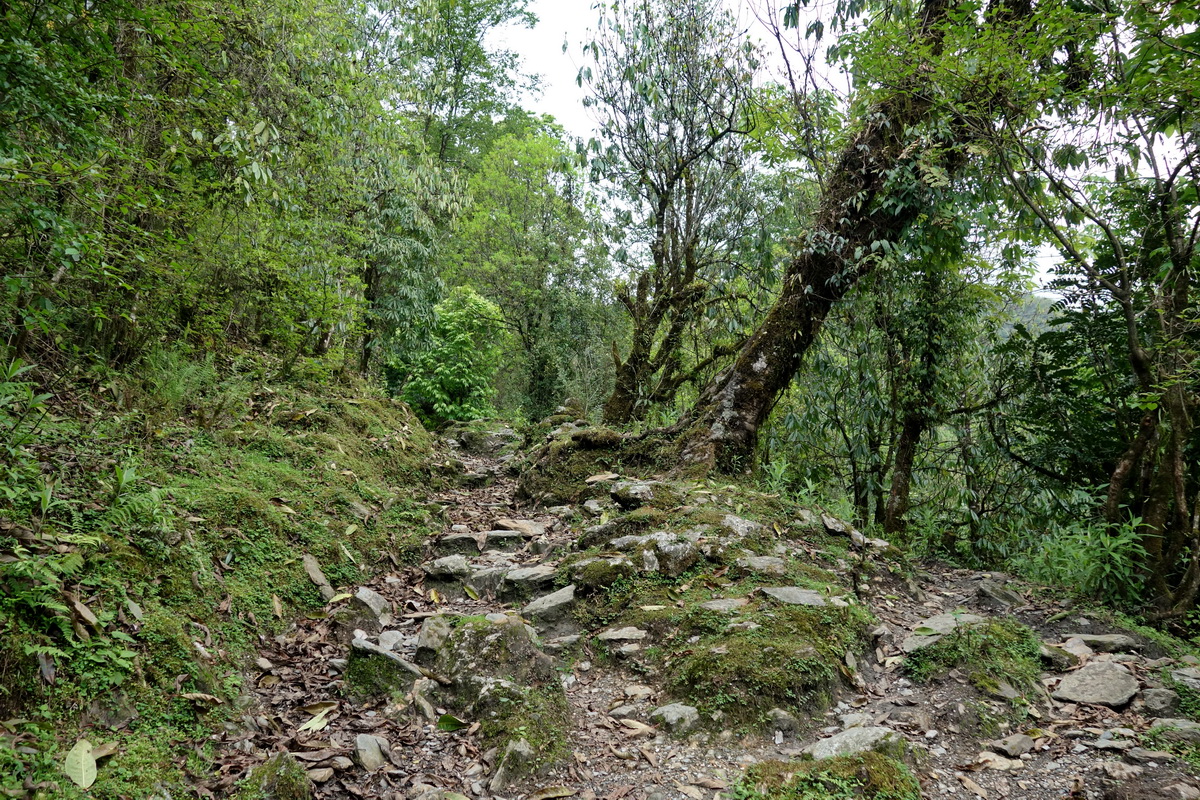
Until this point, we were descending, but now we start climbing. There aren’t many stone steps here; it’s mostly dirt trails.
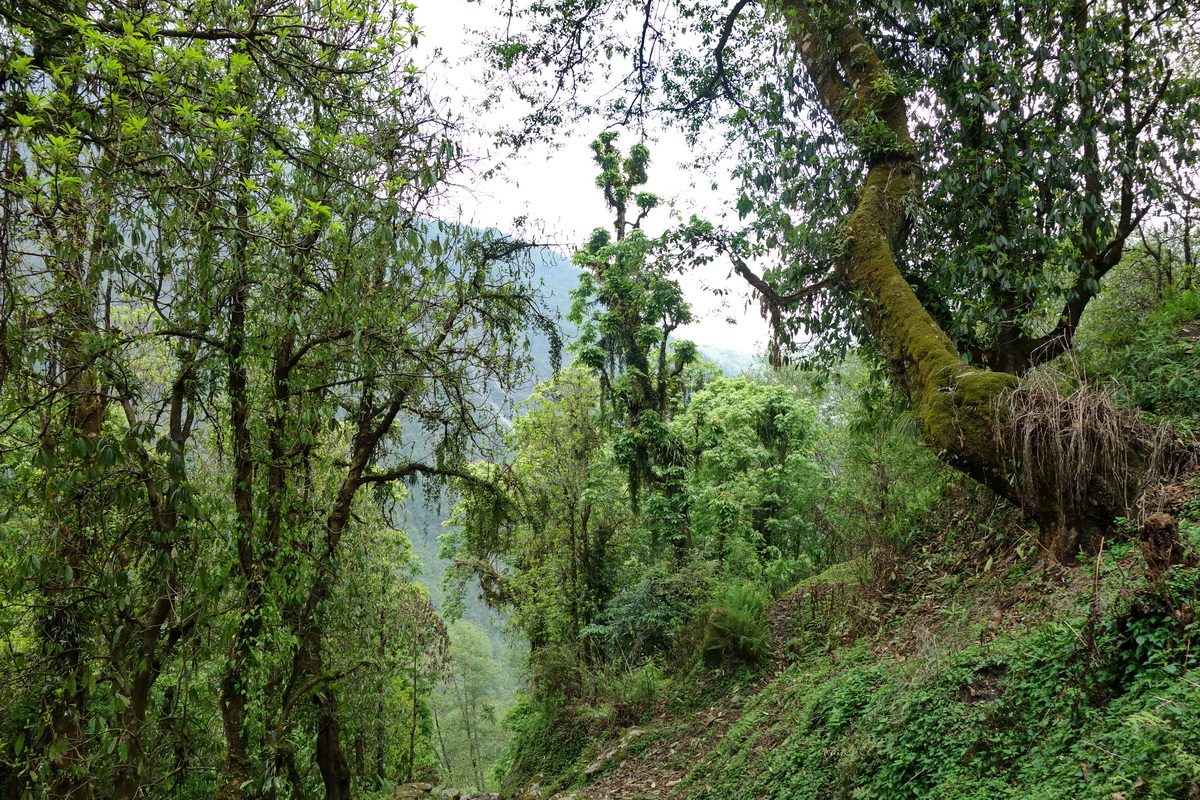
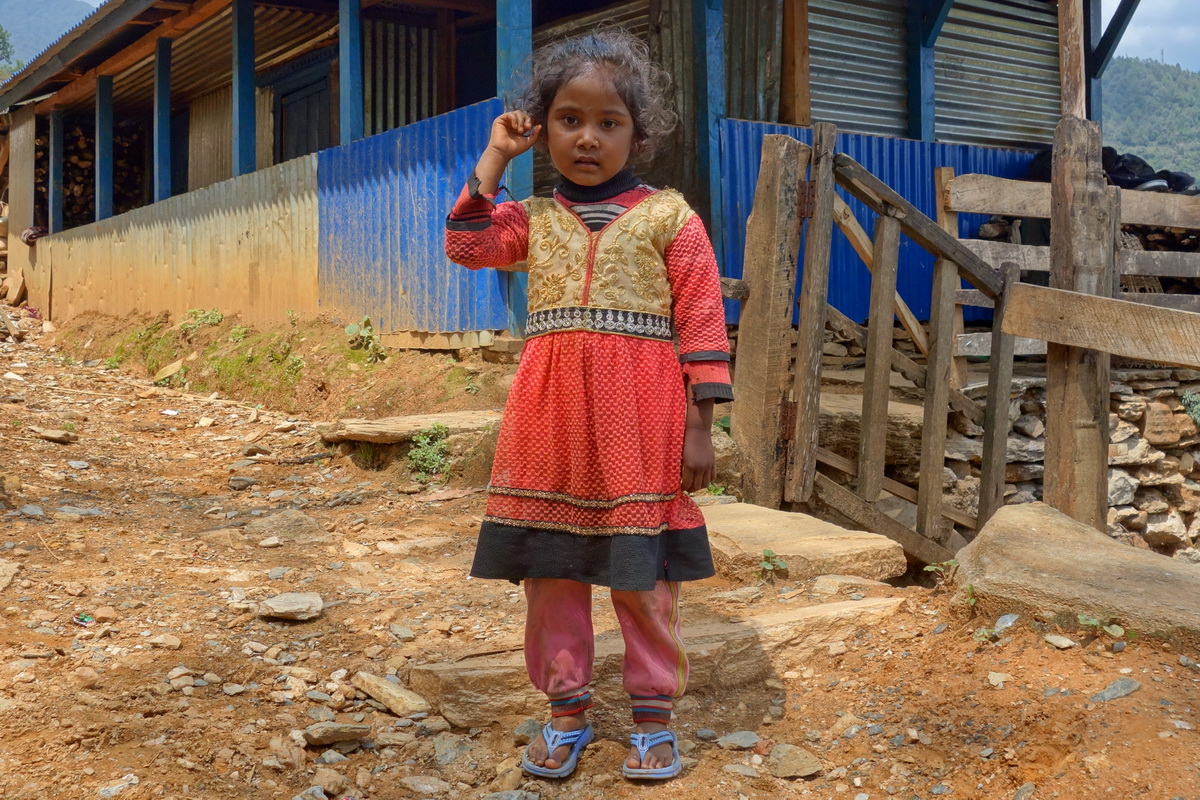
Local kids. They love being photographed.
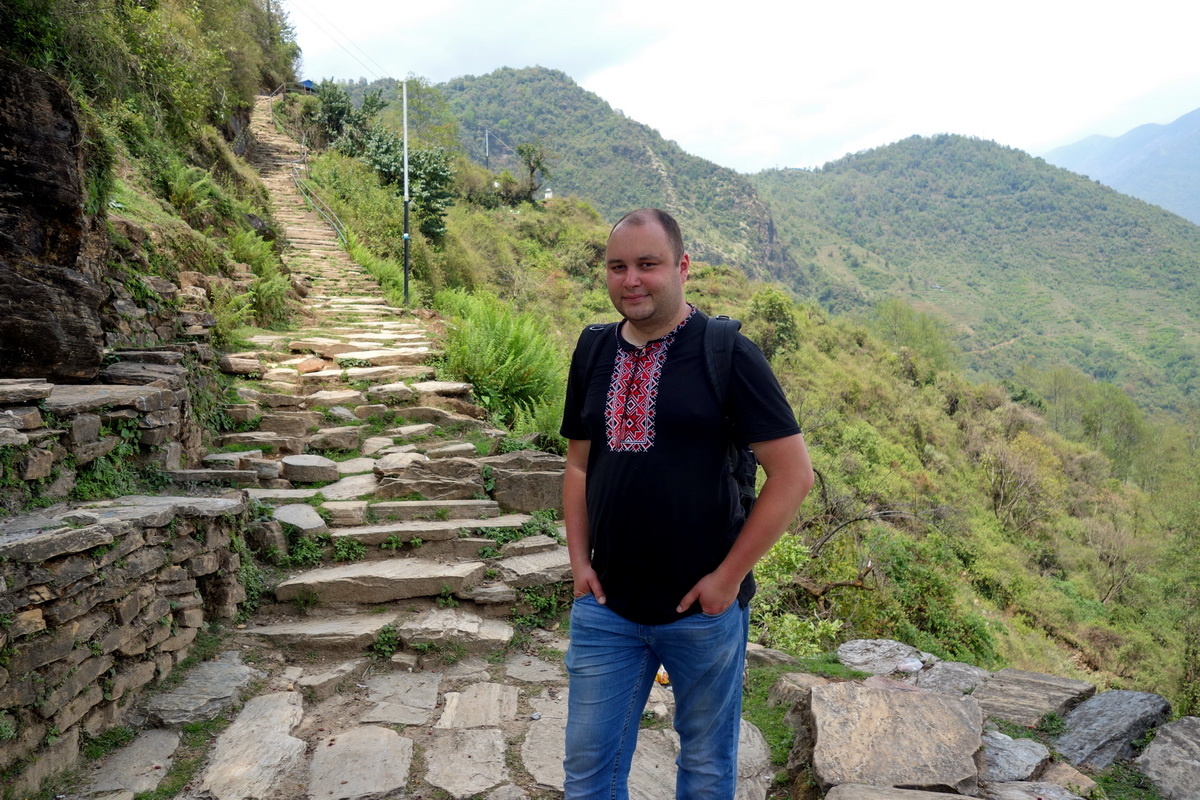
After passing a small pass, the trail continues without significant climbs or descents. That’s a relief.
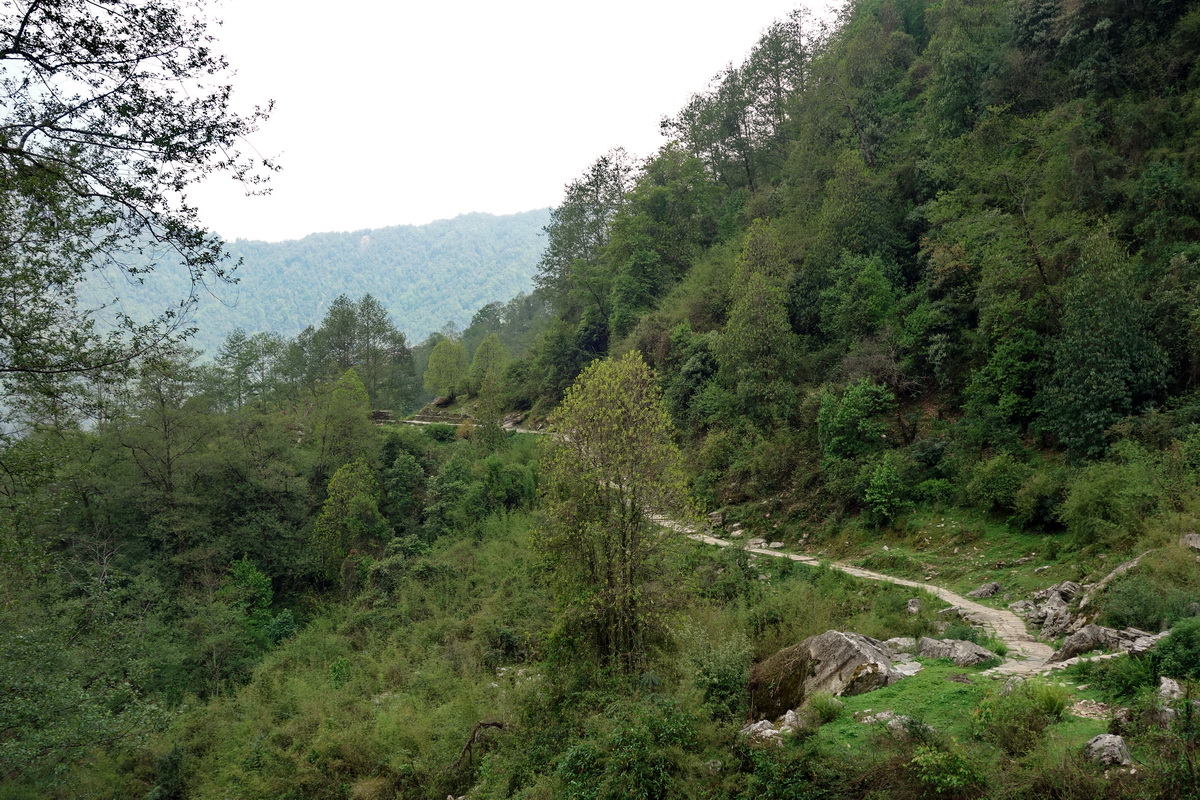
The landscape has changed a bit; there are more trees.
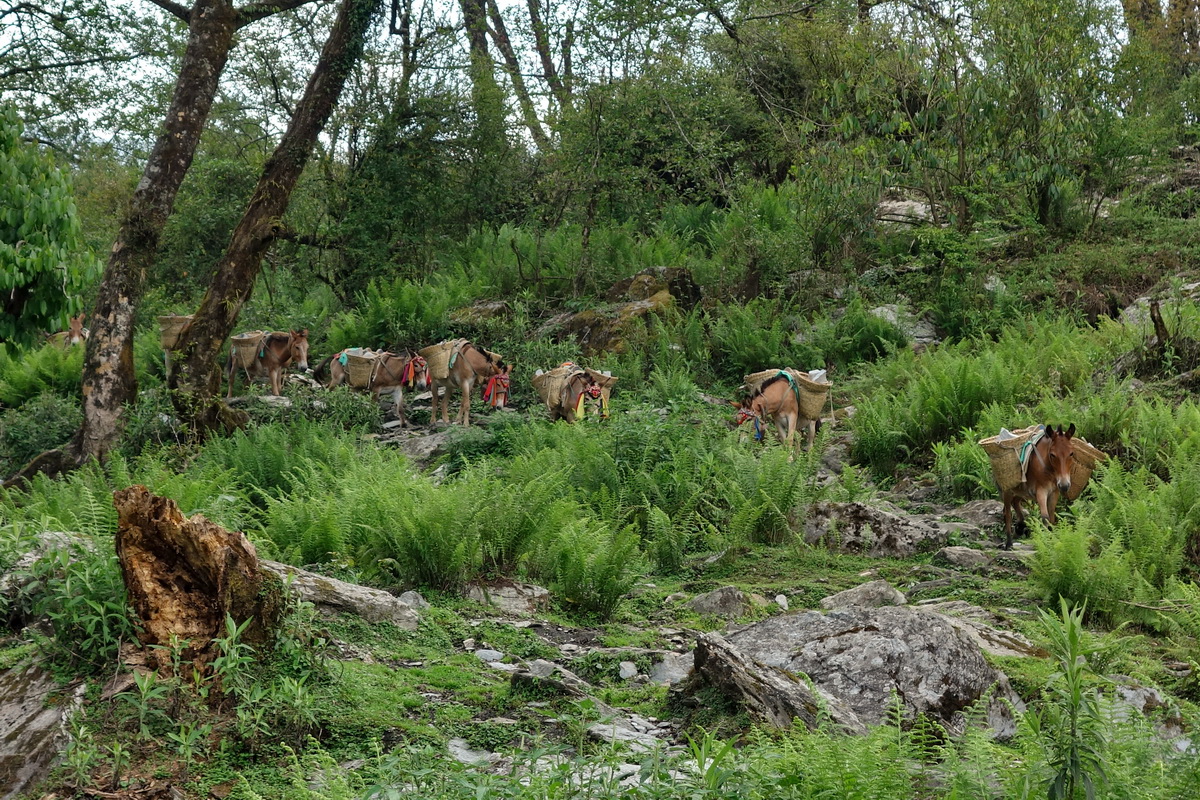
A caravan of donkeys with loads.
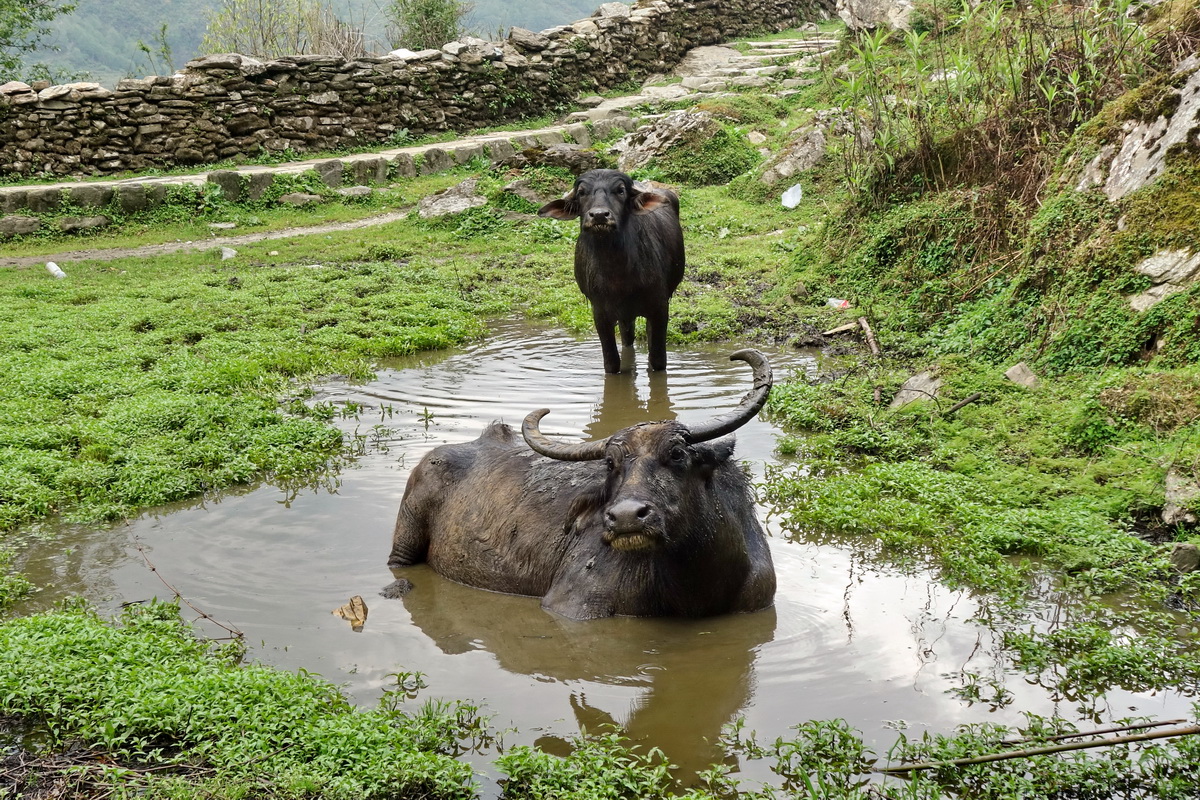
Bulls at a spa treatment.
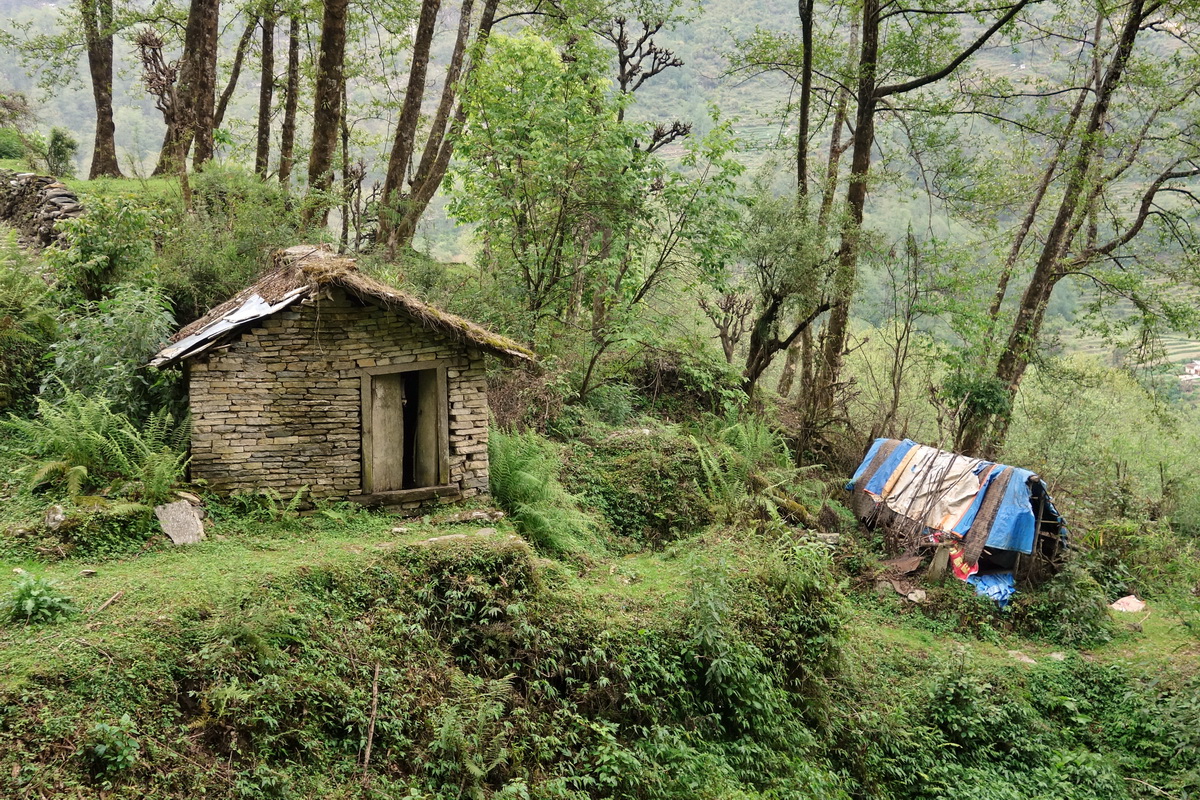
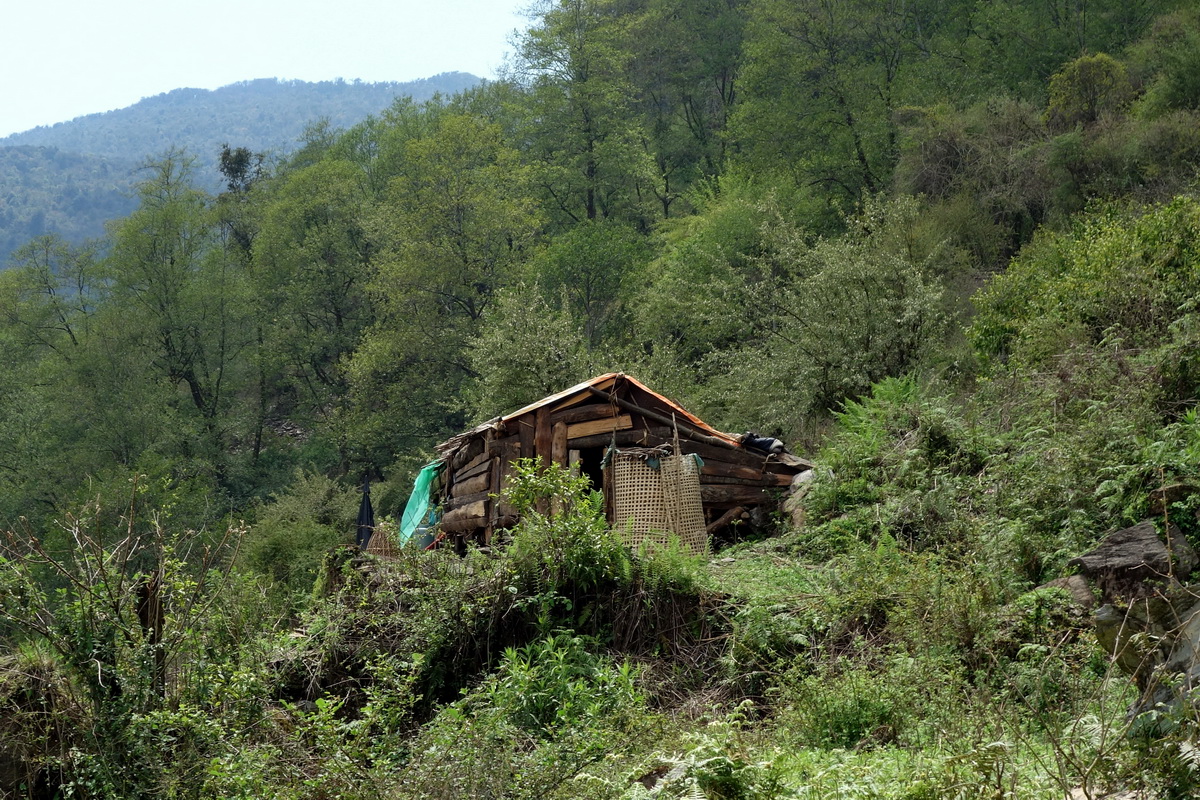
Huts along the way.
Ghandruk village, where we were on the second day of our trek.
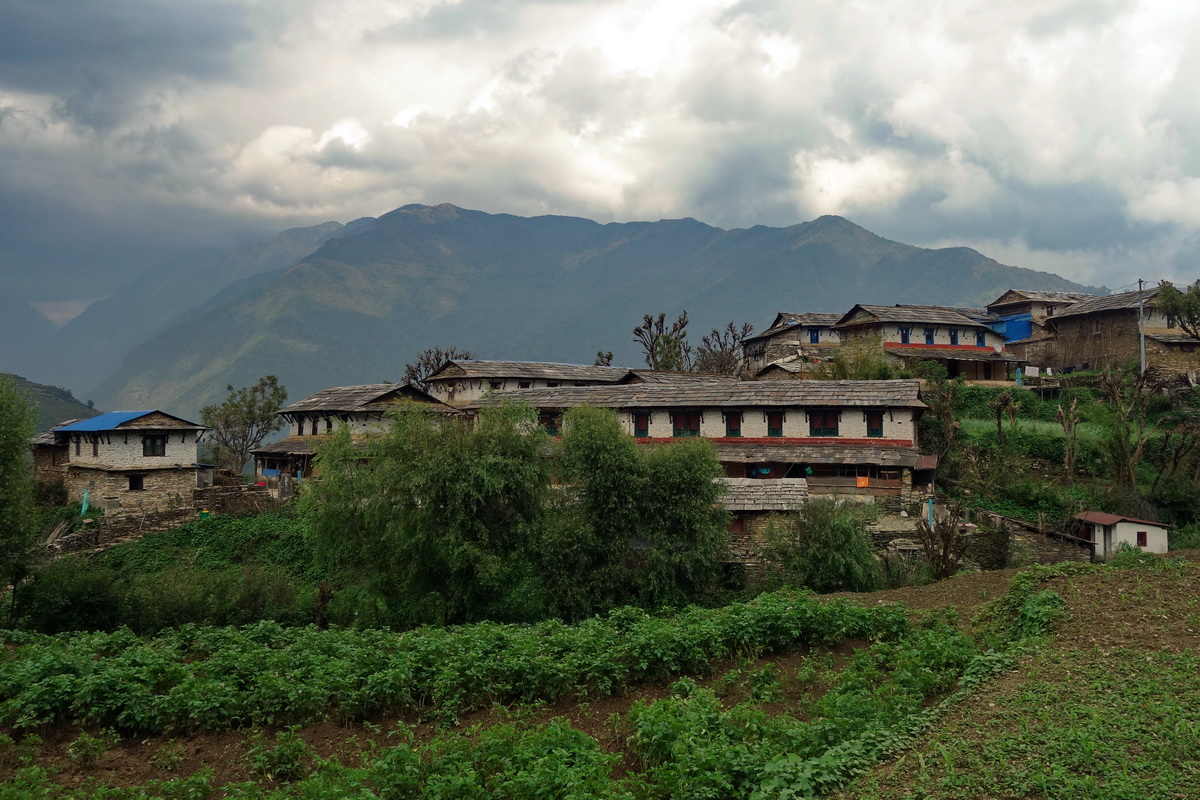
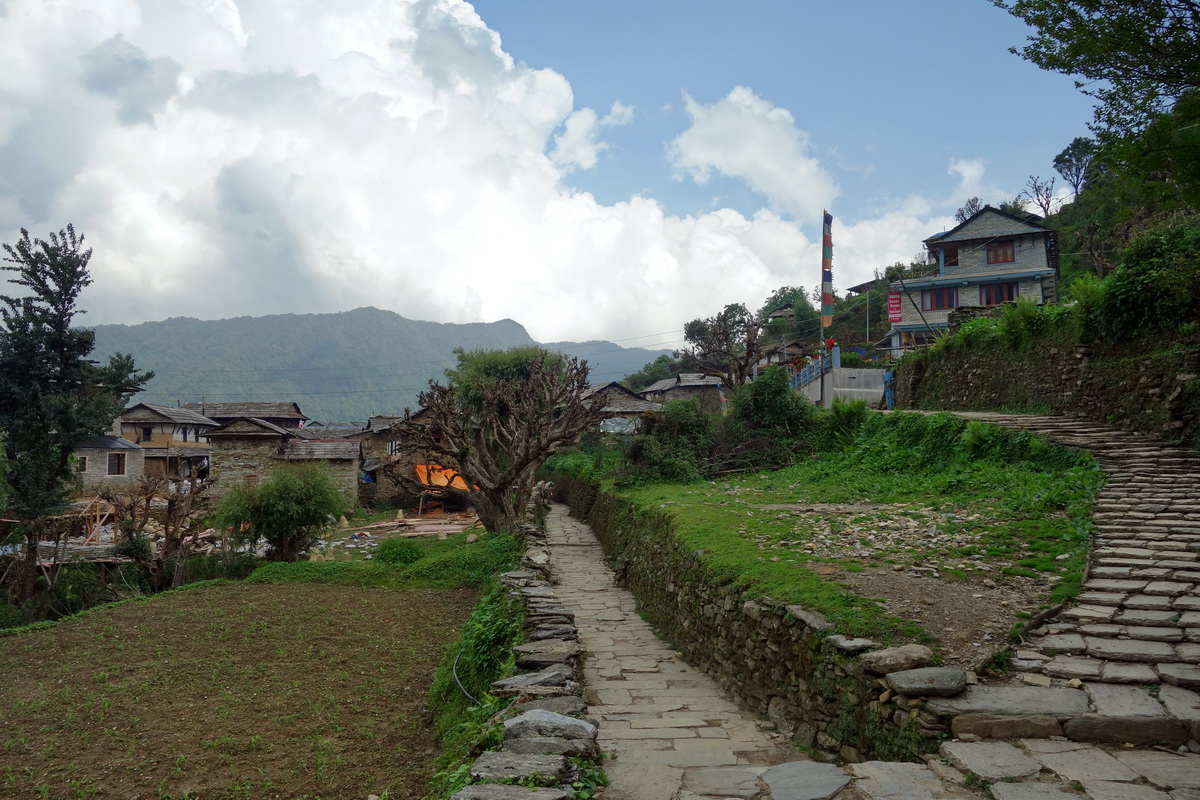
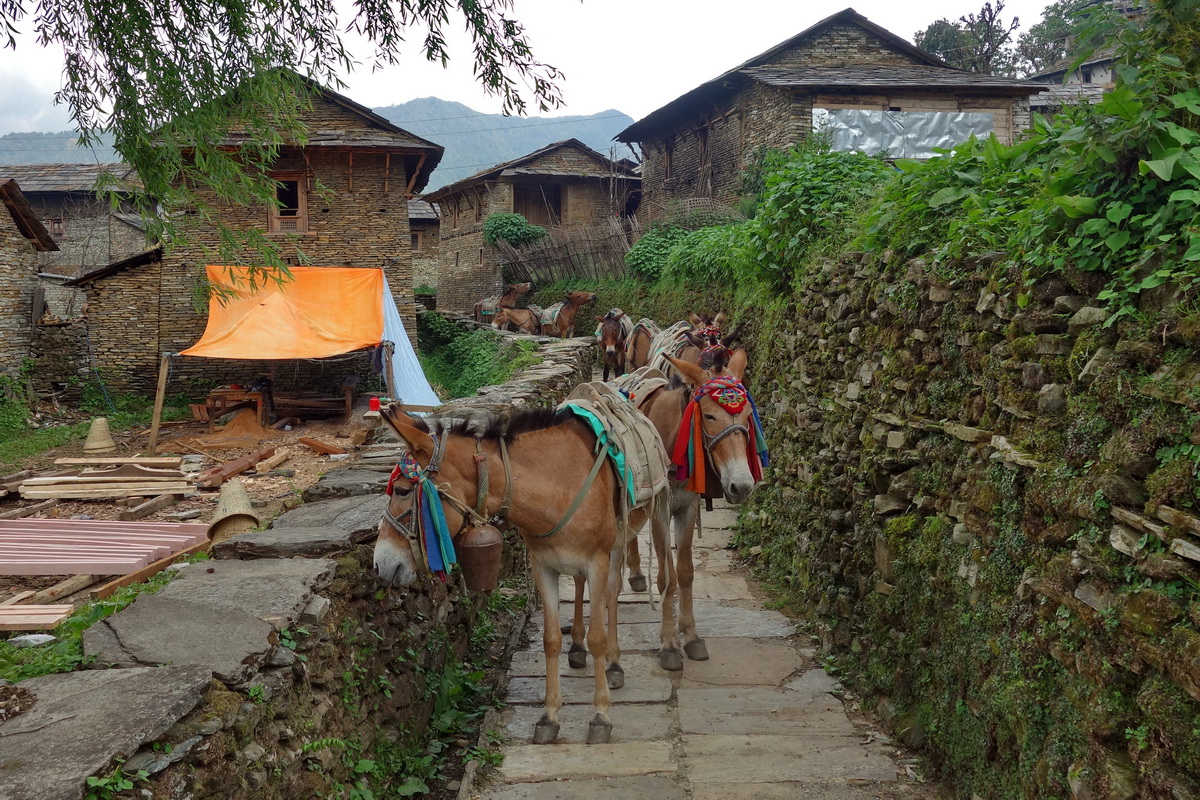
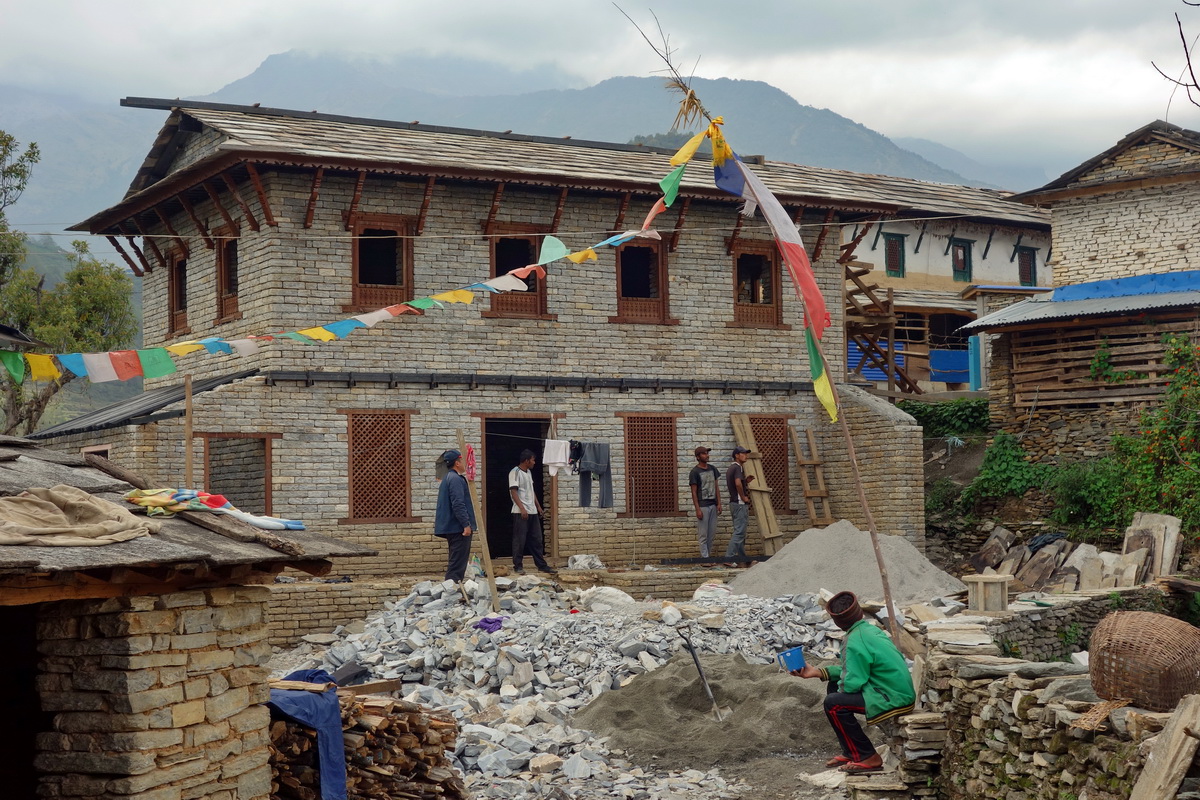
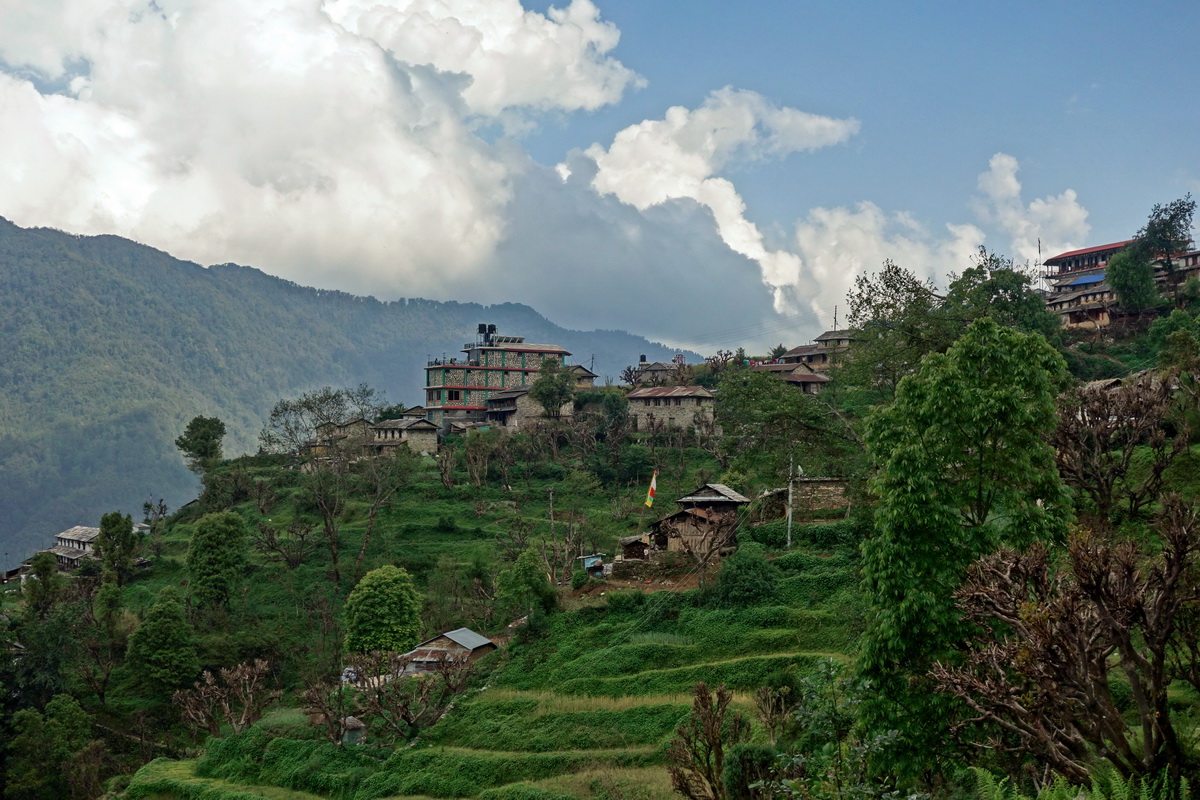
Today, we entered the village from a different side and ended up not in the tourist area but in the part where locals live.
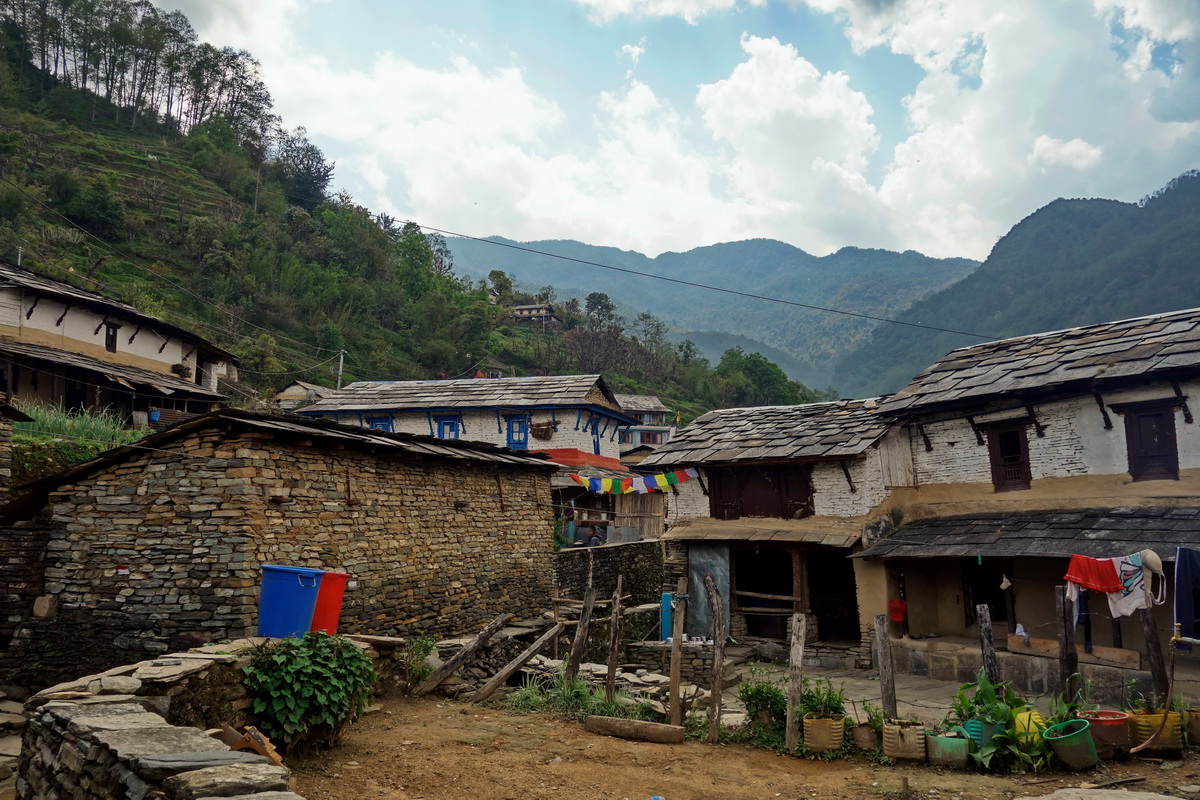
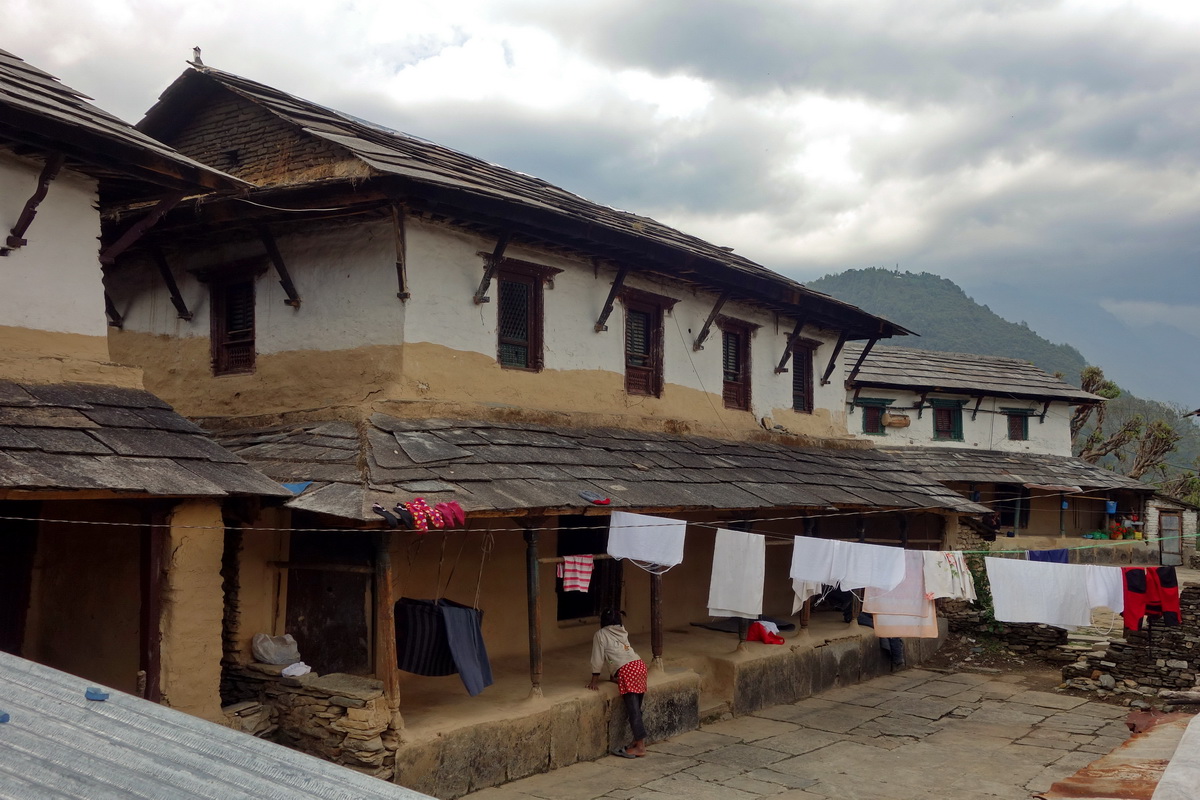
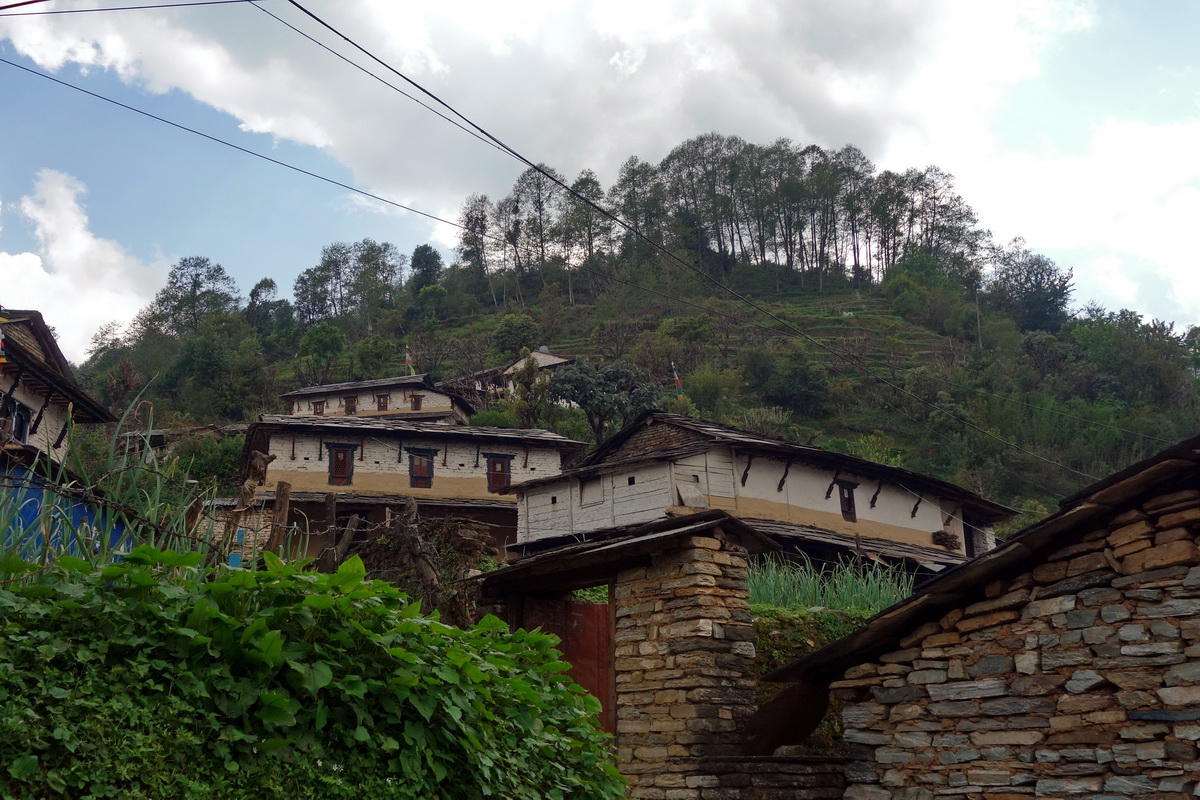
They have vegetable gardens on the terraces.
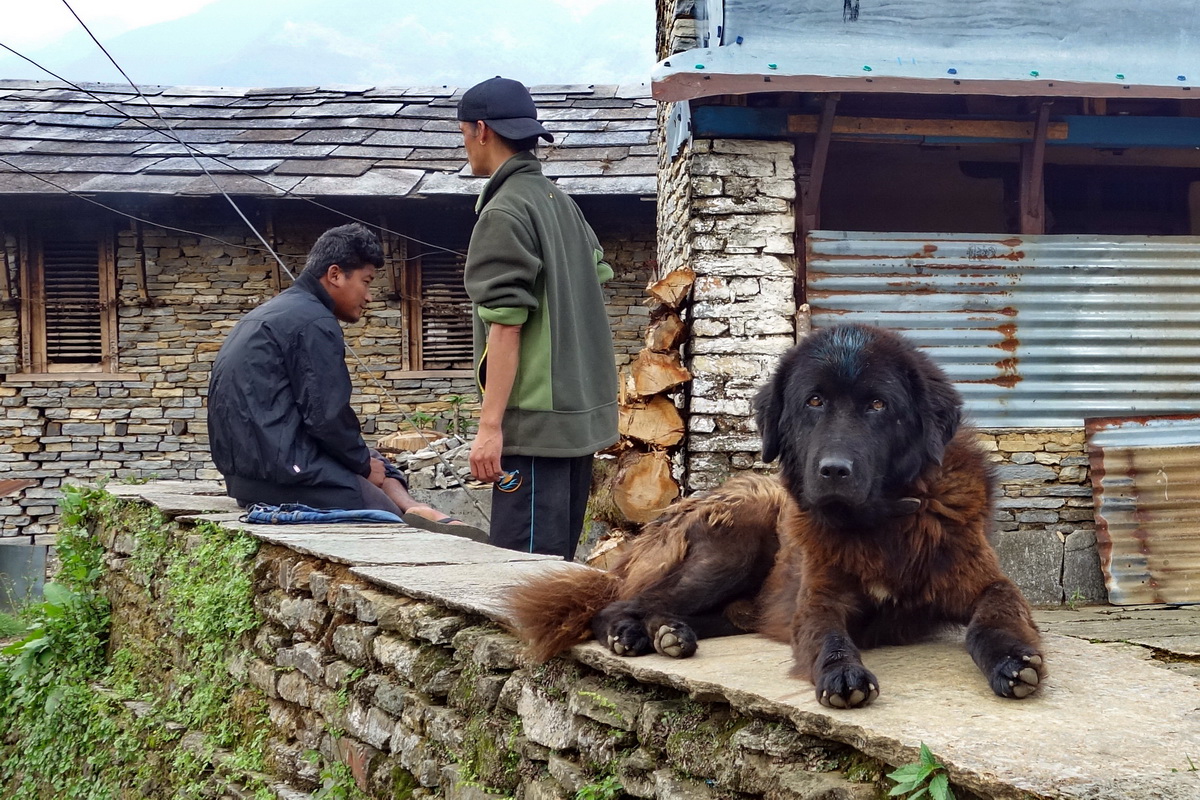
People live poorly. Kids beg.
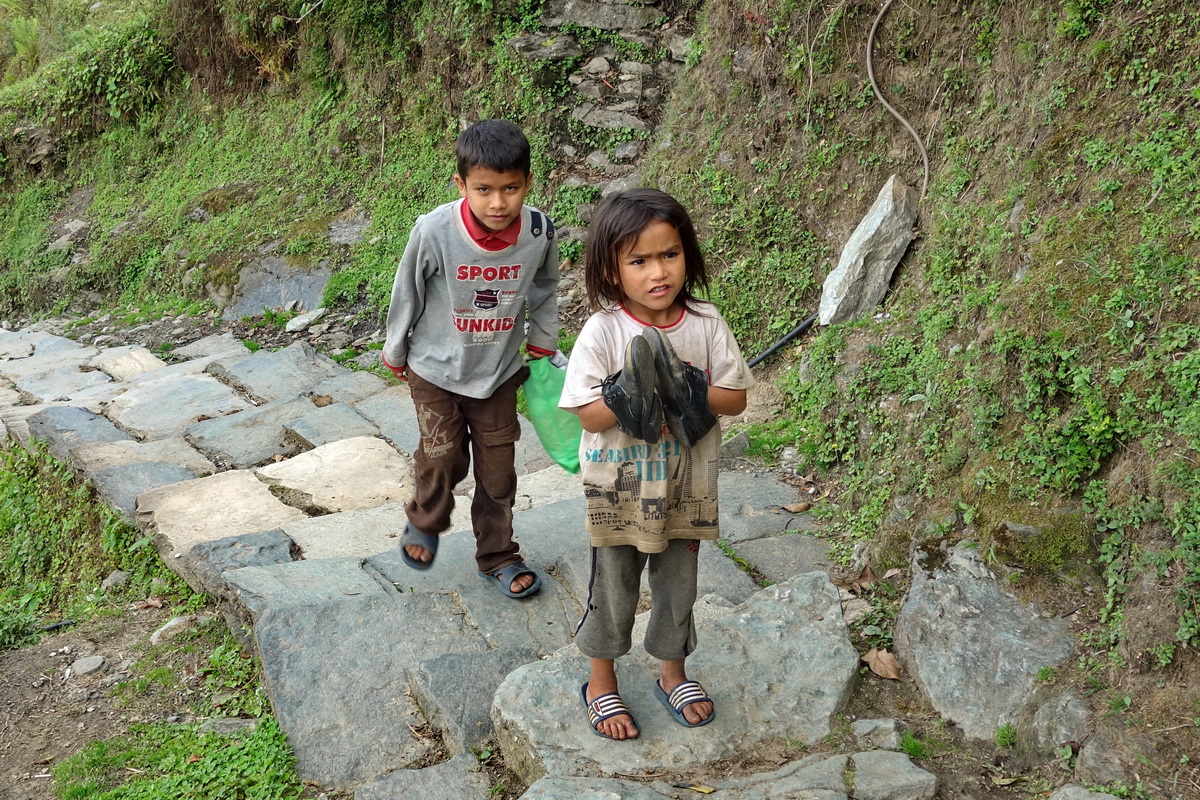
We ask locals how to find the way.
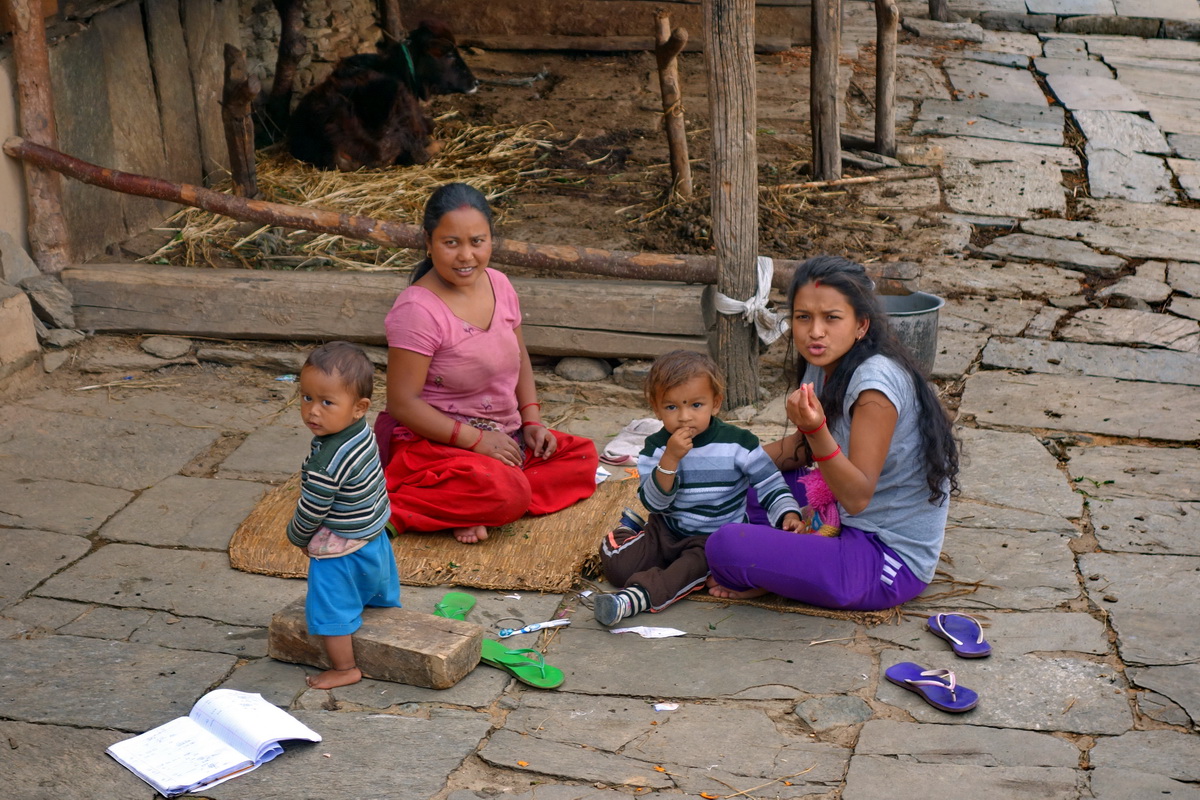
Locals, by the way, are happy to be photographed.
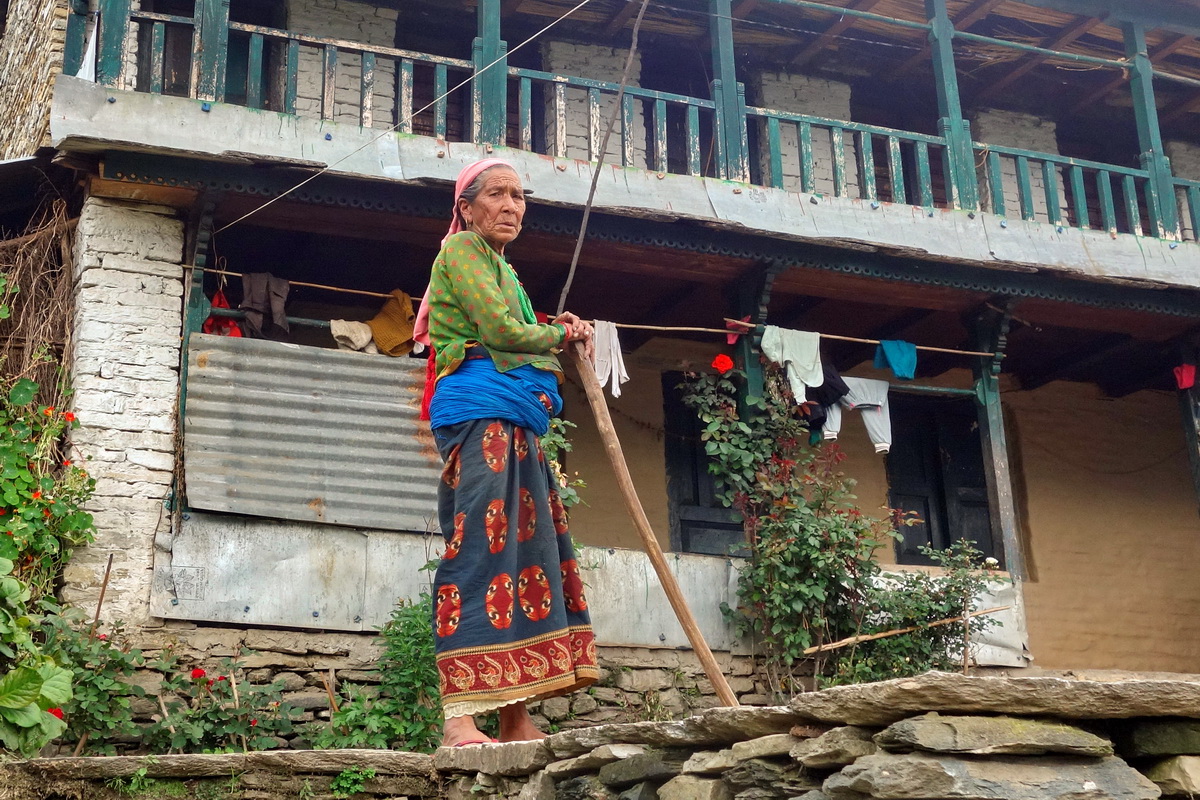
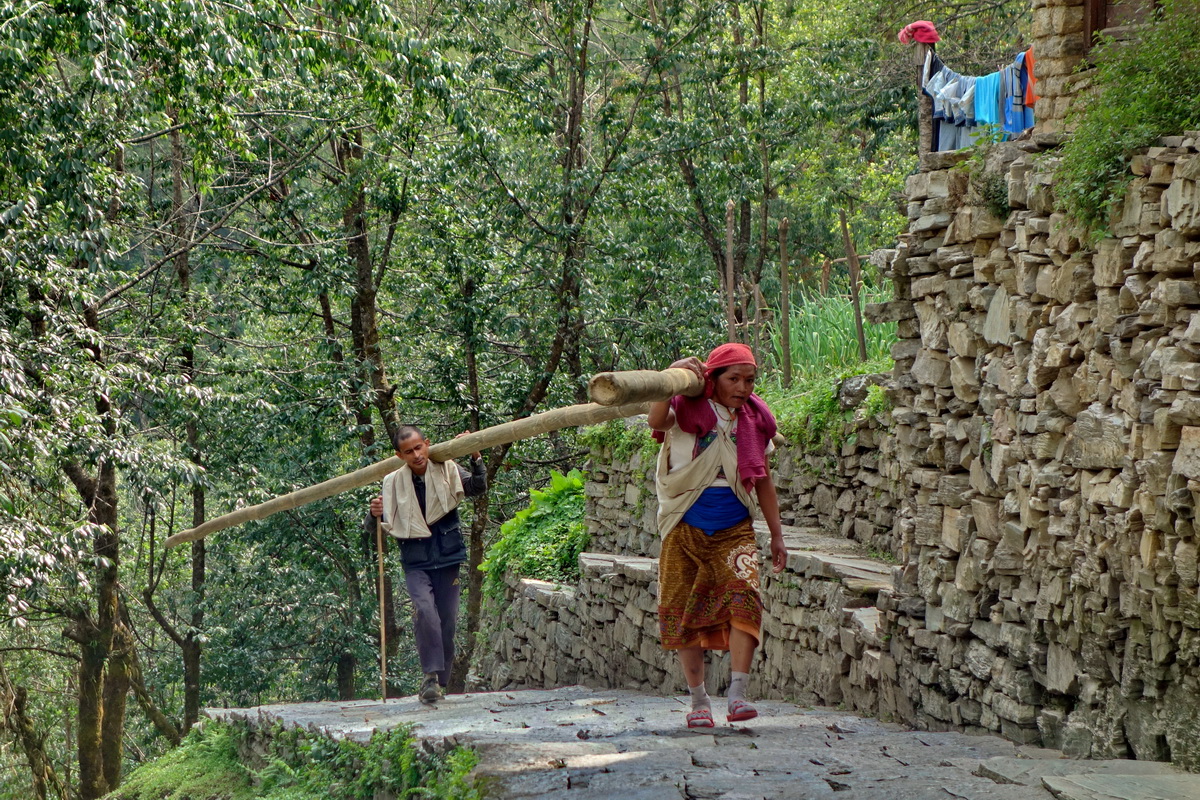
Here, women work and carry heavy loads alongside men.
We left Ghandruk and, after about 30 minutes, reached the road where jeeps can drive. We met a taxi driver who took us straight to Pokhara. By around 6 p.m., we had settled into a guesthouse in Pokhara and were resting after the trek.
Read the continuation: Part V. Chitwan.