Part V. Chitwan.
Chitwan is the most famous national park in Nepal, recognized as a UNESCO World Heritage Site. The park covers an area of about 932 square kilometers, most of which is occupied by jungles.
Chitwan National Park is one of the world’s remarkable places where you can see Bengal tigers, Indian rhinos, various mammals, over 400 species of birds, crocodiles, and even ride and bathe with elephants in the wild.
You can’t just enter Chitwan—you need a special permit and a guide. All of this can be arranged in the village of Sauraha, located right next to the park and where all tourists arrive.
The distance from Kathmandu to Sauraha is about 200 km, and from Pokhara, it’s 150 km. You can get here by plane or bus. We traveled by bus from Pokhara. Our bus departed from the bus station at 7 a.m., and the journey took about 6 hours. We bought tickets to Sauraha from the administrator at our guesthouse for $10 per person.
The road to Chitwan.
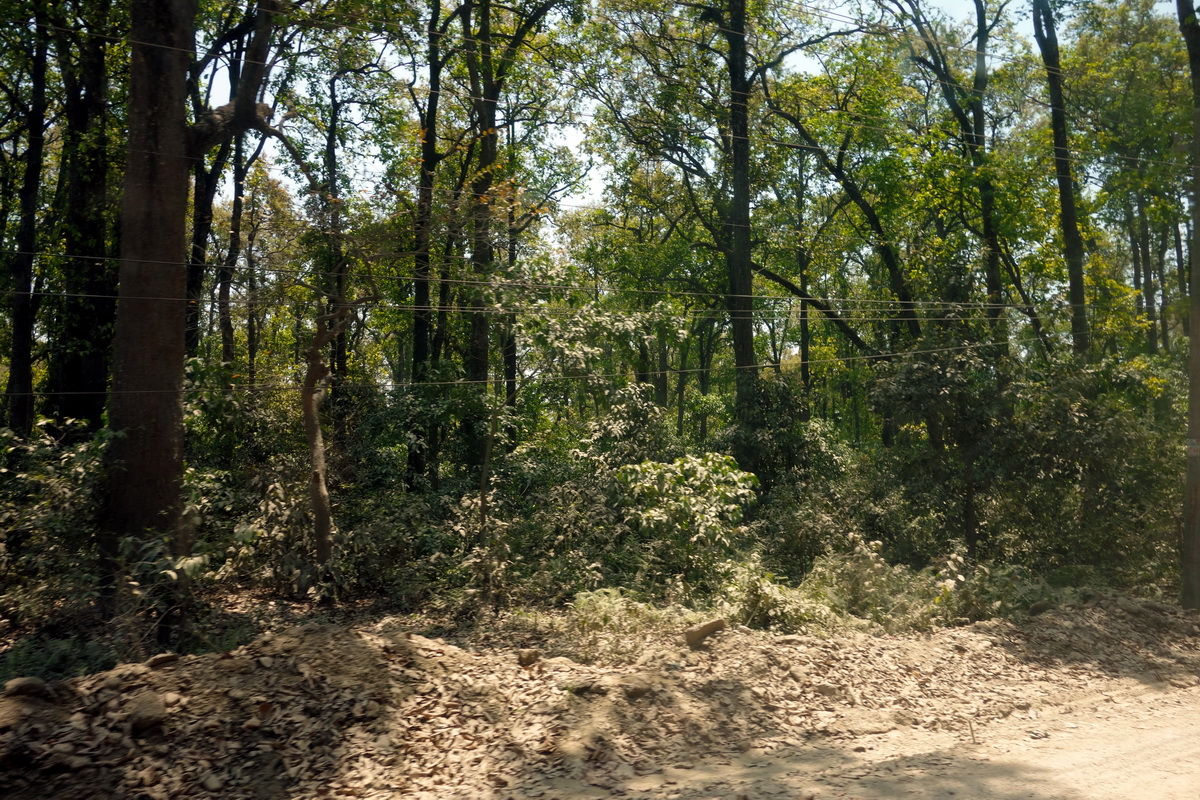
The bus took us to the Sauraha bus station, where we were immediately surrounded by taxi drivers. Our hotel was about 3 km from the station, so we decided to skip the taxis and walk to the hotel. After trekking in the mountains, this was a short distance for us.
Sauraha village.
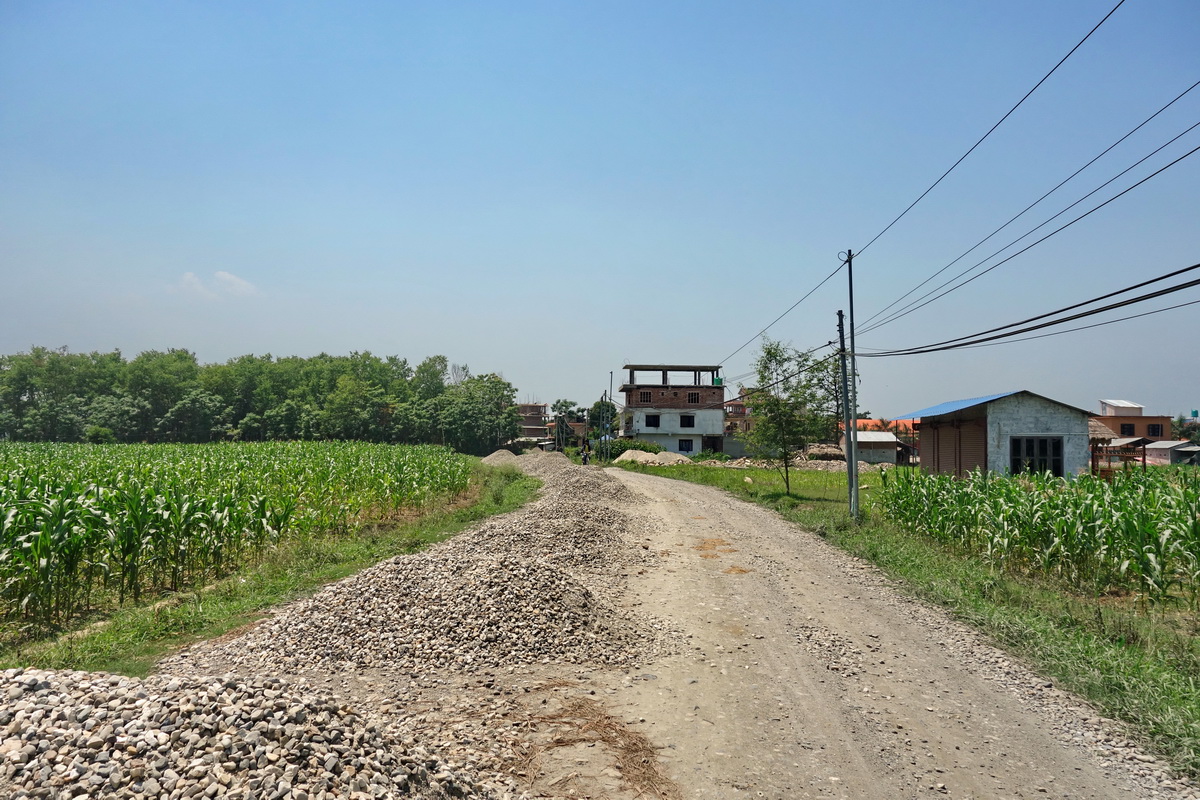
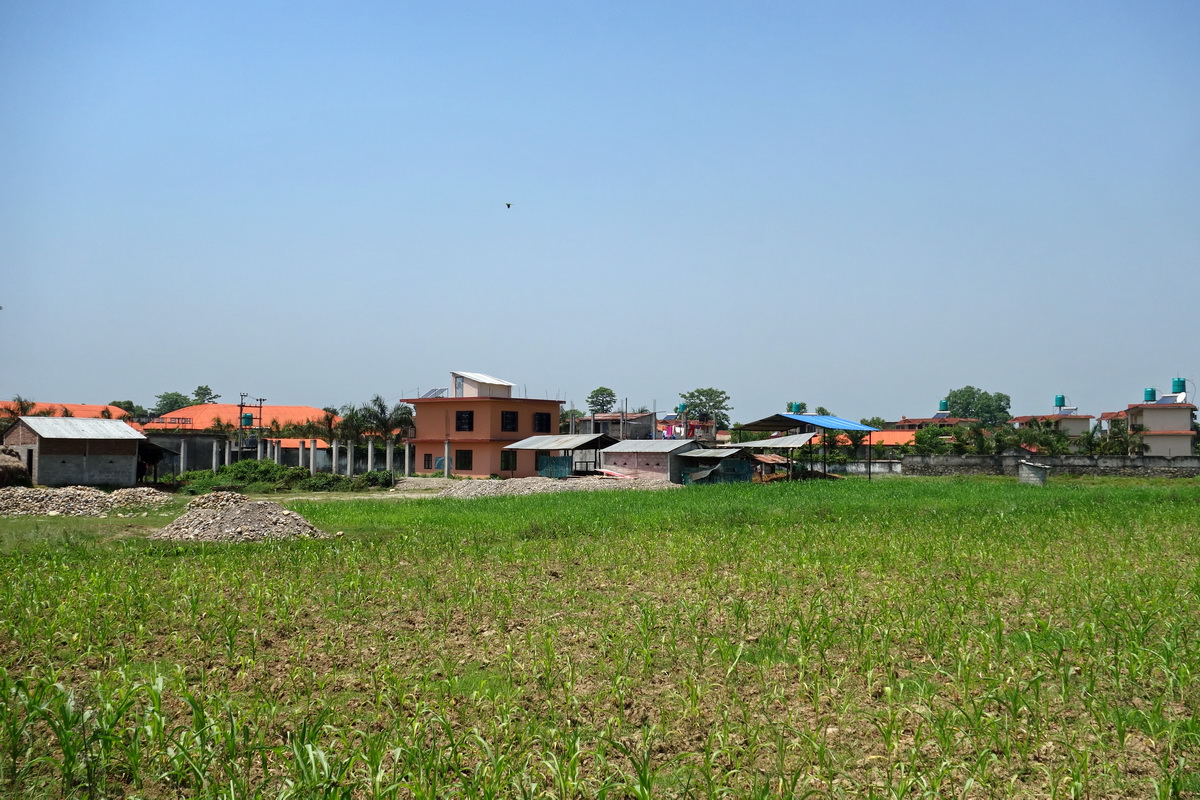
We walk along the main street of Sauraha village.
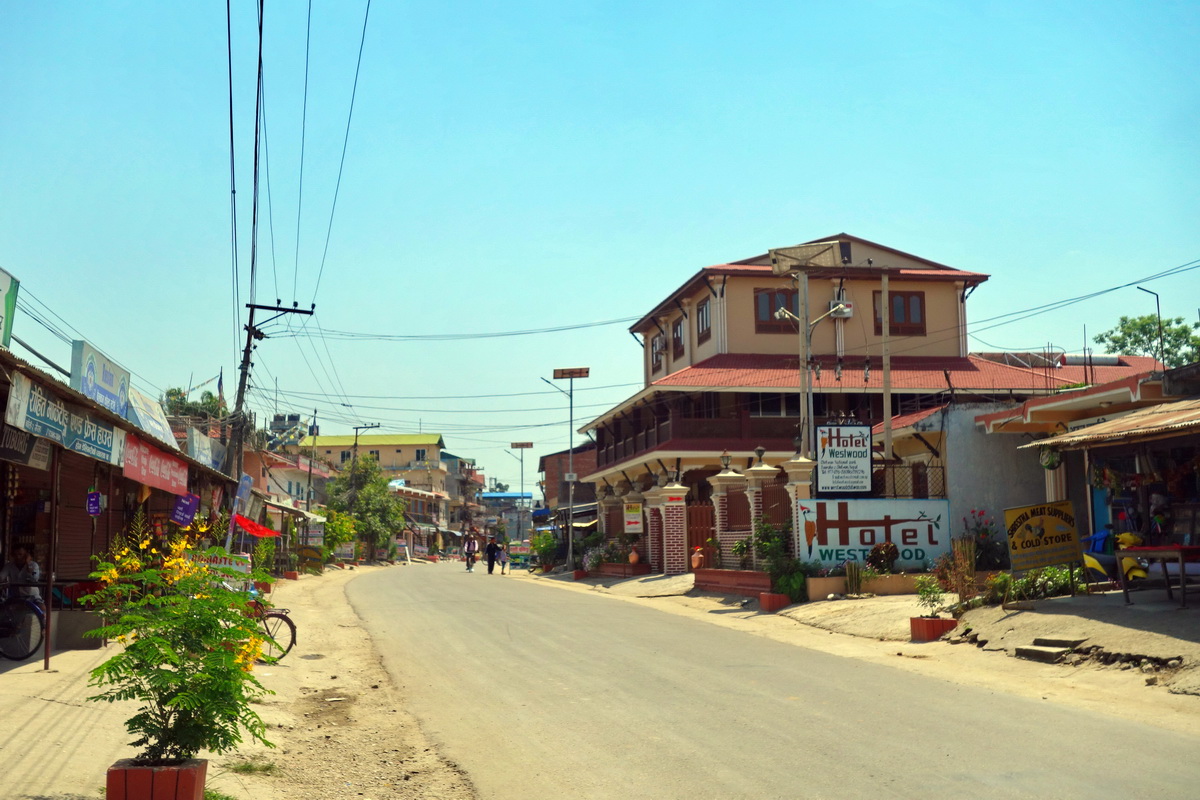
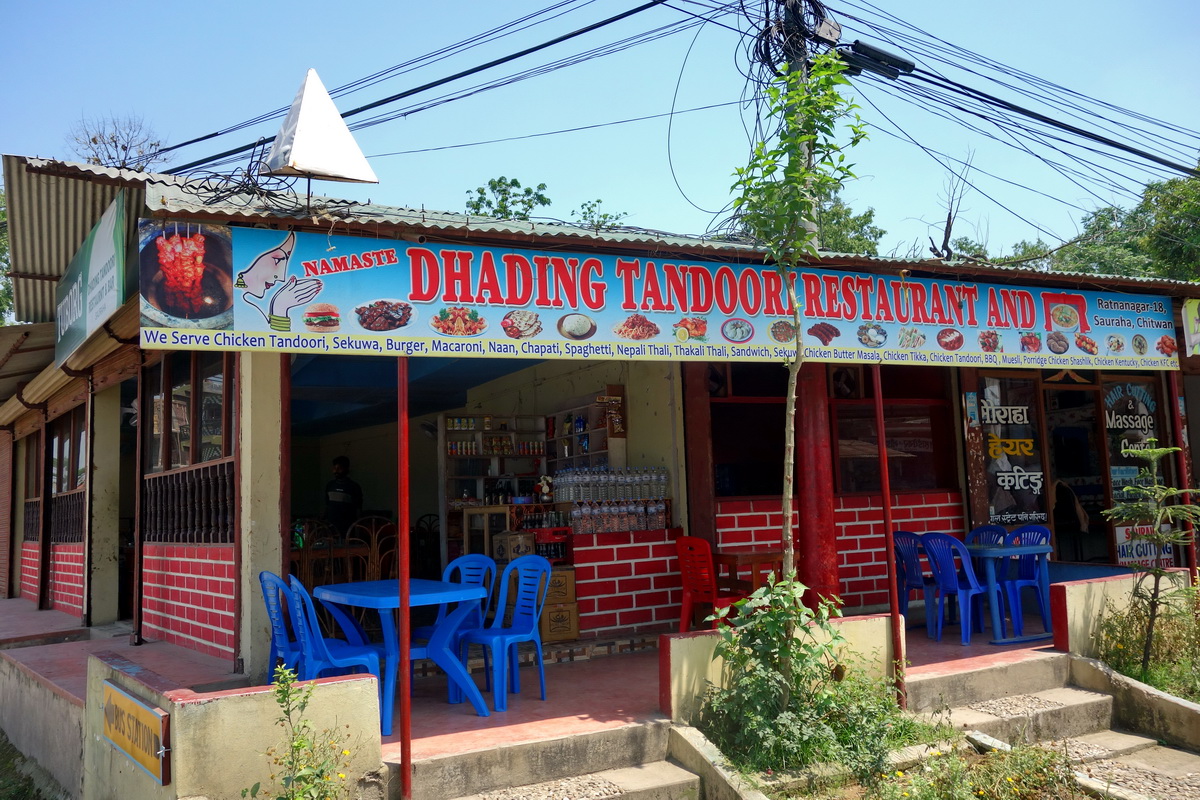
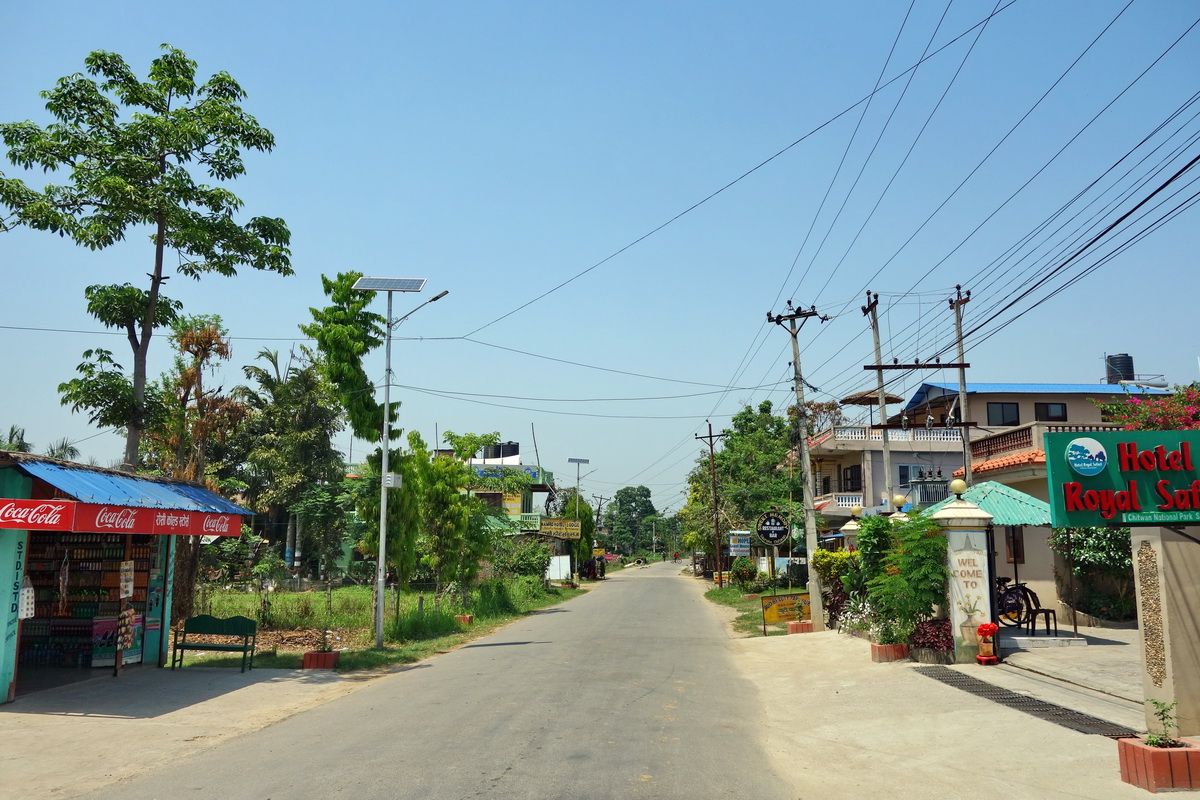
The sun was scorching; you could feel we were in the tropics. The air temperature here was around 37°C.
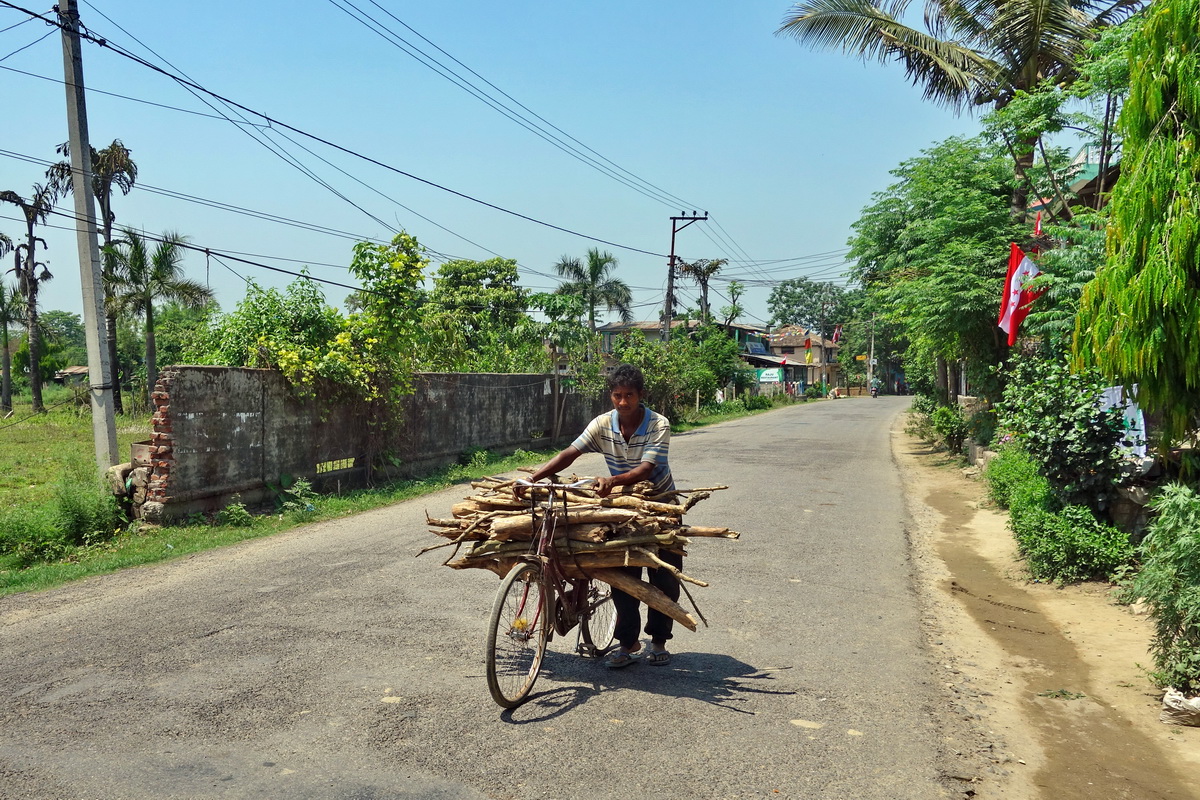
The locals are so used to tourists that they barely notice them and calmly go about their business.
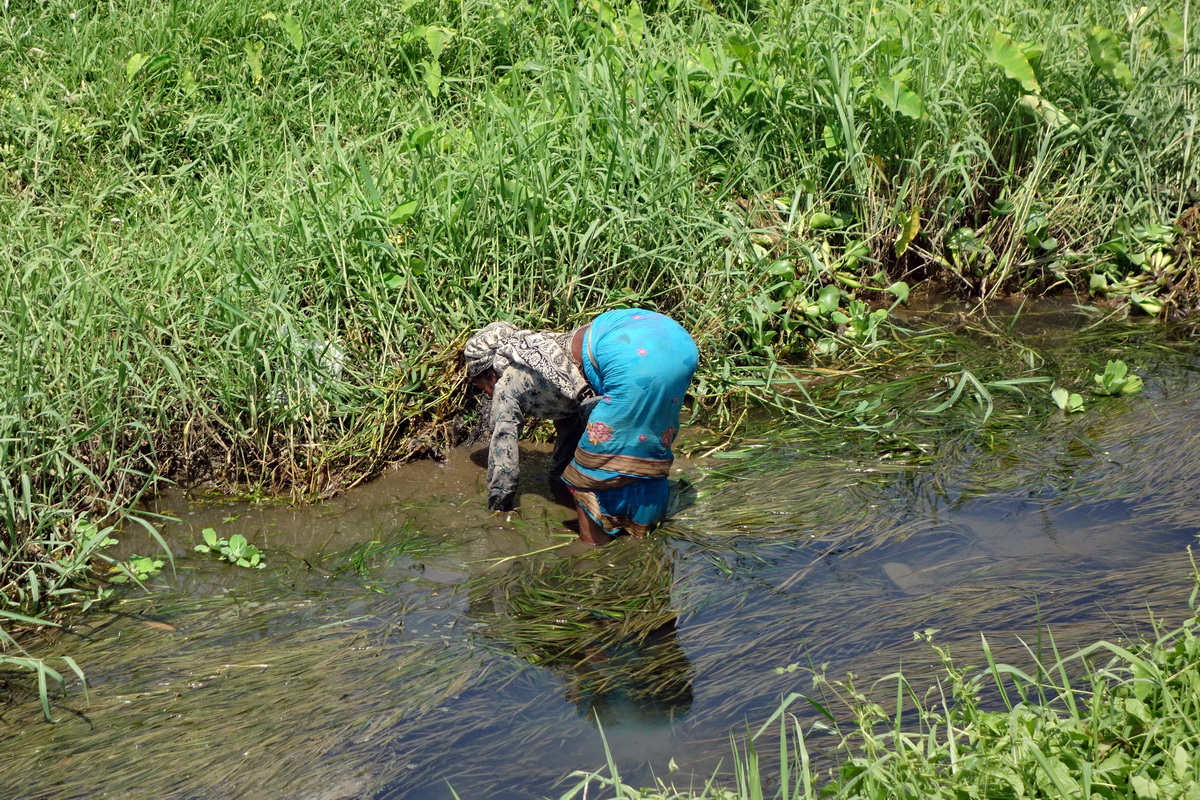
Collecting some kind of algae in a local canal.
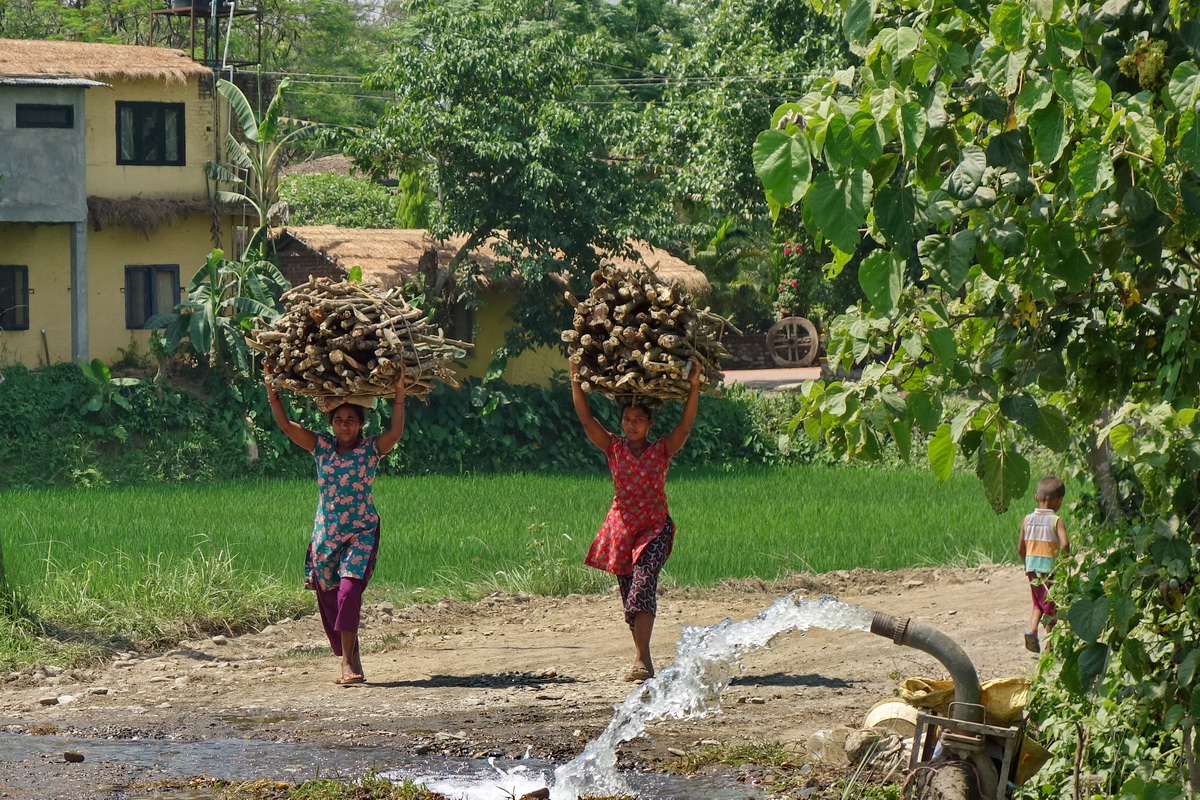
This is what Nepalese village girls look like.
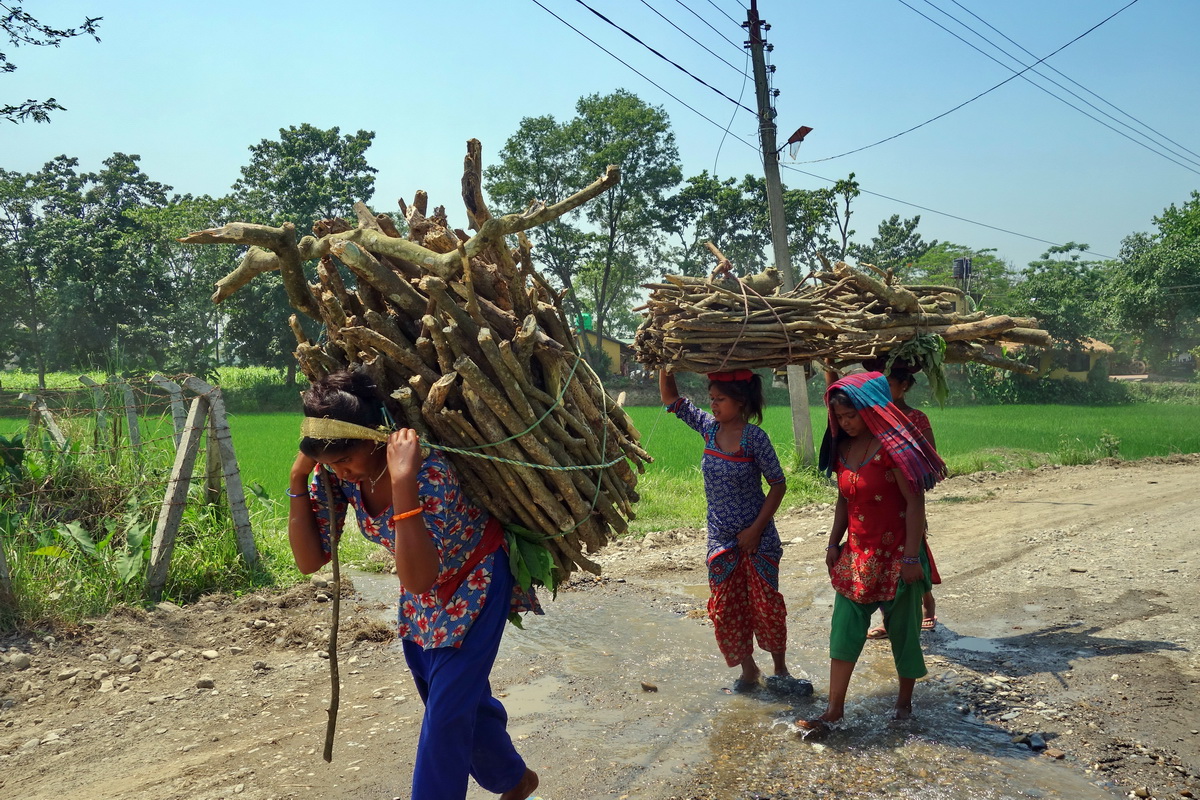
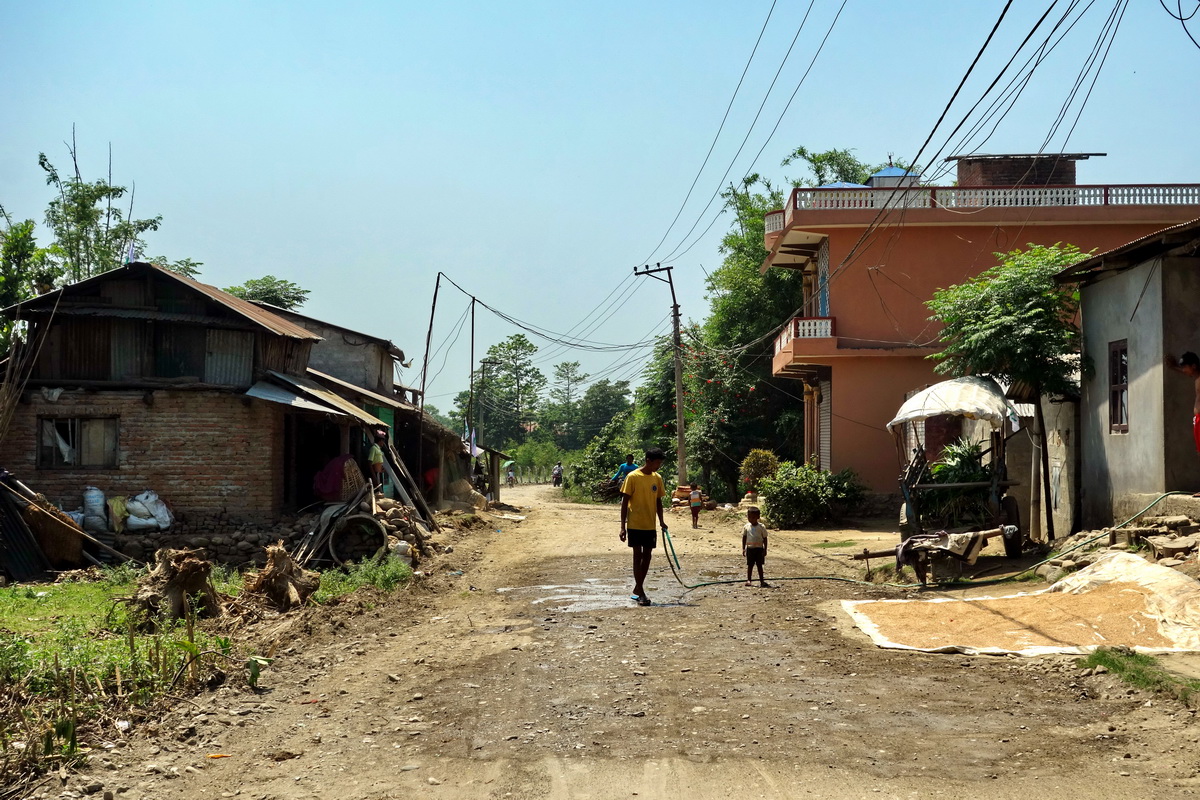
Judging by the number of wires, every house has electricity.
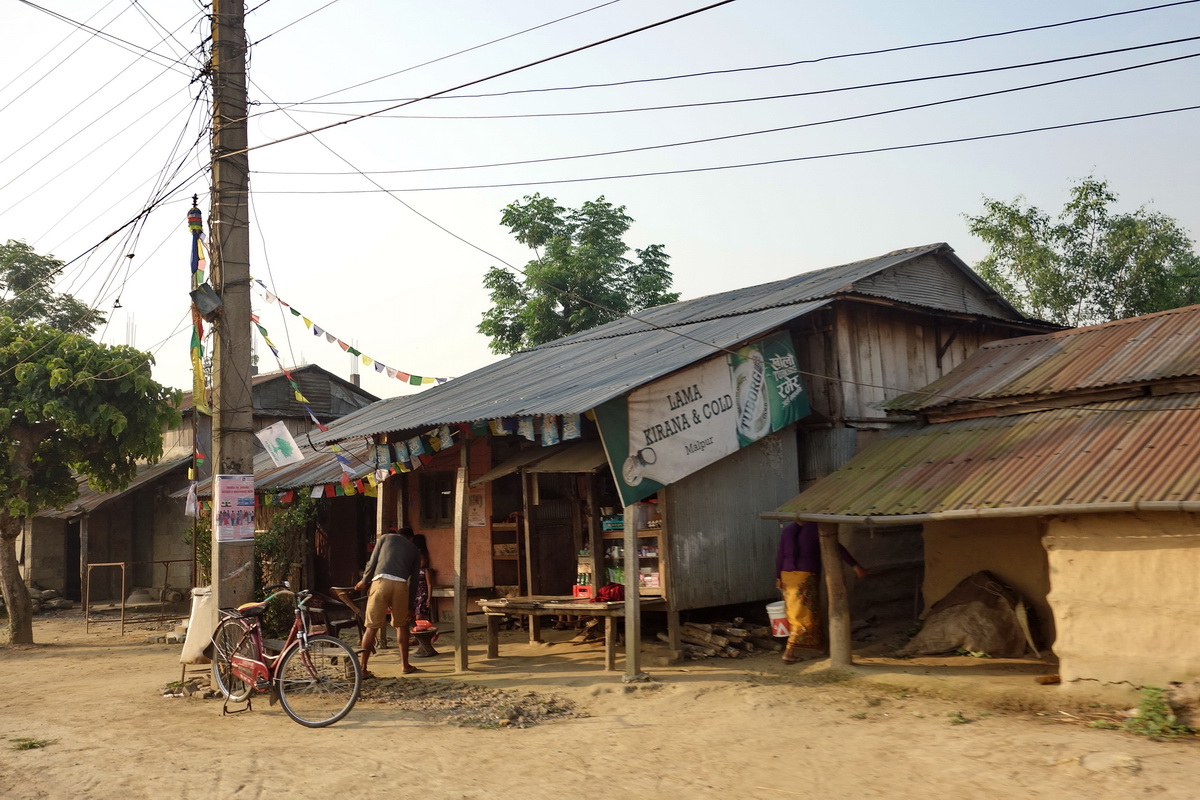
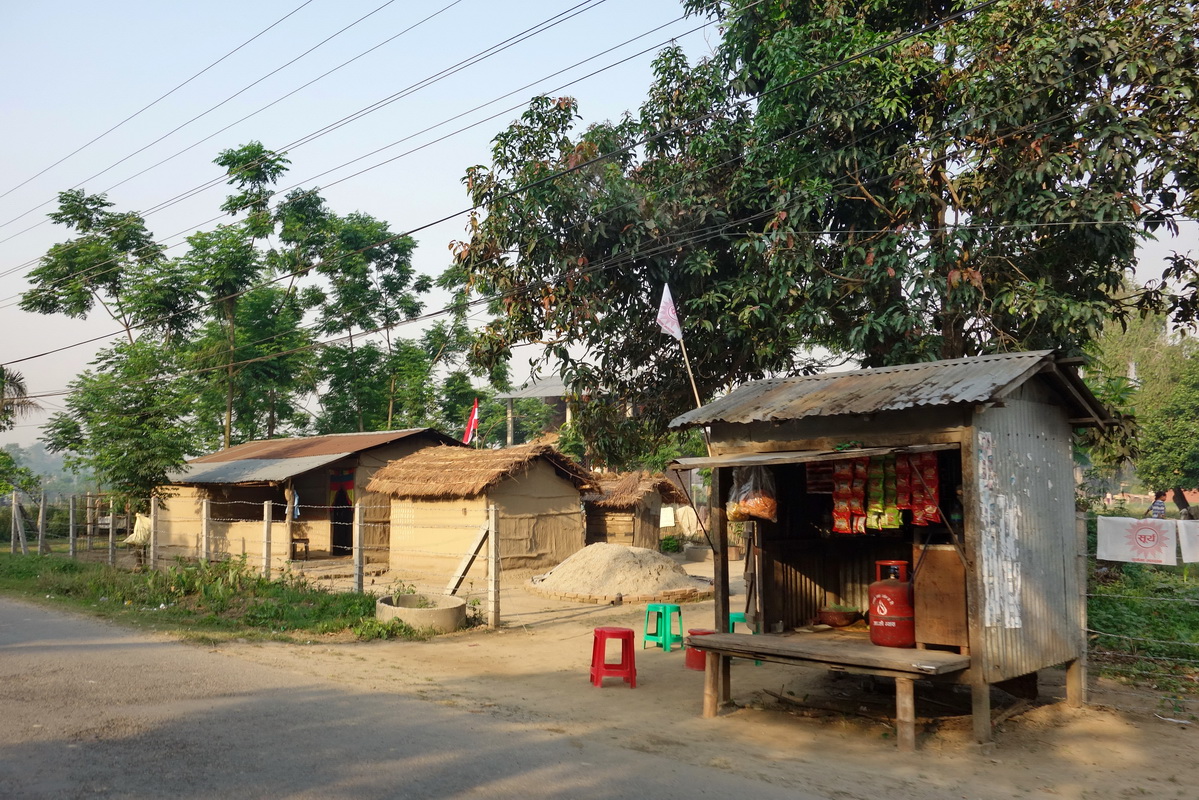
Many people have opened grocery and household shops right in their courtyards.
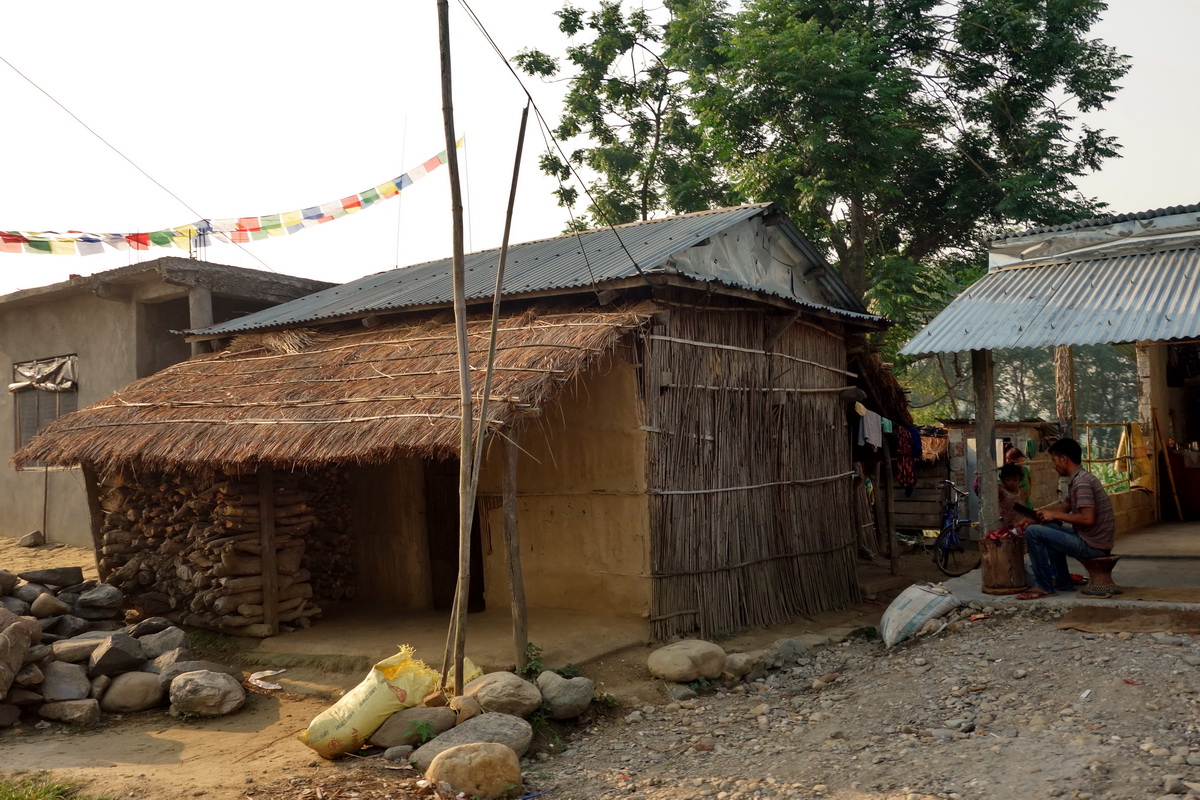
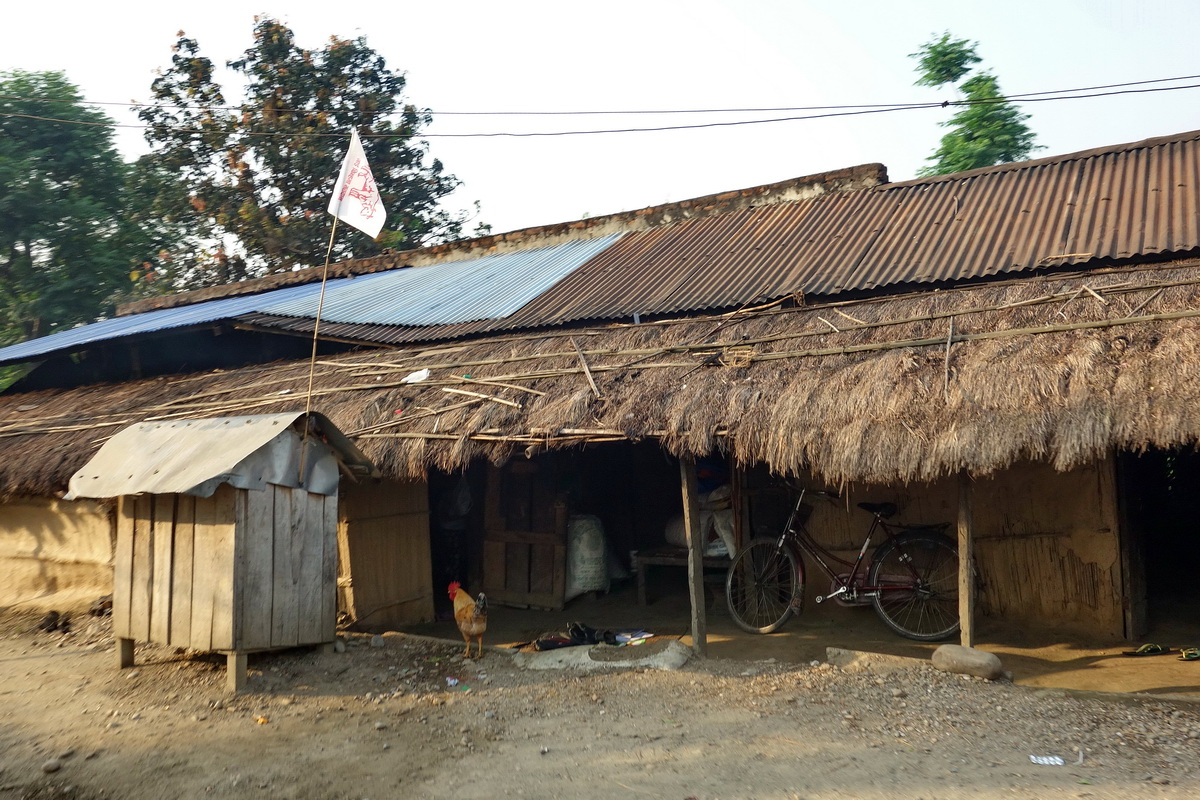
We see plenty of rice plantations in the village.
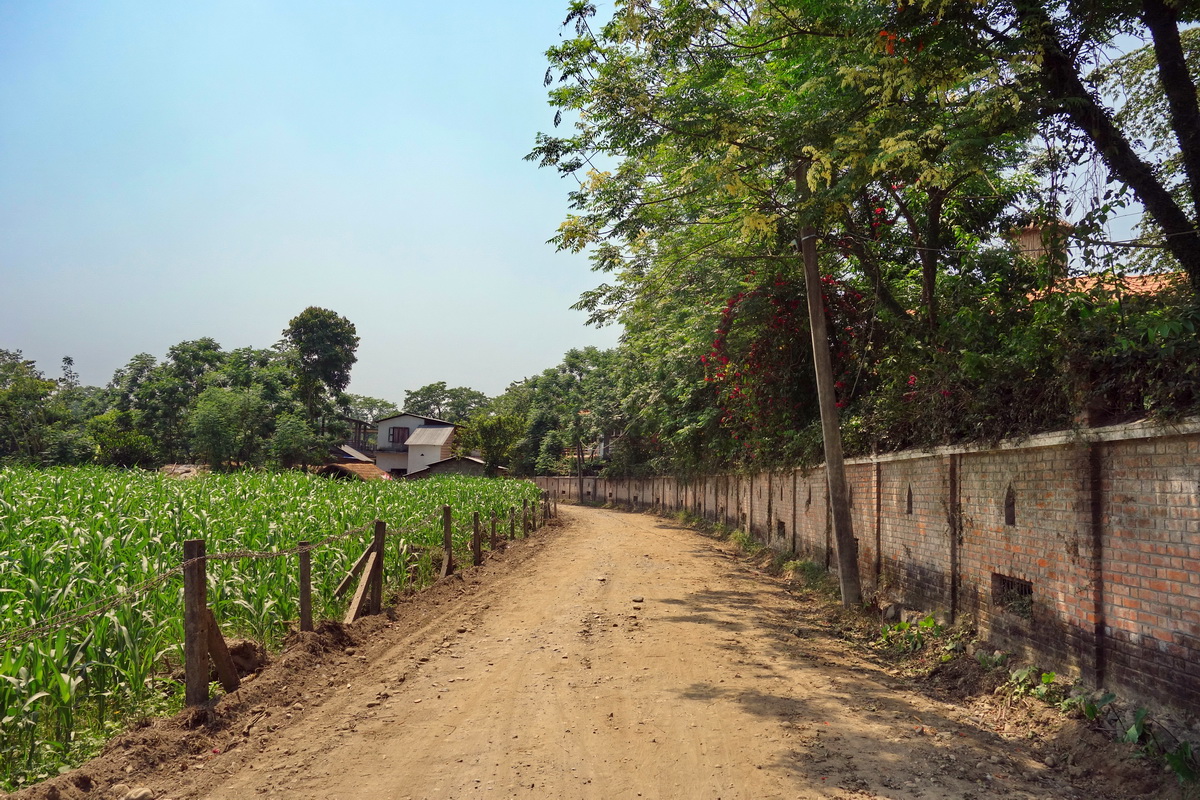
We reached our hotel. Compared to the hotels in Kathmandu and Pokhara, where every space is maximized, this hotel had a huge lobby and a fairly spacious room.
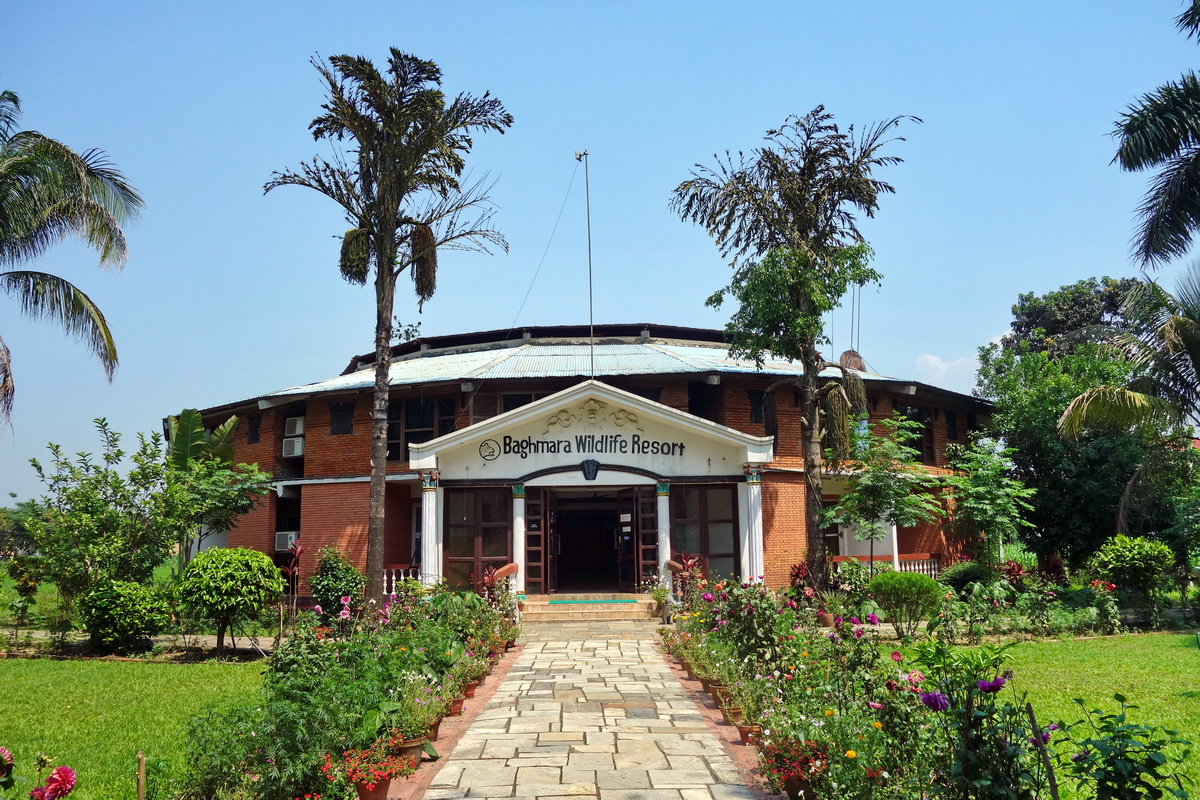
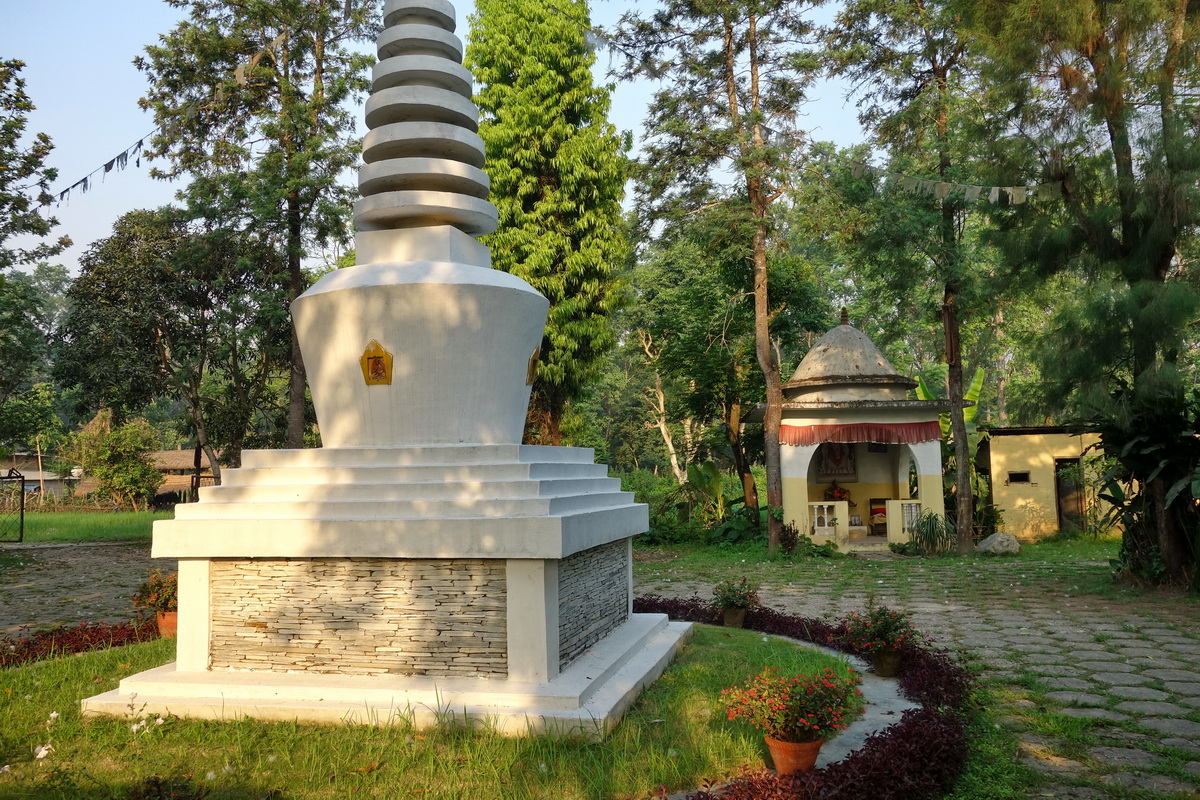
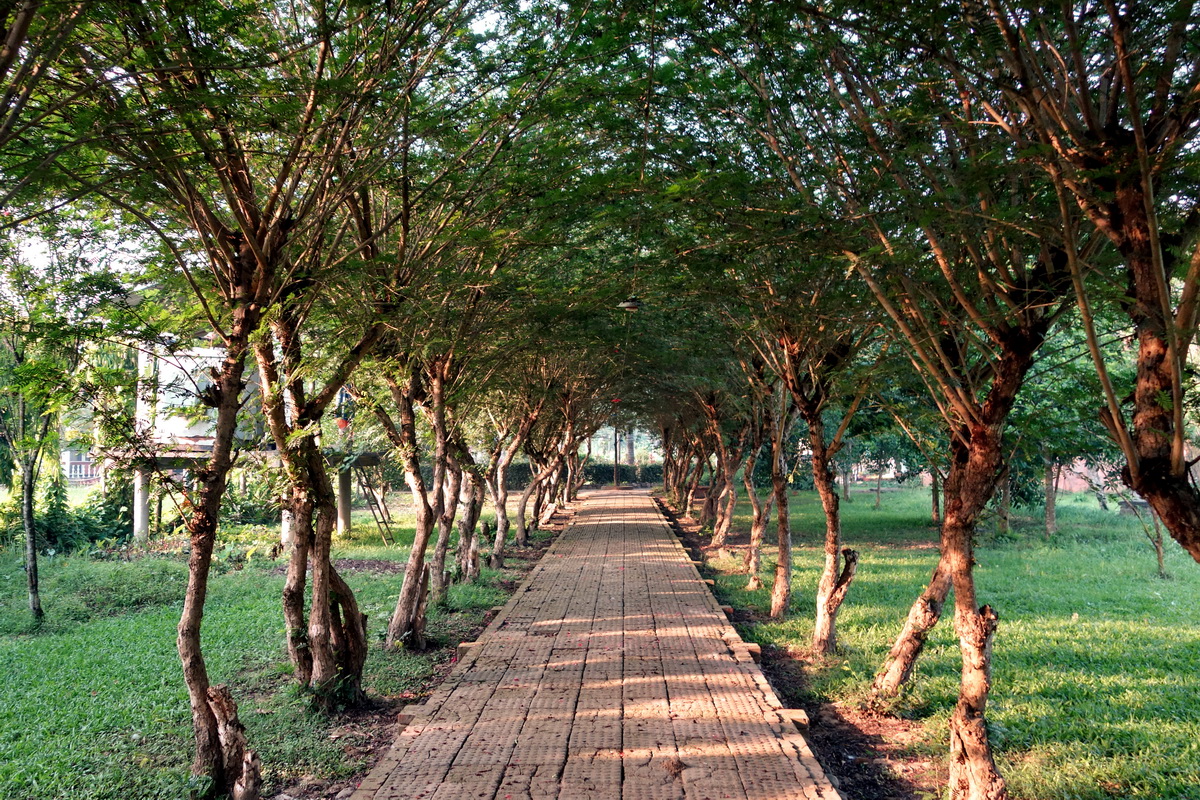
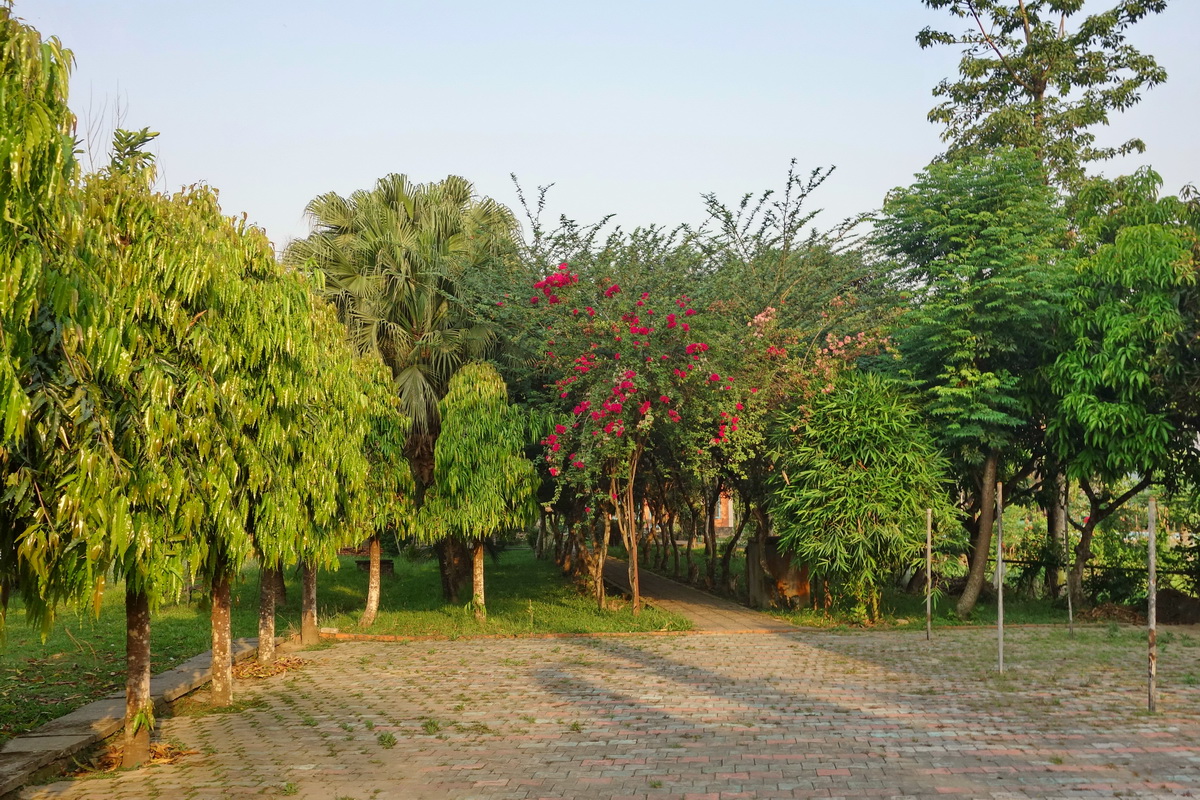
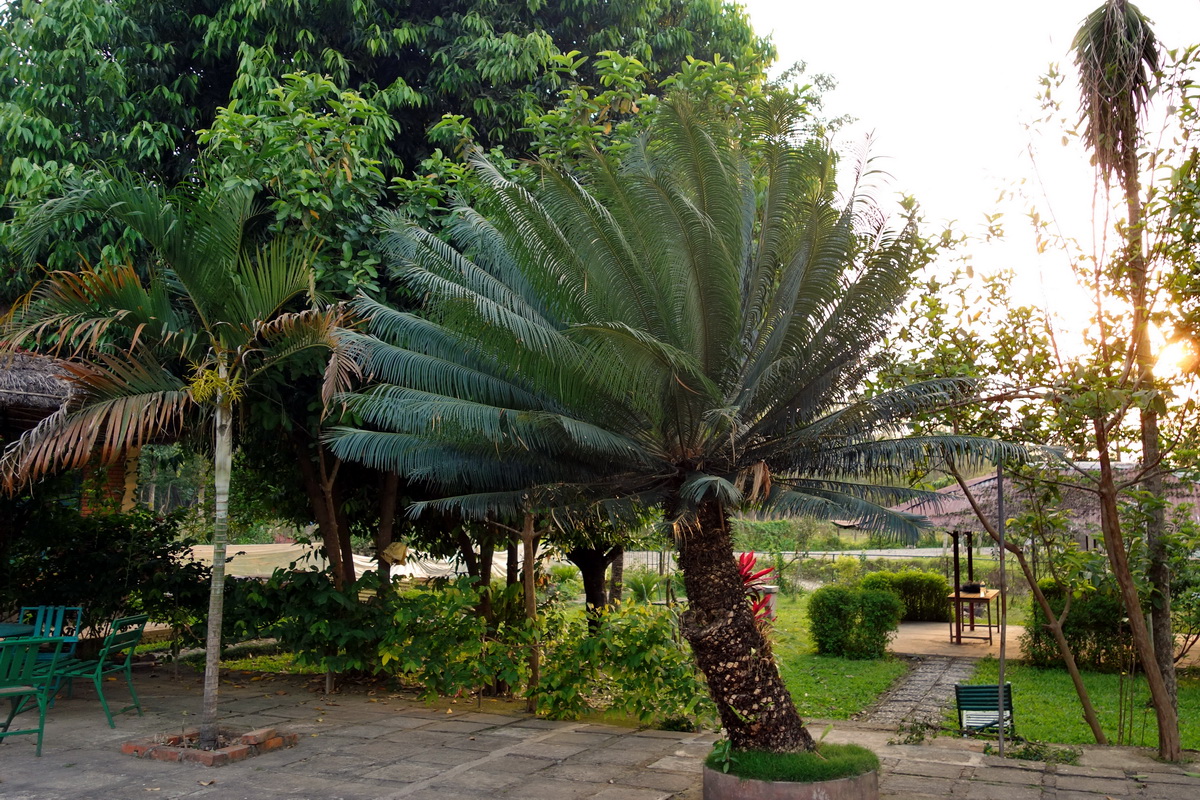
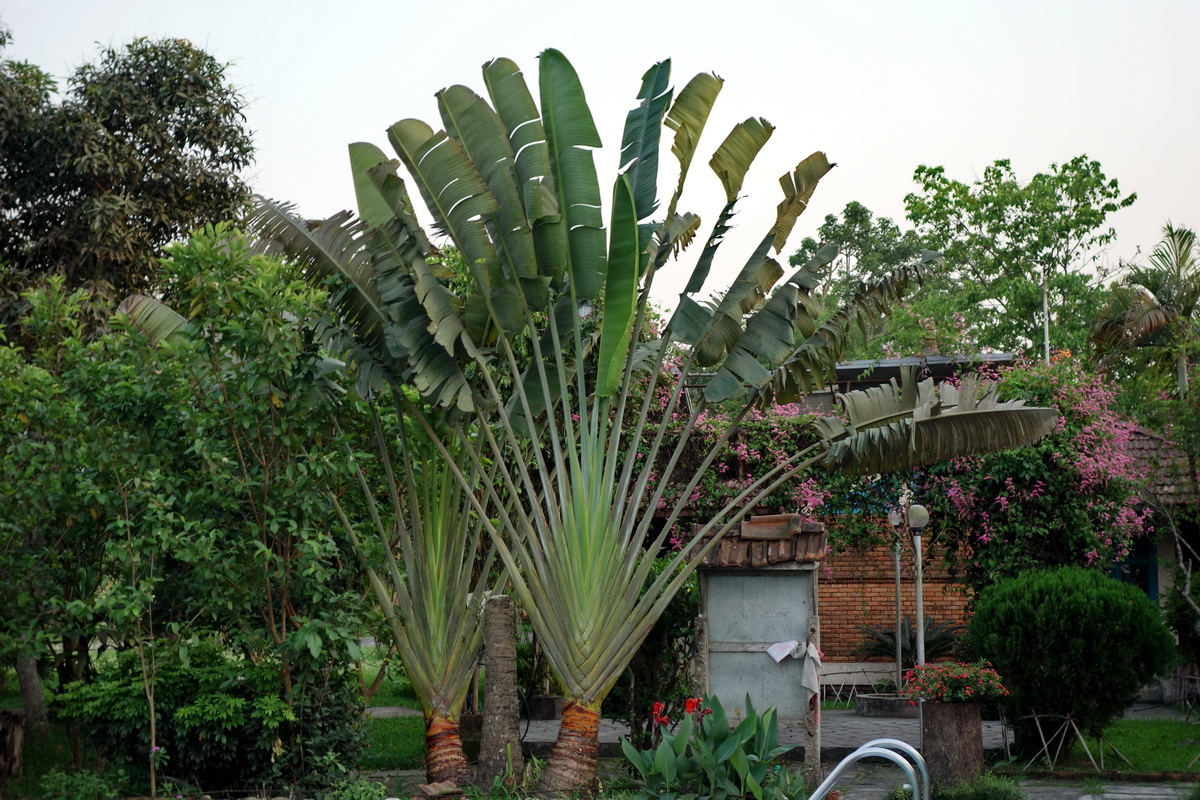
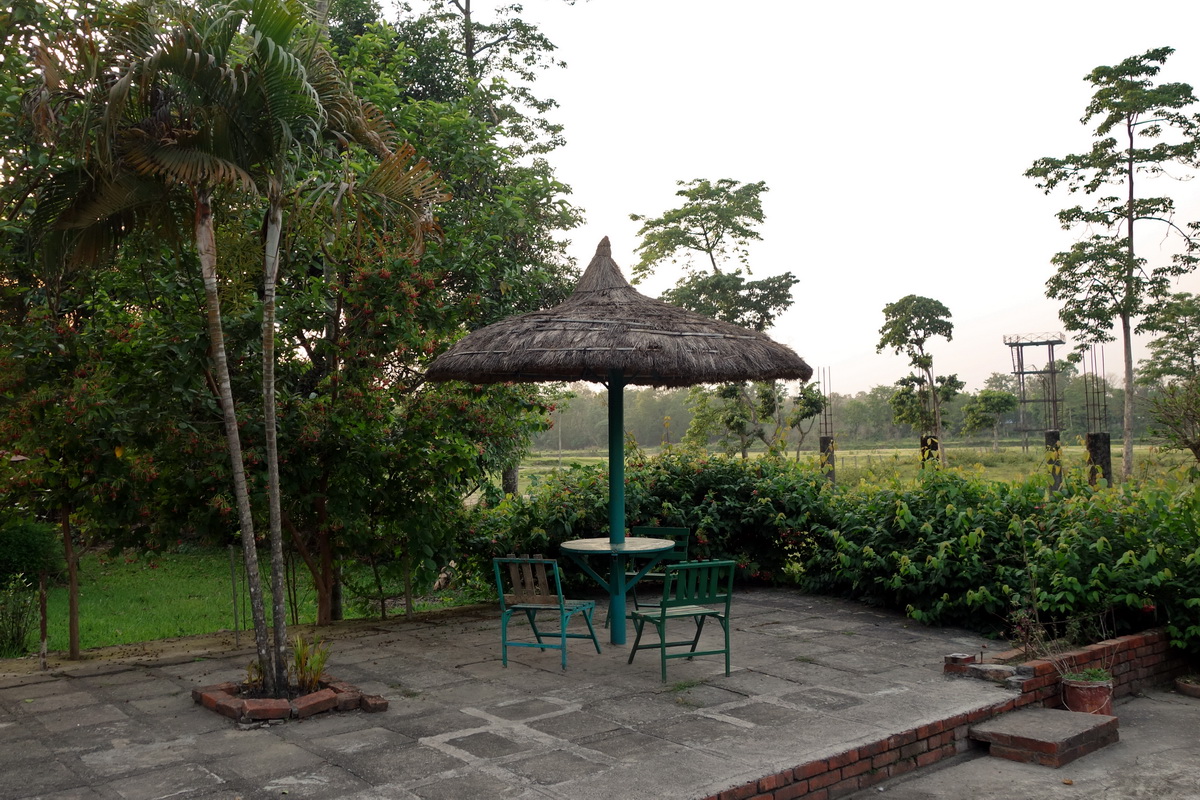
The hotel grounds were impressive. Long alleys, well-maintained trees, and flowers.
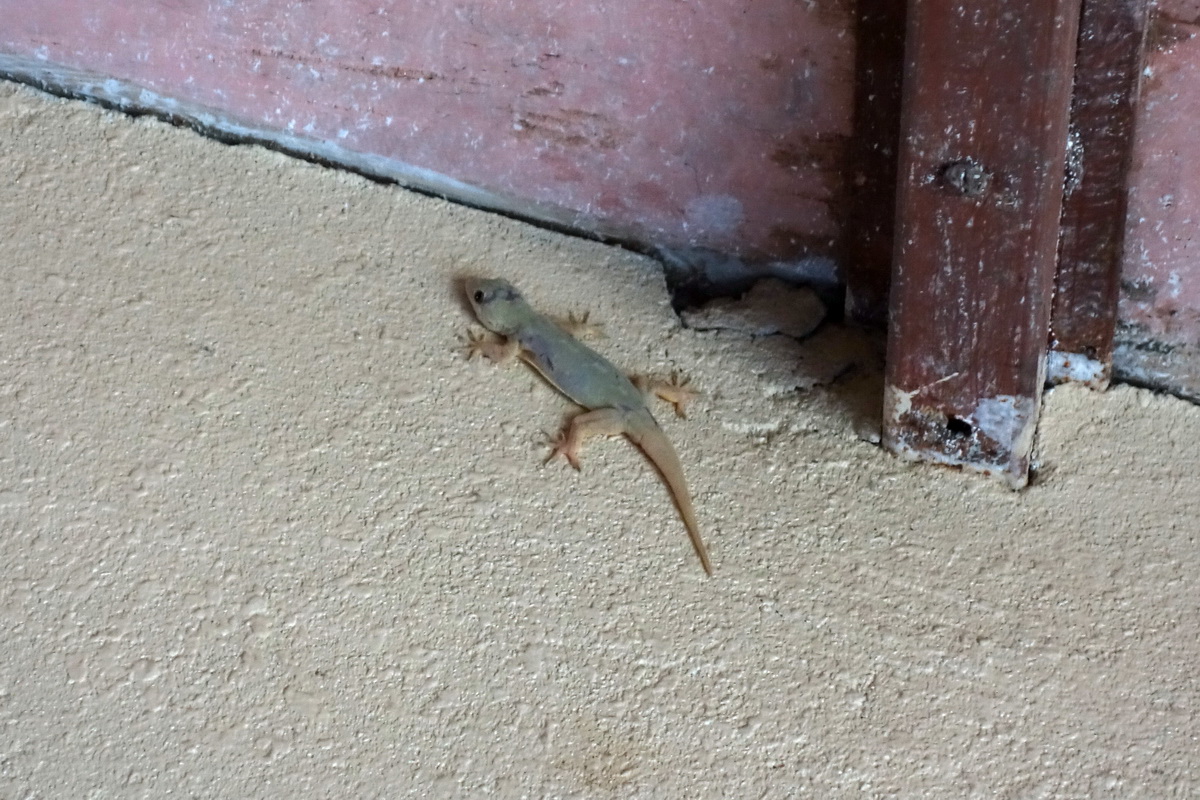
The main residents of our room :)
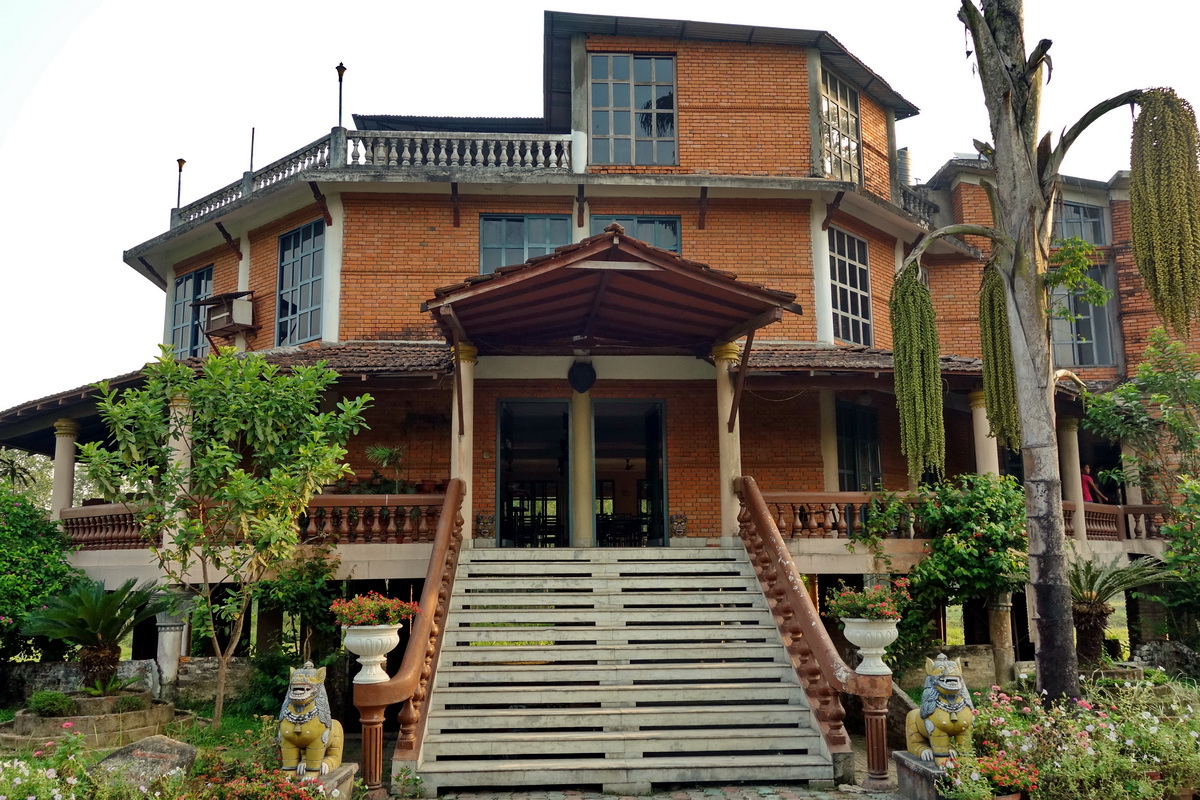
This building is our hotel’s restaurant. If you didn’t know it was a restaurant, you might think it’s another hotel. Everything is built on a grand scale.
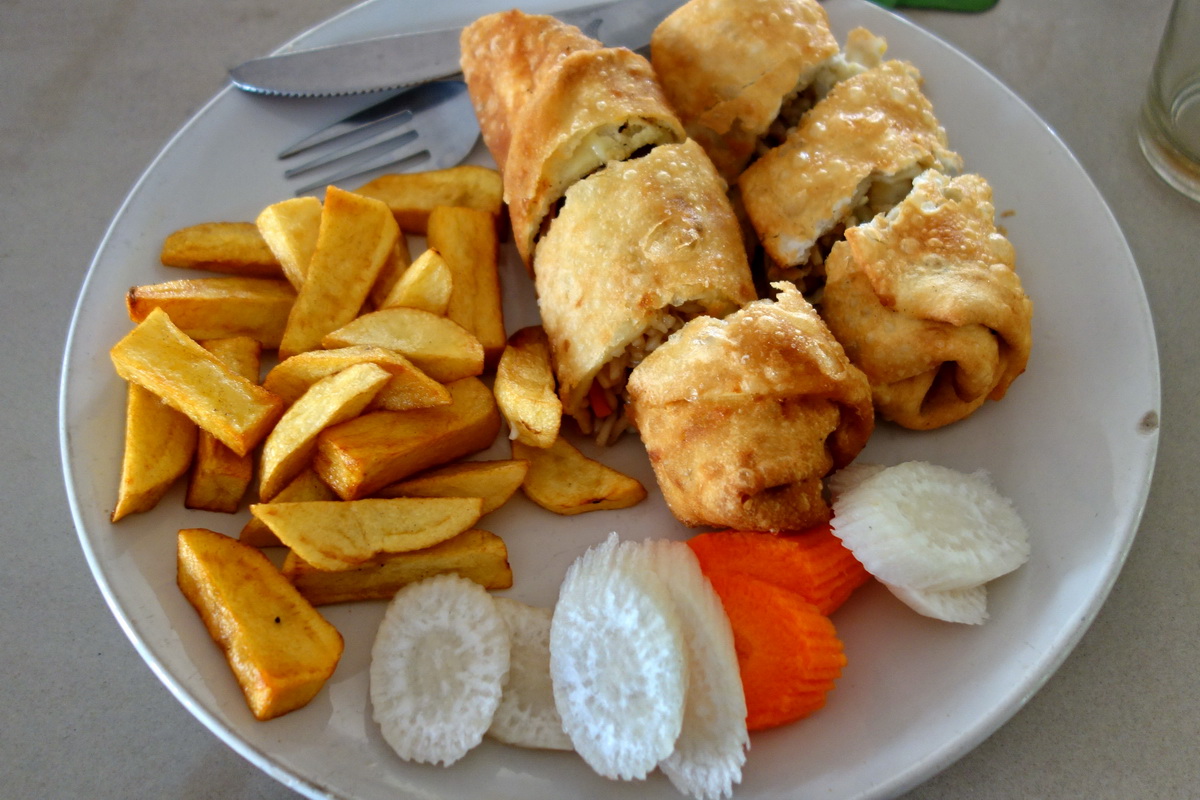
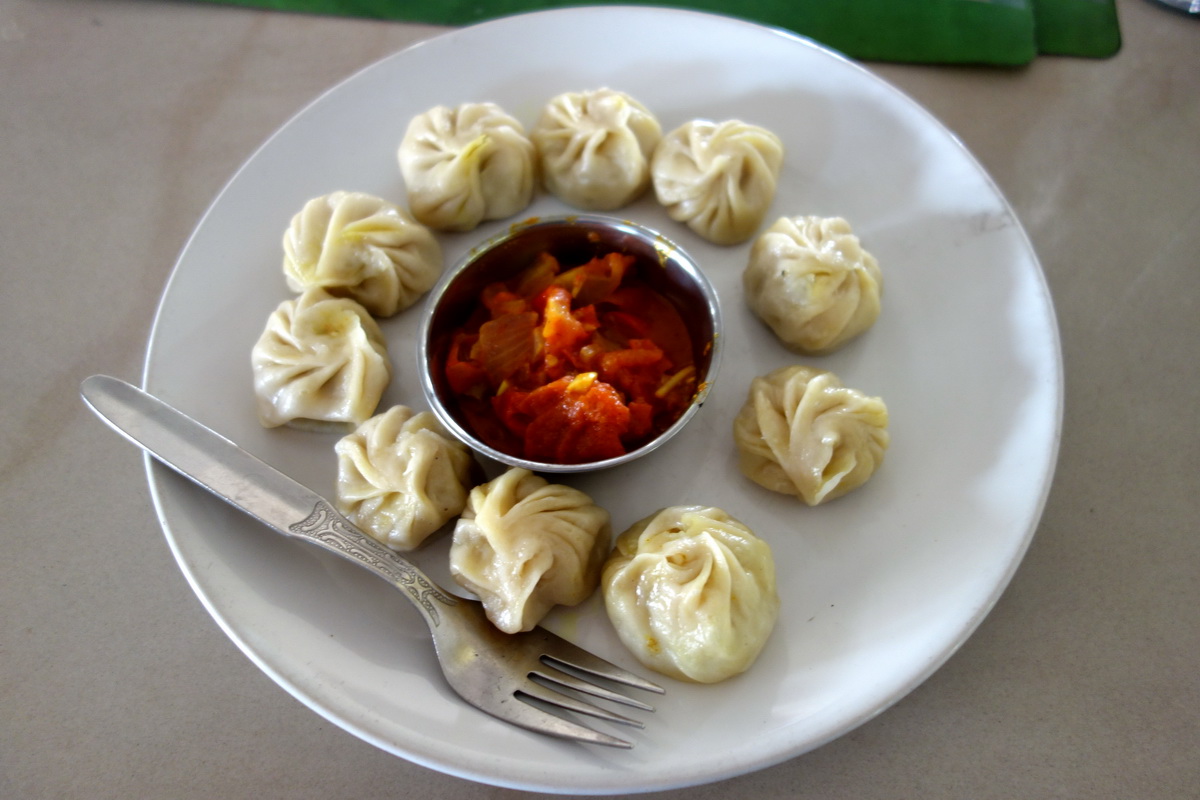
First thing after the journey, we ordered our favorite spring roll for lunch. It’s served here with fries and vegetables. And, of course, momo.
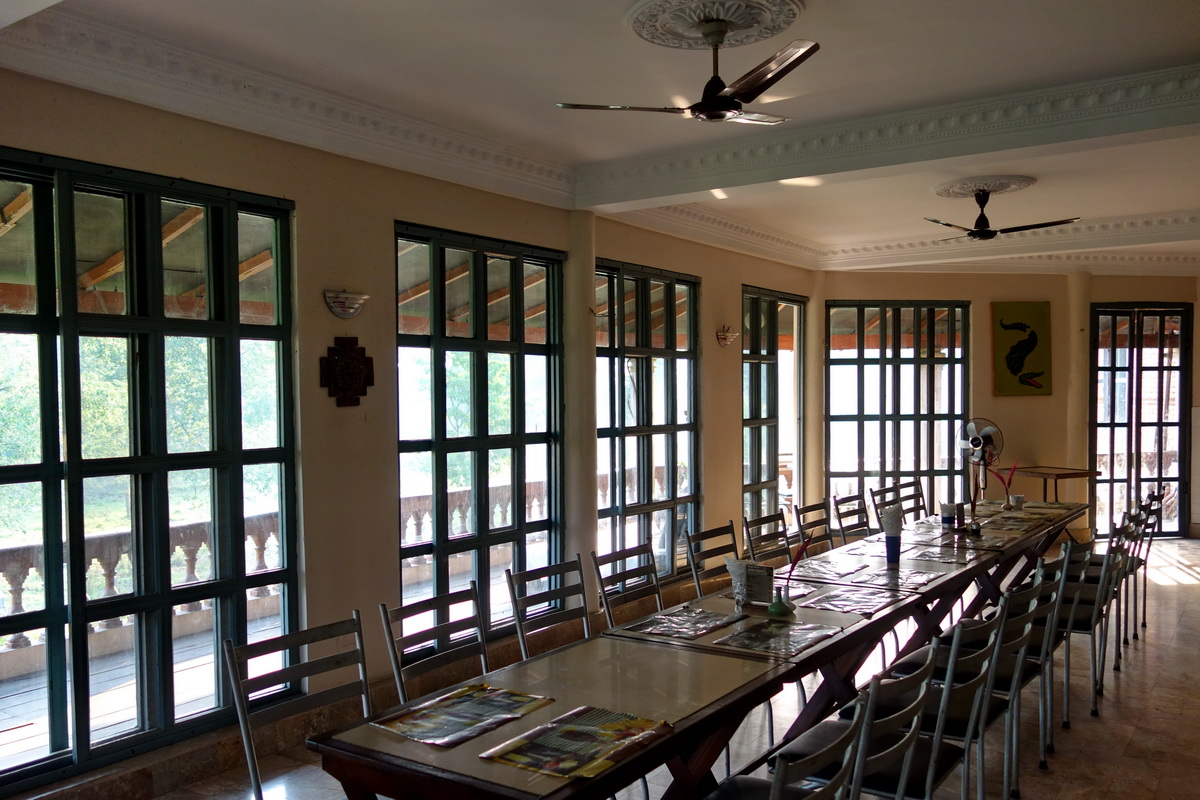
From the restaurant, you can see the hotel grounds and the pool.
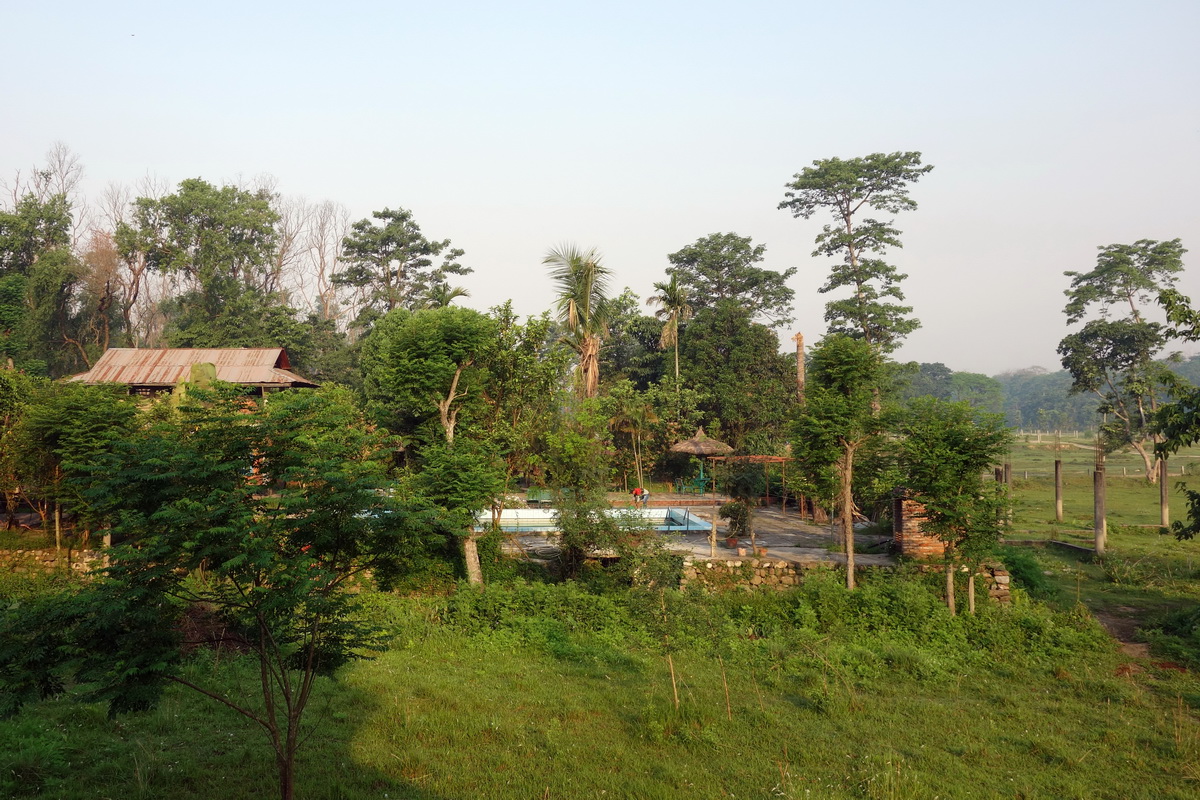
In this heat, the pool was a godsend.
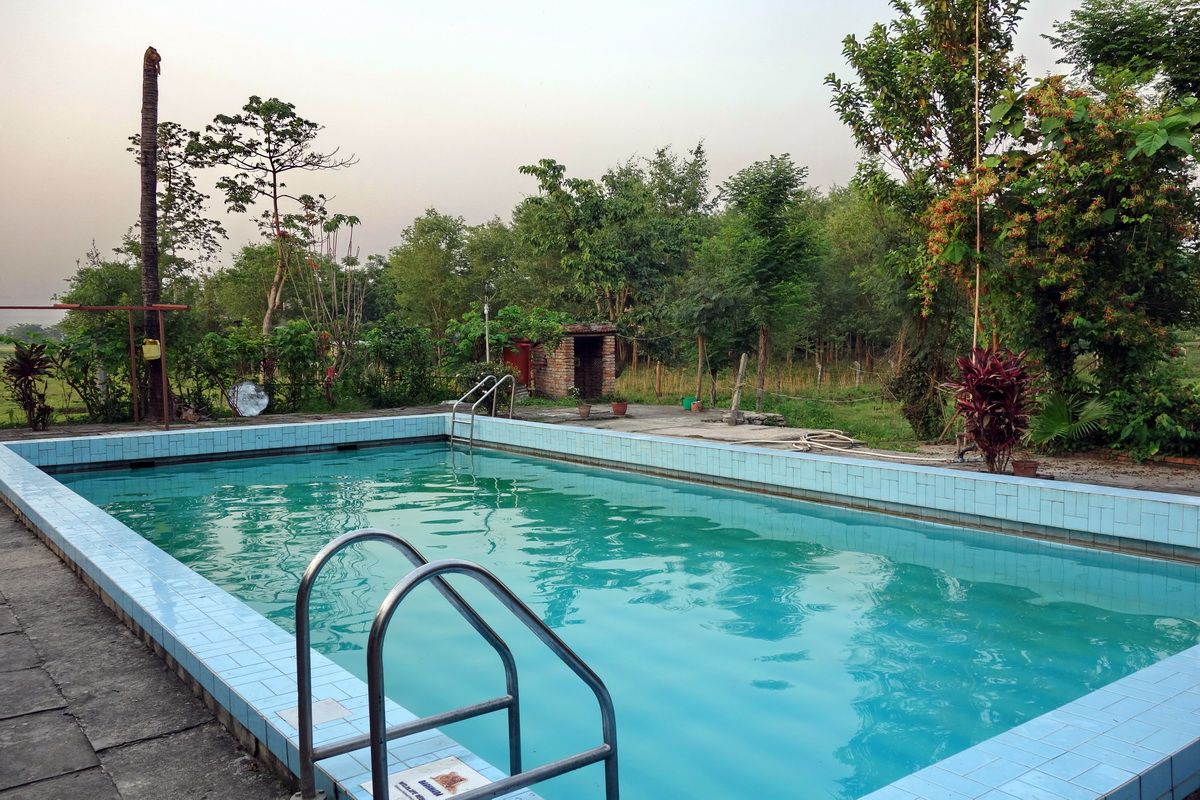
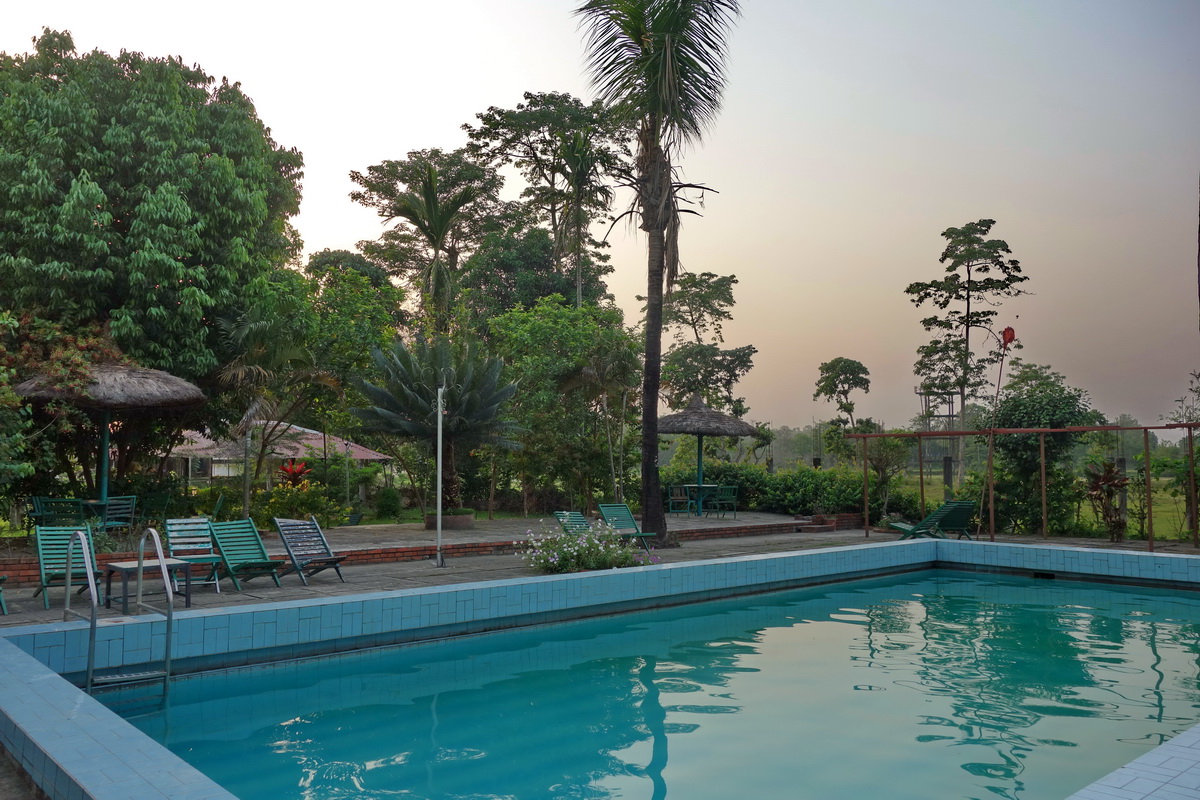
There are tables and sunbeds near the pool.
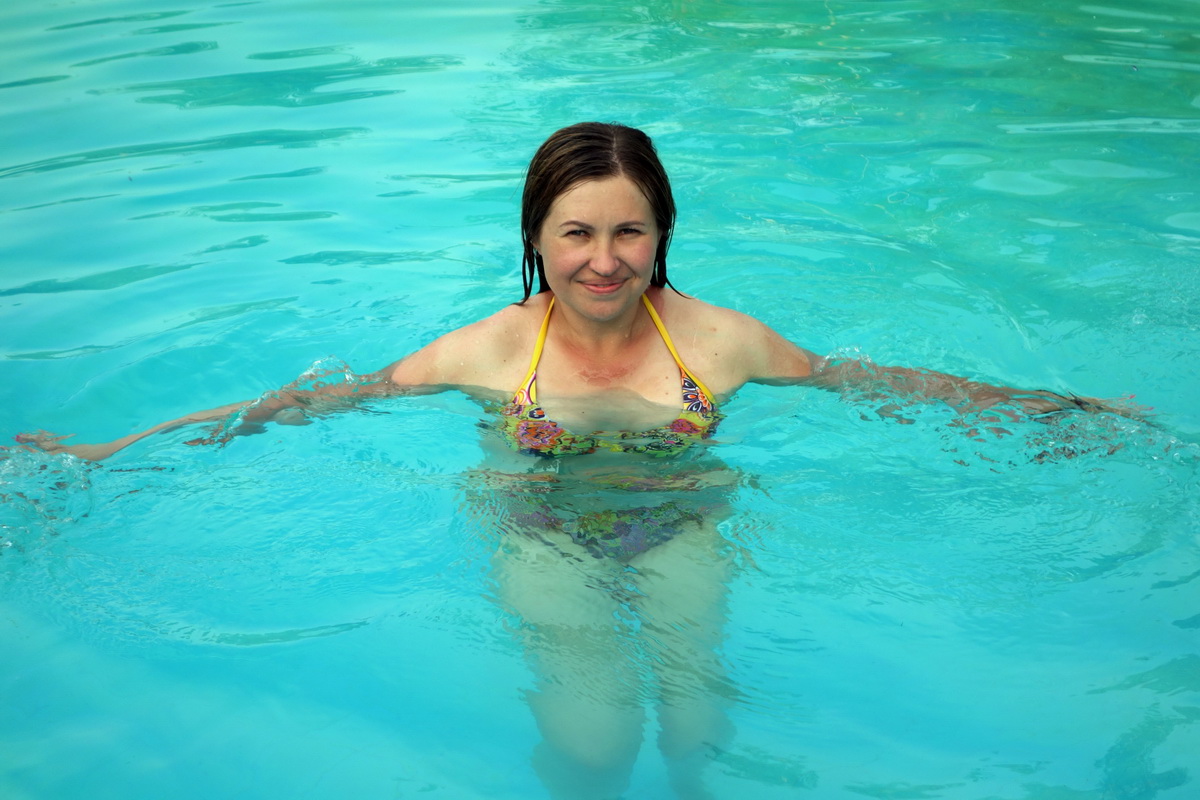
It’s so nice to swim in cool water.
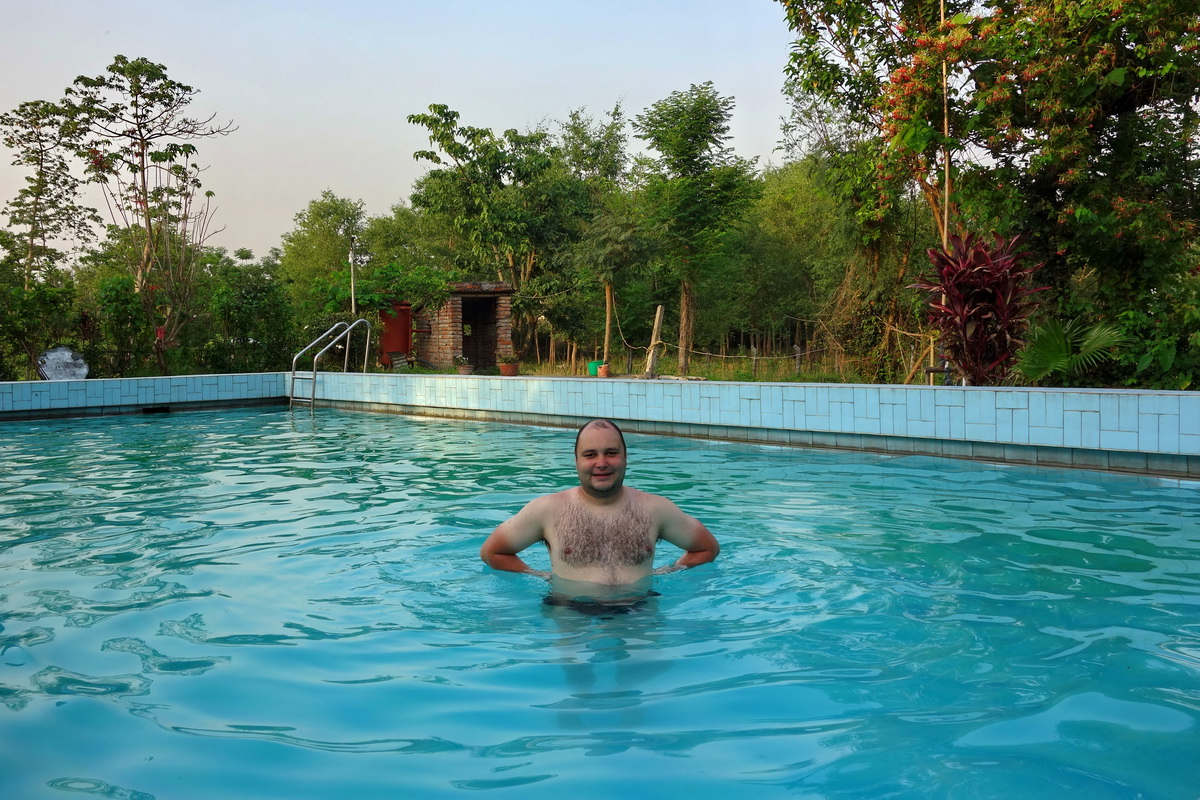
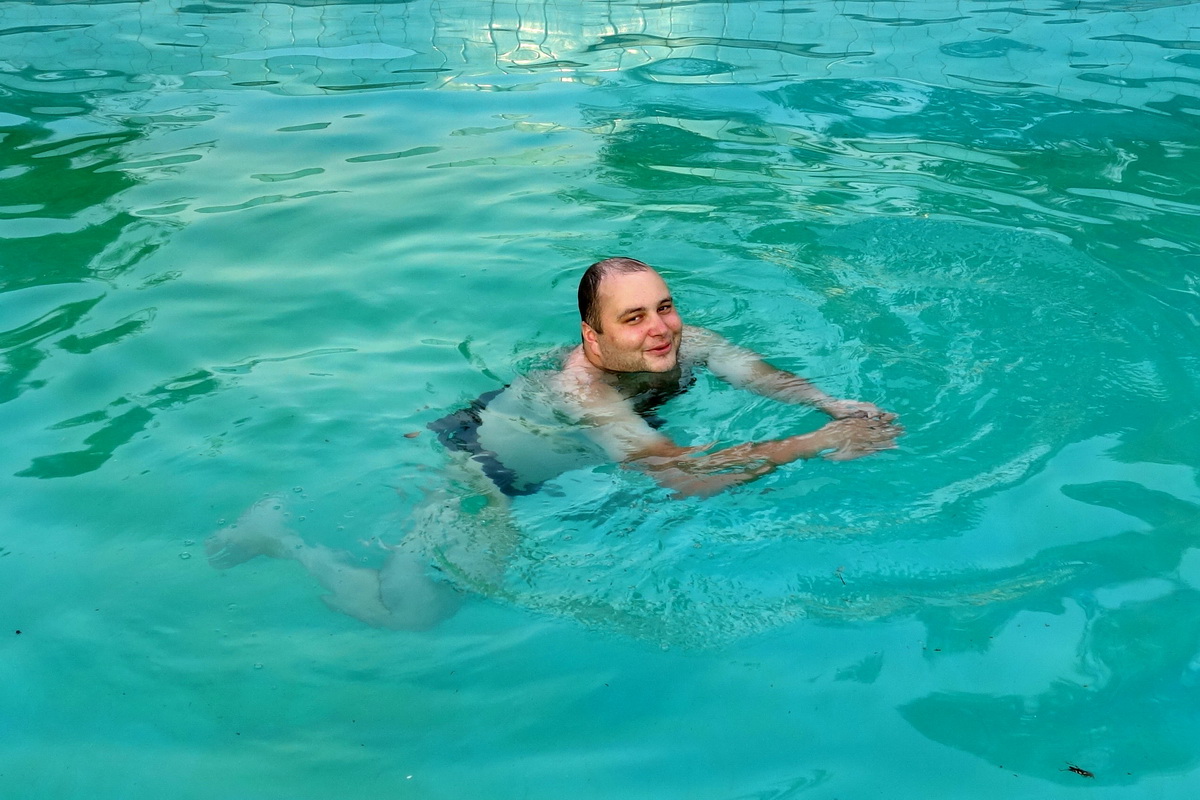
By the way, we were pleased by the almost complete absence of other tourists in the hotel. During our stay, only one other young couple checked in.
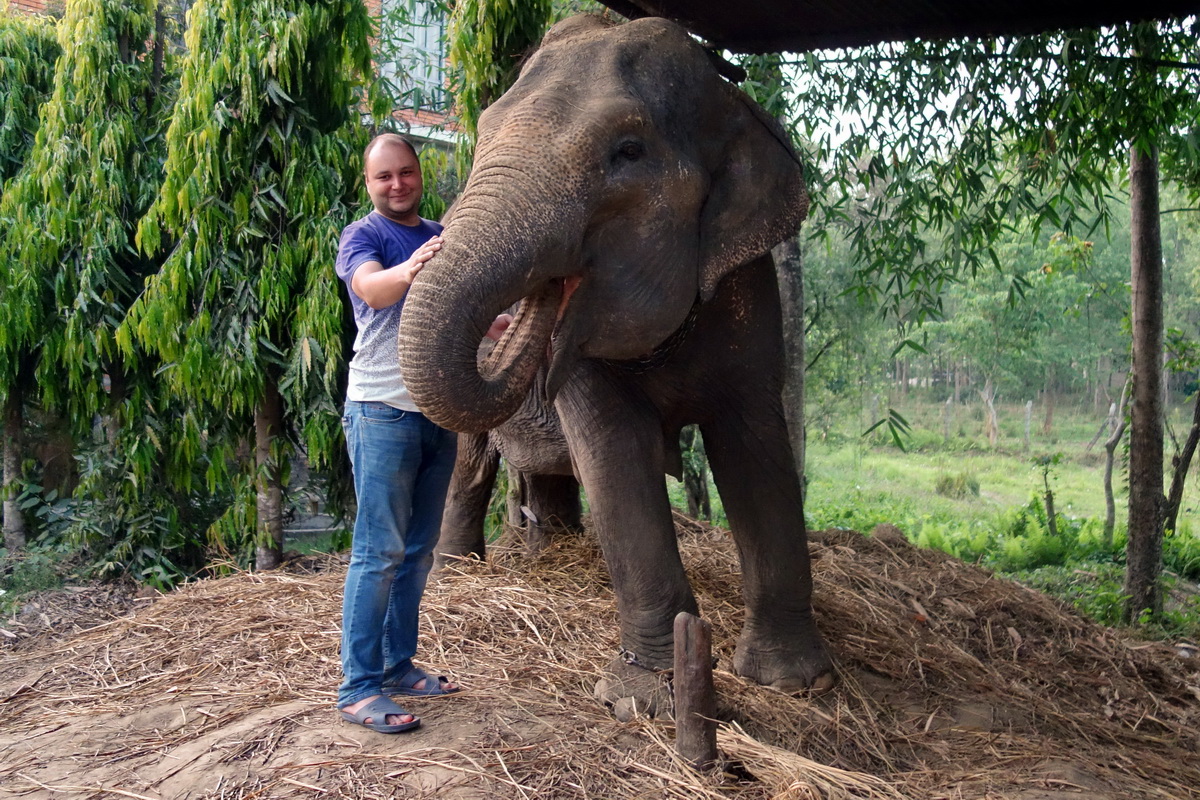
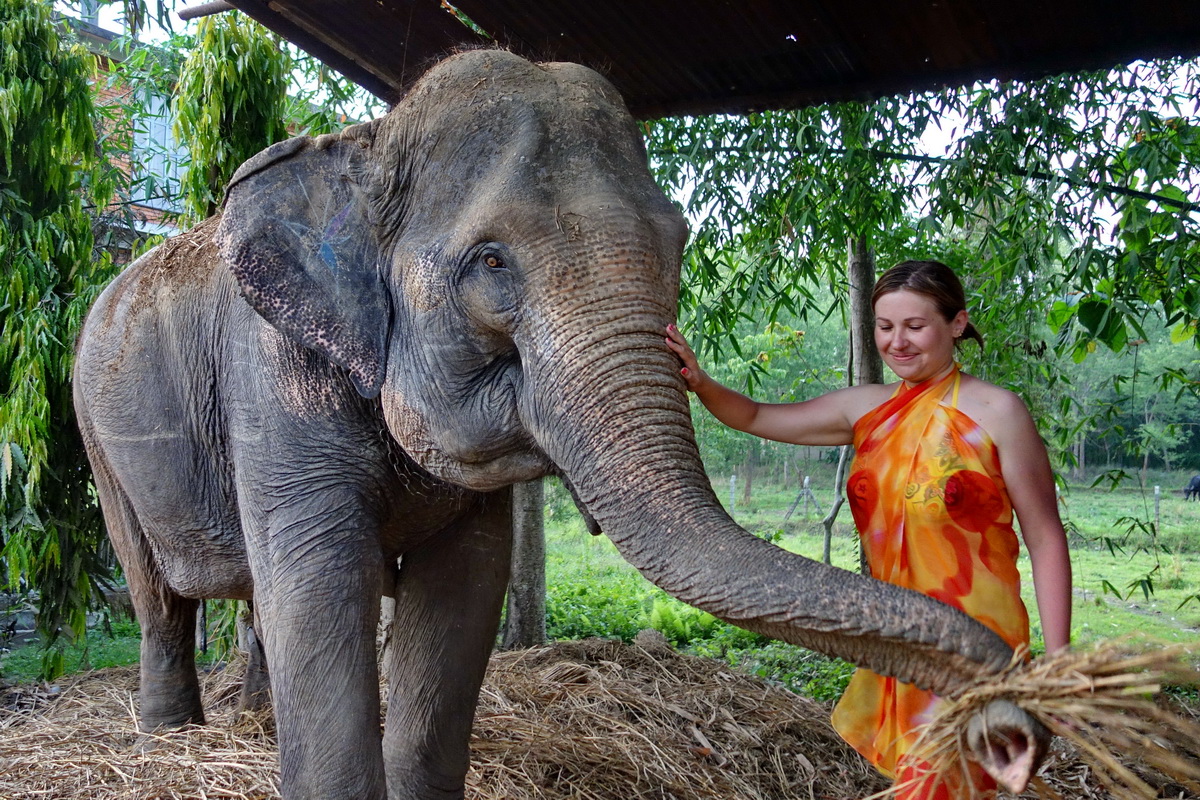
After relaxing by the pool, another surprise awaited us. It turns out there’s an elephant living on the hotel grounds. So, we had the chance to pet and feed her.
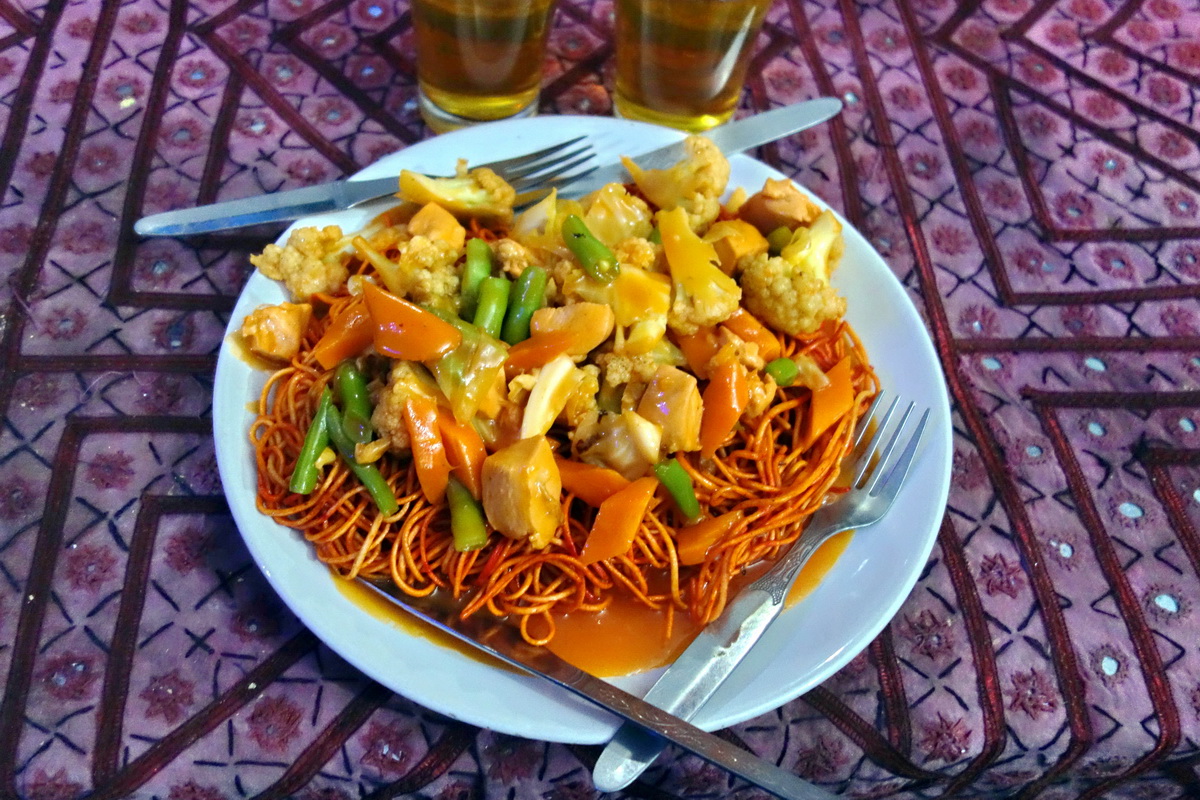
Before we knew it, it was time for dinner. We ordered an unusual dish called “chop suey” (Chinese stir-fry), made of noodles, cauliflower, and other vegetables. It wasn’t spicy, and we liked it.
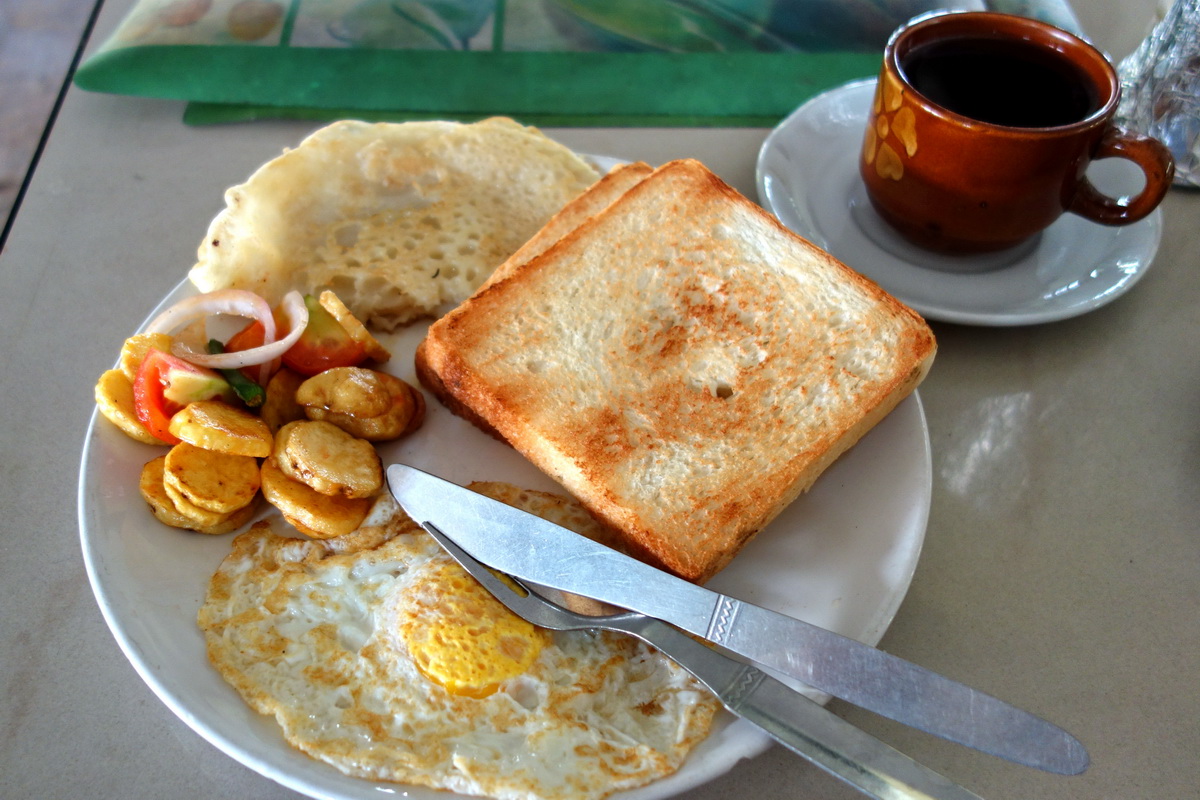
Our breakfast. The food at this hotel was delicious, just like everywhere in Nepal.
Today was a very eventful day. At the hotel administration, we ordered and paid for a permit to visit the national park, as well as activities like an elephant ride through the jungle, a canoe trip on the river with a chance to see marsh crocodiles, a jungle walk, elephant bathing, and a visit to an elephant farm. The cost of the permit and activities was about $70 per person.
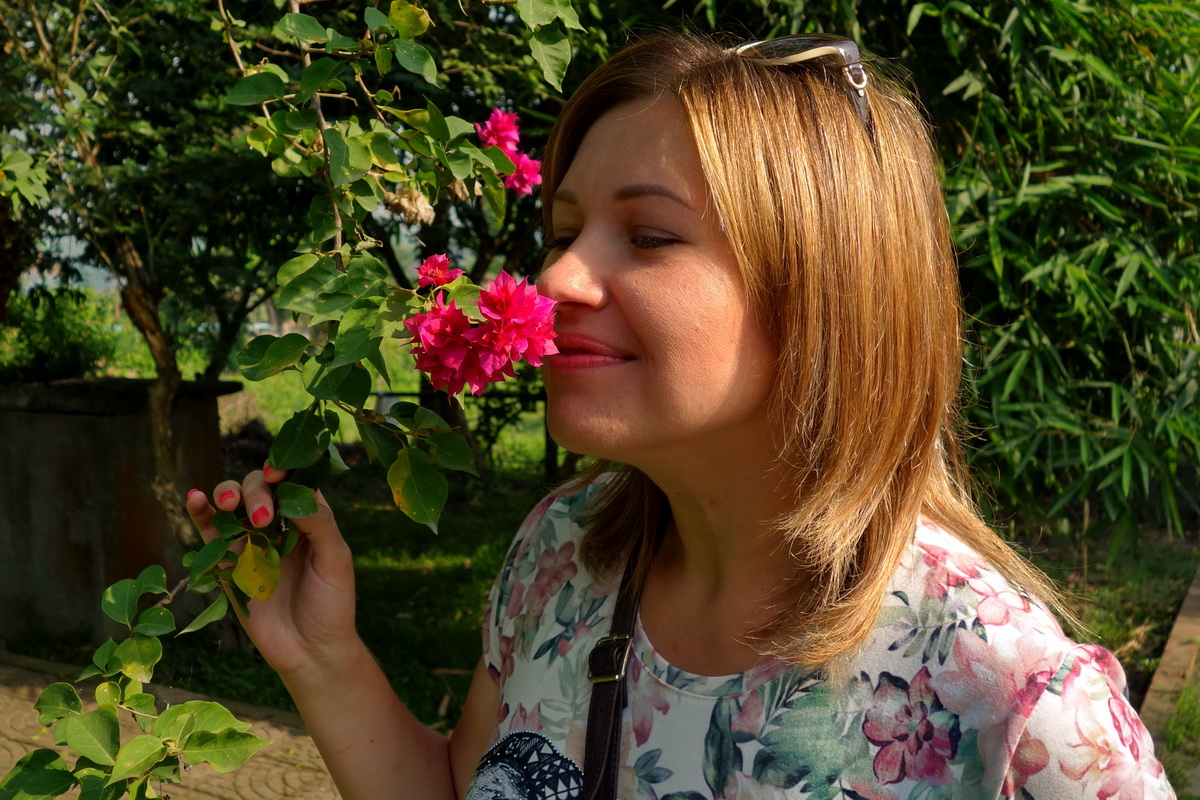
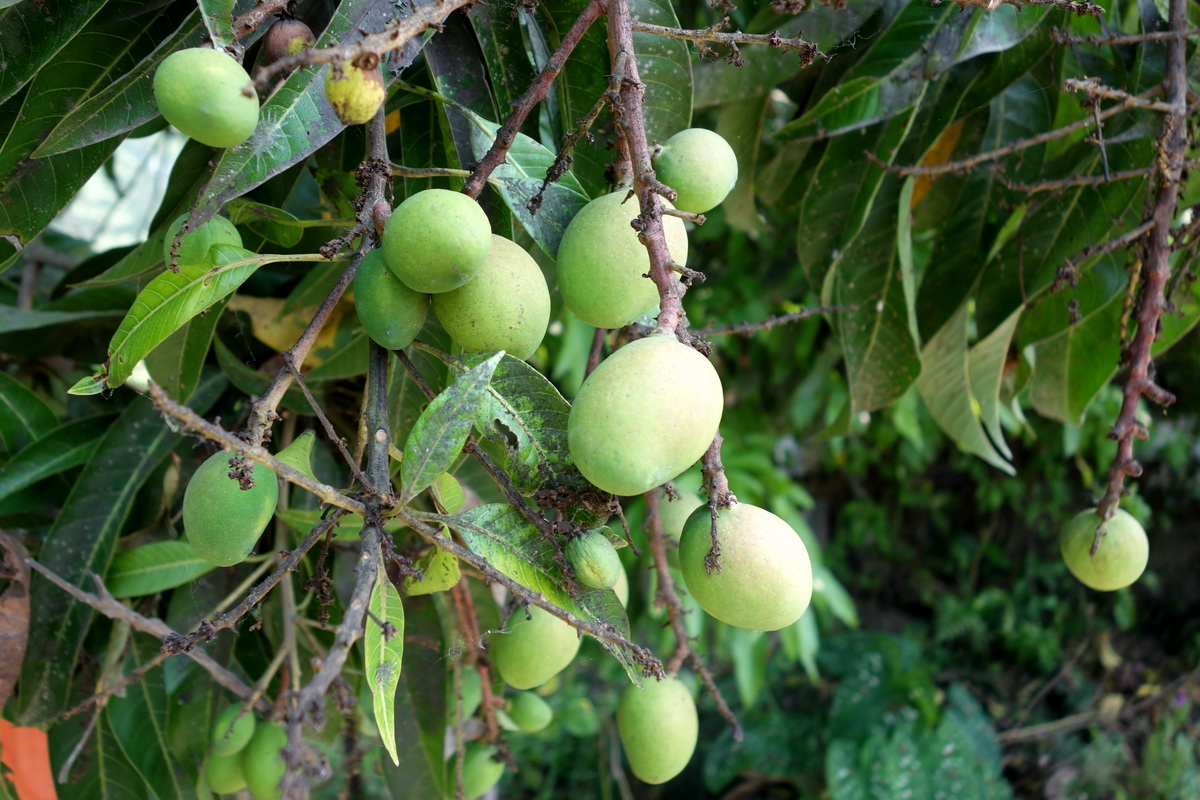
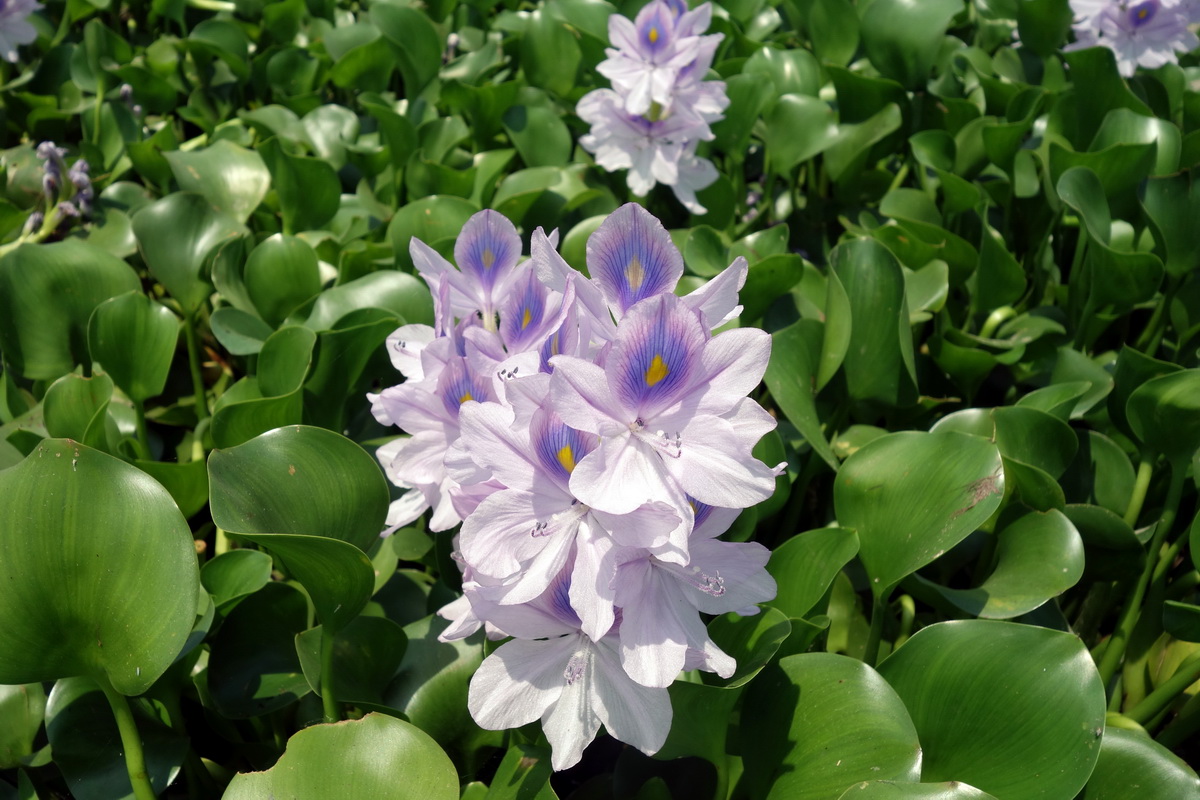
The hotel grounds had many unusual plants and flowers.
...
We were lucky that our hotel was practically at the starting point of all excursions, including the jungle safari. That’s where we’re headed.
Elephants here generate income by giving tourists rides through the jungle. So, they are respected and well cared for. Each elephant has its own mahout.
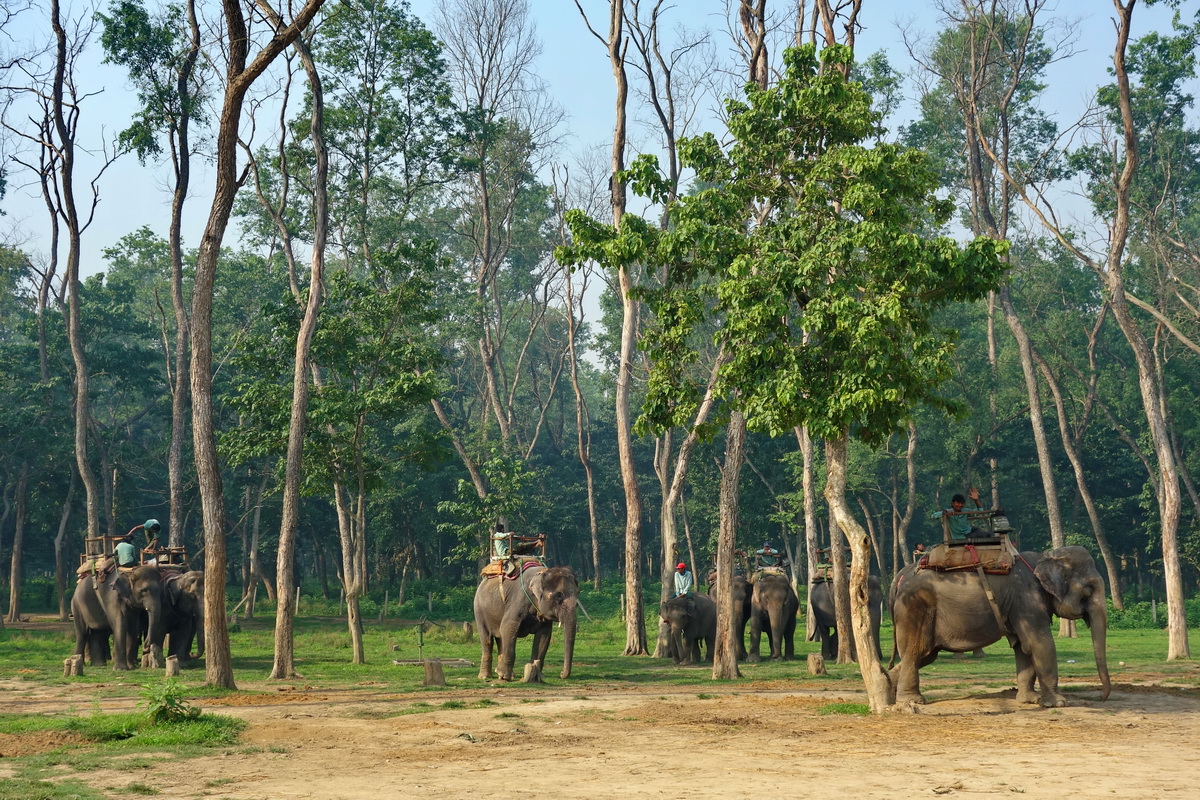
A special saddle is attached to the elephant, where four people sit from a platform, while the mahout sits almost on the elephant’s neck. Movements in this saddle are a bit restricted, meaning it’s hard to turn around due to the backs of your “neighbors,” but it’s quite comfortable to sit.
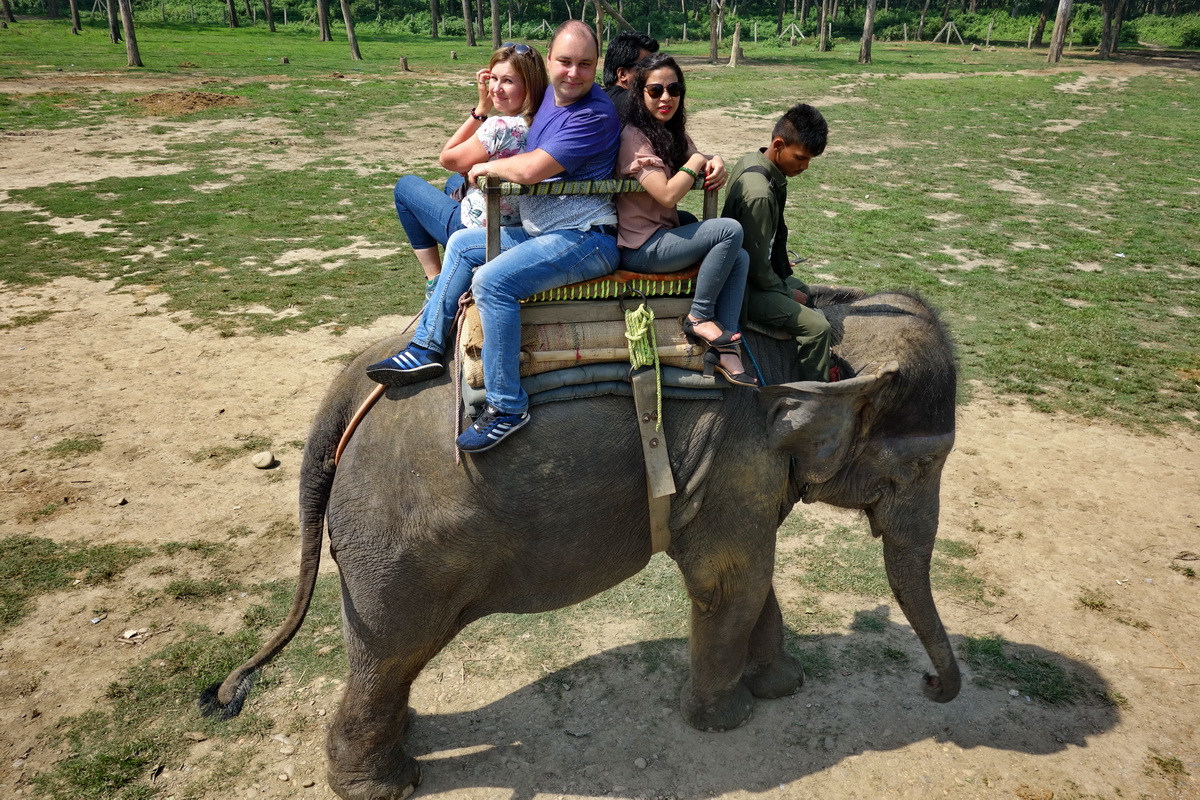
Let’s go!
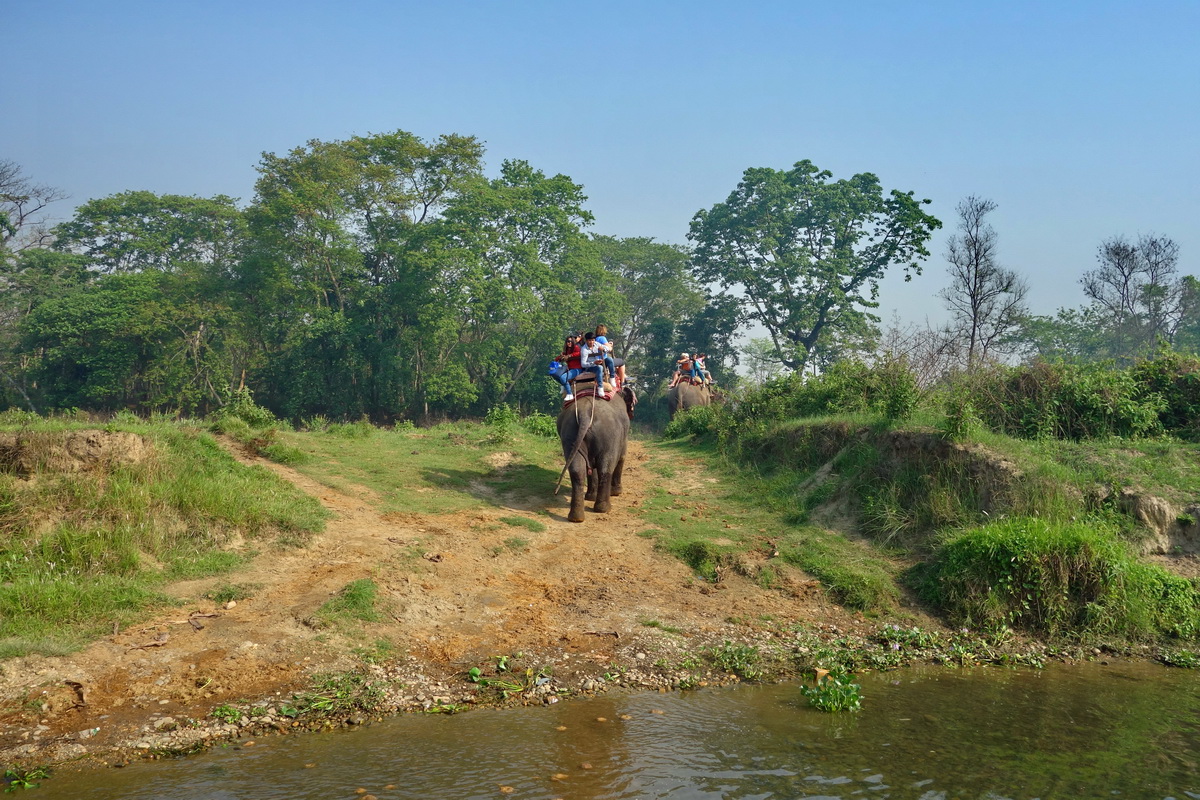
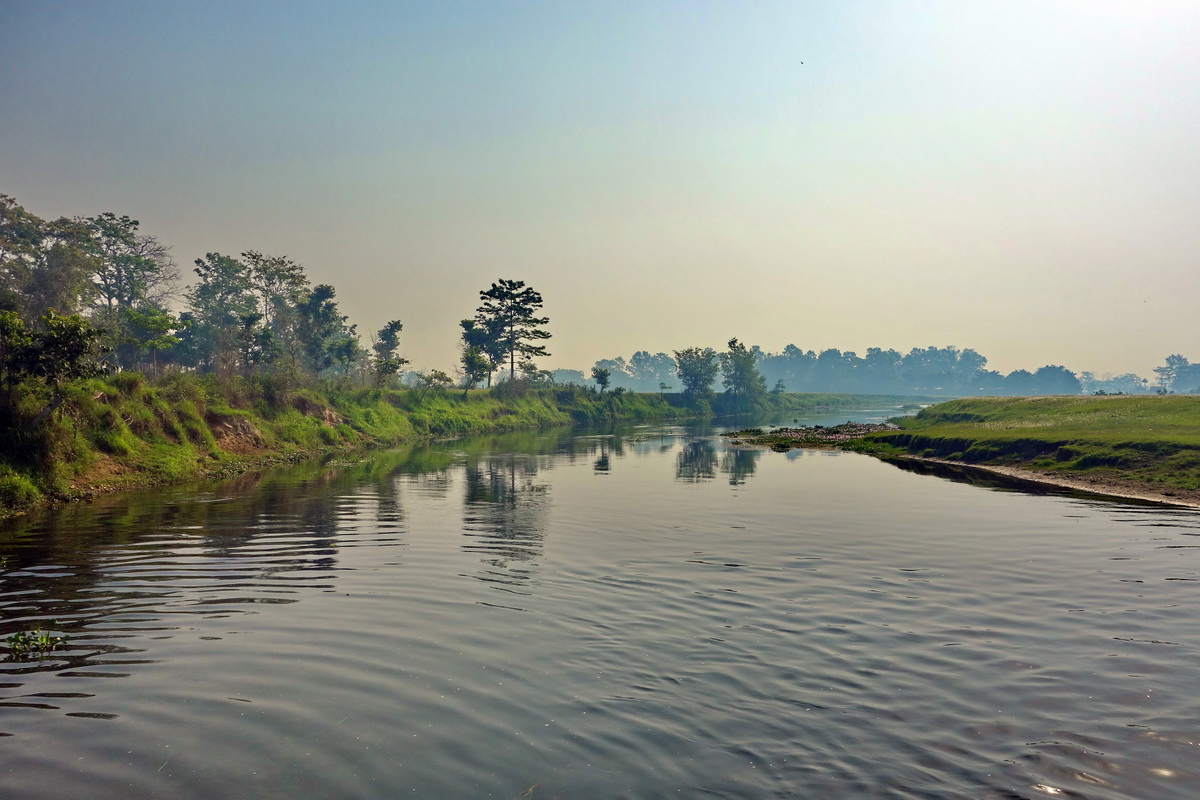
We make our way into the jungle.
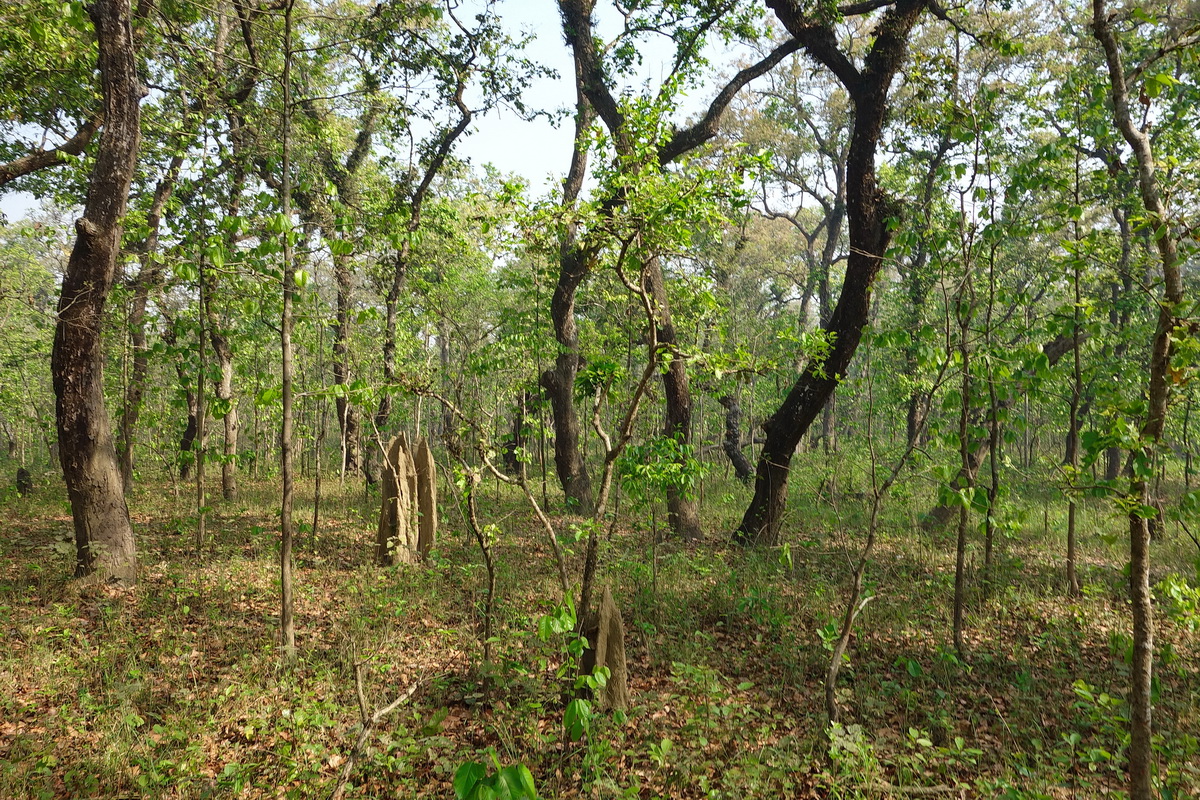
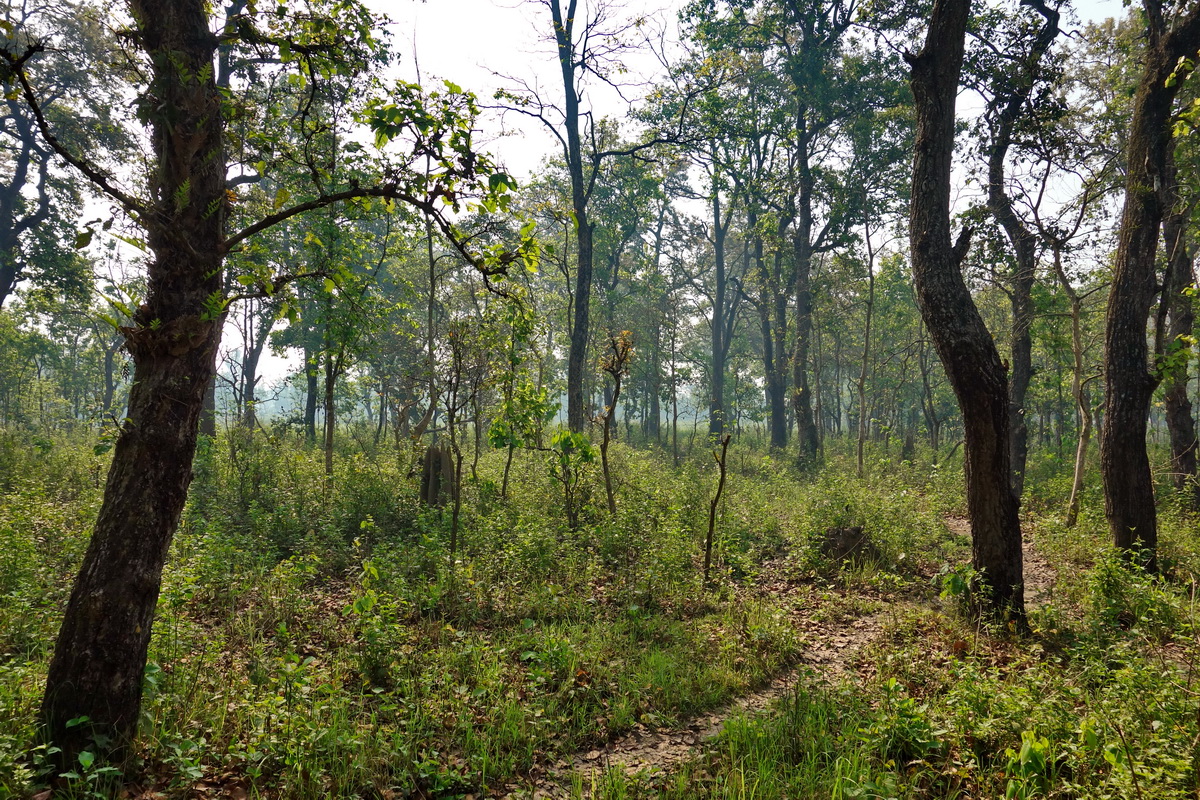
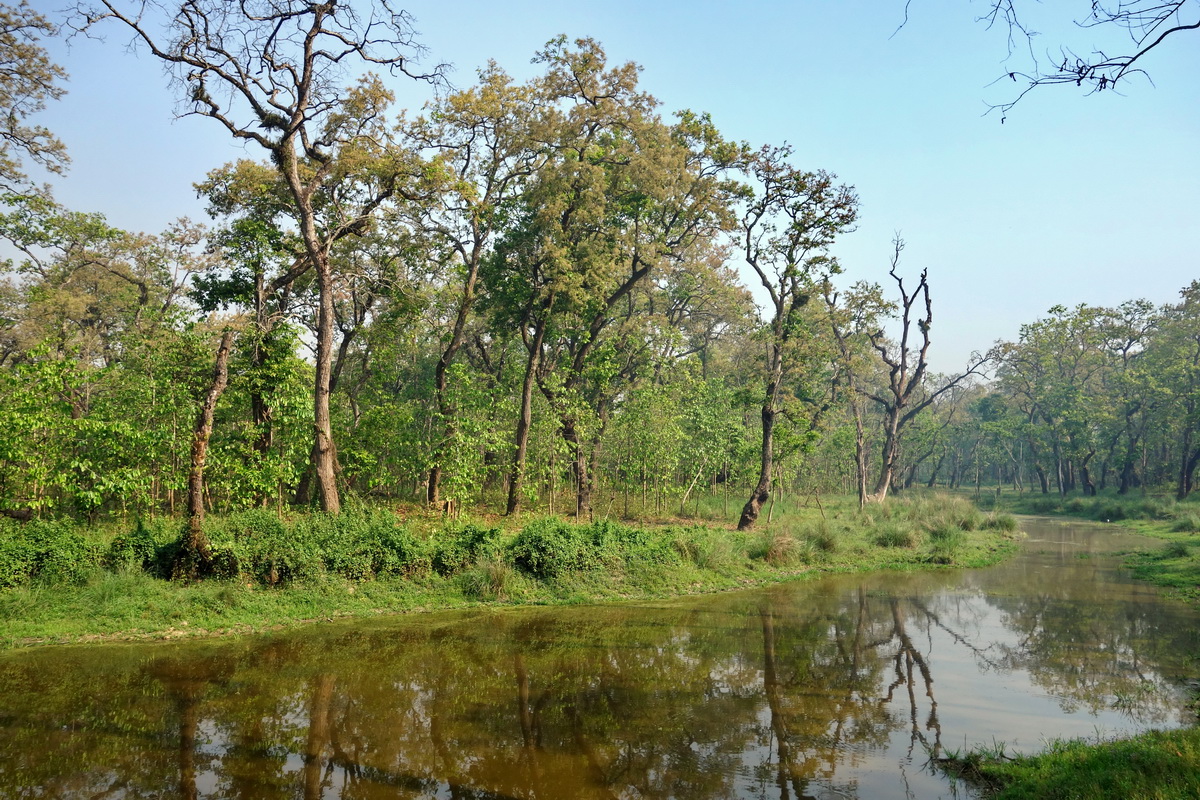
We approach the river. Only female elephants give tourists rides here, and they also live on the elephant farm and take care of their offspring. Male elephants live in the wild.
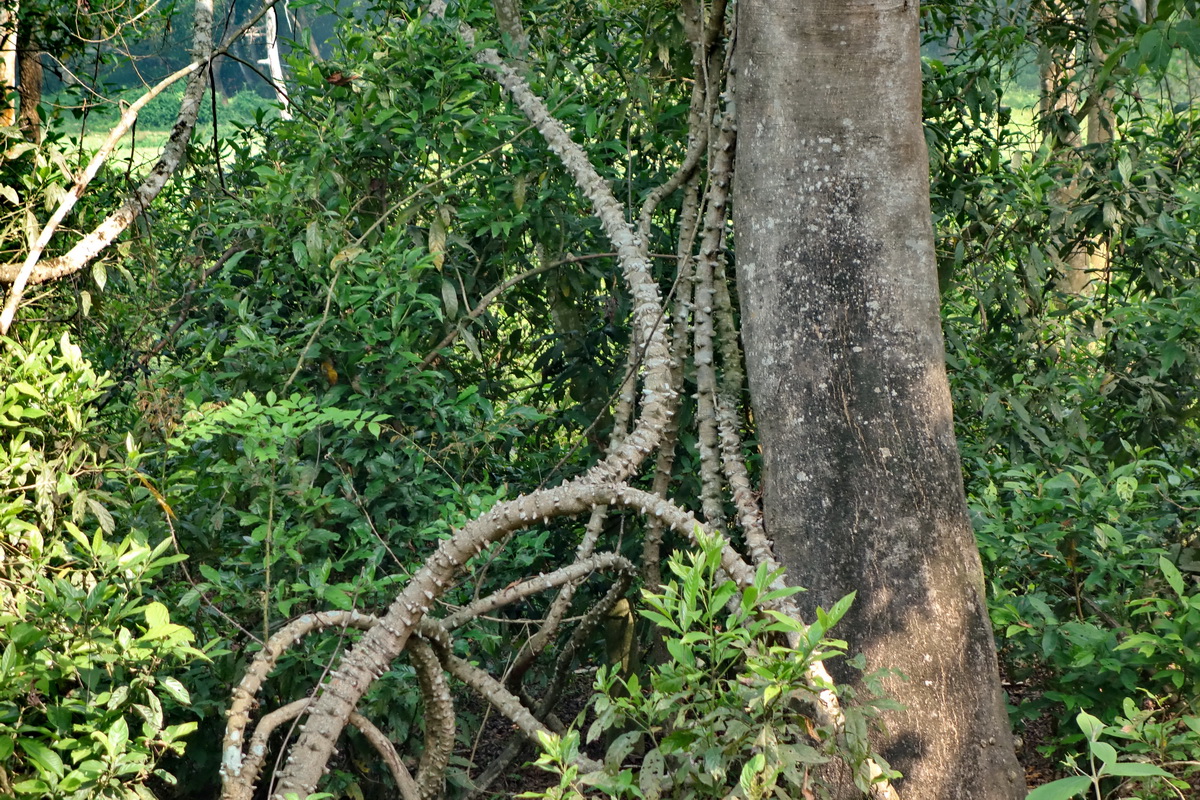
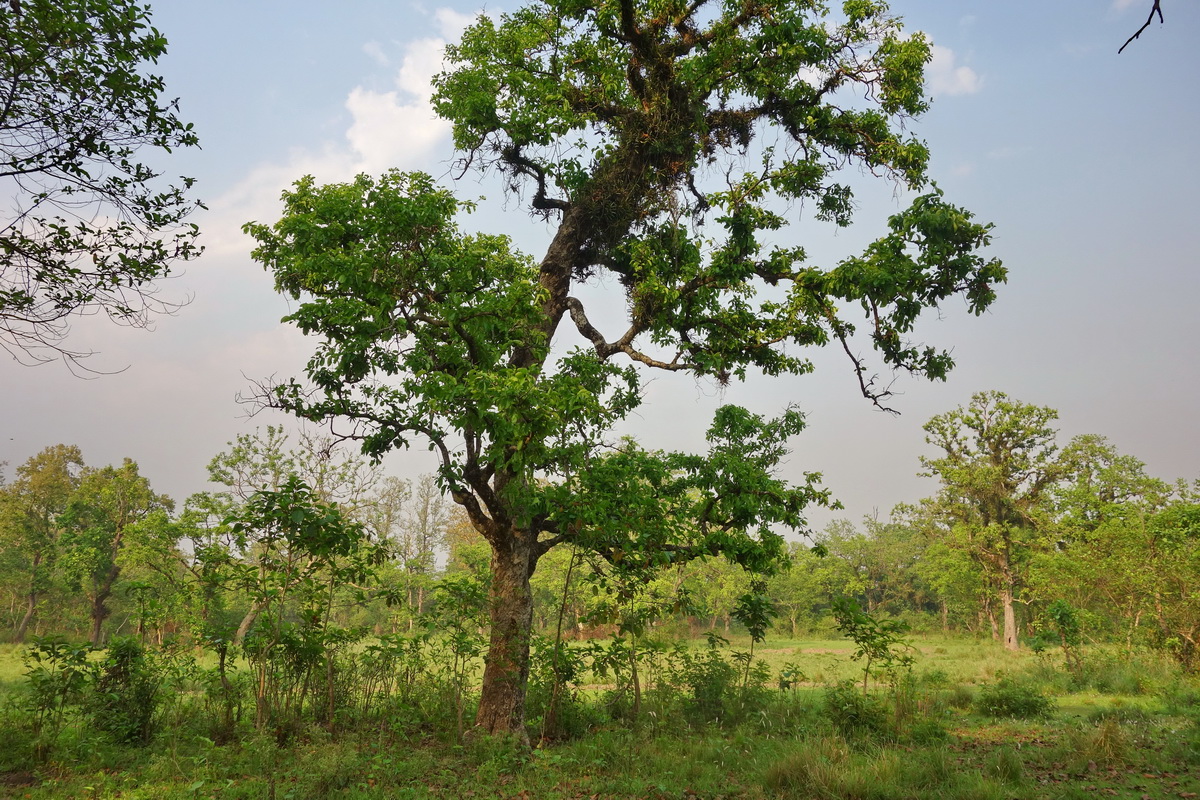
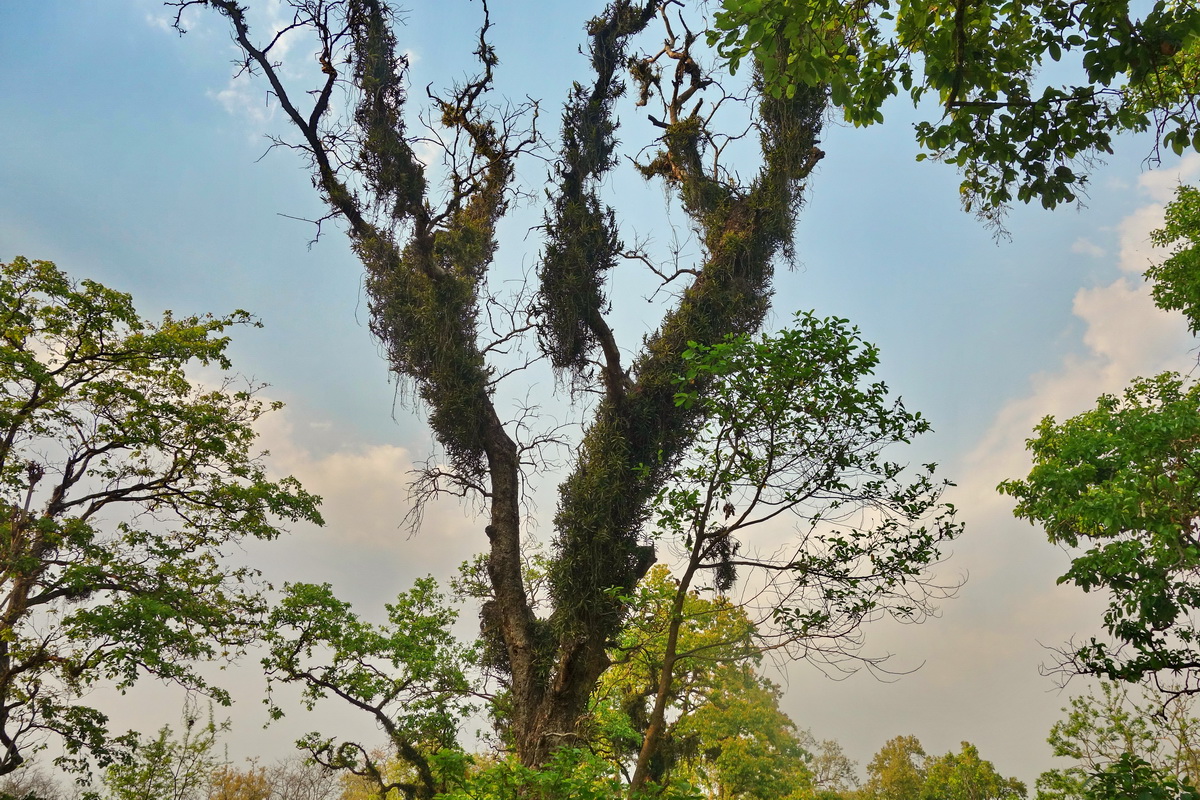
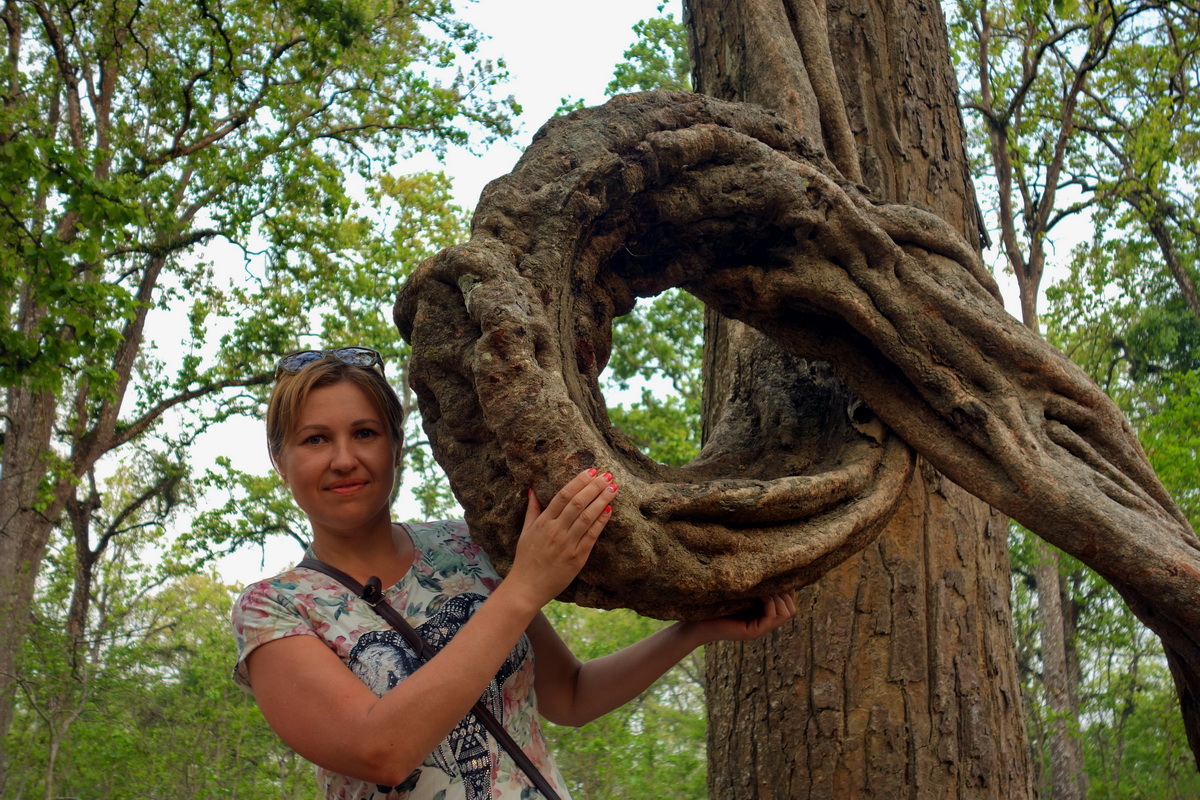
Unusual trees with tentacle-like roots.
From time to time, our elephant gets a bit playful, occasionally stopping or speeding up. We fell a bit behind the elephant caravan and are taking a different route.
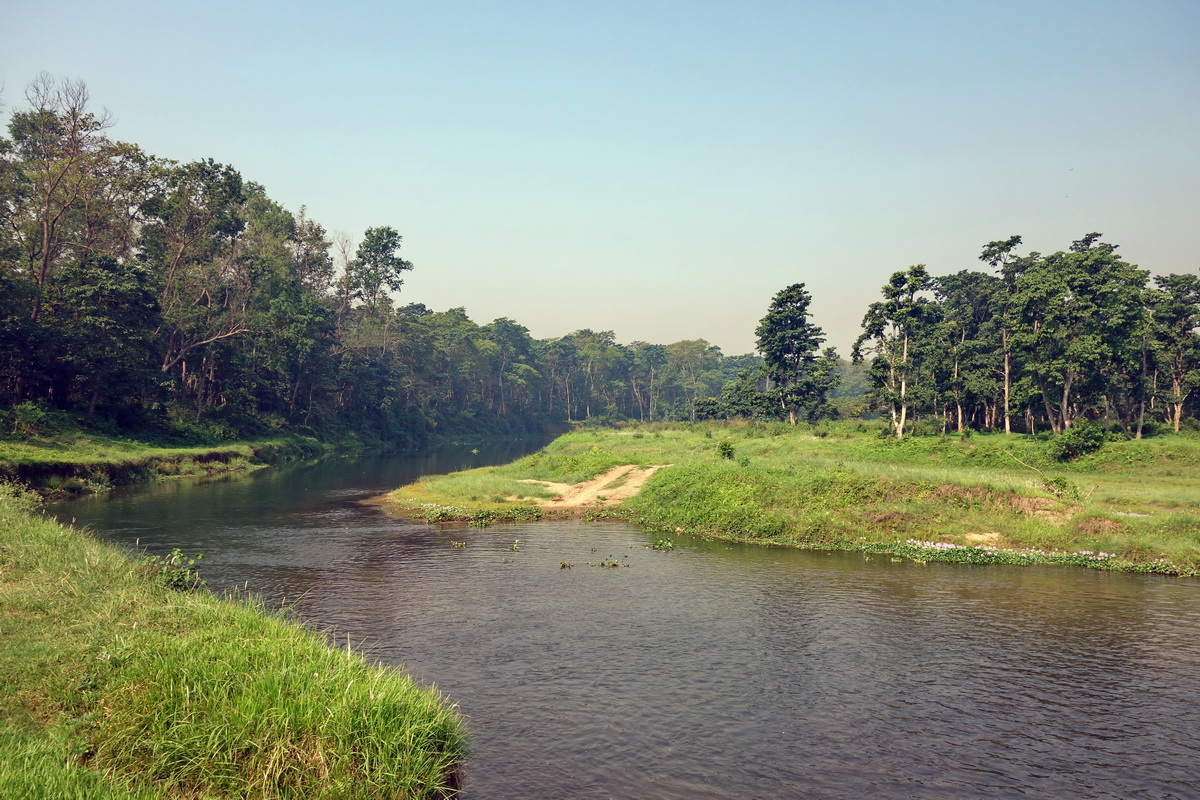
We stop for a moment, and our elephant drinks some water.
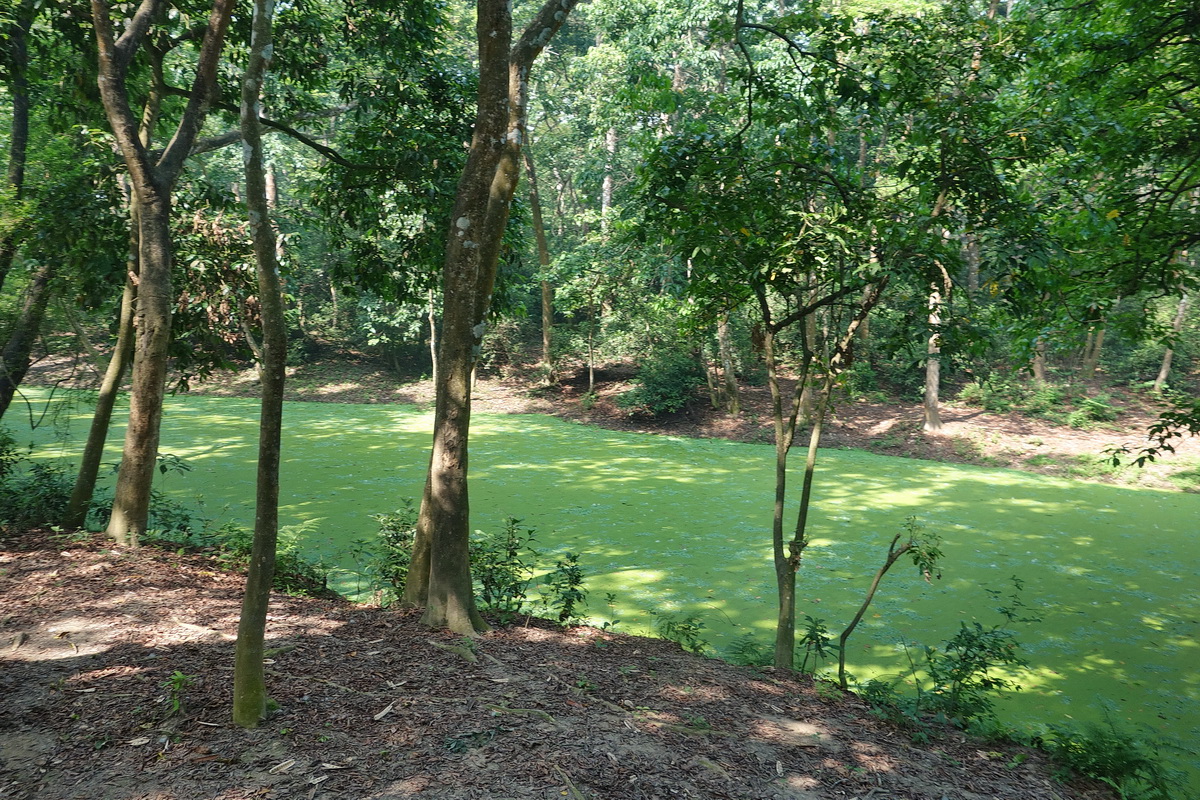
A swamp in the jungle. Crocodiles are supposed to be here. Elephant safaris are considered the safest way to visit the park, as other animals fear elephants and avoid them.
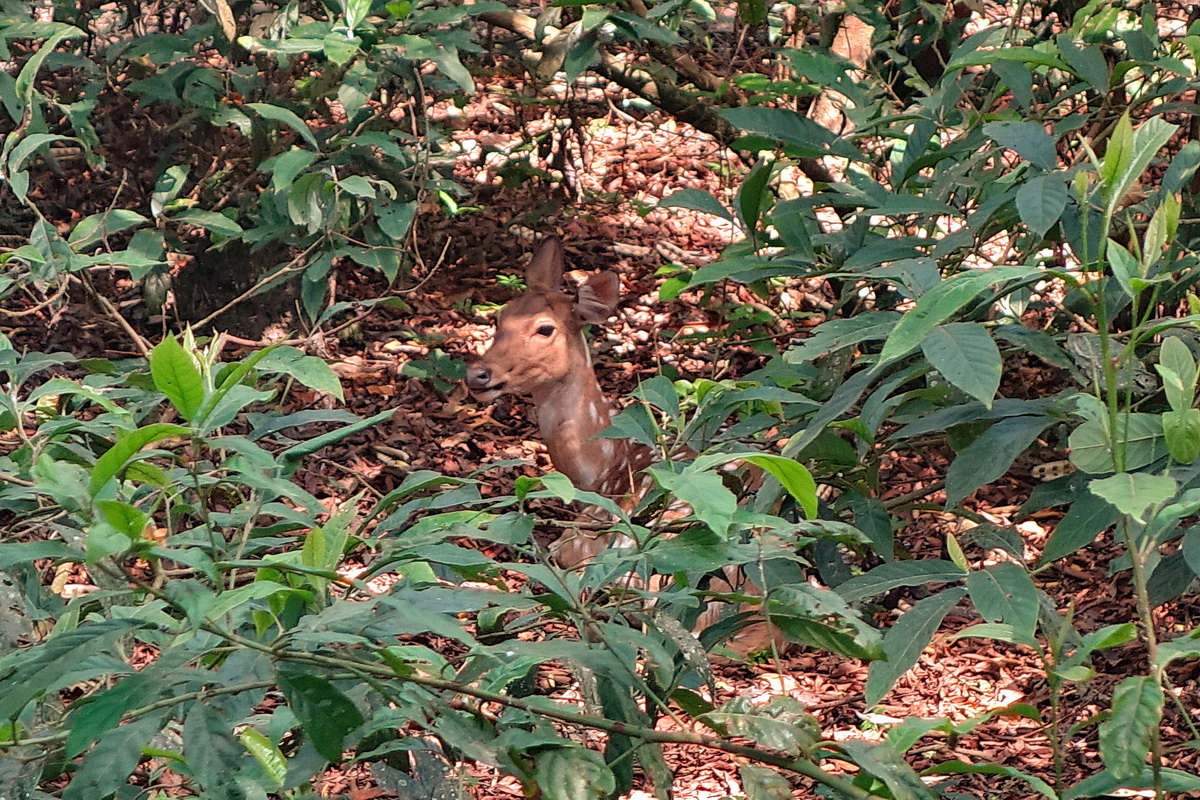
A small deer. They’re hard to spot among the leaves, as they blend in almost completely.
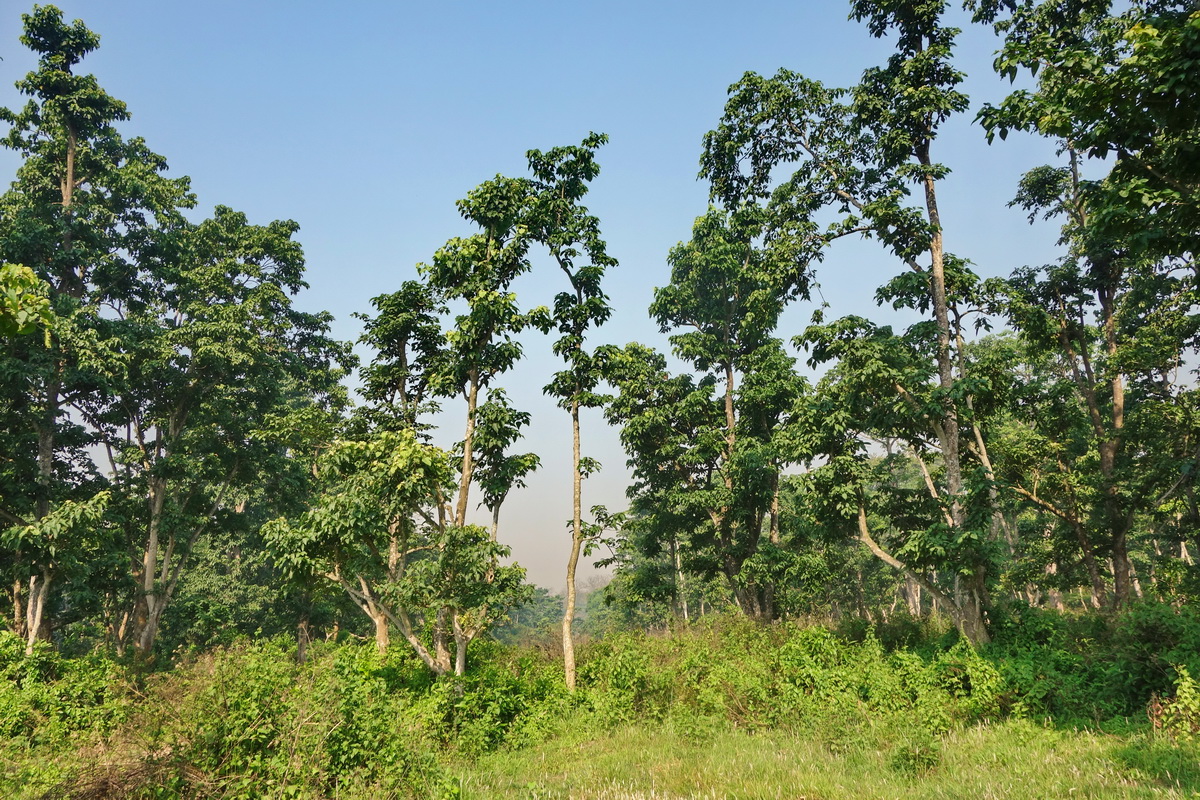
In general, you can encounter tigers and rhinos in their natural habitat in this park. Unfortunately, we didn’t see any tigers or rhinos, though maybe that’s for the best :)
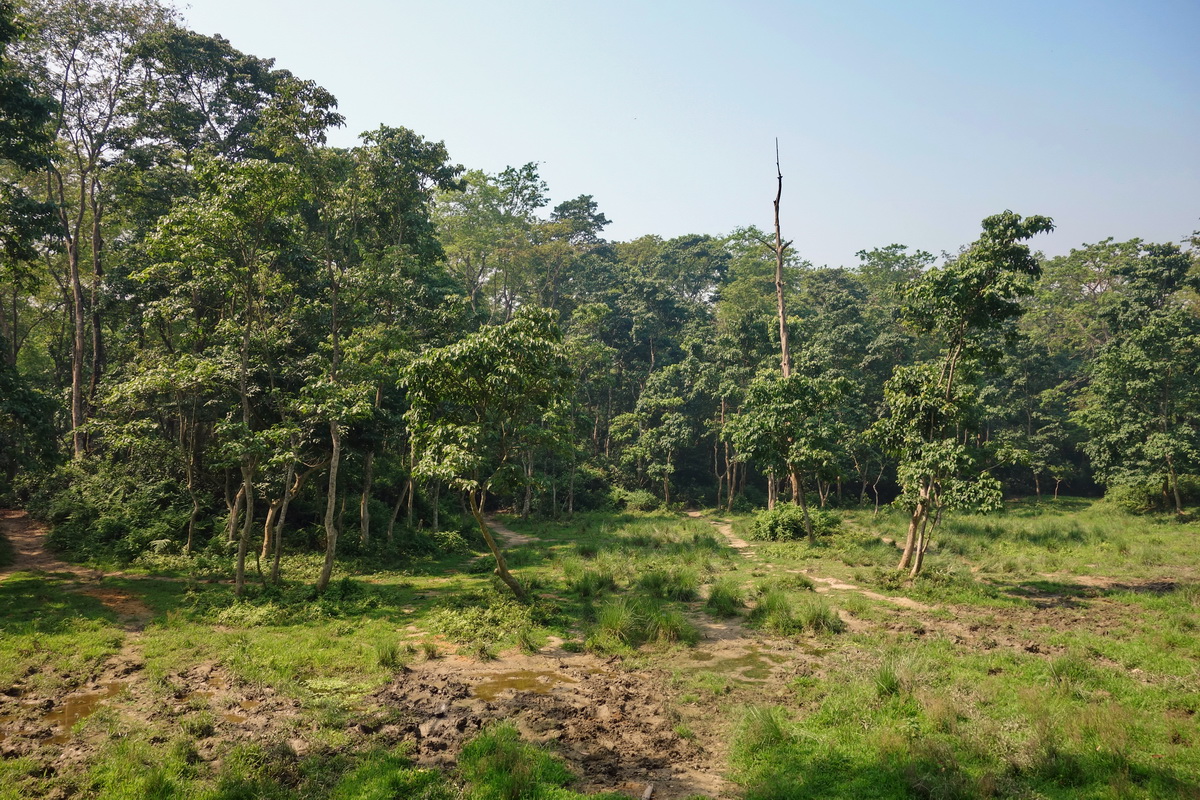
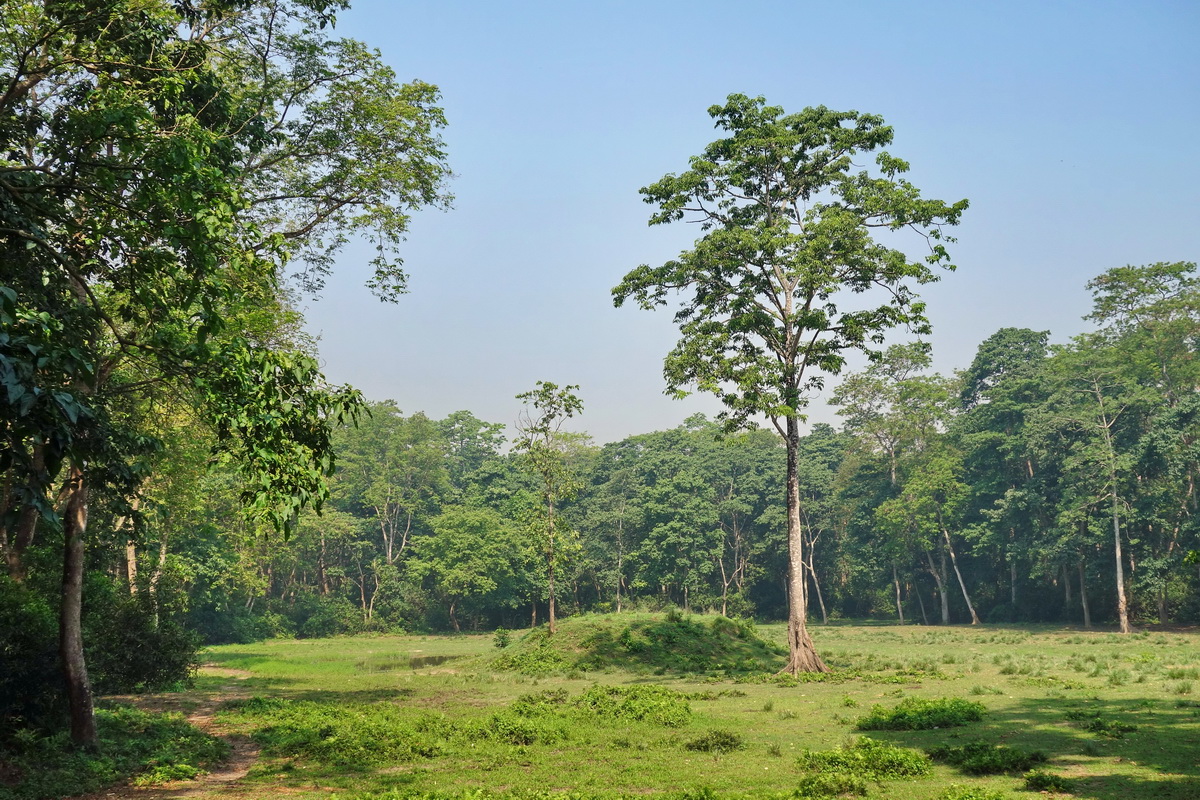
The elephant ride took about an hour and a half. During that time, we made a large loop through the jungle. We saw lots of monkeys, deer, various birds, and admired the unusual vegetation. Time flew by unnoticed.
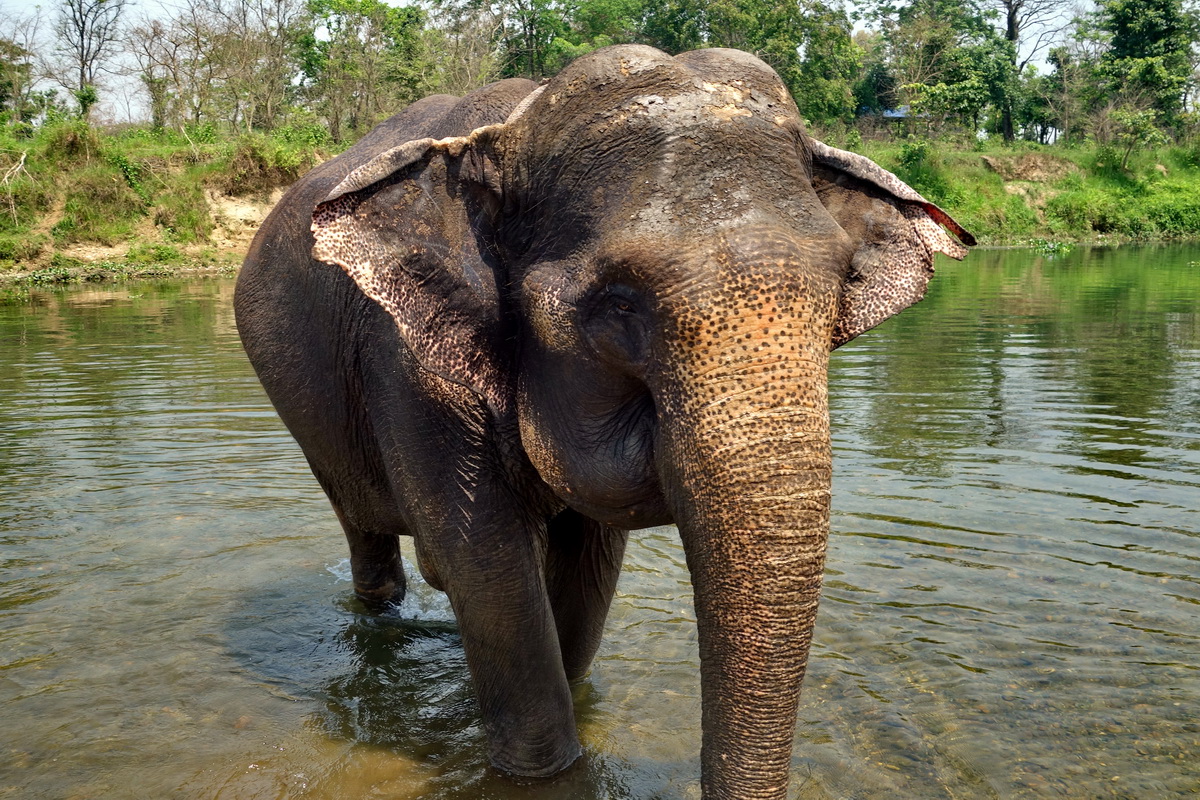
The next activity was bathing the elephant. It’s hard to say who bathed whom—us bathing the elephant or the elephant bathing us. But we enjoyed the process, and I hope the elephant did too.
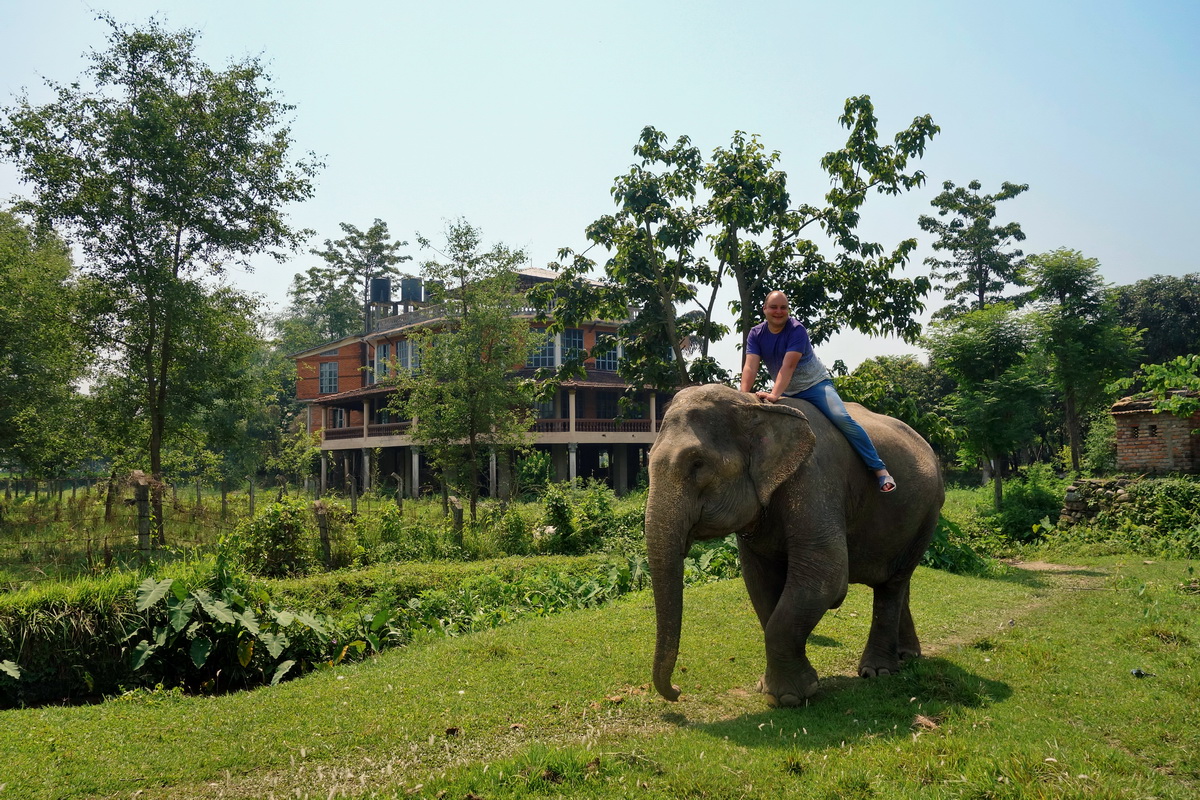
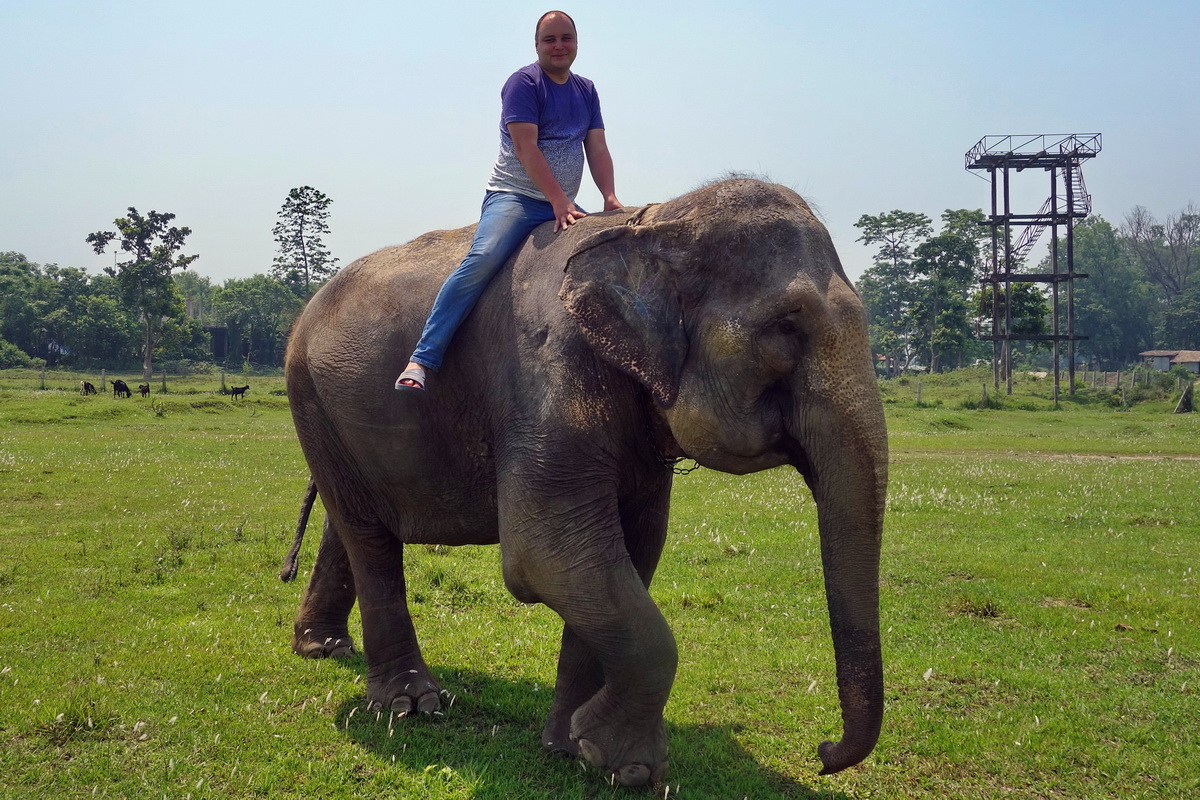
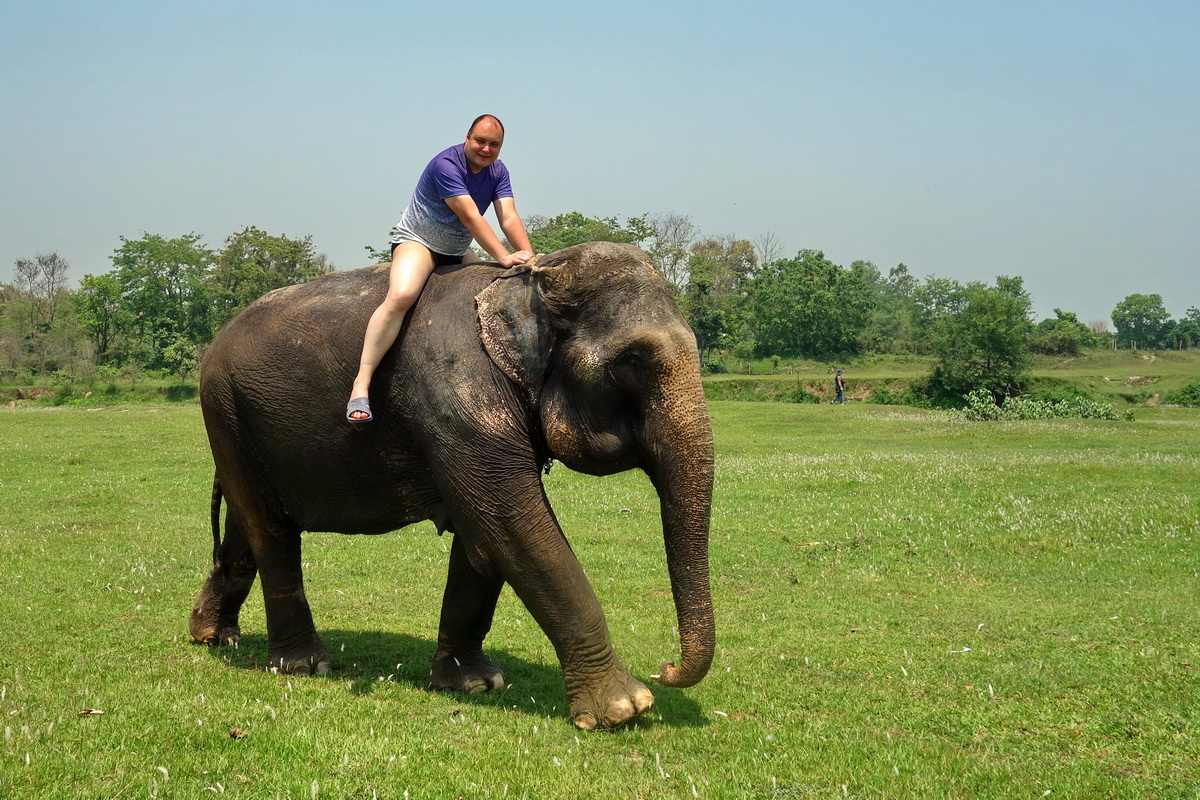
Right from our hotel grounds, we head to the Rapti River with the elephant and her mahout. Riding an elephant is an incredible experience.
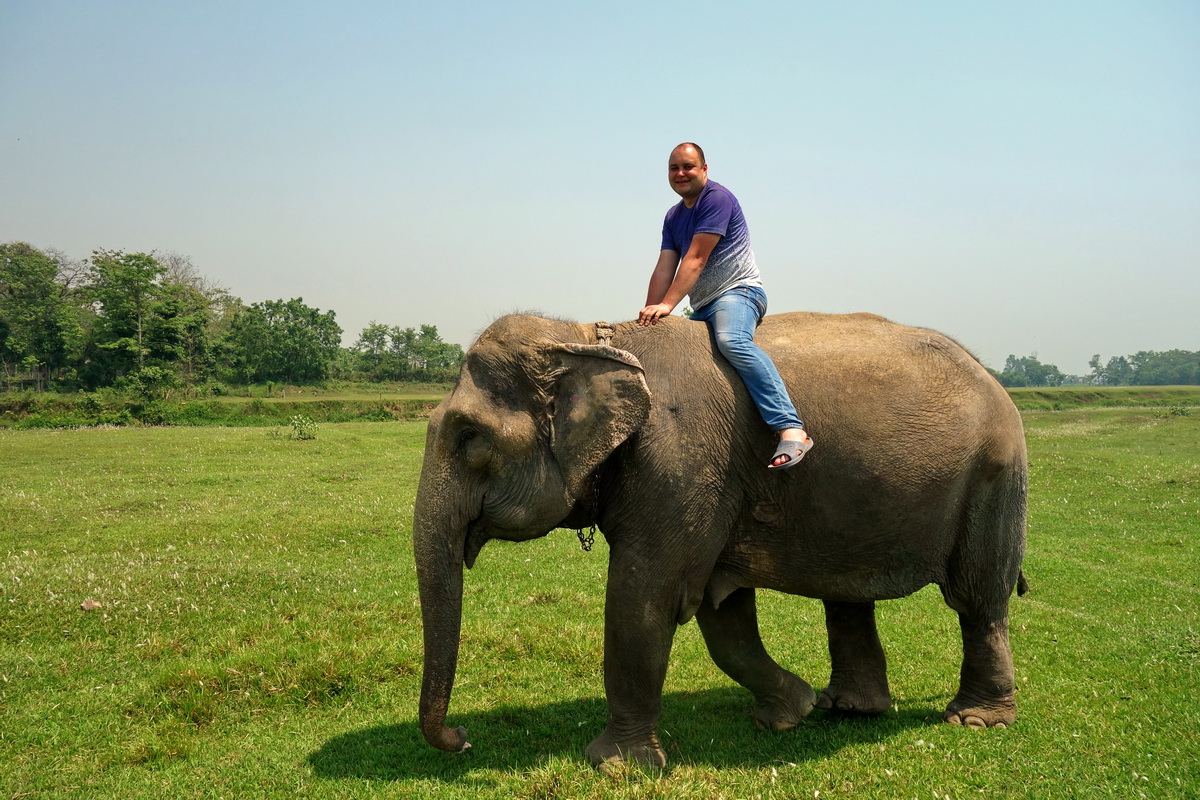
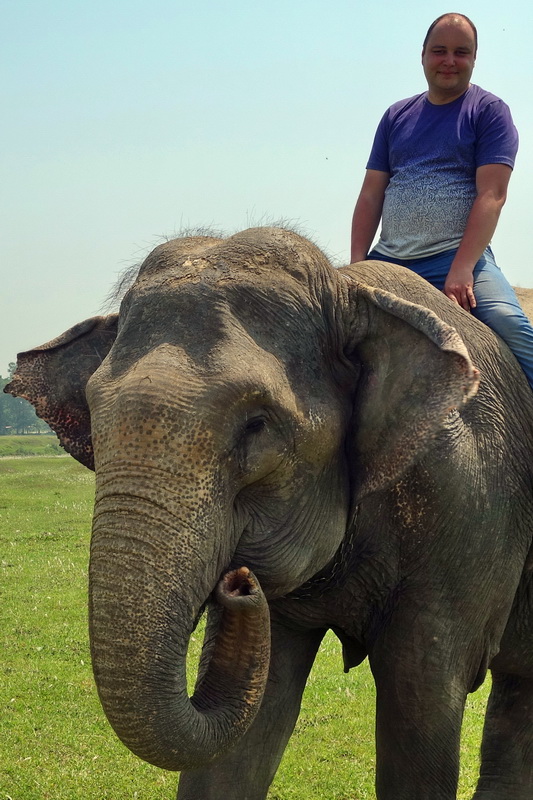
It felt like the elephants here are trained to do no harm to humans.
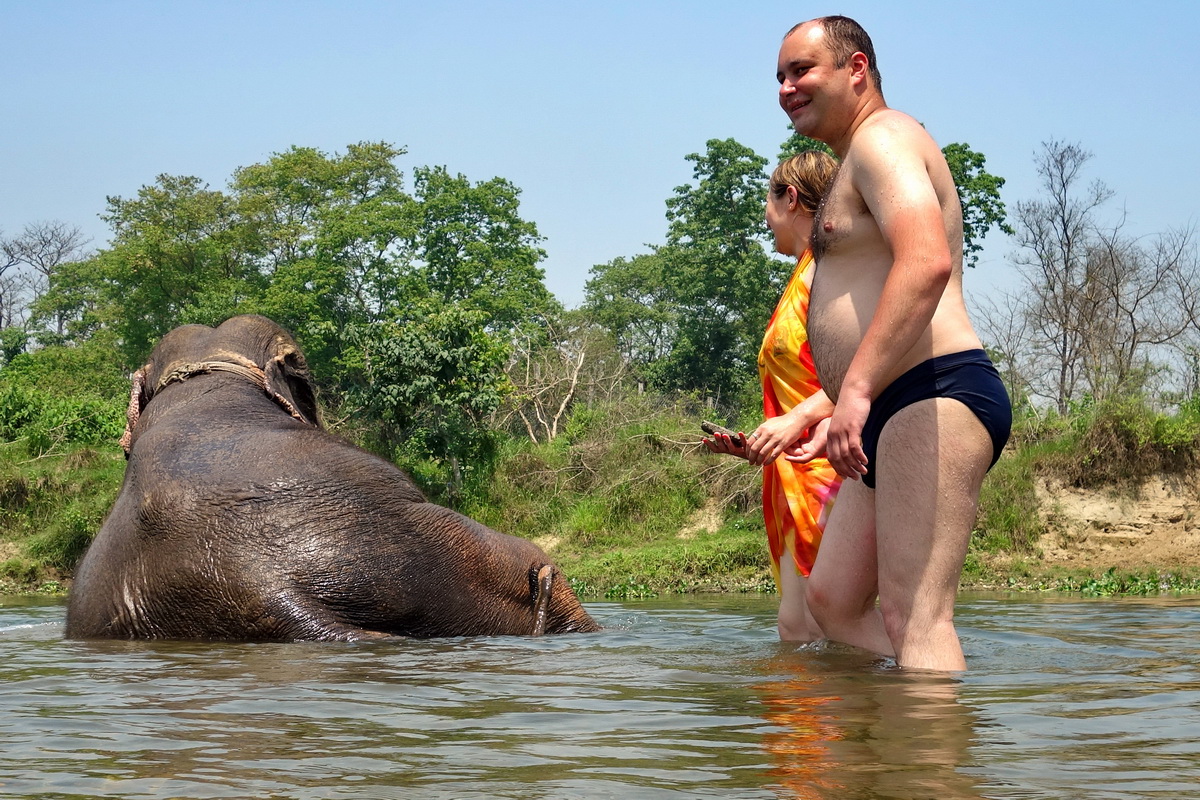
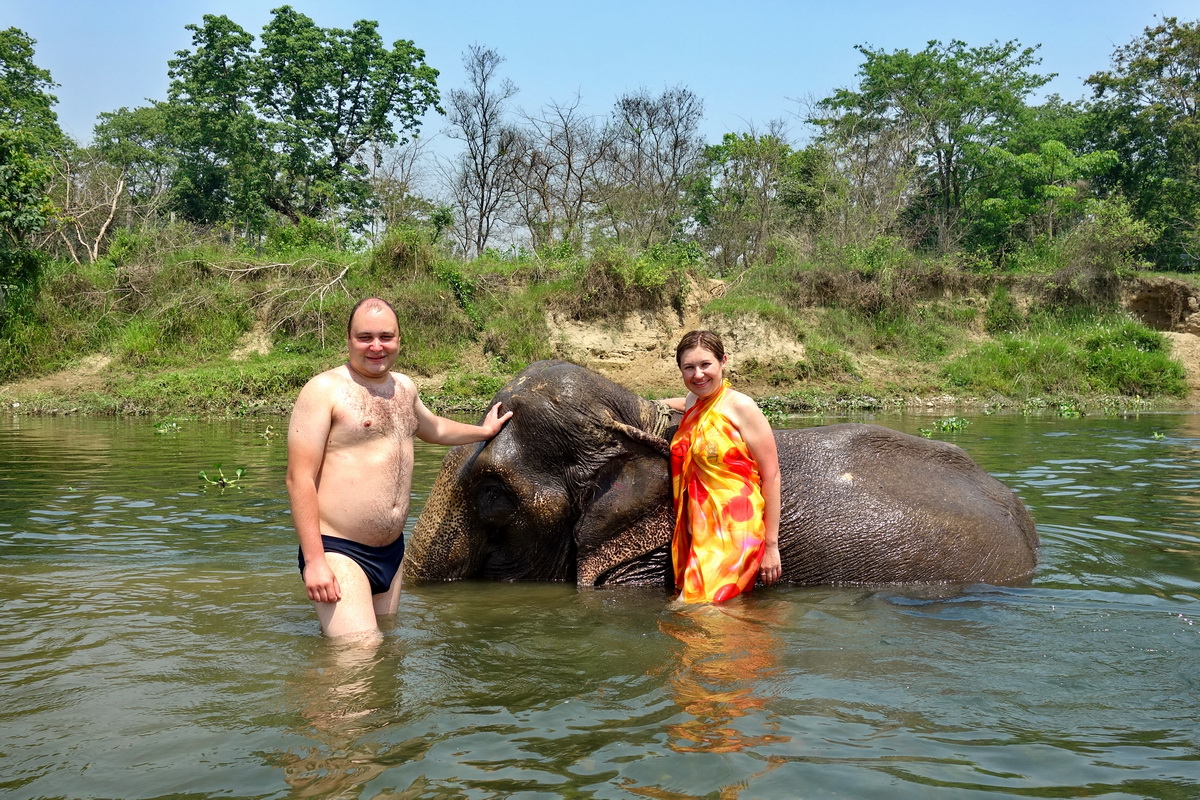
At the river, we changed and followed our elephant into the water. On the boy-mahout’s command, she immediately plopped into the water.
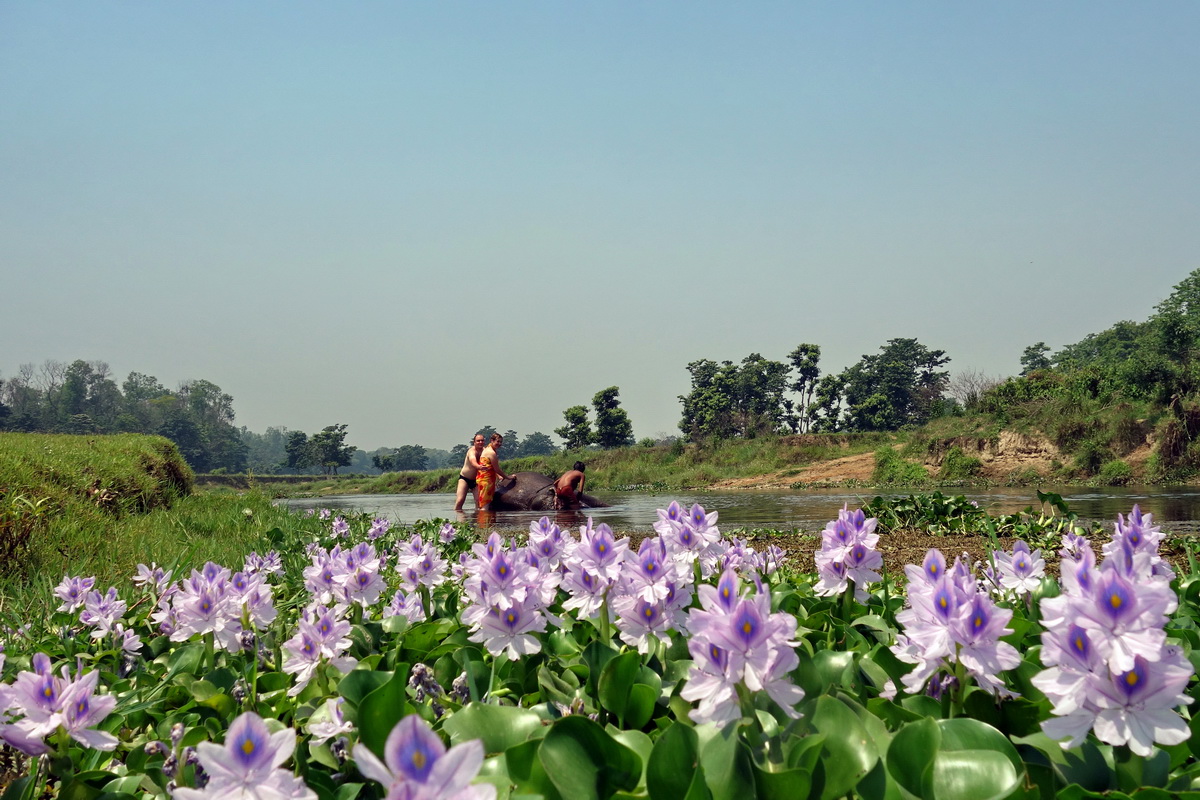
And then the fun began. We were given shampoo, and we started washing the elephant. Her skin is quite thick, and after applying shampoo, we had to scrub it with a stone.
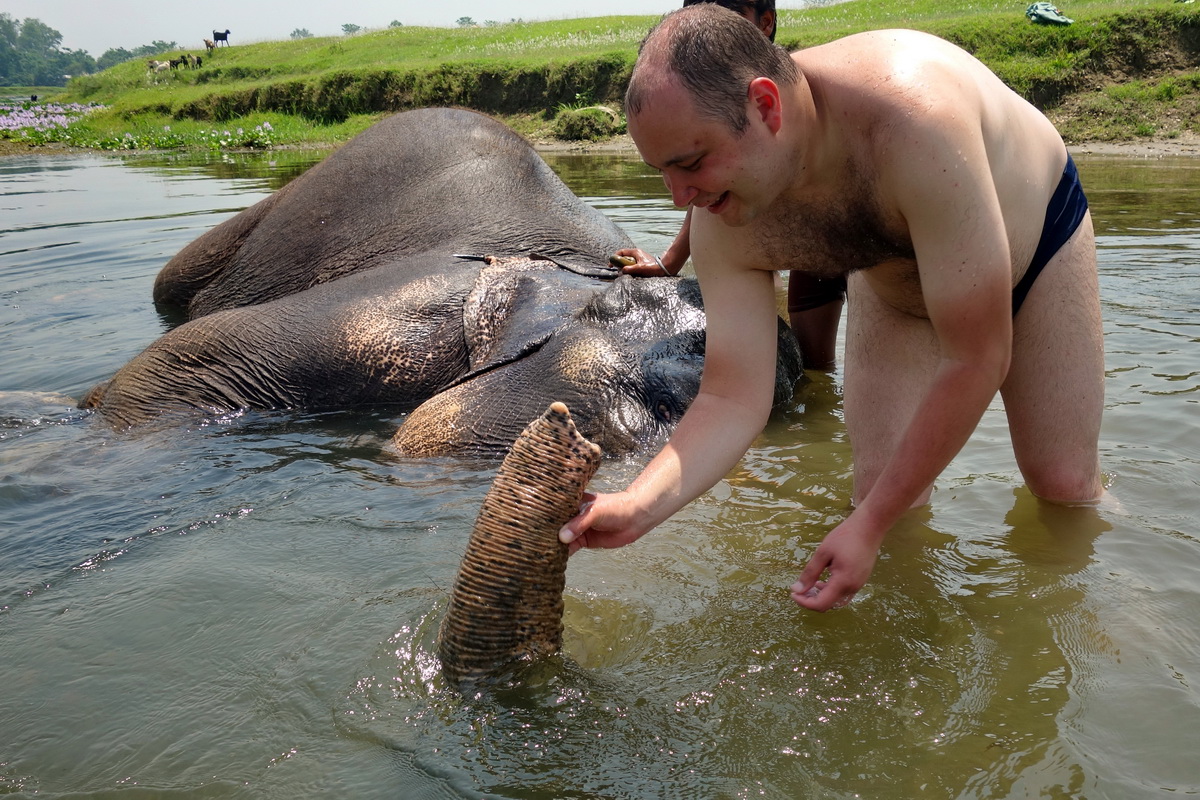
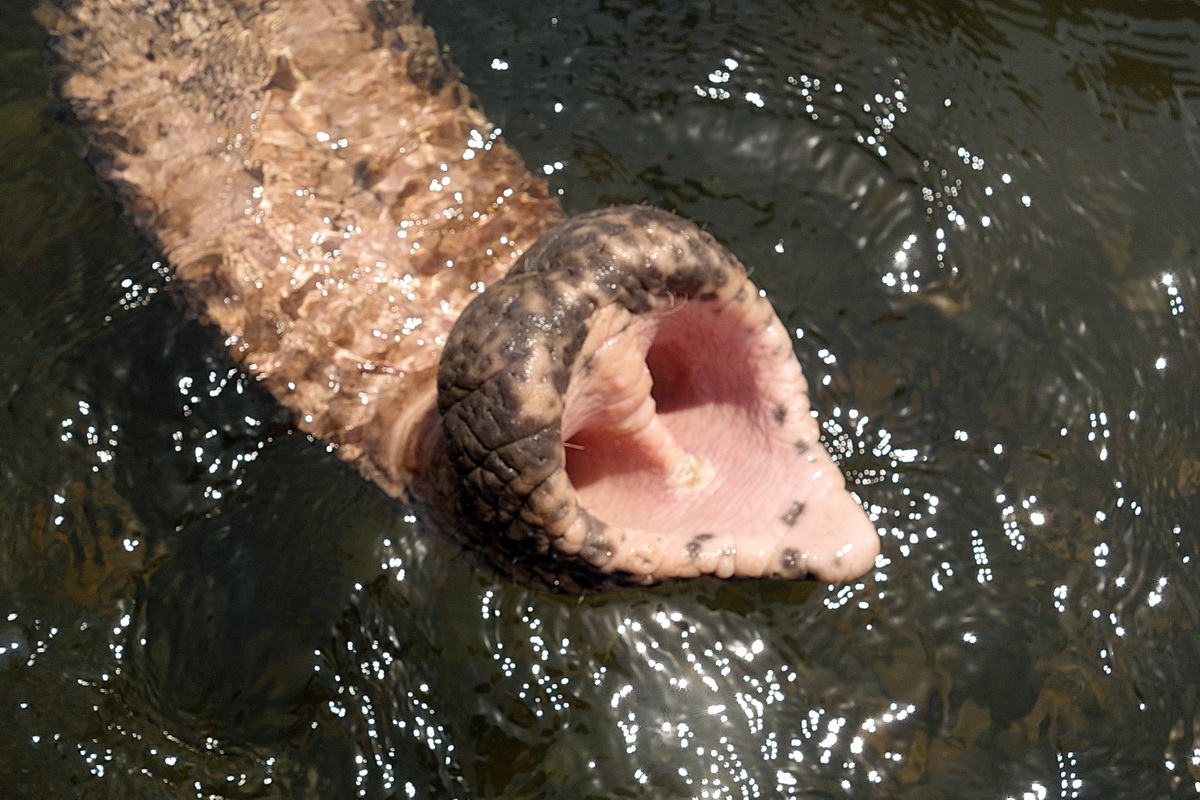
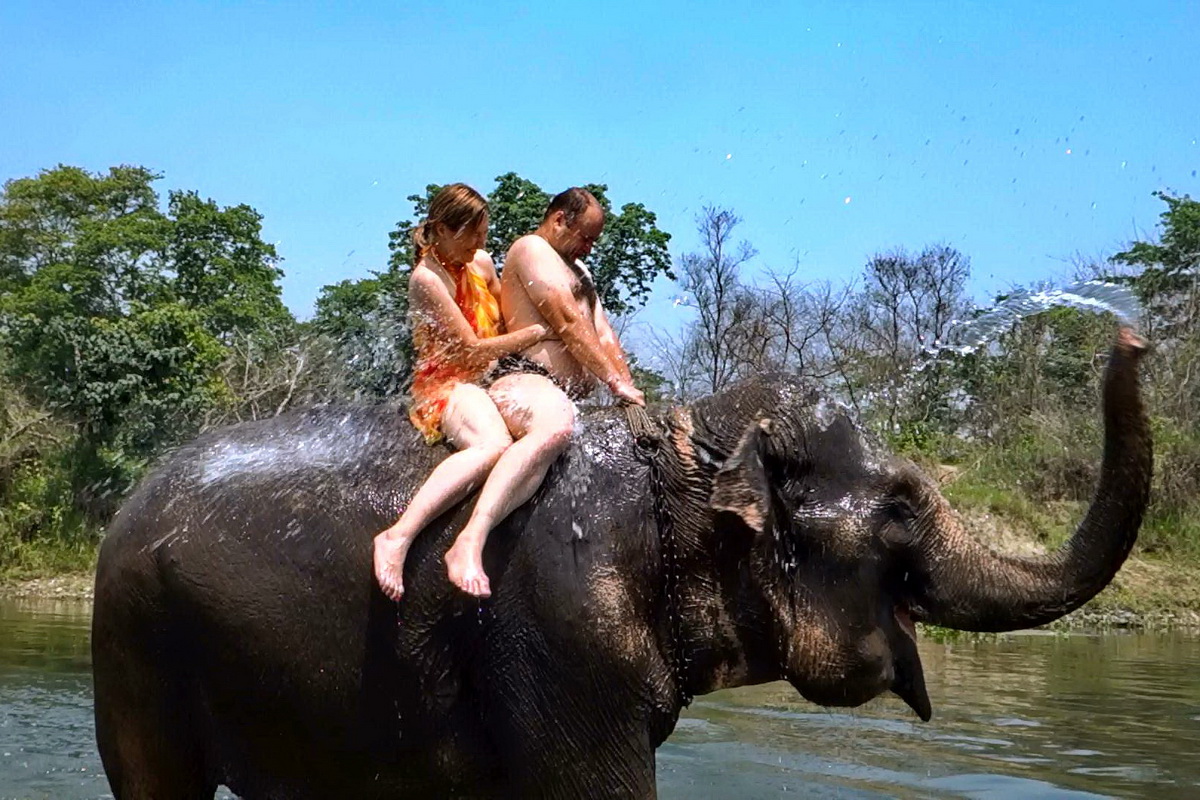
After the bath, we sat on the elephant, and she sprayed us with water. Her aim was spot on.
Then the elephant decided to dive into the river and sat down while we were on her, then suddenly rolled onto her side, sending us flying into the water. It was a bit scary at that moment.
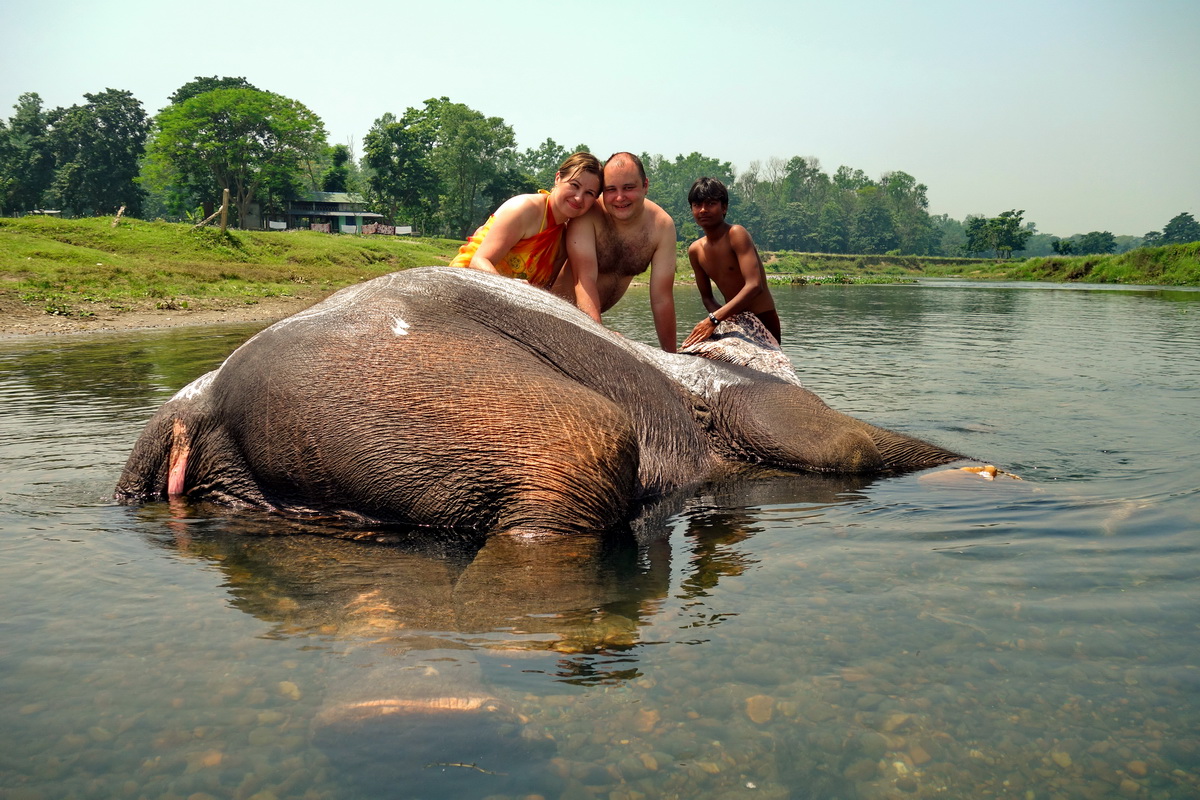
The elephant clearly enjoyed the water activities.
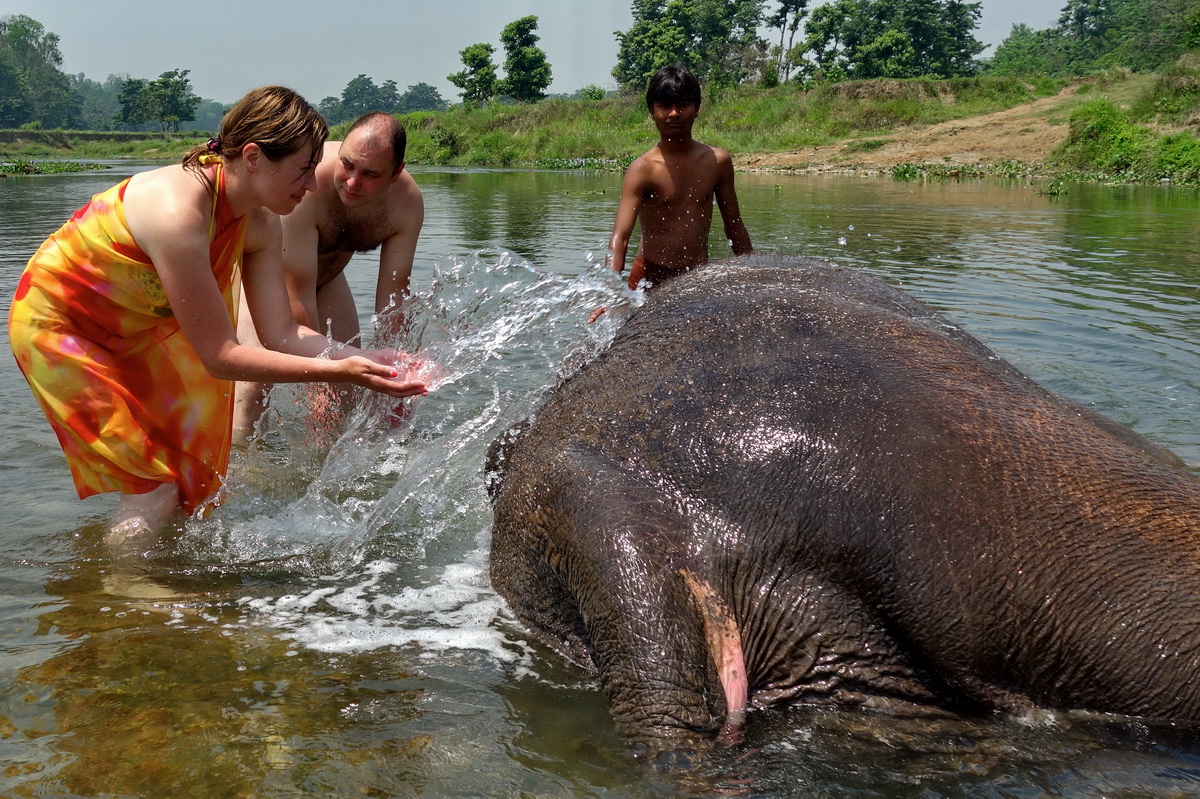
She offered her belly for us to scrub with a stone and pour water over her.
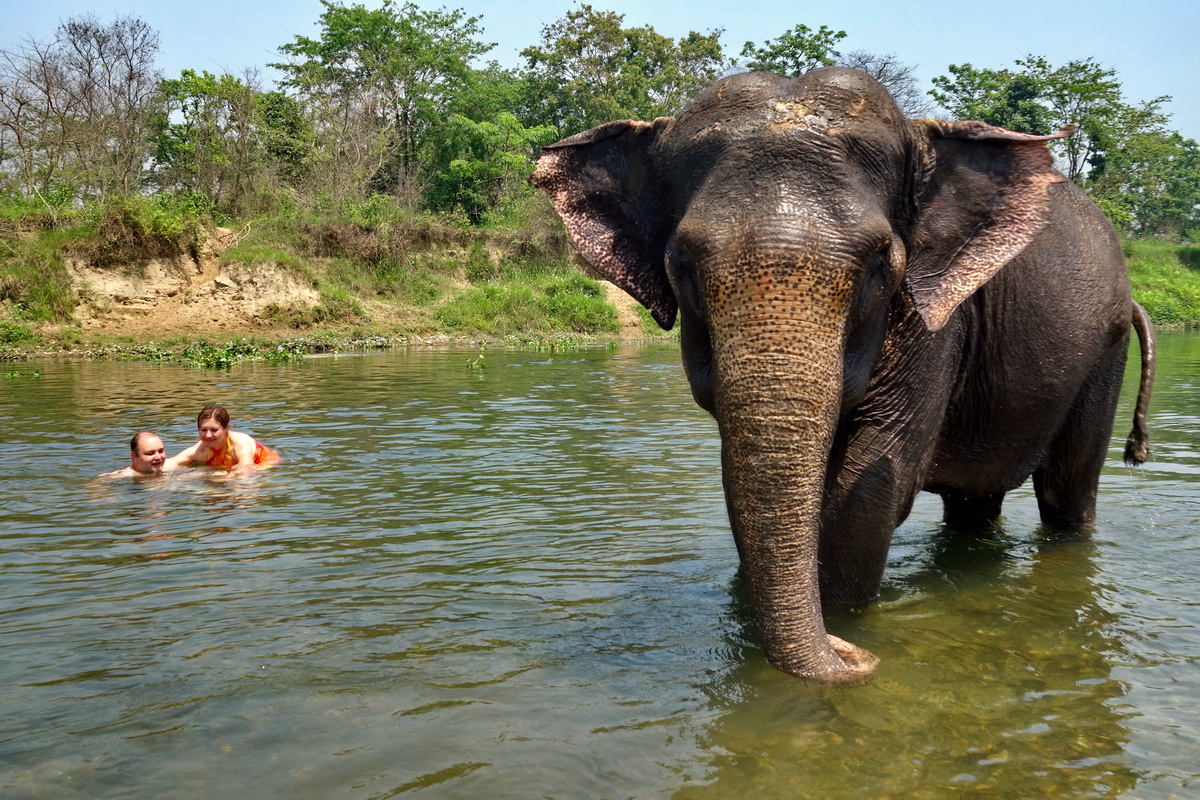
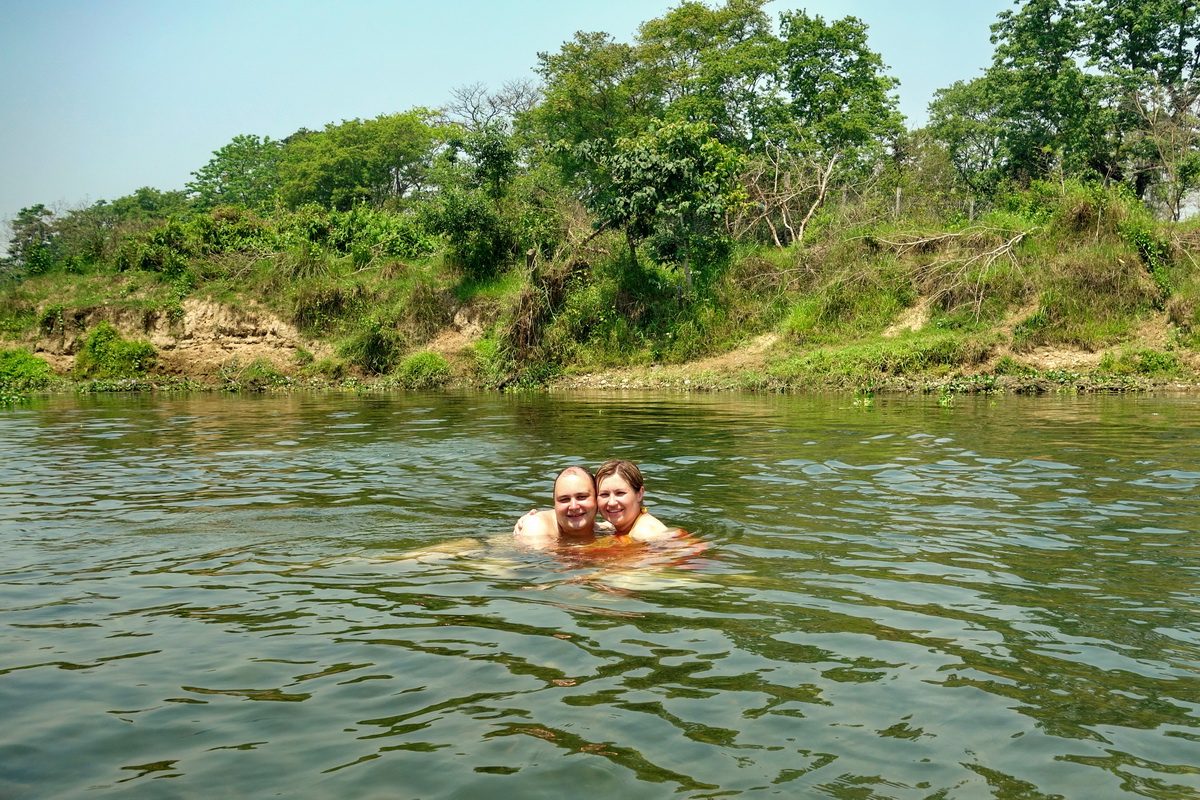
We also really enjoyed bathing with the elephant, getting a ton of positive impressions.
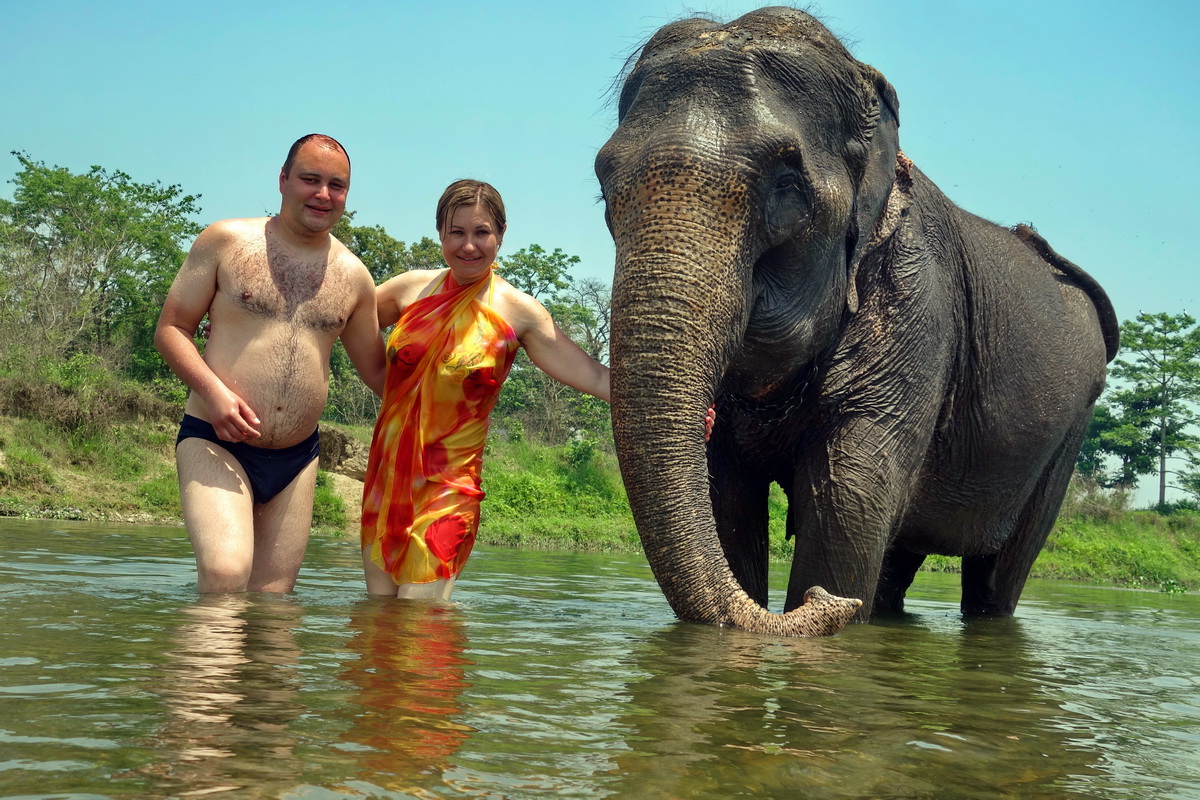
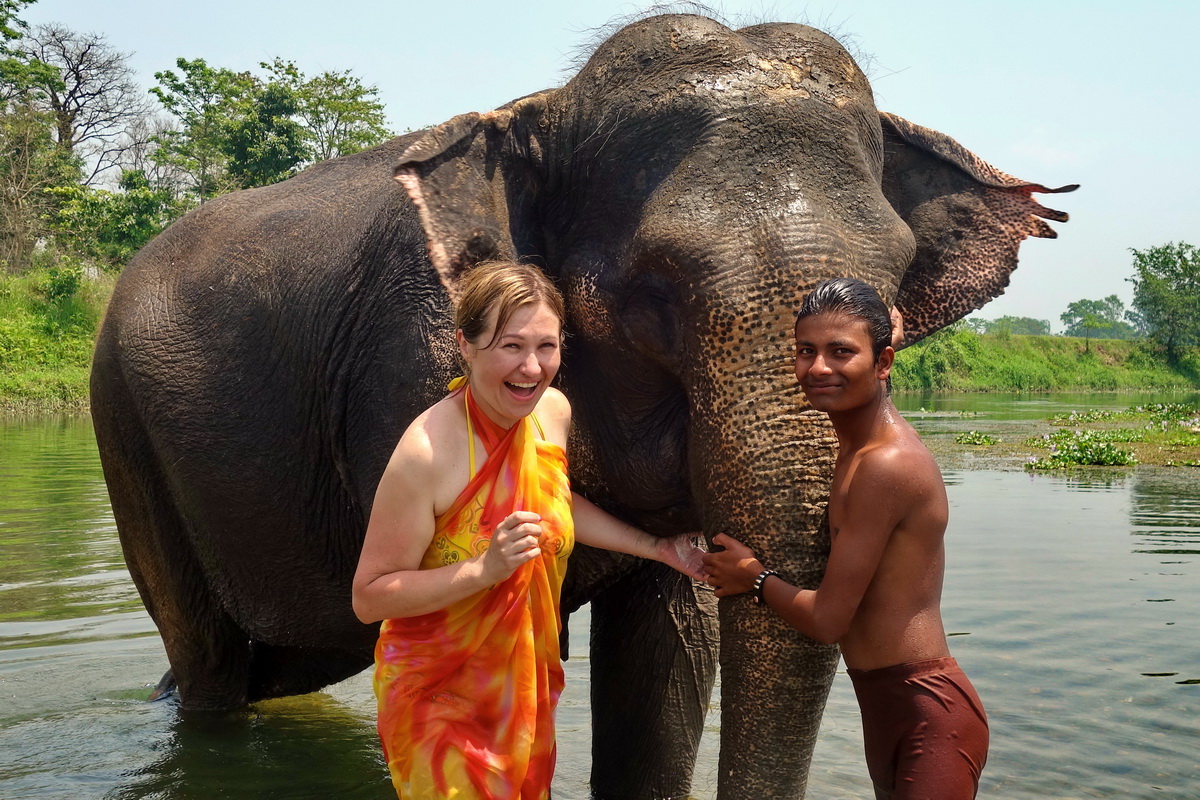
Our elephant has a pretty tight work schedule, so we slowly start heading back to the hotel.
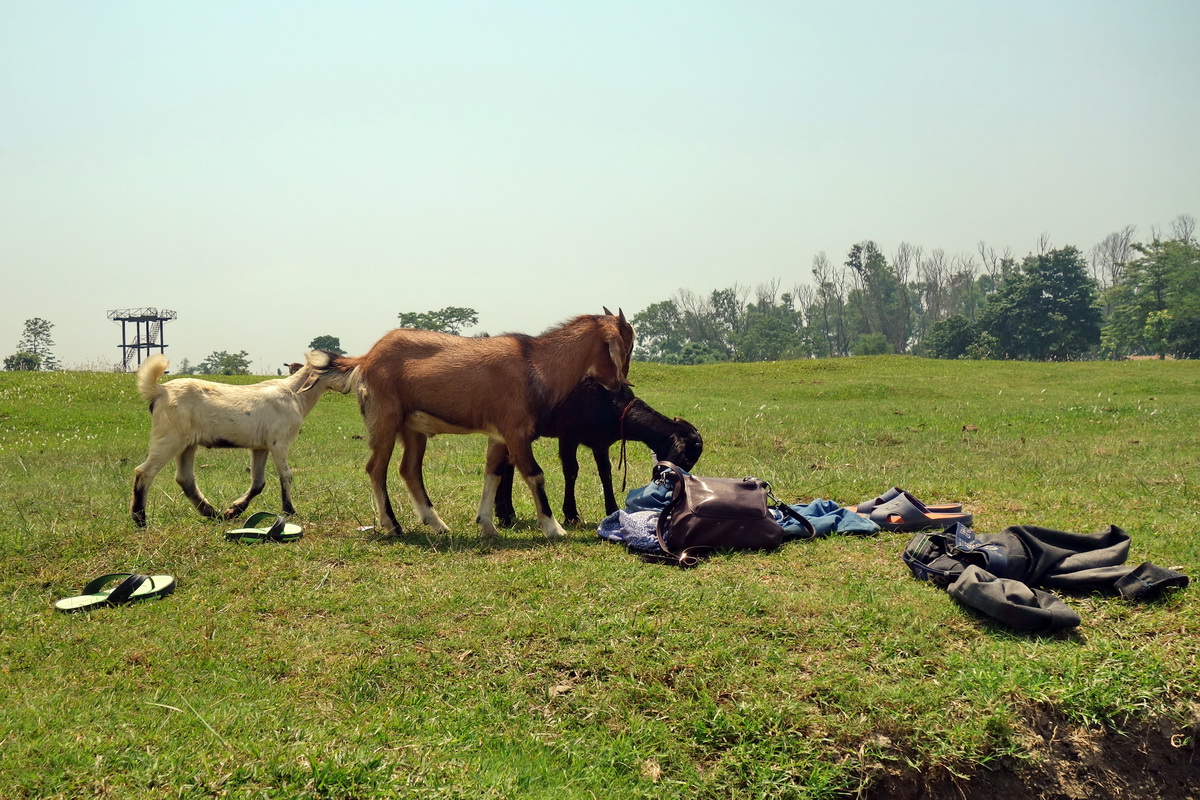
Meanwhile, on the shore, local goats and a donkey were inspecting our belongings.
Happy and clean, we head back to the hotel.
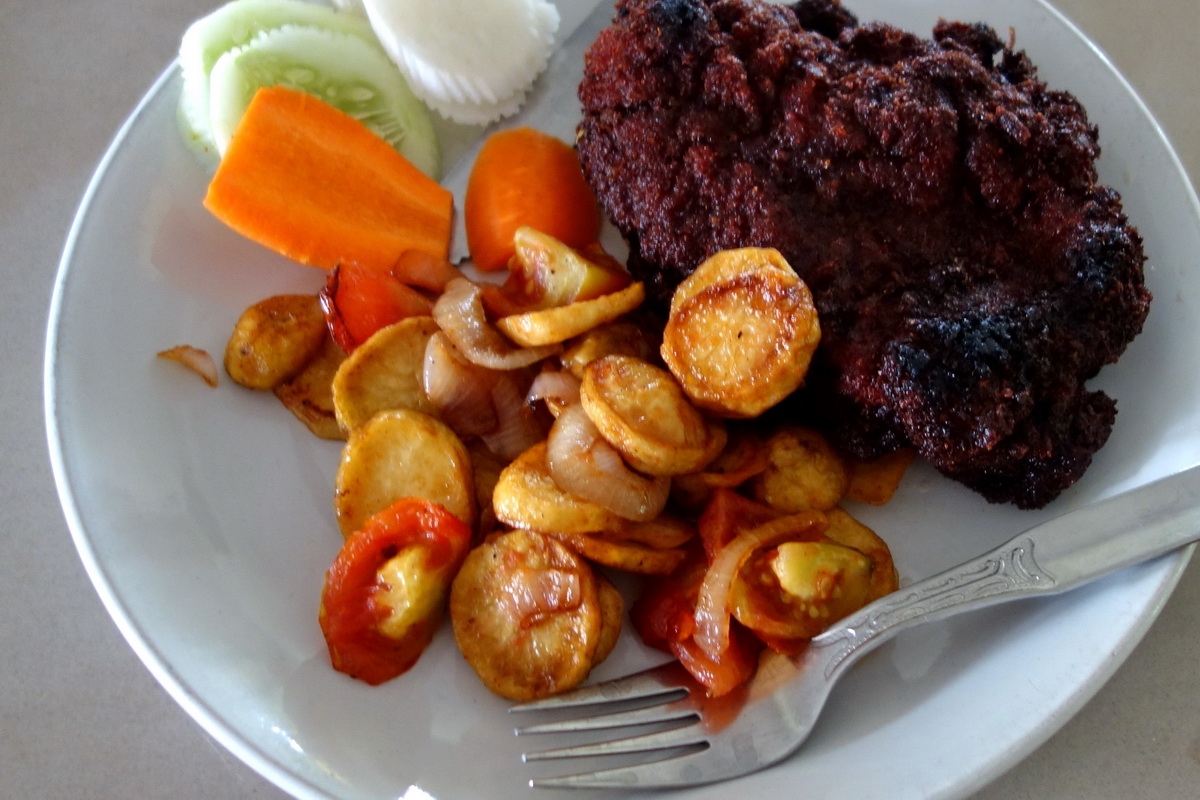
After such an eventful program, we needed to refuel. We ordered a local buffalo patty. It didn’t look very appetizing, but it turned out to be tasty. By the way, the mince here, like almost everywhere we ate, was hand-chopped, not ground in a meat grinder.
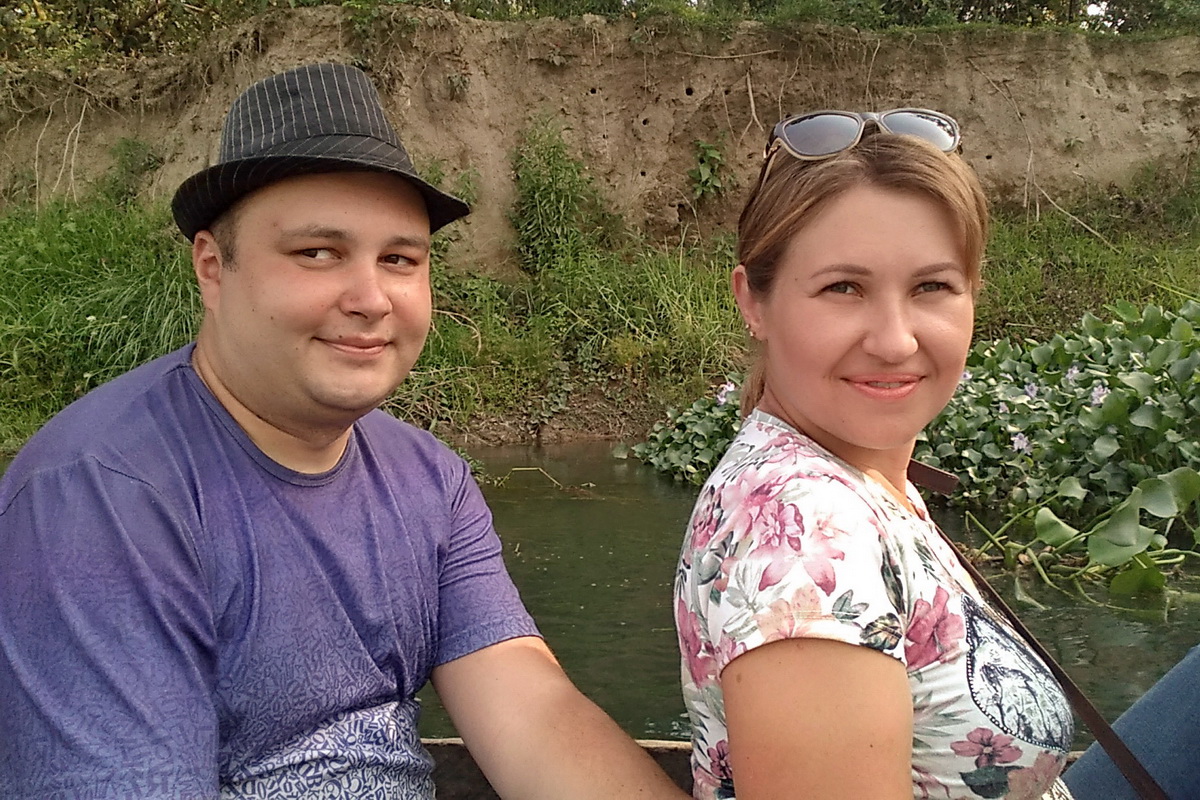
After lunch, our next activity was a canoe trip on the river.
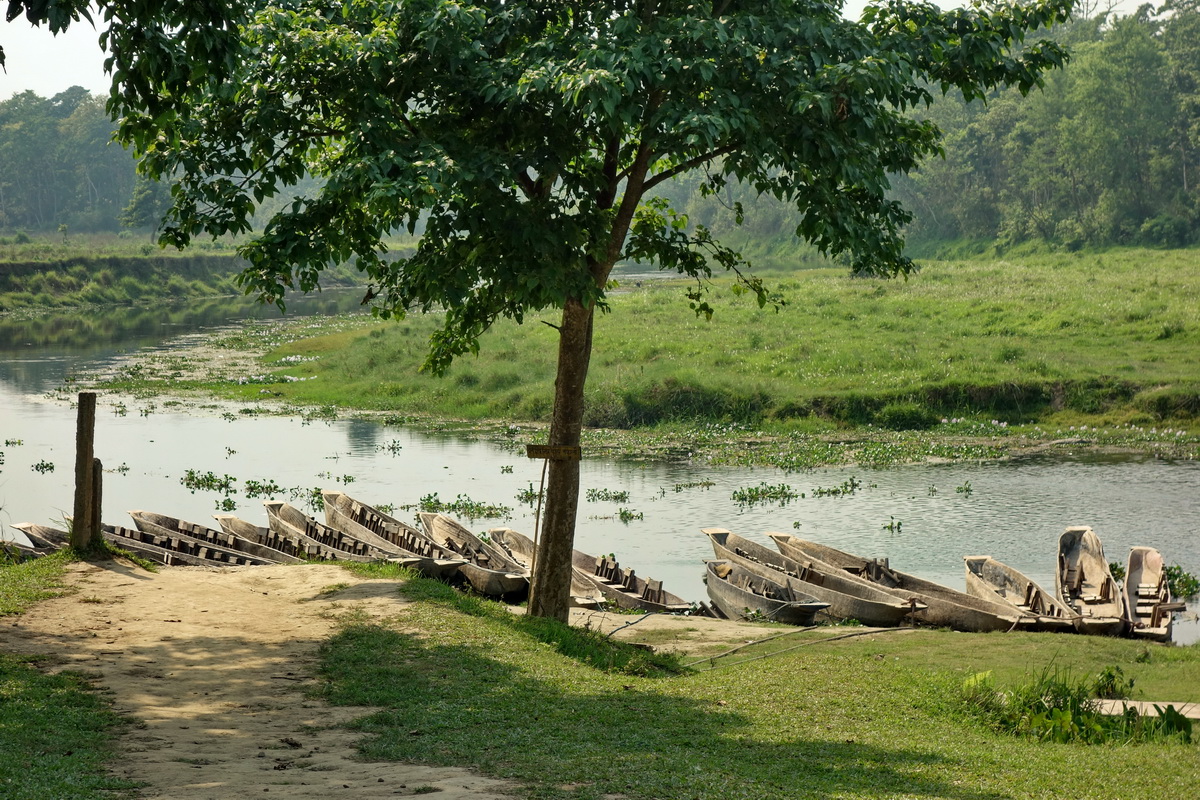
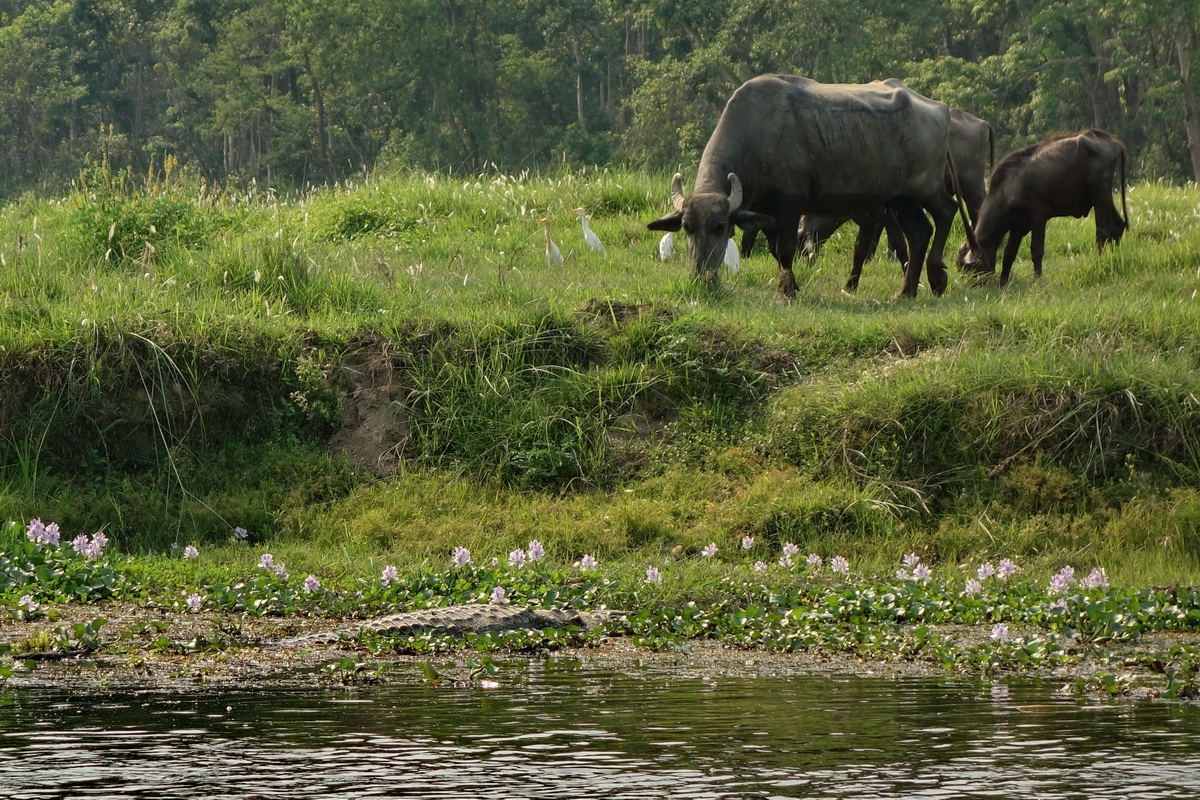
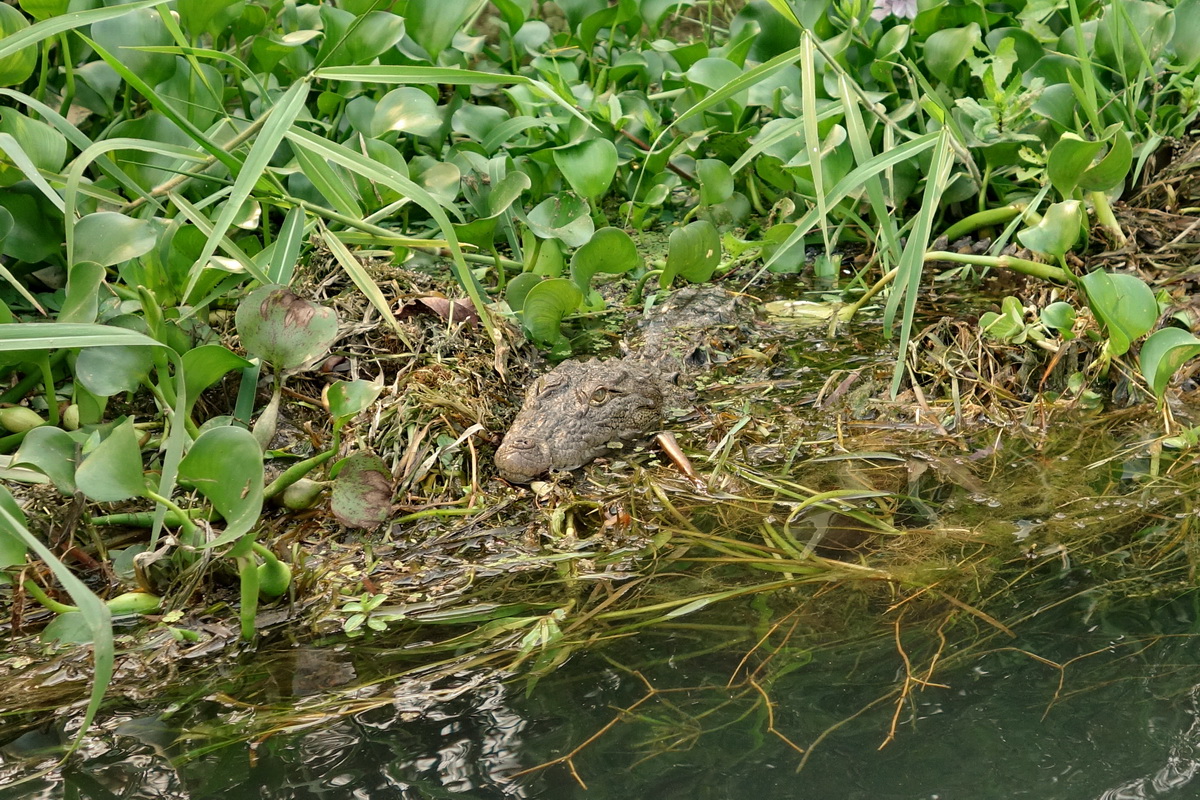
Here, you can see animals coming to drink, various birds, and, if you’re lucky, crocodiles. We got lucky. After seeing a crocodile, we couldn’t believe our eyes, as just a couple of hours ago, we were bathing in the same river with the elephant. Turns out, there are crocodiles here :)
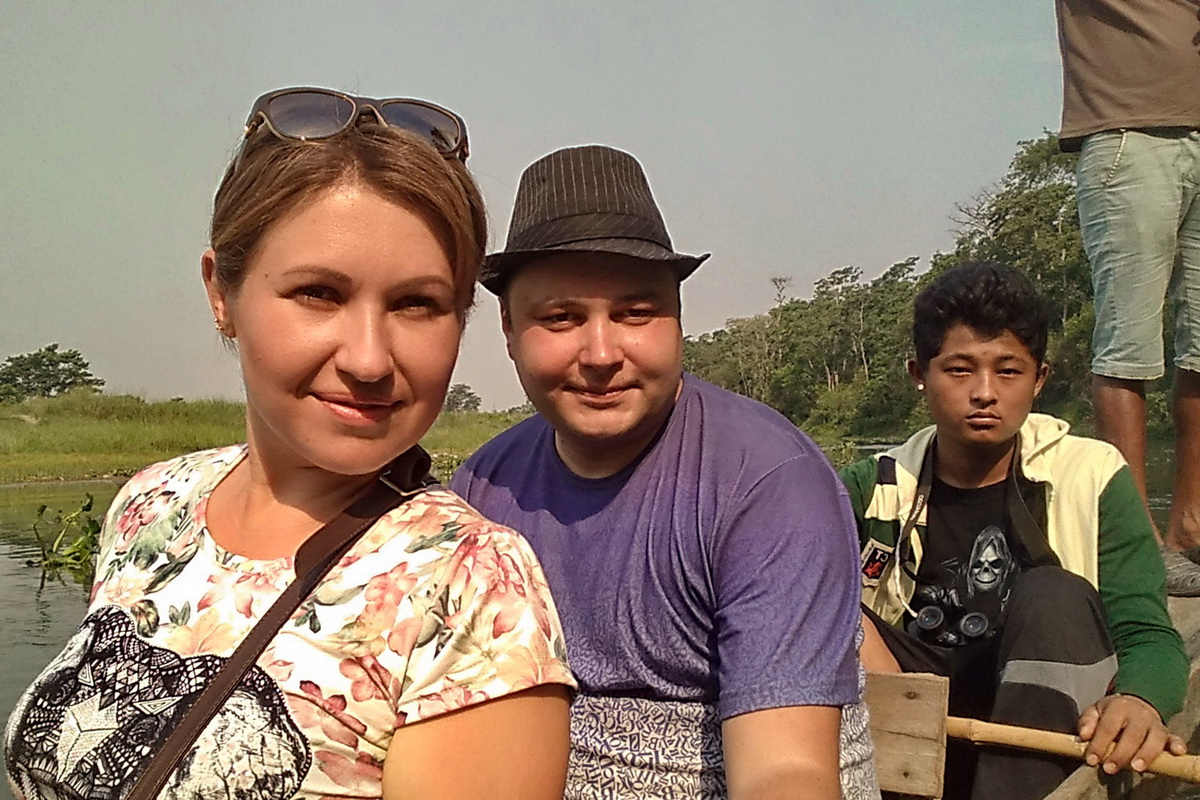
The canoes here are long, handmade boats. About 8 tourists and 2 boatmen fit in ours.
There are lots of different birds here.
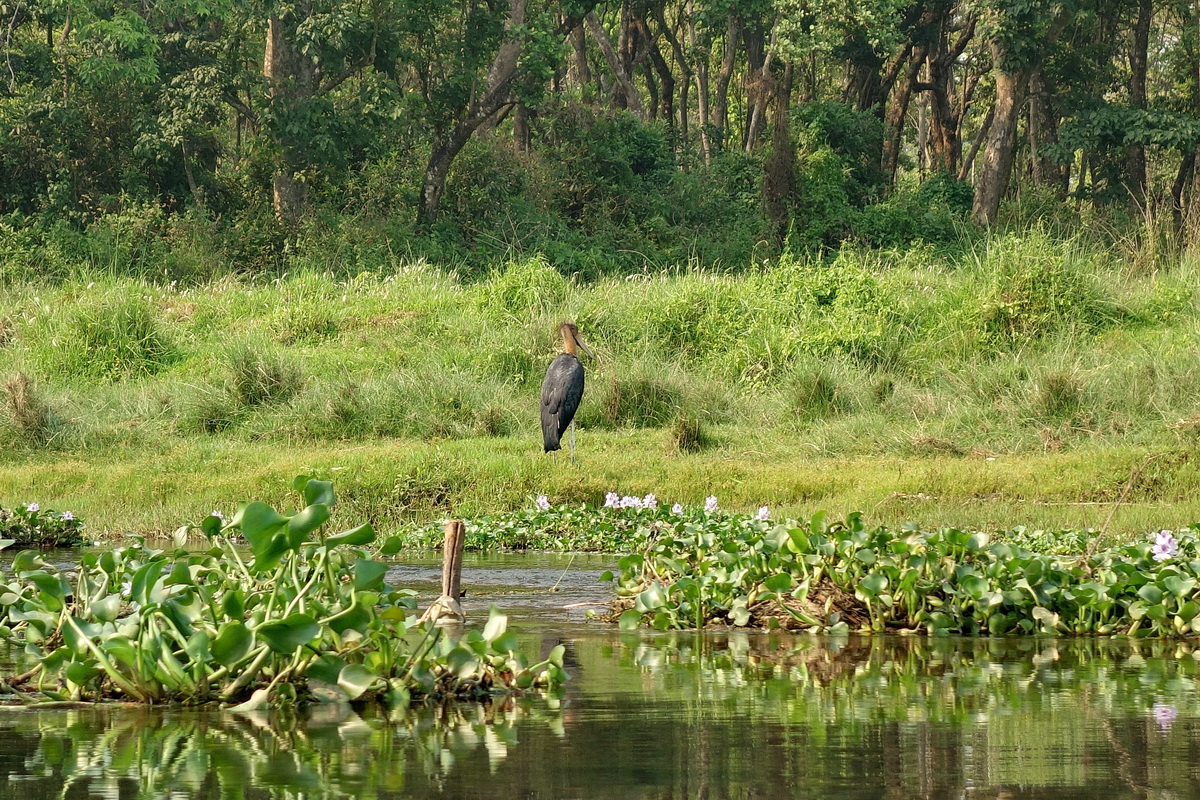
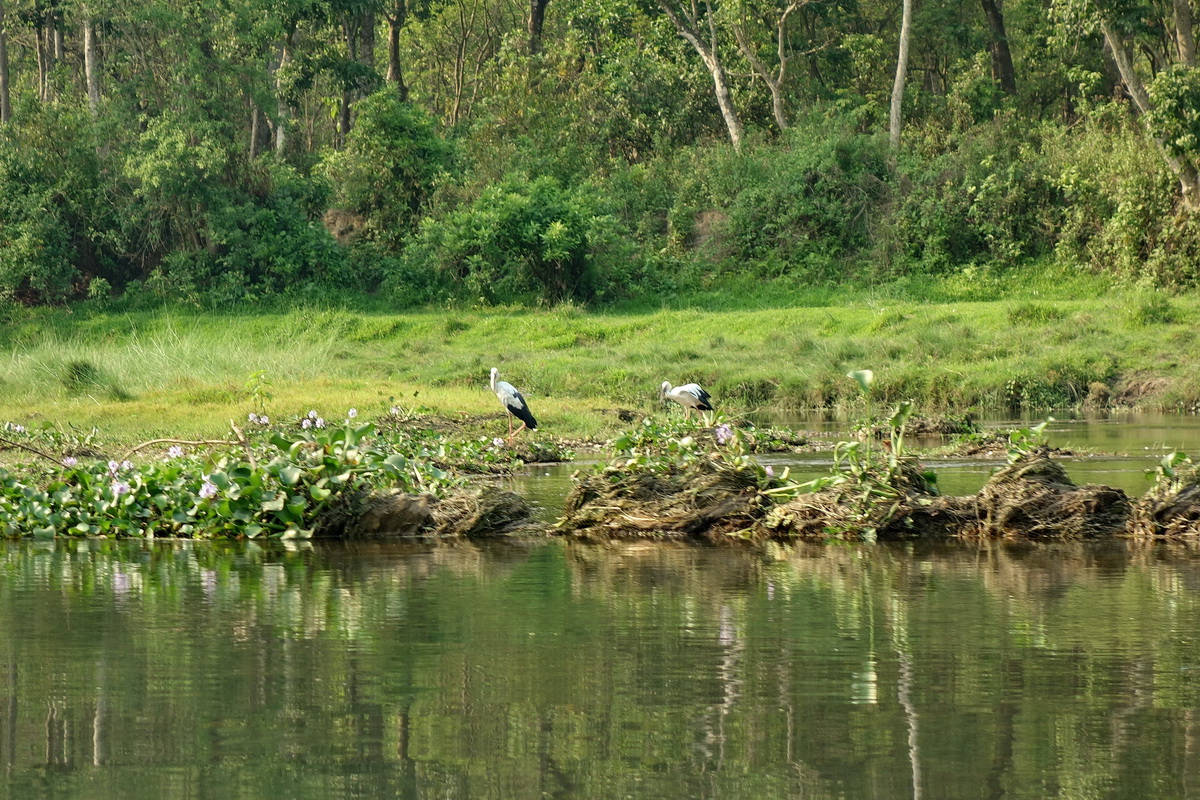
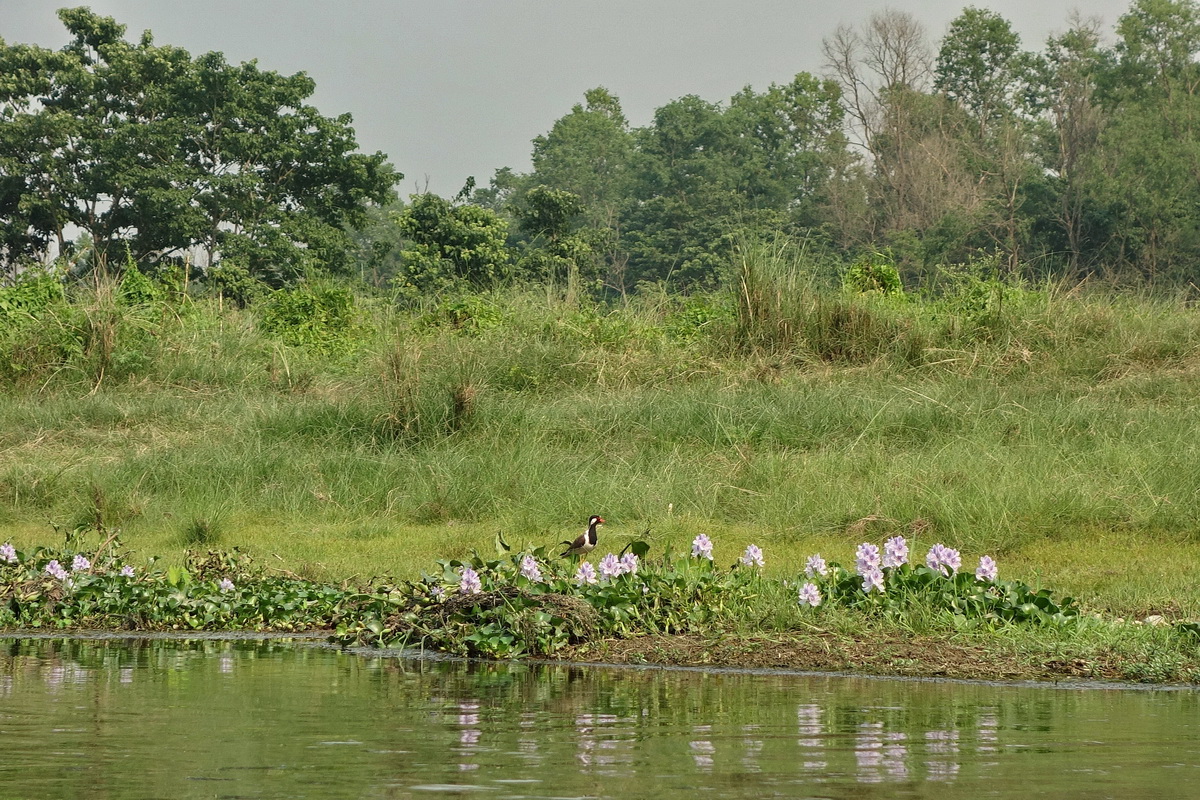
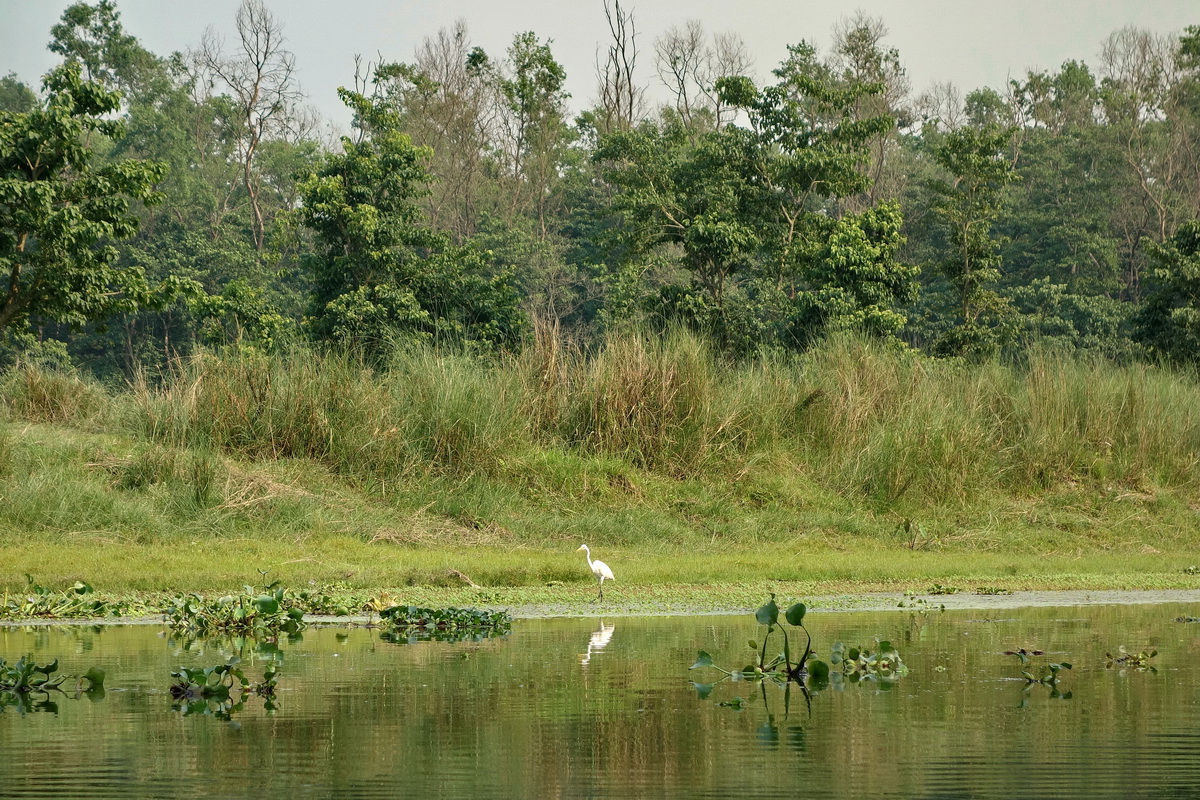
During the river trip, we couldn’t talk loudly, as it might attract crocodiles.
And here’s one of them.
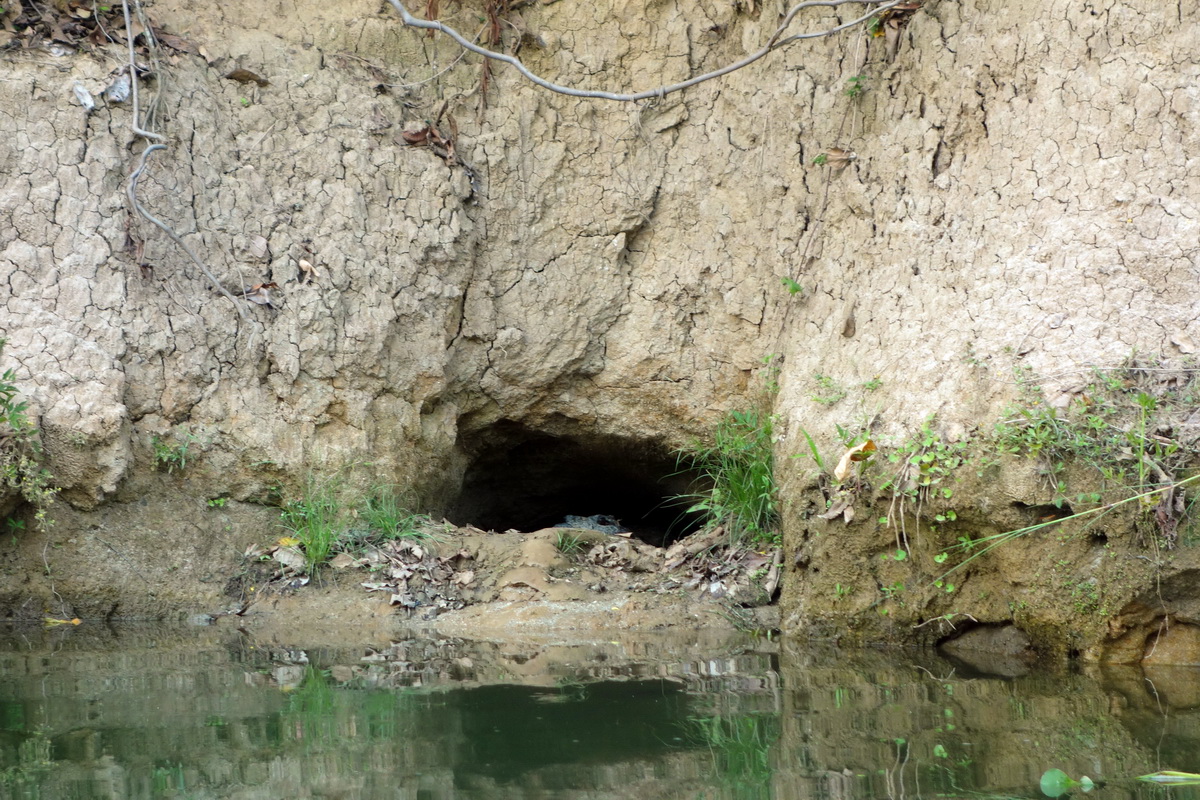
The river is quite shallow, and in some places, we were practically touching the bottom with the canoe. We also saw boatmen who, after dropping off tourists, manually rowed the empty canoes back. Paddling back, even with oars, is impossible here due to the current.
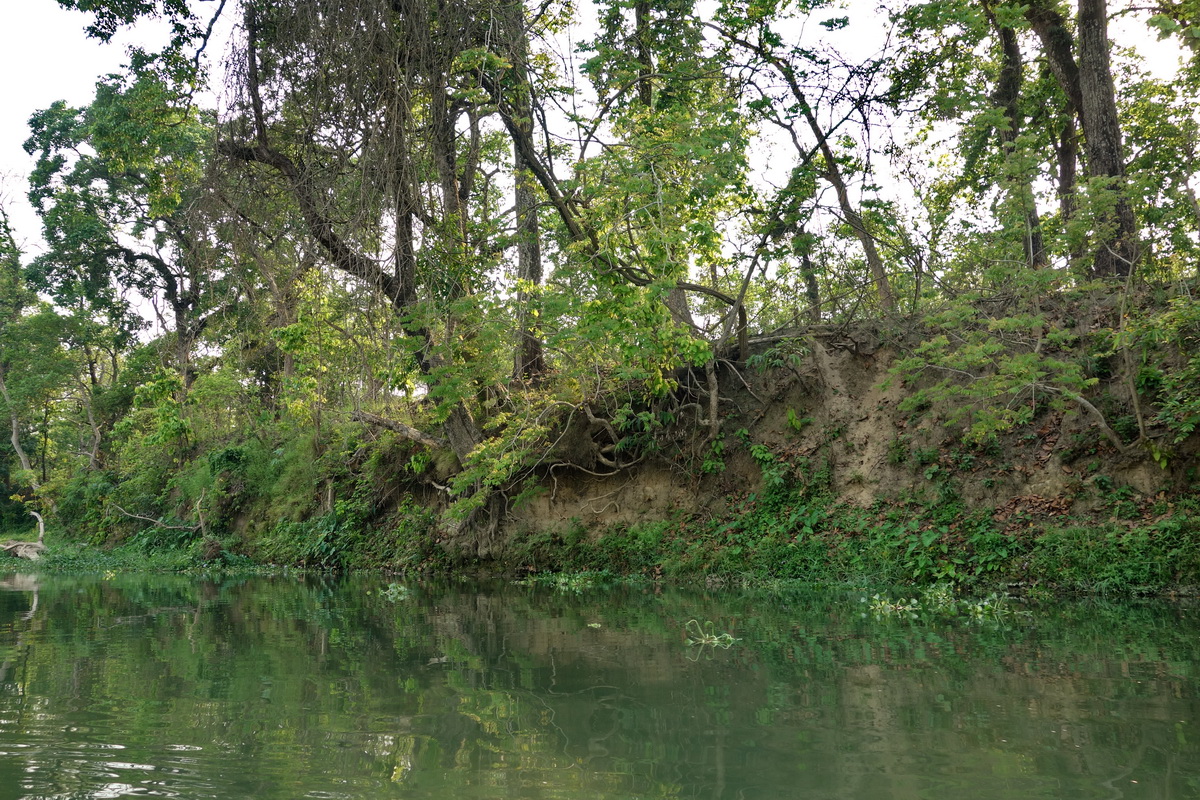
The canoe trip took about 30–40 minutes. During that time, we saw several crocodiles and birds.
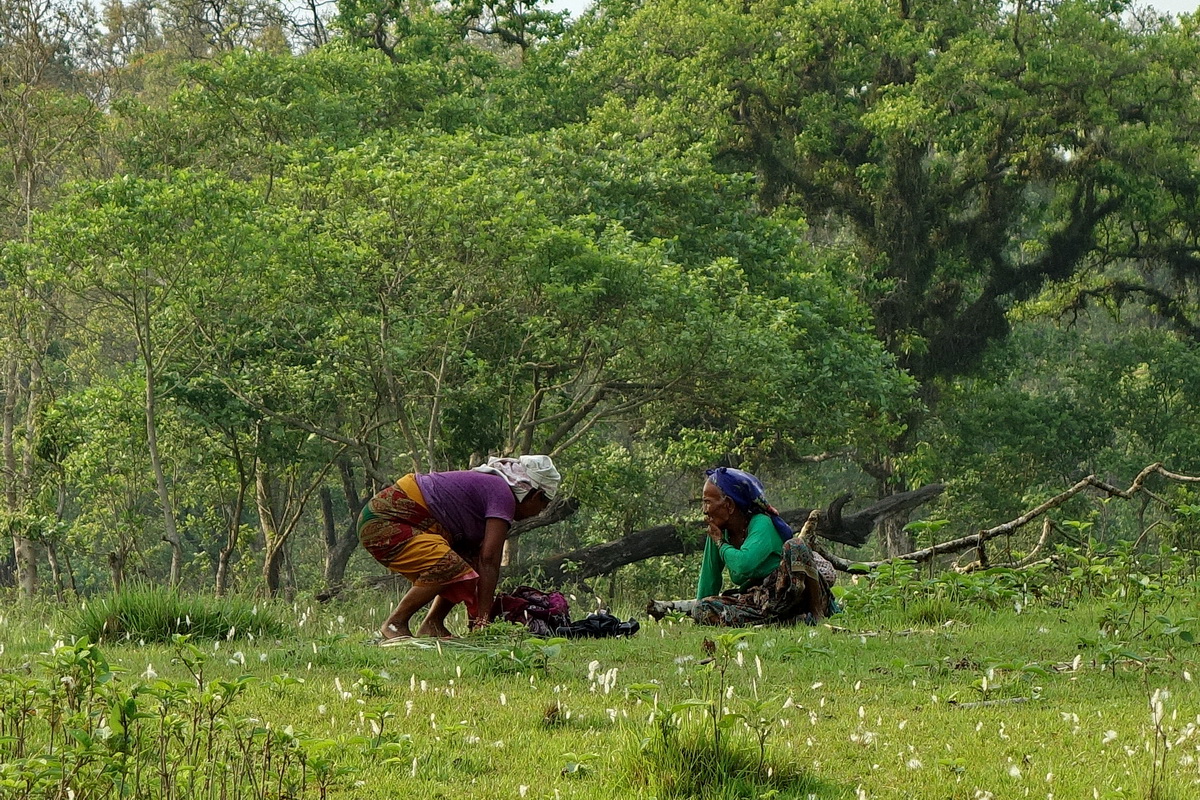
We disembarked on the shore. Local women were collecting some plants.
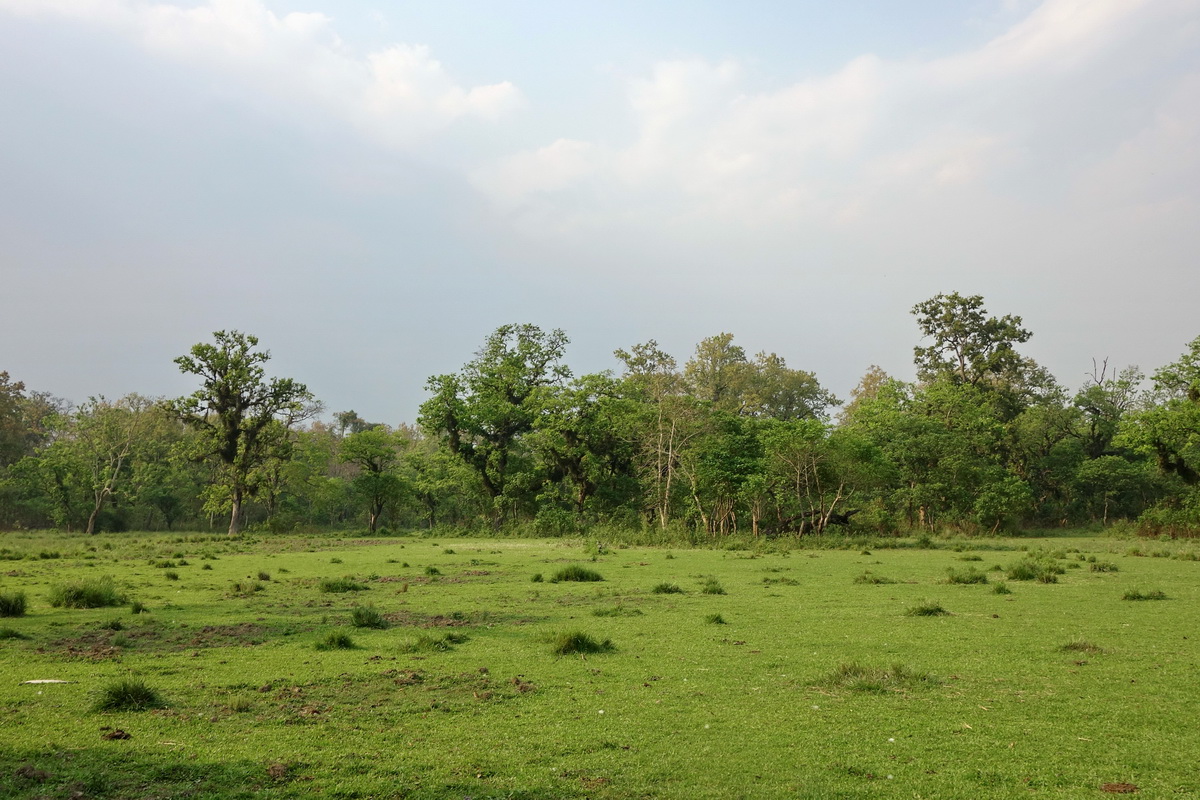
We, along with our two guides, who also served as administrators at our hotel, set off for a walking tour through the jungle.
Three young people joined us. As we later realized, they were security. They were “armed” with sticks to scare off animals if they suddenly attacked us.
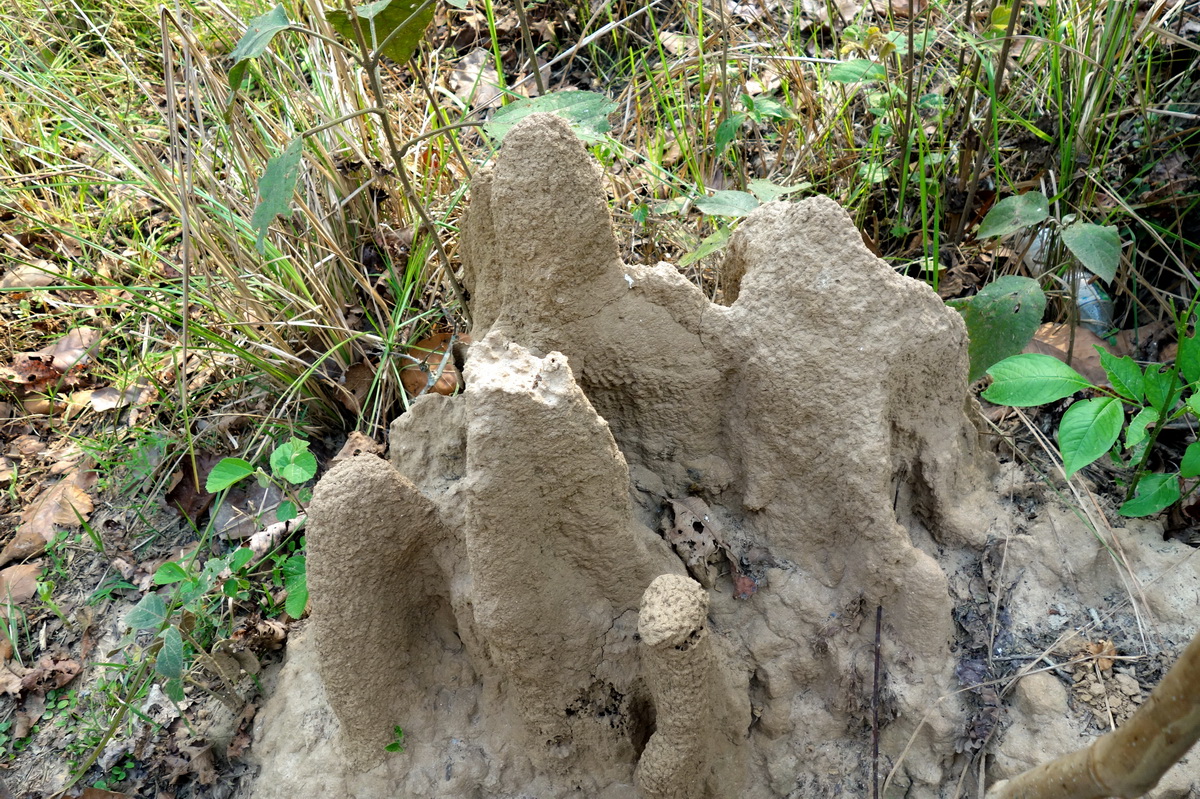
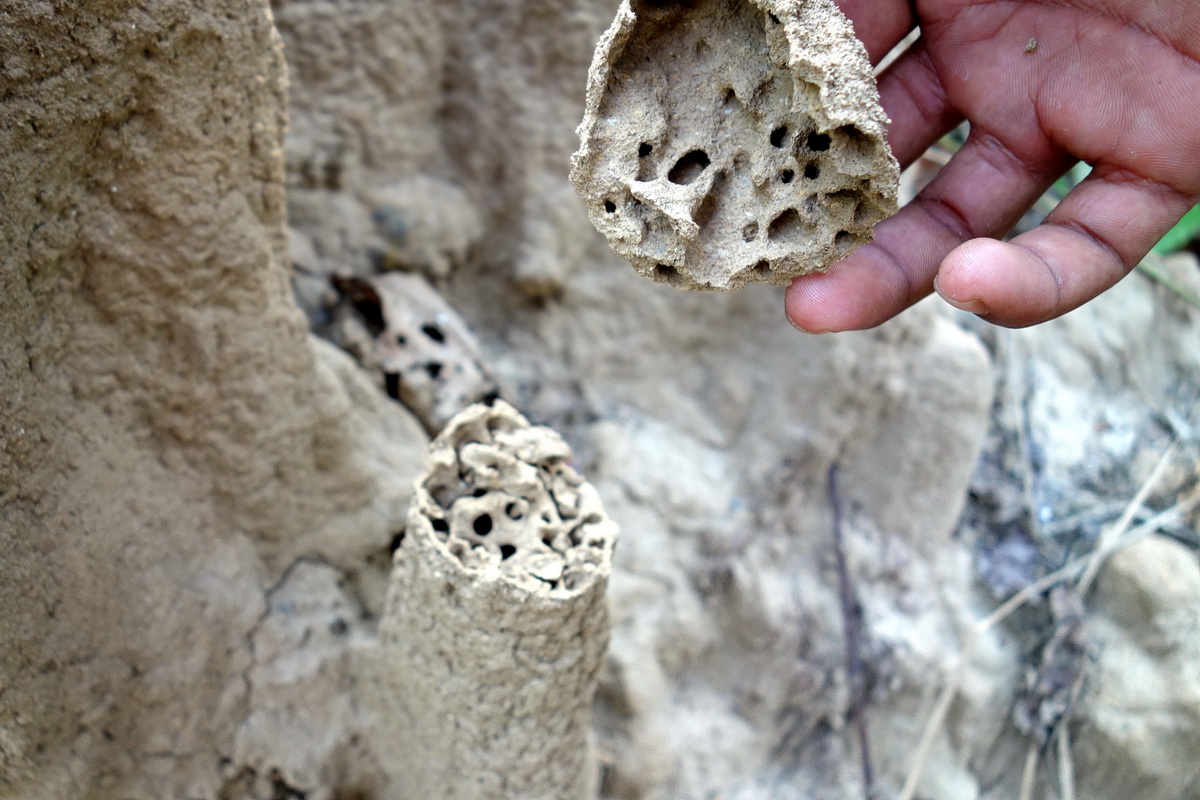
This is a termite mound.
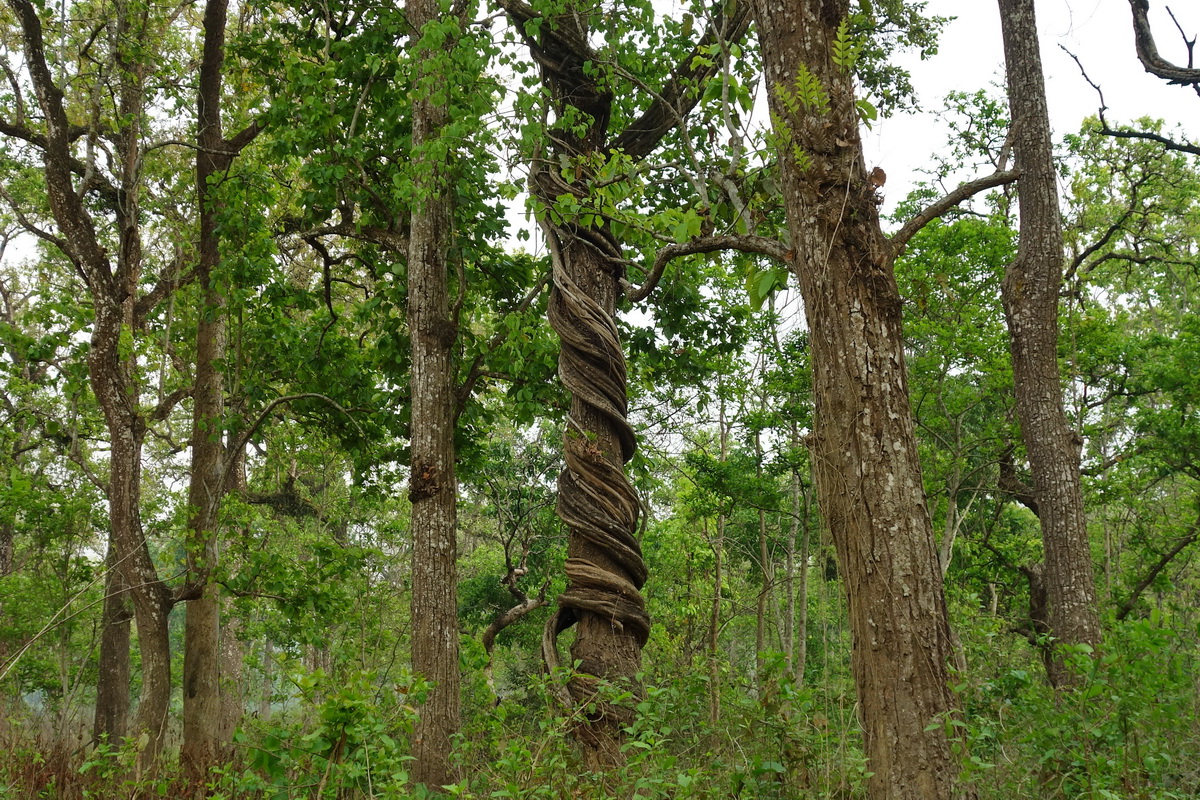
We stroll through the jungle. If we’re lucky, we might encounter rhinos here.
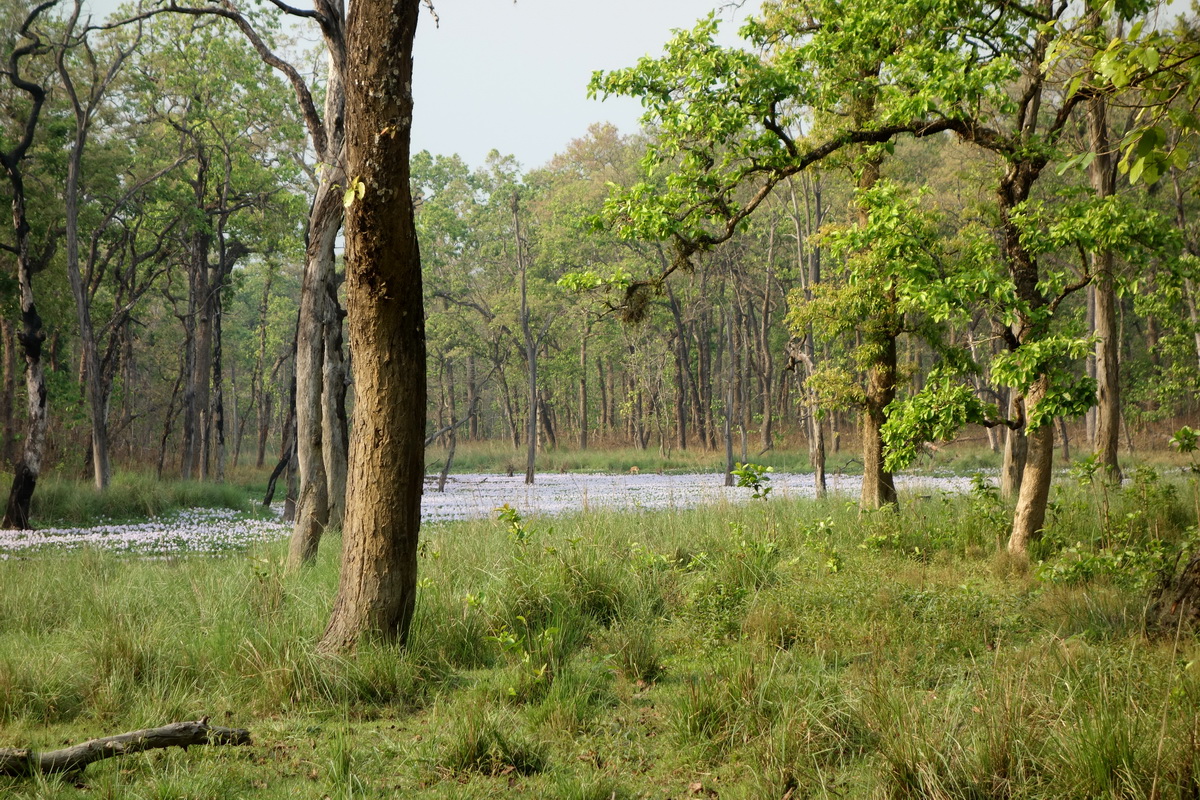
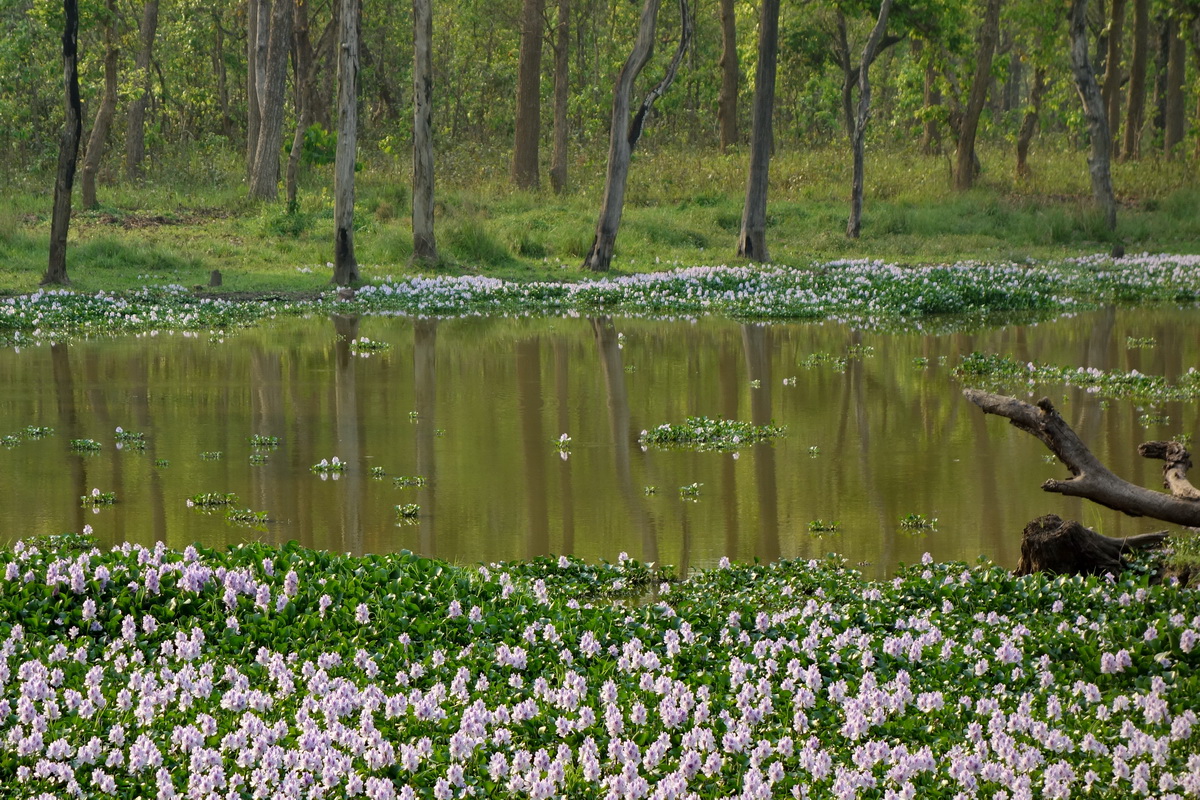
We were warned that if we meet rhinos and they notice us, we should run as fast as we can and, ideally, climb a tree :).
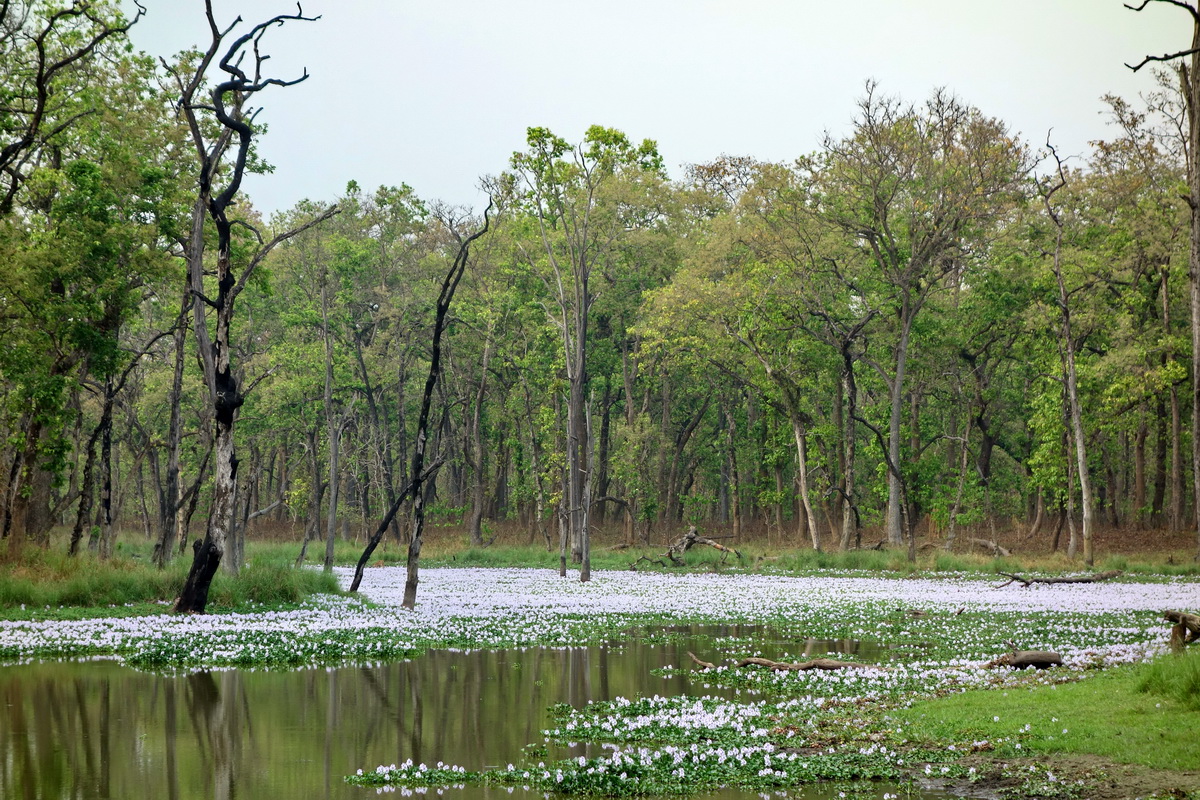
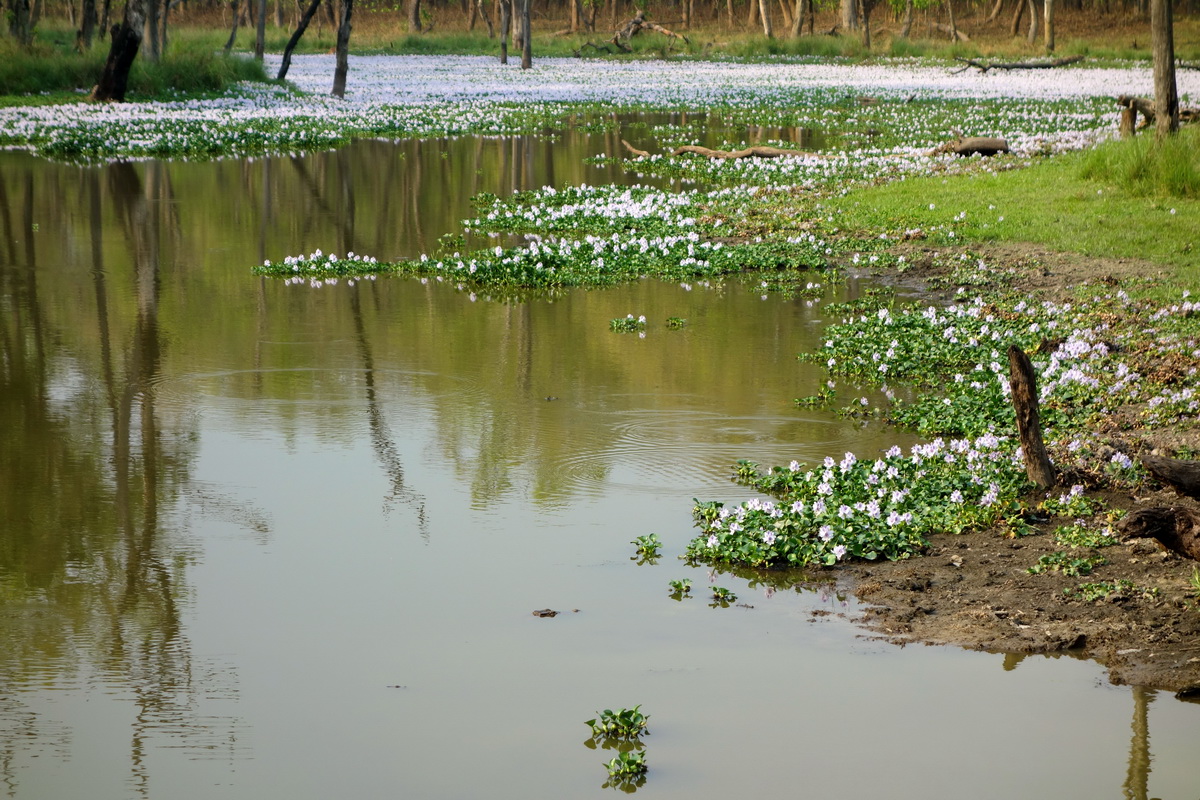
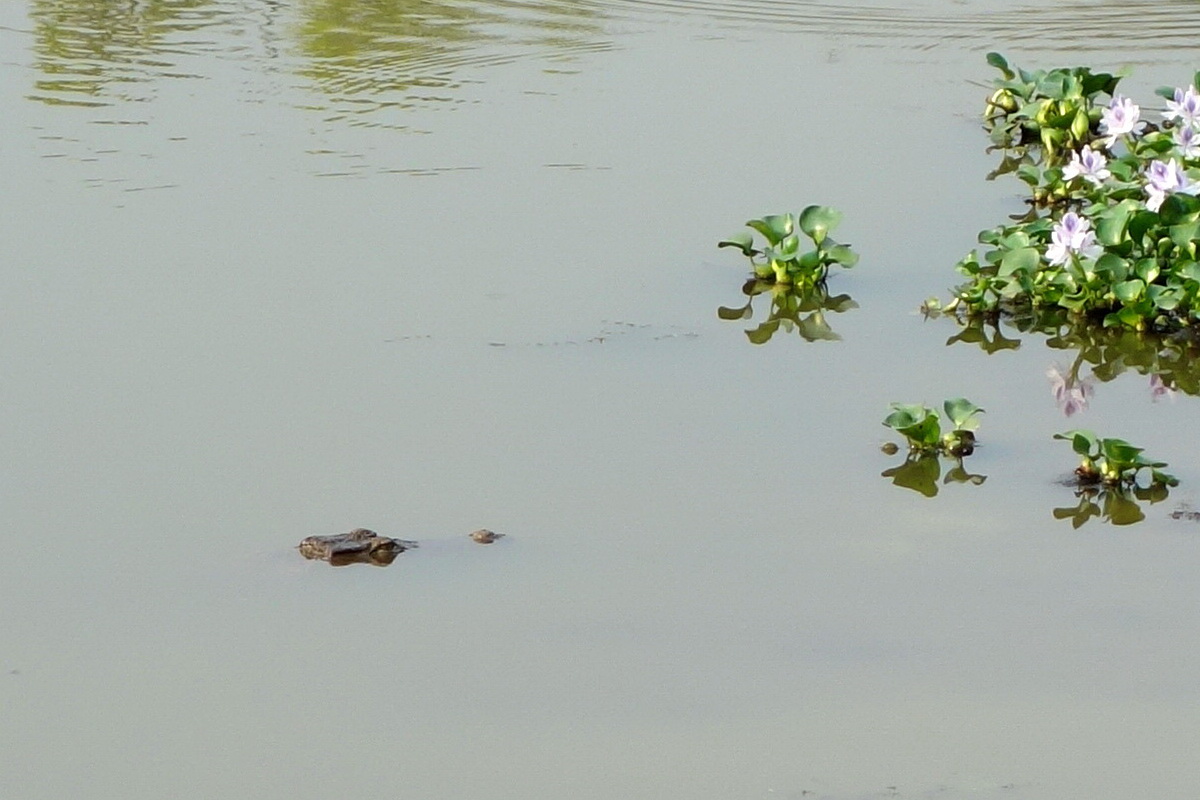
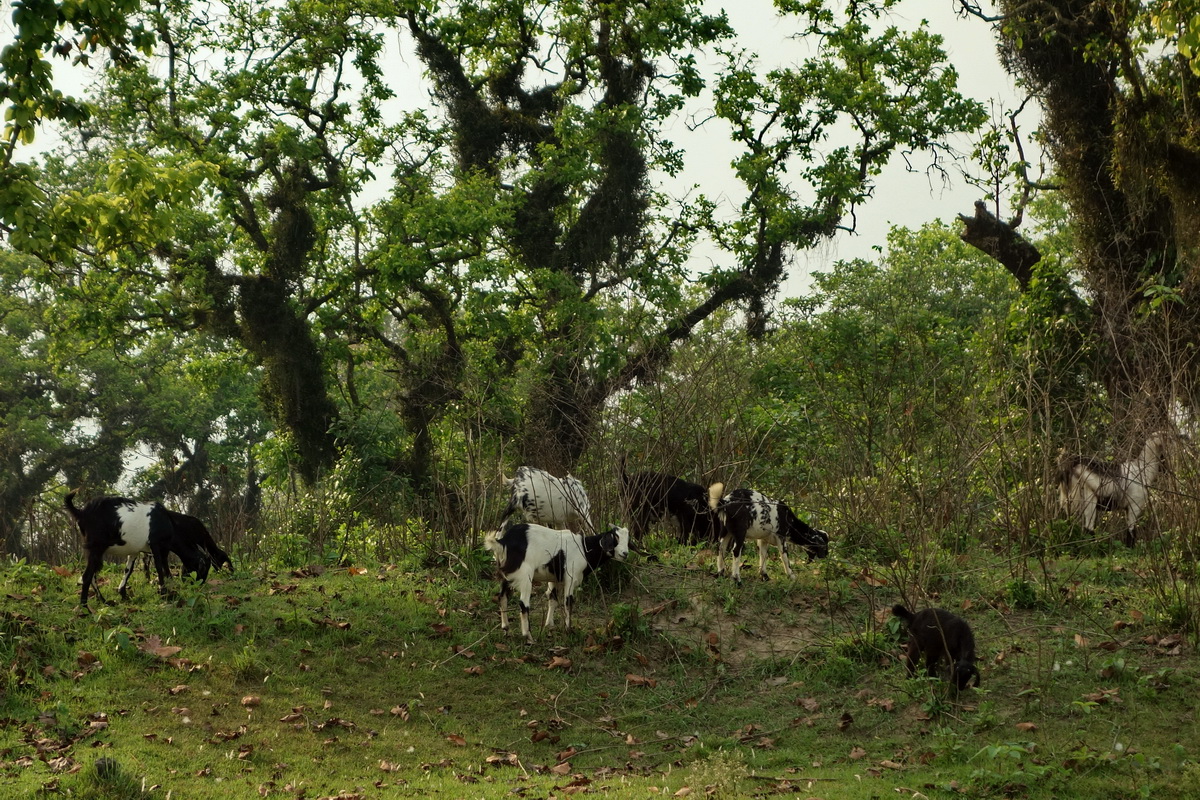
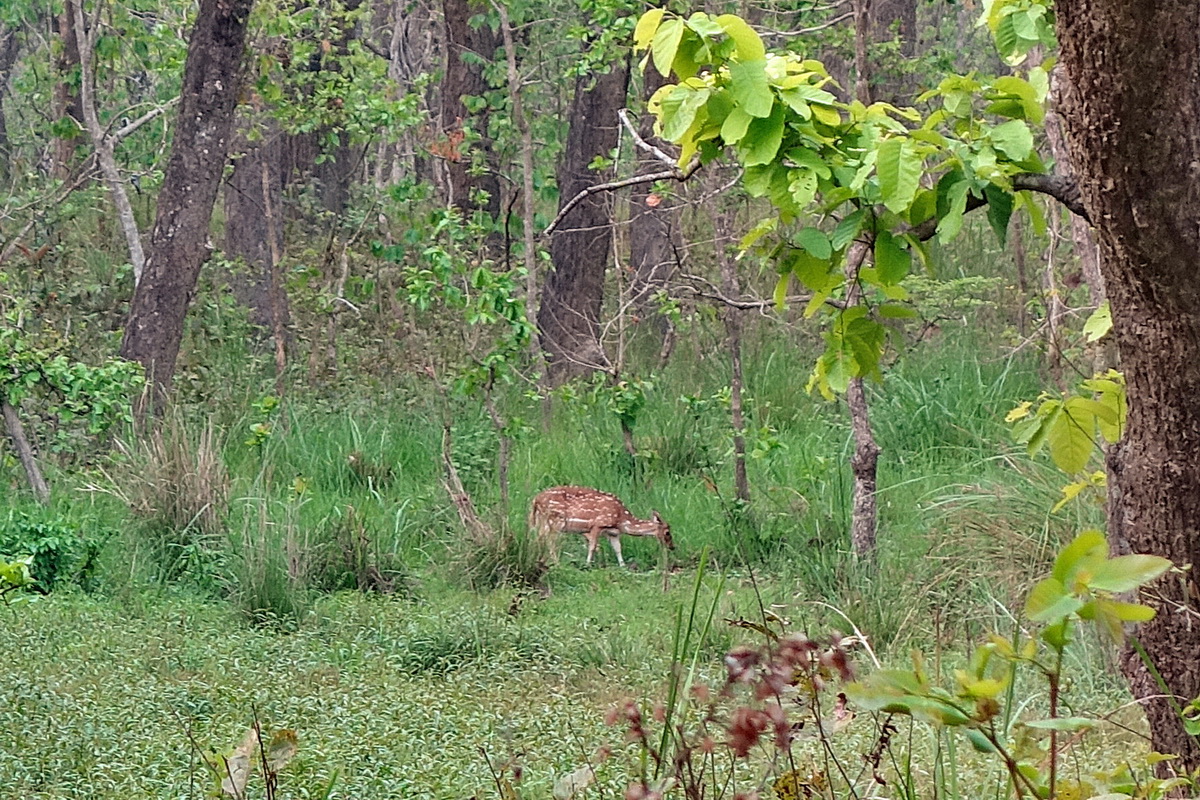
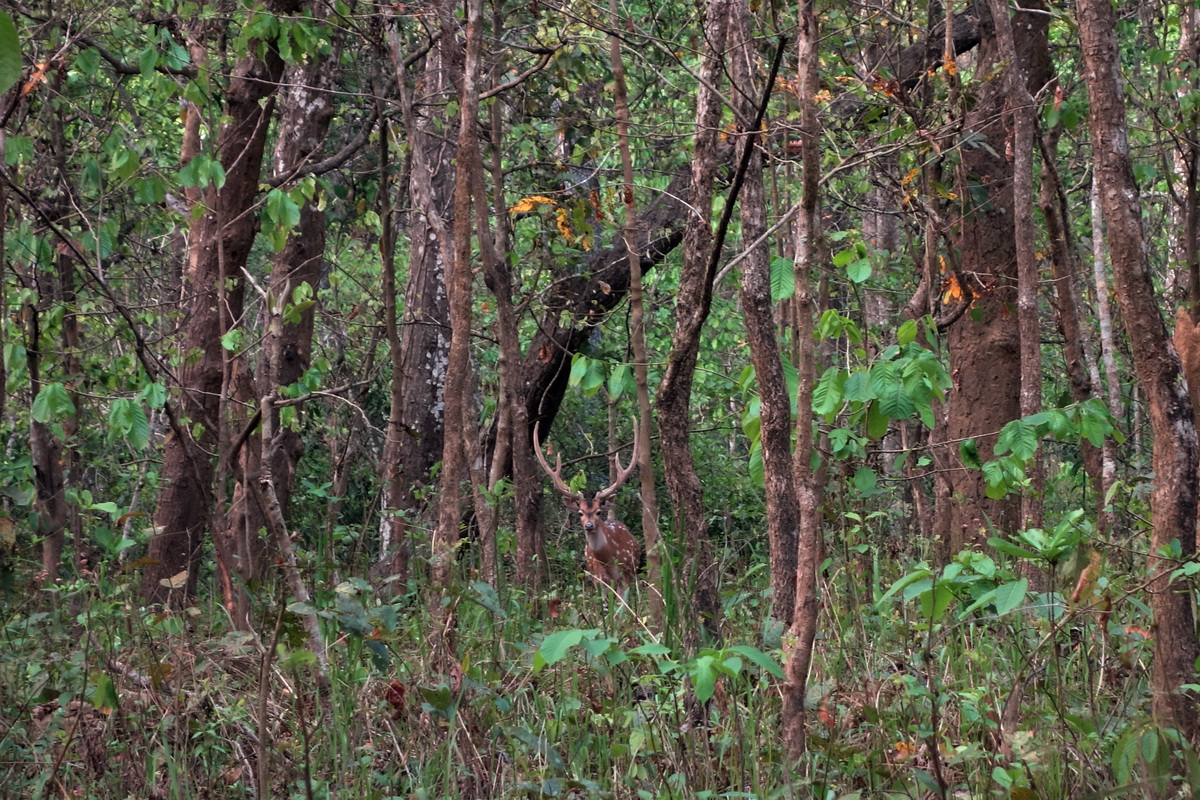
We didn’t see any rhinos, but we did encounter deer.
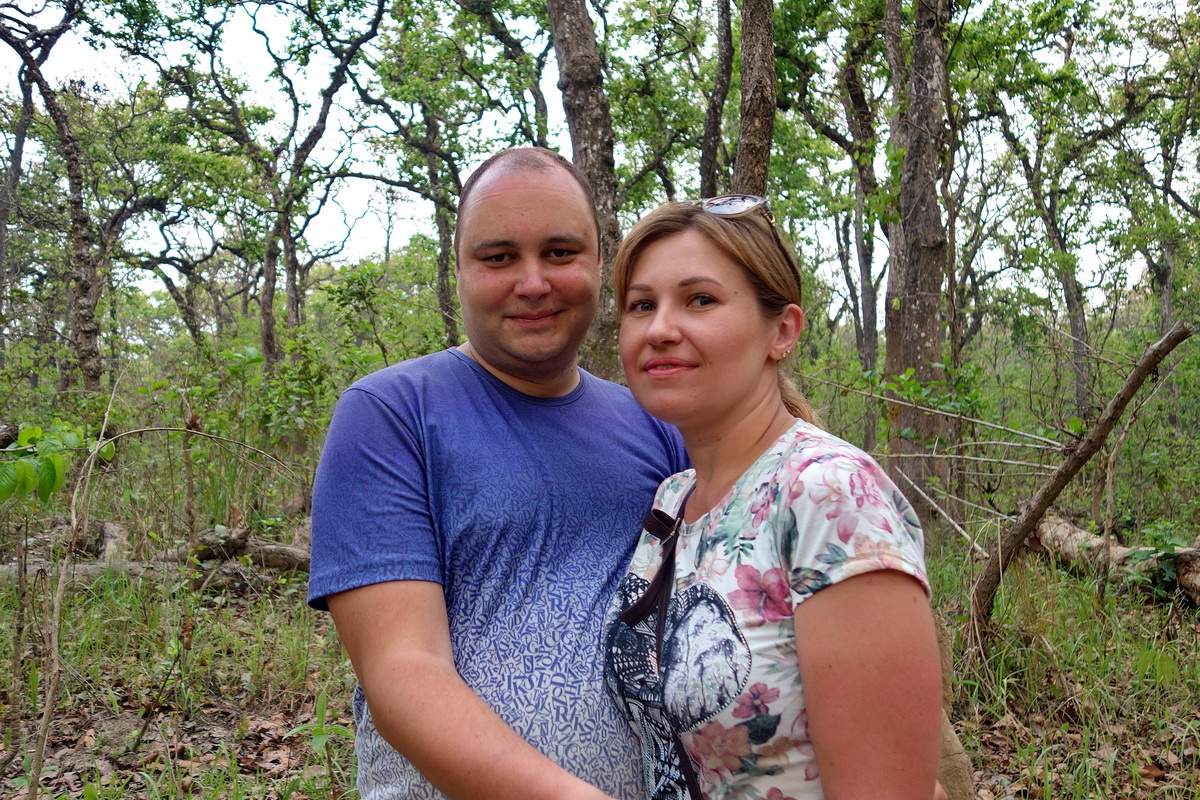
We really enjoyed the jungle walk. The guides chose a fairly easy route for us. During the hike, we met other tourists too.
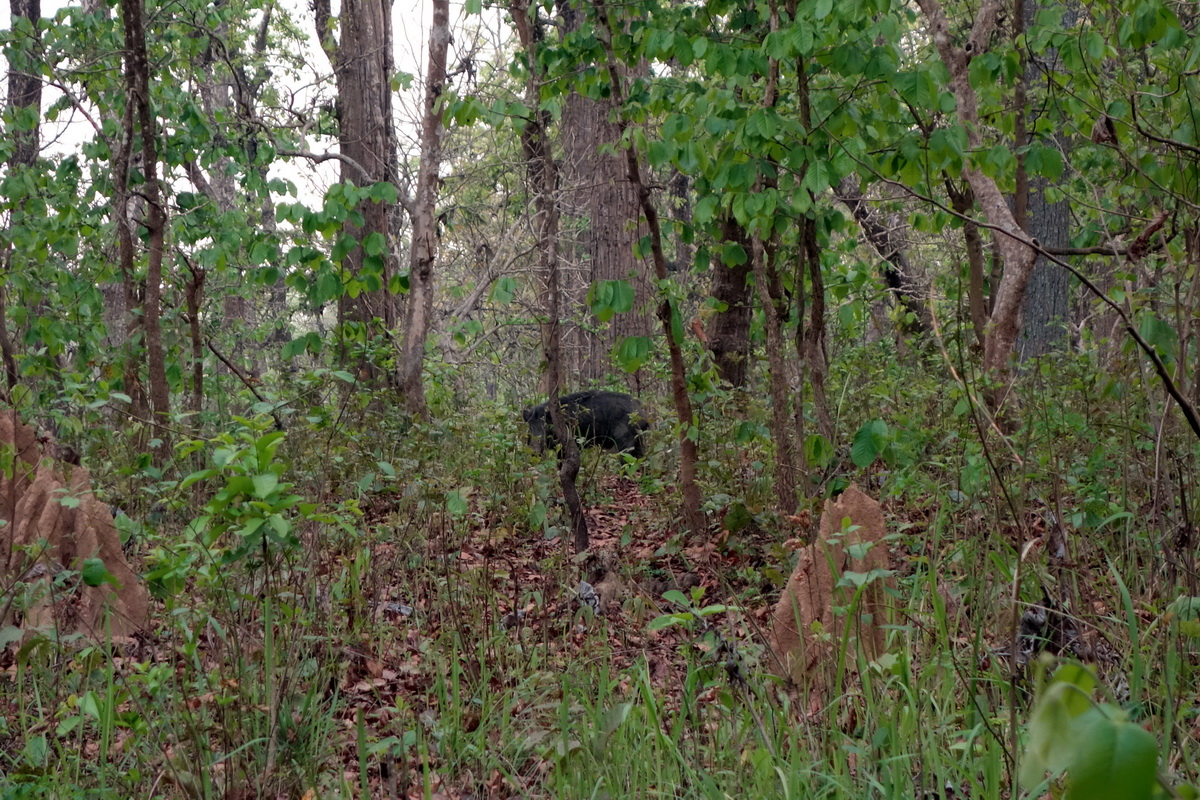
A wild boar.
We pass by a river.
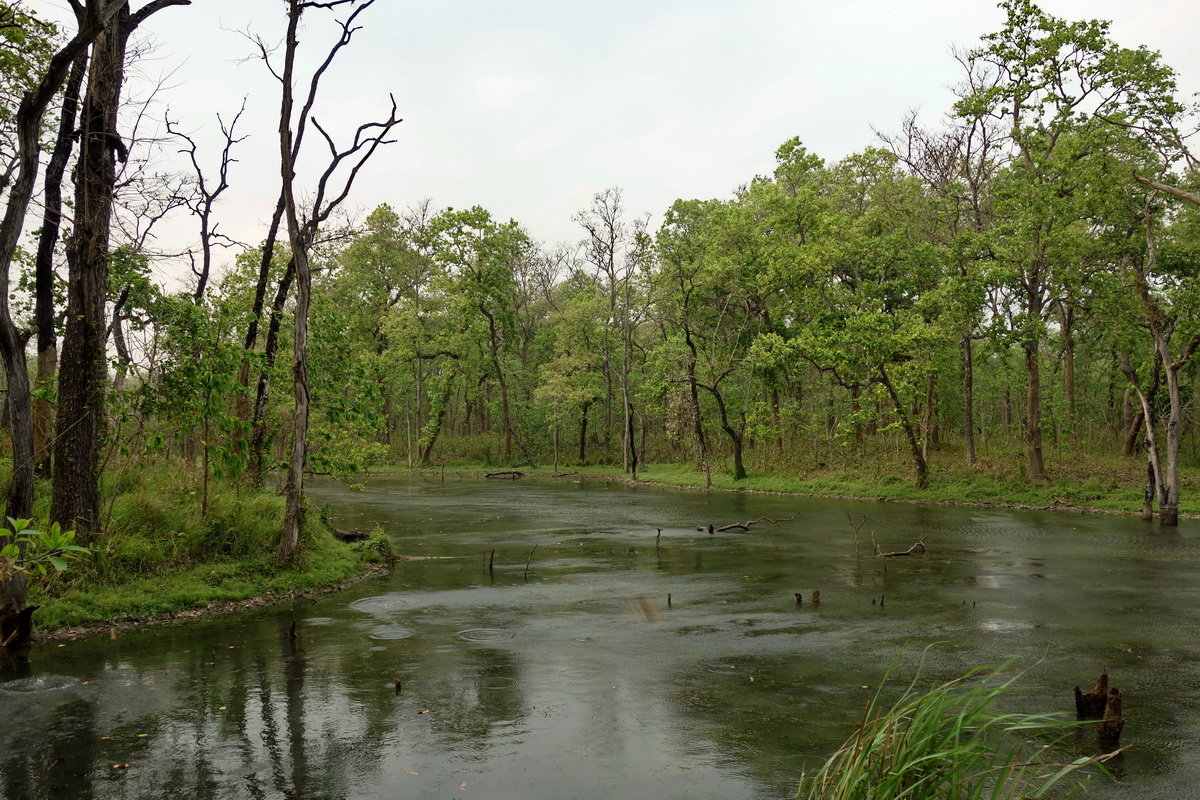
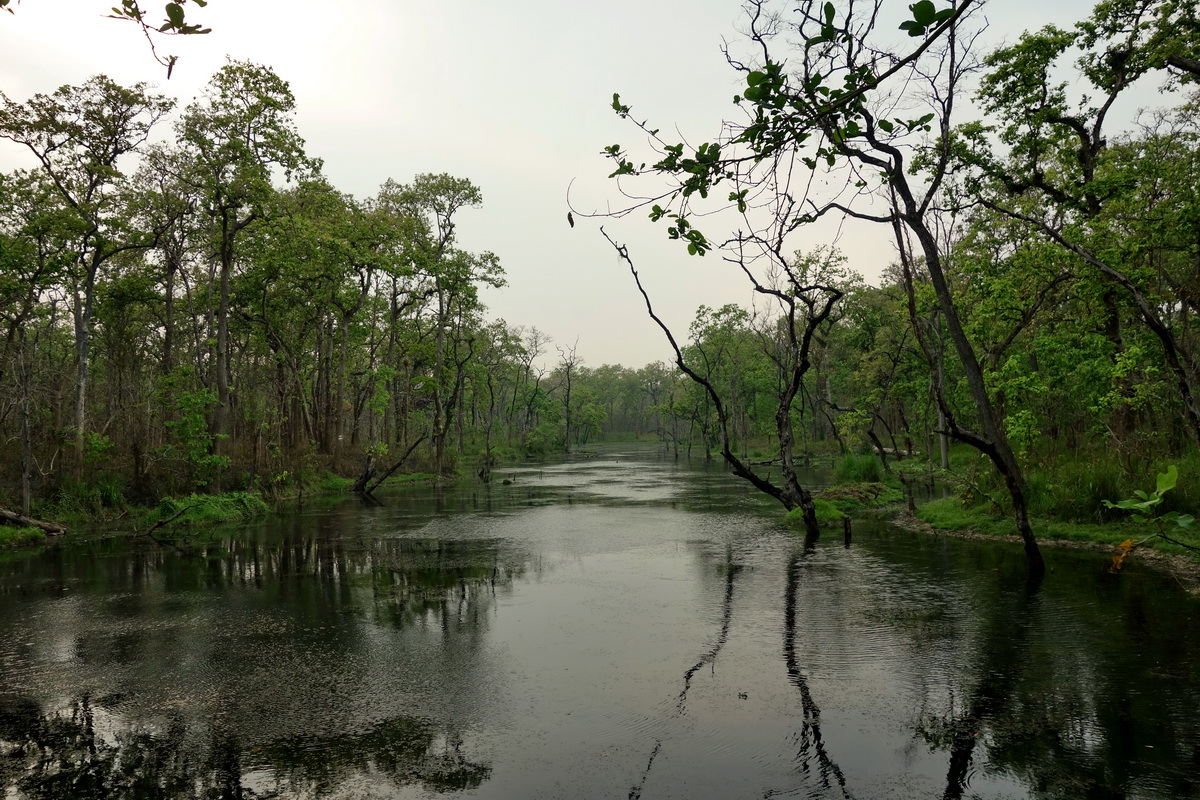
In general, a jungle walk is a great way to experience wildlife.
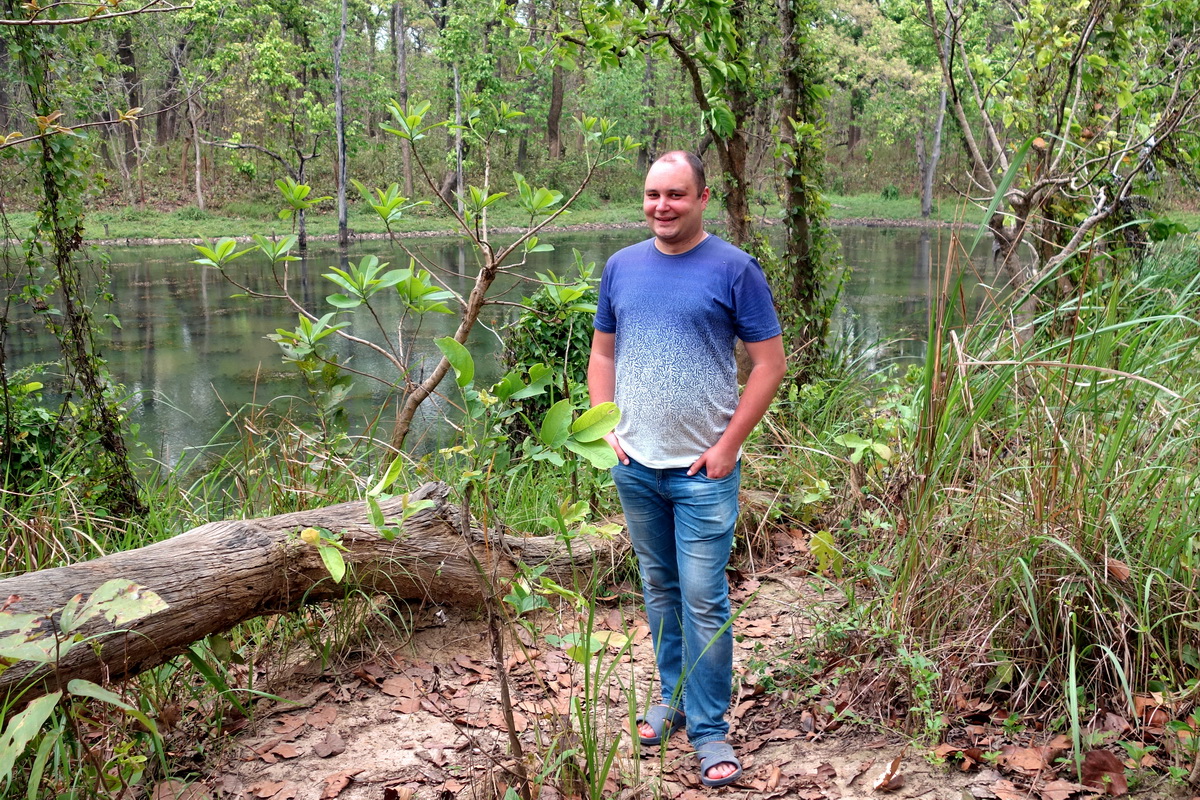
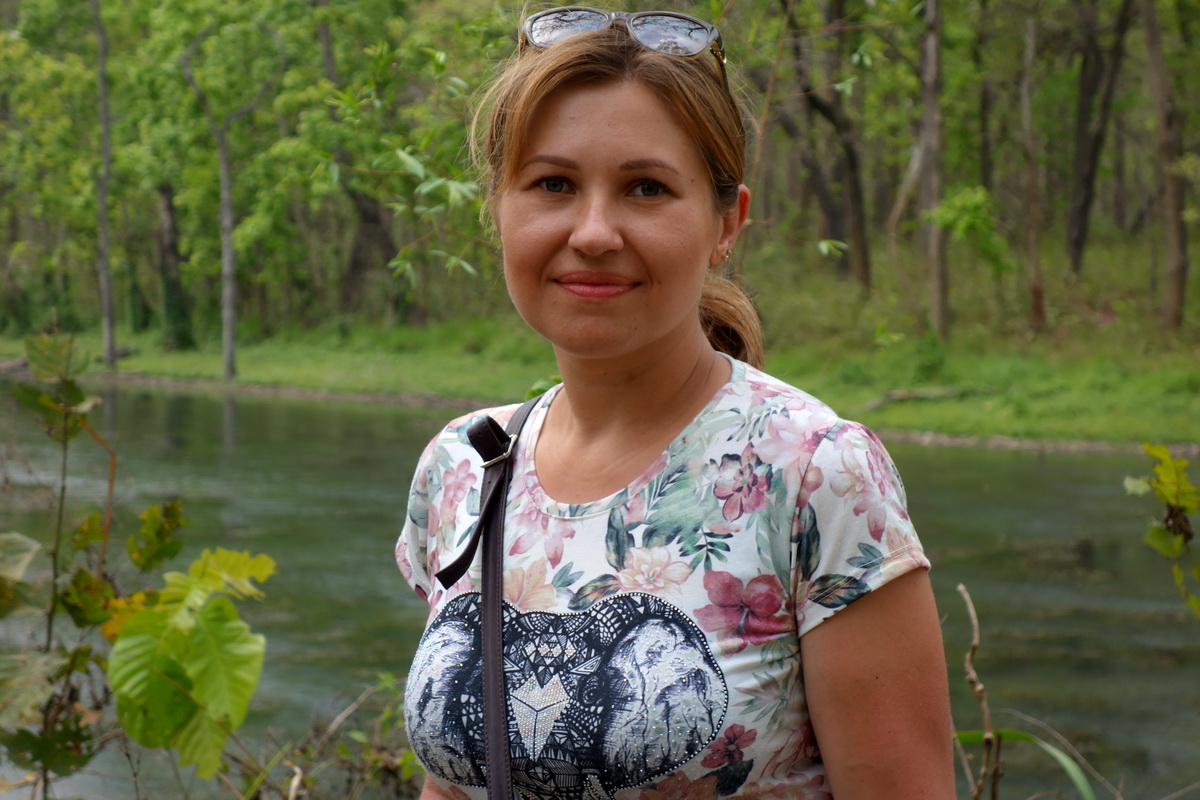
We admire the trees and the sound of birds.
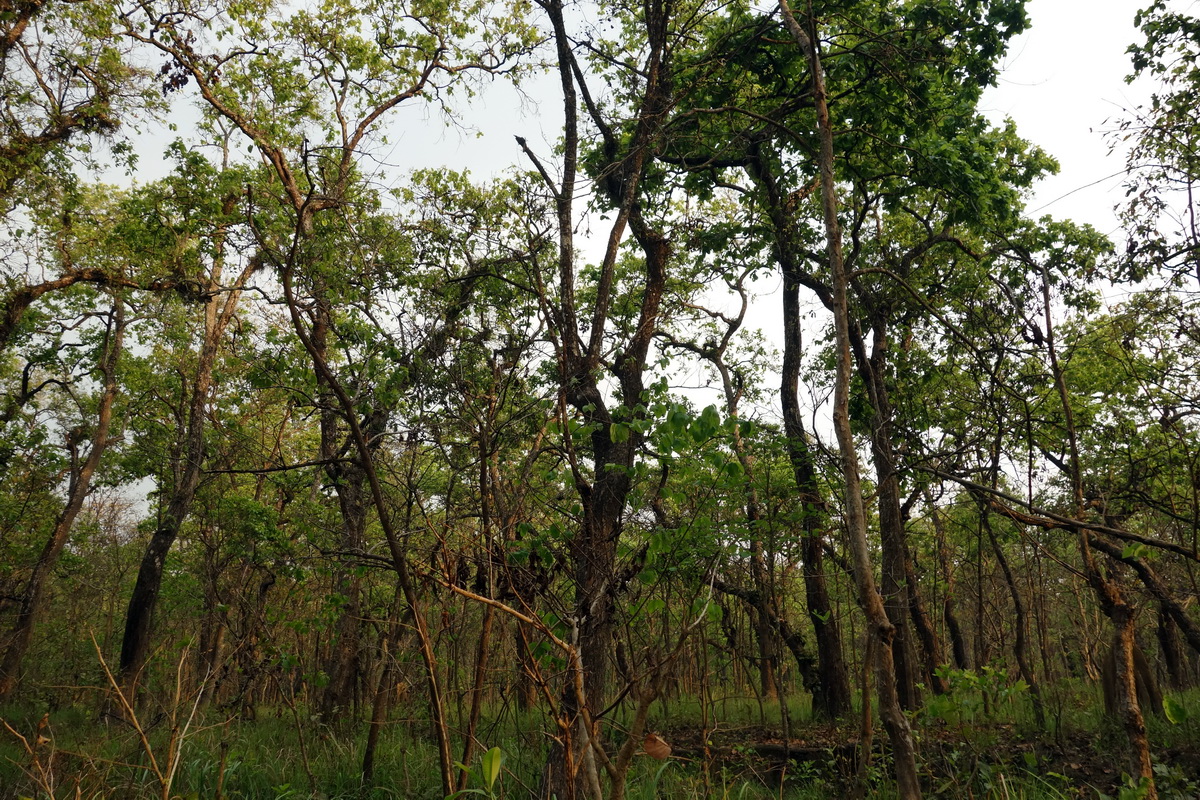
After some leisurely walking through the jungle, we noticed some movement in the bushes. Another deer. It’s amazing how our guides could quickly spot a hidden animal and immediately show us where to look.
The jungle walk took us about an hour.
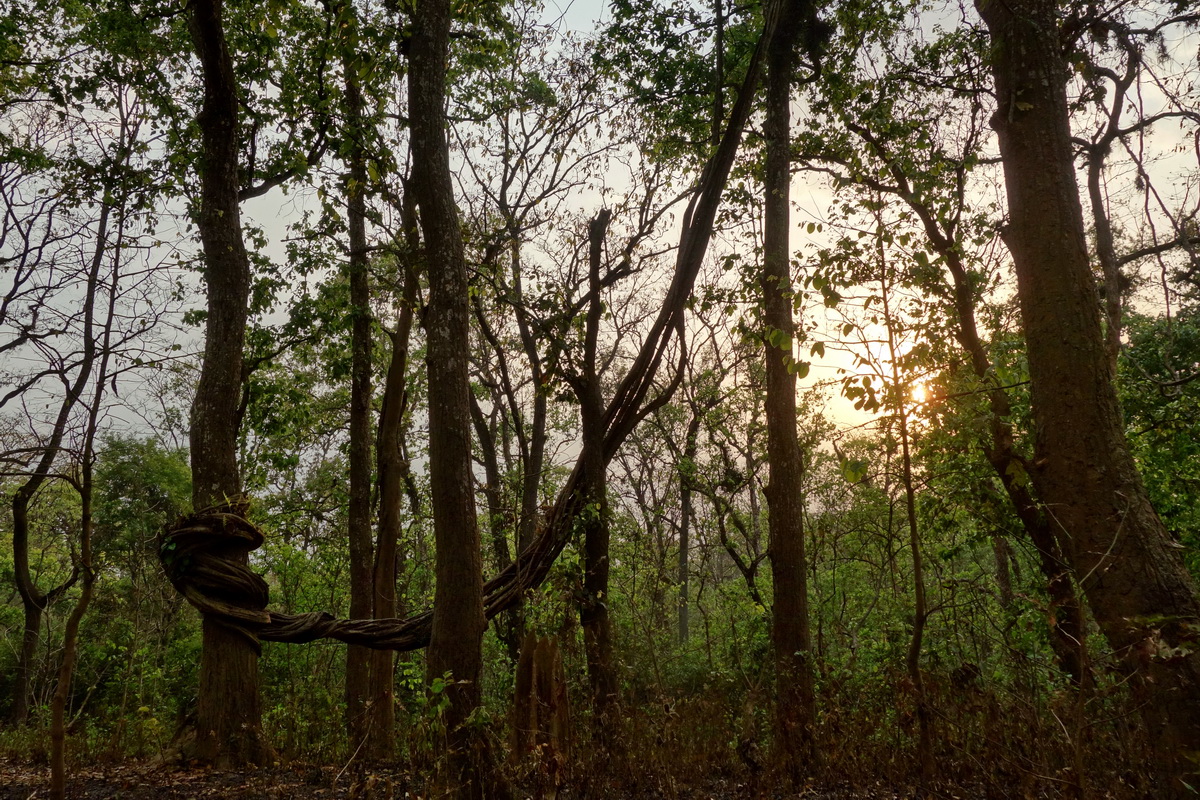
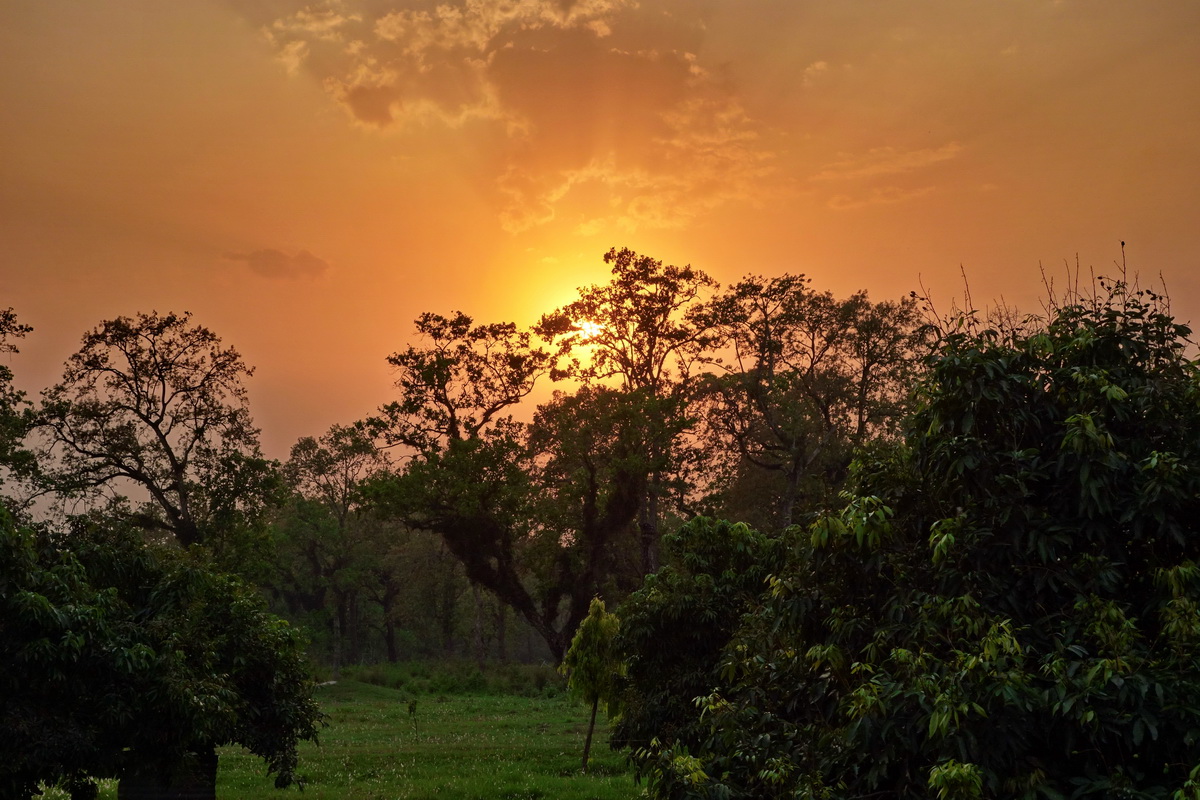
Sunset in Chitwan. A stunning sight.
Meanwhile, we head to our final activity for today—visiting the elephant farm.
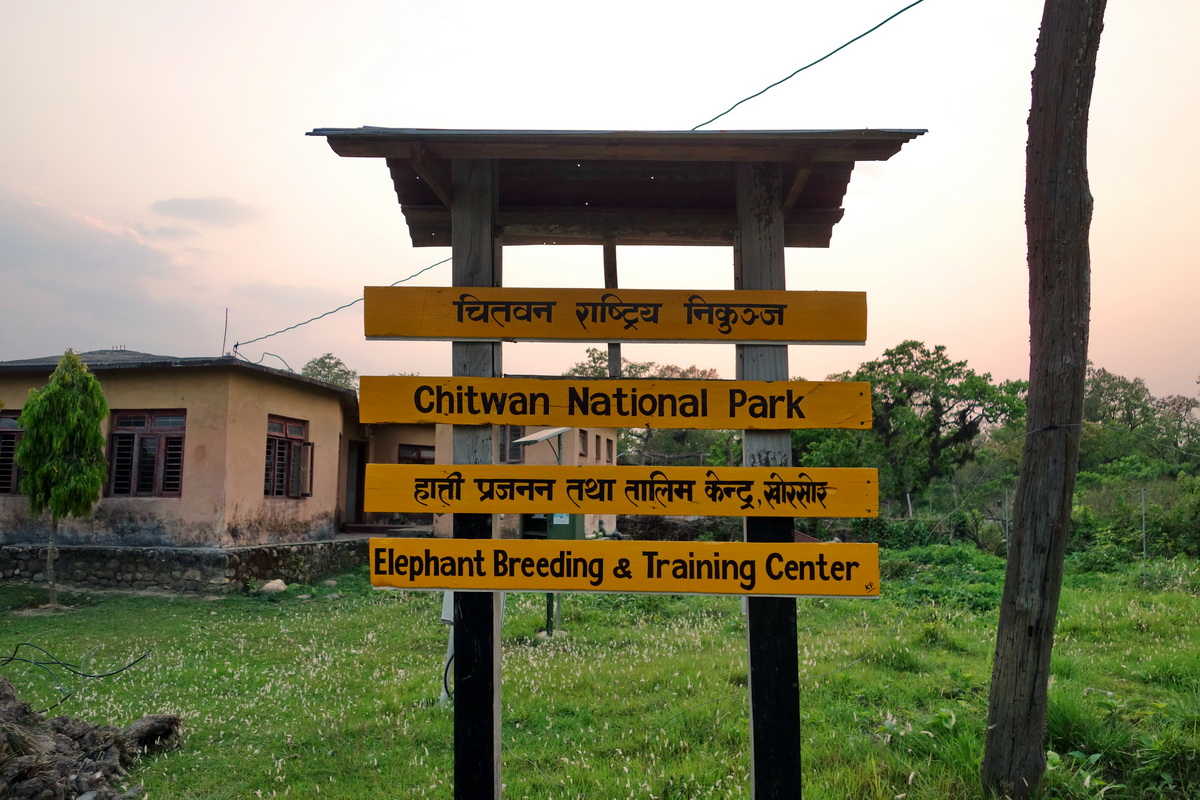
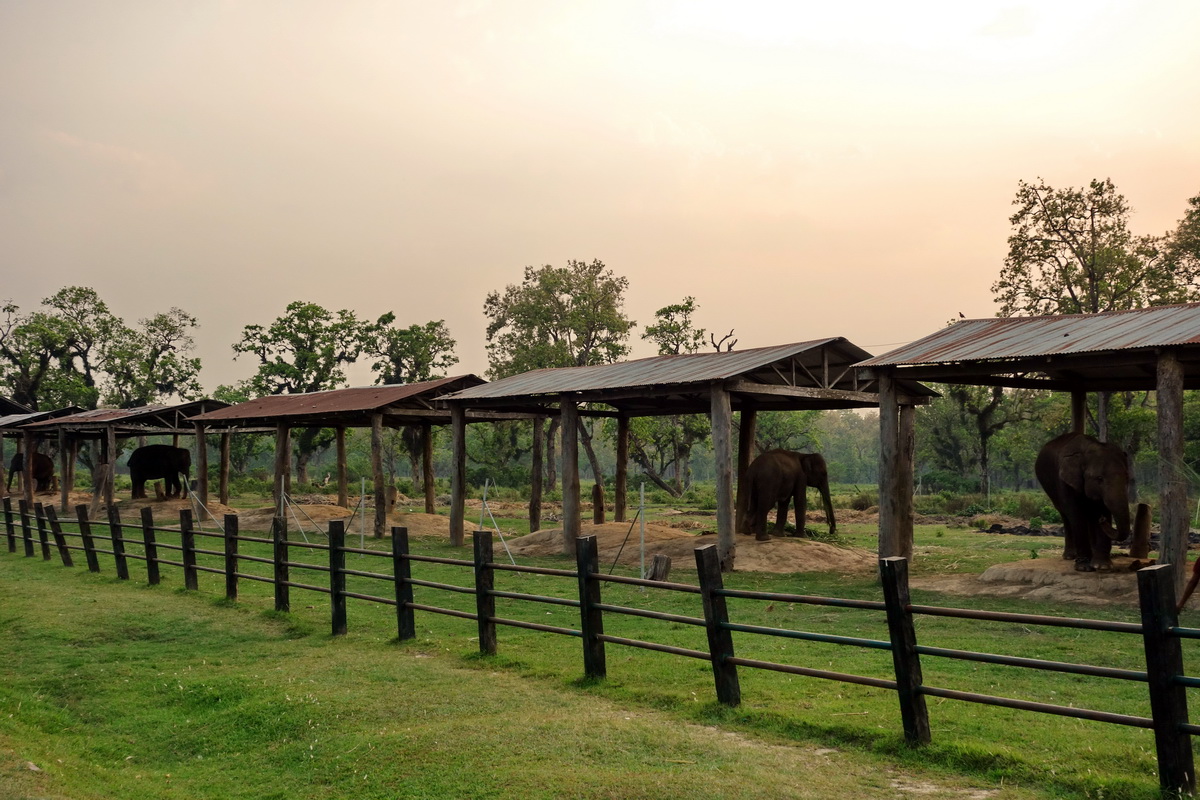
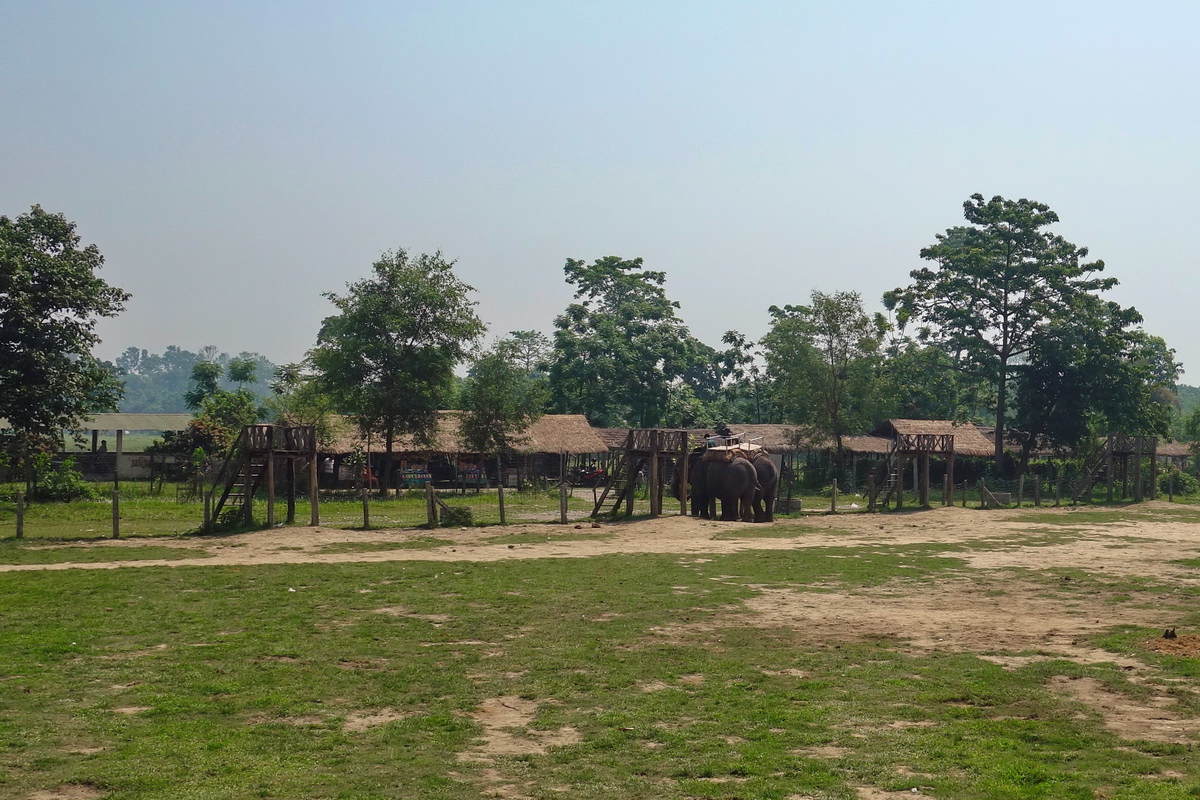
Elephants spend the night here and prepare for their next trips into the jungle.
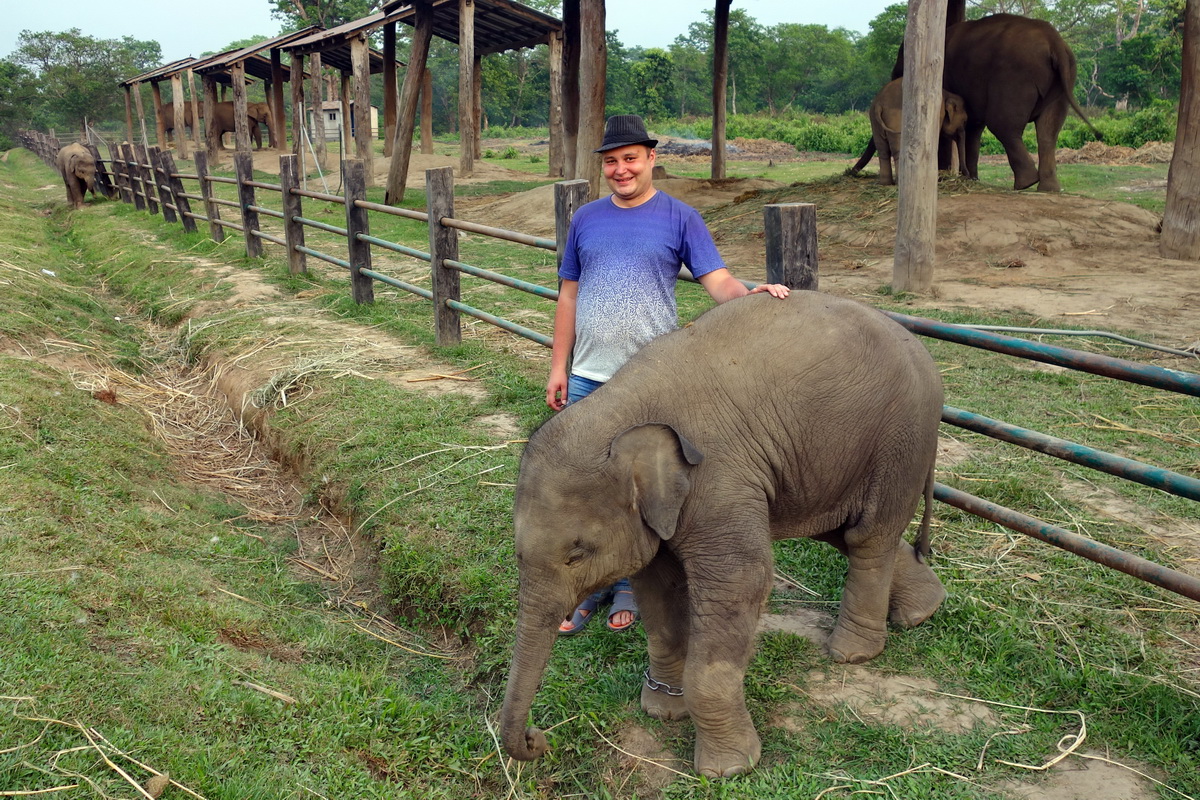
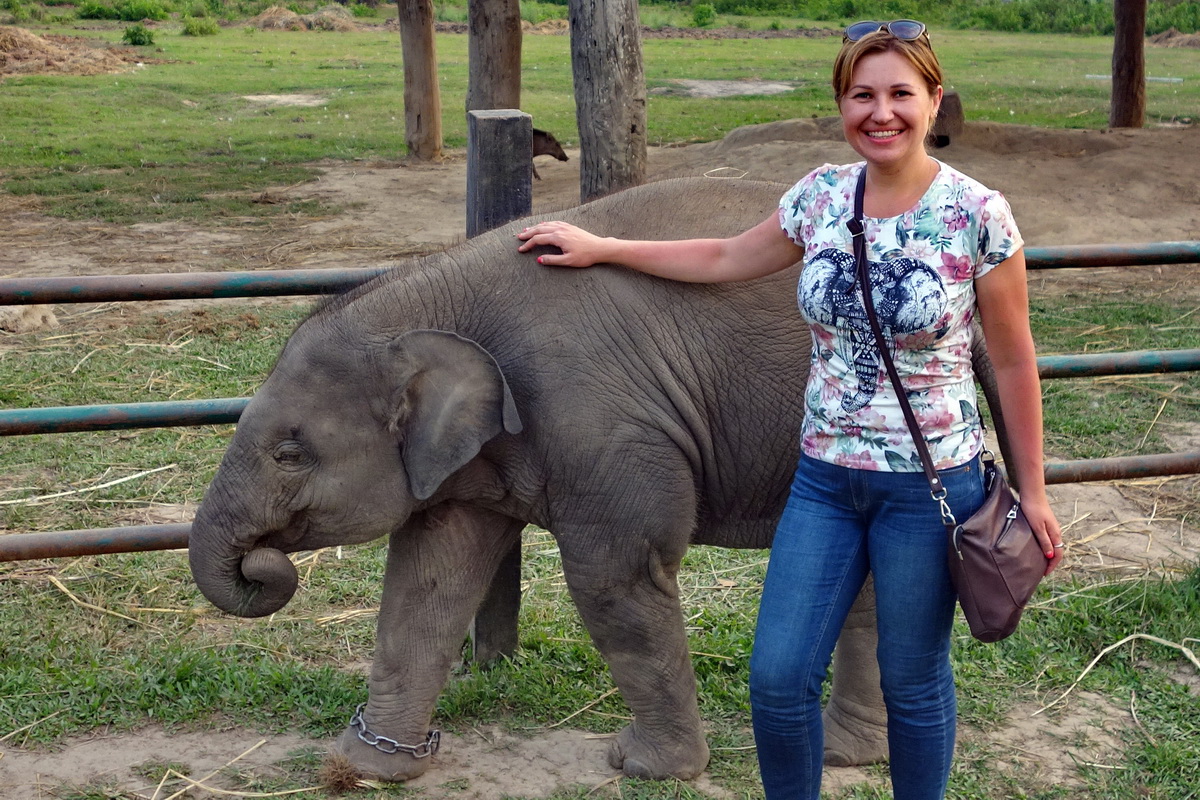
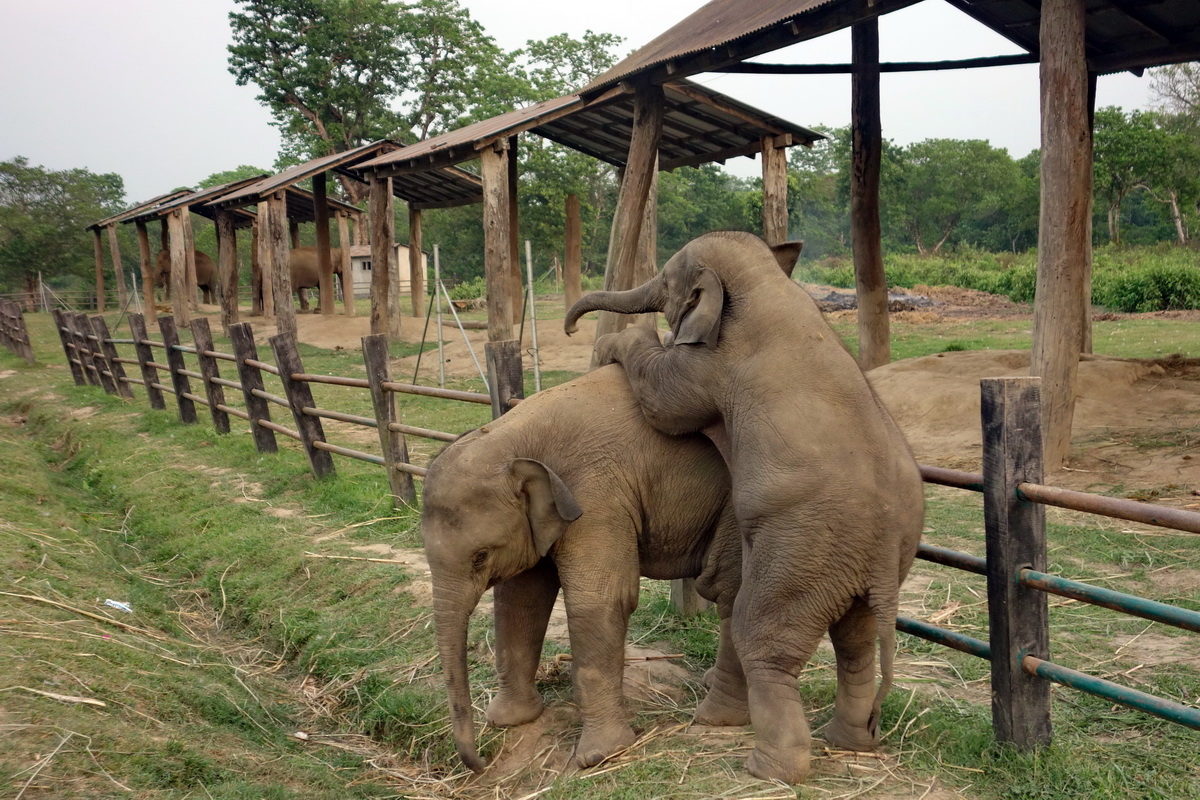
Female elephants live here with their offspring.
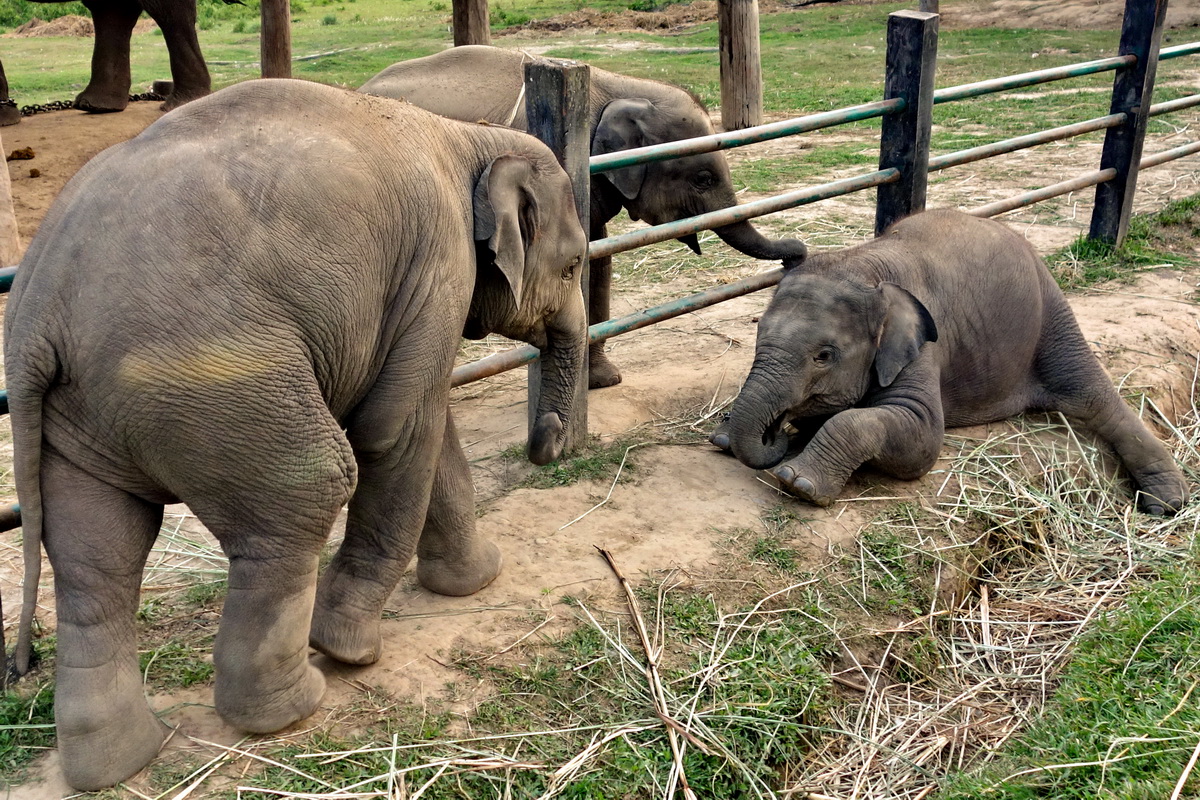
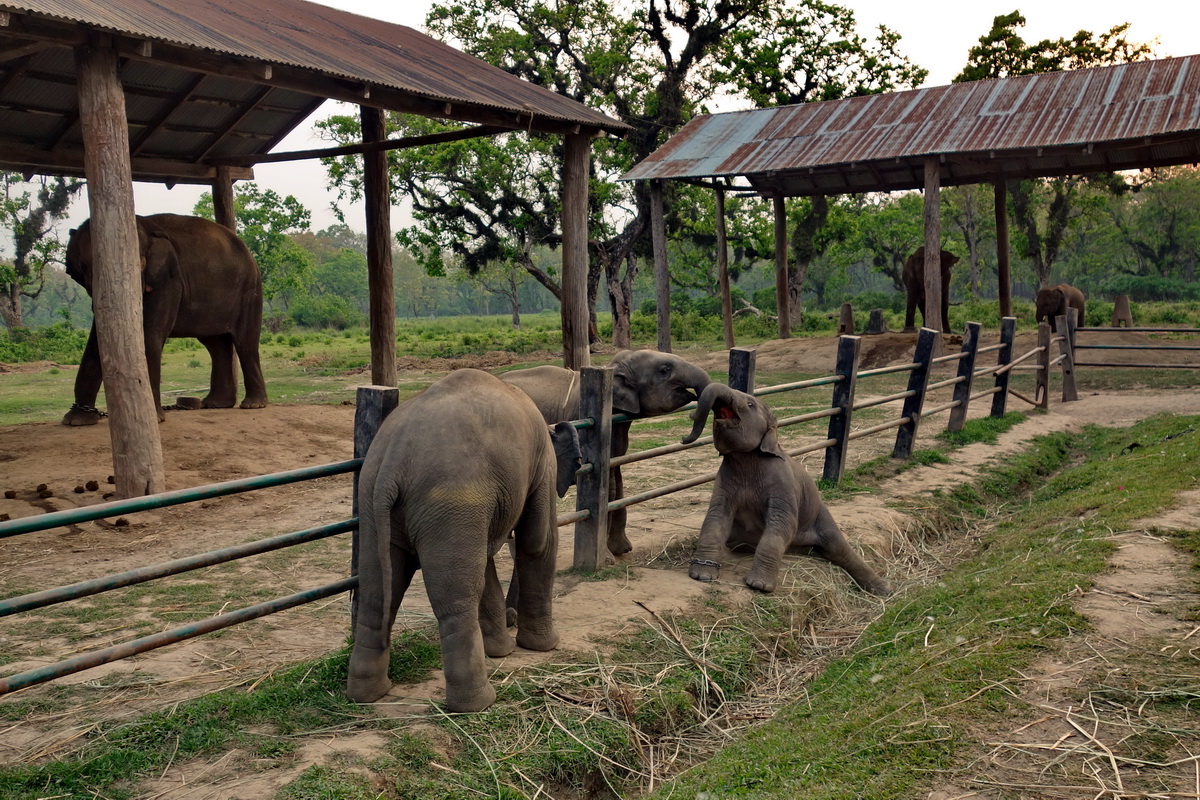
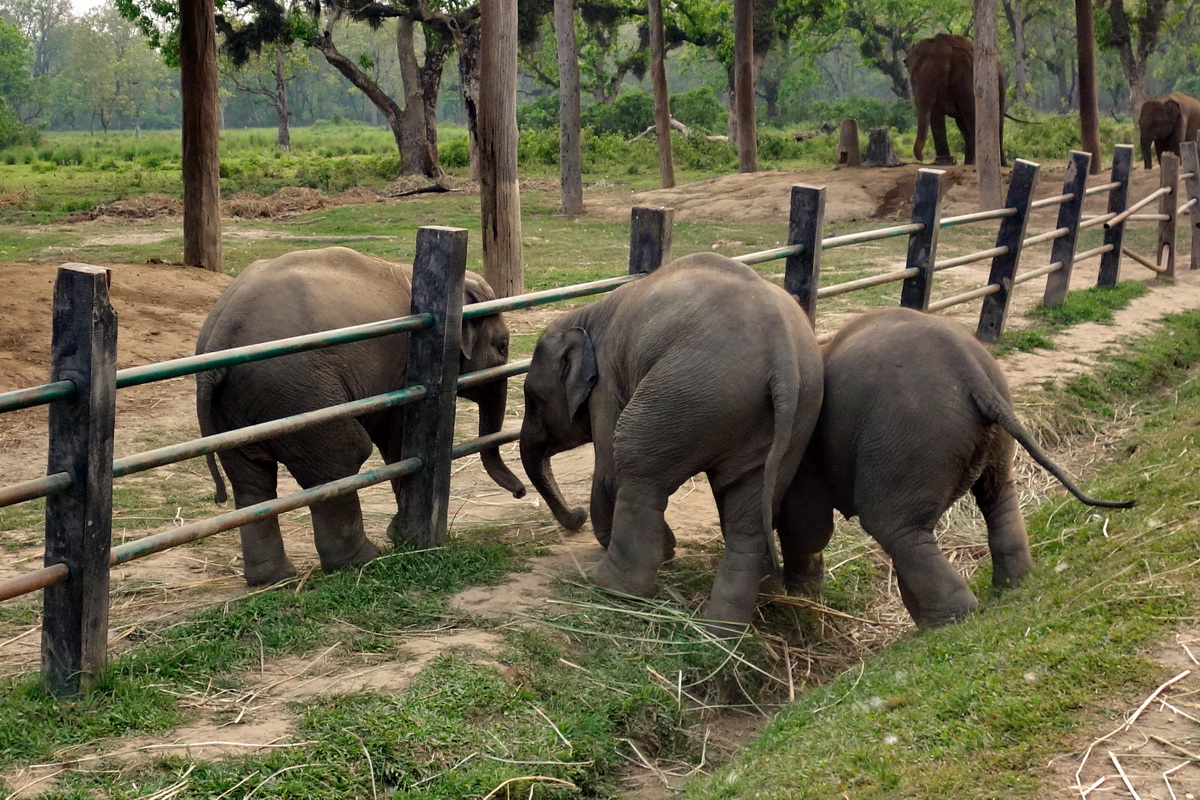
The baby elephants here aren’t tied up. They run around and play. You can approach and pet them safely.
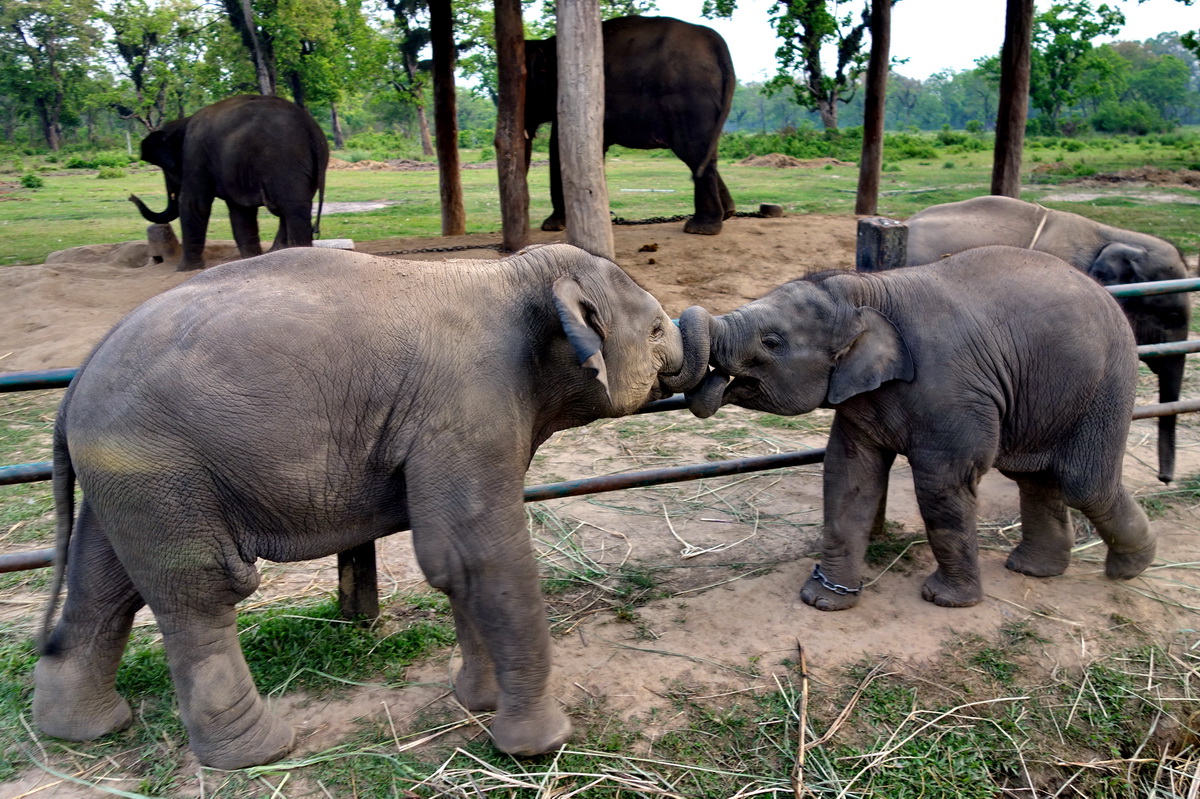
But the mother elephants are tied up.
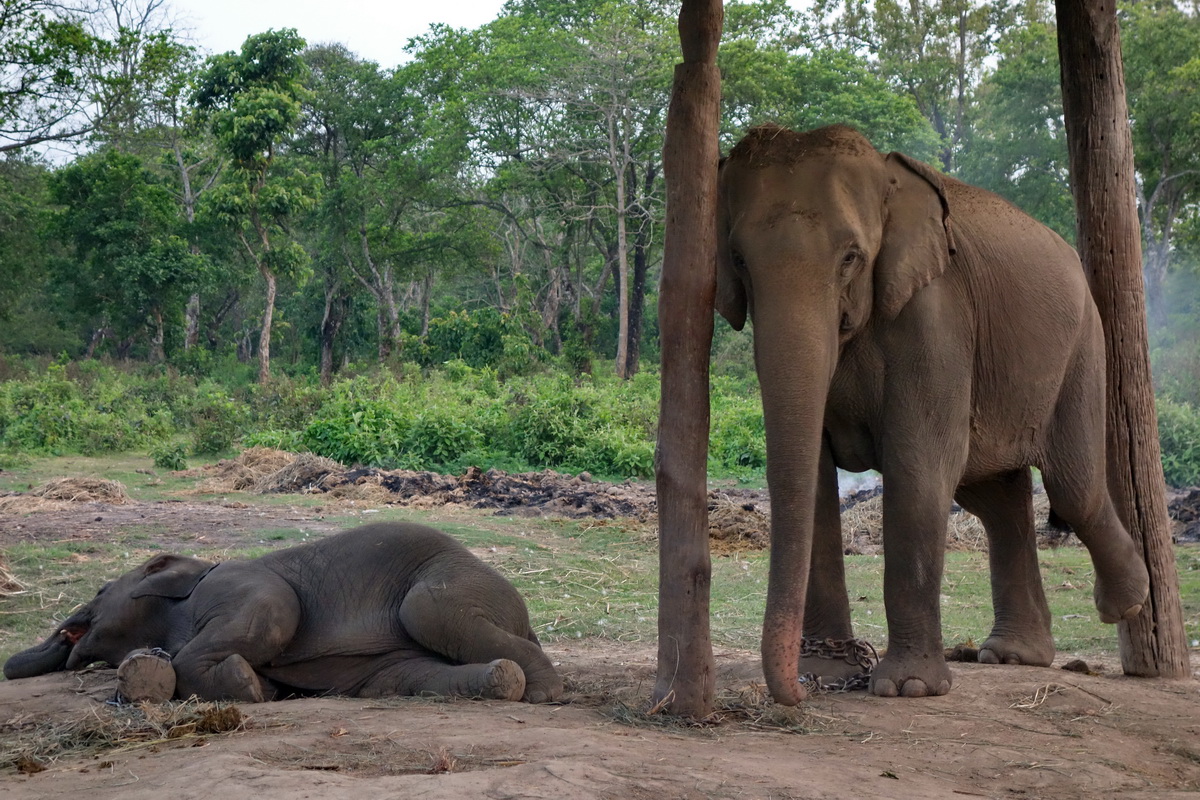
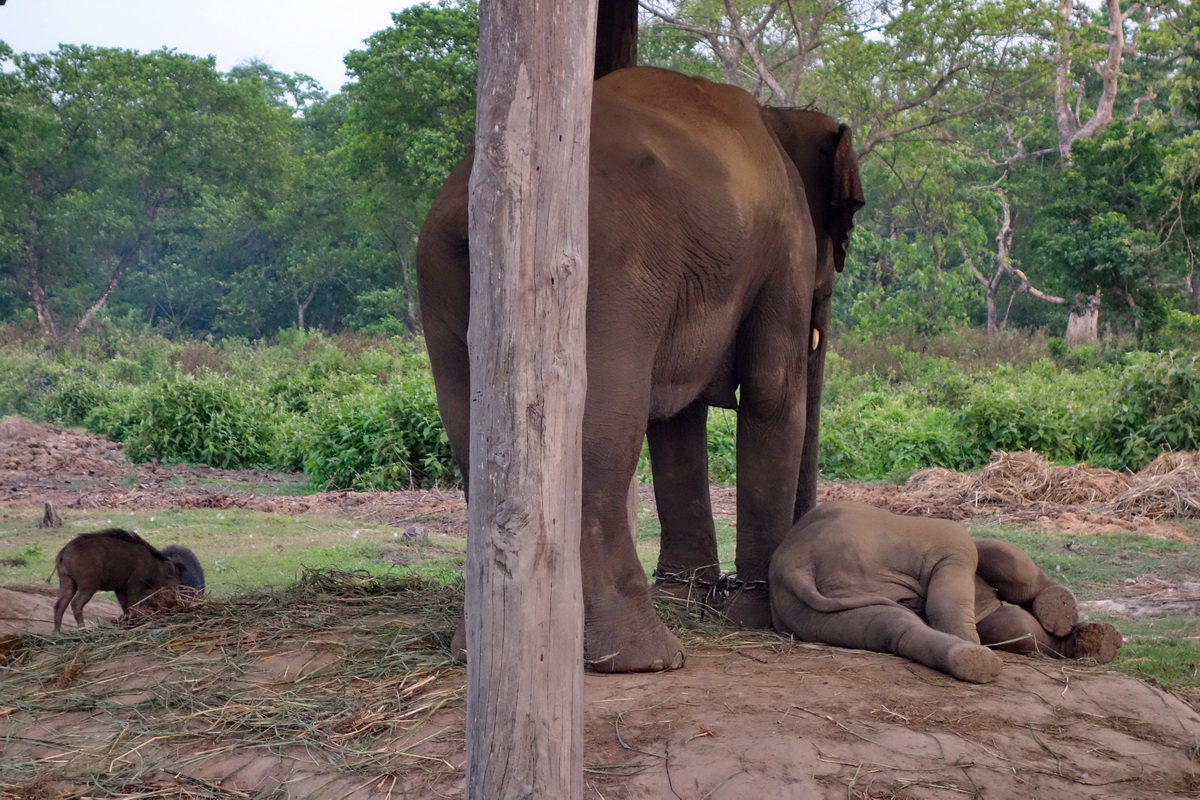
Wild boars keep trying to snatch something tasty from the elephants.
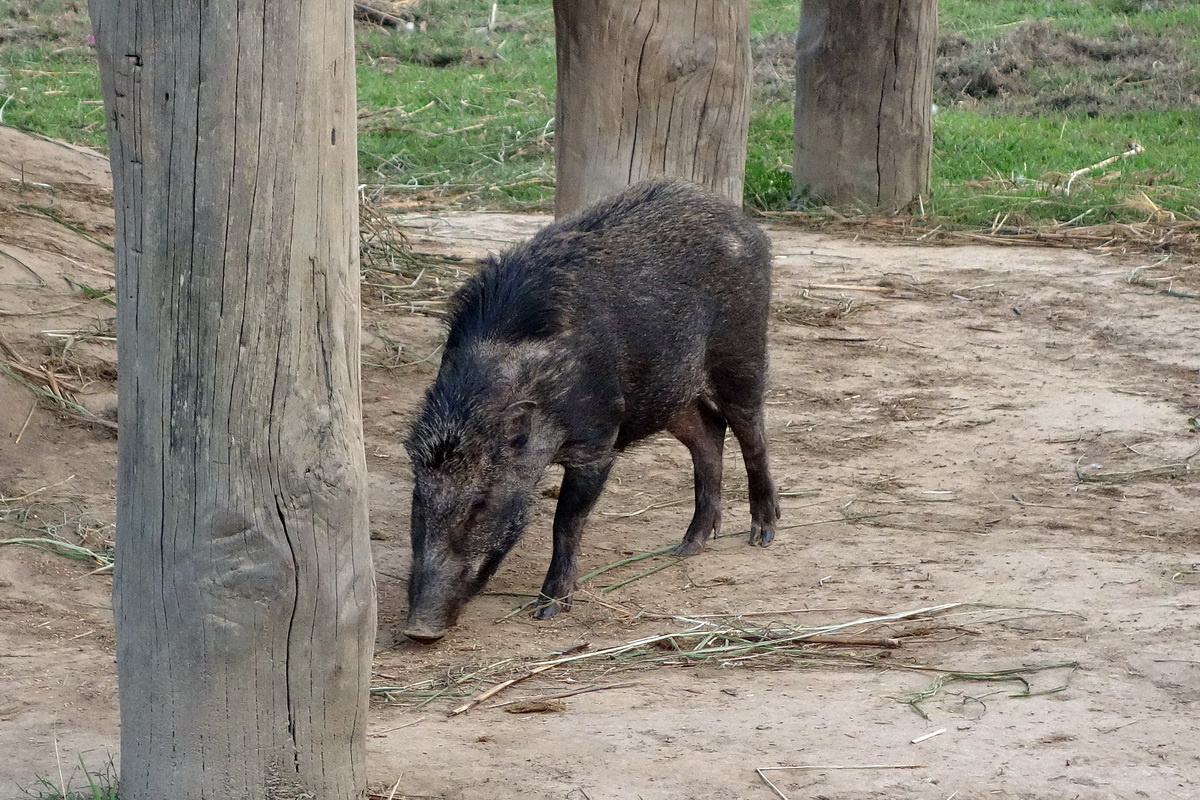
This elephant farm breeds elephants. Sadly, they are all kept in captivity here.
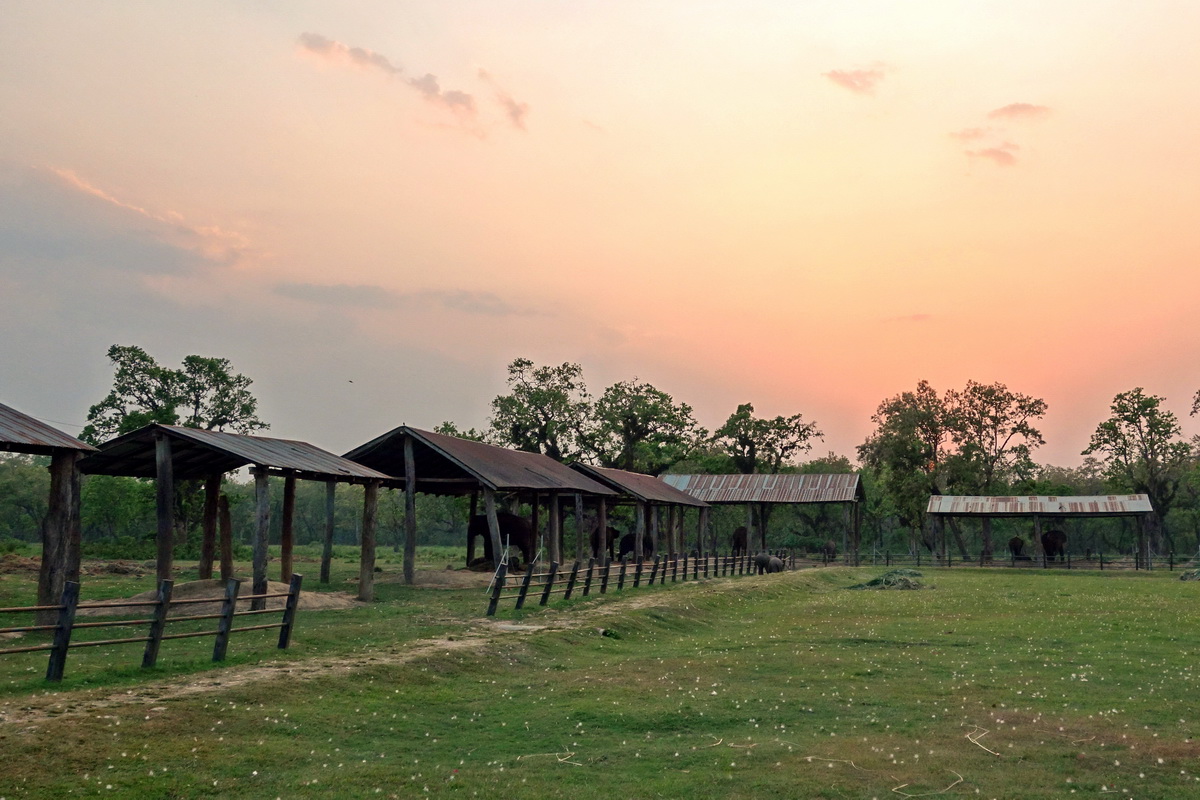
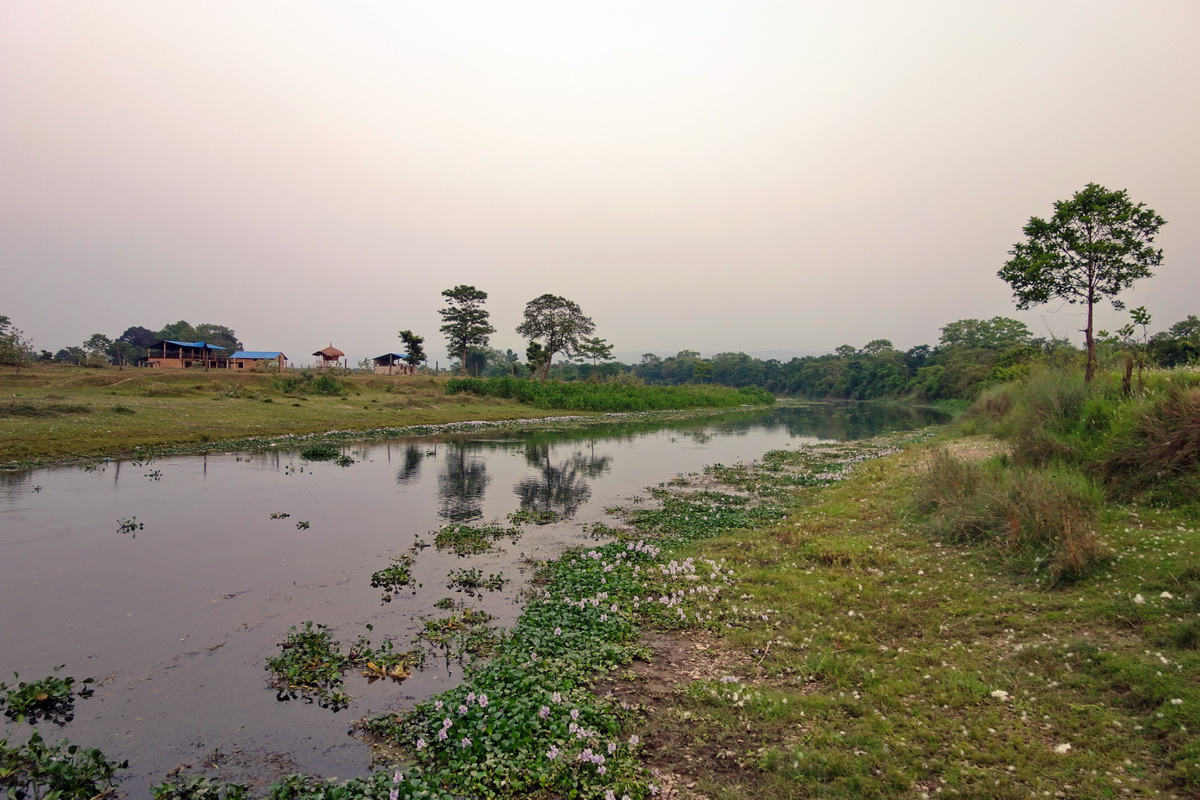
With that, our tour of Chitwan National Park comes to an end.
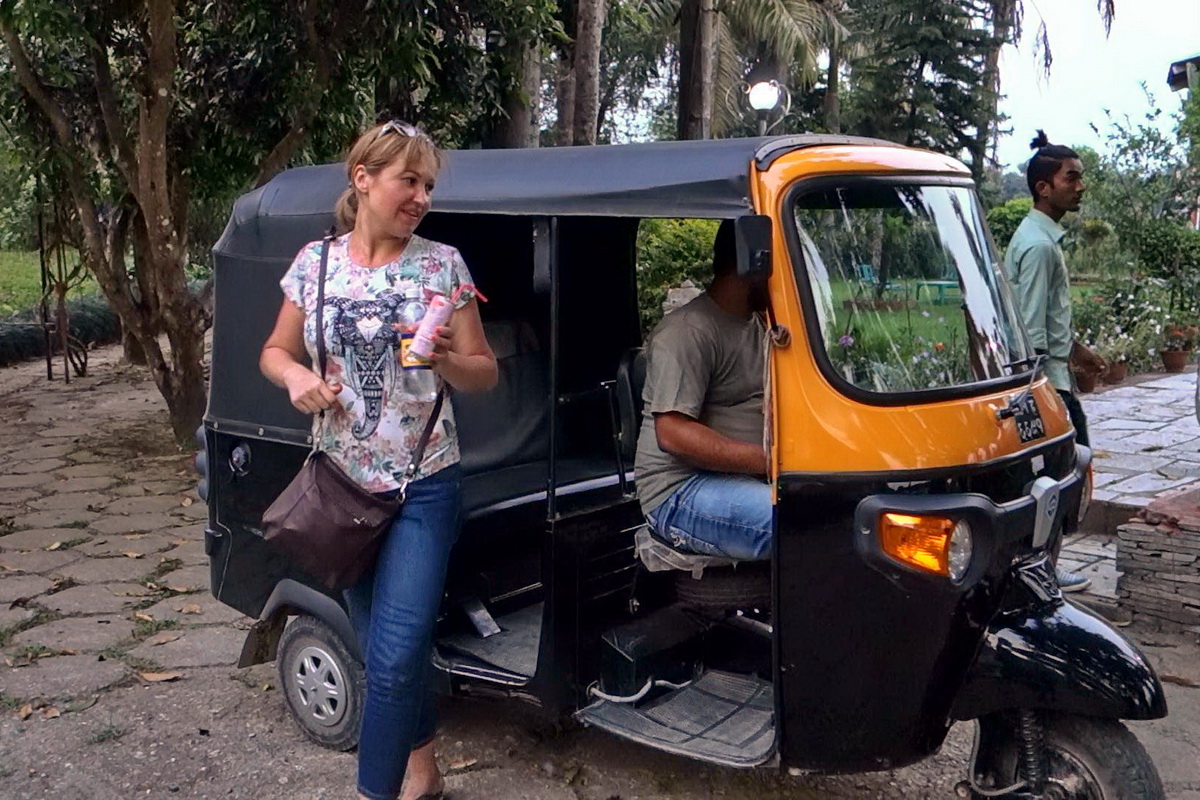
The Chitwan program was complete. We returned to the hotel on a tuk-tuk, and in the morning, we needed to head back to Kathmandu and fly home. This marks the end of our incredible journey through Nepal. Filled with positive and unforgettable emotions, we return home.
Go to contents.