Part II. Goa State.
The state of Goa is divided into two parts—North and South. North Goa is separated by the Mandovi River. Below is a description of the villages and towns in North and Central Goa.
Arpora
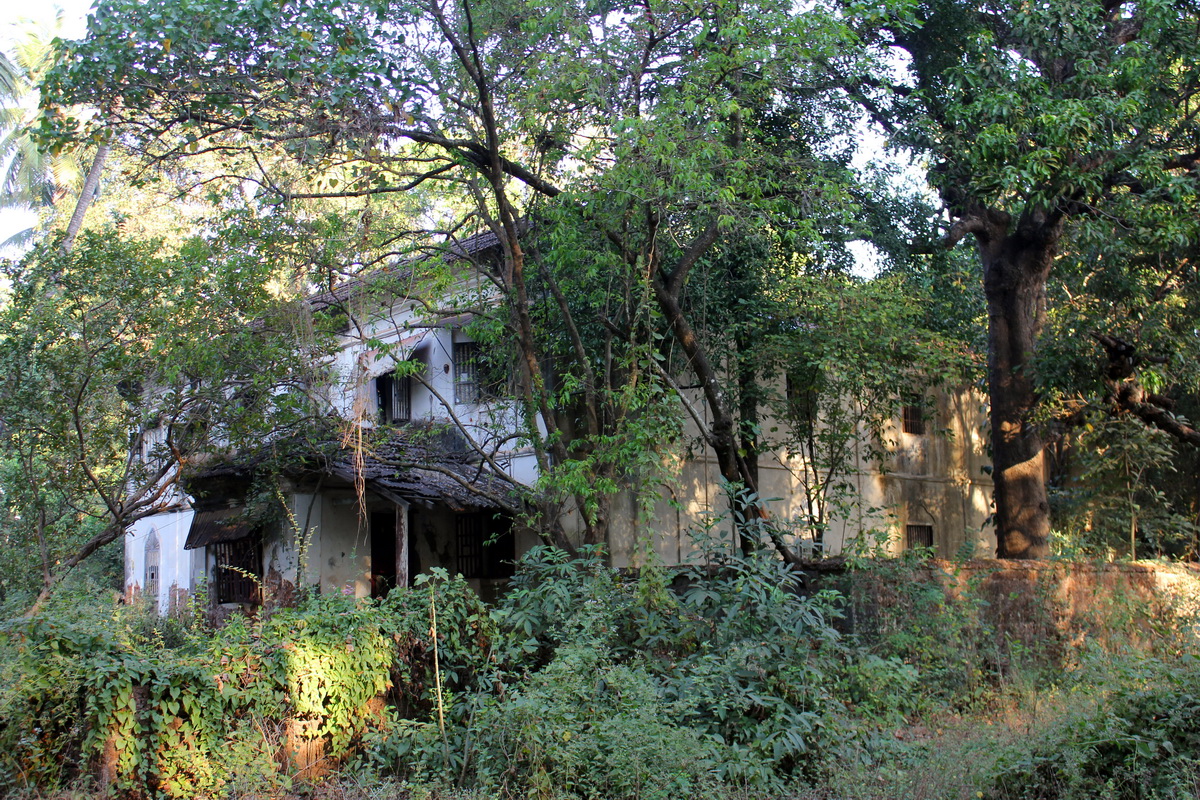
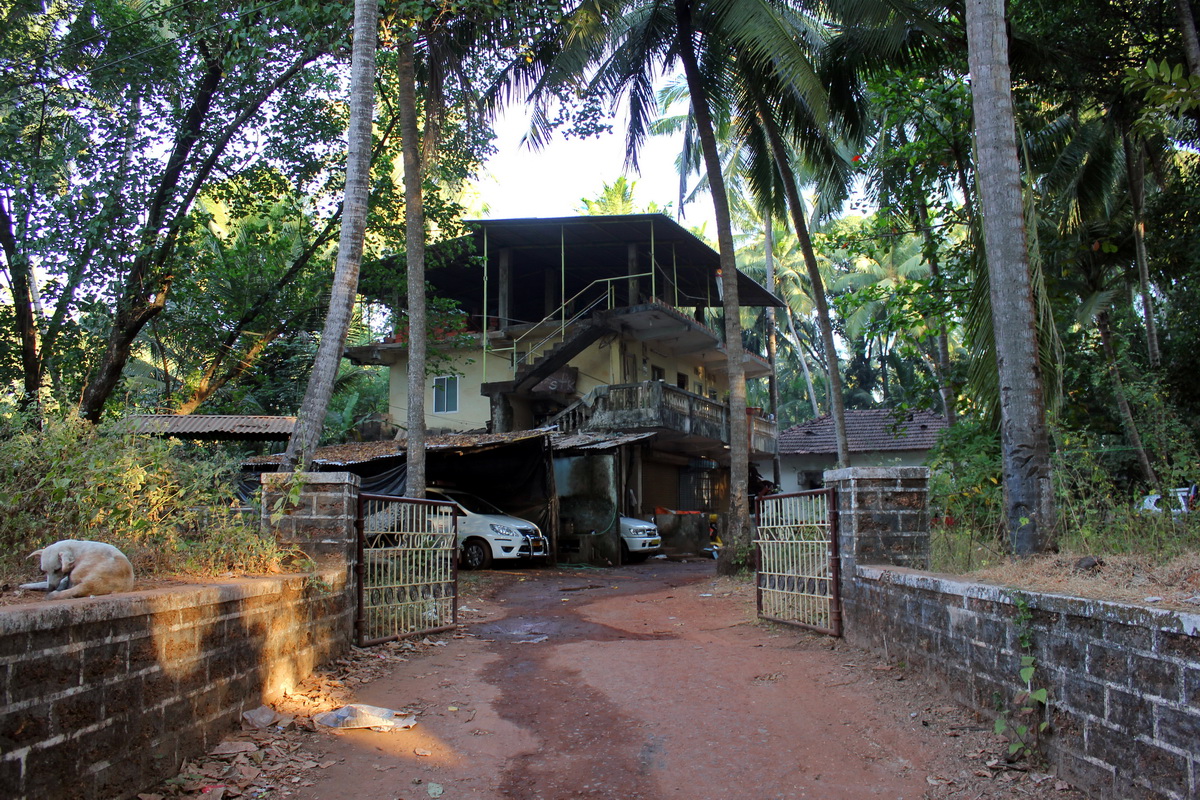
Arpora is a small, quiet village located between Baga and Calangute. This is where the Renton Manor 2** hotel, where we stayed, is situated. It’s about a two-kilometer walk from the hotel to the beach.
In the mornings, there’s hardly anyone around, making it difficult to ask for directions or find a taxi. There’s not much to do in the evenings either. It’s a typical village.
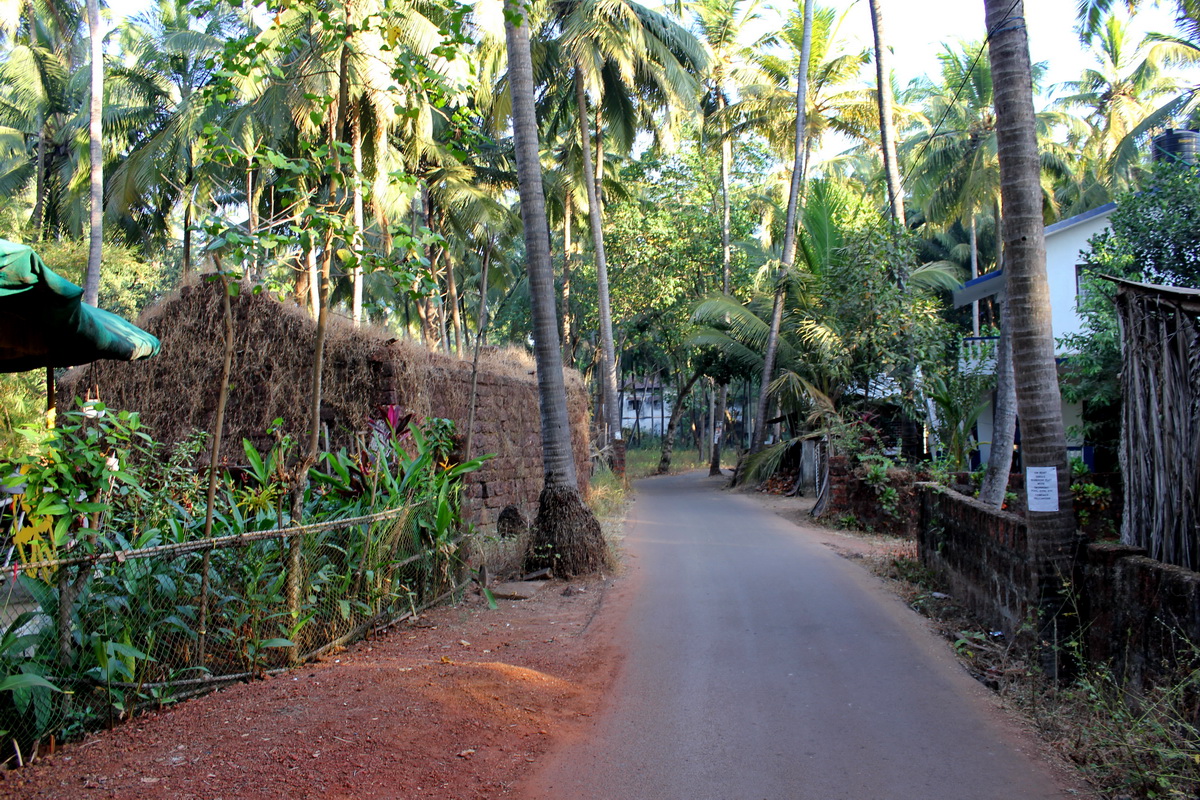
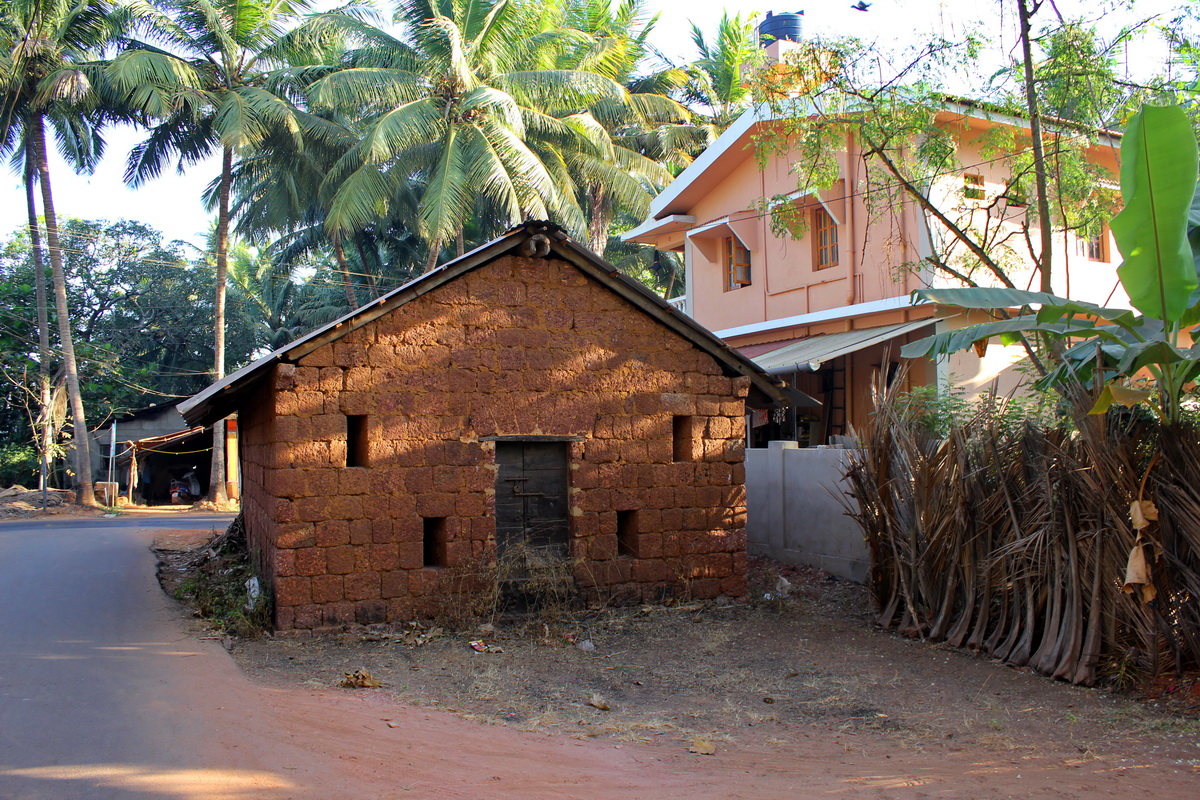
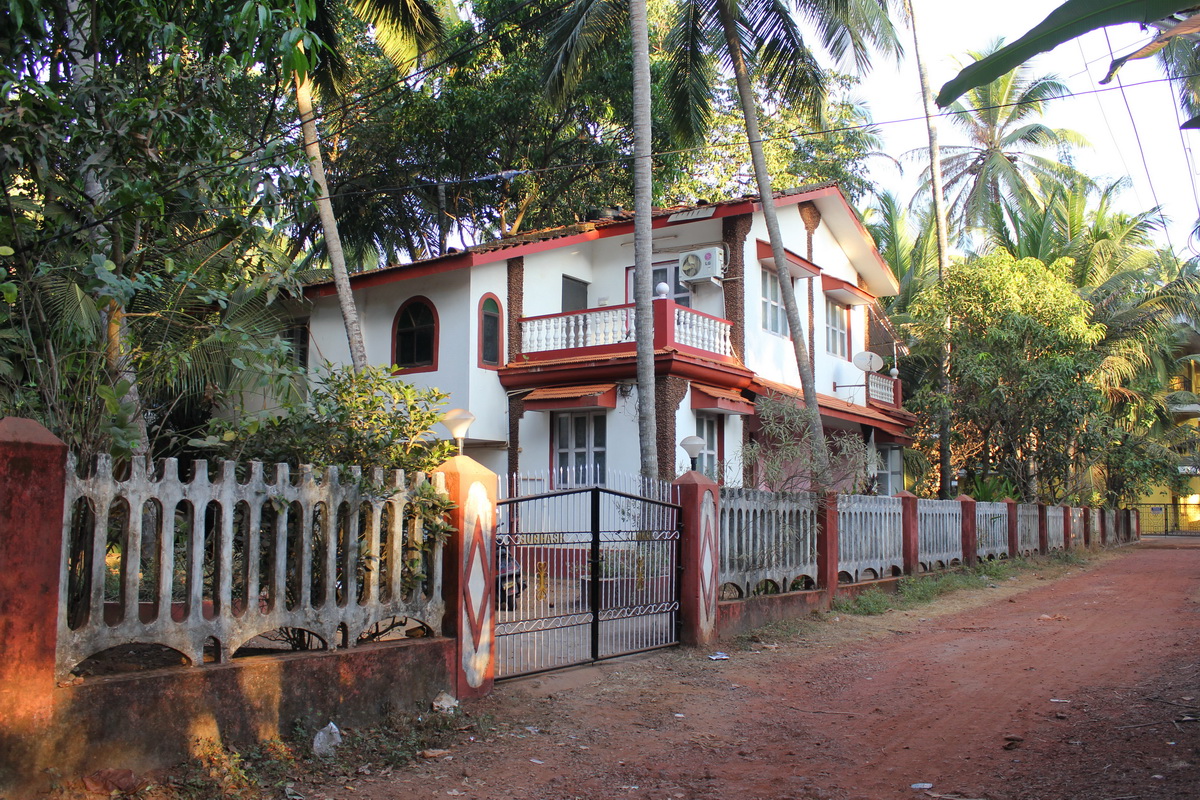
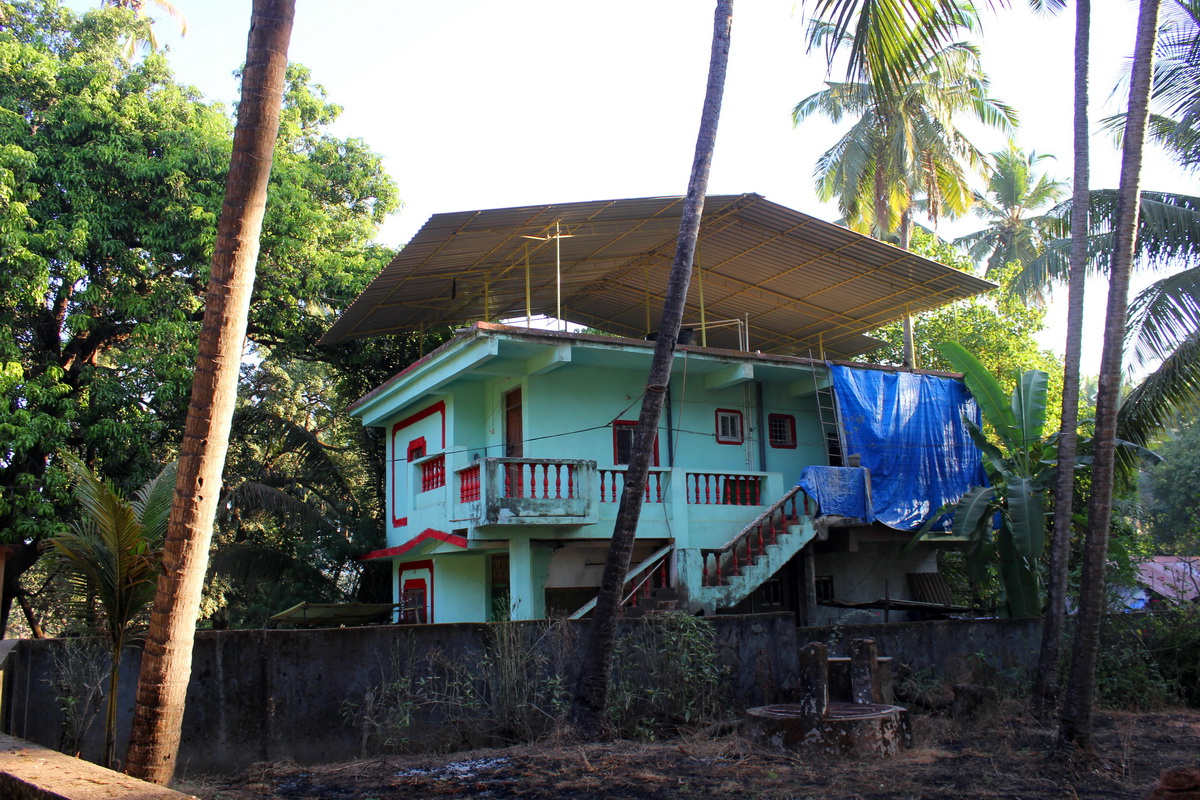
Guesthouses for tourists.
Temple.
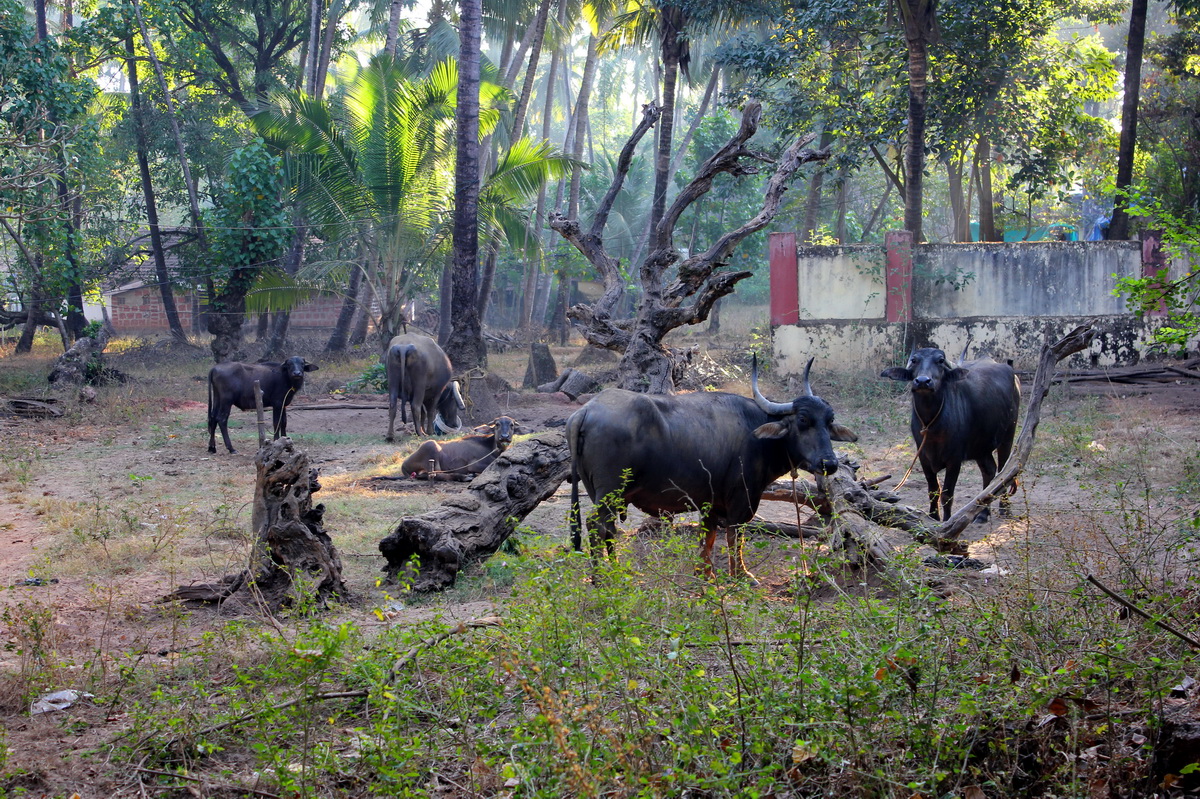
Arpora cows.
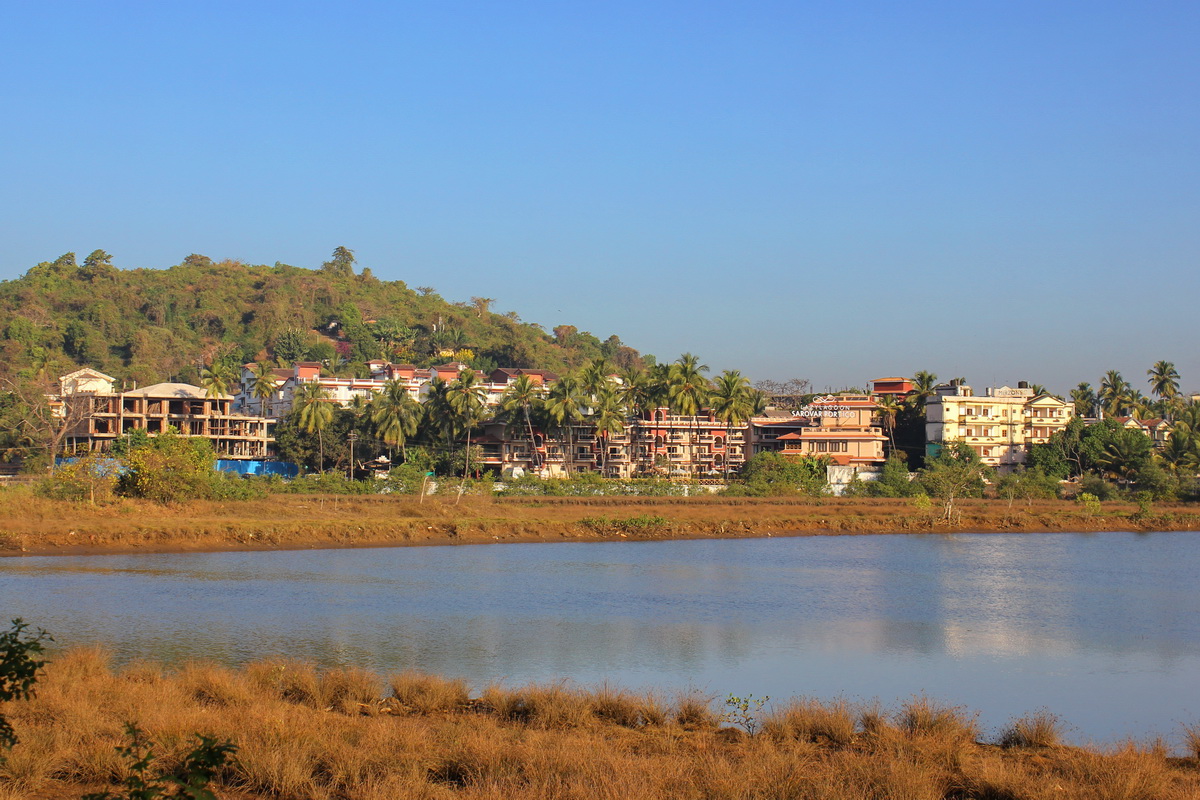
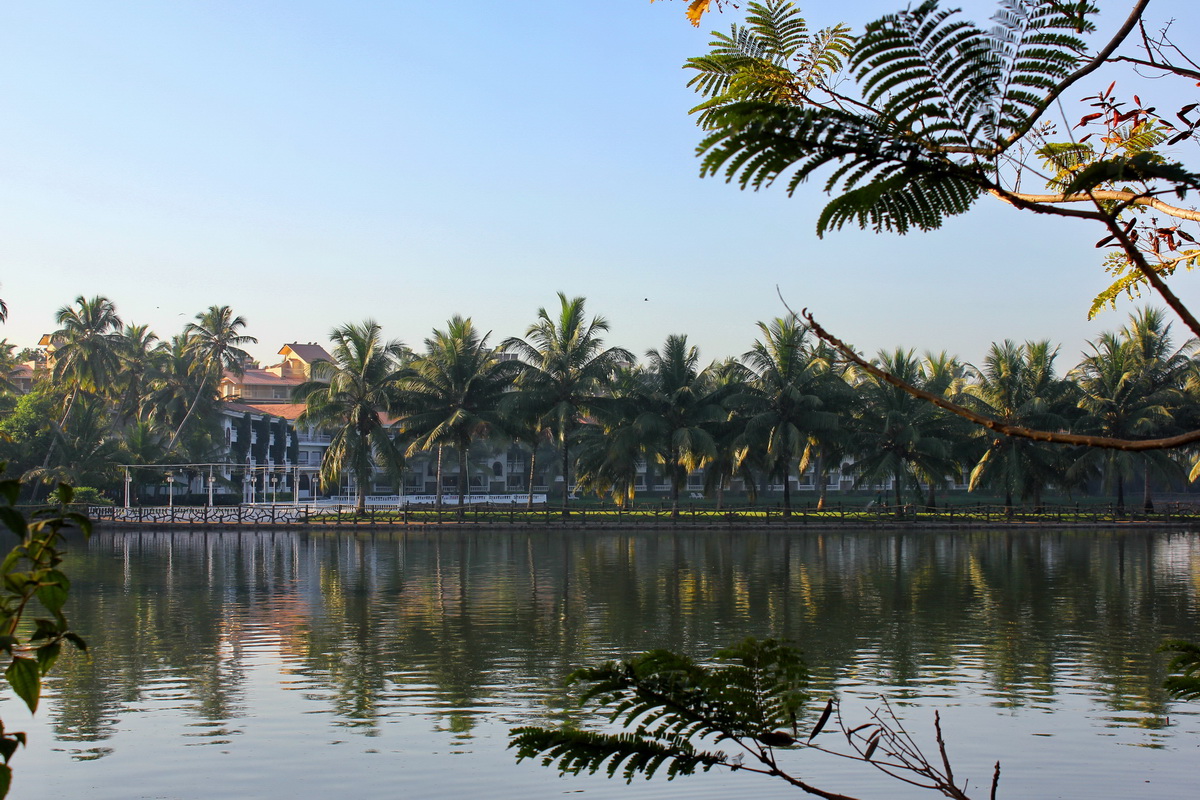
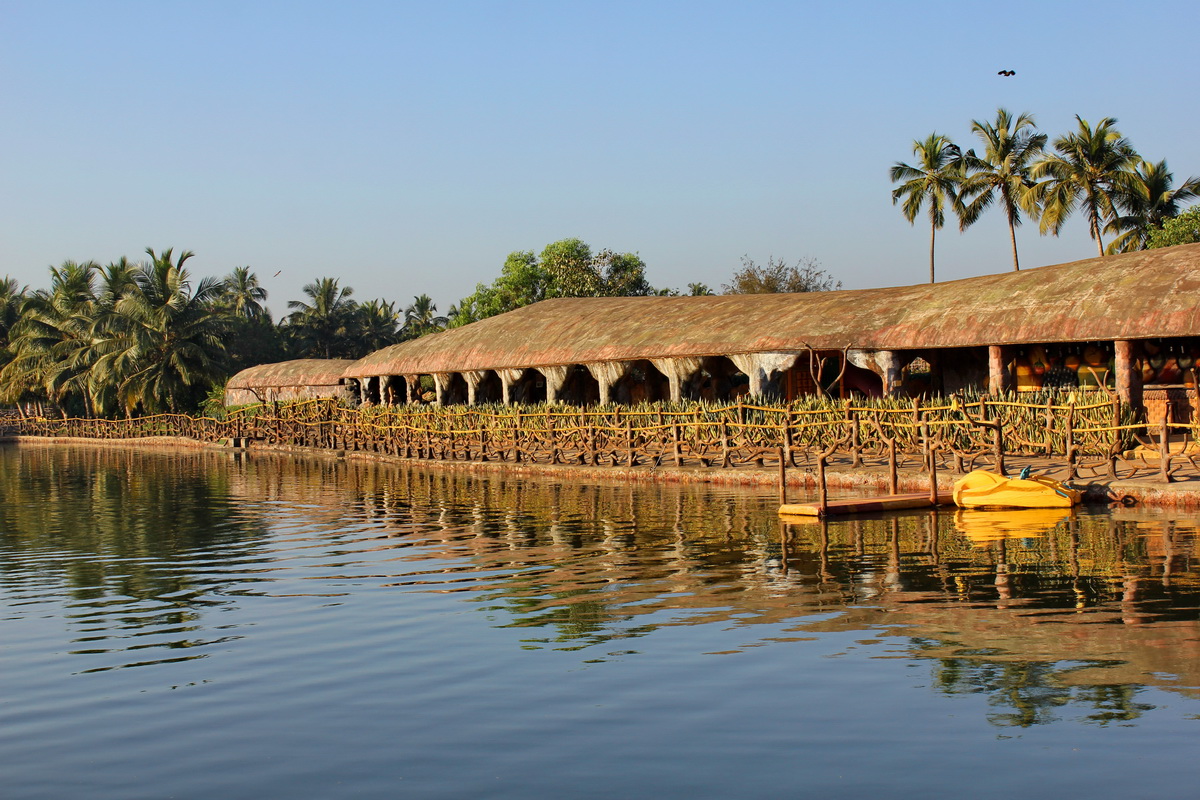
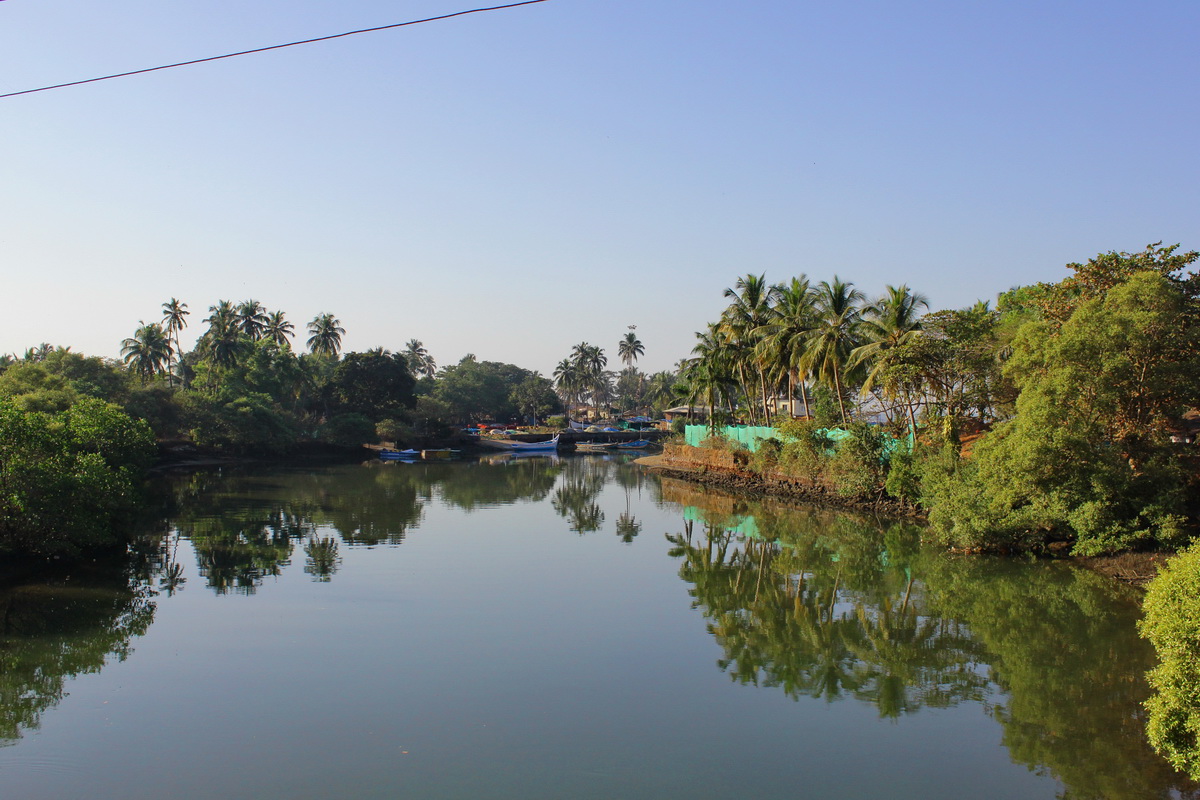
A small river flows here.
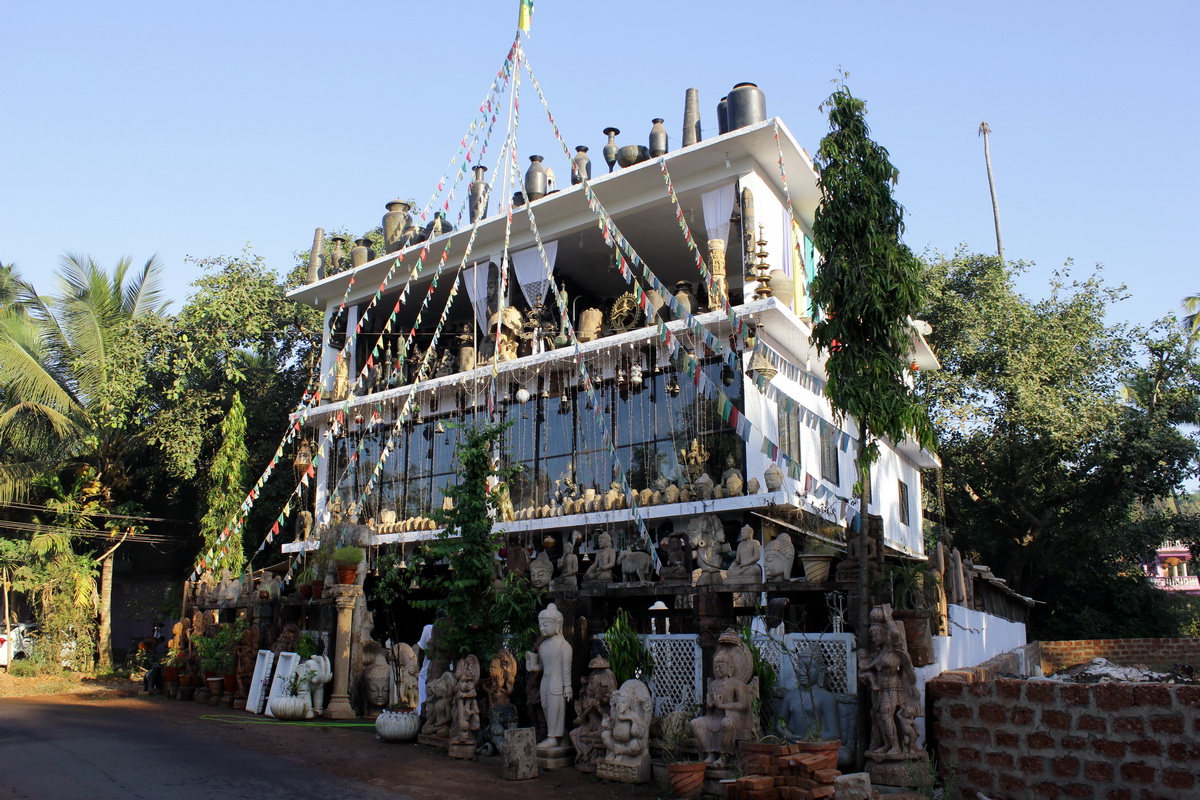
Large statuettes for sale.
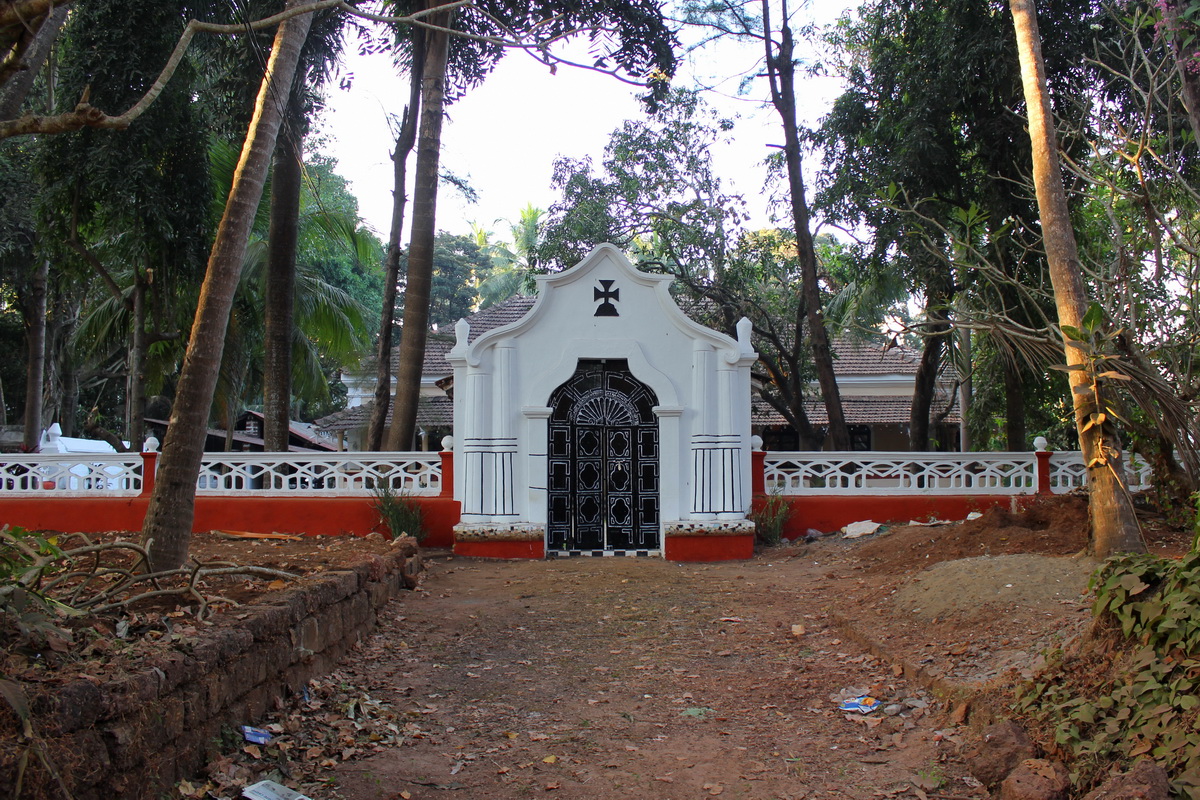
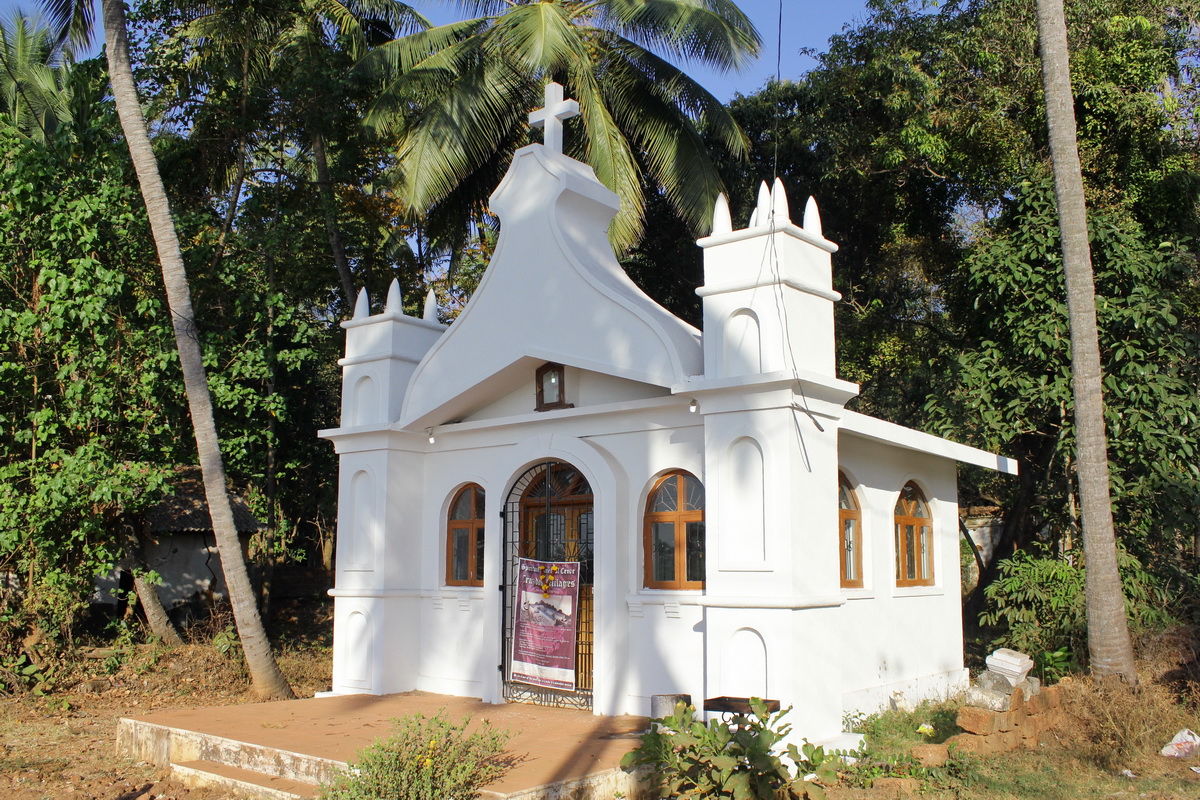
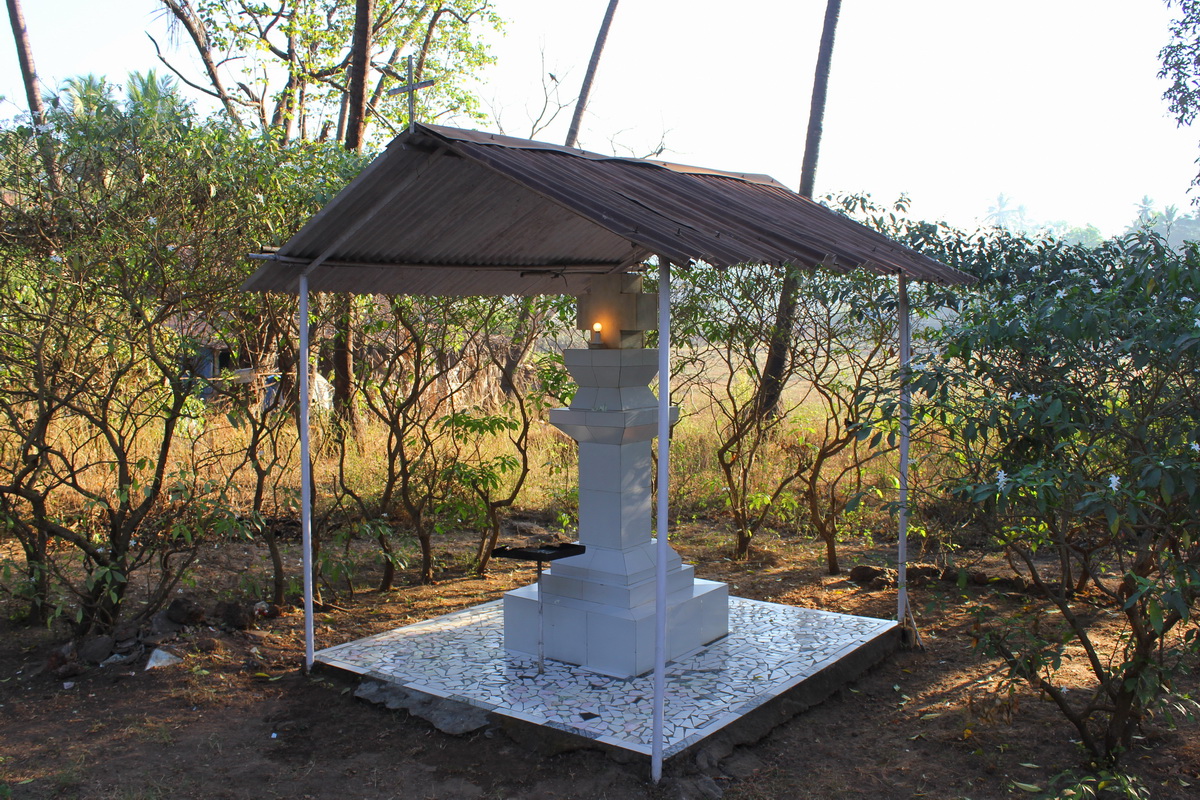
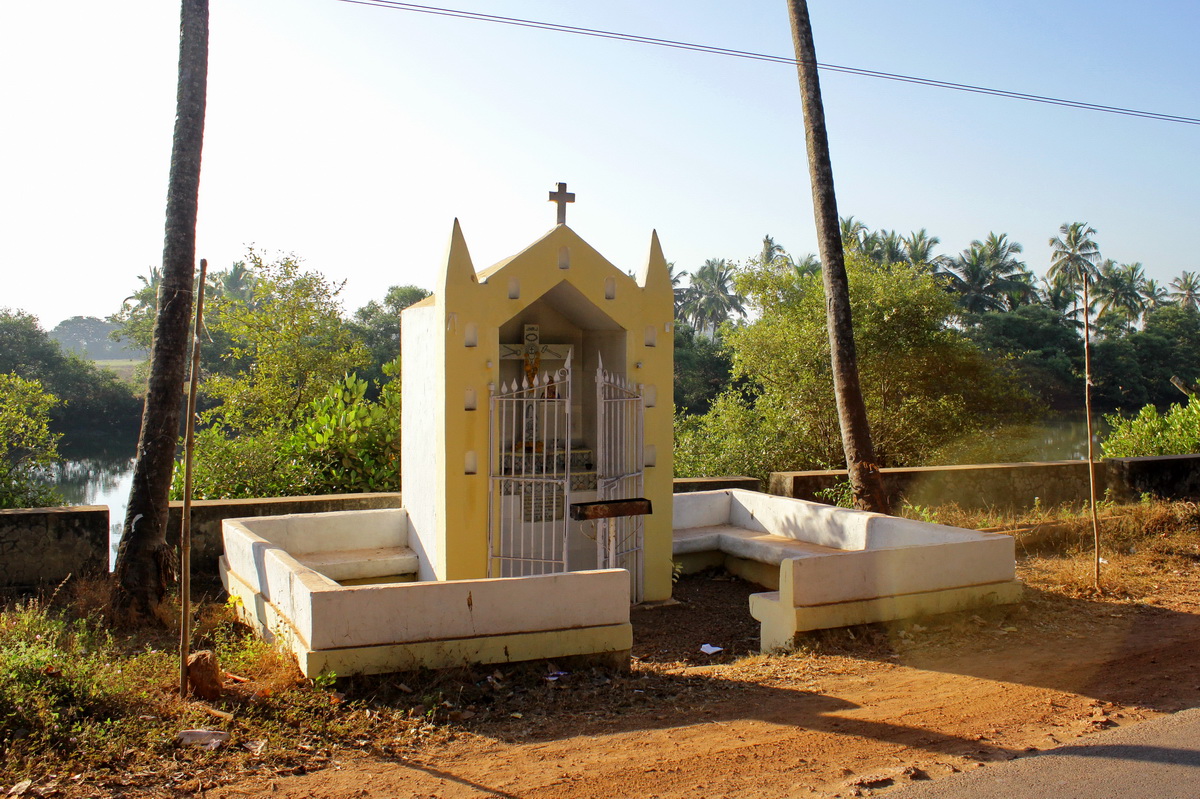
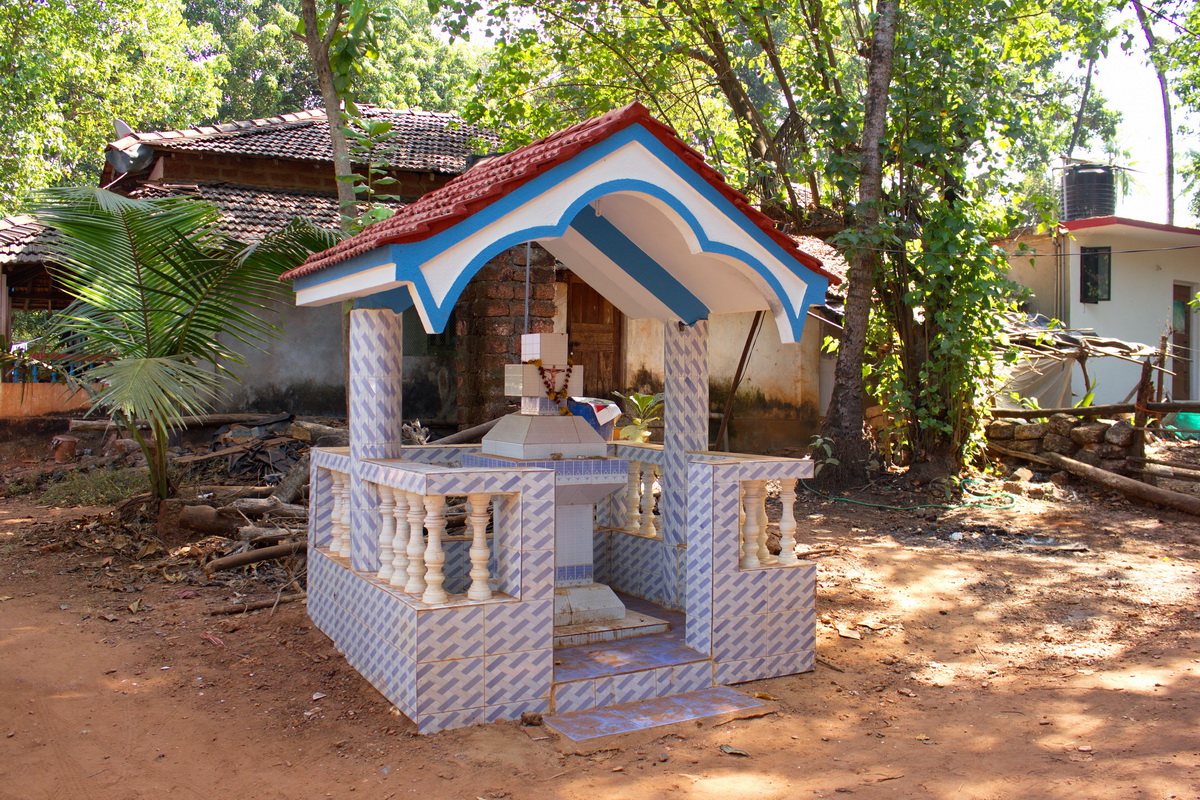
Chapels.
...
People.
Baga
The village of Baga is one of the main tourist hubs in North Goa. It is located on the coast of the Arabian Sea, where the Baga River flows into the sea.
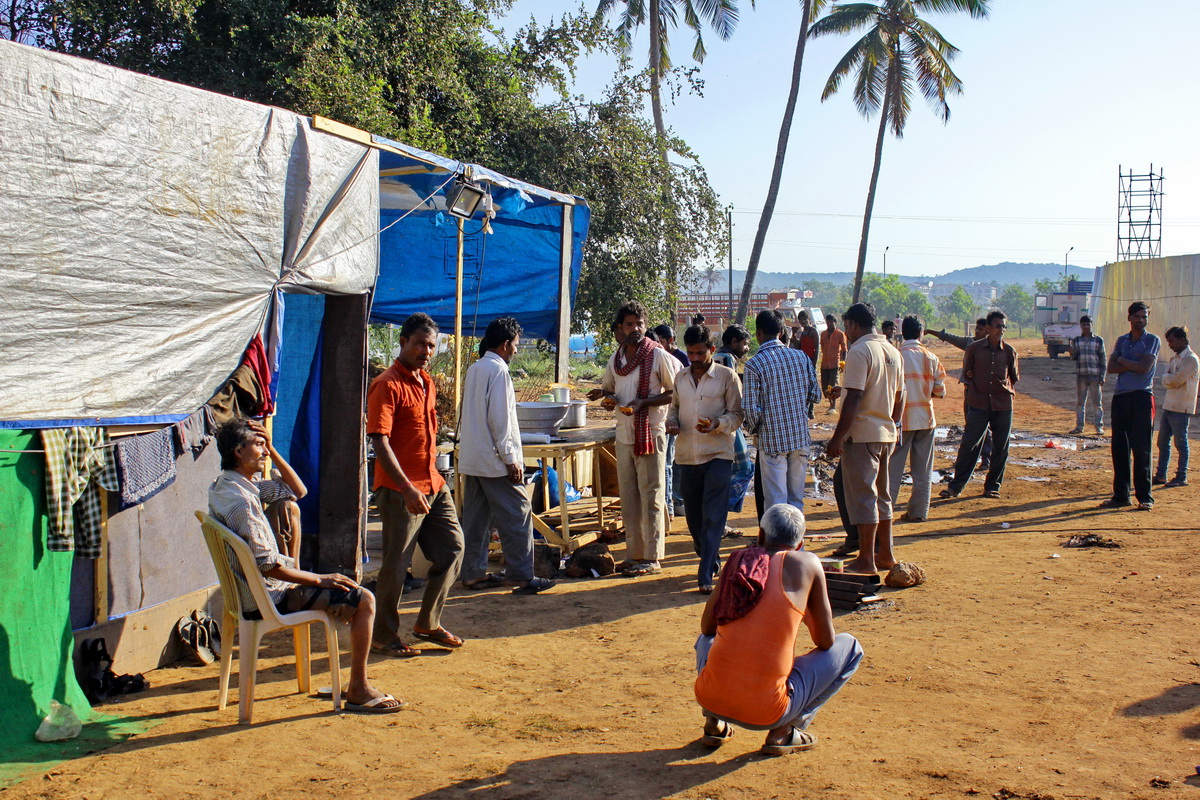
Indians queuing for fast food.
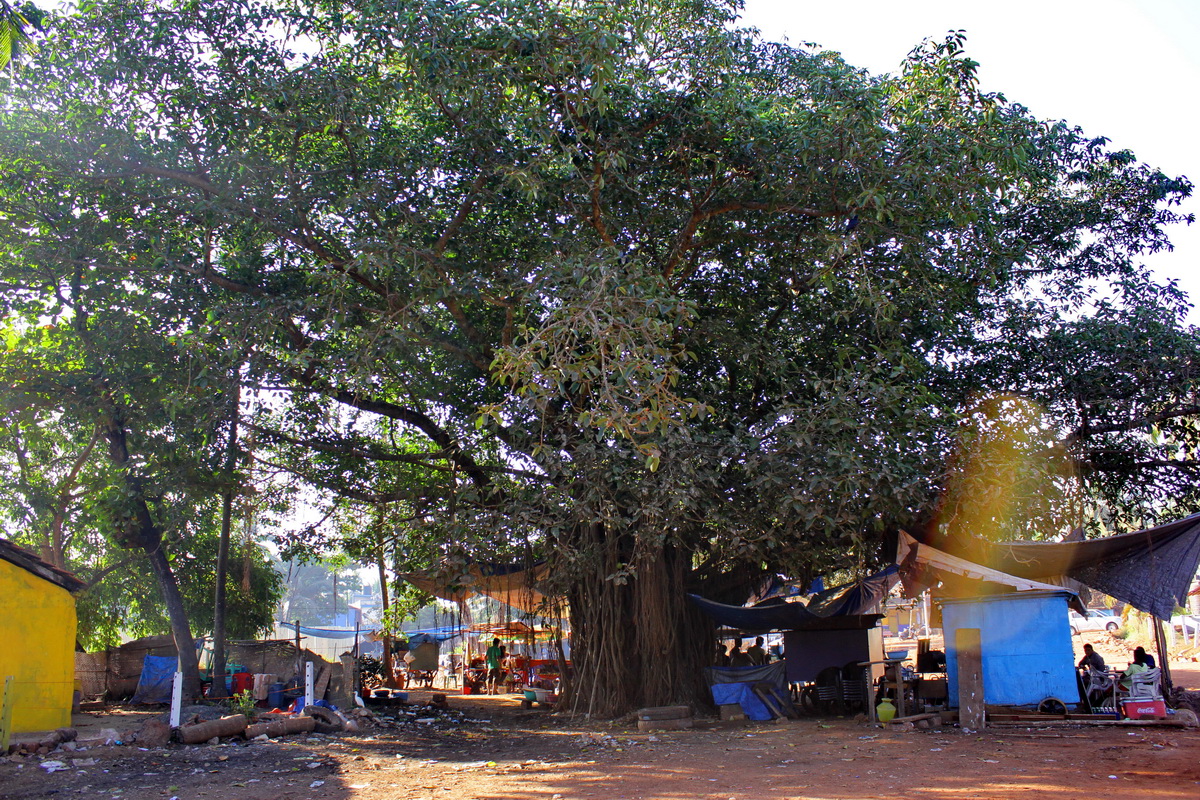
Banyan, or Bengal fig. These trees are quite common in India. Their unique feature is that as they grow, they extend roots from their branches to the ground, sometimes expanding to considerable sizes. The photo shows a young banyan.
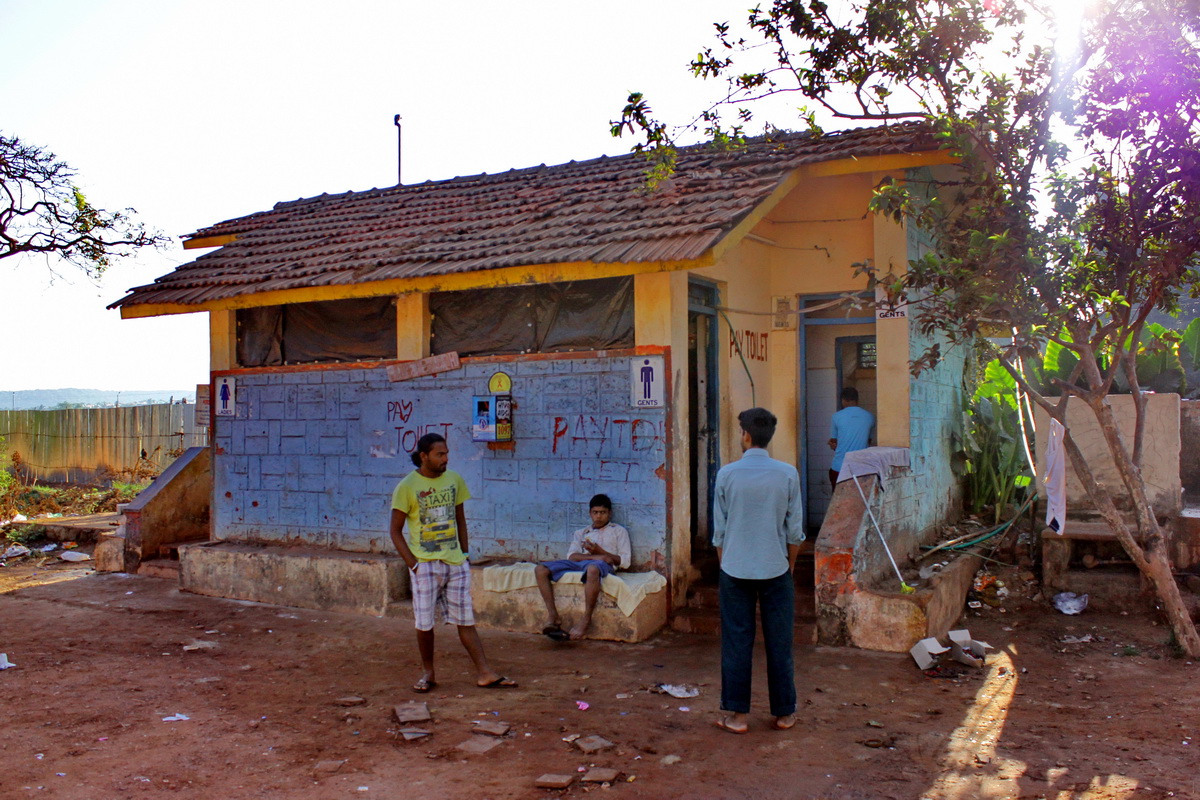
Toilet.
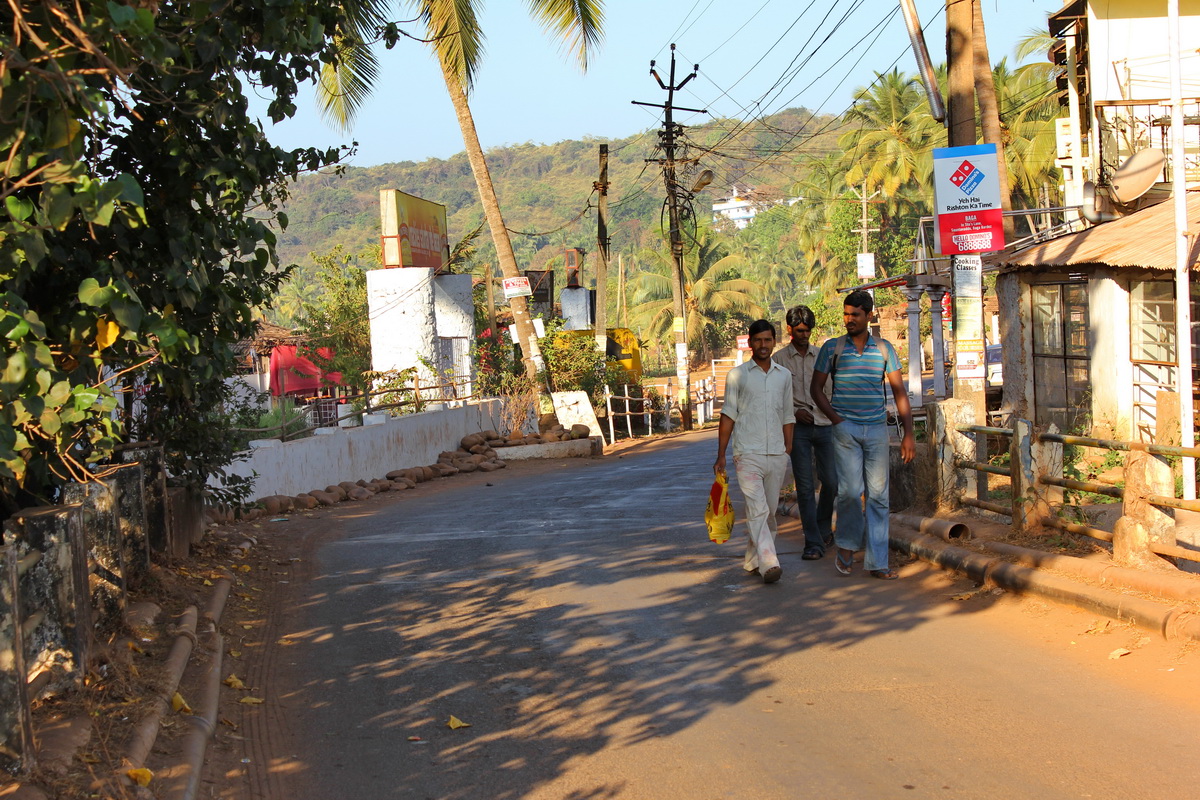
A street in Baga.
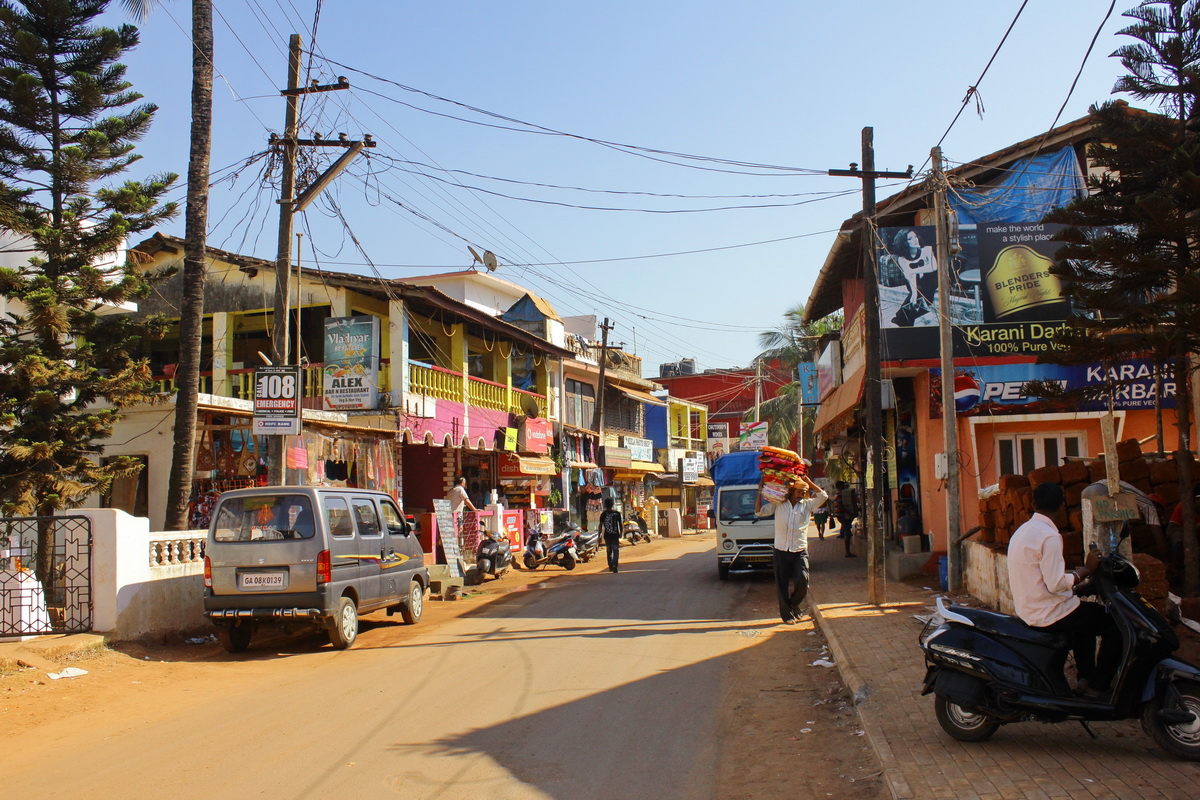
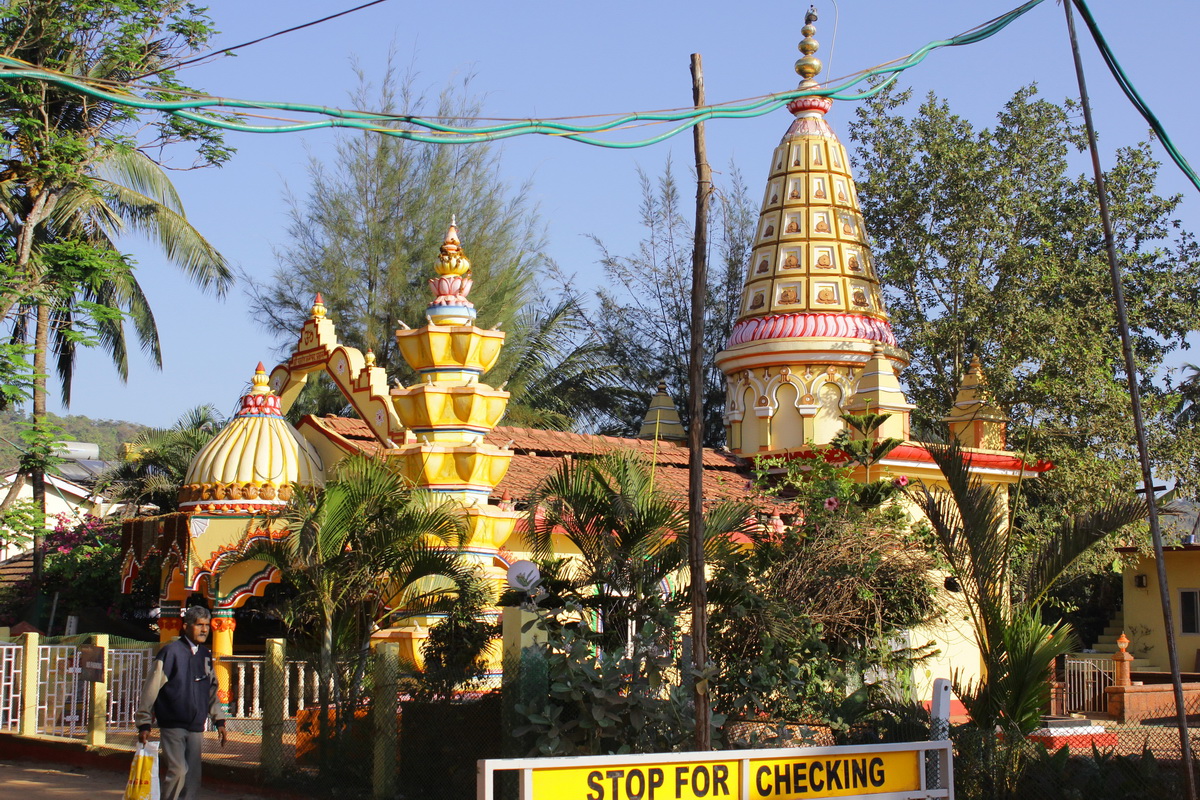
Temple on the beach.
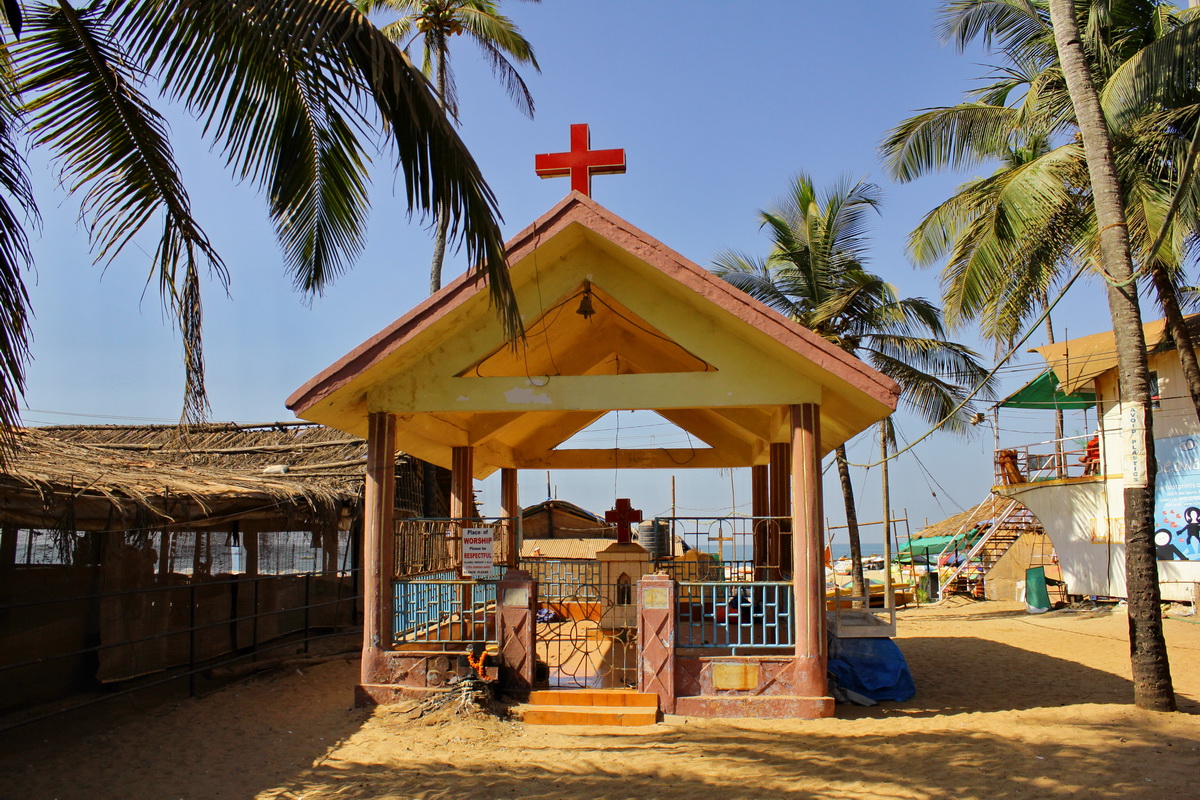
Chapel.
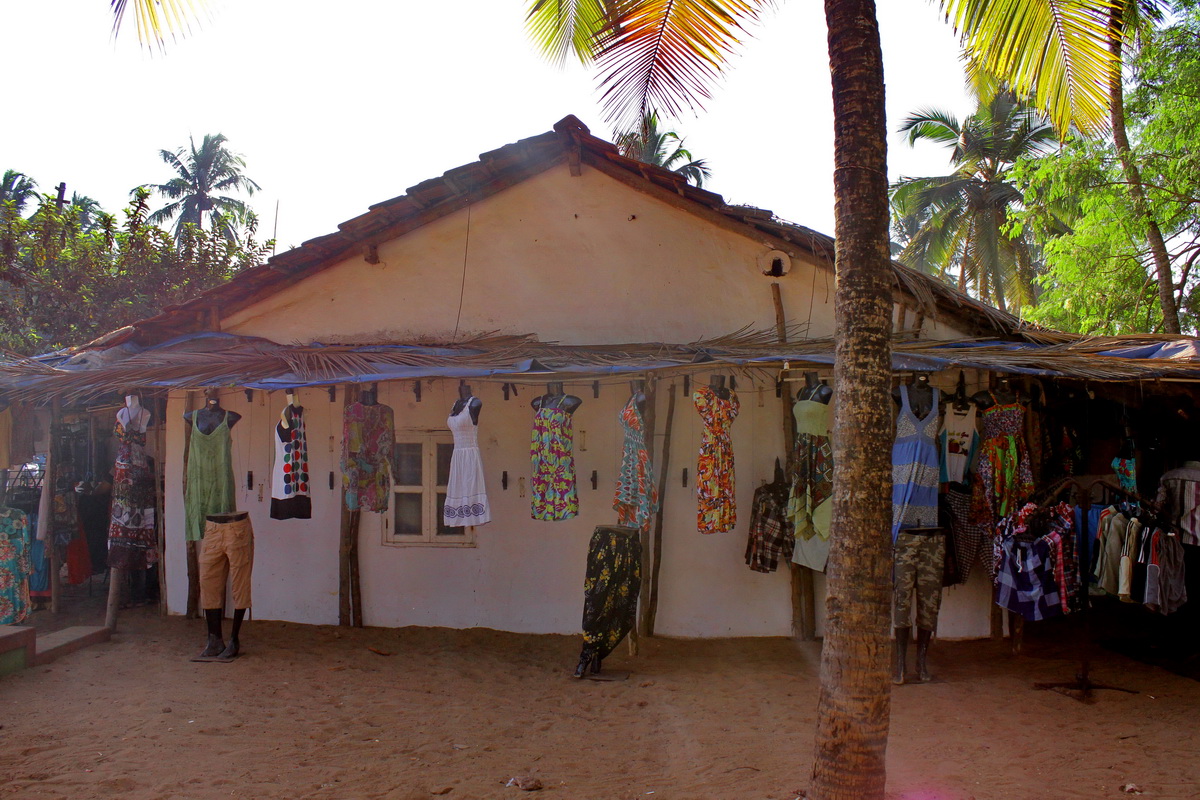
Clothing for sale.
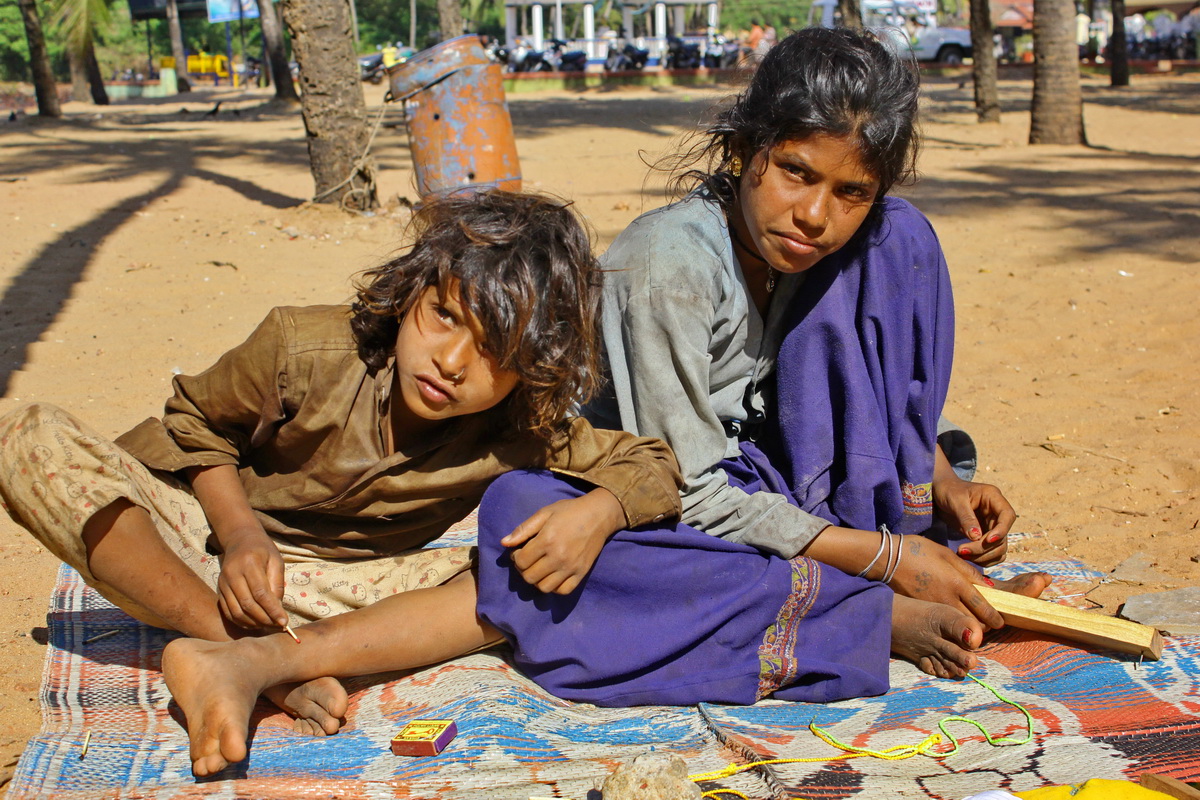
Girls making personalized beaded bracelets.
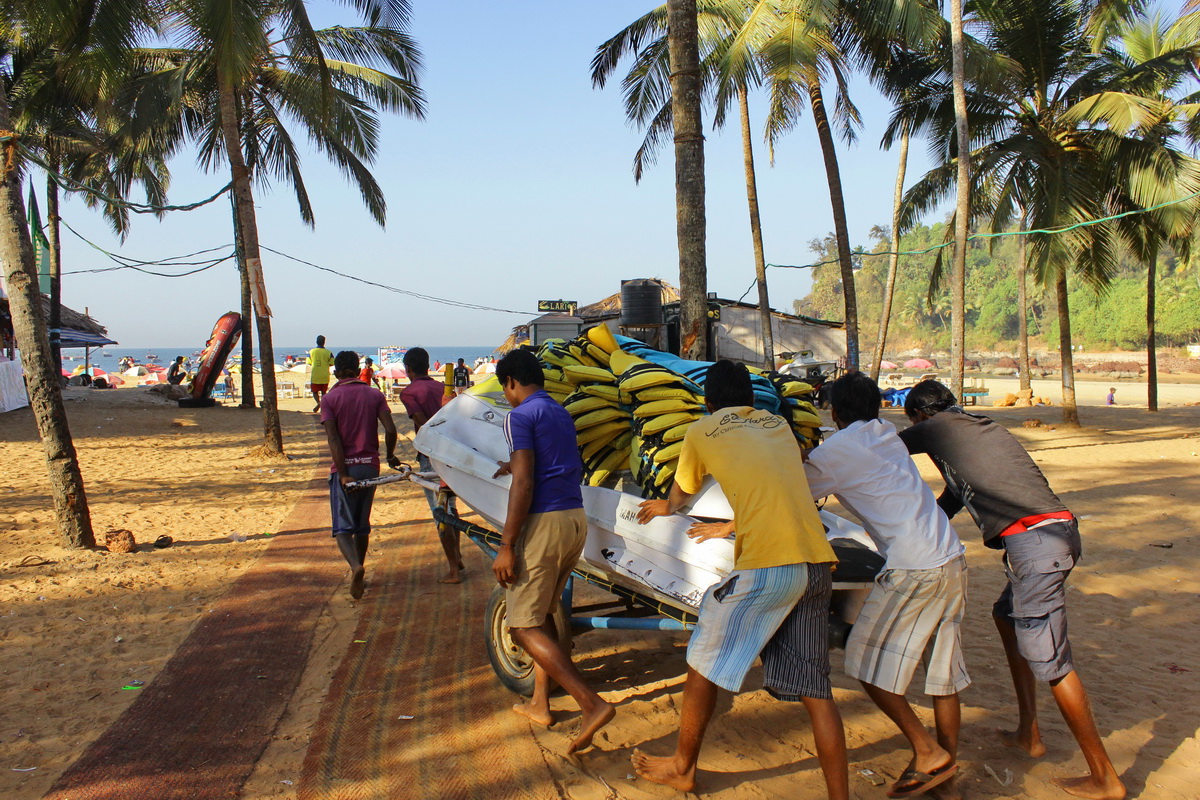
A carpeted path to the beach.
The beach itself. Baga beach is crowded, as it typically attracts many tourists.
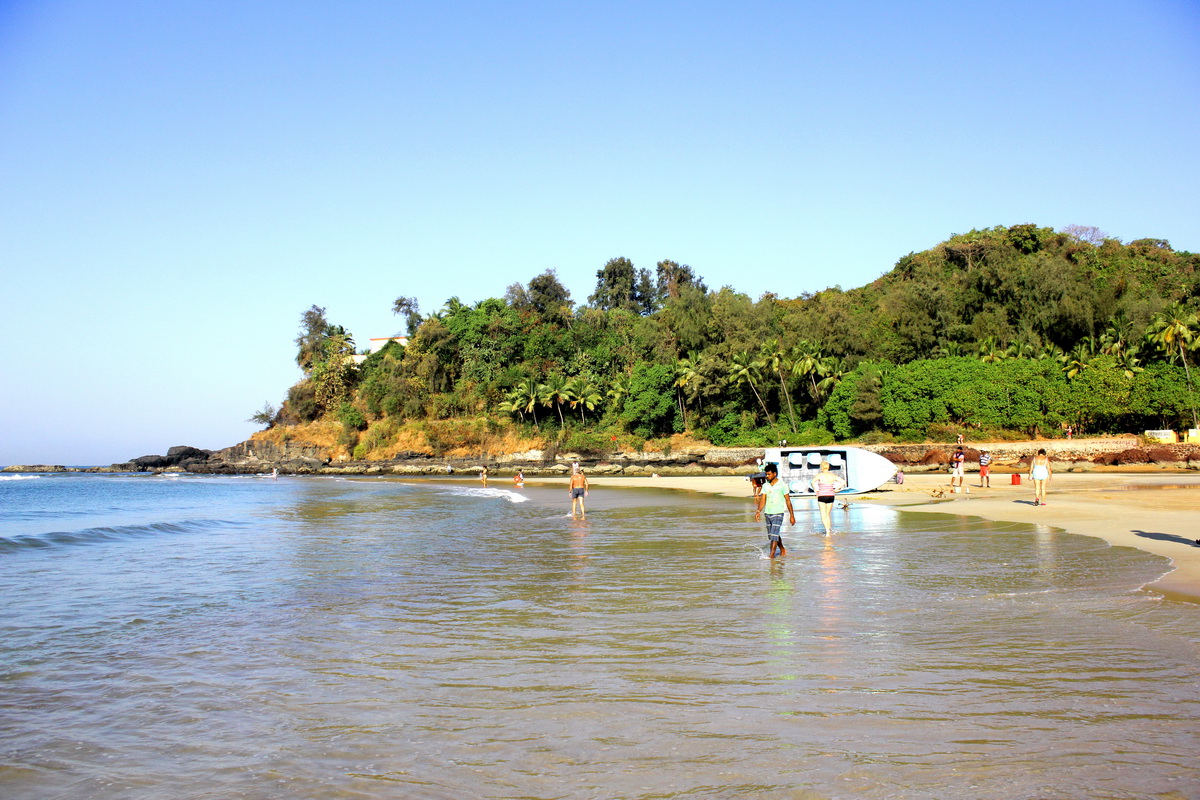
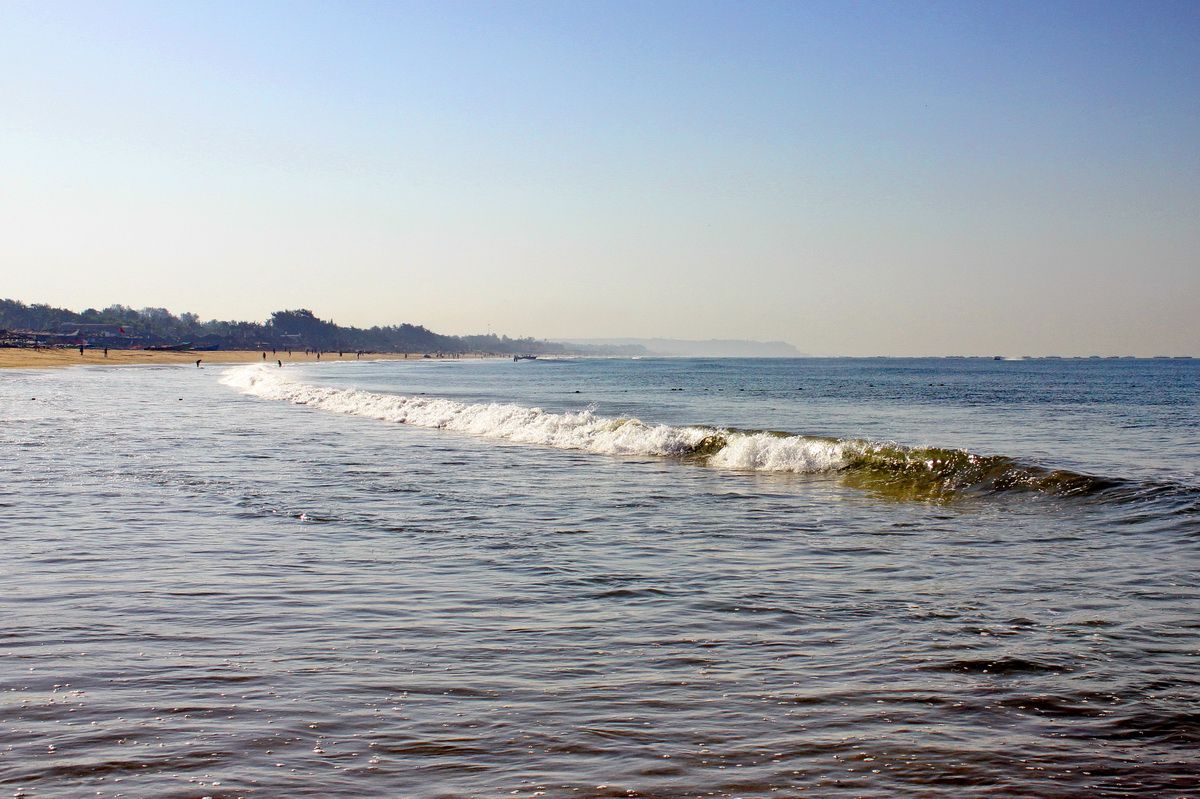
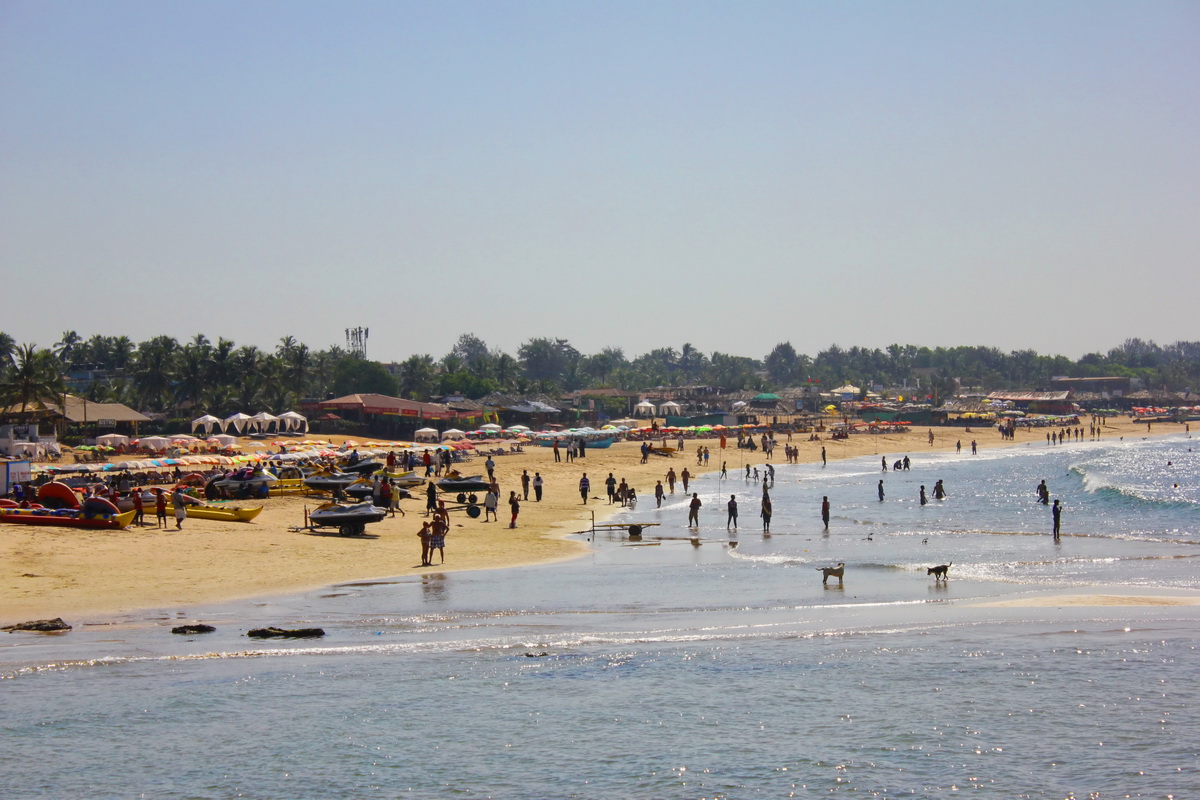
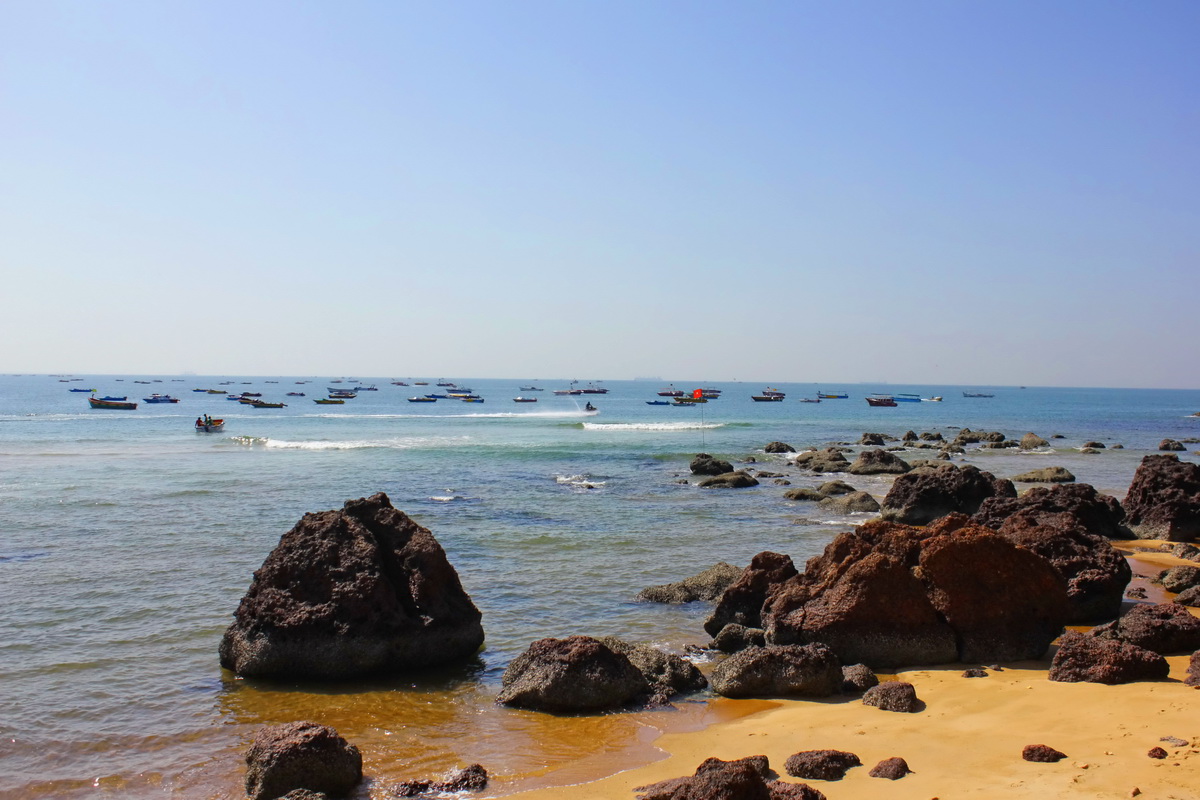
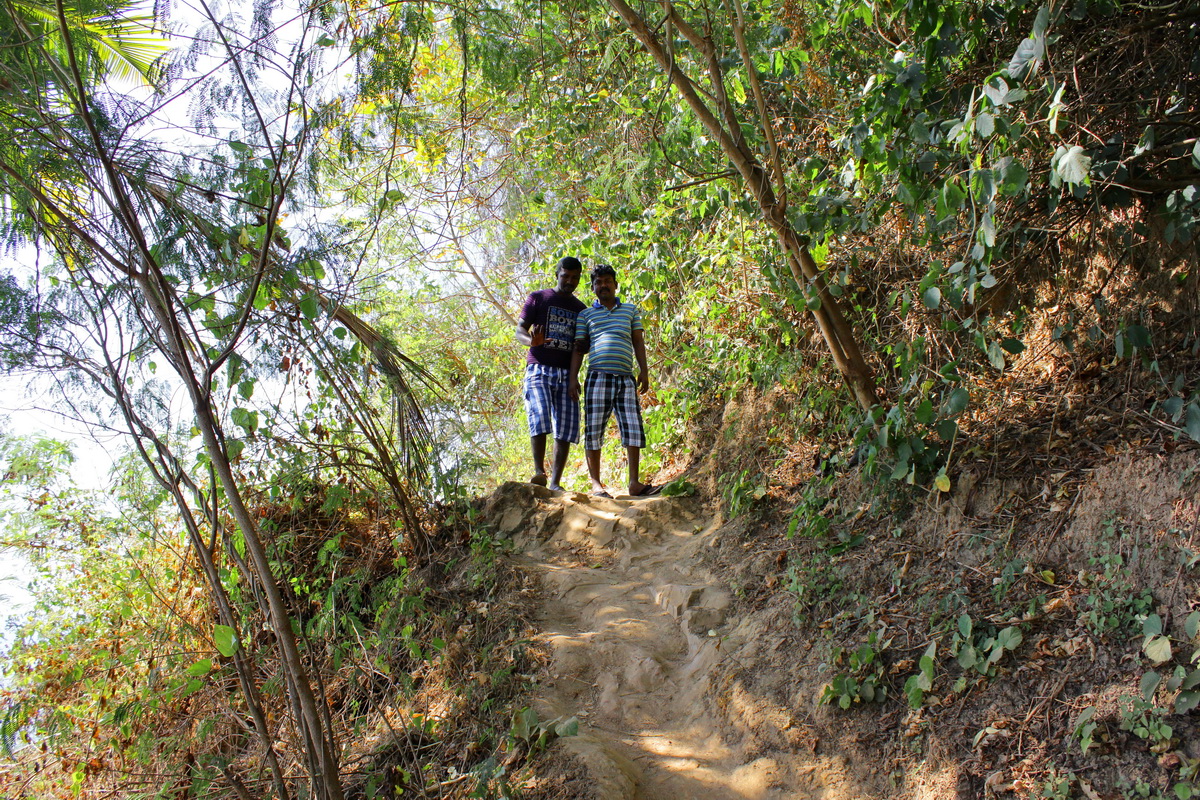
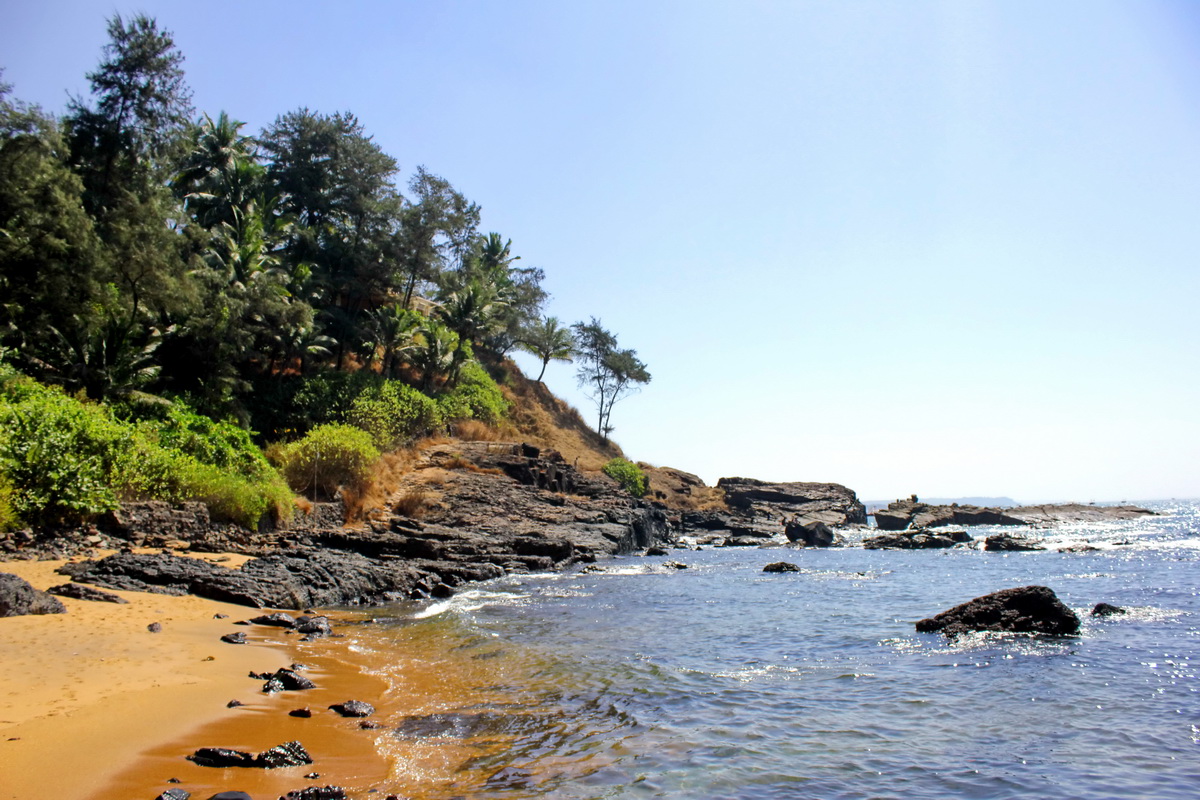
You can climb a small hill at the far end of the beach by crossing the river. A path leads through the hill.
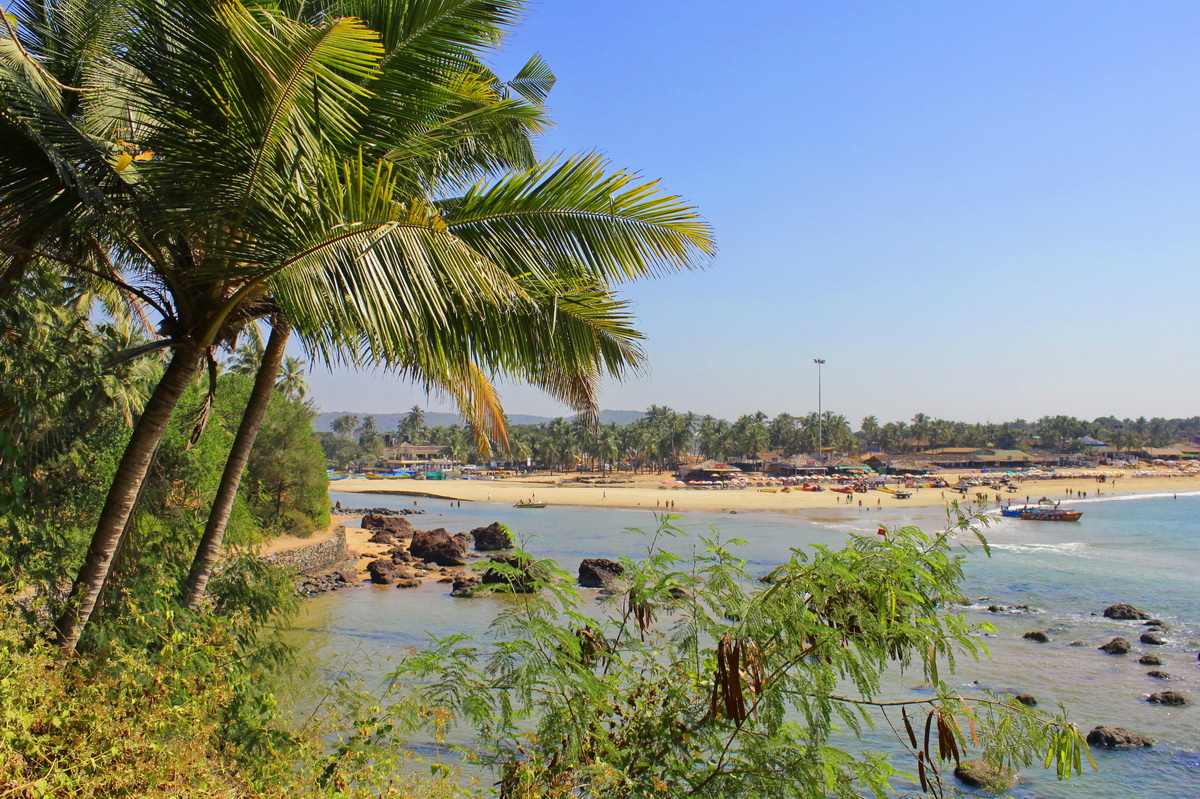
Stunning views of Baga beach and the Indian Ocean open up from here.
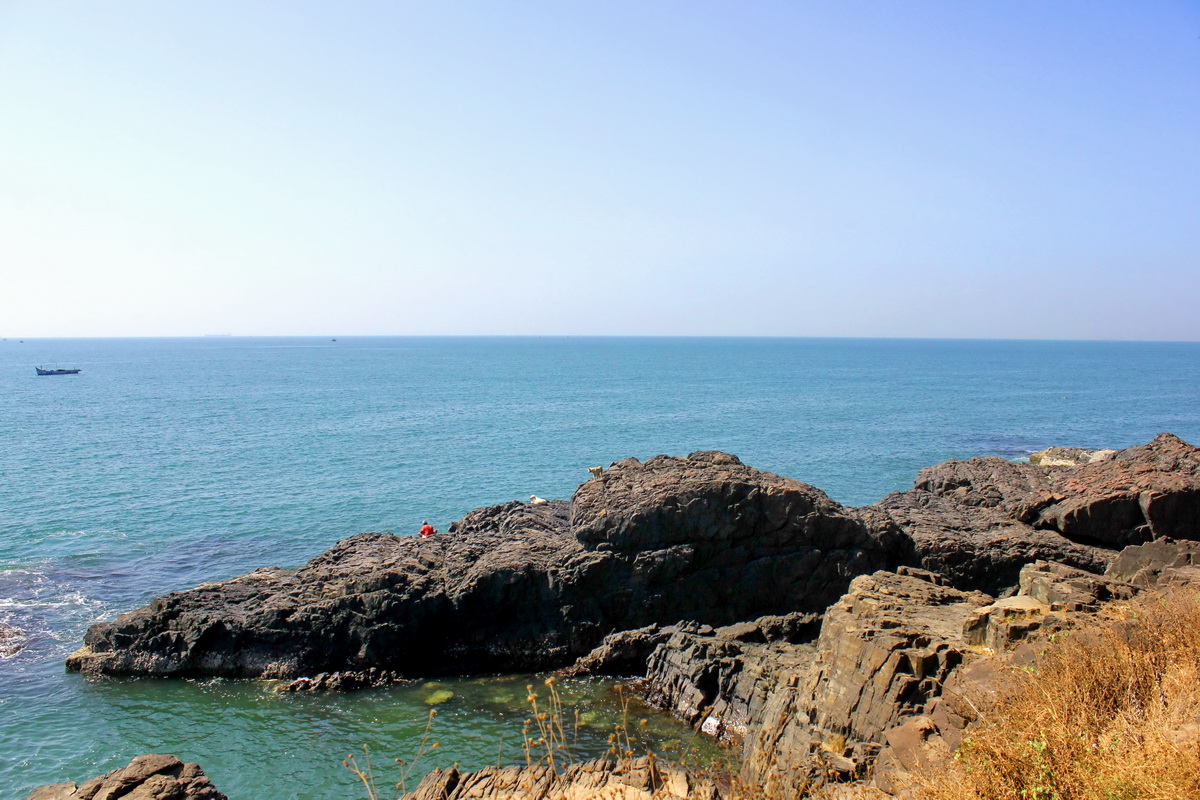
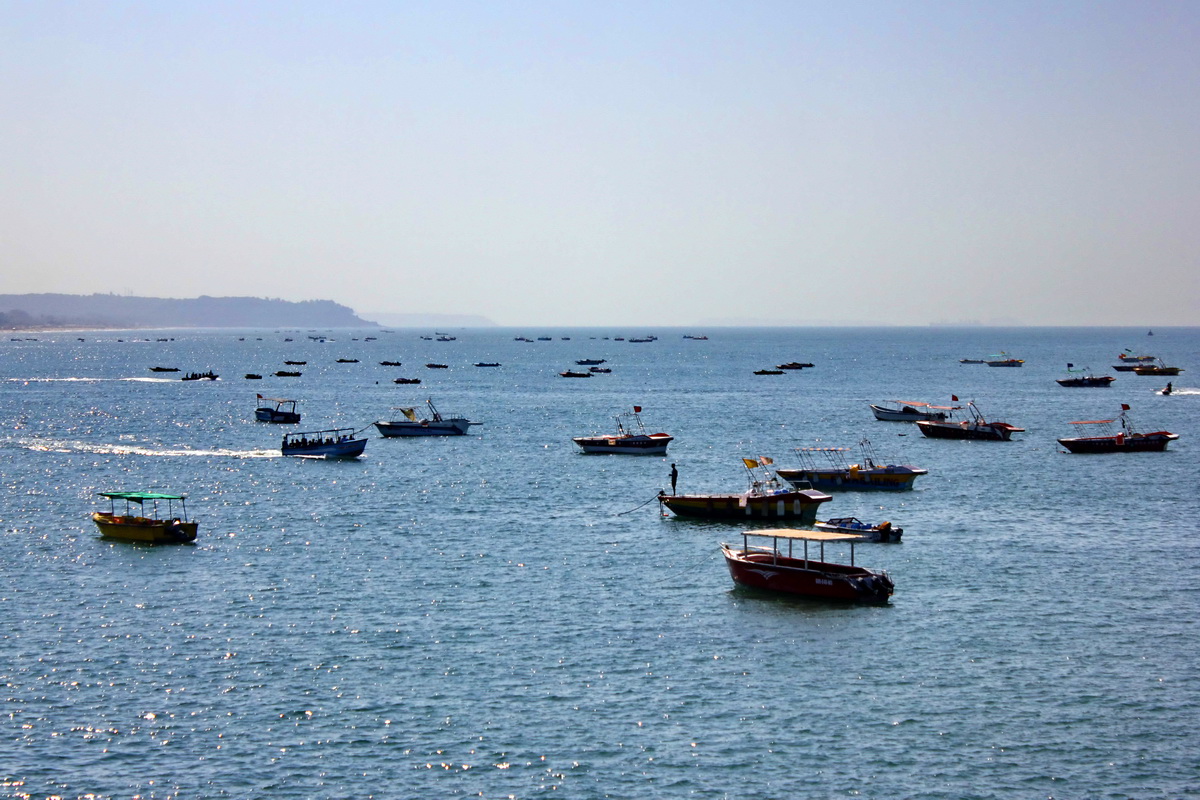
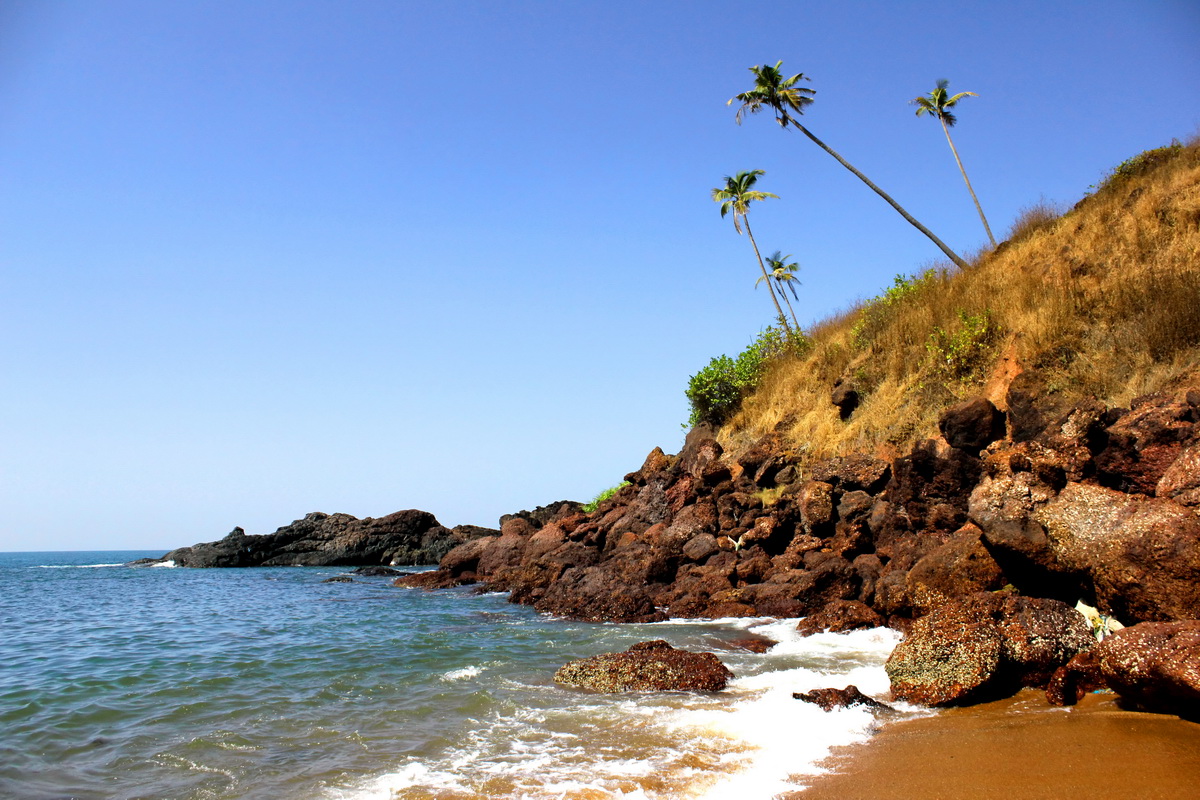
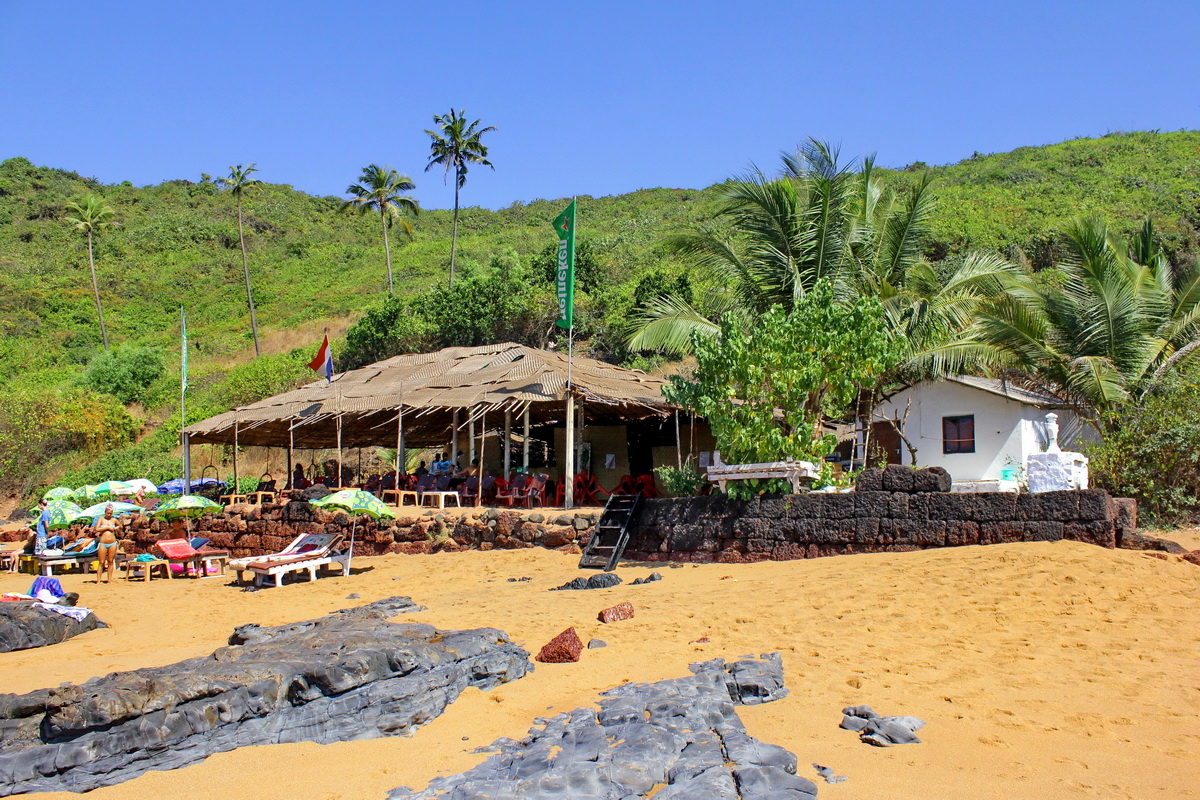
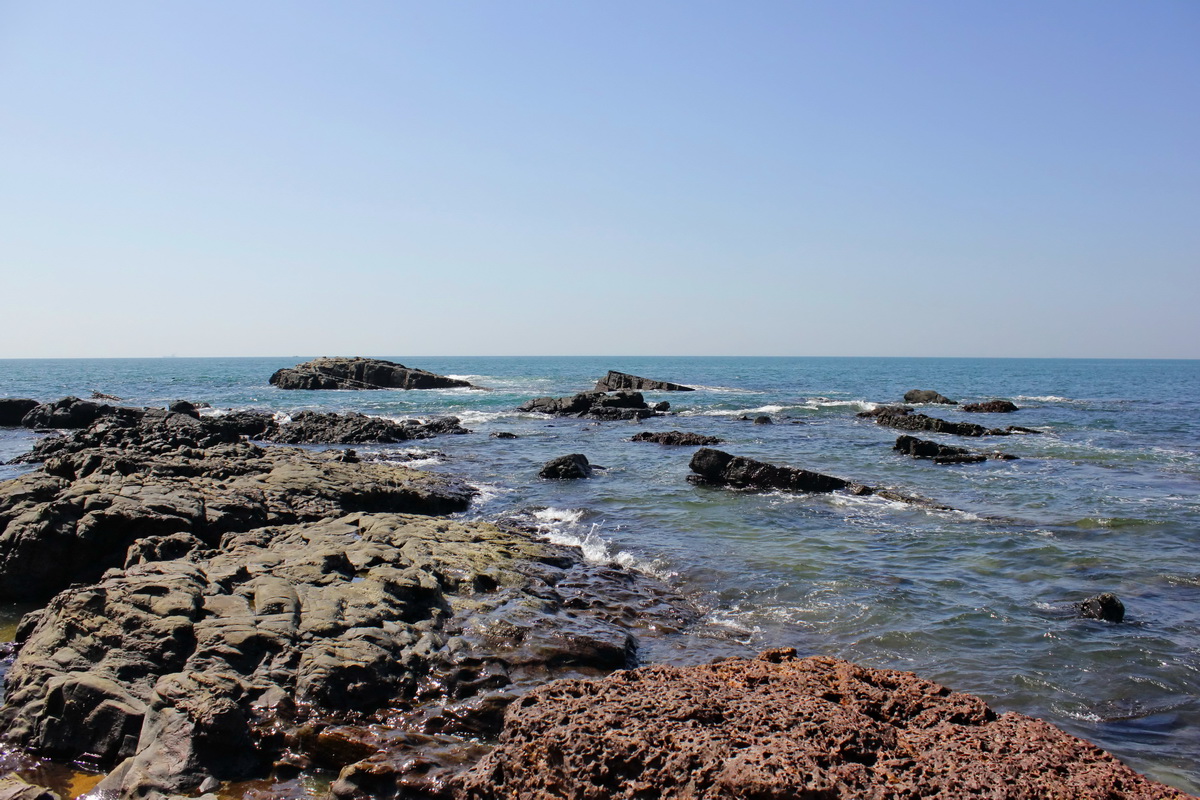
Behind this hill is a smaller, less crowded beach. Swimming here requires caution due to the numerous rocks. There’s a café where you can grab a beer and enjoy a tasty meal.
Anjuna
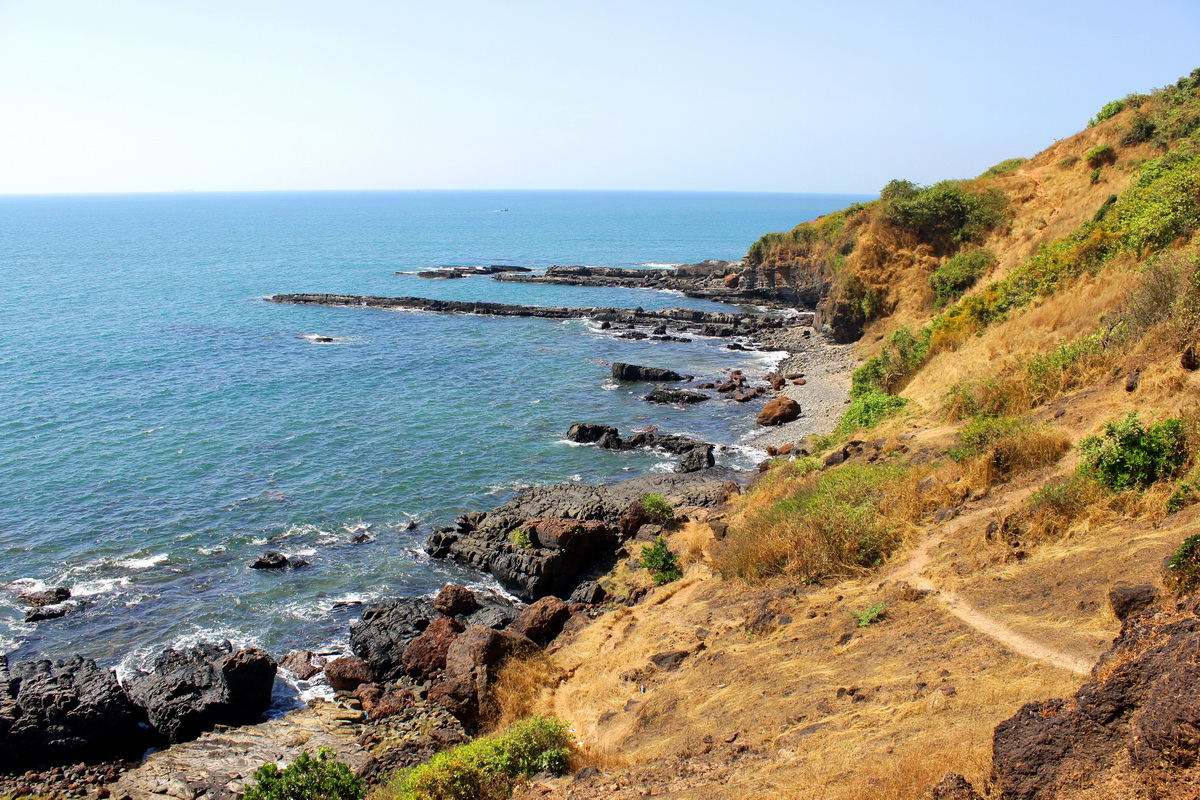
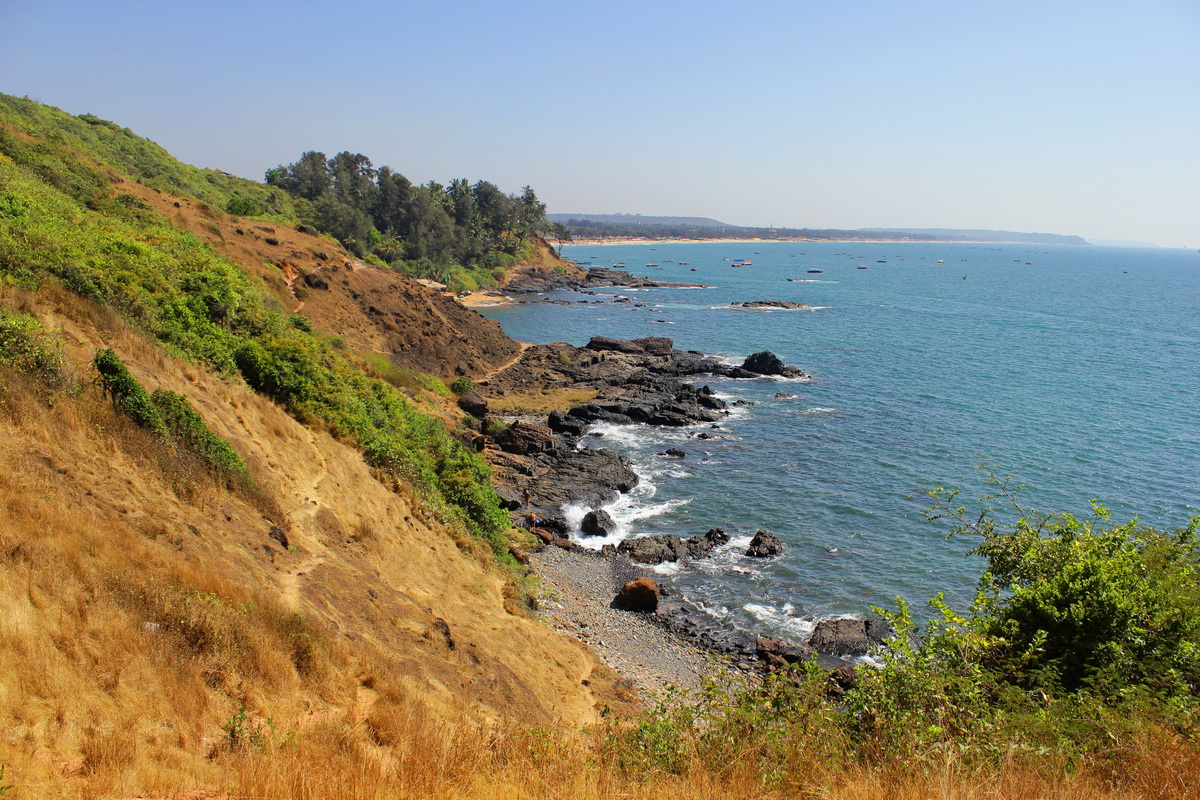
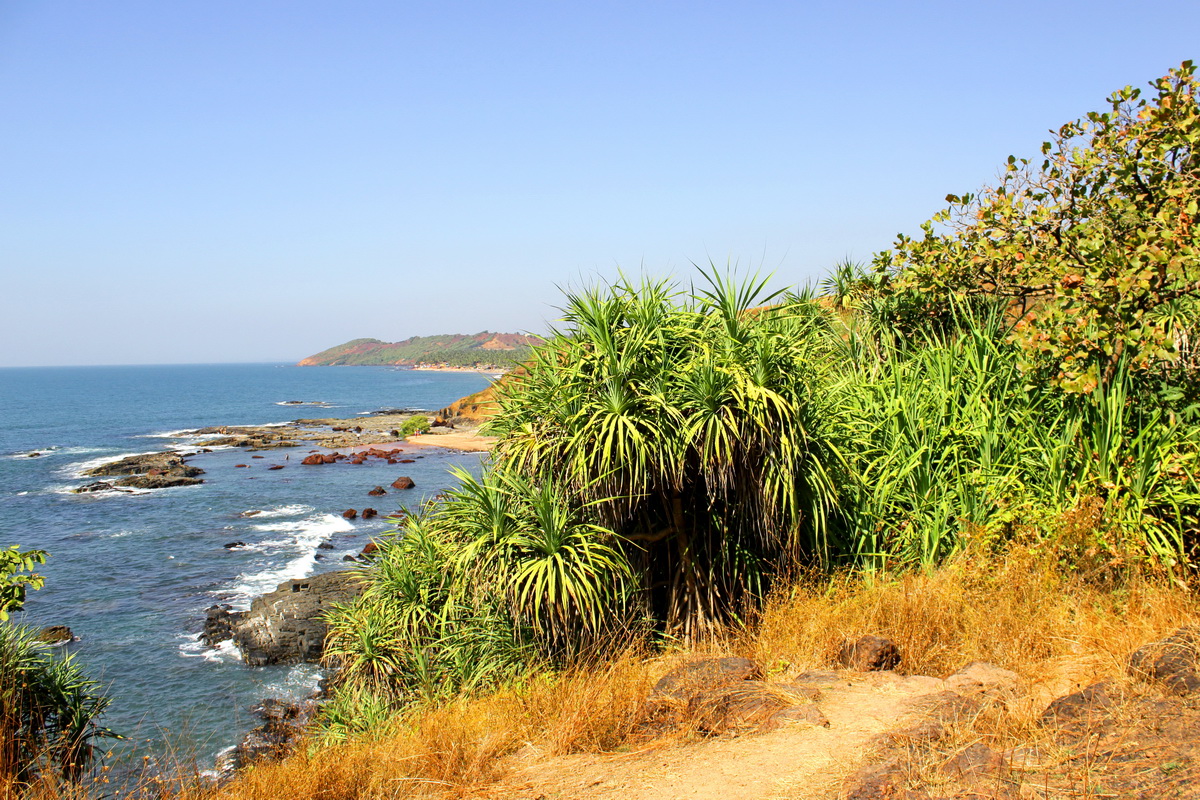
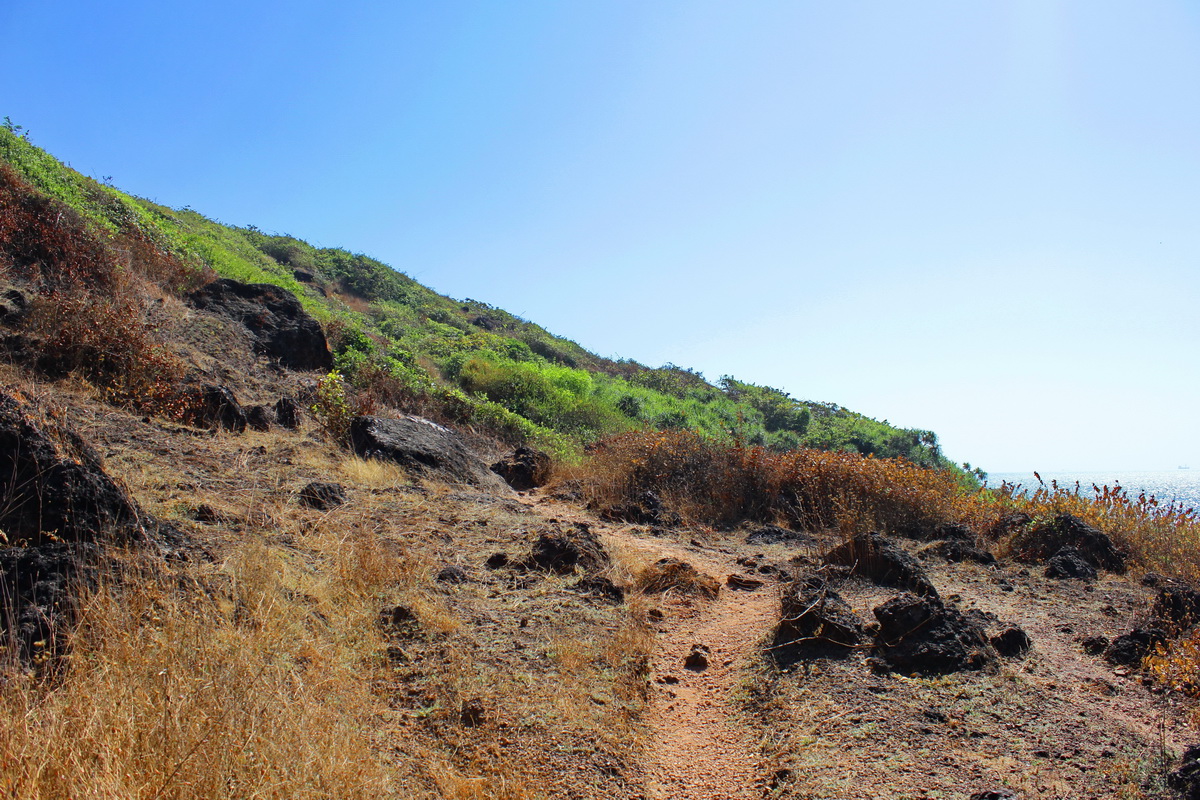
Anjuna is a village located slightly north of Baga on the coast. You can get there by taxi or tuk-tuk, or by walking along a path by the shore through the hills. The walk through the hills is short, about 1 kilometer, very interesting, and quite thrilling.
The path to Anjuna along the coast.
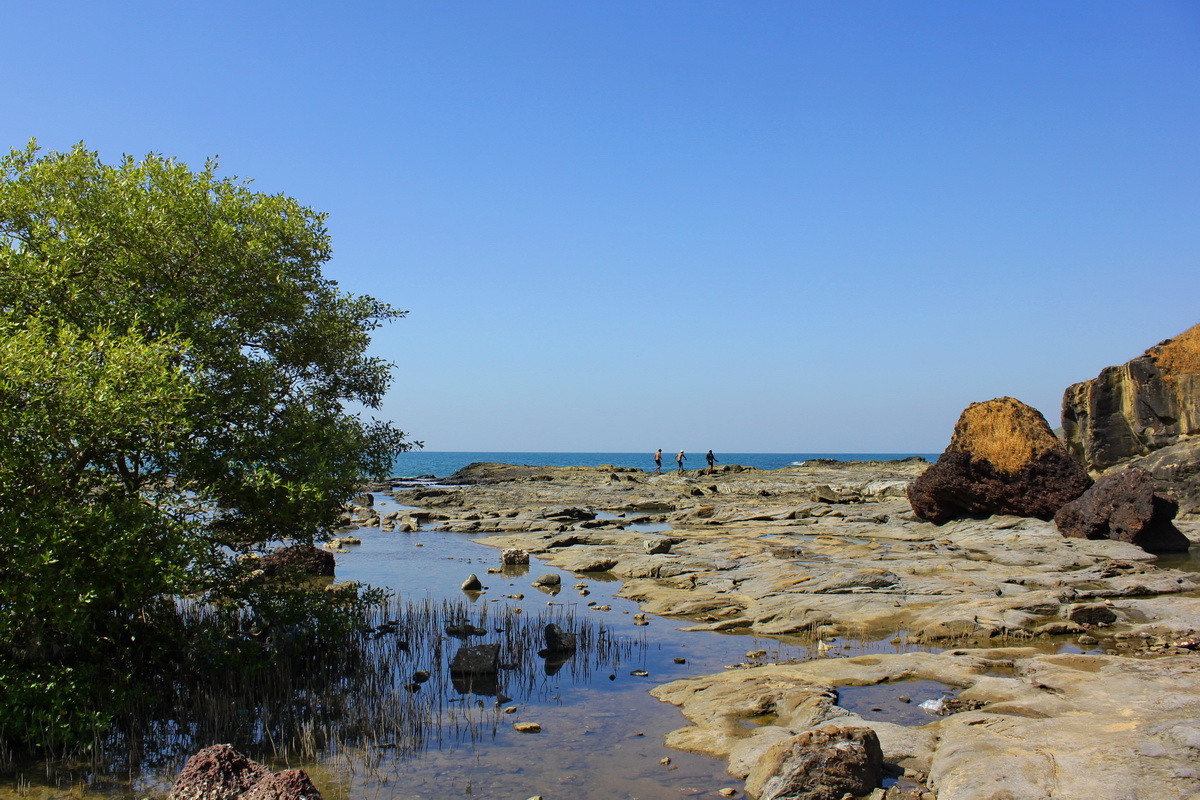
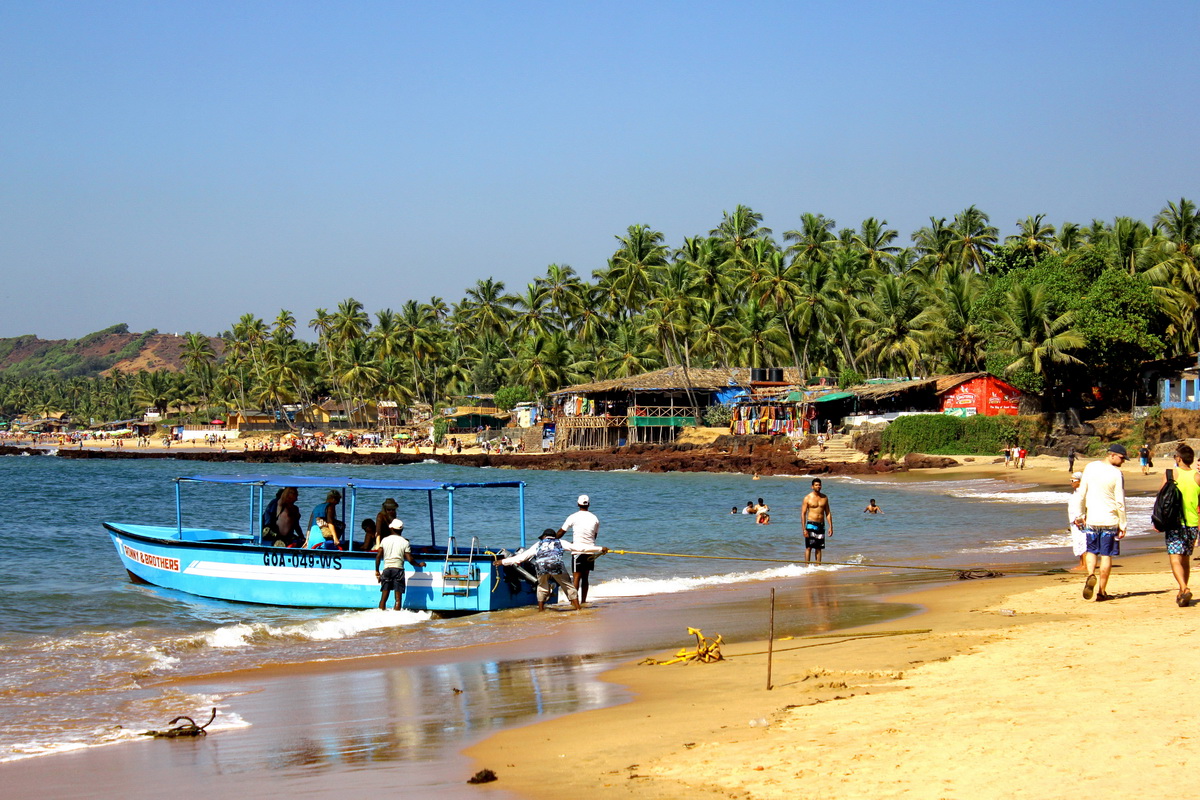
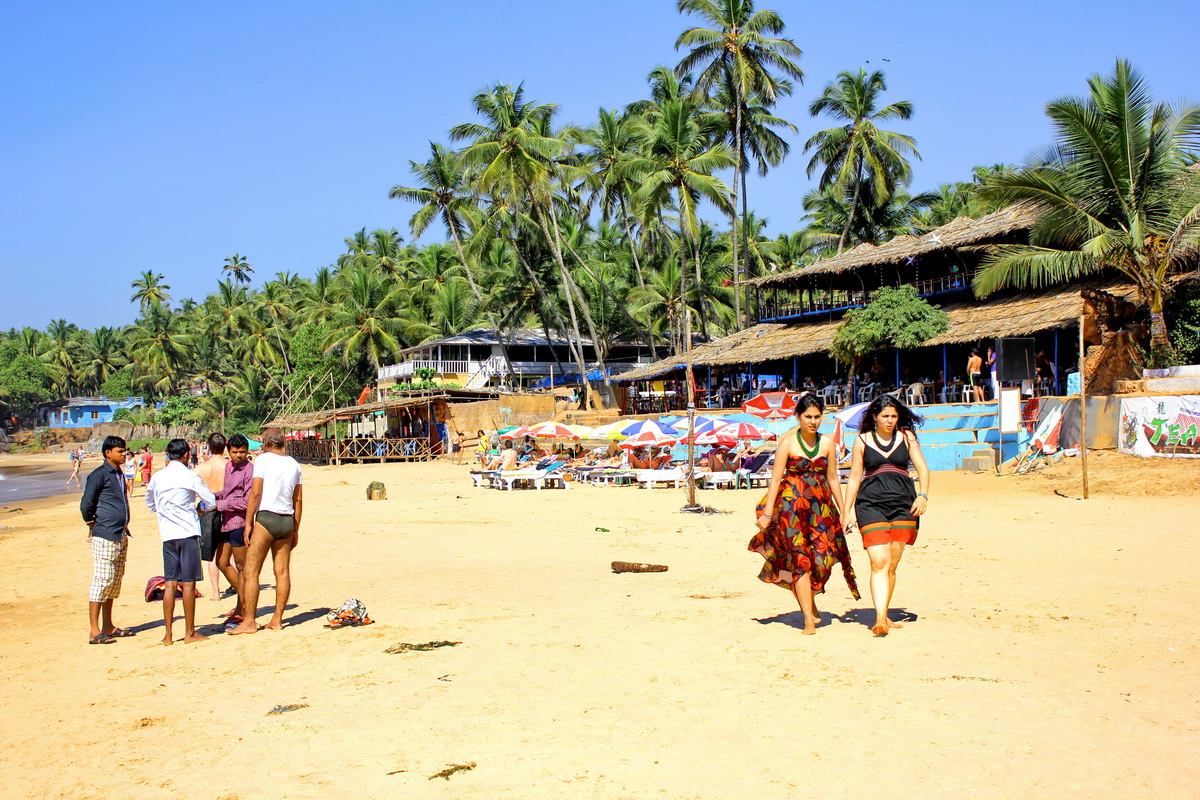
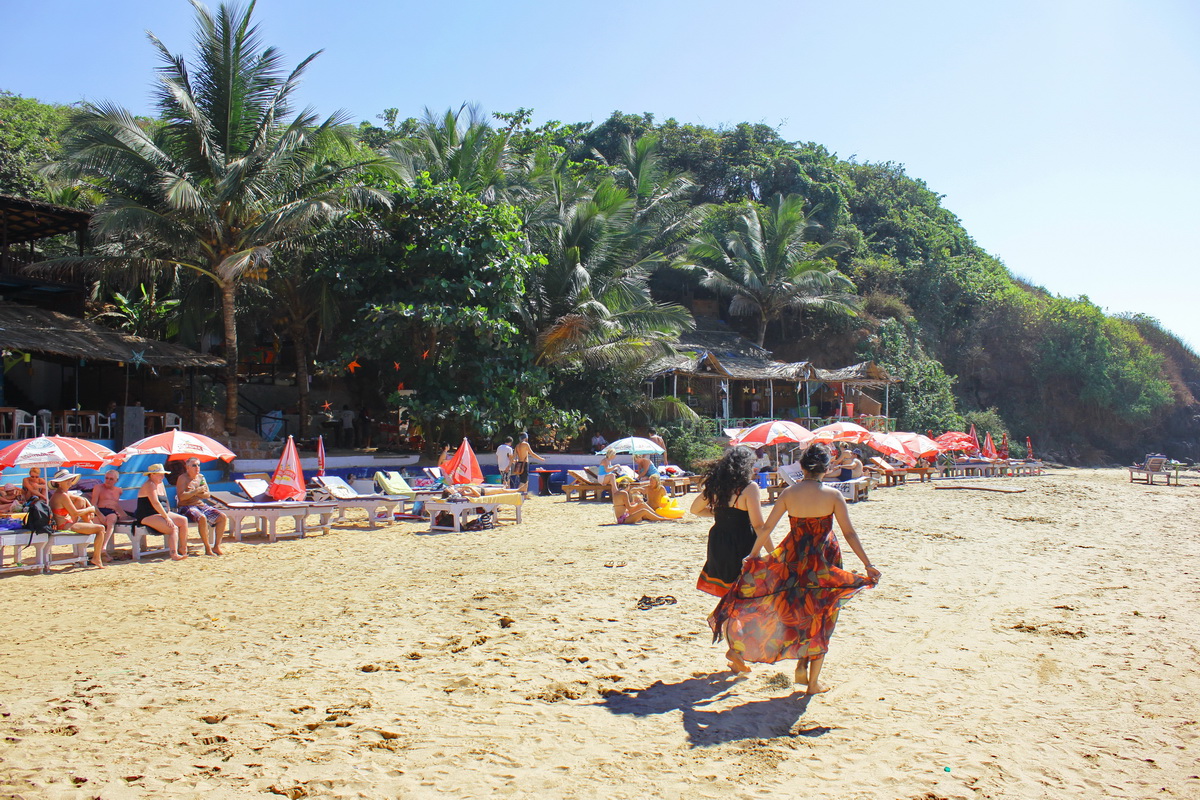
Anjuna beach. The beach is quite large and relatively deep, but swimming can be challenging due to rocks underwater.
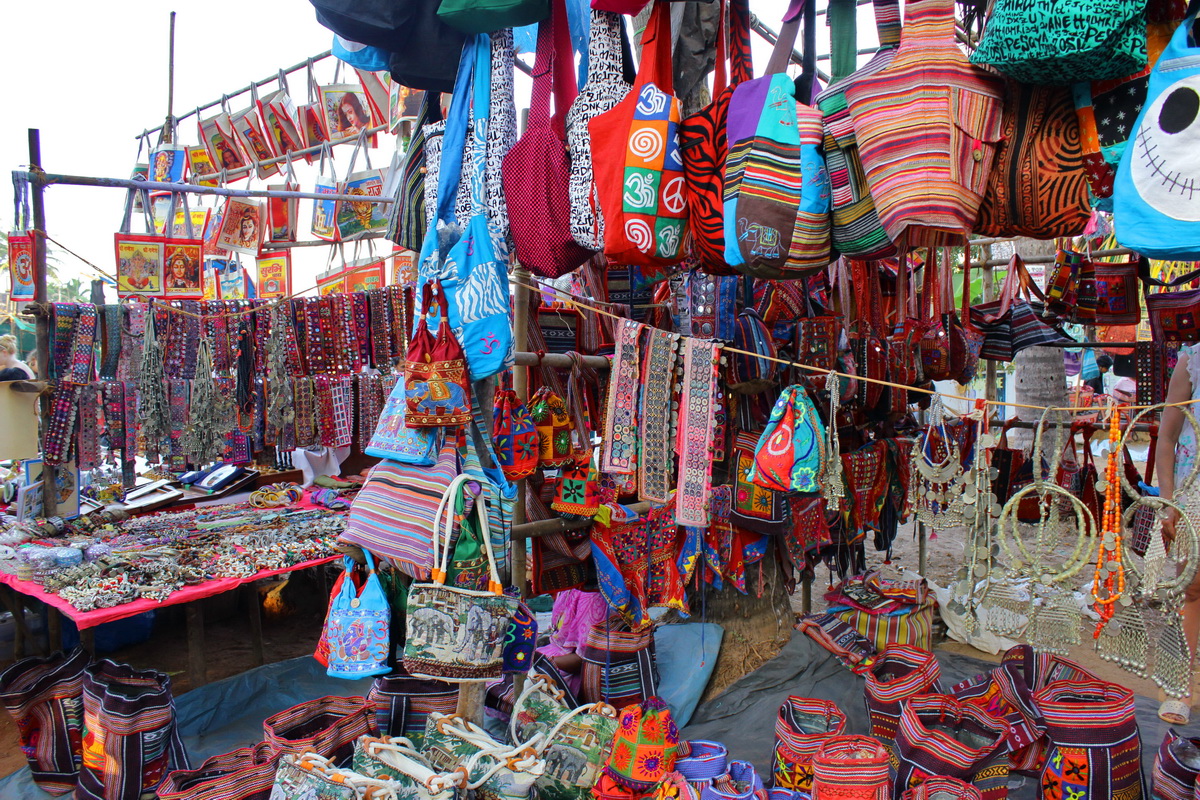
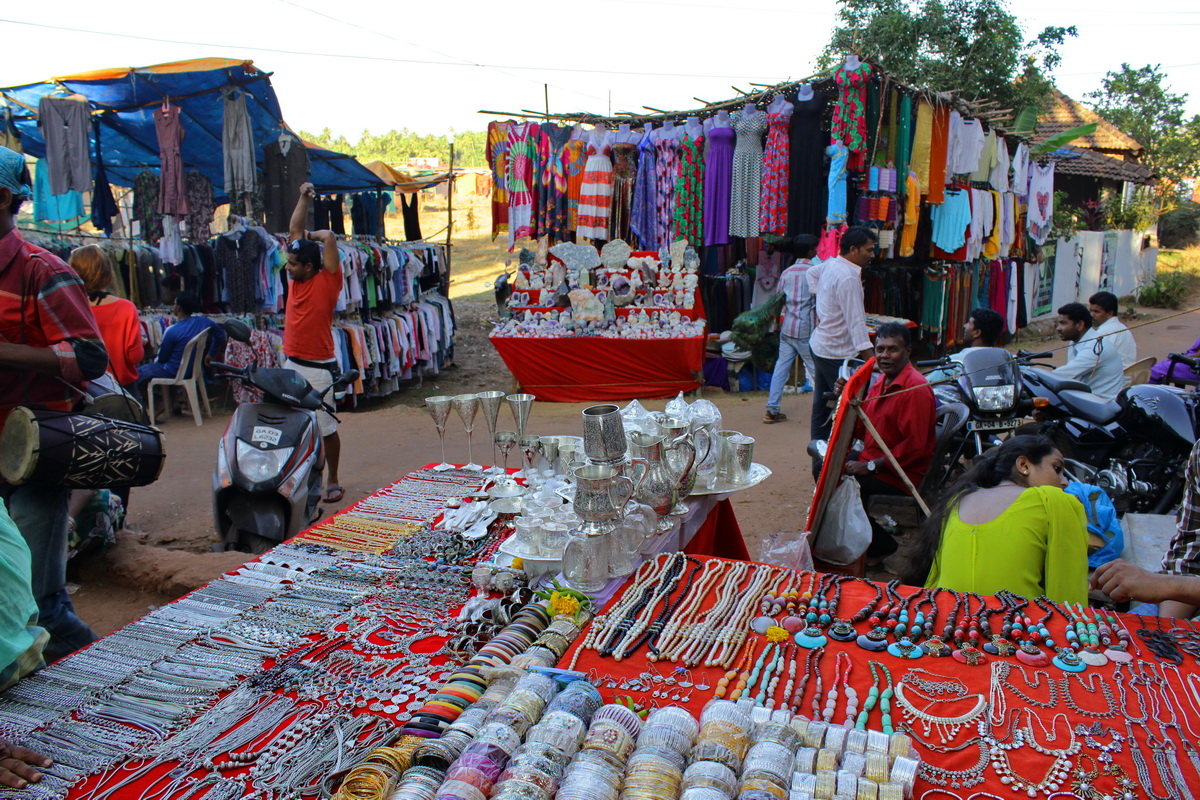
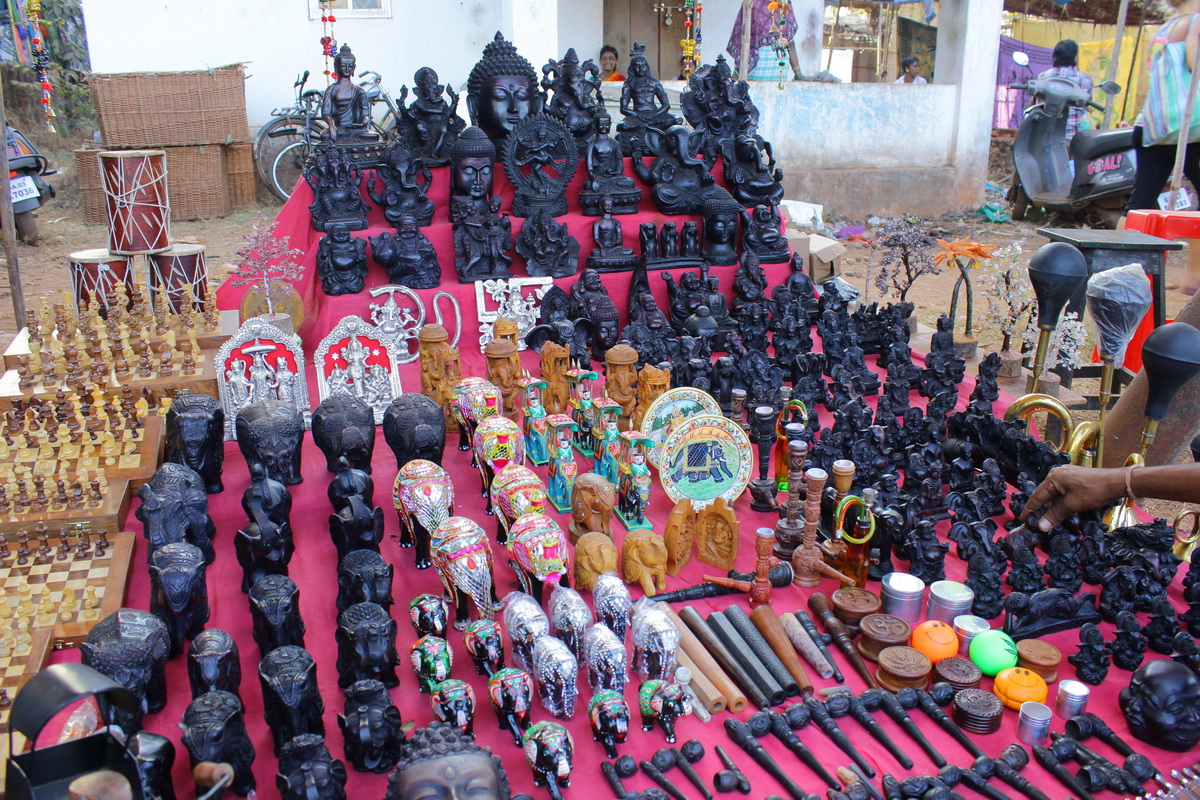
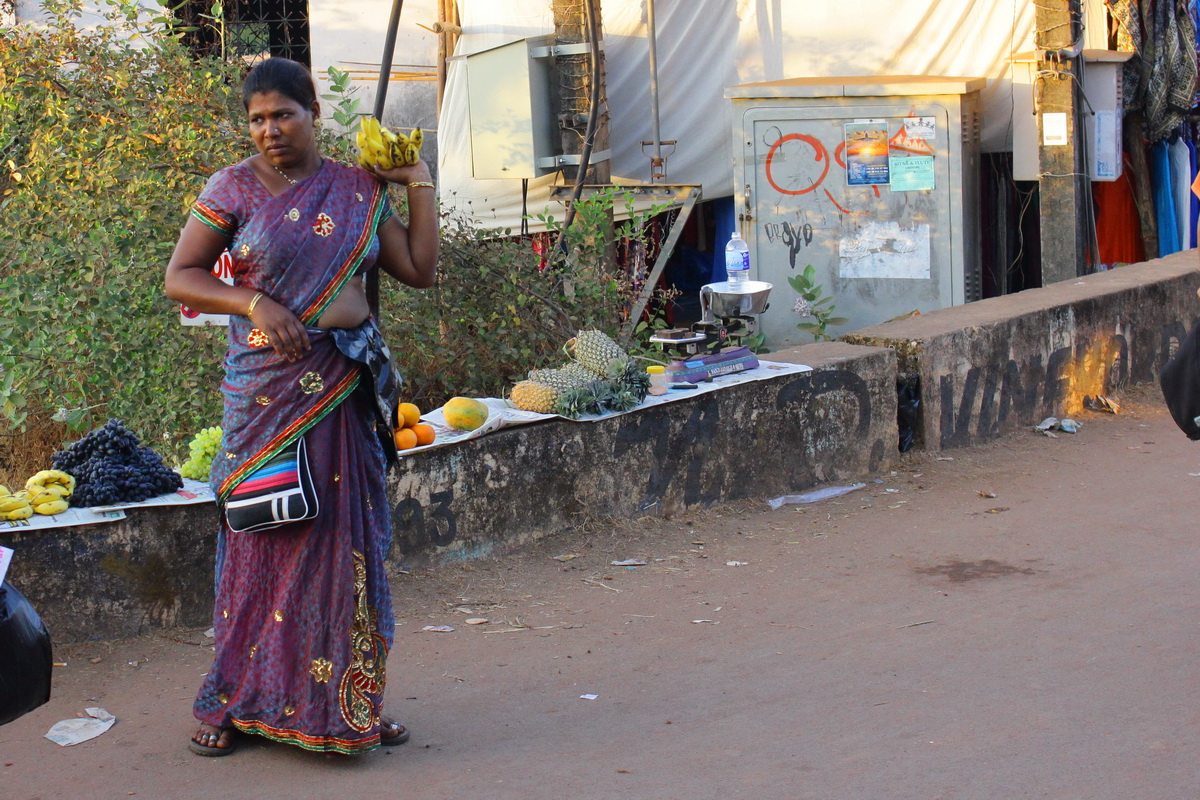
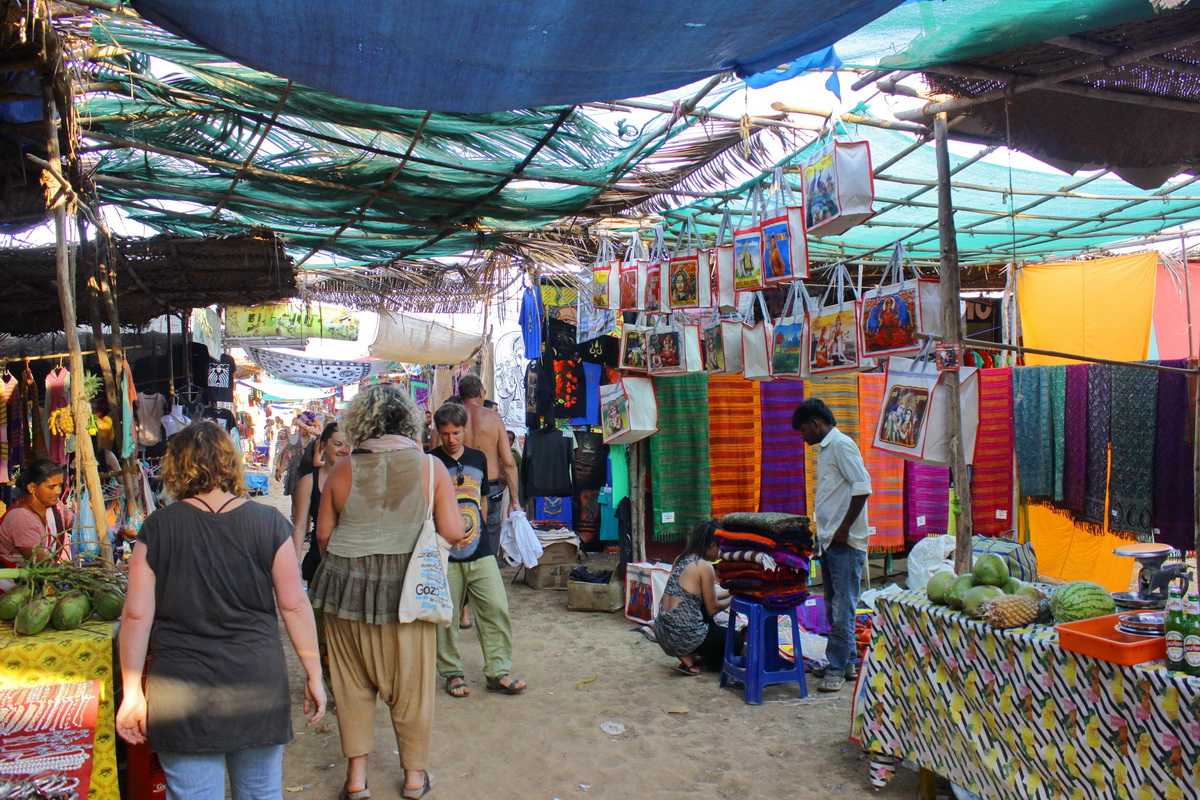
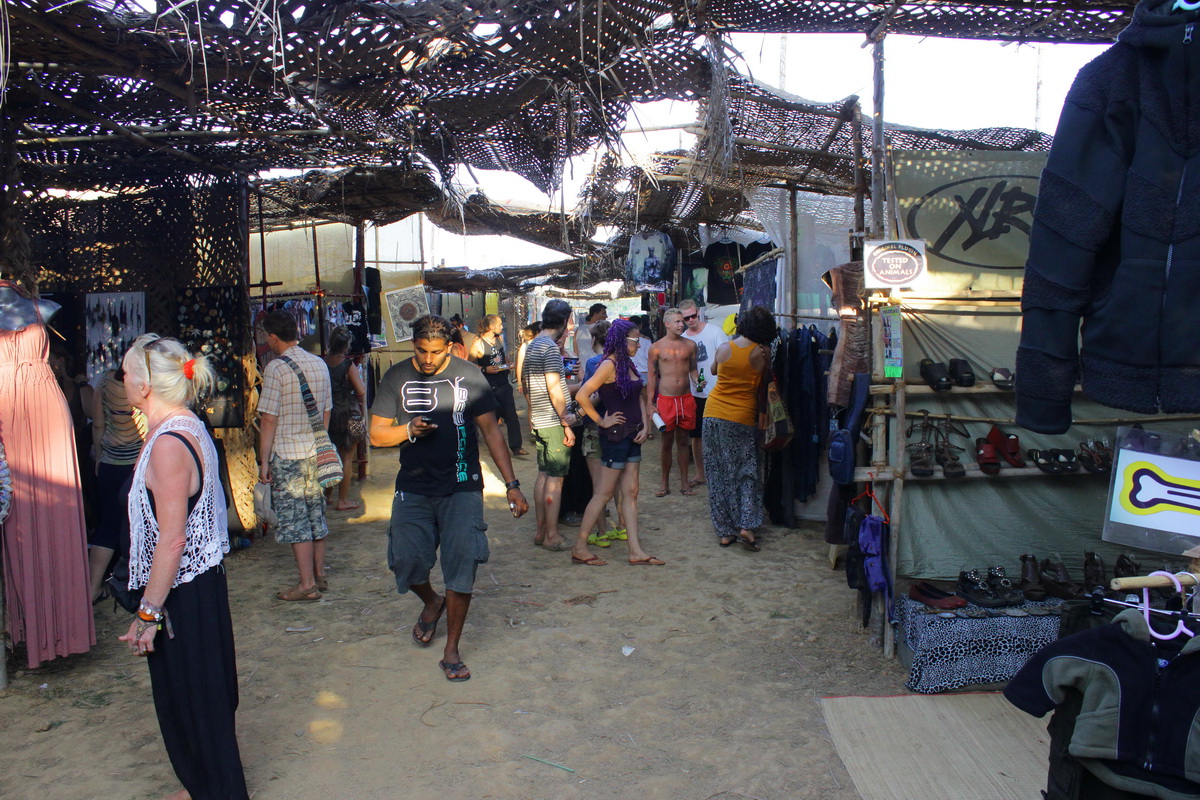
Anjuna hosts an incredibly vibrant daytime market called the Flea Market. It operates on Wednesdays until sunset.
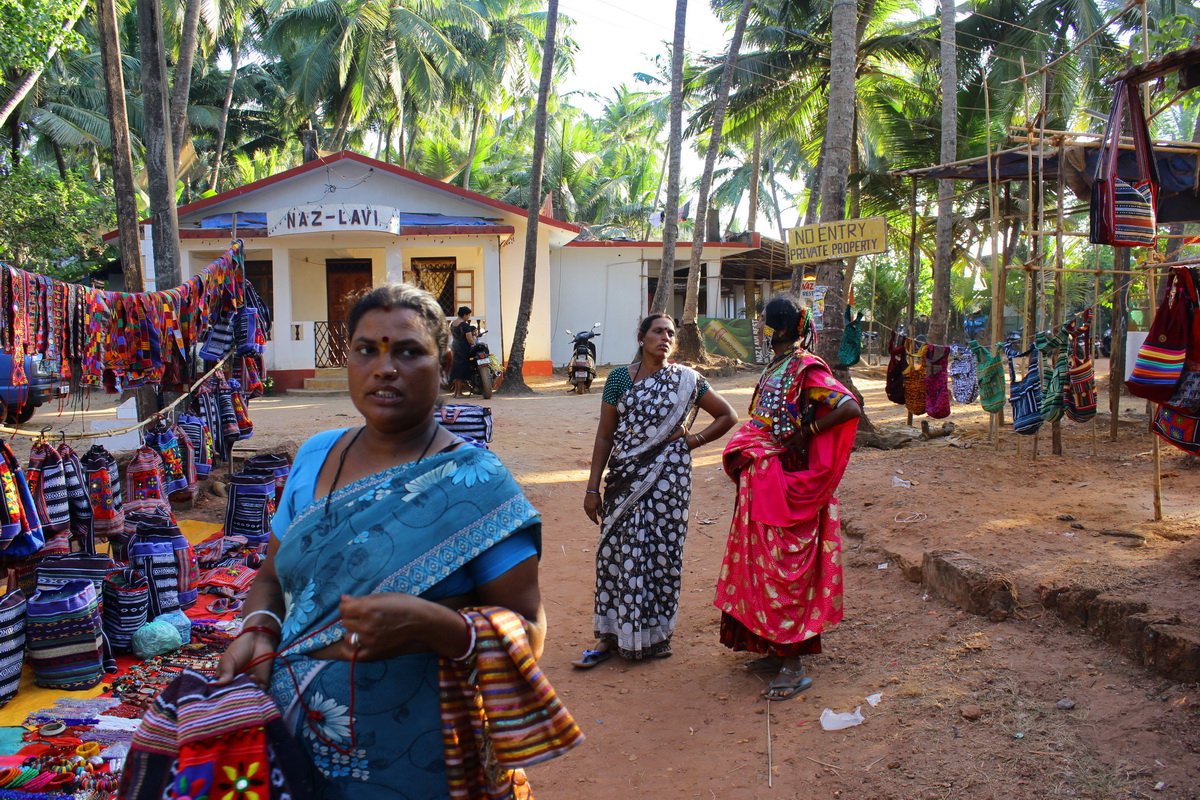
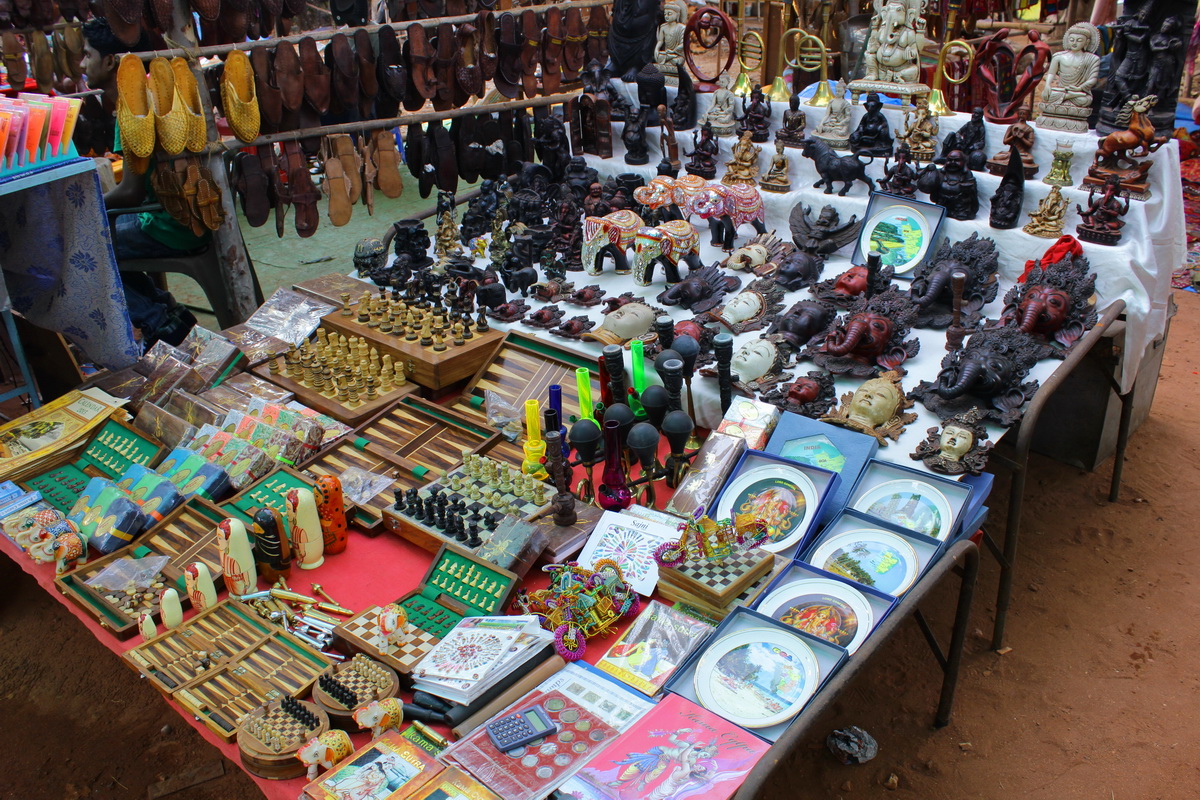
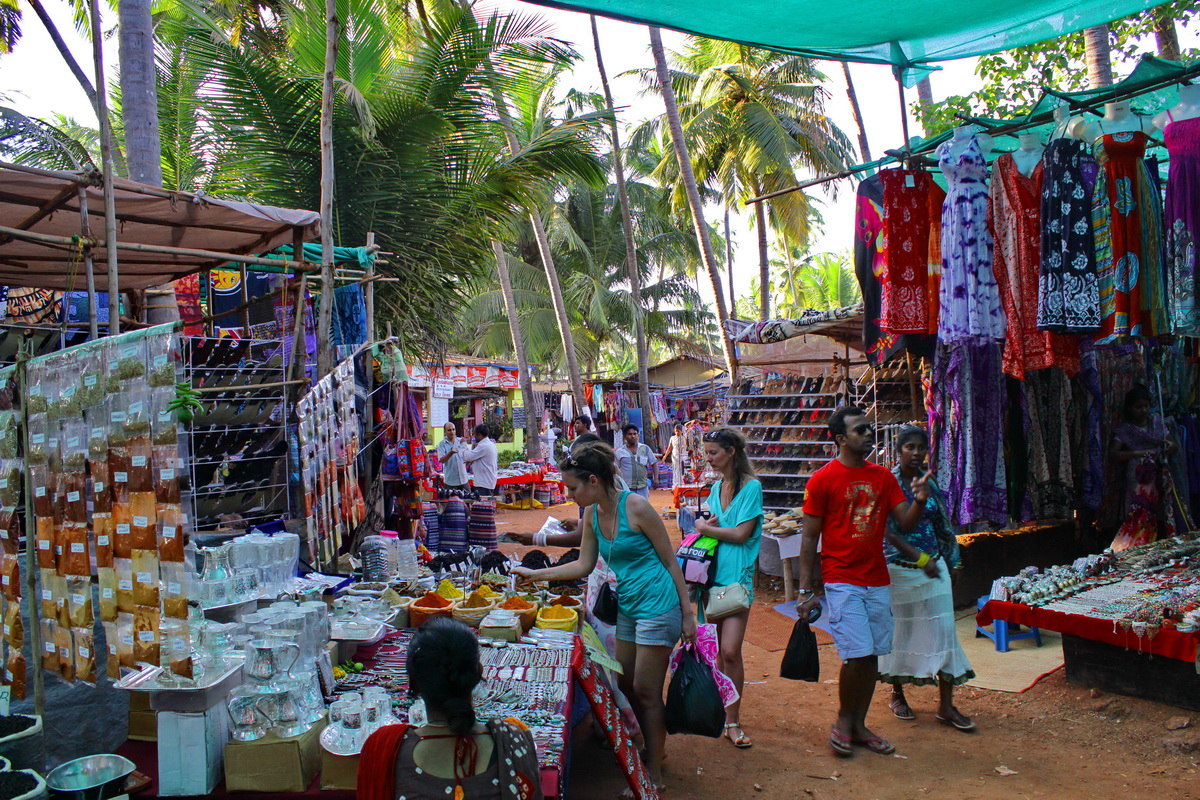
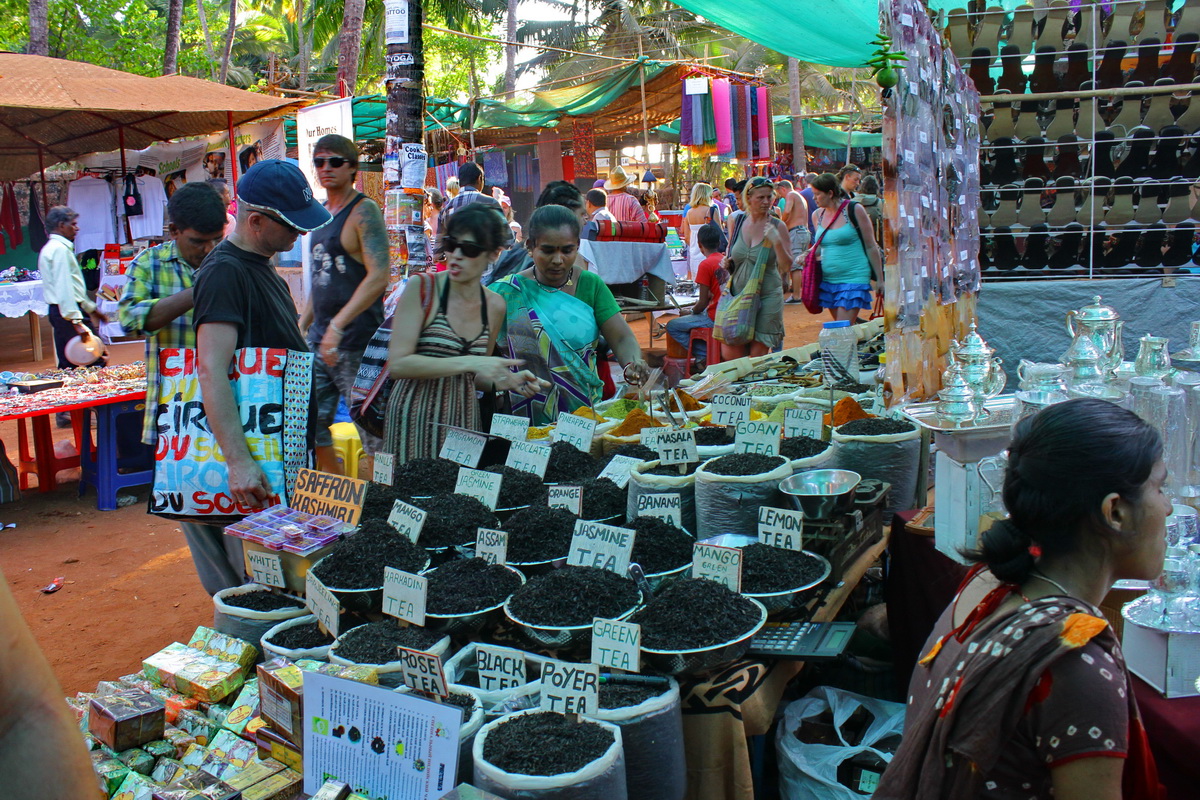
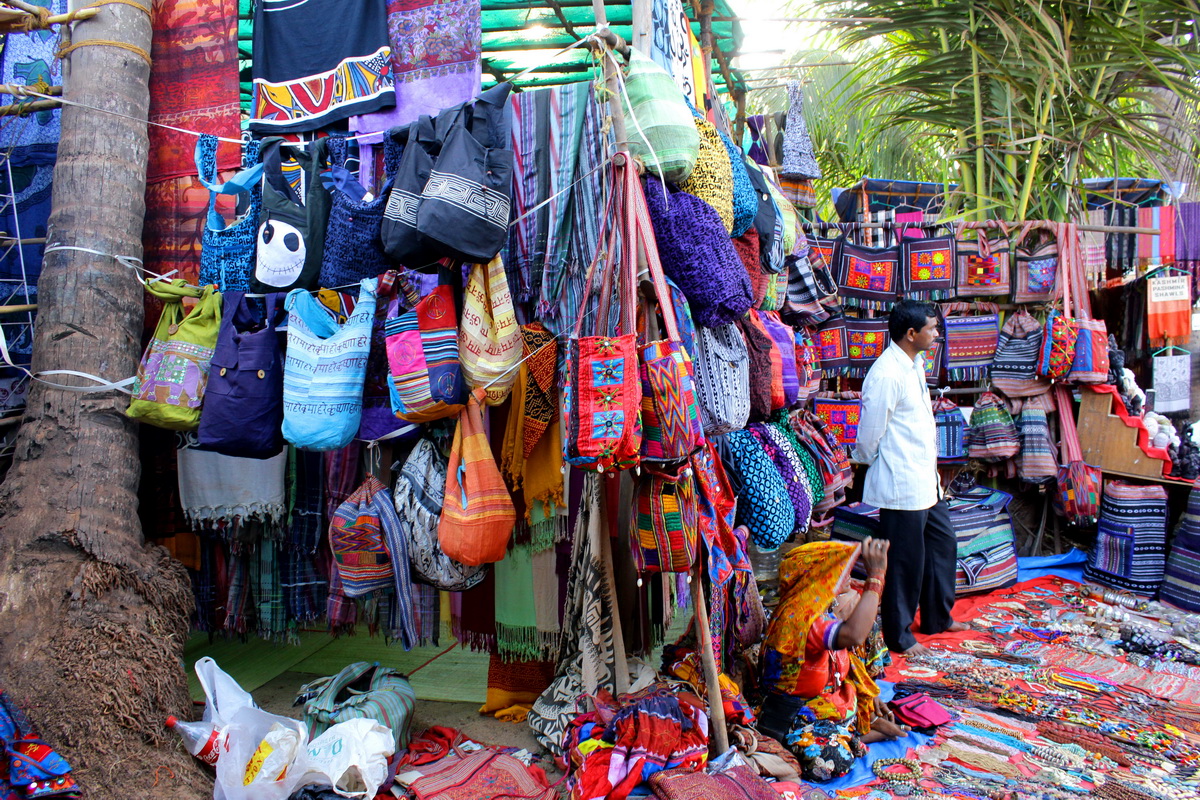
You can find just about anything here.
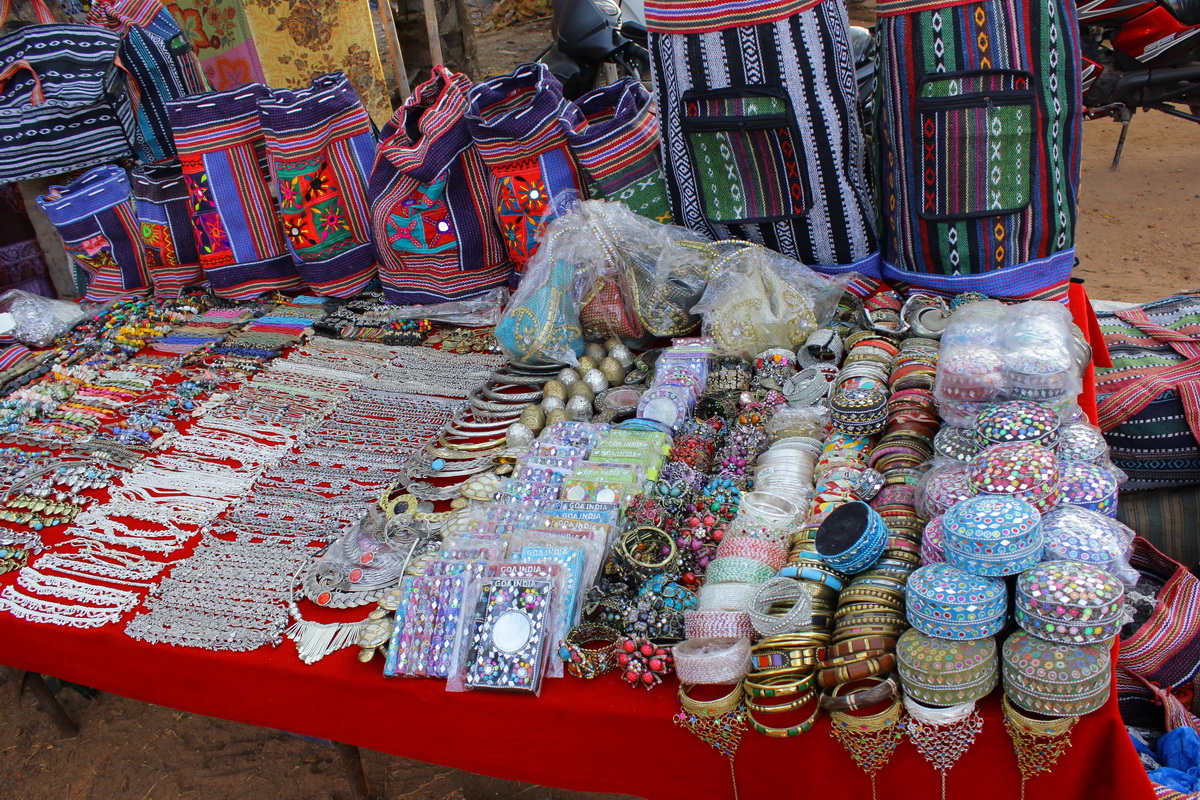
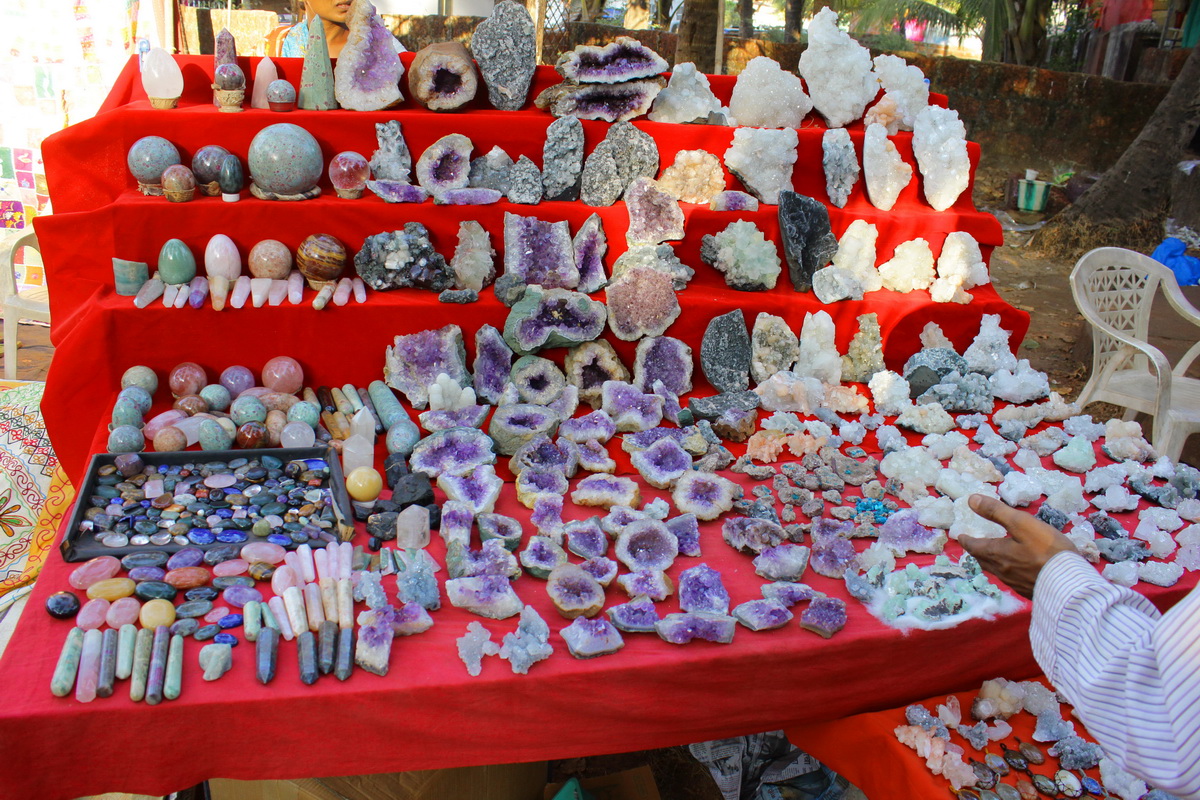
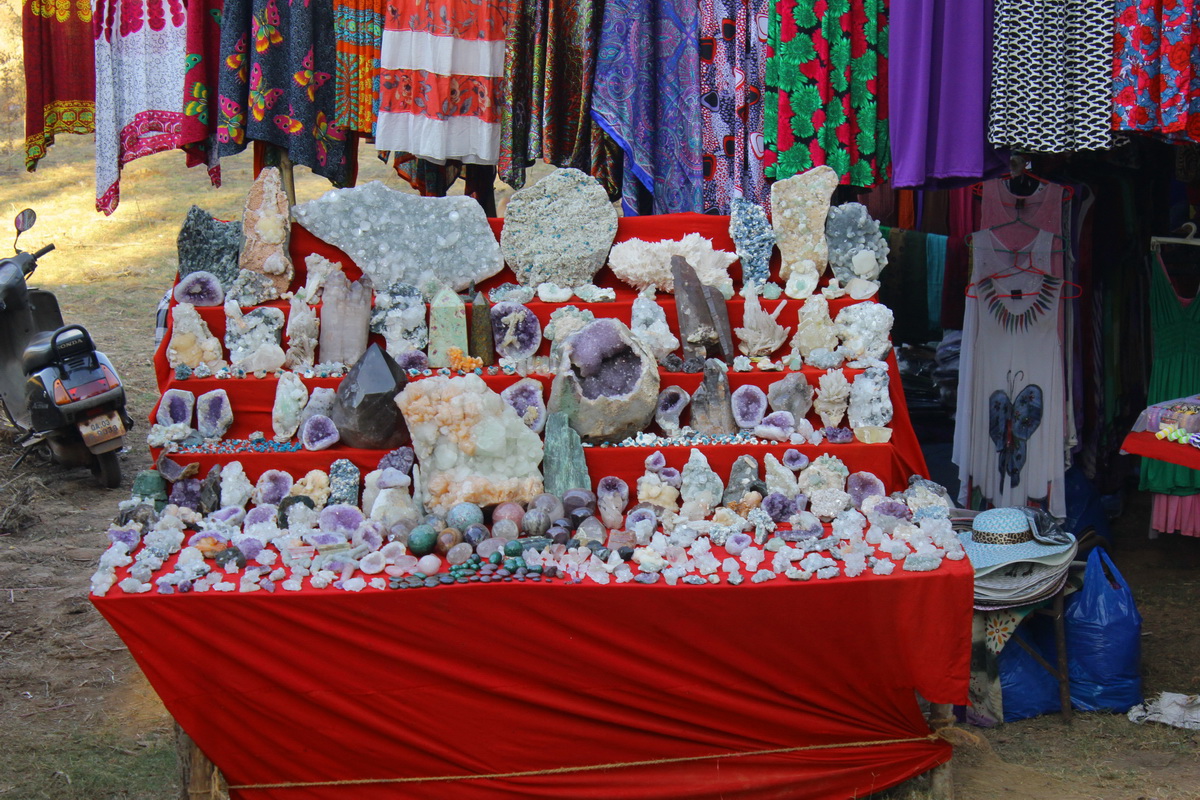
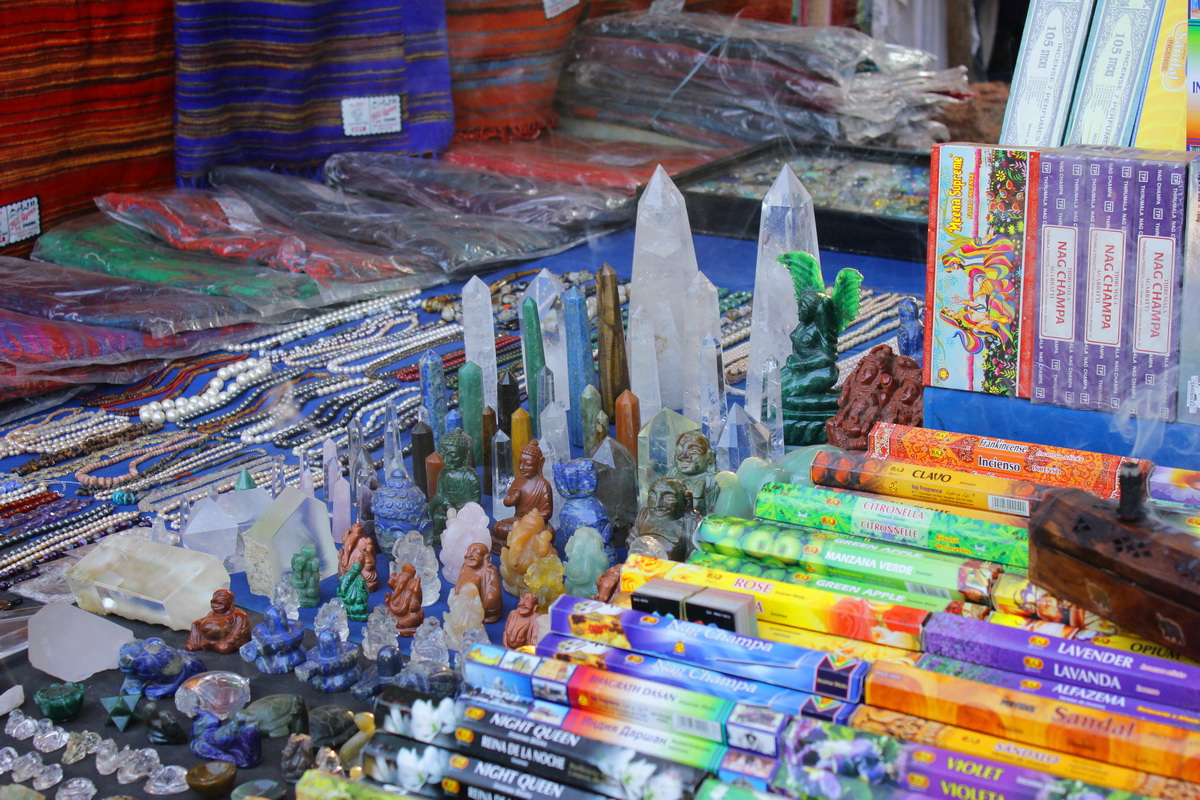
Sale of minerals, mainly quartz and its varieties like amethyst.
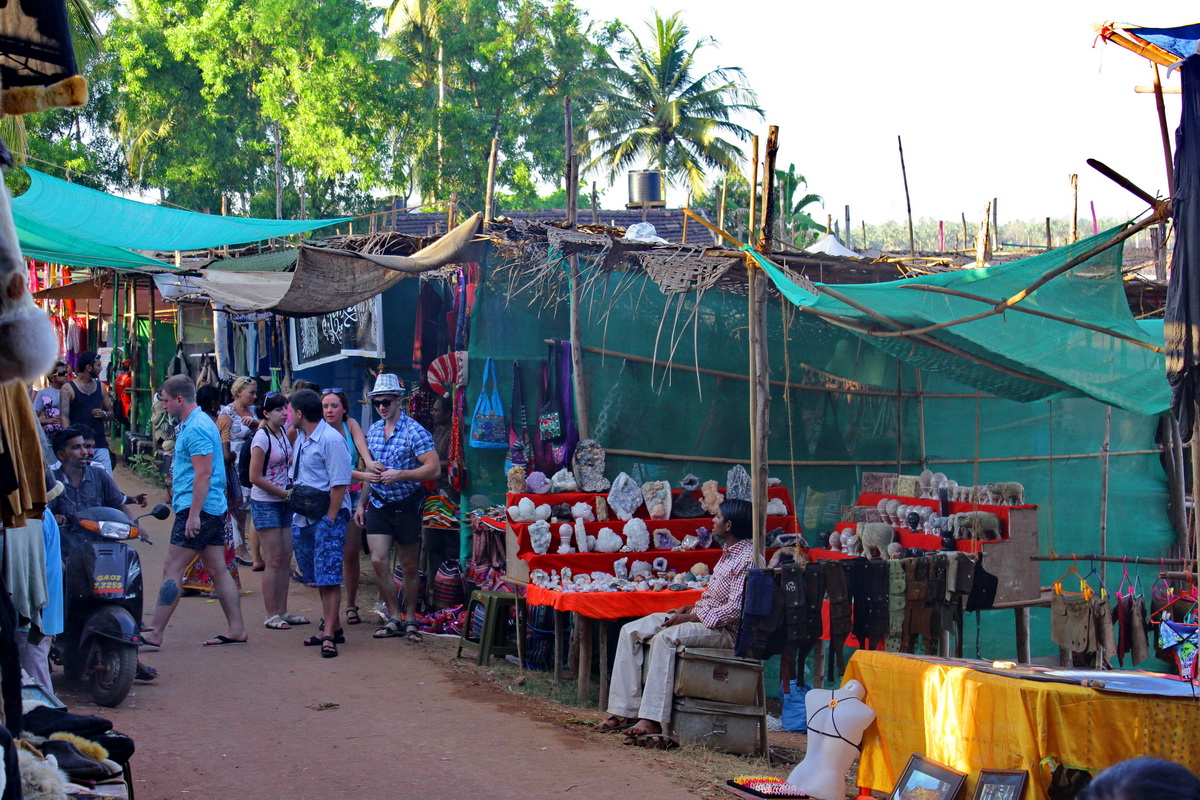
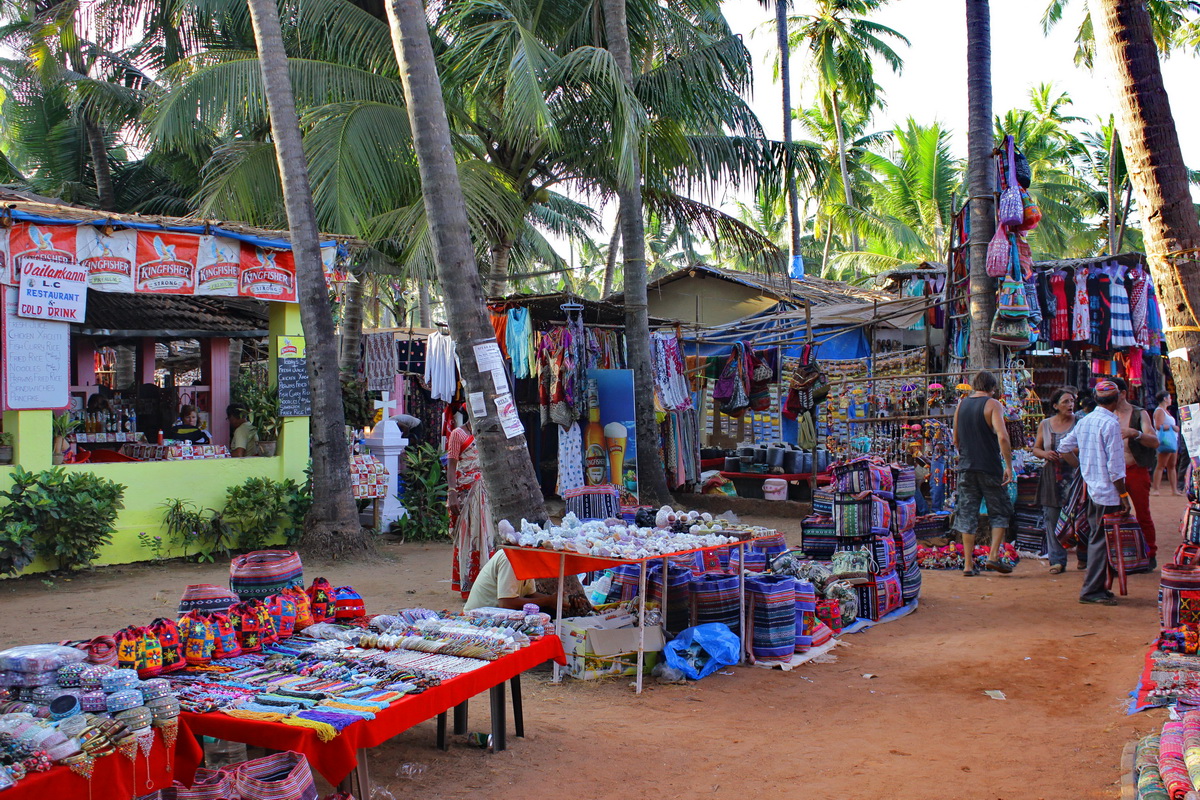
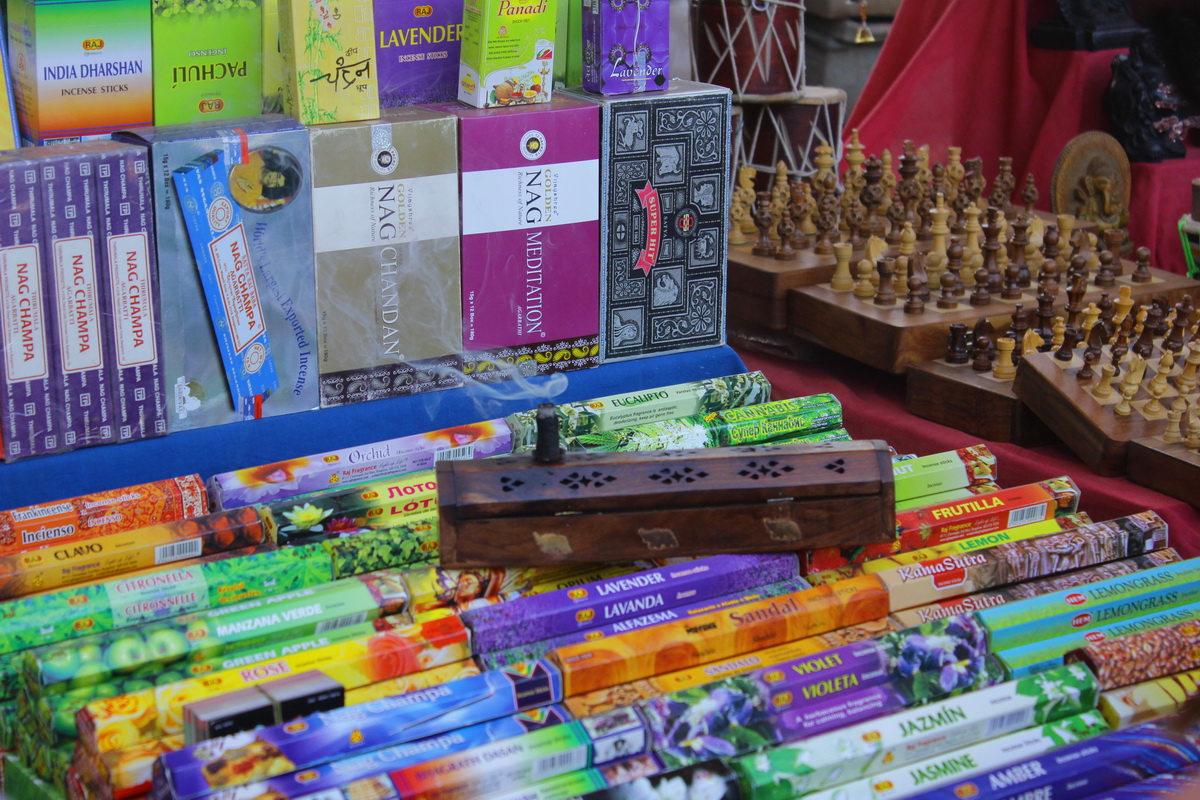
Incense sticks and other souvenirs.
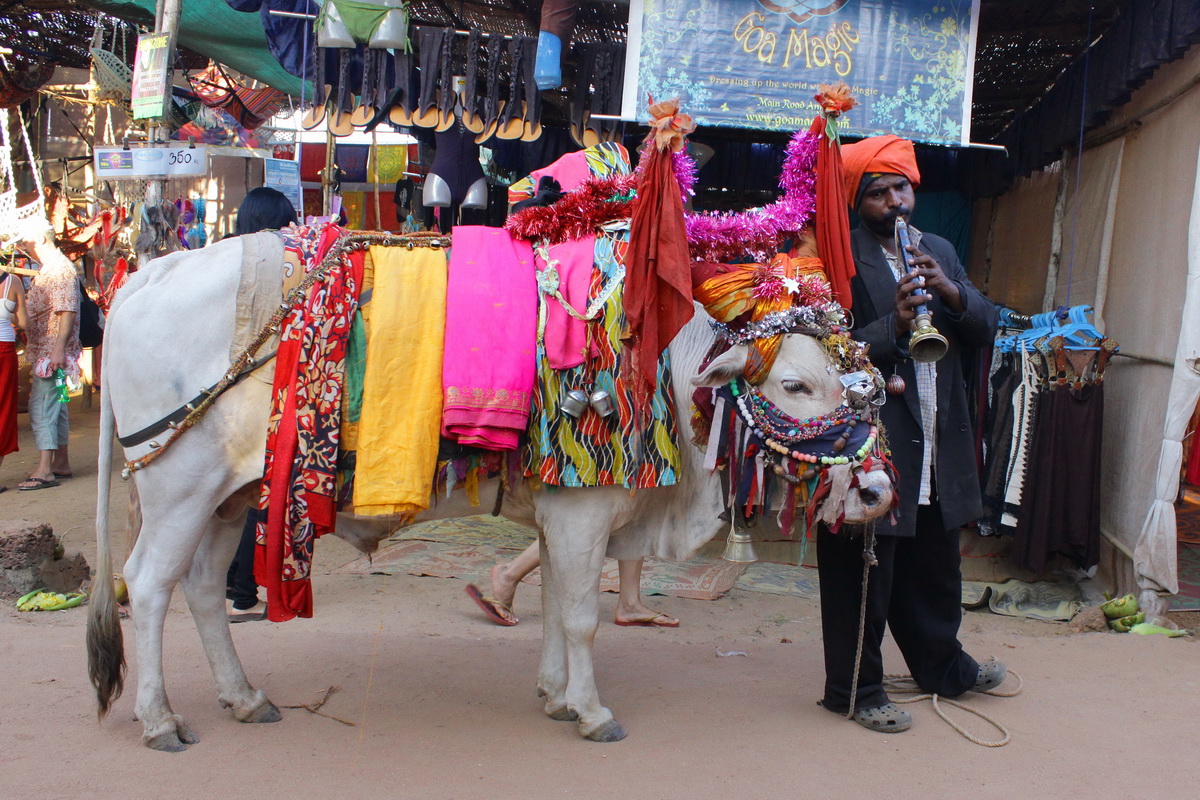
A colorful Indian bull with its owner playing the trumpet. Apparently, photographing them isn’t free. The owner will inform you of this after you’ve taken the picture.
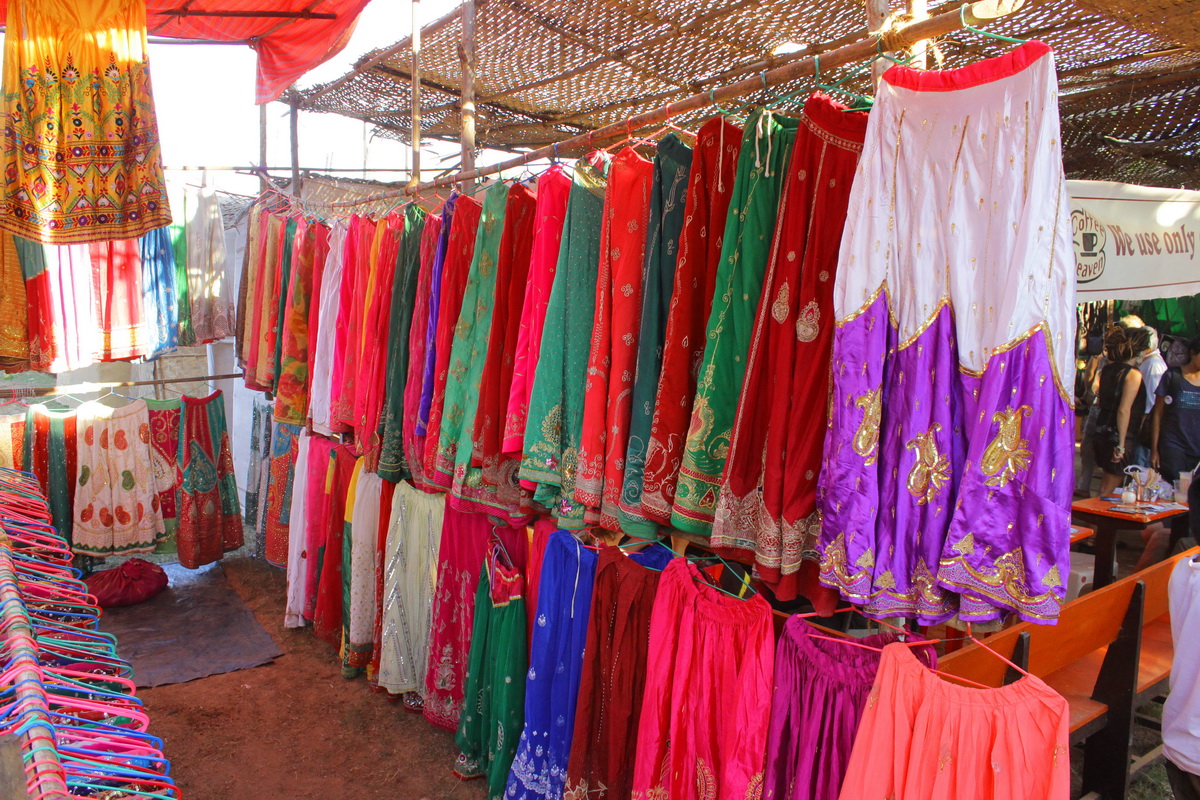
Clothing for sale.
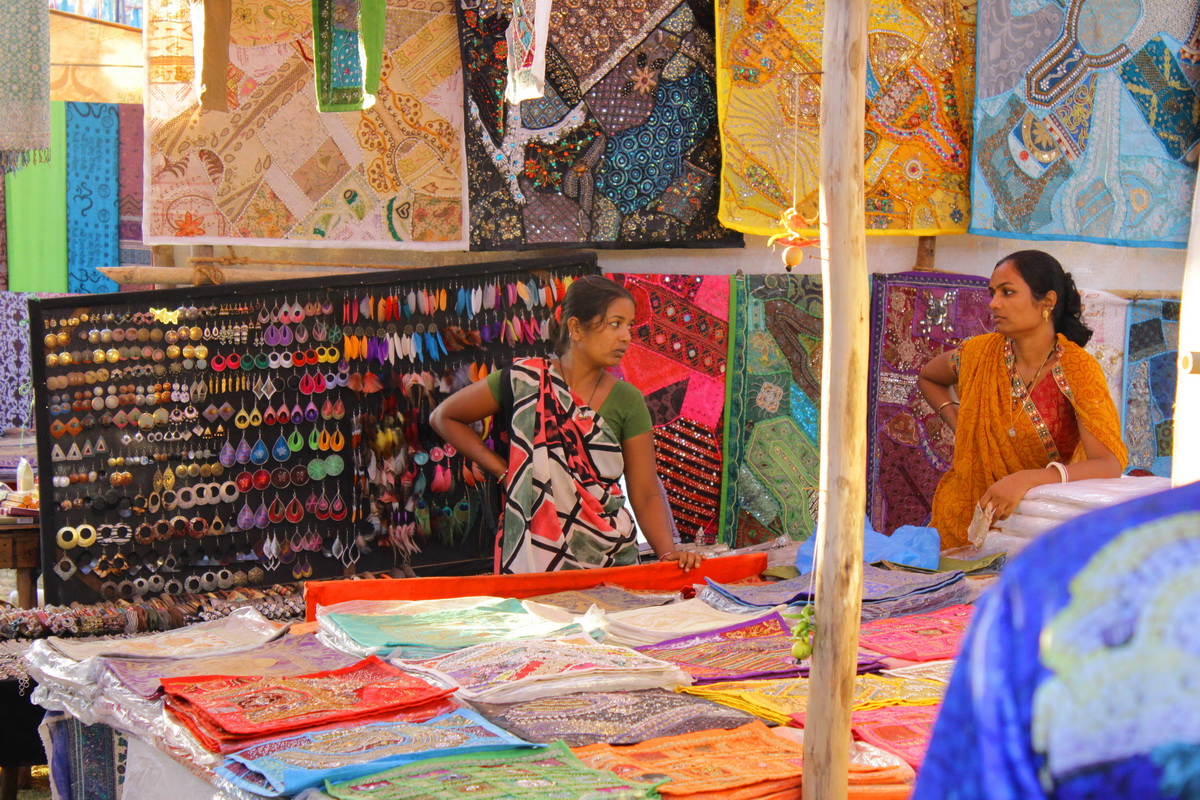
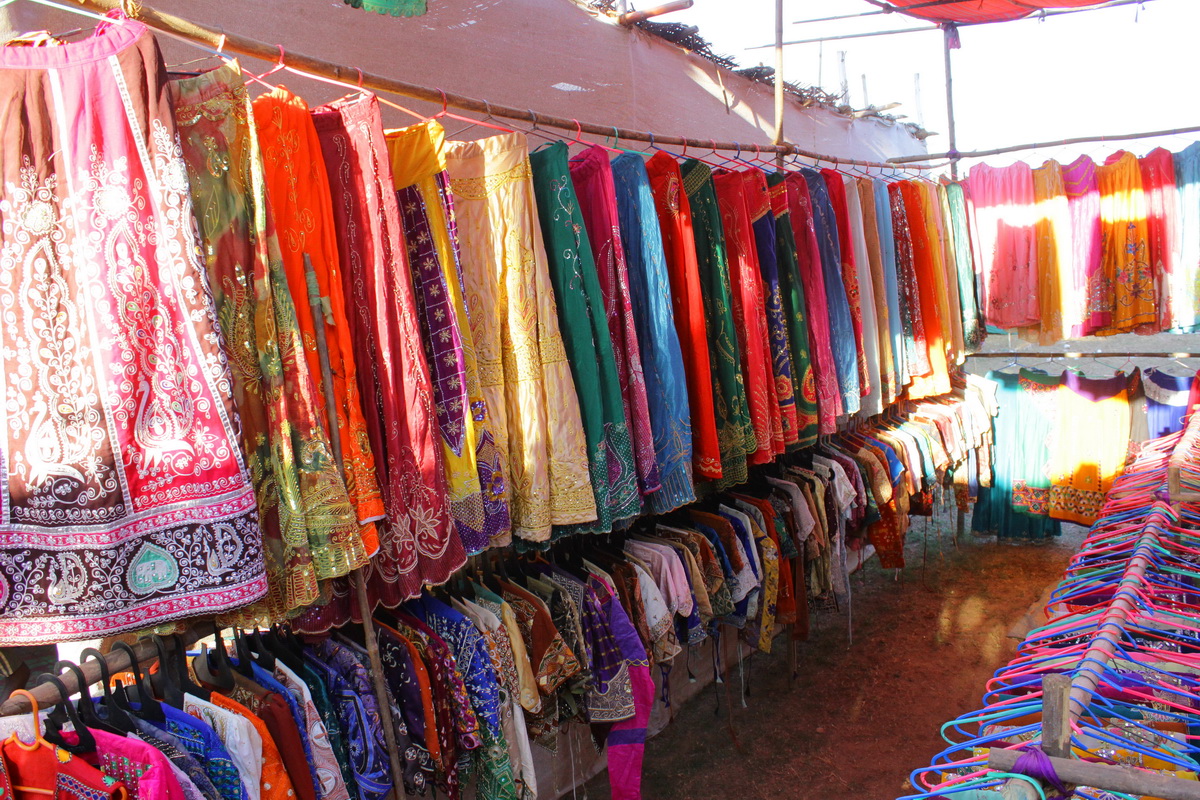
As everywhere else, except in supermarkets and cafés, you need to bargain. Items initially priced at 1200 rupees can easily be bought for 500.
Arambol
Arambol is a village in the northernmost part of Goa.
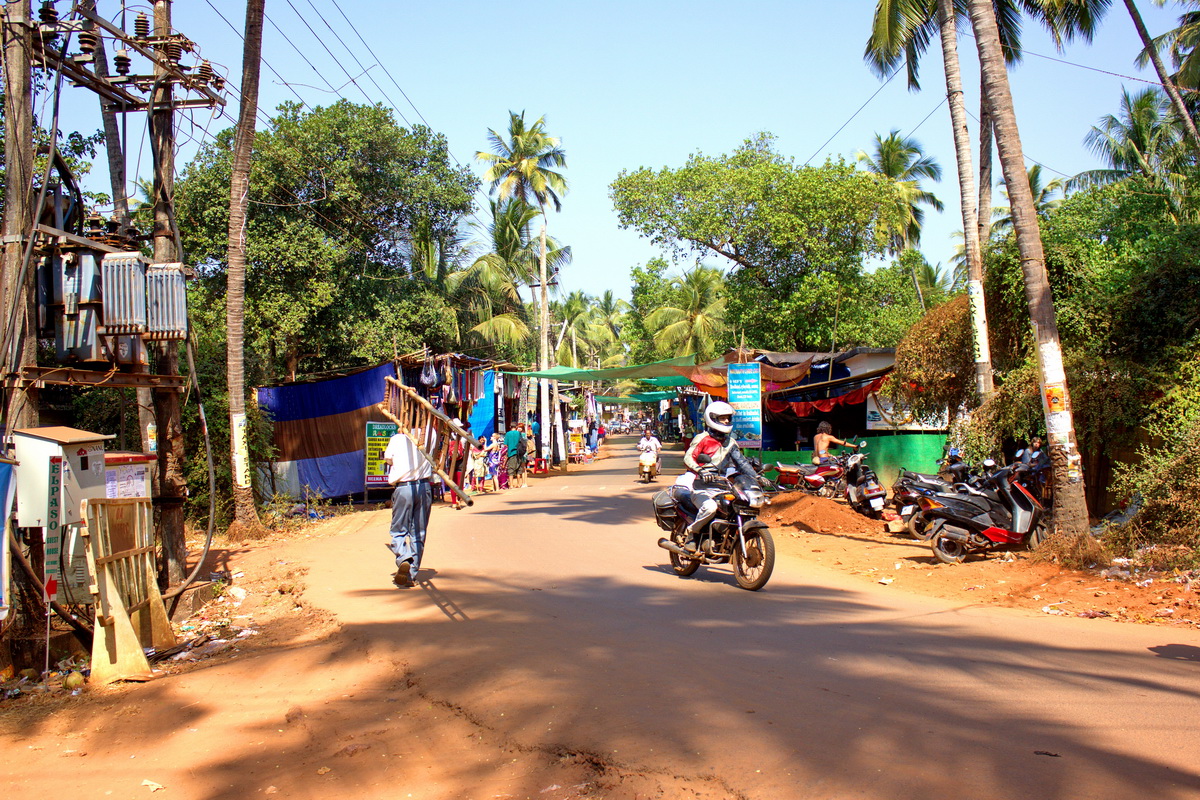
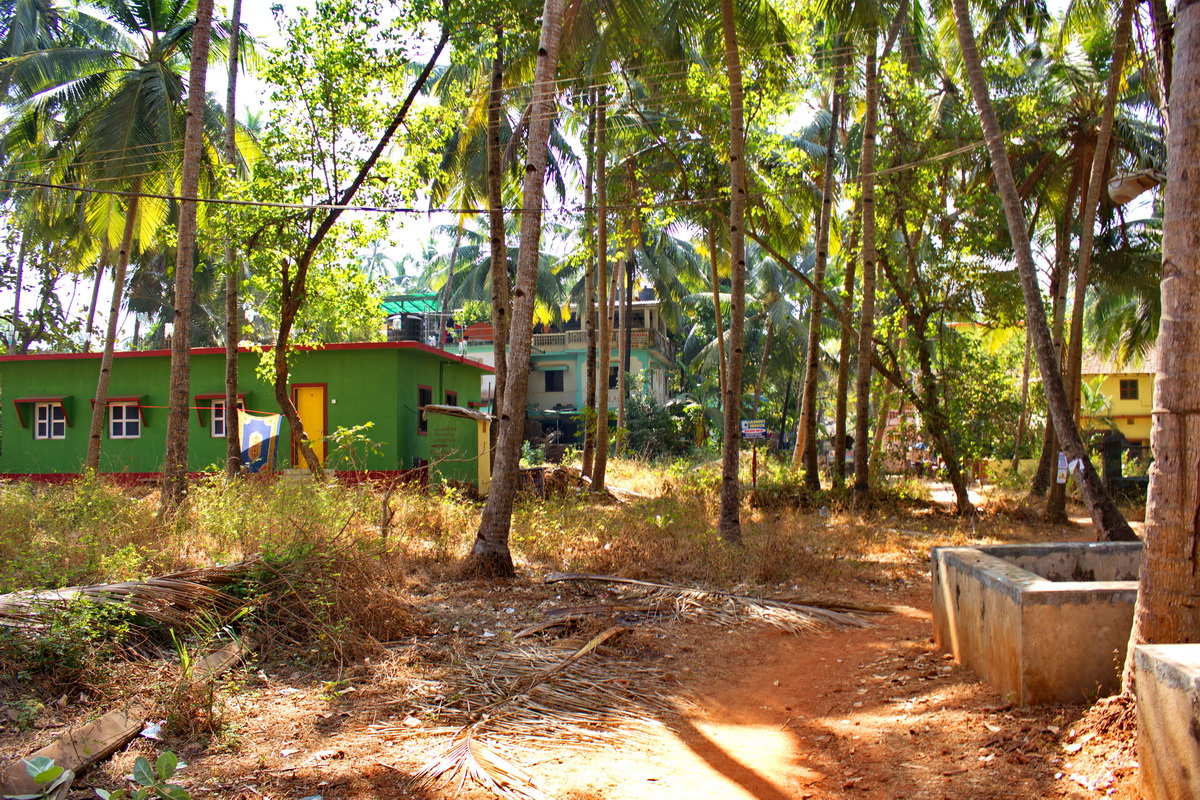
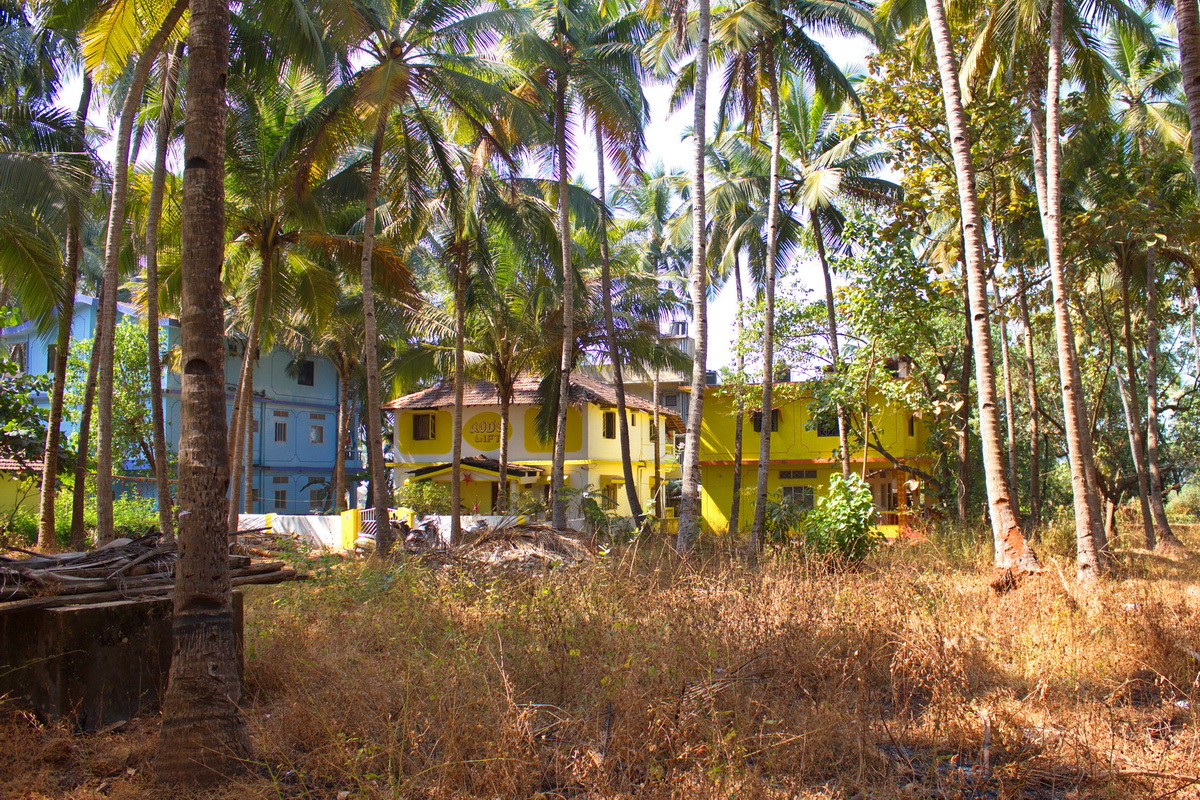
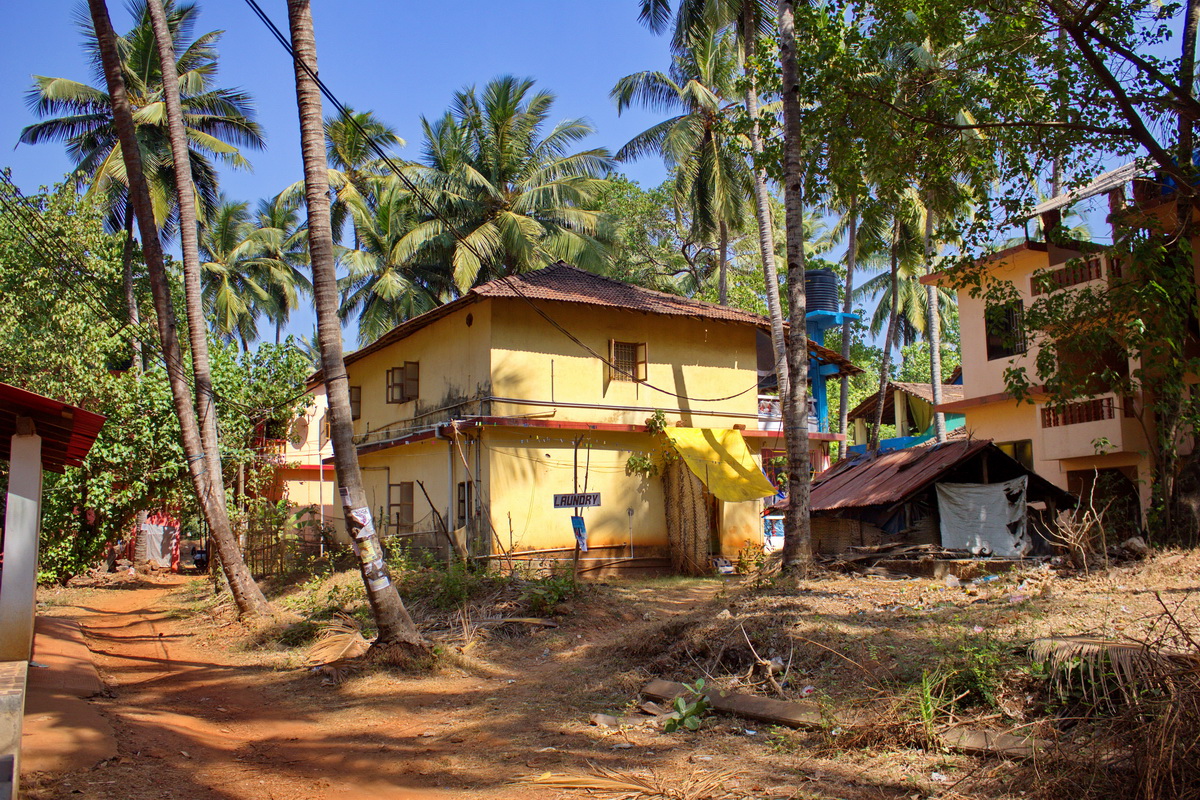
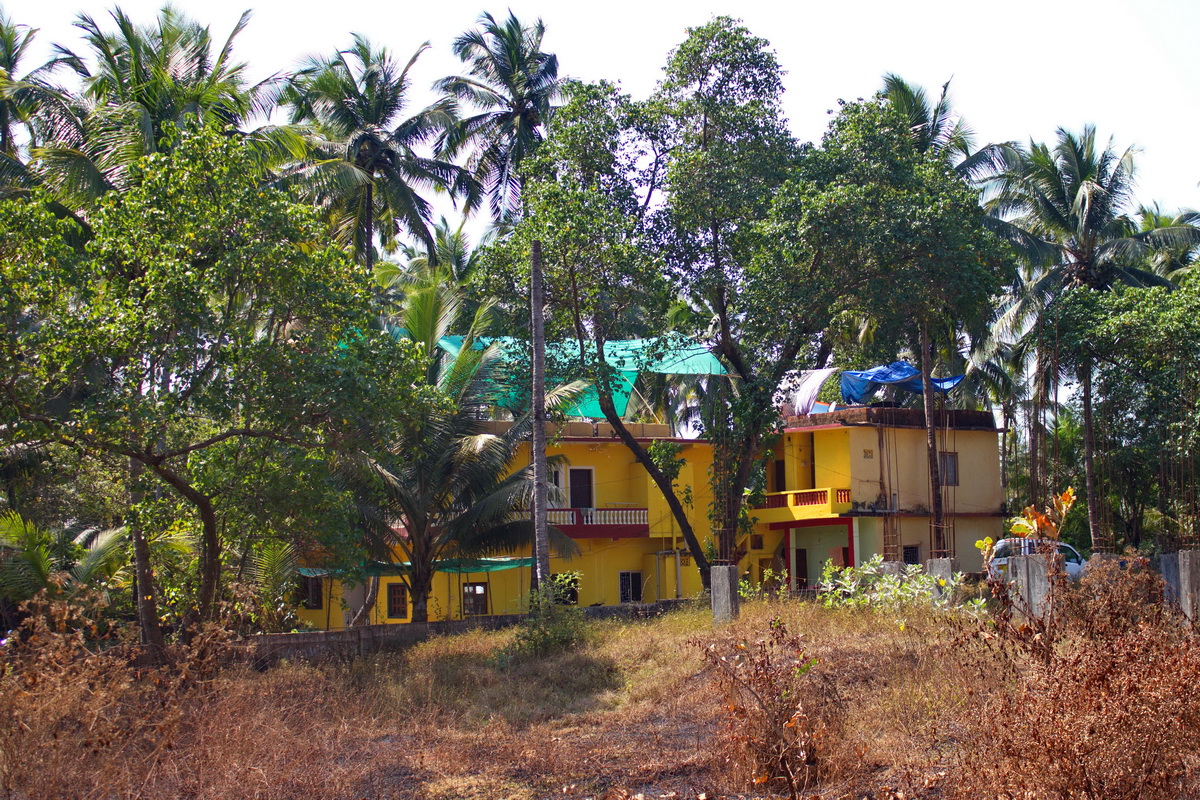
It’s considered the ideal spot for hippies and other partygoers. Those fond of marijuana can easily be spotted by the distinctive smell.
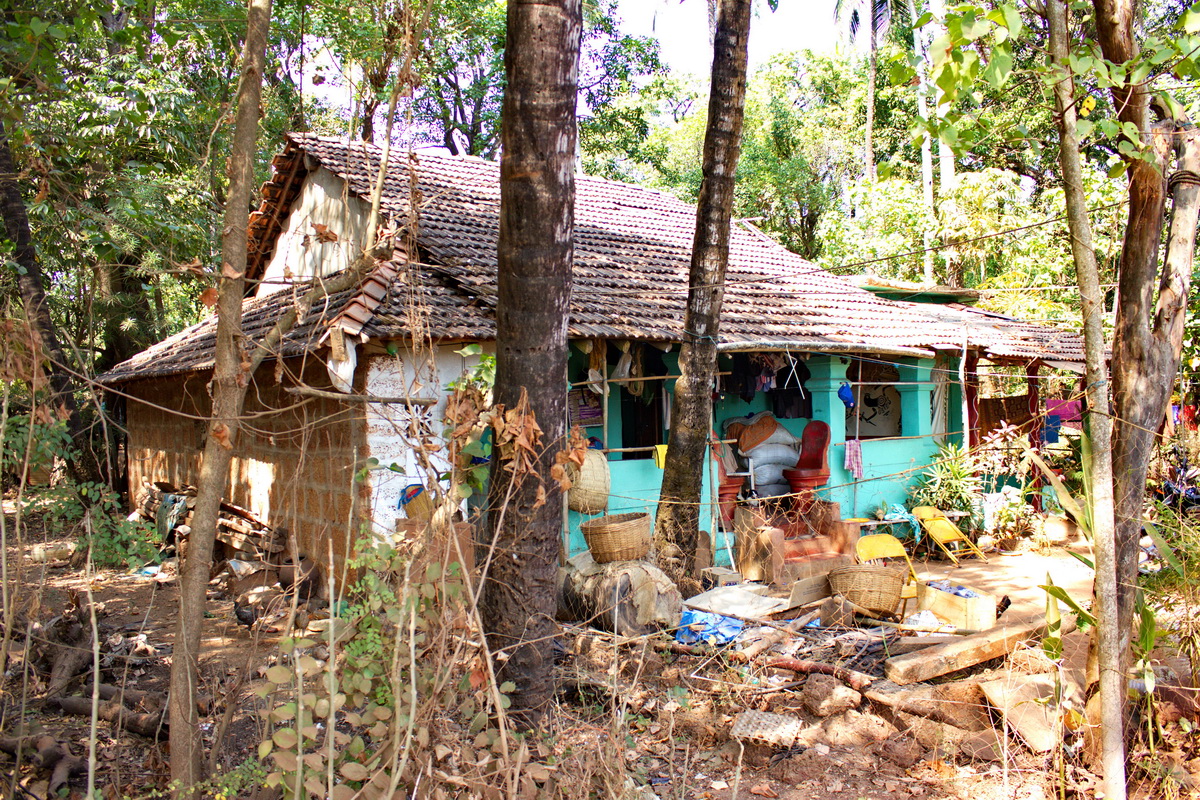
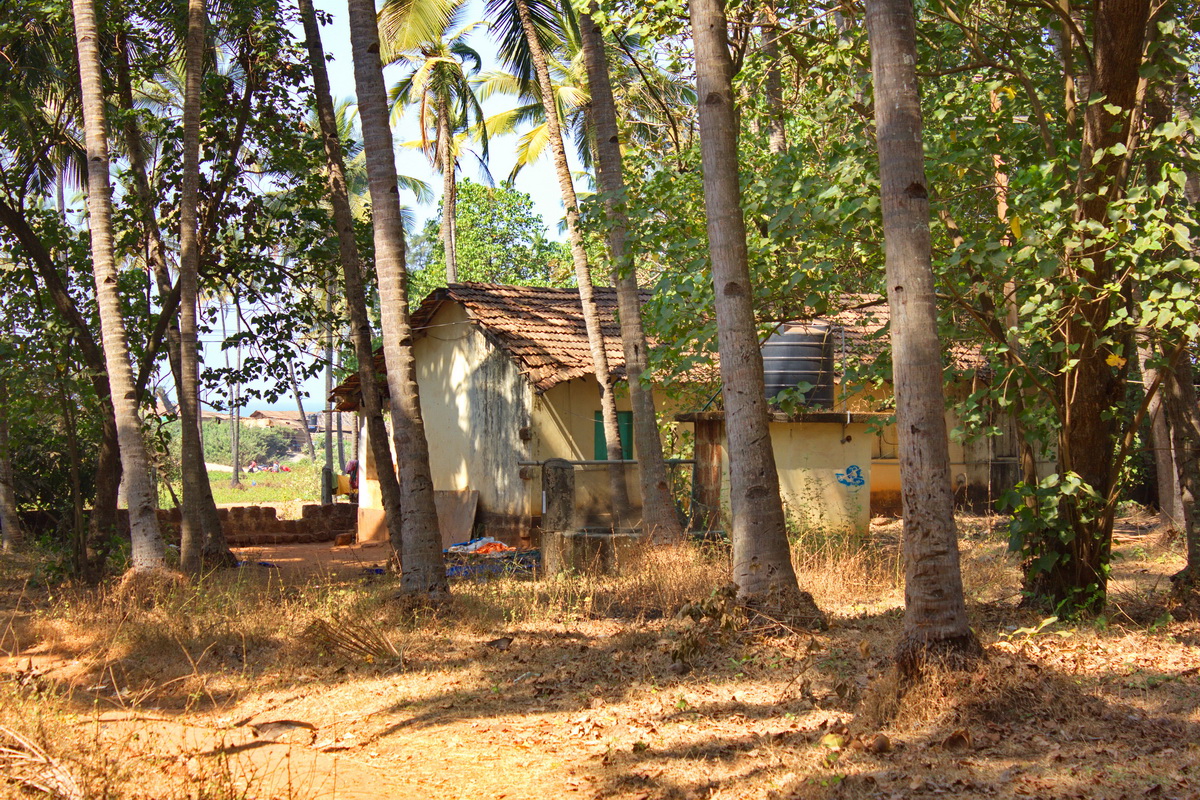
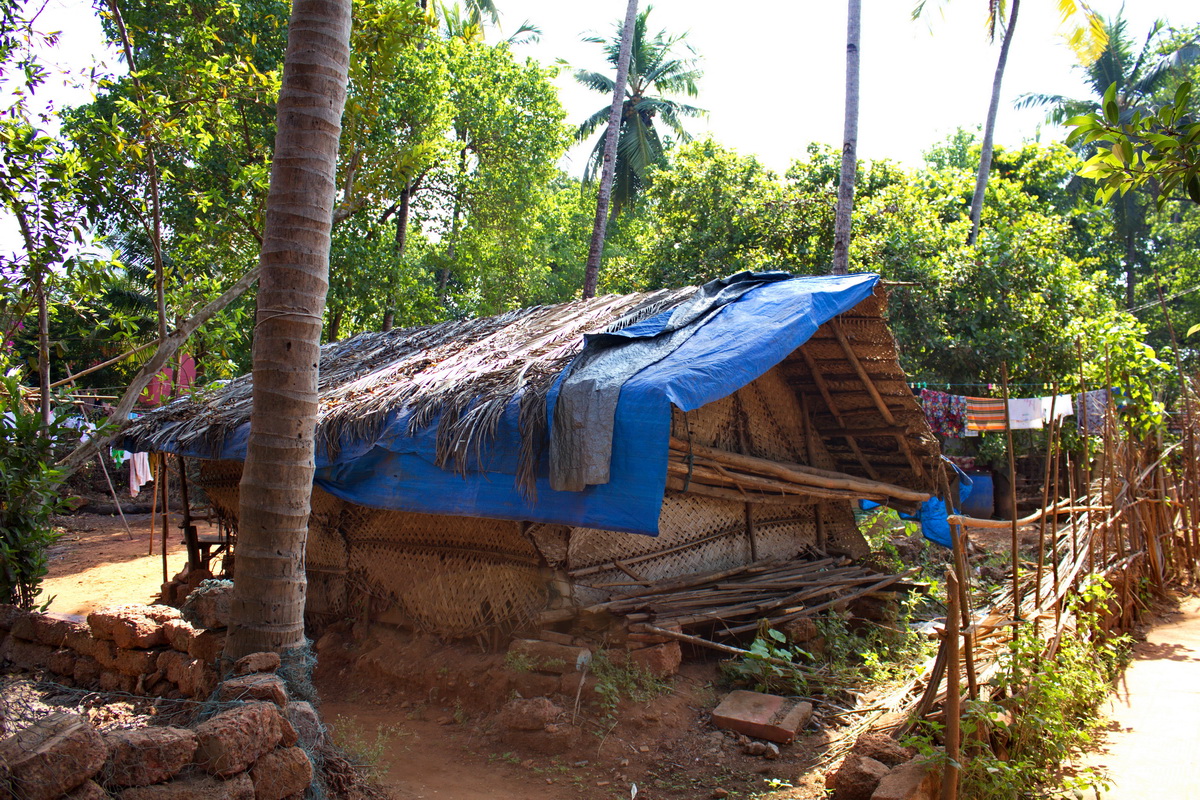
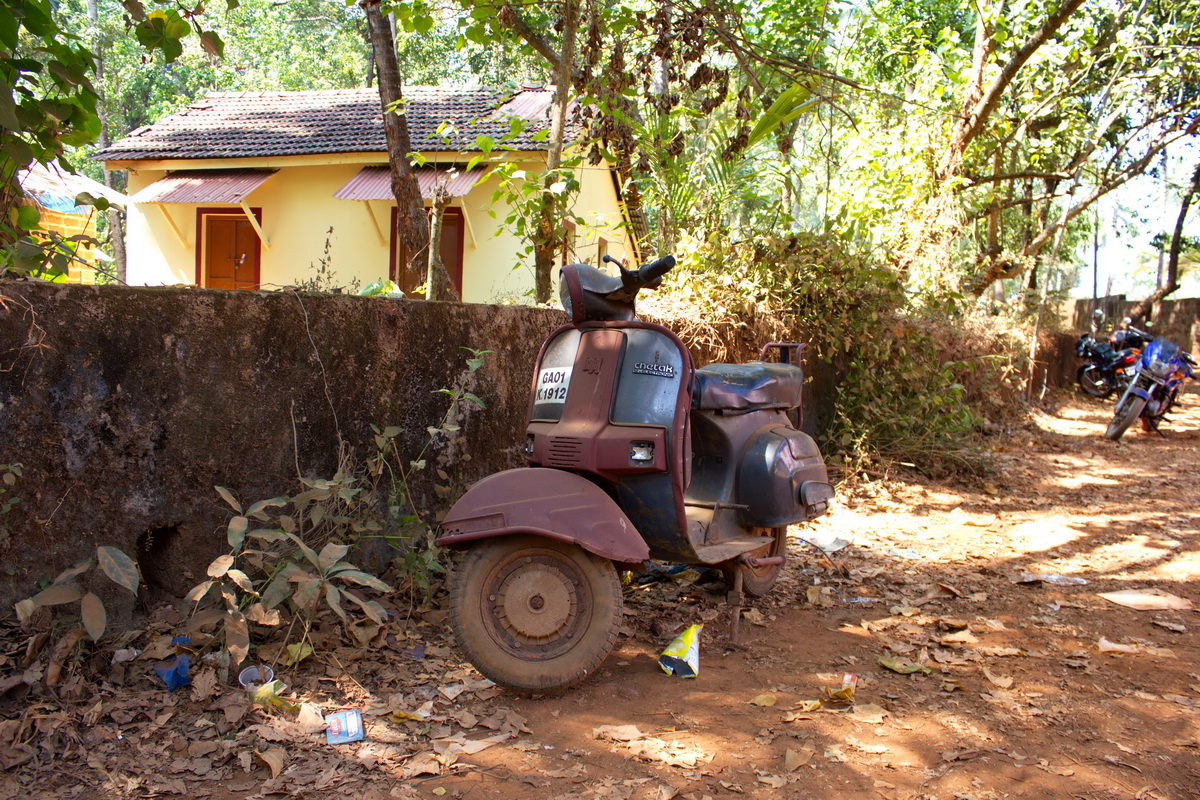
Arambol scooter.
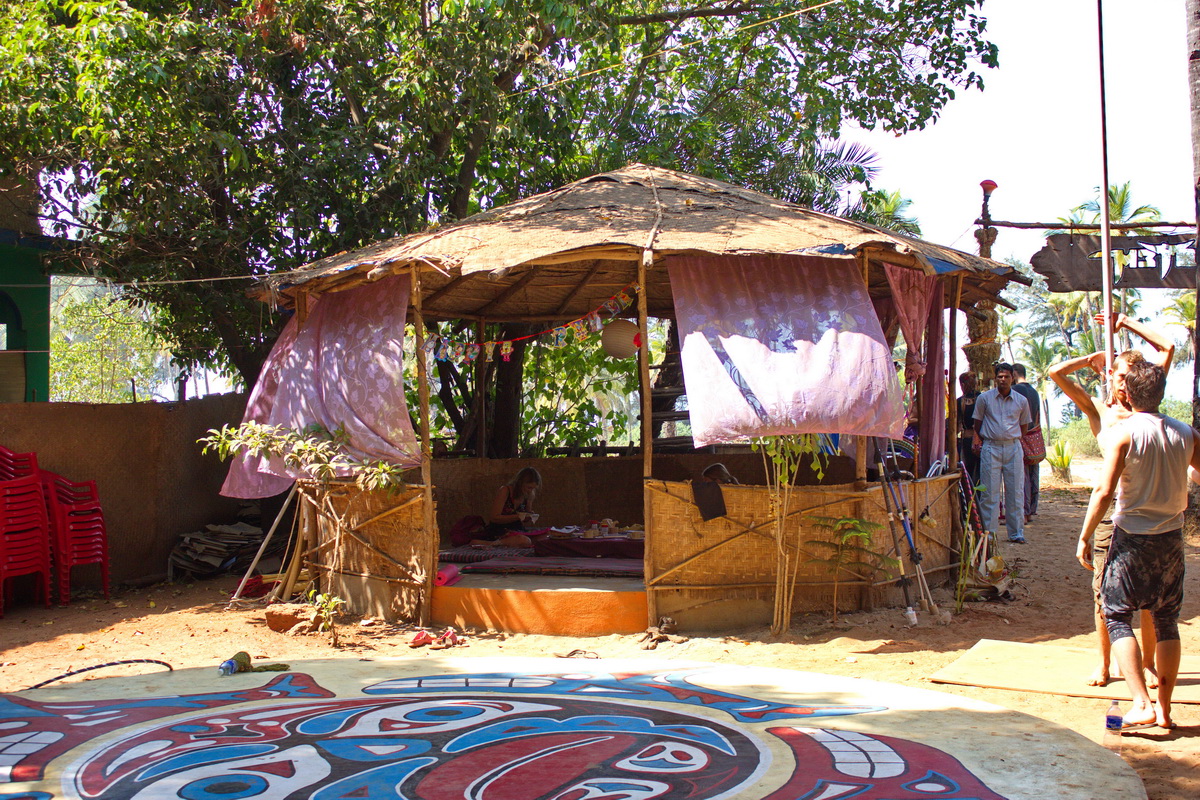
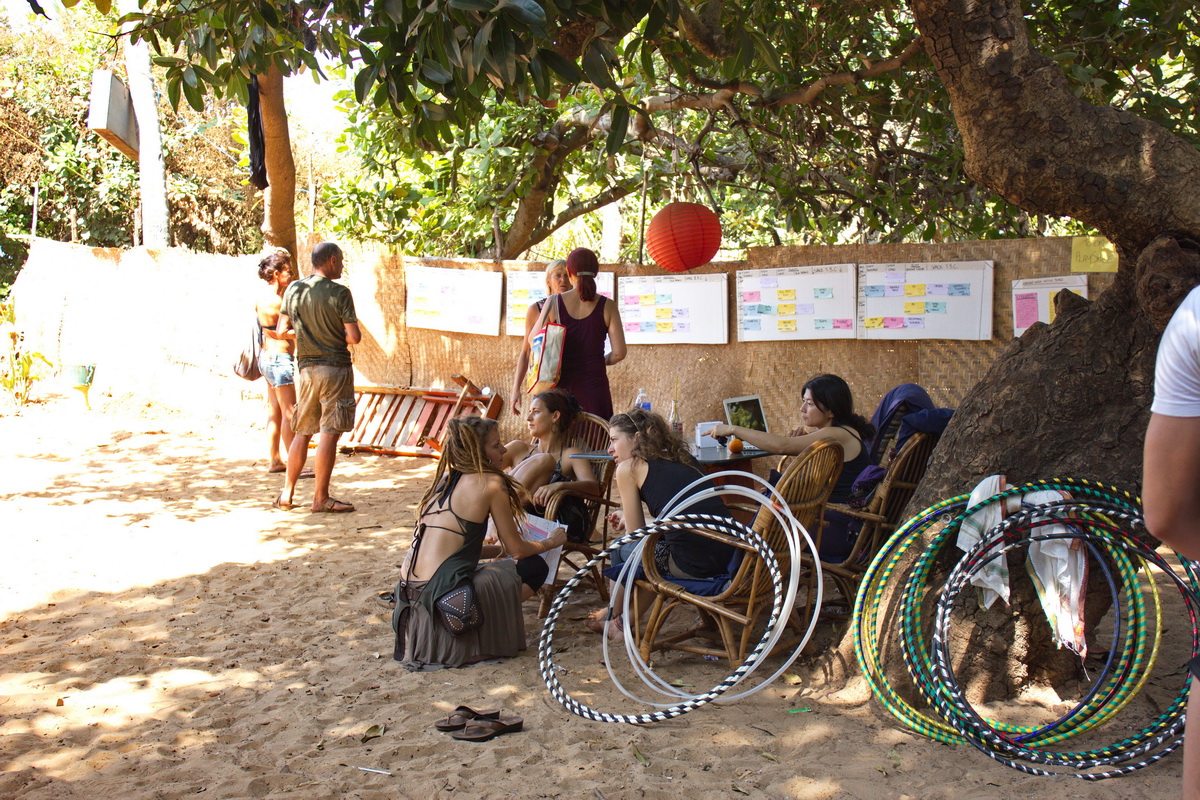
People come here to relax.
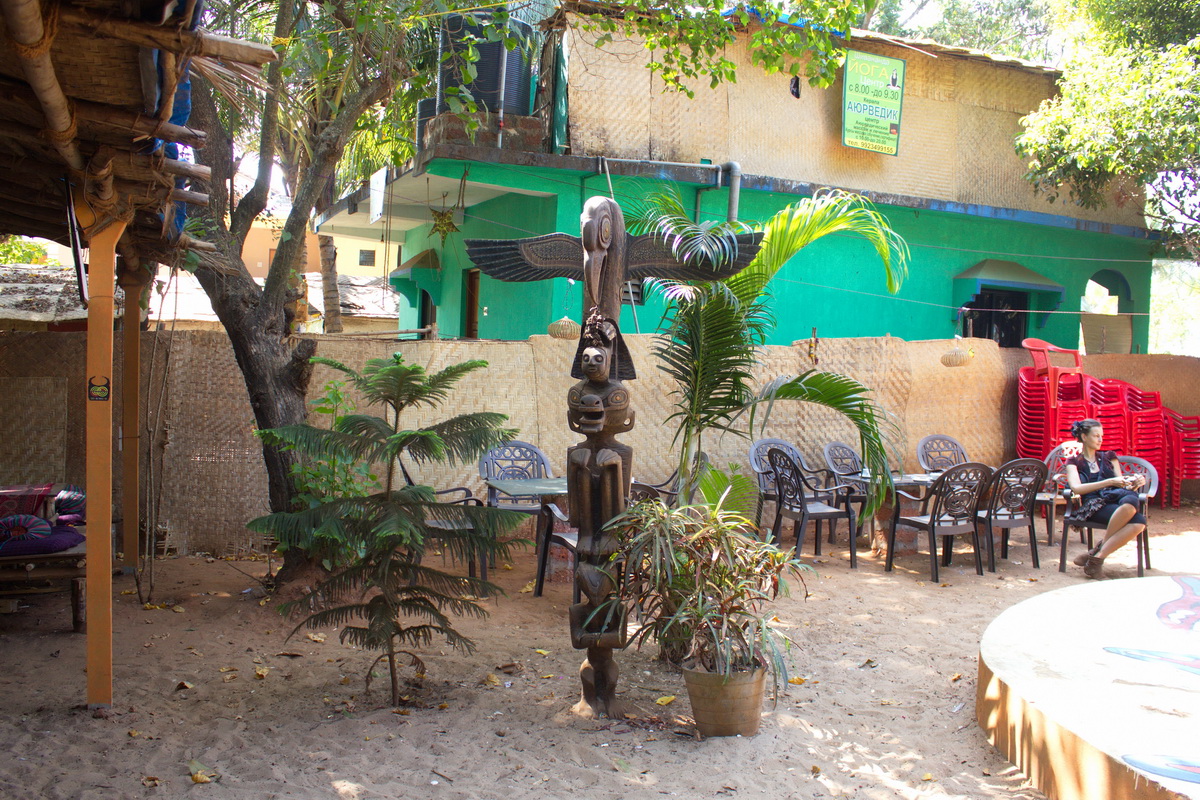
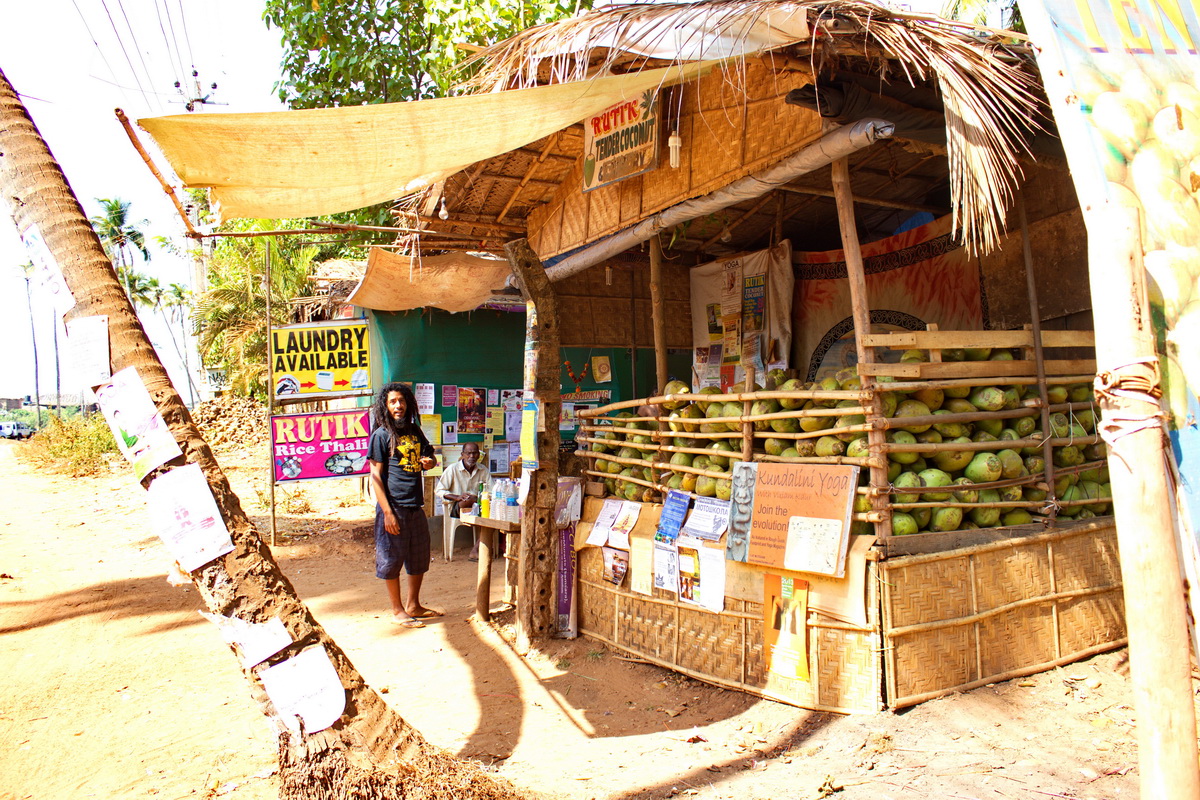
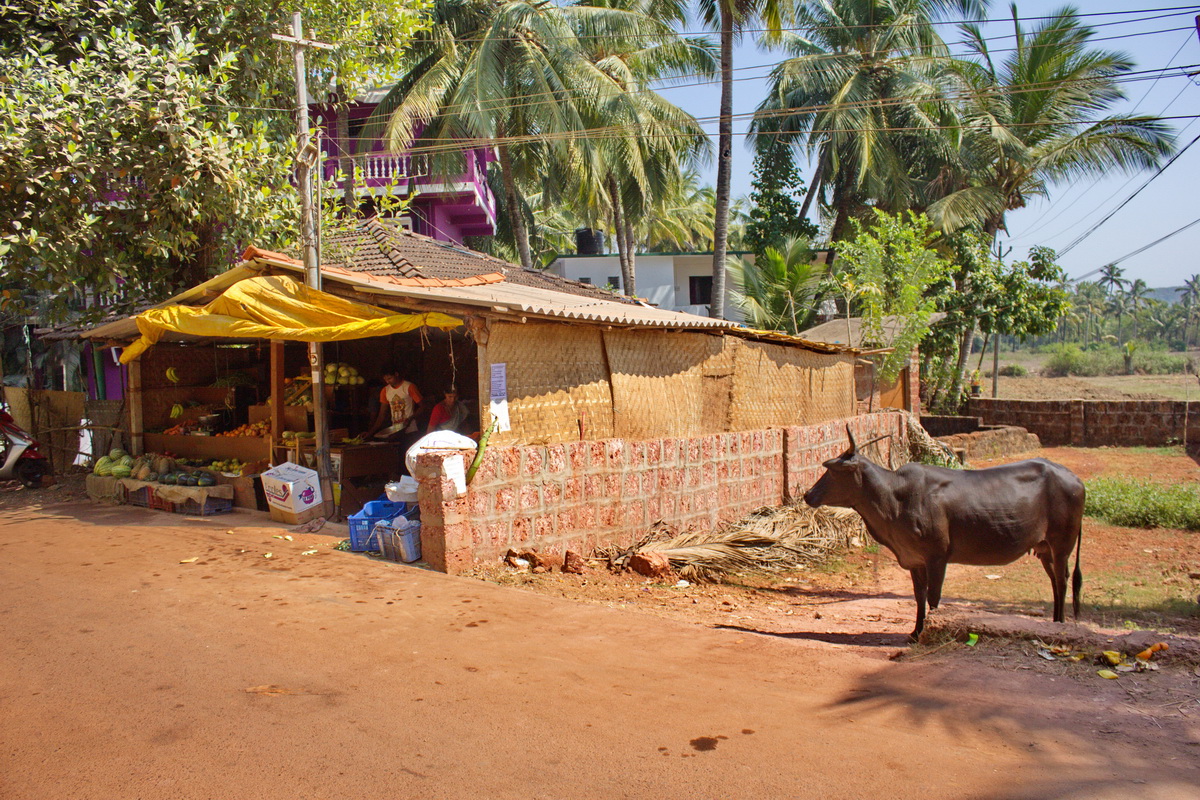
Sale of coconuts and fruits.
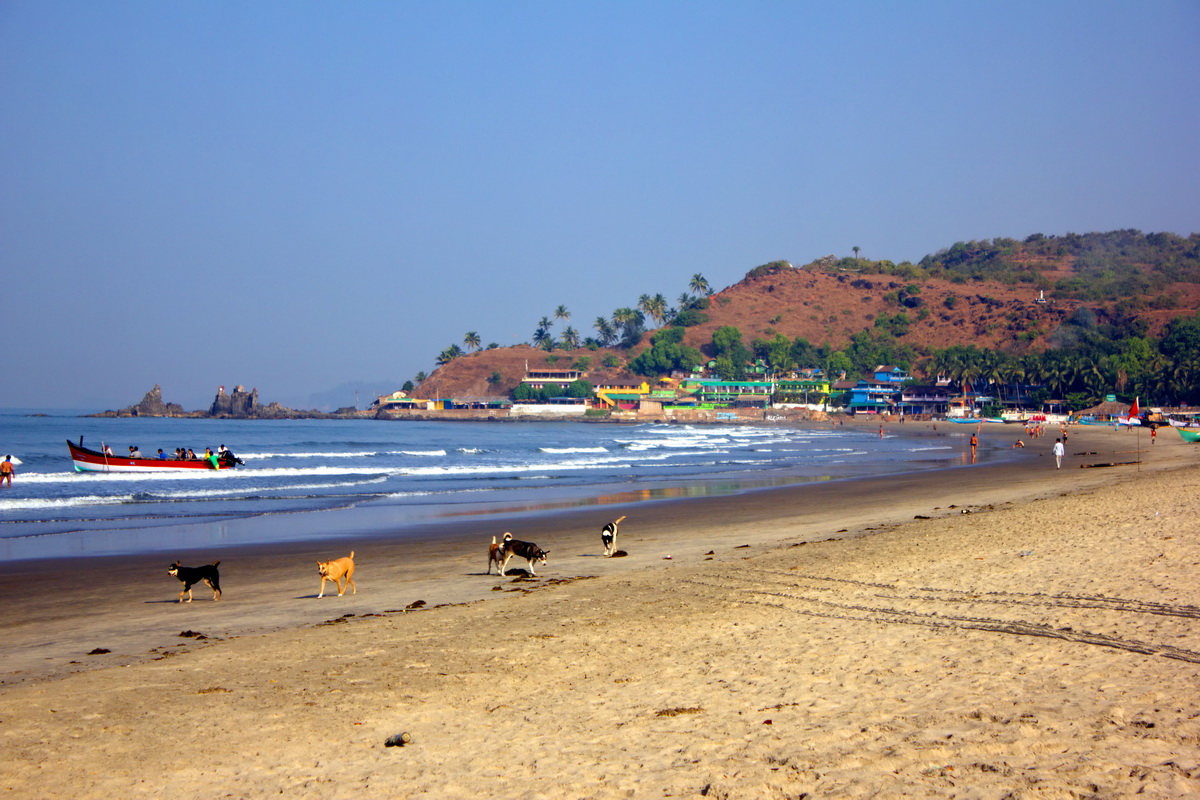
Arambol beach.
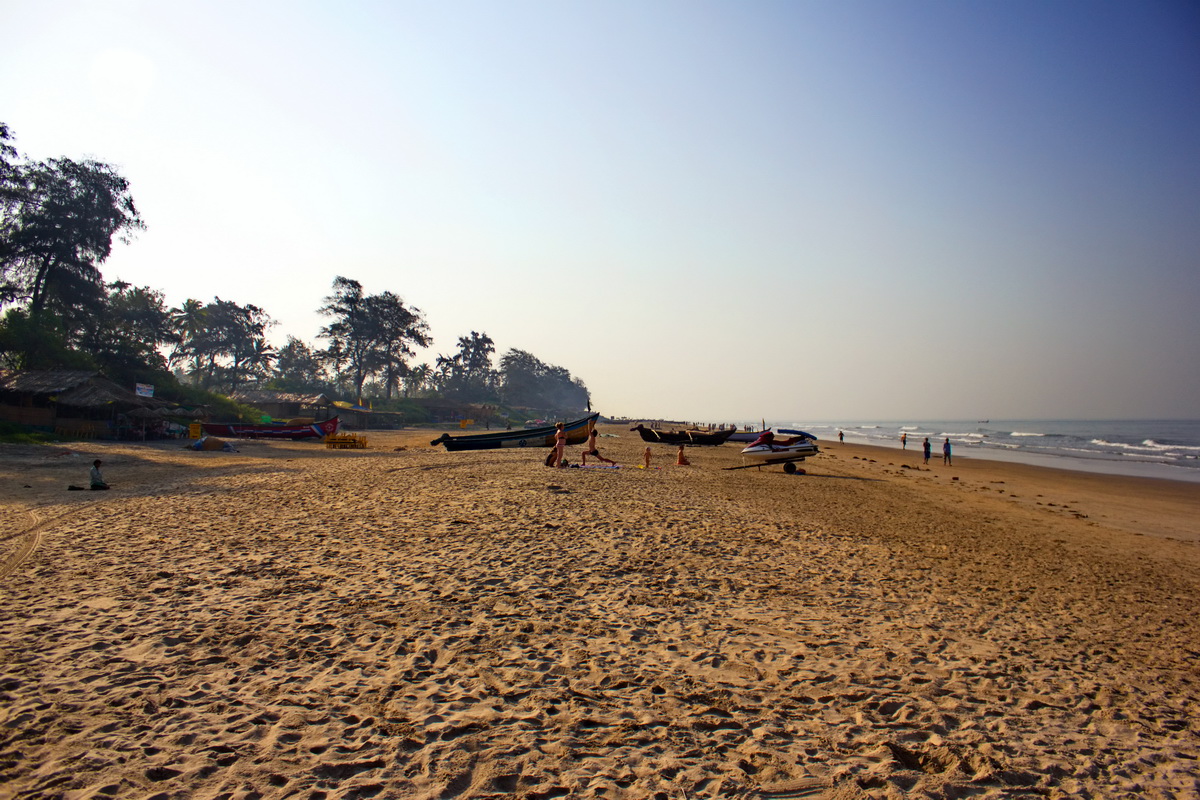
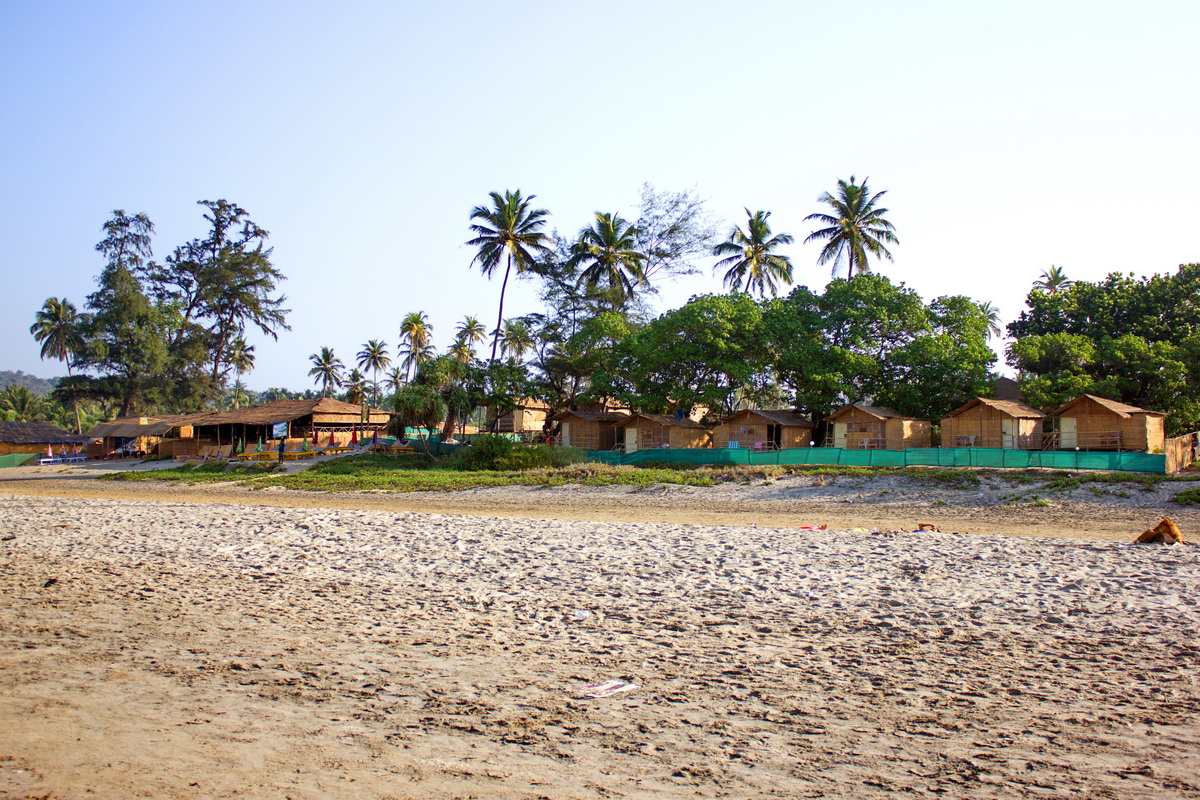
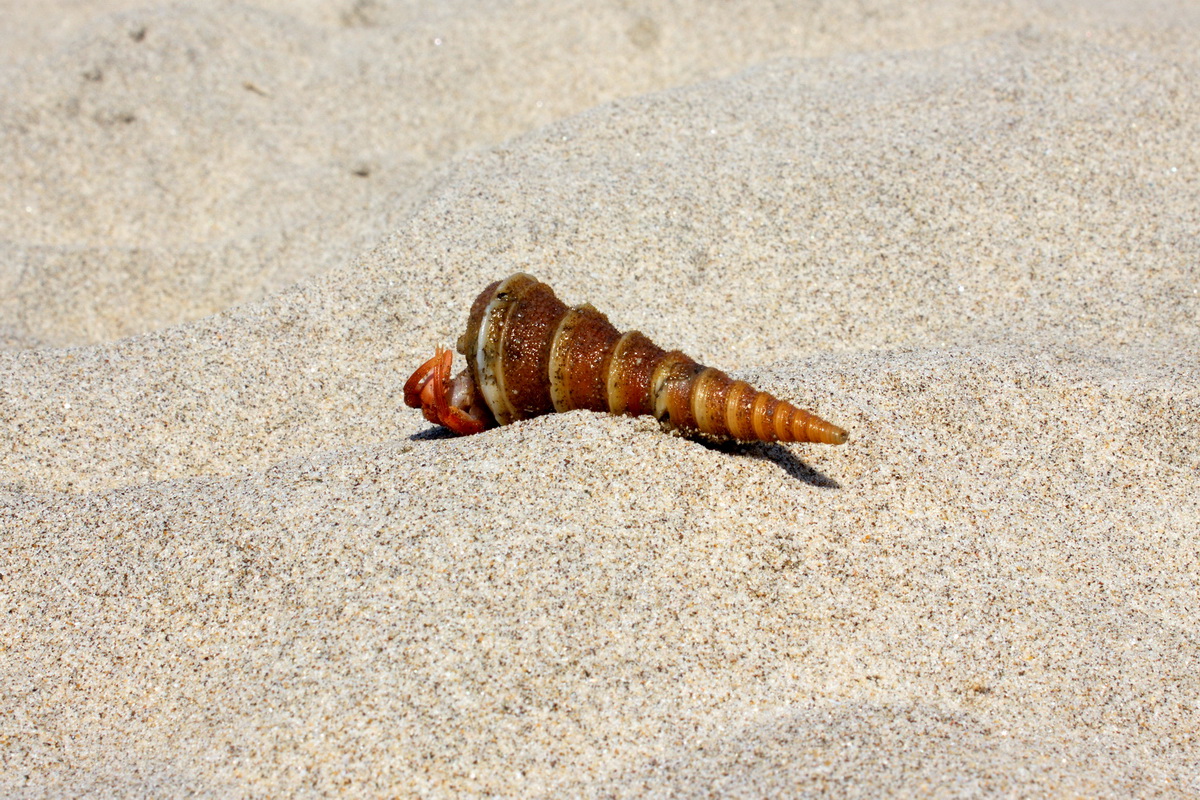
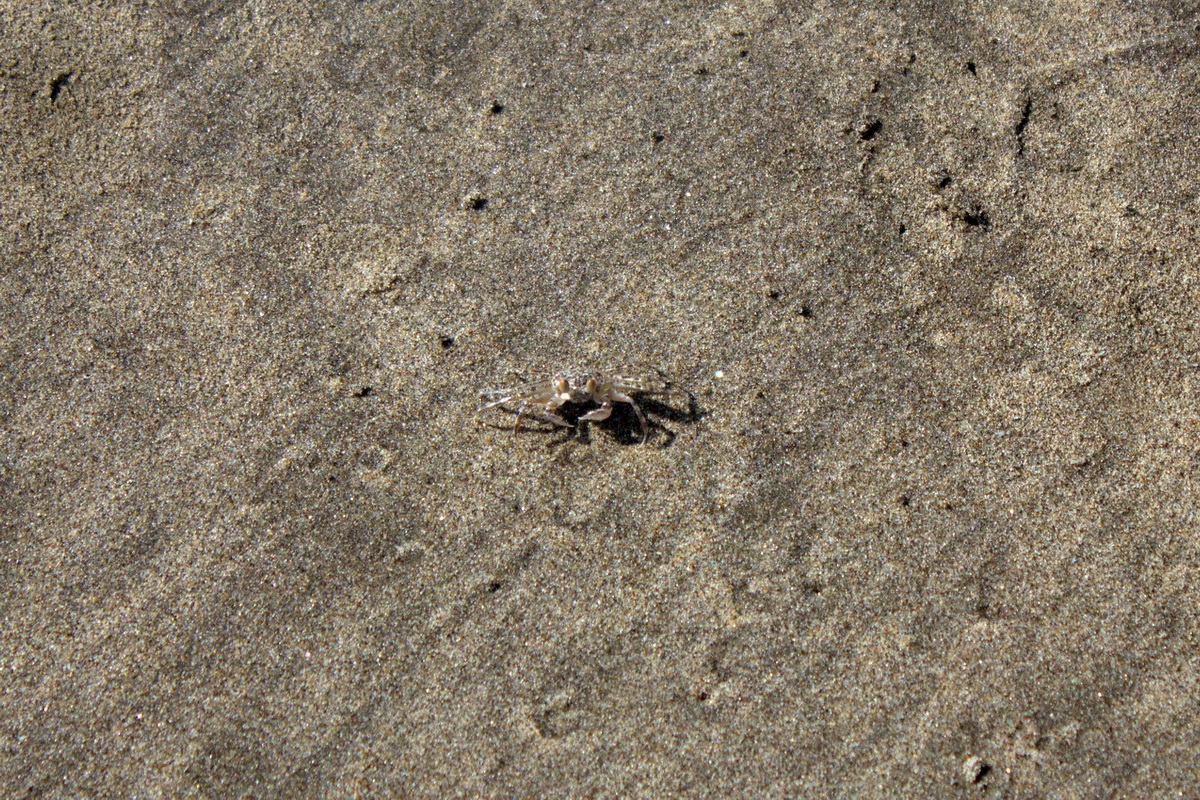
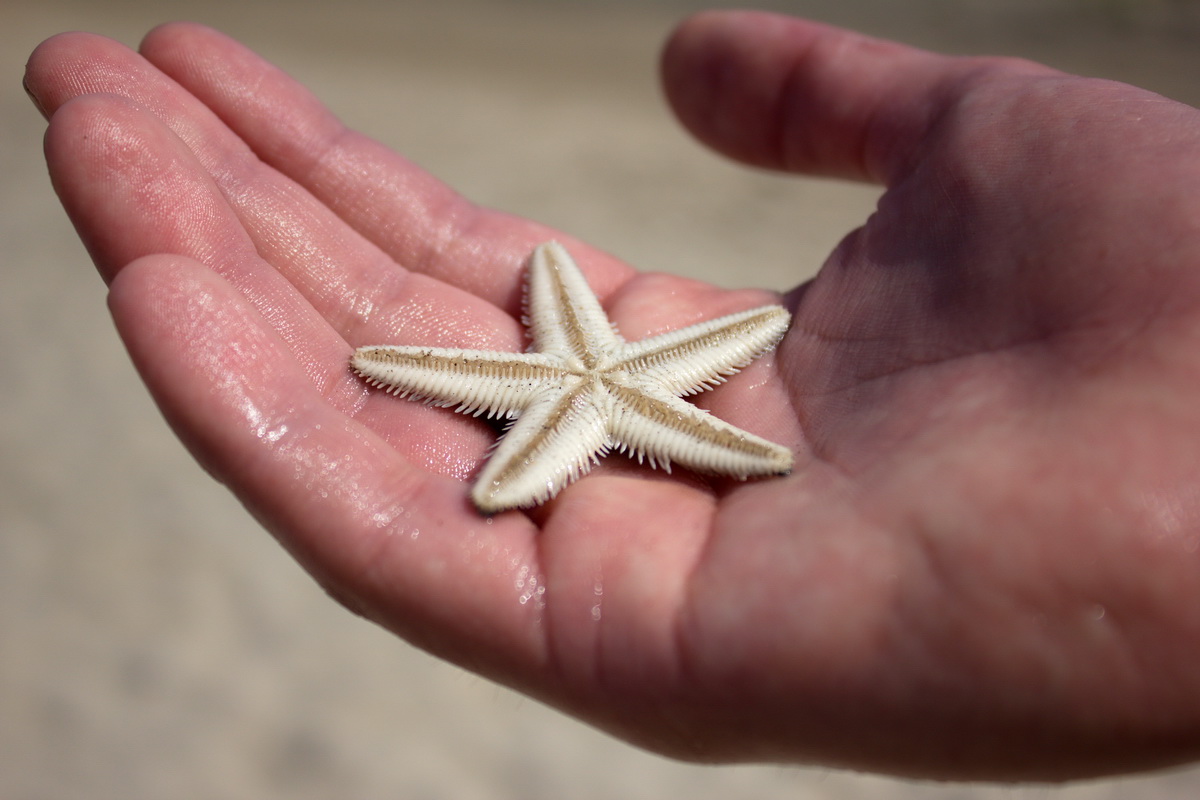
Various marine life can be found on the beach.
Mandrem
The village of Mandrem is located just south of Arambol. The village is separated from the sea by a small river that runs along the beach. To reach the beach, you need to cross the river via numerous wooden bridges.
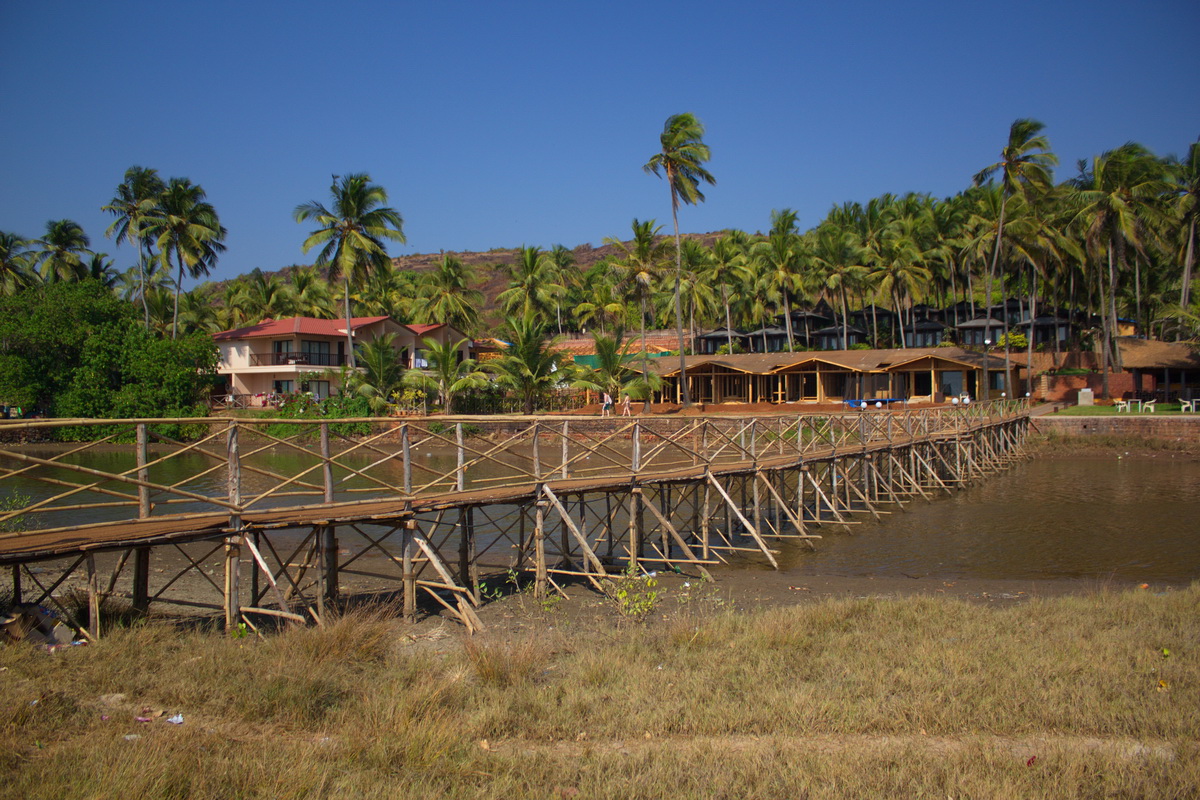
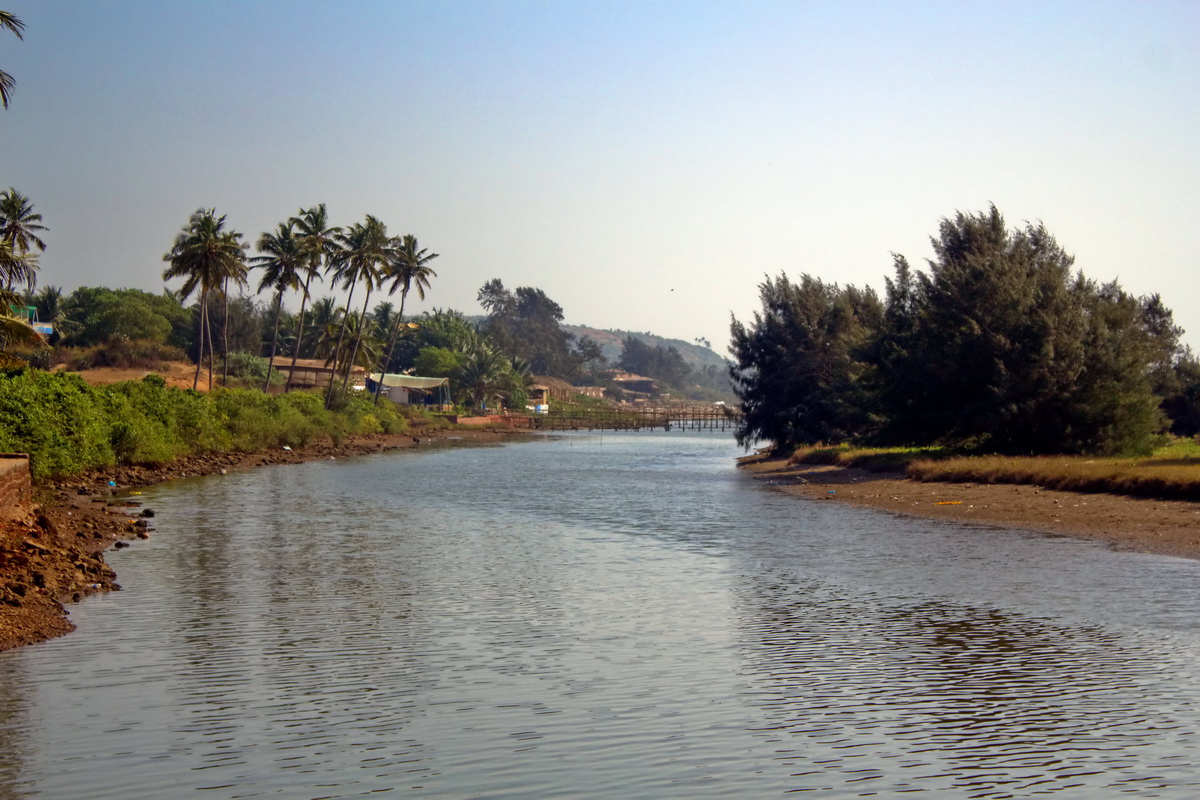
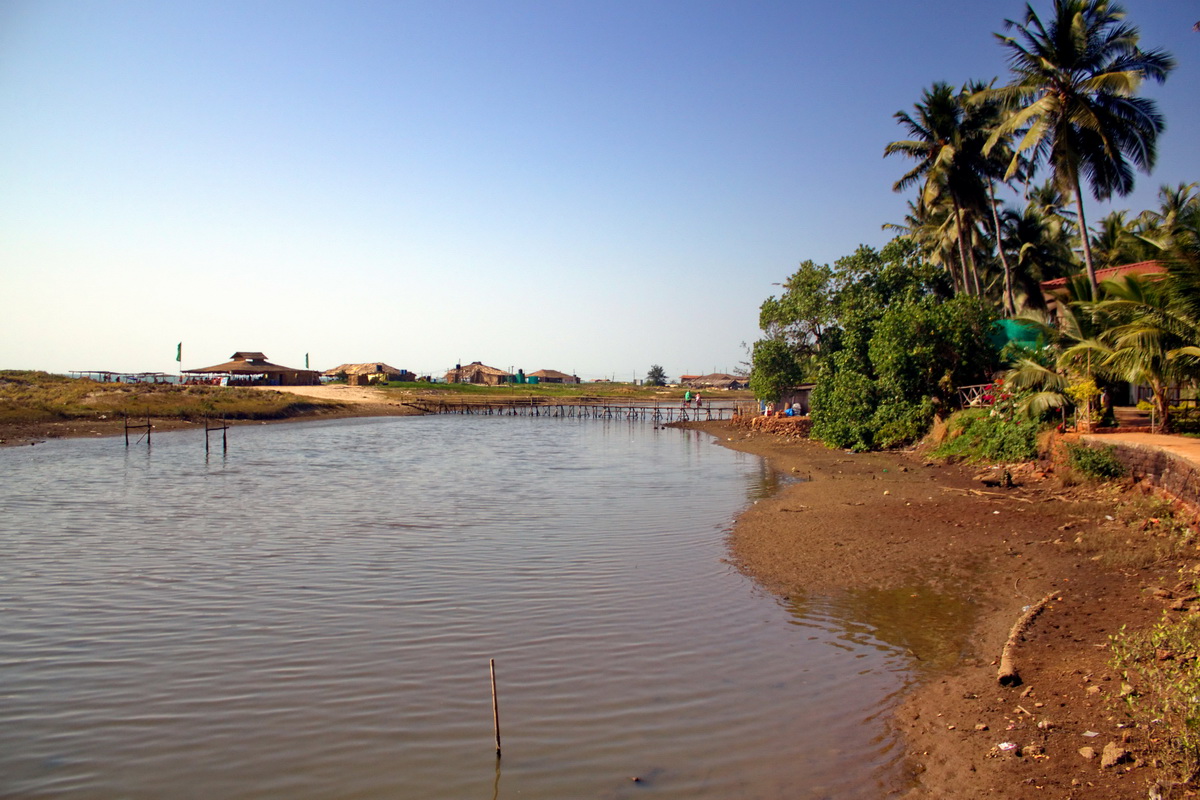
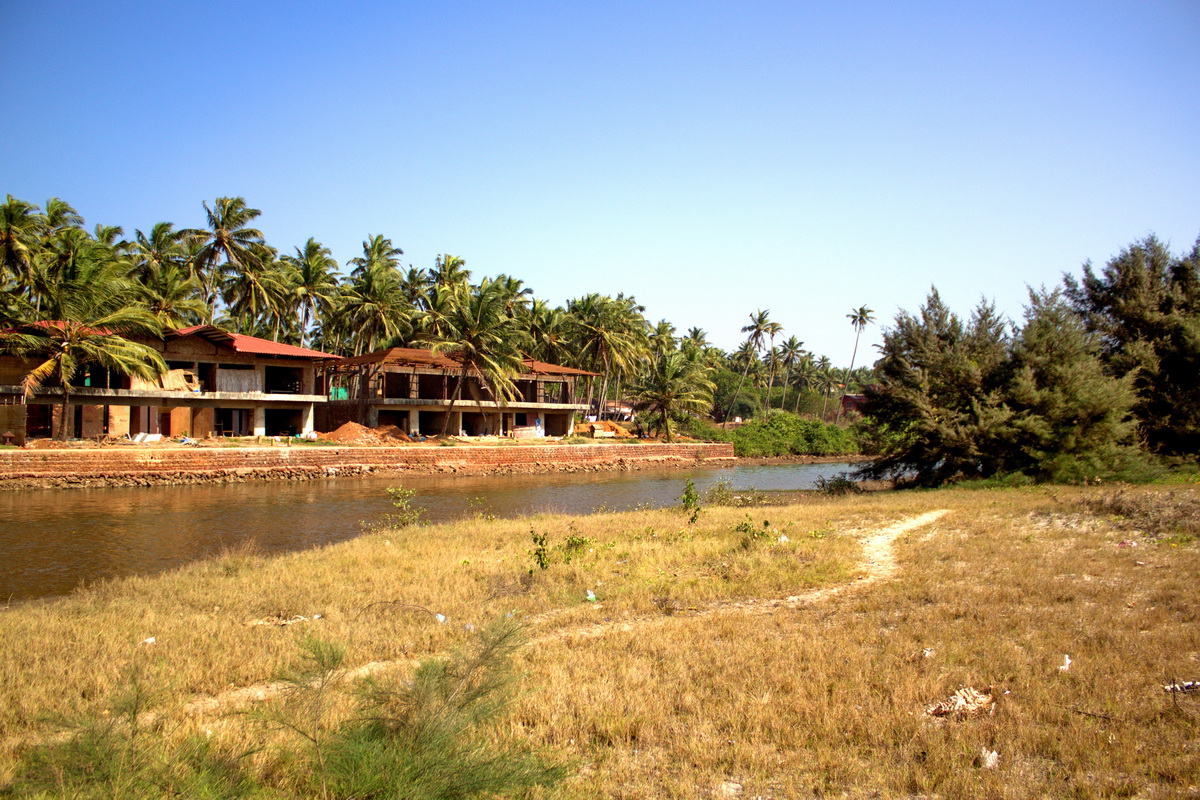
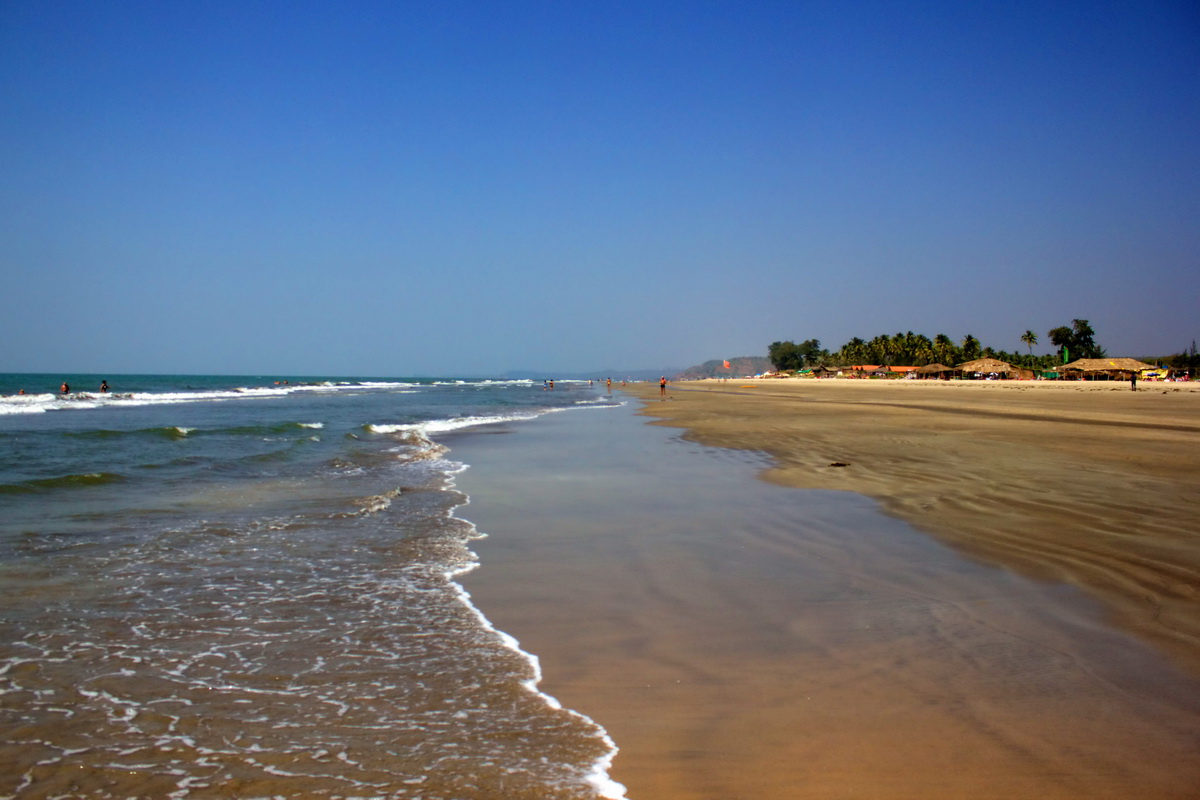
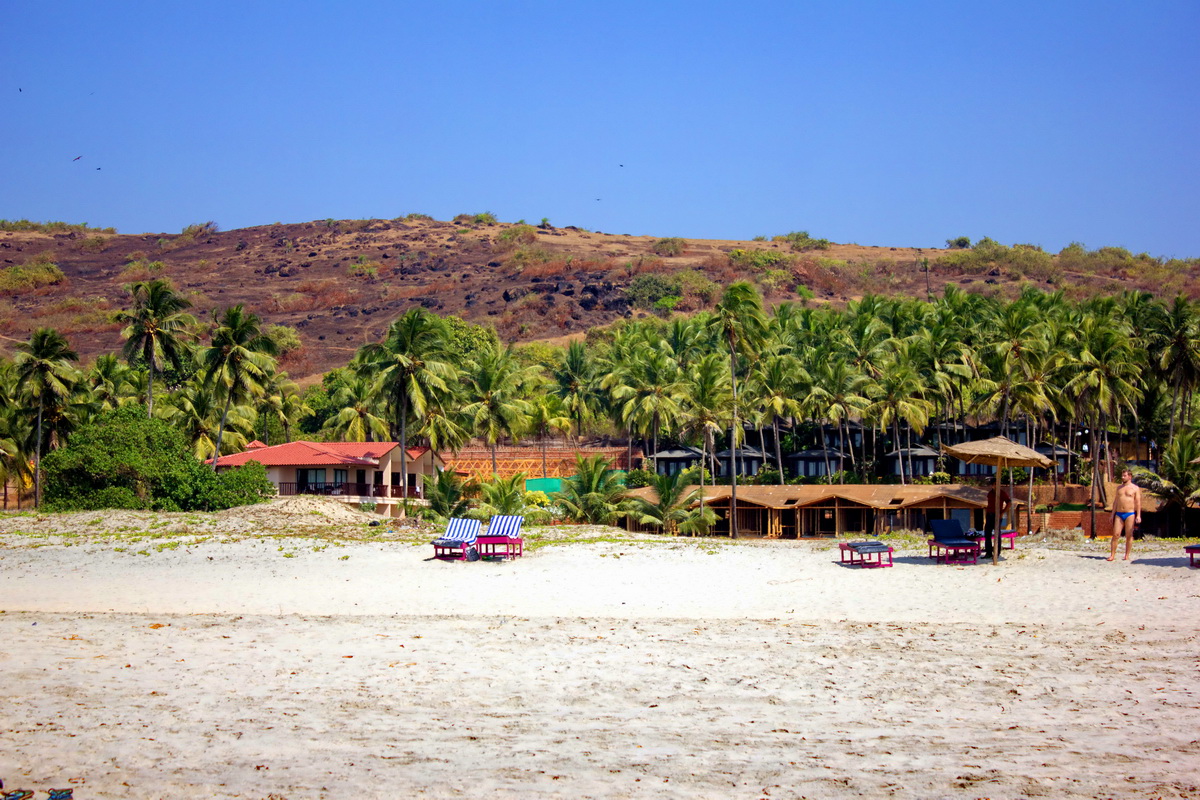
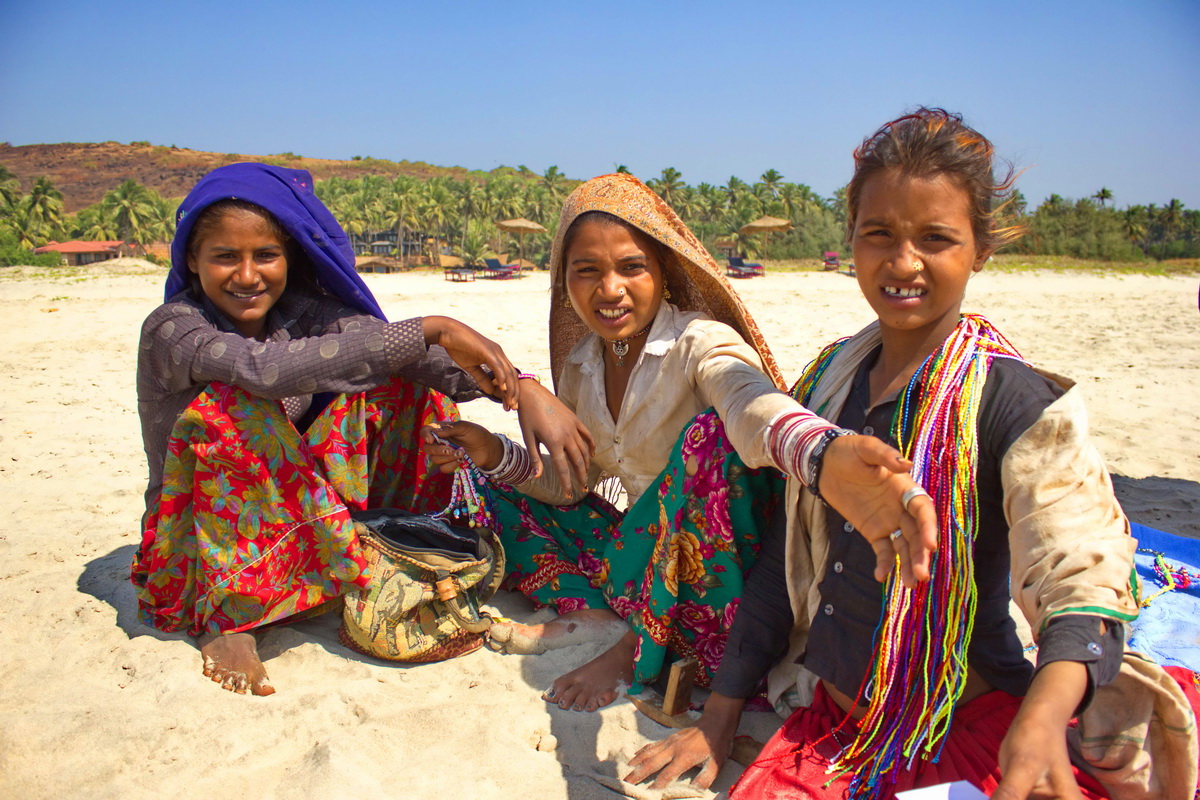
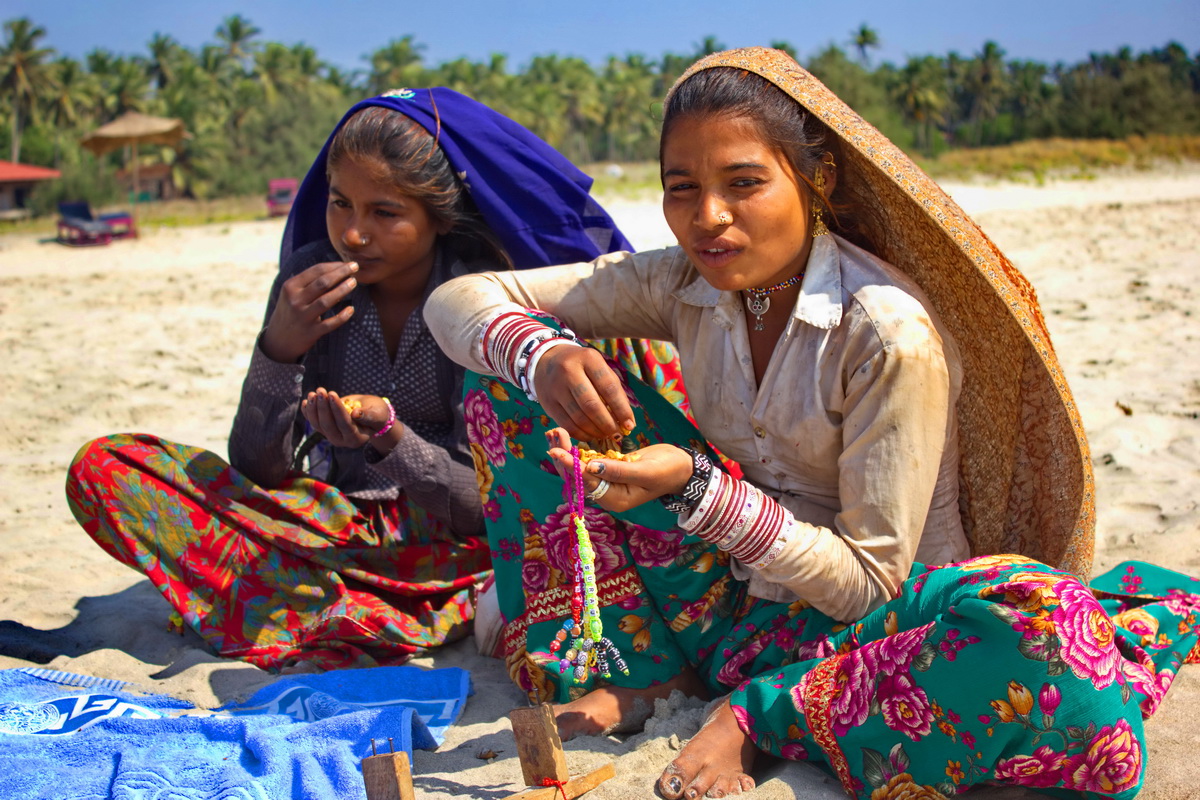
Mandrem beach. The beach has a very wide shoreline, is very shallow, and not crowded, so vendors selling beads and other souvenirs can be particularly persistent here.
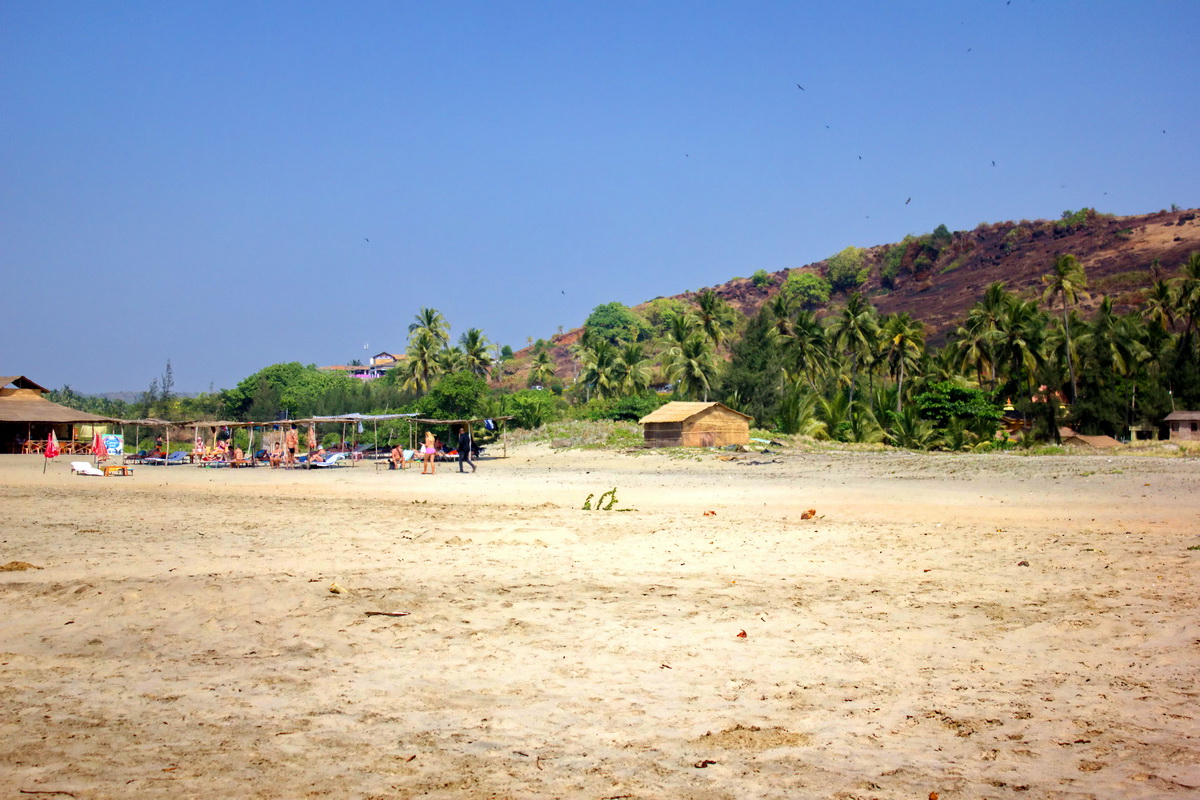
The girls with personalized beaded bracelets found us here too. We treated them to some nuts.
Vagator
The village of Vagator is located between Anjuna and the Chapora River.
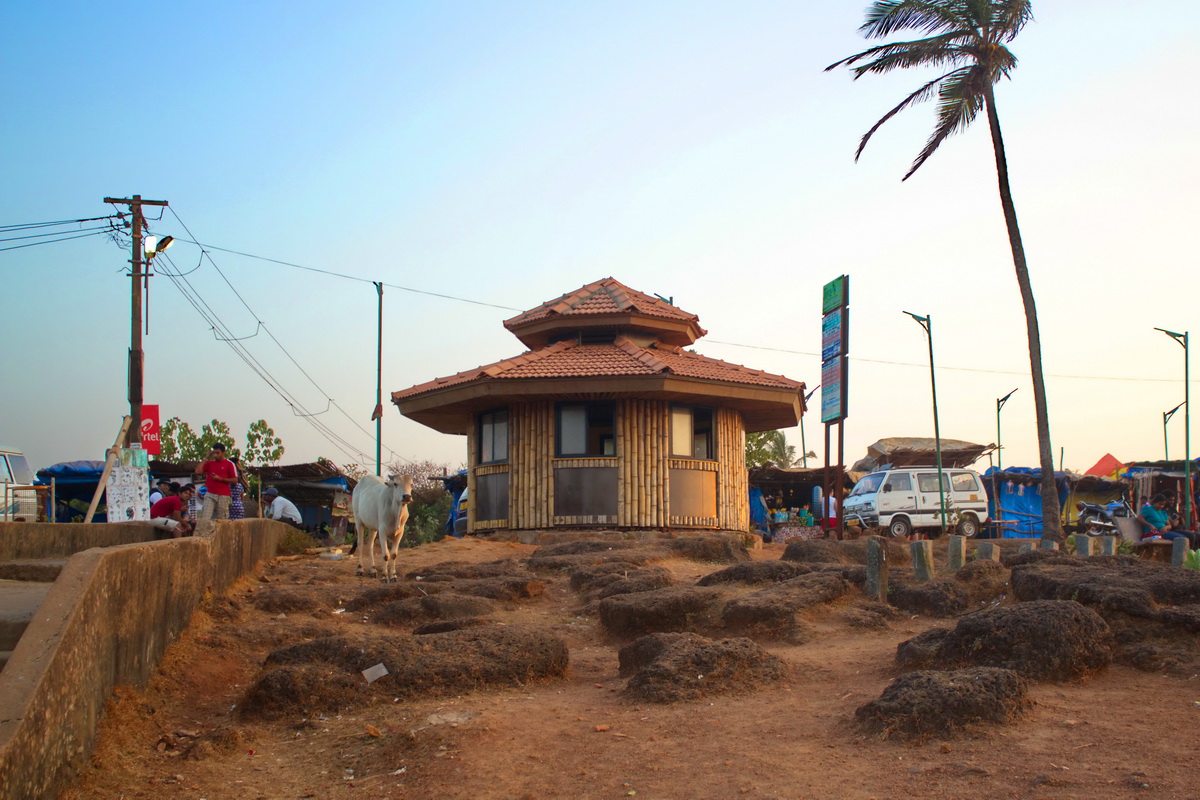
There’s a beach here. The beach is as shallow as those in Arambol and Mandrem.
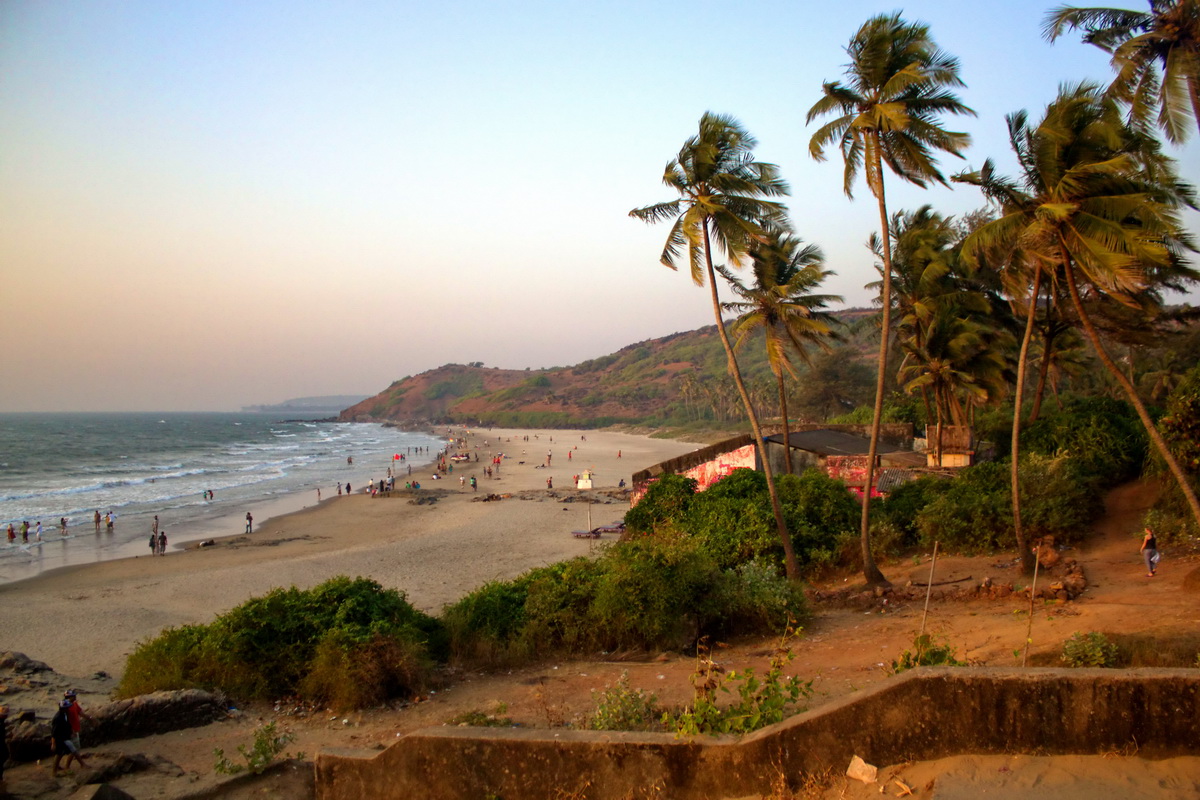
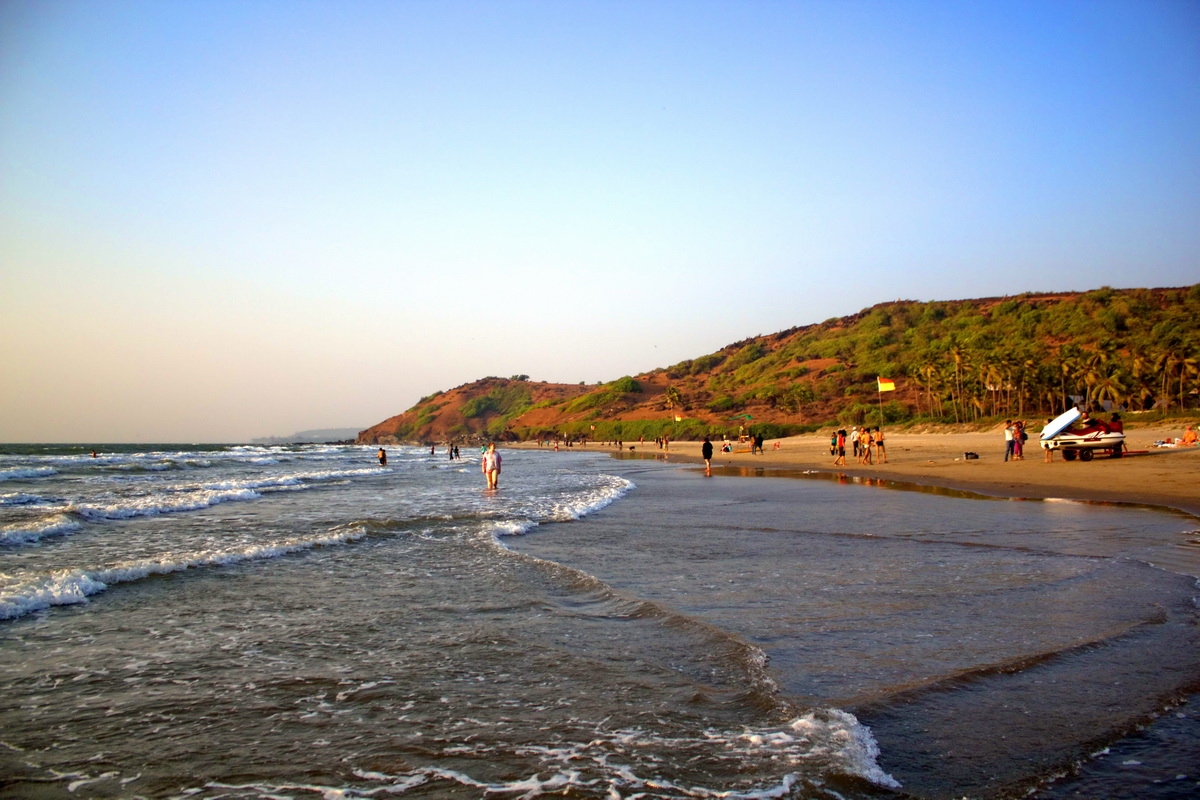
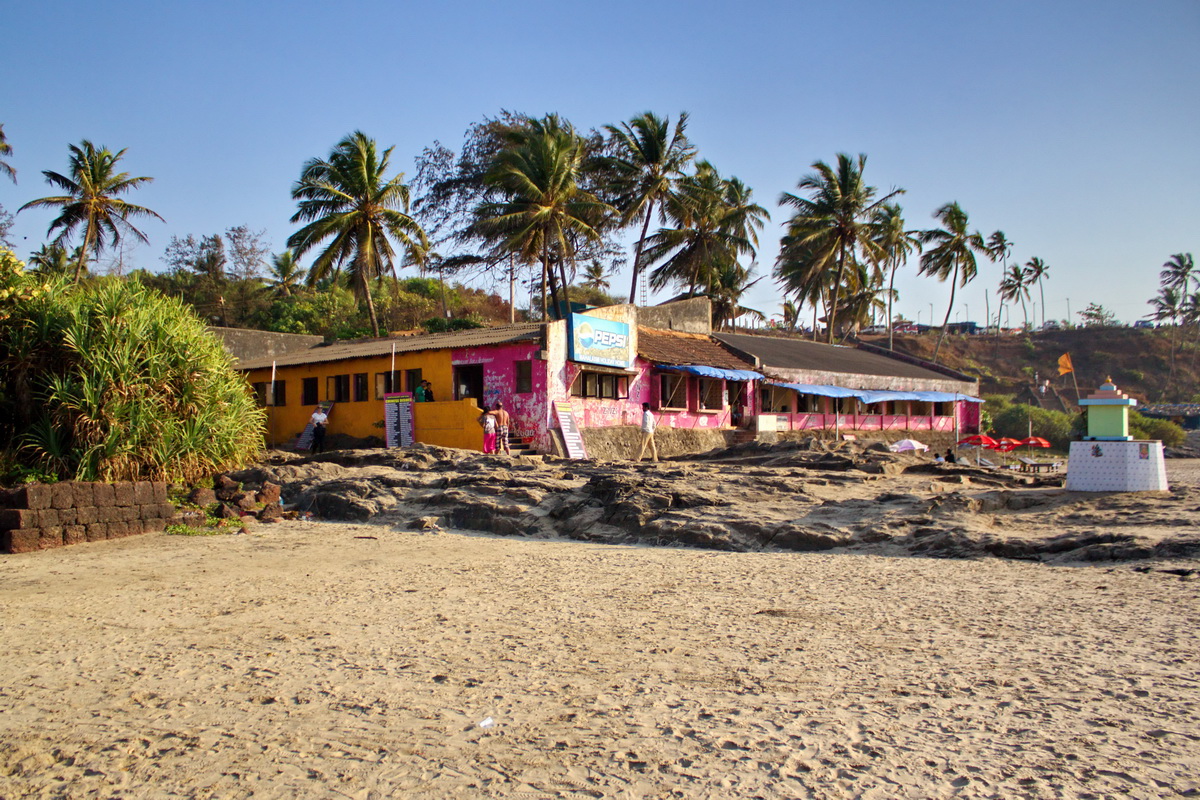
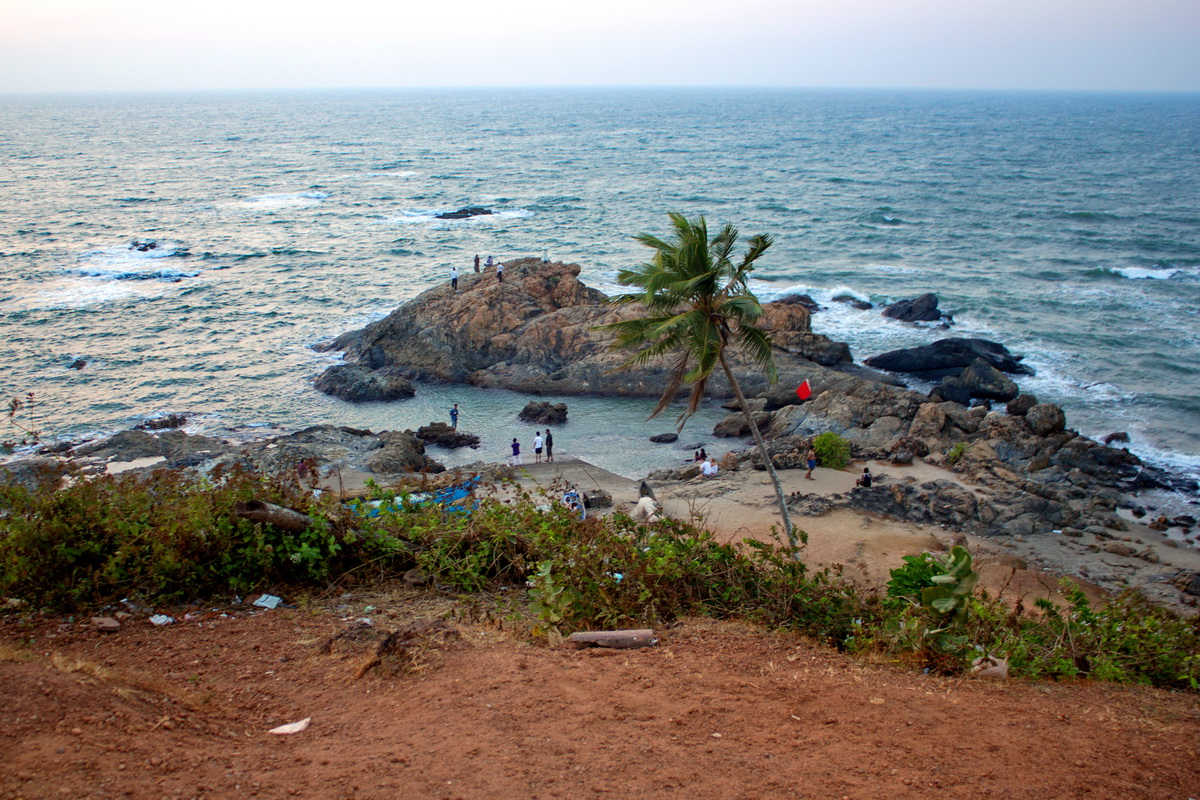
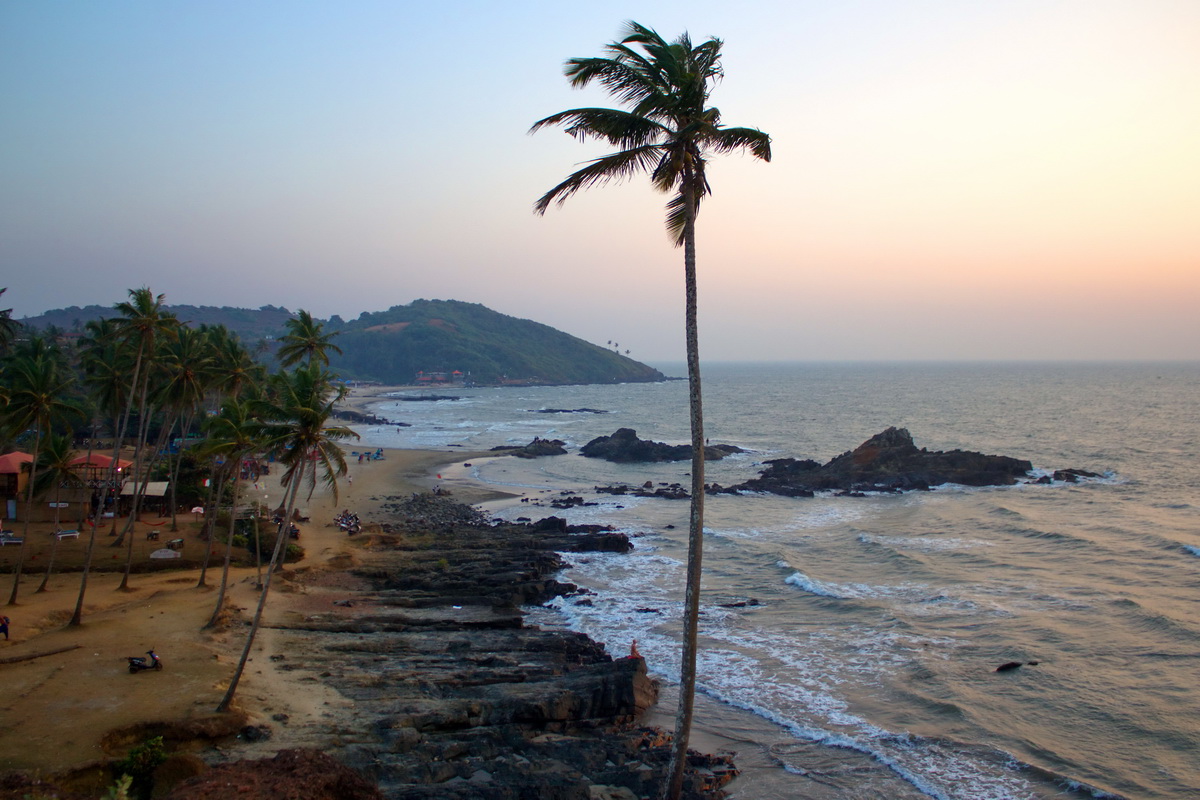
Aside from people, bulls also sunbathe on the beach.
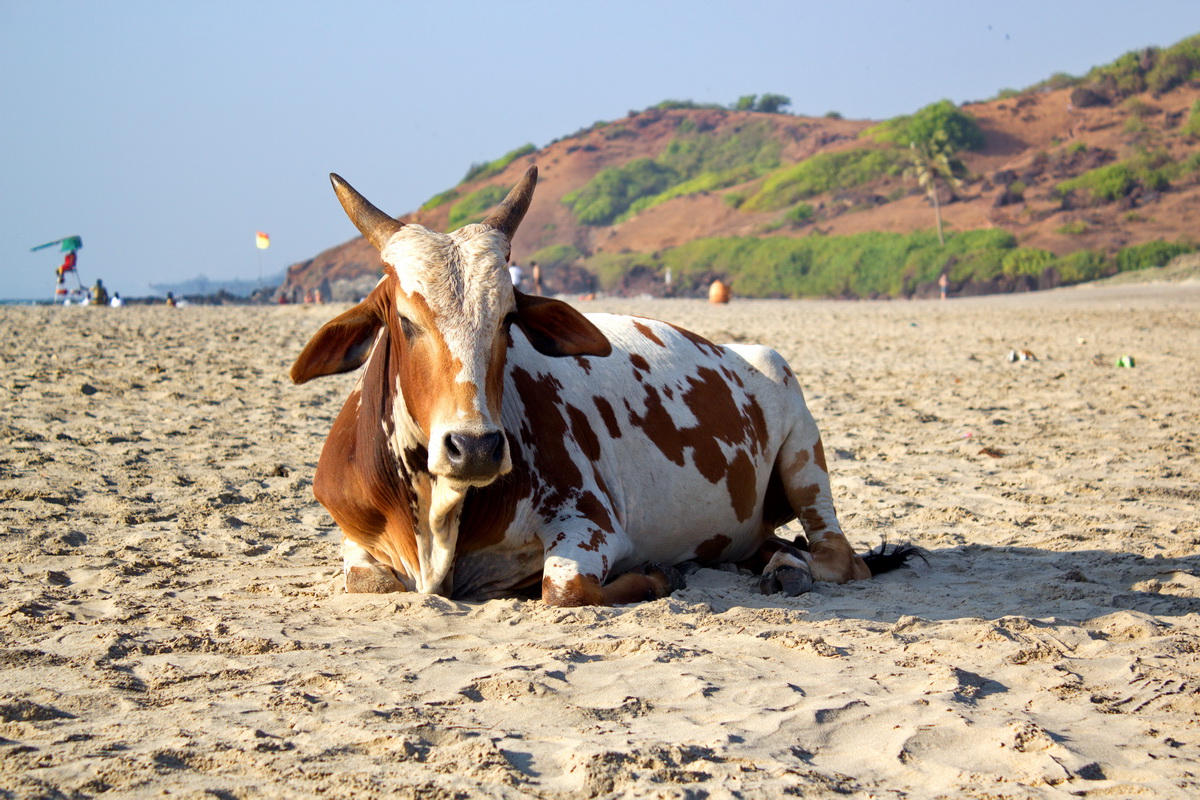
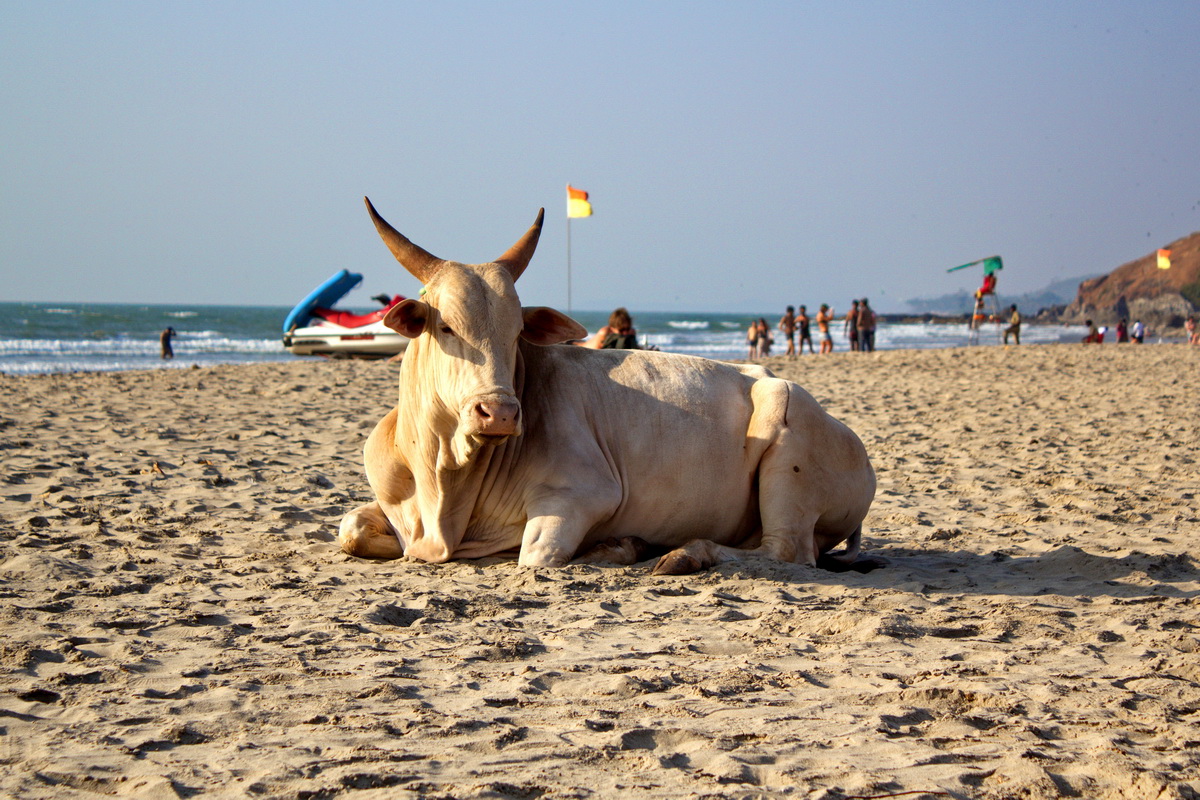
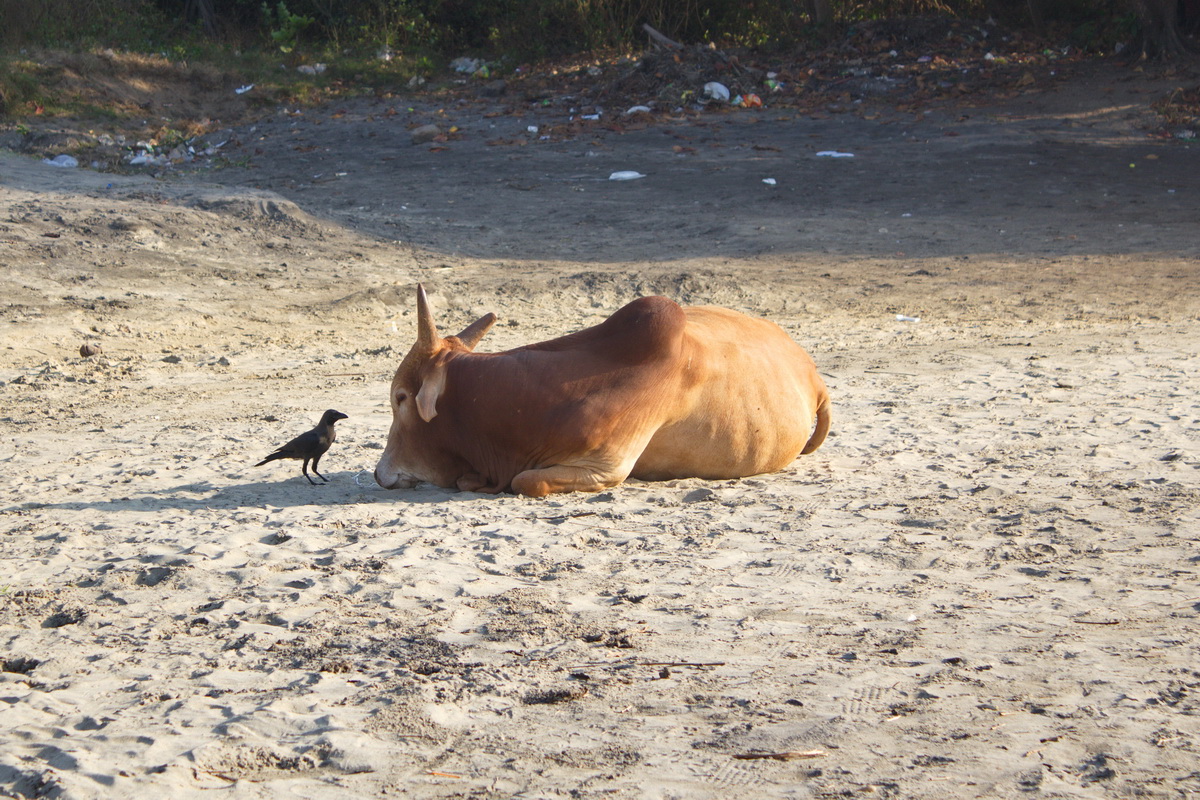
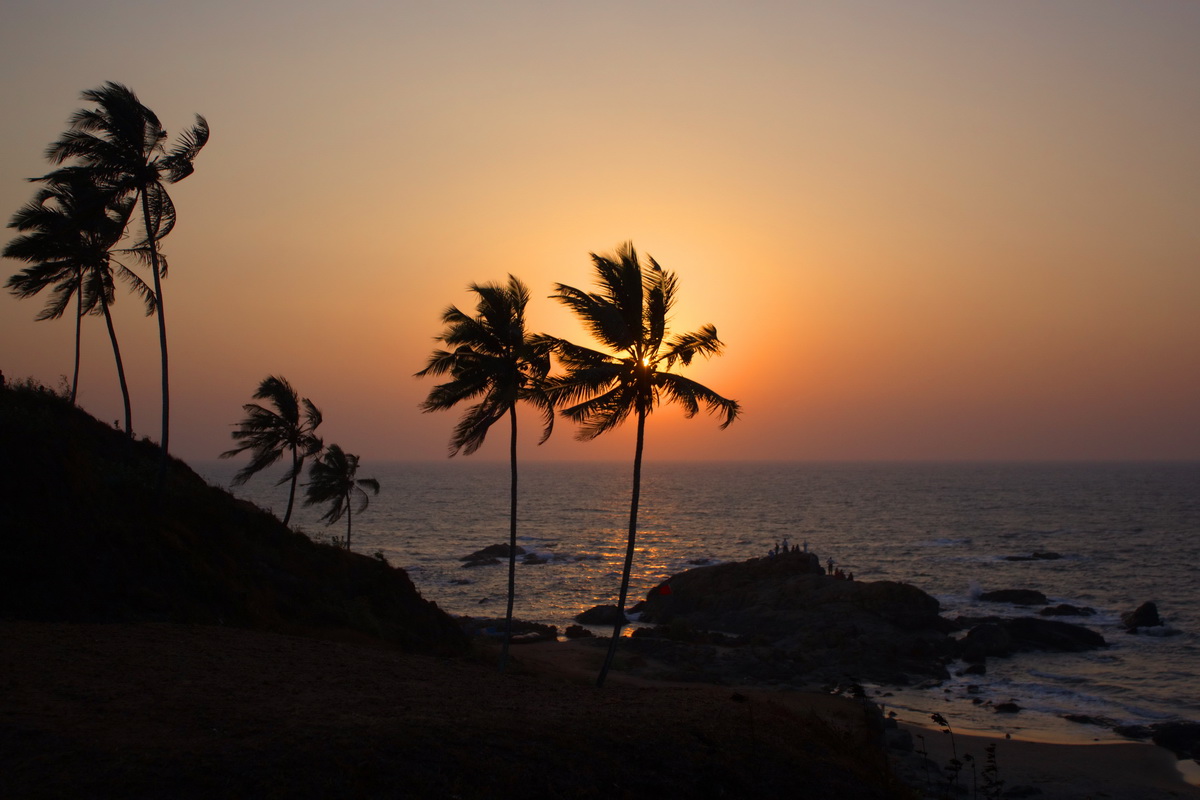
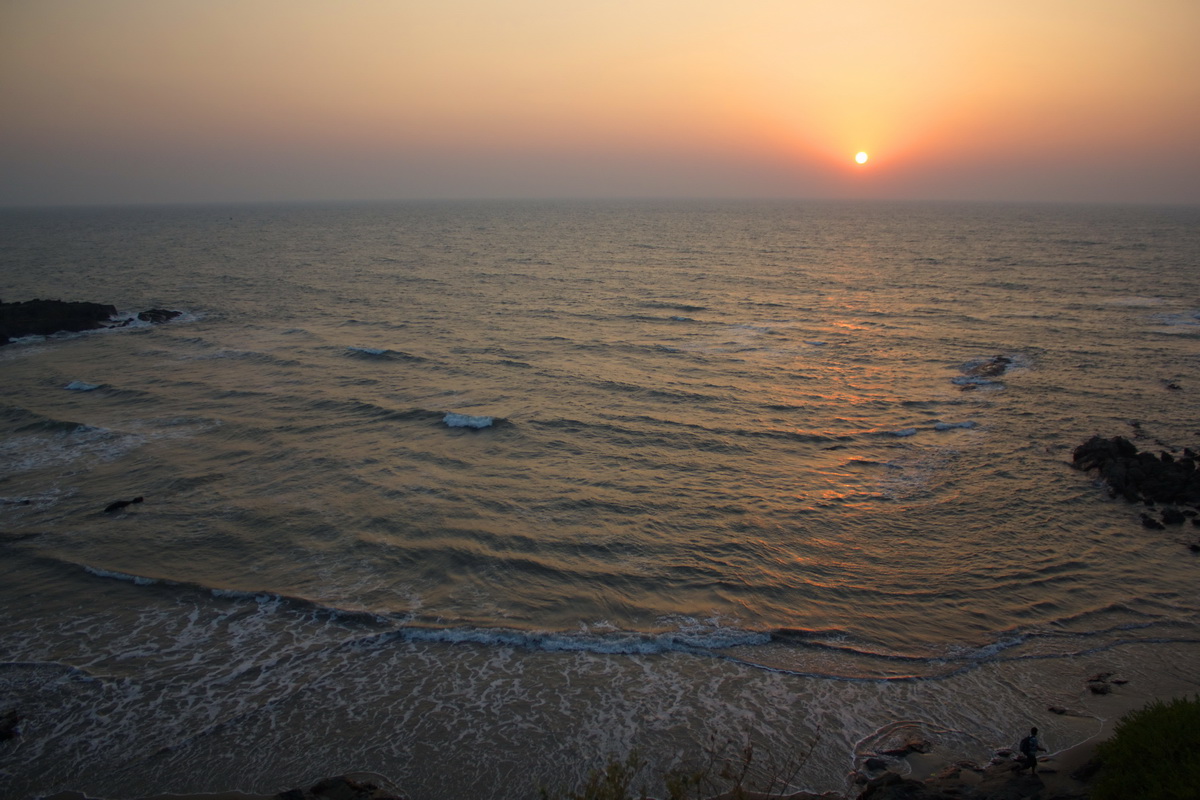
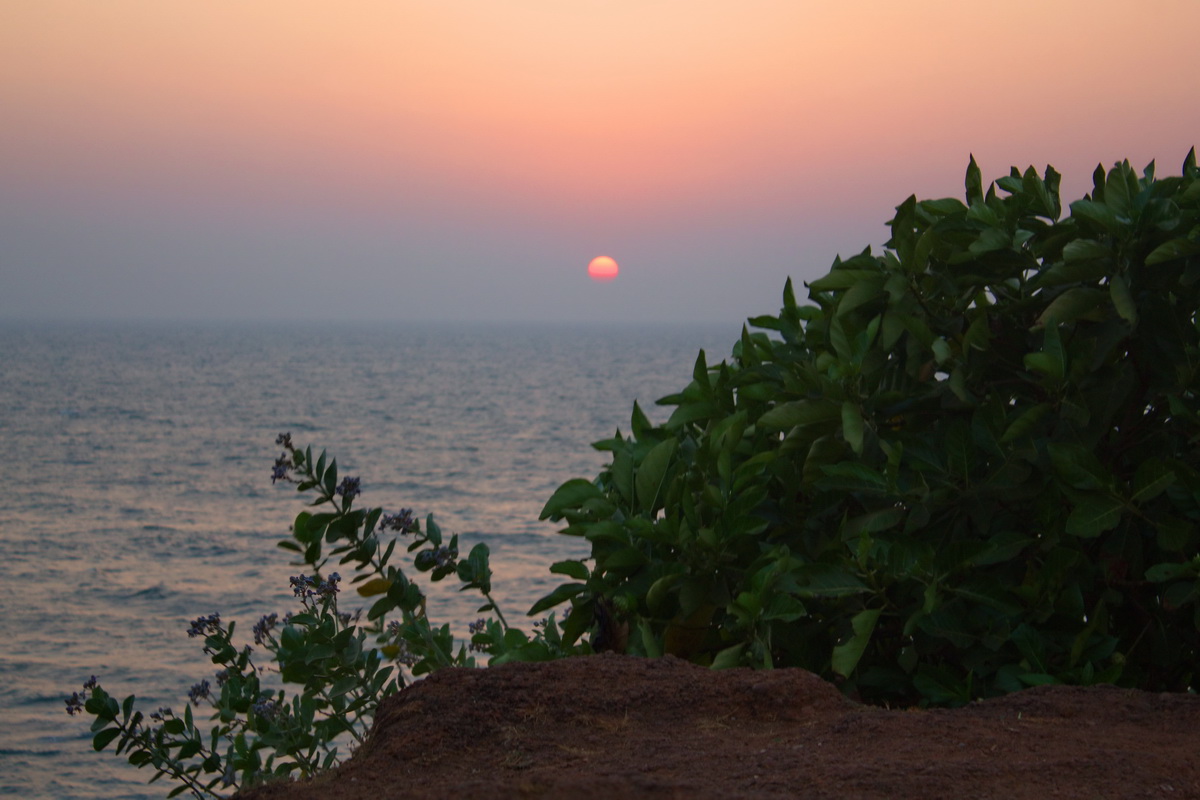
Sunset.
Panaji
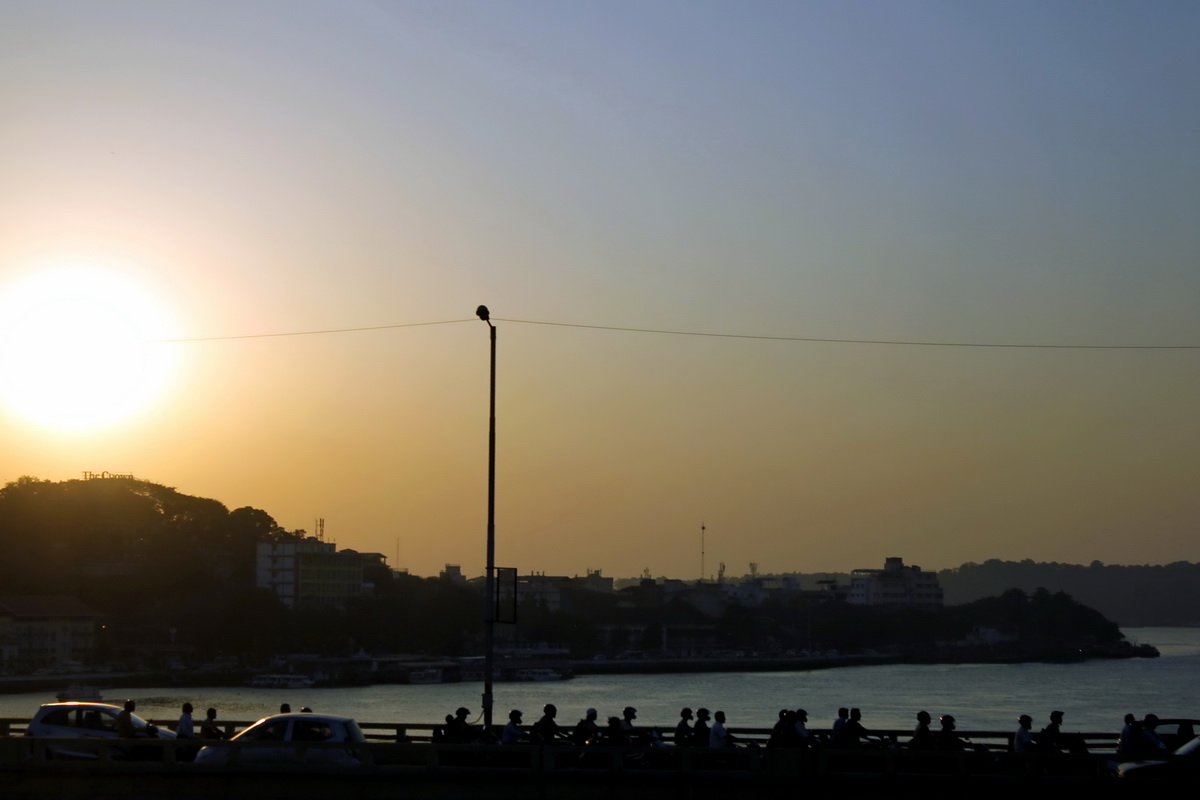
Panaji is the capital of Goa. It is located in the central part of Goa, on the banks of the Mandovi River. It’s a pity we couldn’t stay here longer.
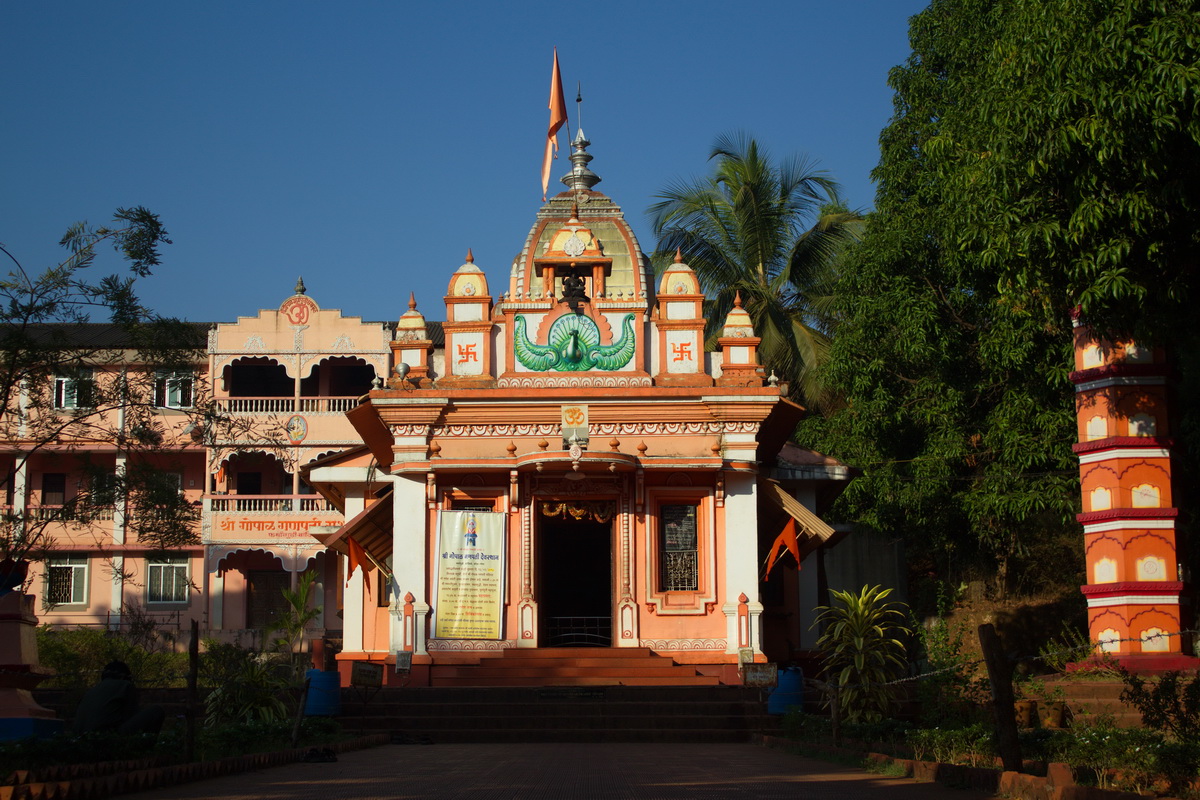
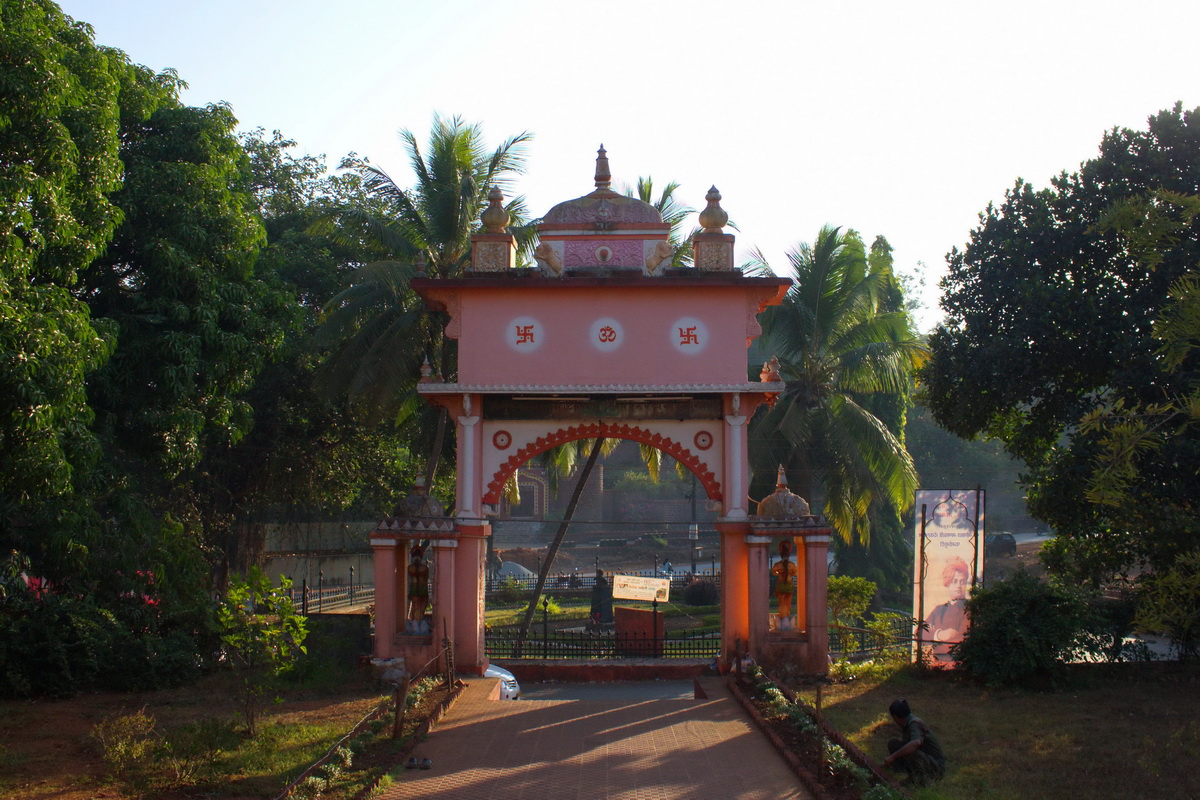
Ganesh temple in Panaji.
Old Goa
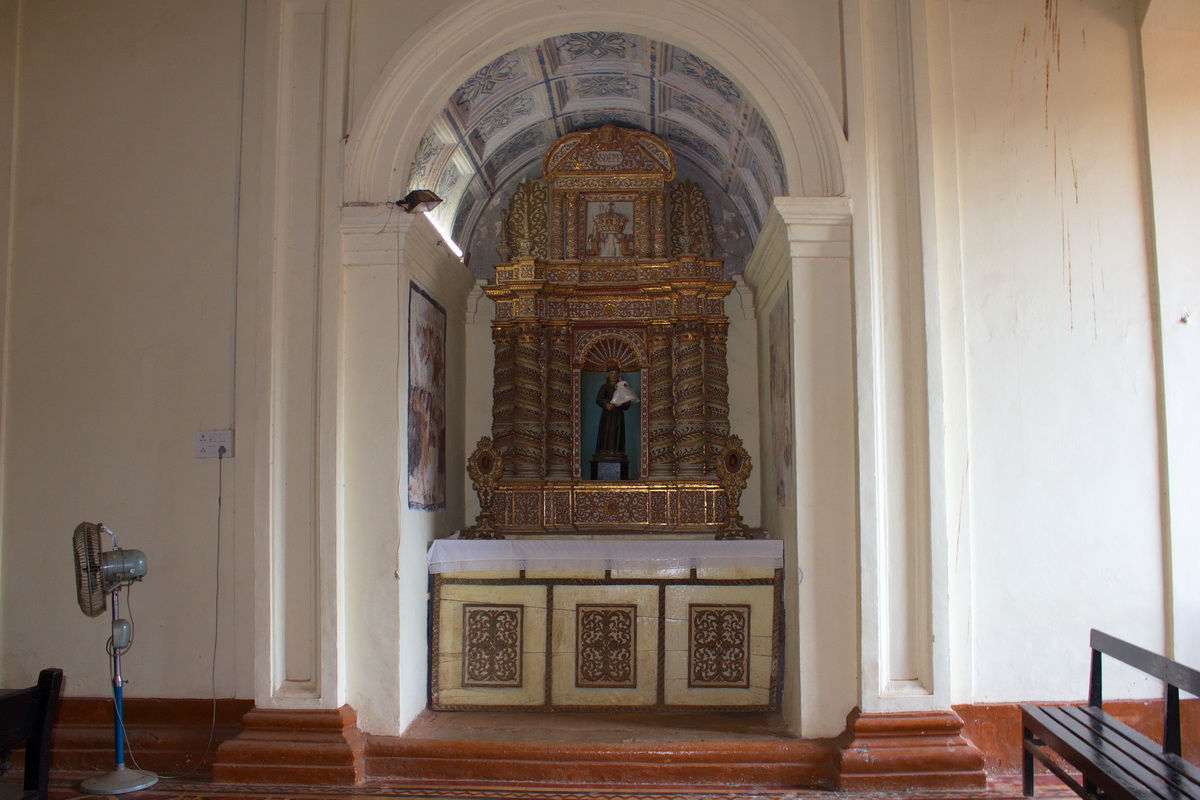
Old Goa was the former capital of the state (from 1510 to 1847) and is located near Panaji.
...
...
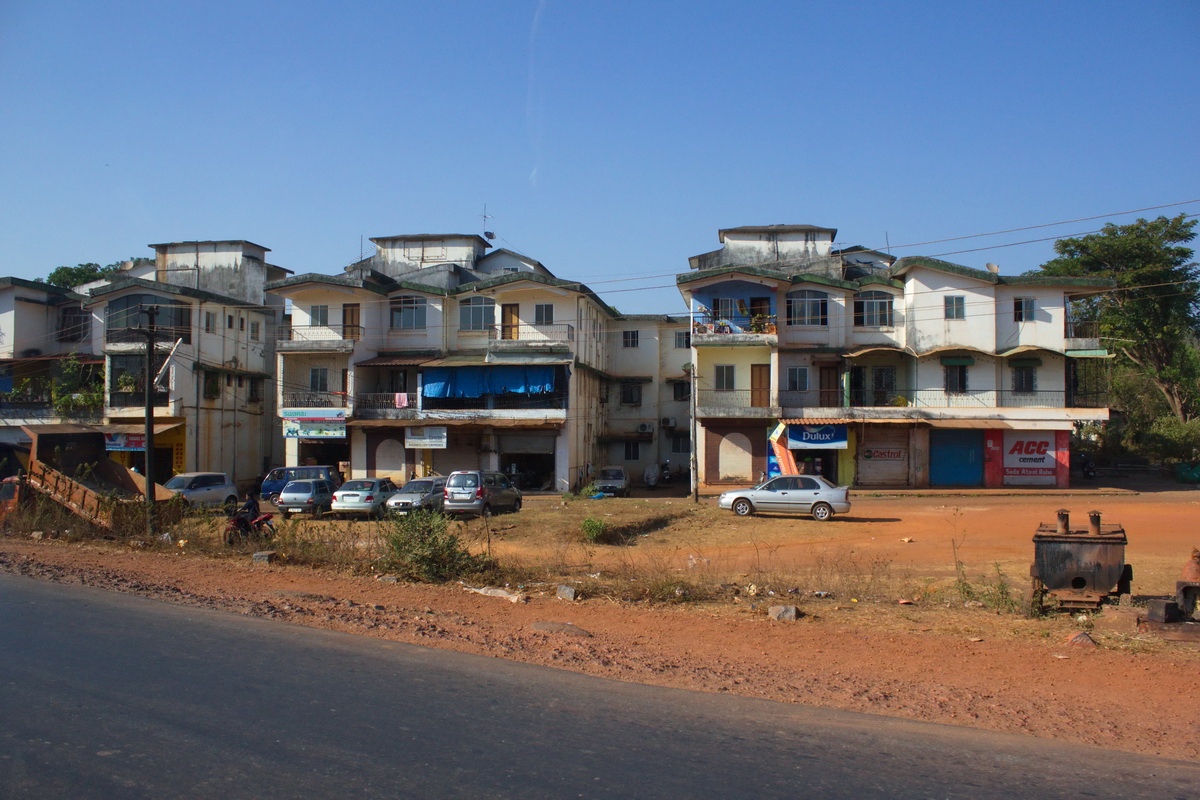
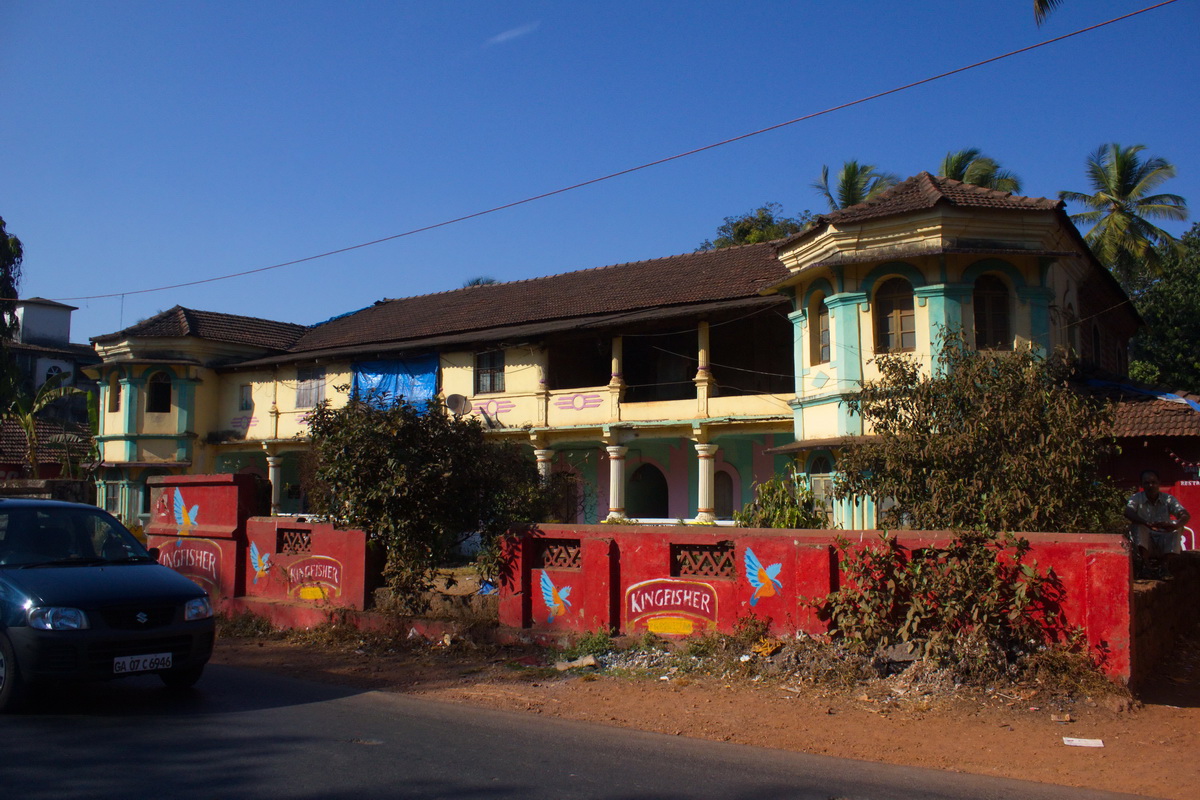
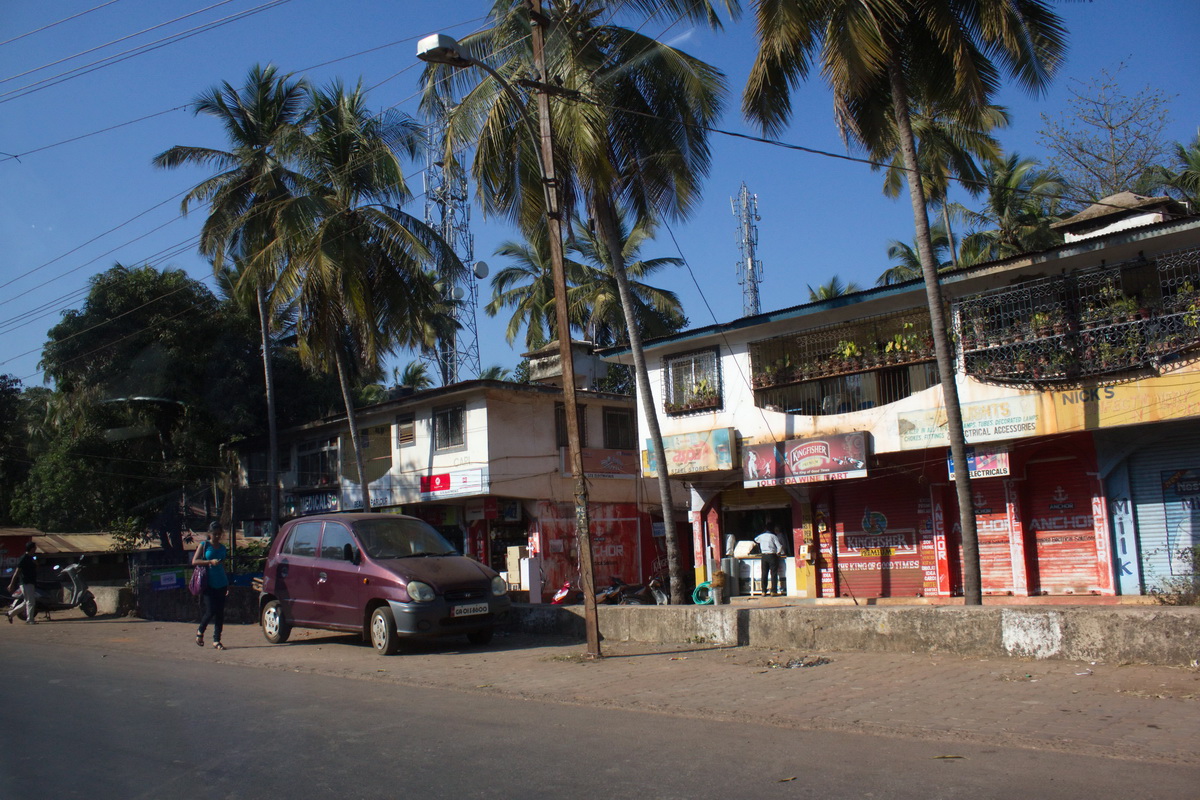
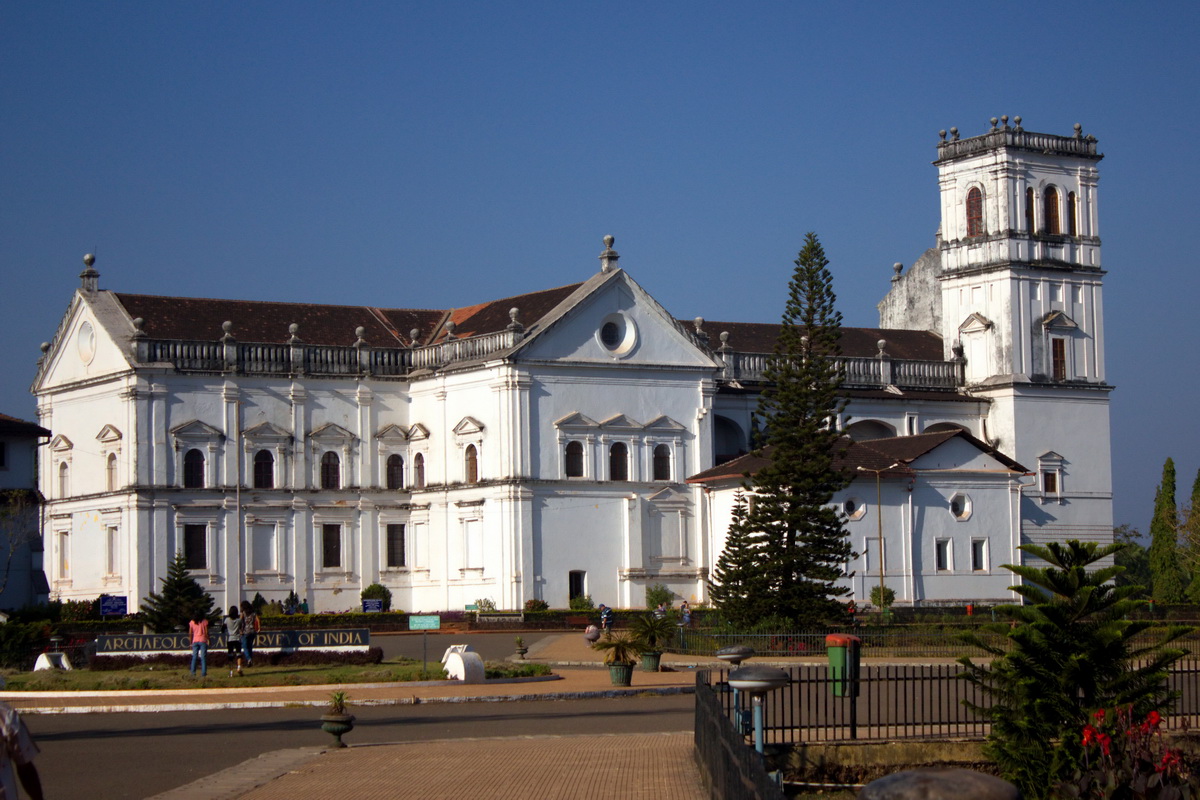
St. Catherine’s Cathedral.
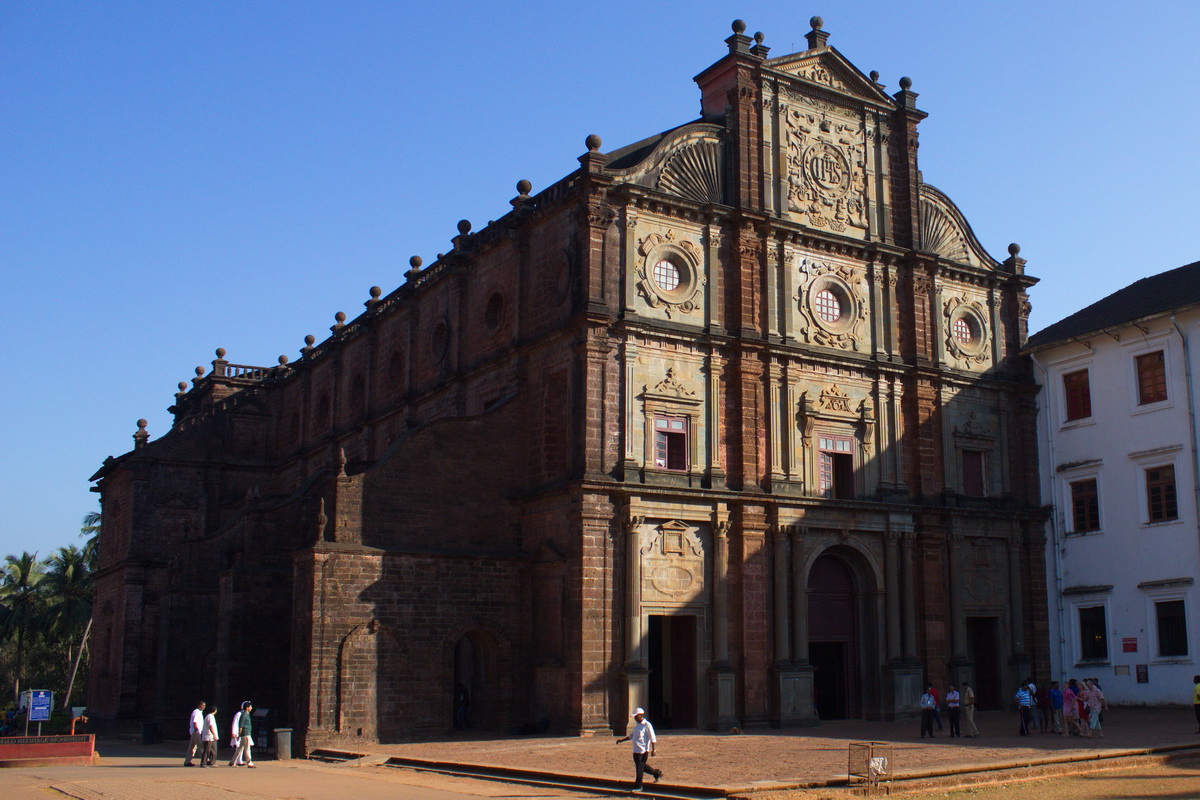
Basilica of Bom Jesus.
...
Read more: Part III. The Nature of Goa.