Part I. Key Details.
The flight from Ukraine to India was operated by UIA (Ukraine International Airlines) from Boryspil Airport. The flight itself took approximately 8 hours with a layover at Al Ain Airport (UAE).
Goa from above.
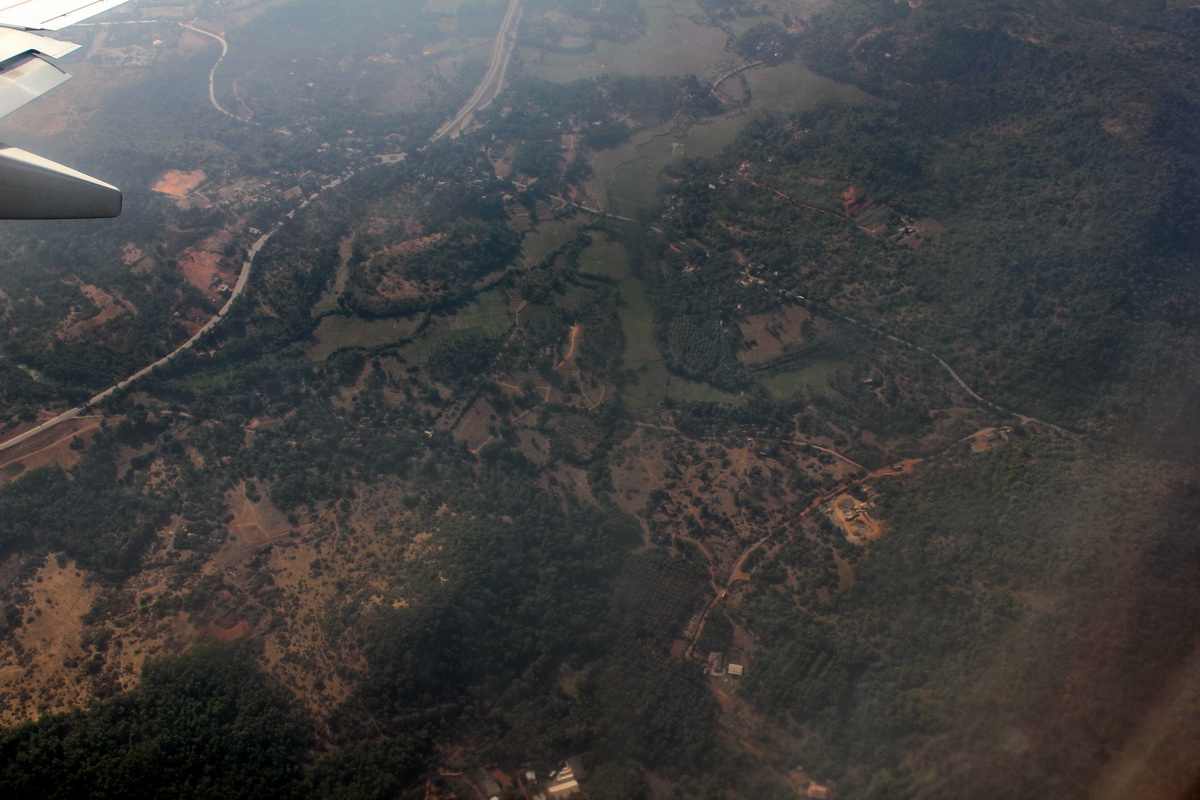
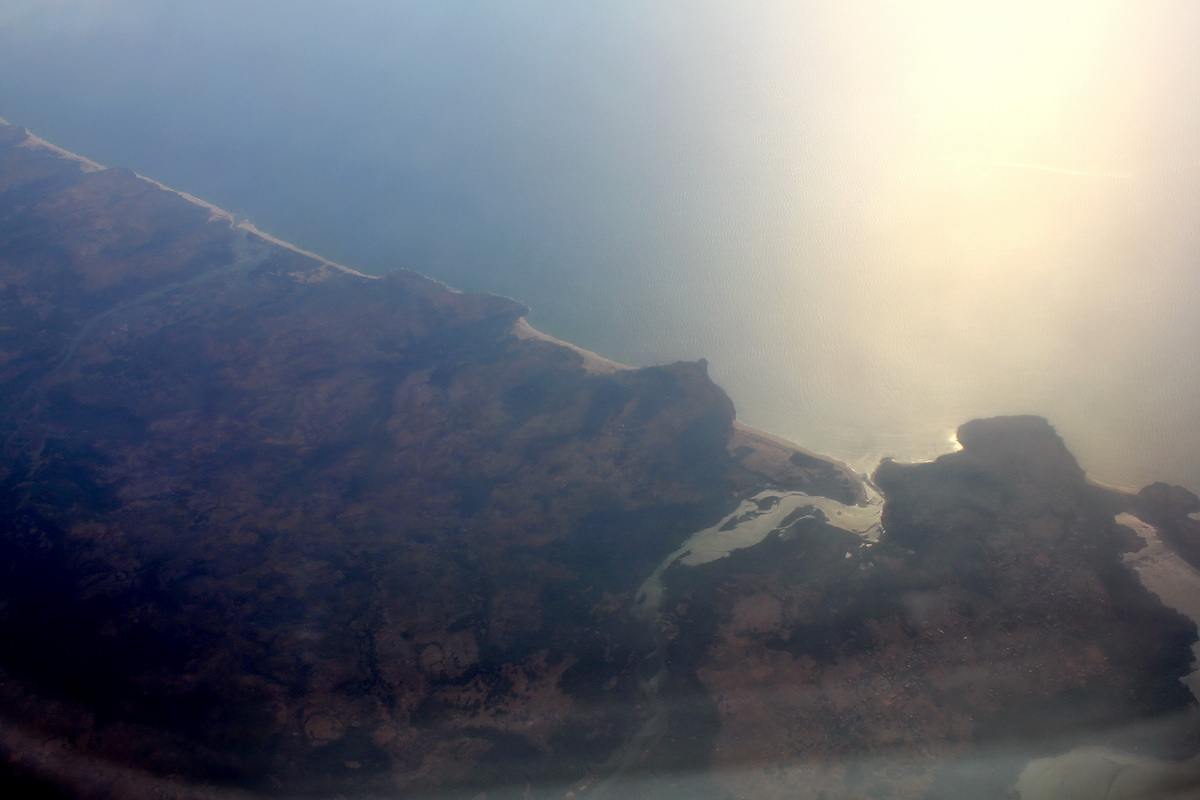
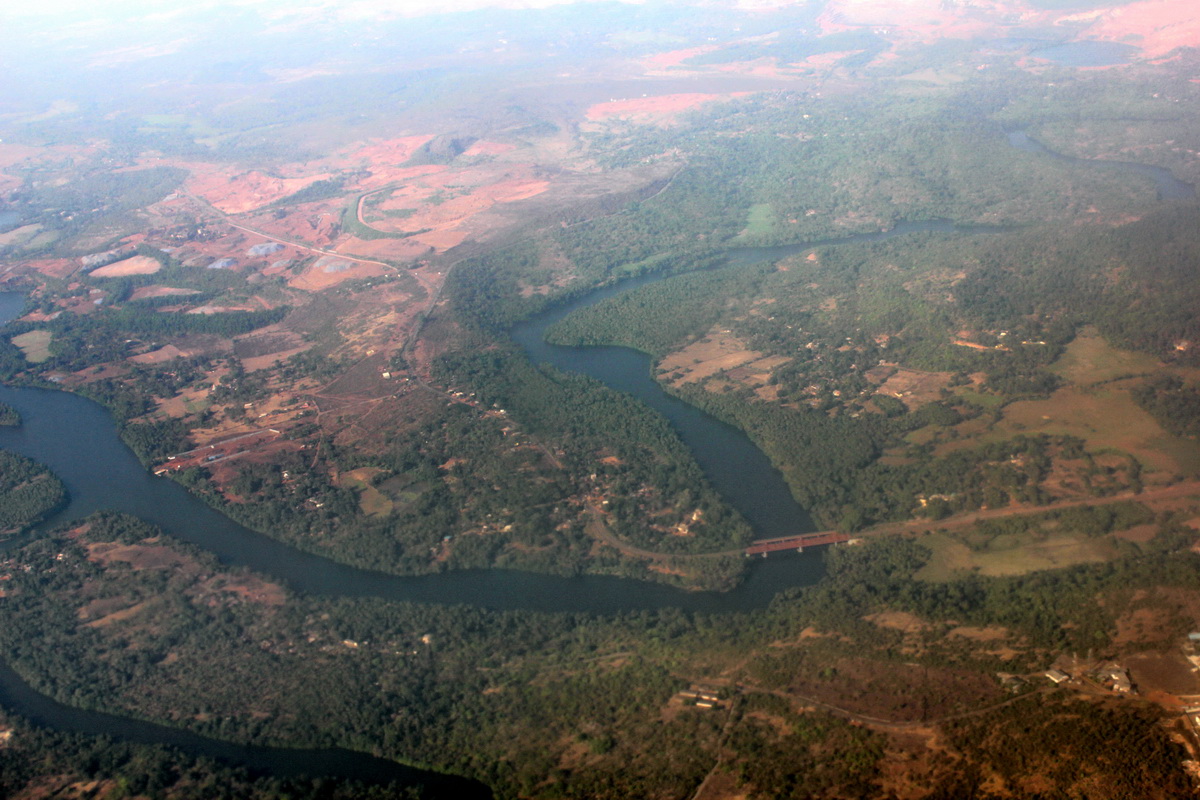
Arrival at Goa’s Dabolim Airport. Photography was not allowed at the airport. From the moment the plane lands, you clearly realize where you’ve arrived. The feeling intensifies as you exit the airport. The contrast is especially noticeable after the stopover at the UAE airport. Everything in the airport is old, like stepping into the 1960s. It’s dirty and stuffy. The heat is somewhat alleviated by numerous fans. Airport staff are very slow, which results in a lengthy exit process.
Dabolim Airport from the outside.
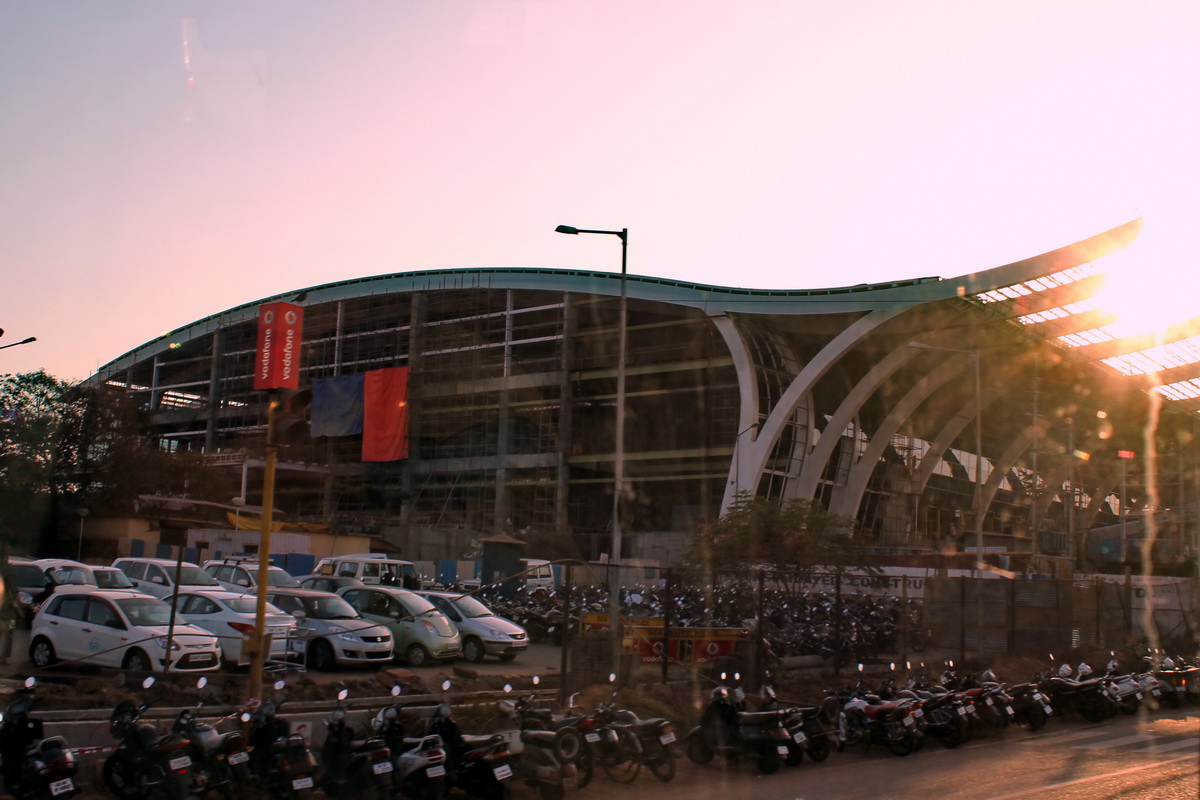
Goa is the smallest state in southwestern India, located on the coast of the Arabian Sea (Indian Ocean). The coastline stretches for just 100 km. Goa is considered the most developed state in India. The locals speak Konkani but also know English. Since Goa attracts many Russian tourists, many vendors, waiters, and taxi drivers partially understand Russian as well.
Money. The currency in India is the Indian rupee. Dollars and euros can be exchanged for rupees anywhere with a “money exchange” sign or by asking any vendor. It’s better to exchange dollars for rupees than euros. The exchange rate is approximately 53-54 rupees to one dollar. Rates vary, so it’s worth looking for places with better rates.
Prices in India for goods and food are generally low, but you should always bargain when buying from street vendors, as prices are often inflated 2-3 times, sometimes even 5-6 times. It often happens that after buying something from one vendor at a price reduced by 2-3 times, another vendor approaches and offers the same item for half the price. Before buying anything, it’s advisable to know the approximate cost in advance, otherwise you might overspend on low-quality items.
Mobile communication. To contact Ukraine, it’s enough to buy a SIM card from local operators like Airtel or Vodafone. Calls to Ukraine cost 7 rupees per minute. The connection quality with Airtel turned out to be very poor. On an Airtel SIM card costing 800 rupees, about 300 rupees were available for use.
Drugs. There are no issues with drugs in Goa. Cocaine is openly offered on the streets or beaches, despite being officially prohibited. Marijuana is also easily available; just ask any vendor or tourist, and they’ll point you in the right direction. Dreadlocked rastafarians in the style of Bob Marley and other hippies come here to relax and alter reality. Locals claim they don’t use such substances, saying it’s mostly Russian and other tourists. So, for those who enjoy altering their perception of the world, this is the place. In the village of Arambol in northern Goa, conditions are particularly suited for this purpose.
***
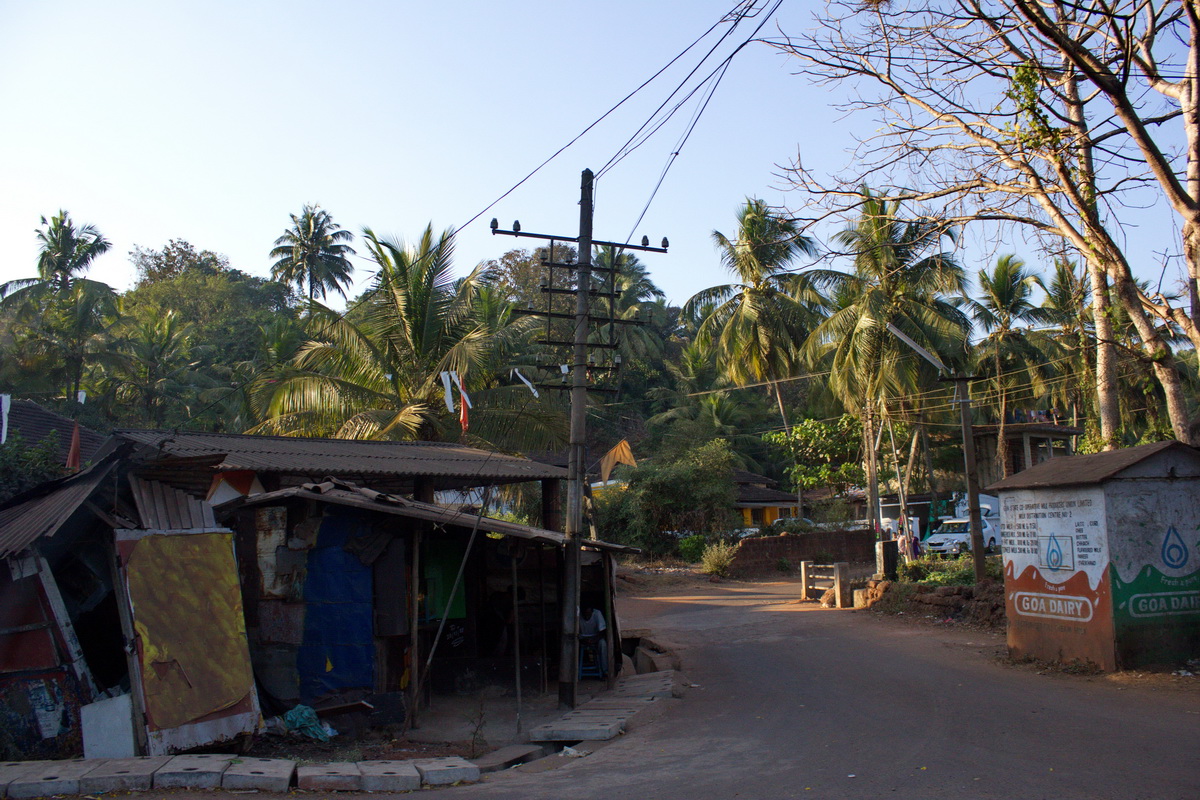
A typical street in a Goan village. I never came across street names or house number signs anywhere. They say these only exist in larger cities.
A stall selling fruits and drinks.
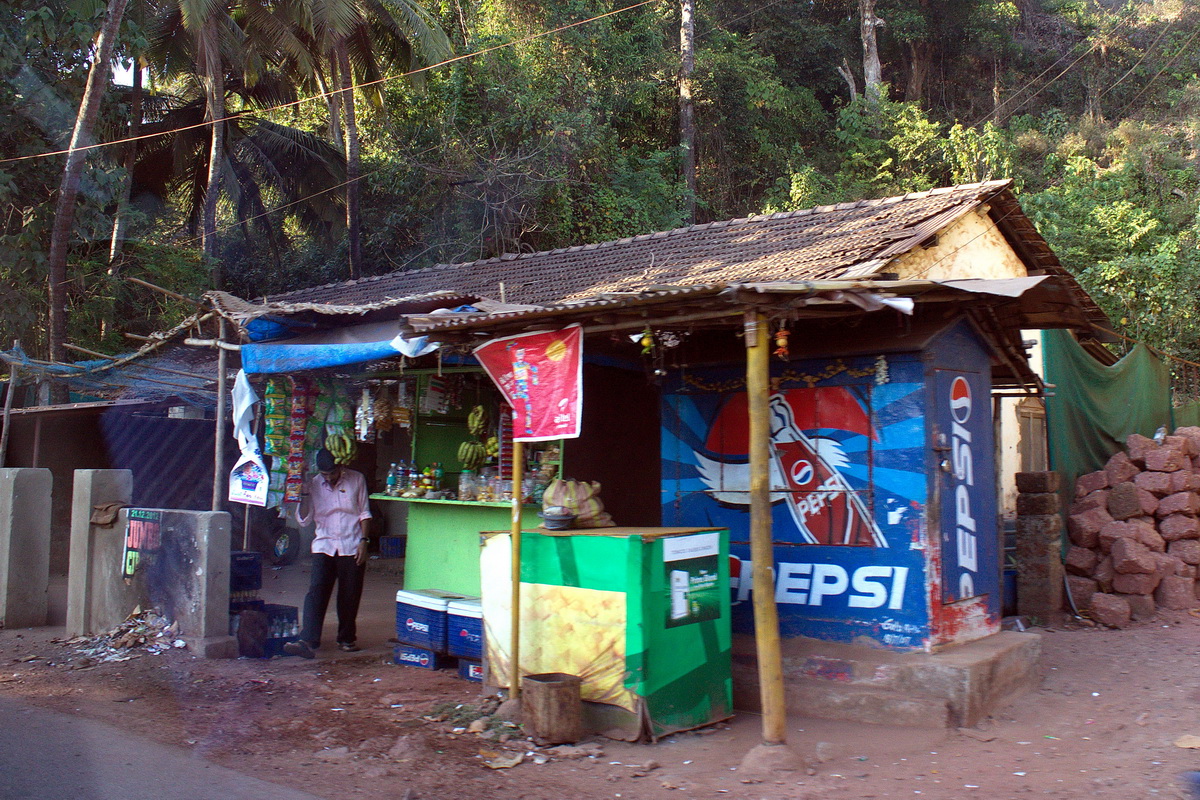
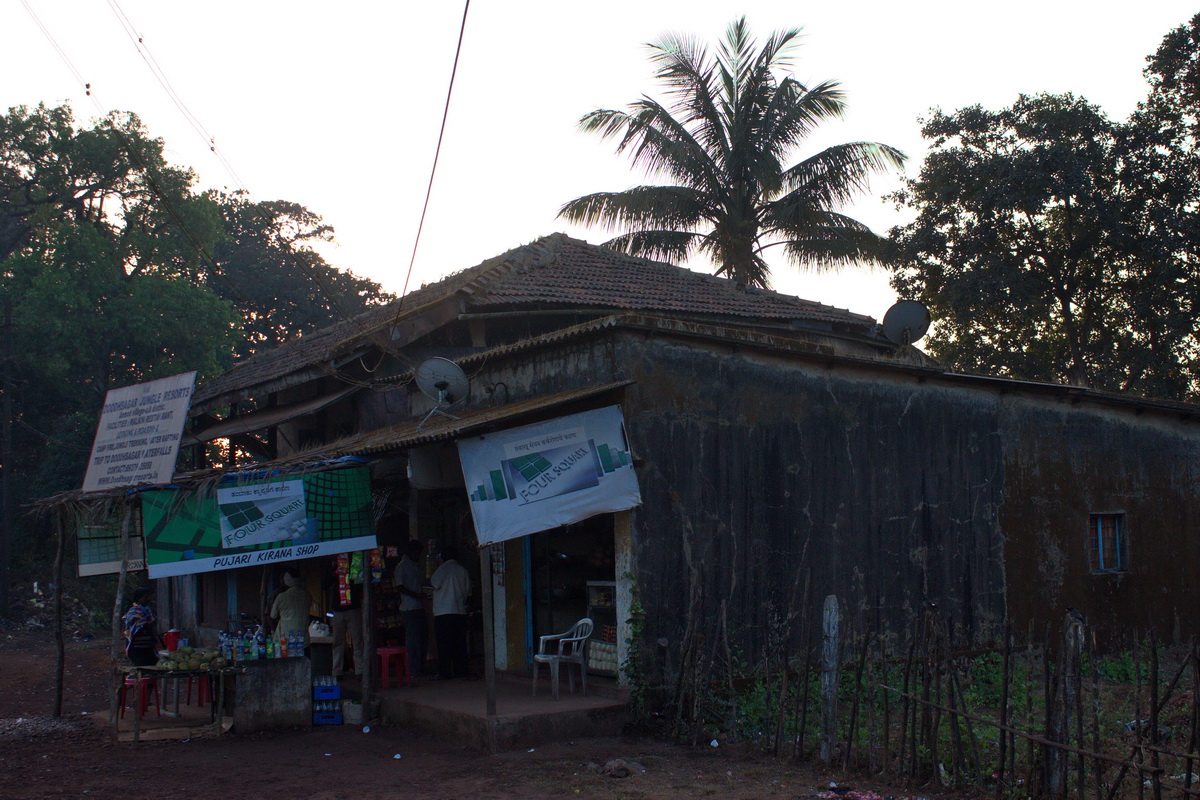
A small eatery where you can buy drinks, food, or use the restroom.
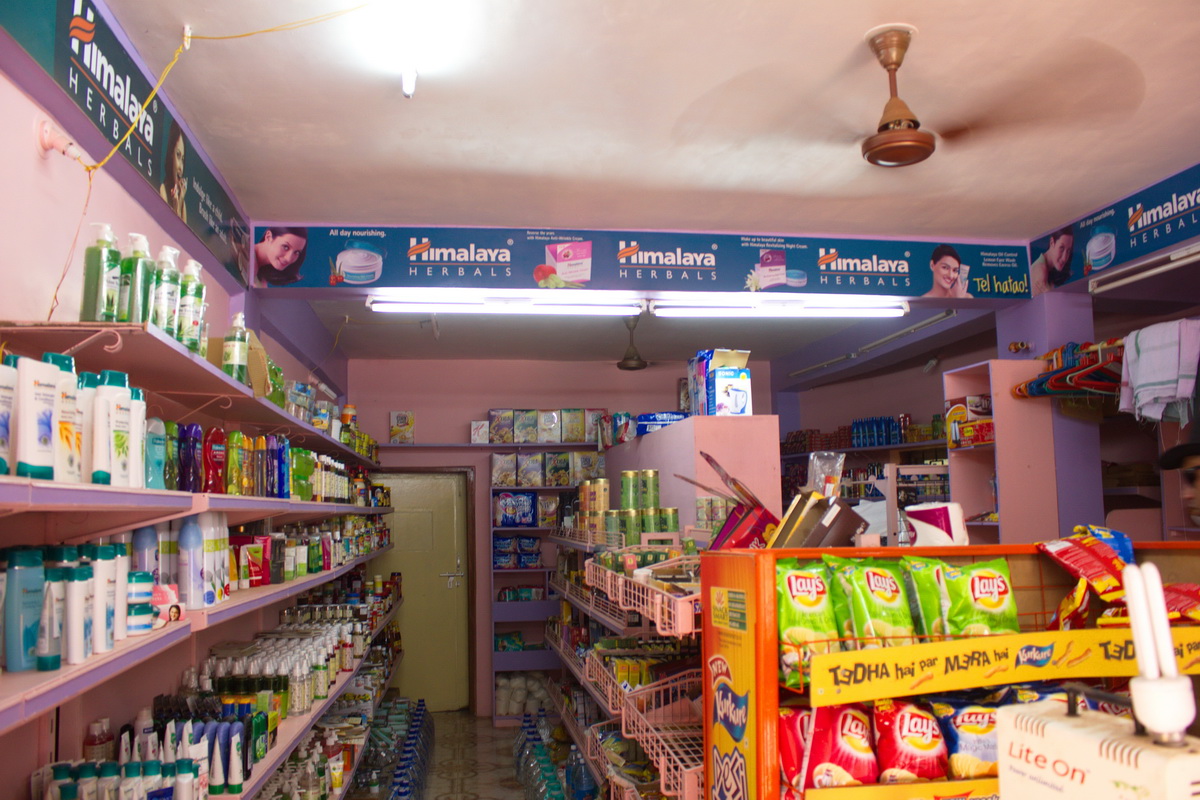
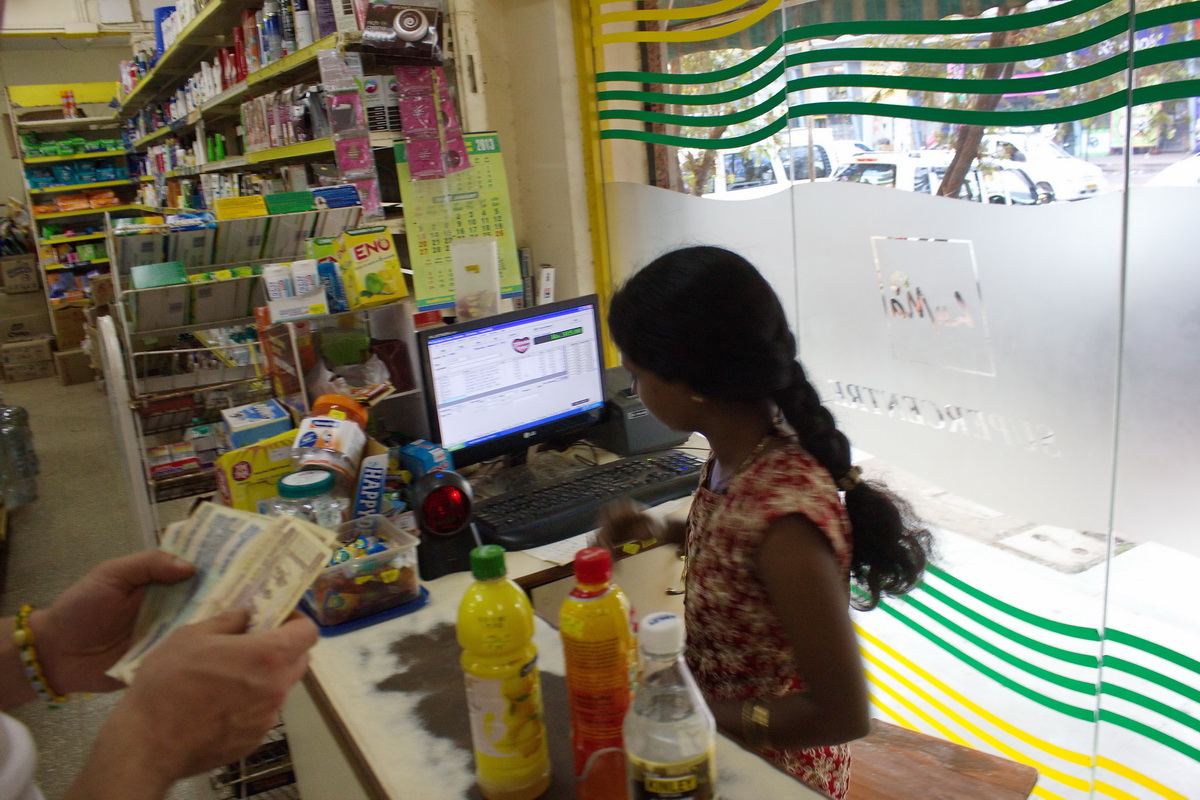
A supermarket in Goa.
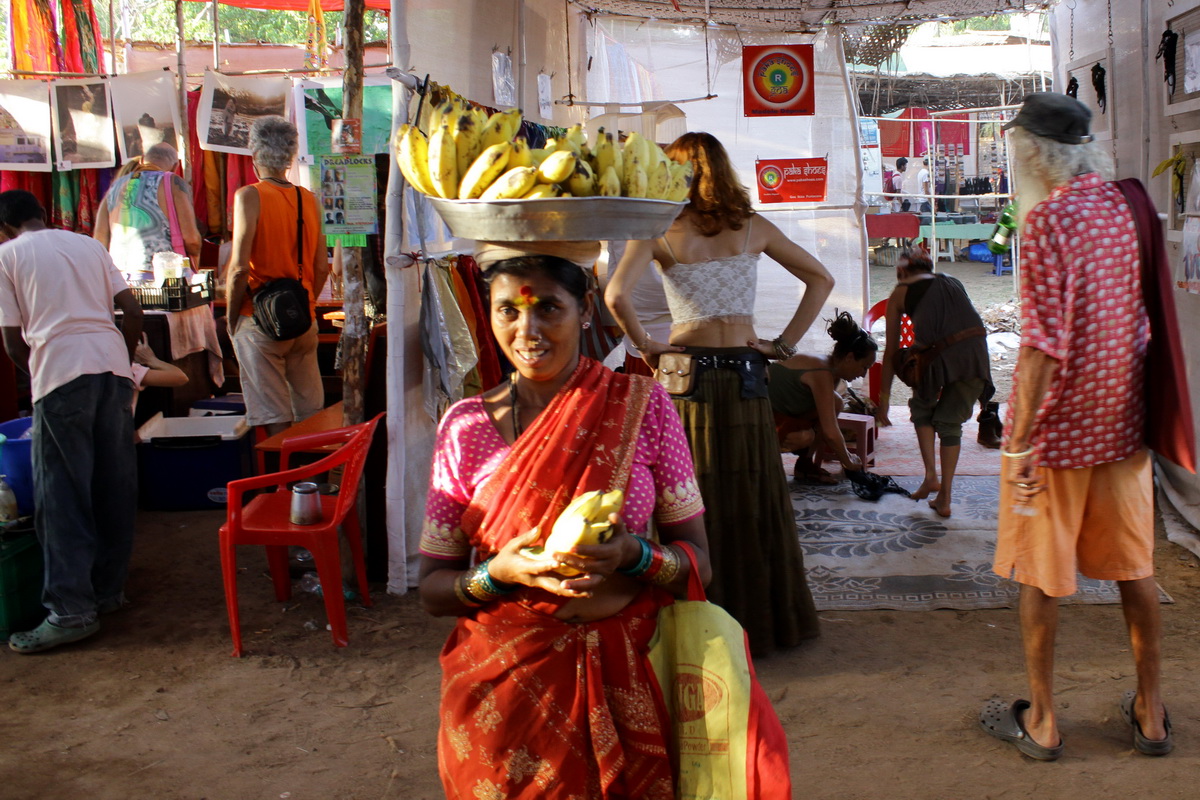
Indian women carry fairly heavy and bulky items on their heads.
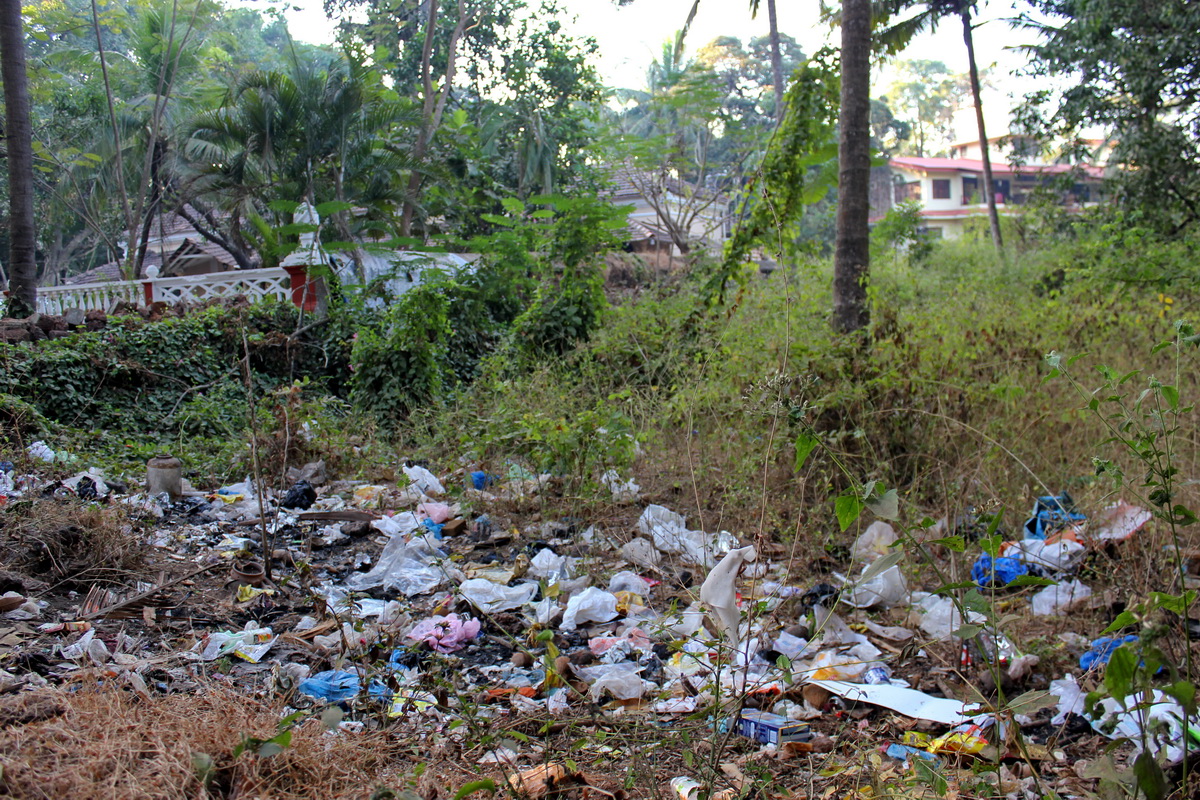
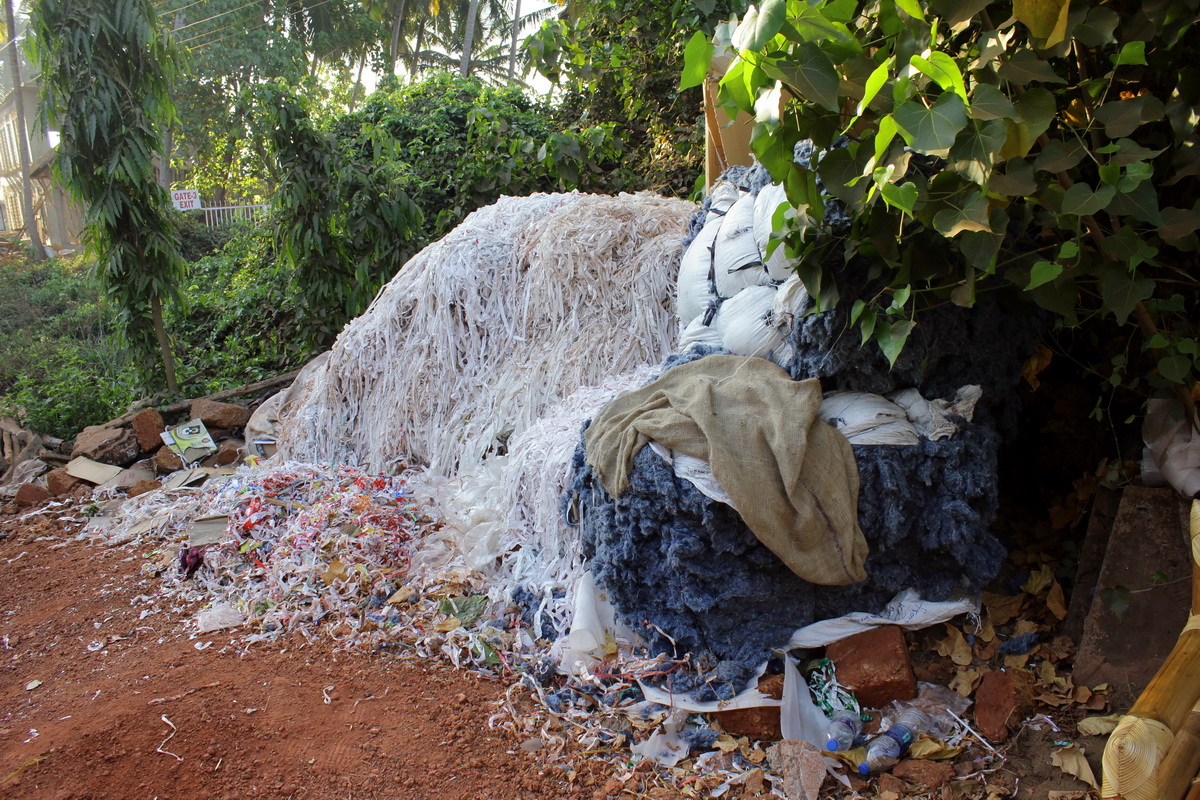
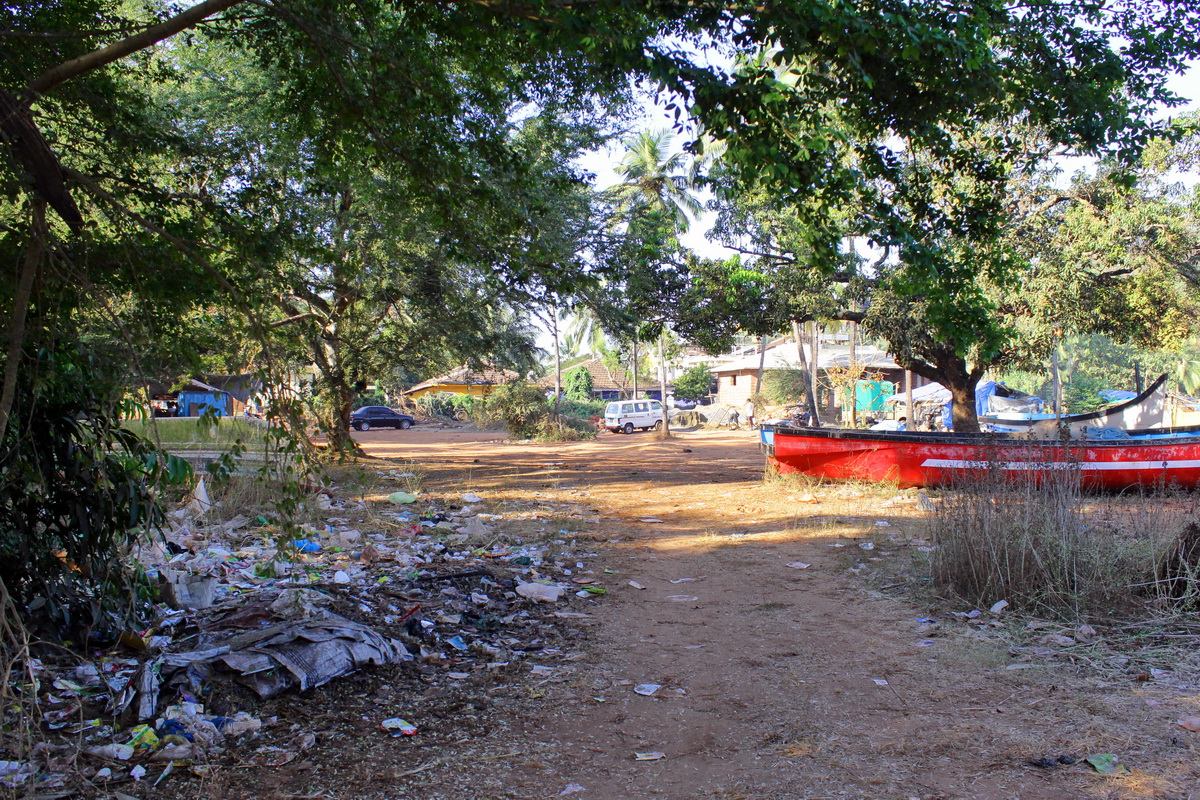
A characteristic trait of the local population is throwing garbage wherever they please, right on the street.
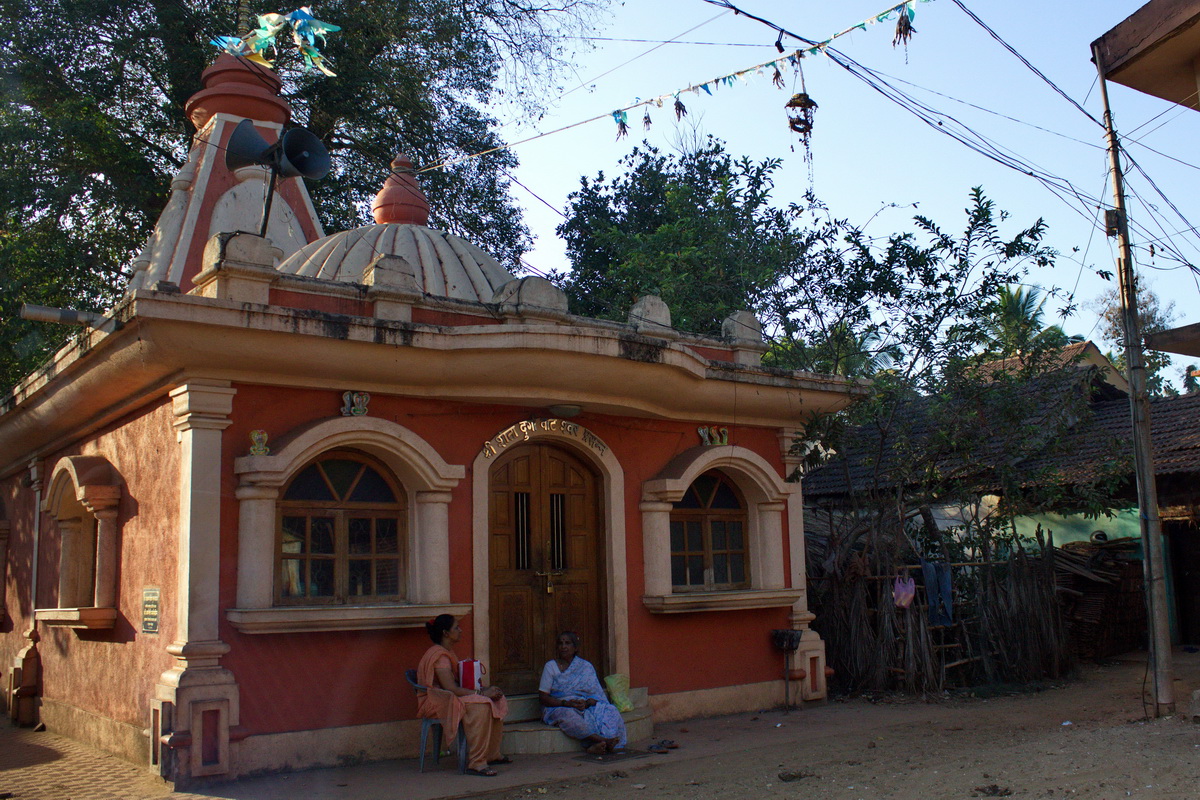
Small temples can be found at almost every intersection.
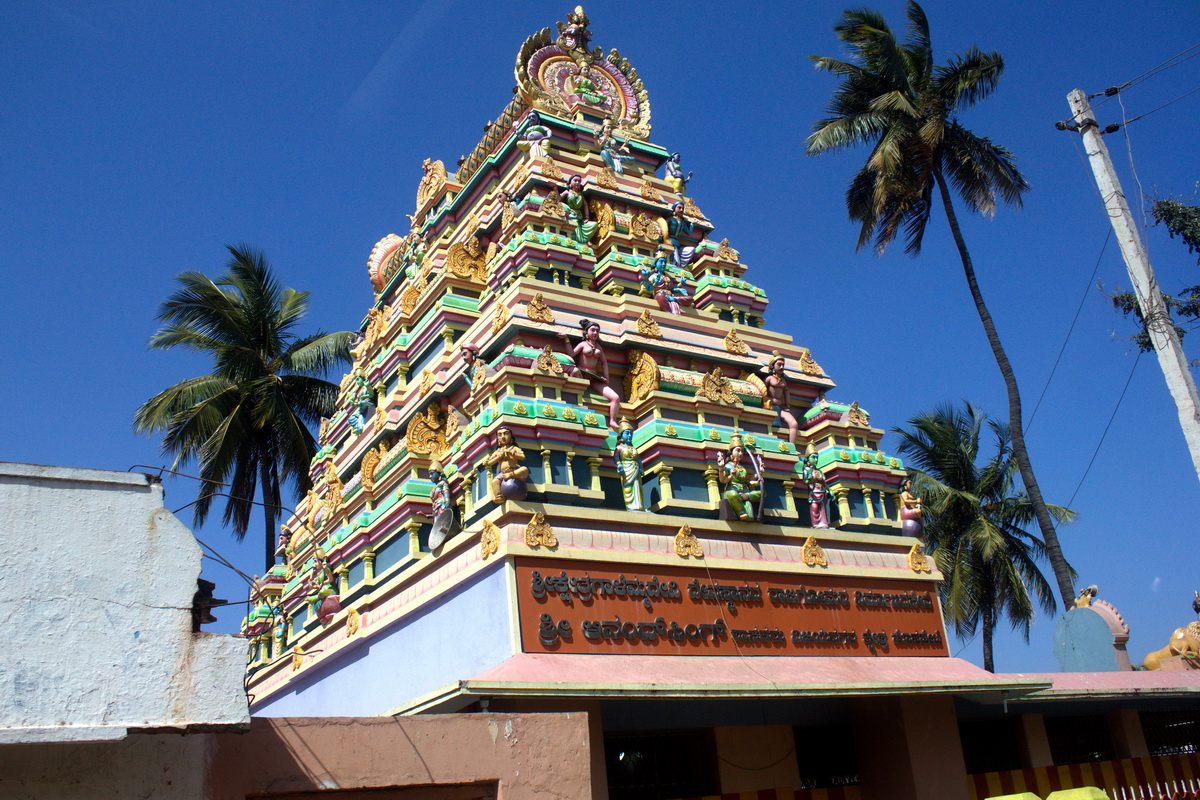
In the state of Karnataka, the temples are different.
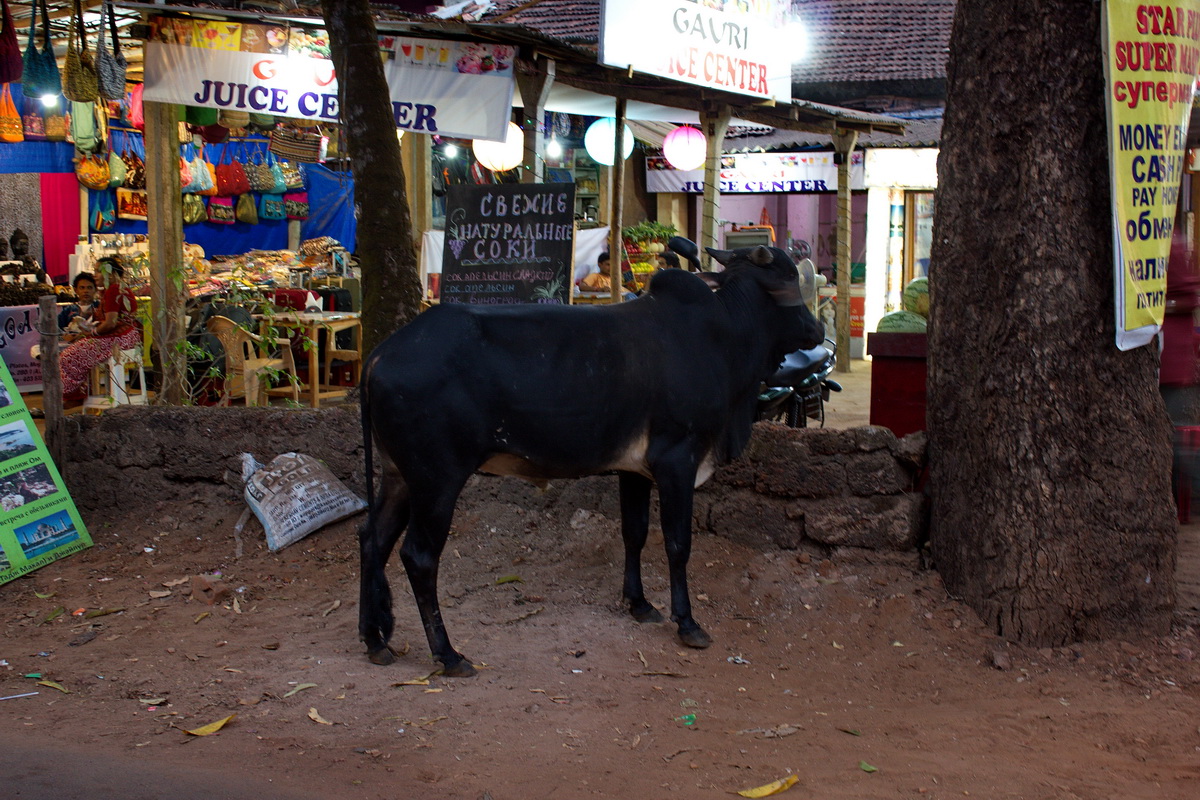
Sacred cows are an integral part of all of India. They roam everywhere, may chase tourists carrying fruit, and sometimes even cause traffic jams.
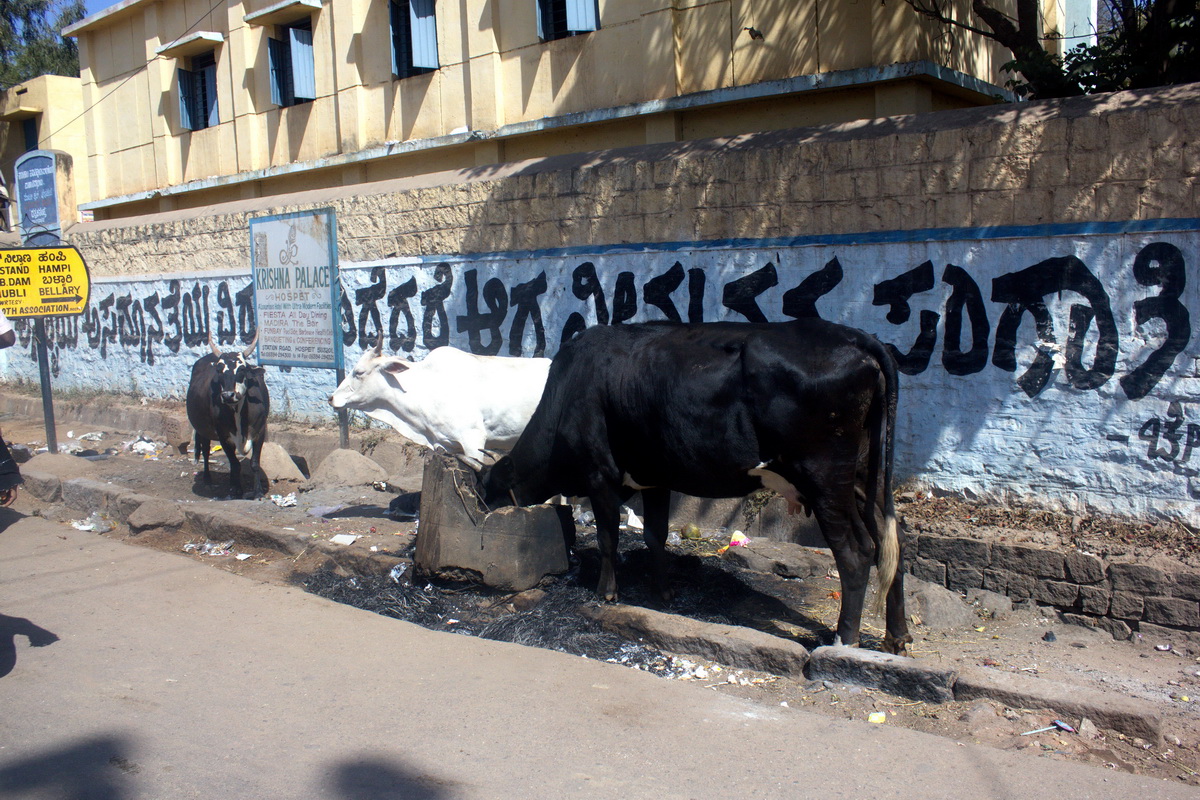
The favorite pastime of cows is hanging out at garbage dumps and other waste sites, where they eagerly eat cardboard and newspapers.
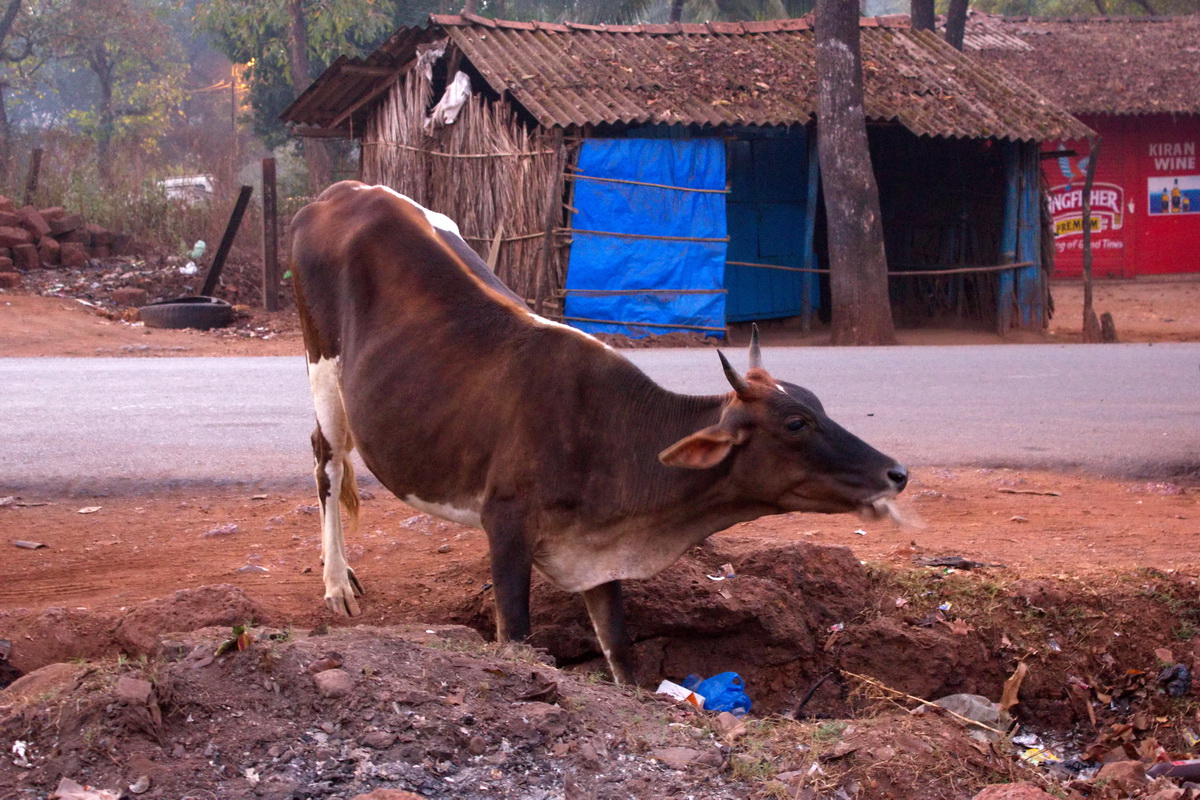
Cows linger near trash bins.
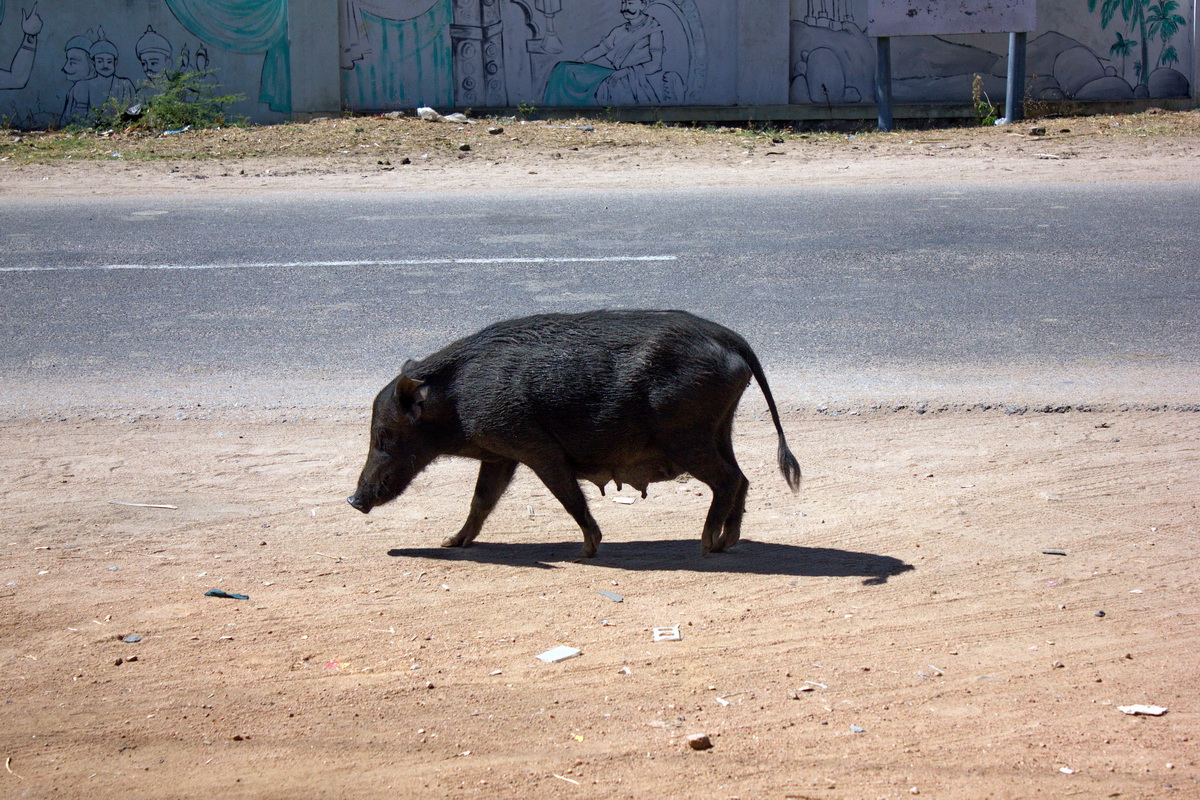
Besides cows, pigs sometimes roam the streets.
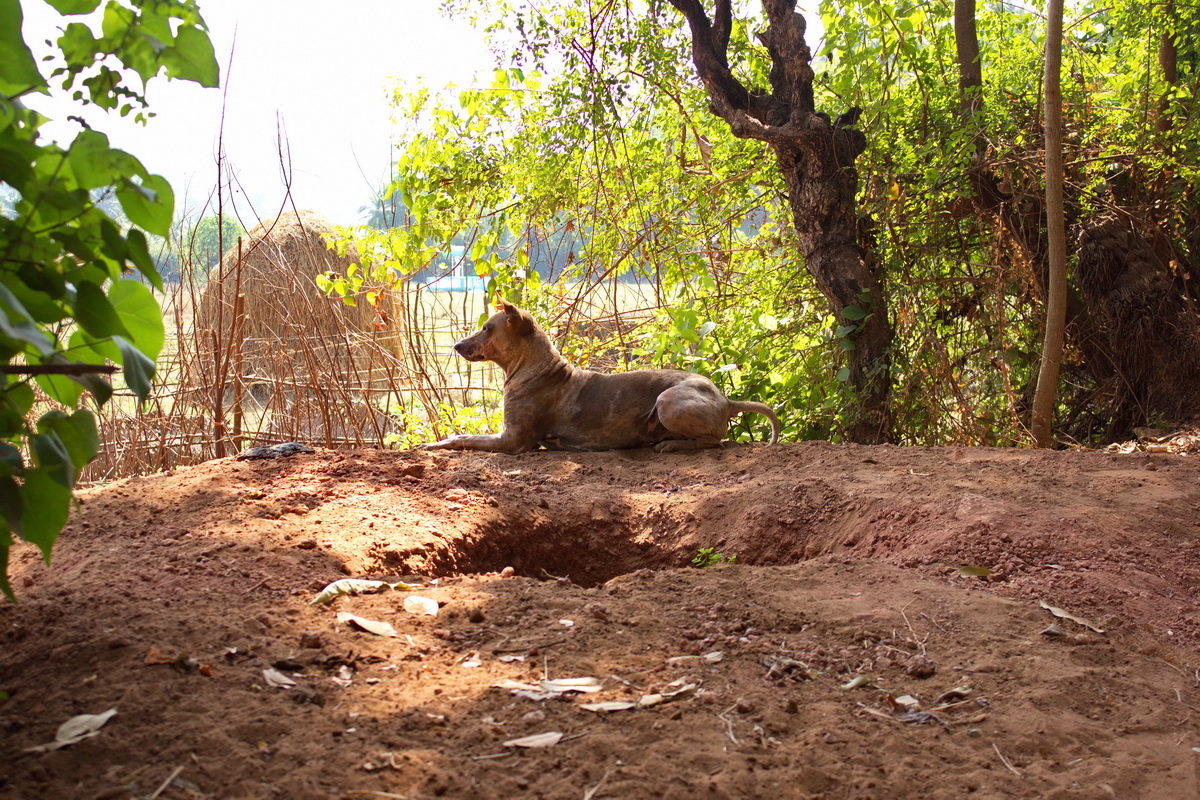
Dogs are also very common.
Transport
Traffic in India is left-sided. No one follows traffic rules; the only important rule is to honk when you see other vehicles, people, or cows. The one who honks first is considered in the right. The first impression of driving in India is shocking, but you get used to it over time. There’s always a feeling that someone will get hit or crash into something. If you don’t look ahead, it’s easier to adjust.
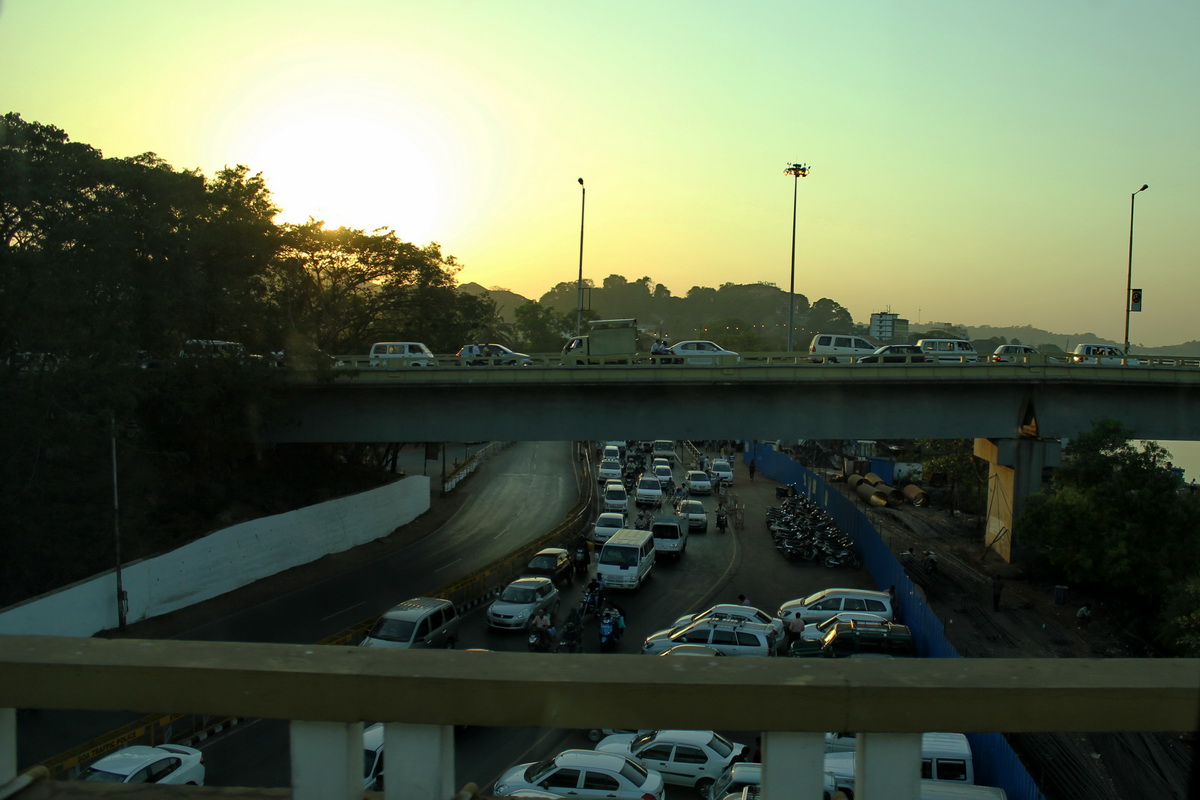
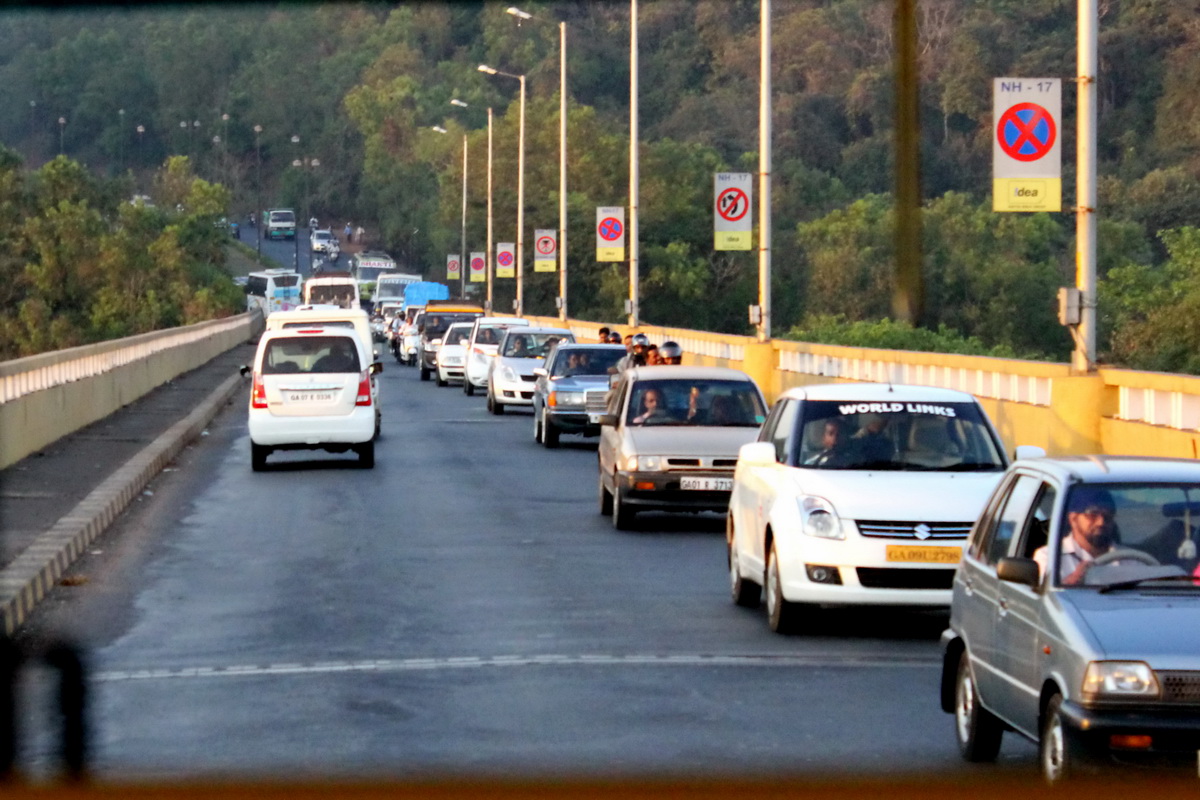
Roads are usually narrow, with hardly any space for pedestrians. Crossing even a small road initially seems challenging due to the chaotic traffic, and the constant honking of passing vehicles is intimidating. But you get used to it over time.
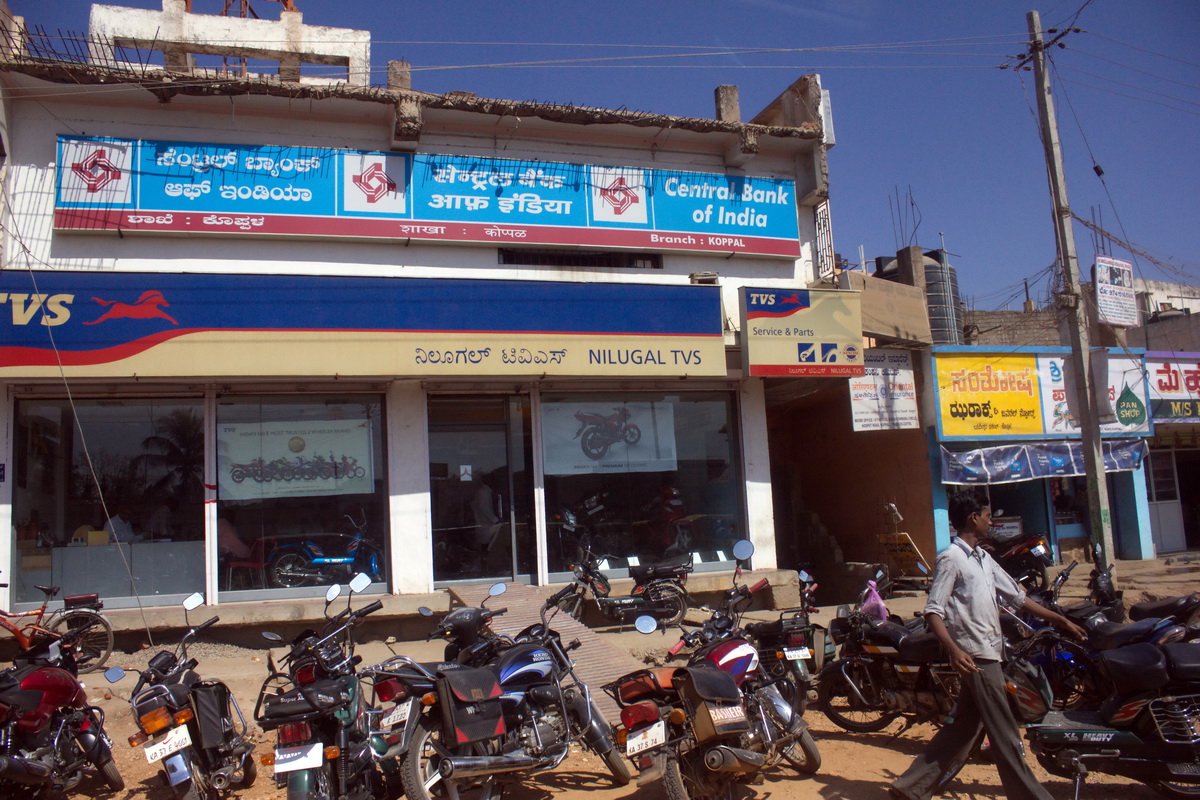
Motorcycles, scooters, and bicycles are very common in India. These types of transport are also popular among tourists, as public transport in India is complicated, and using taxis is not cost-effective for frequent trips.
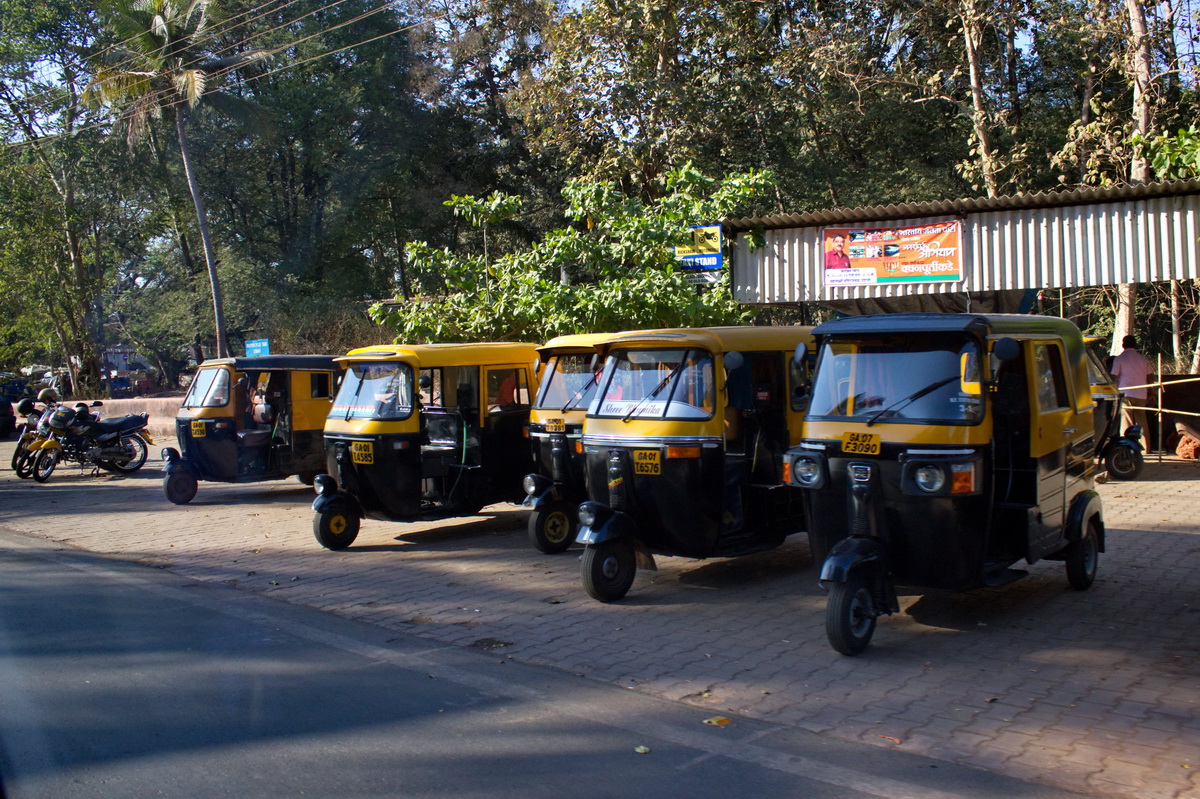
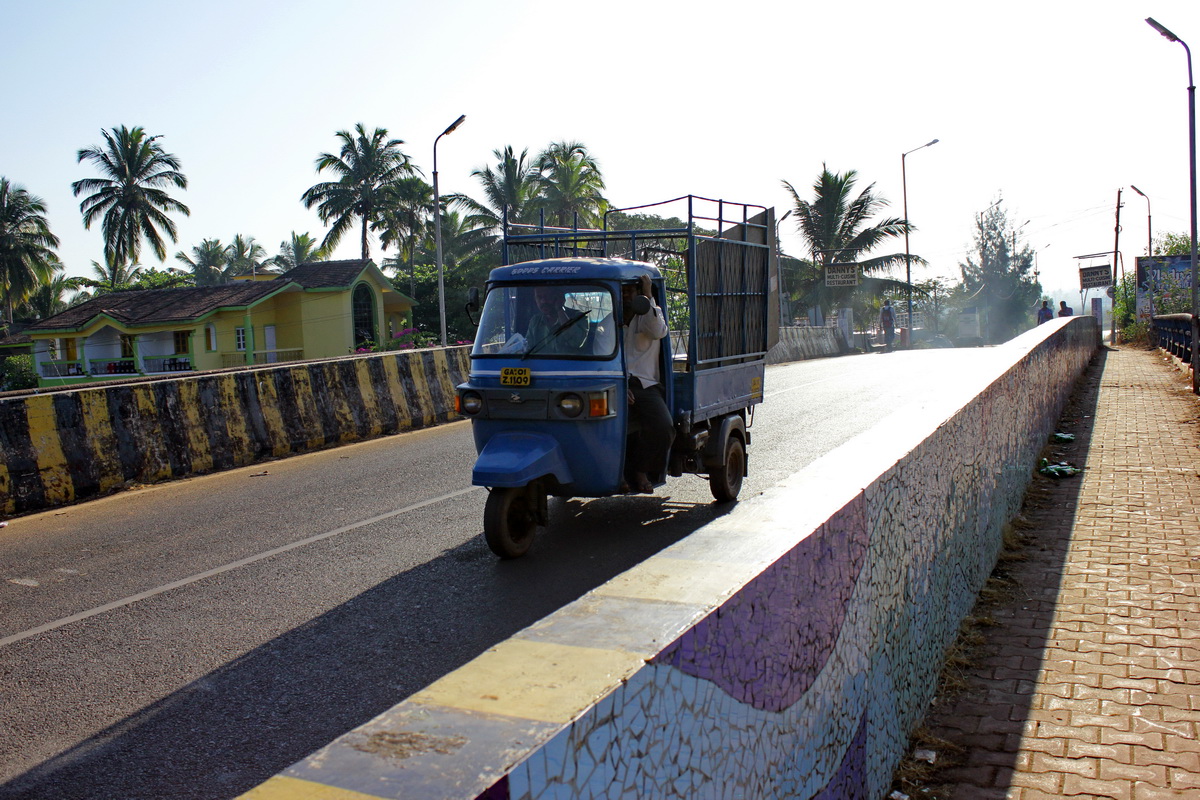
One of the main modes of transport in India is auto-rickshaws, also known as tuk-tuks. A tuk-tuk can fit two people in the back seat. Riding in them is certainly more interesting and cheaper than a taxi, but they are slower and less safe.
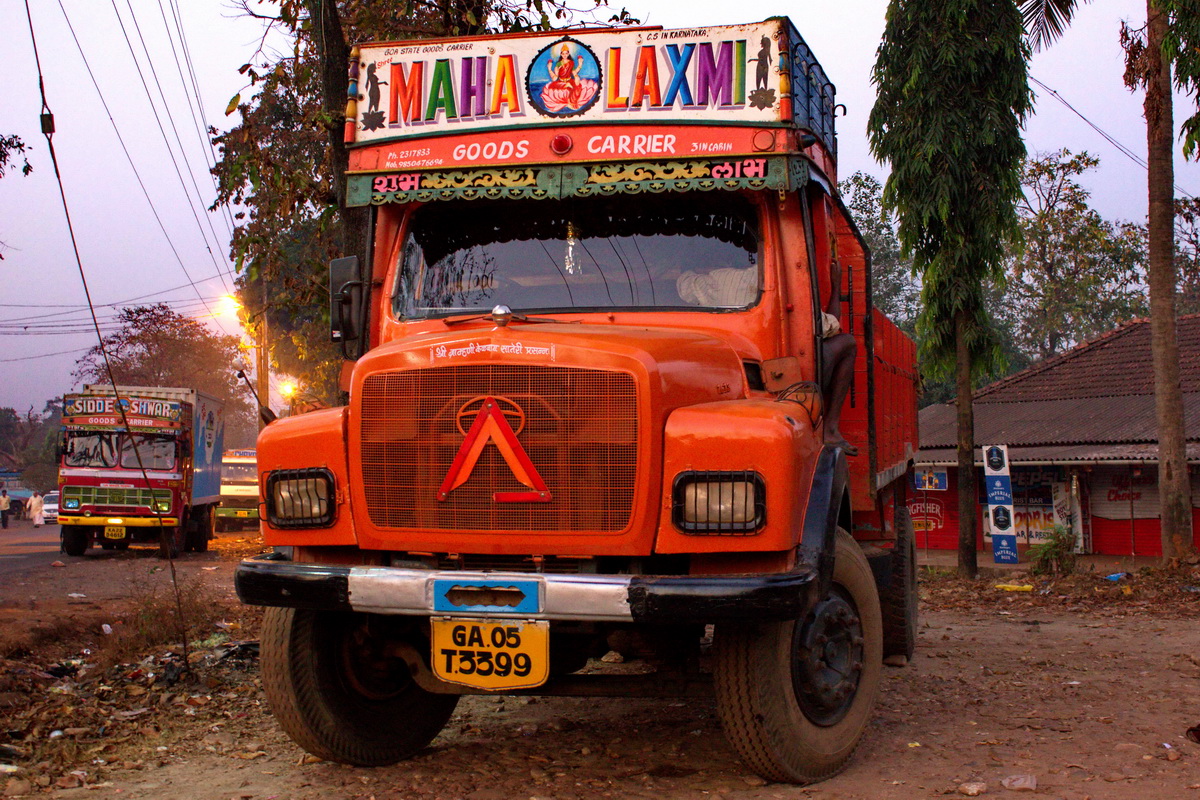
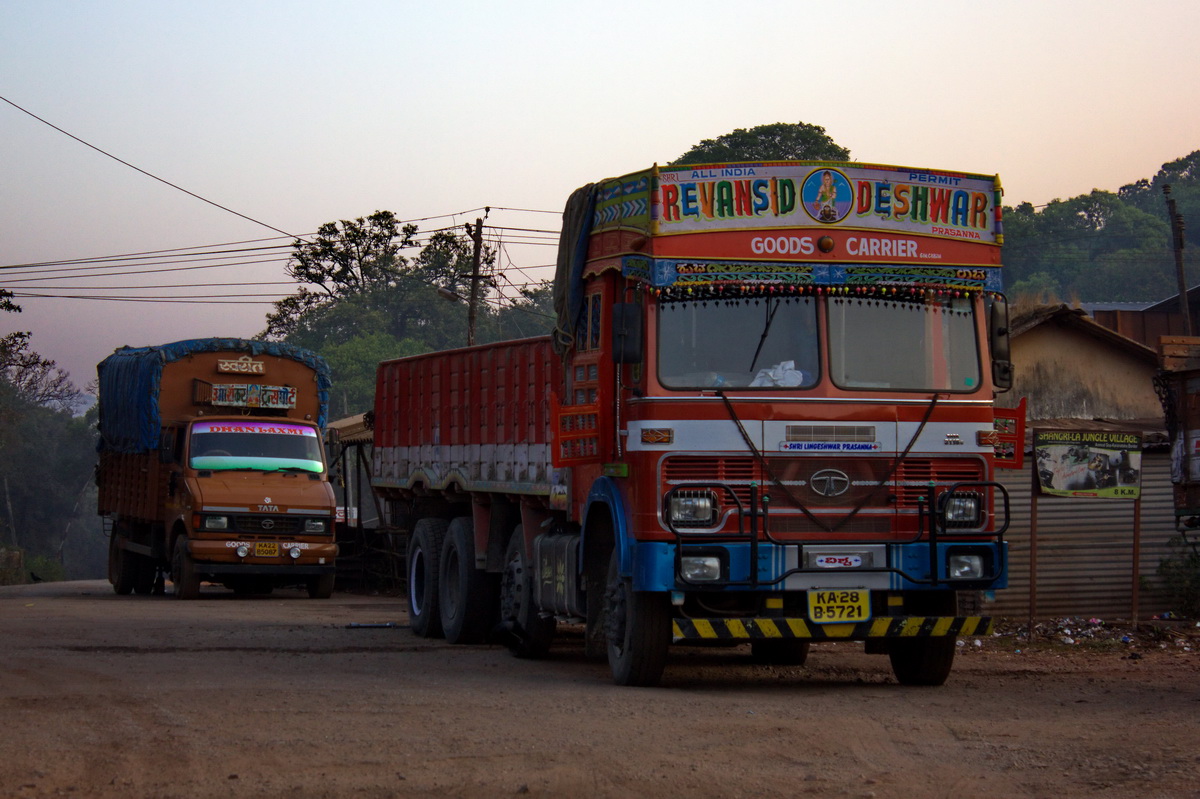
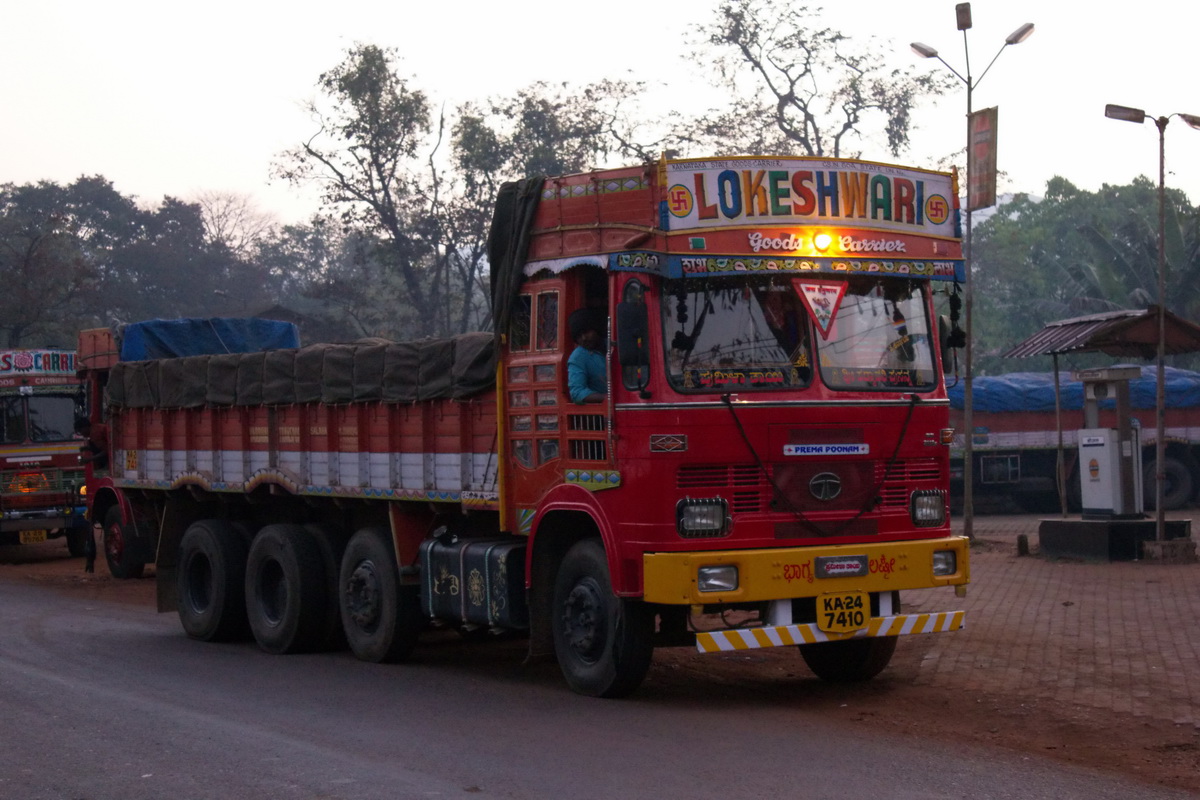
Colorful Indian trucks.
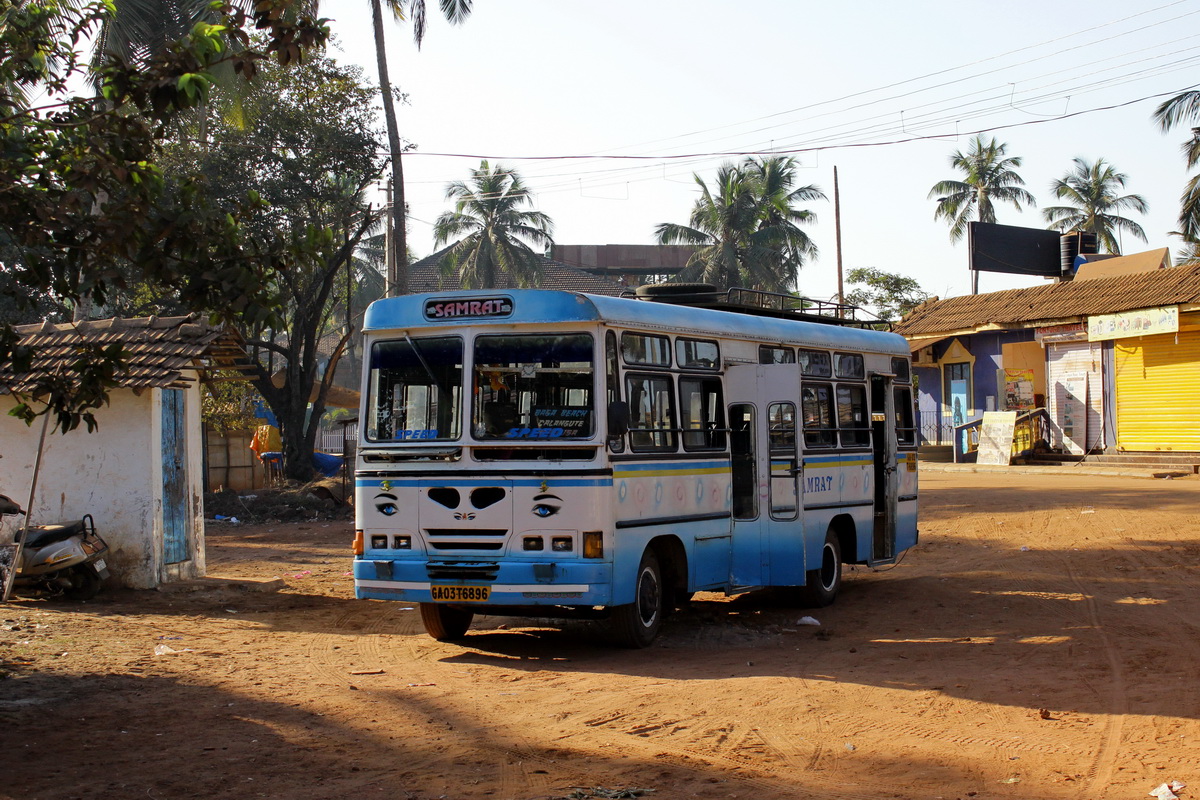
Bus.
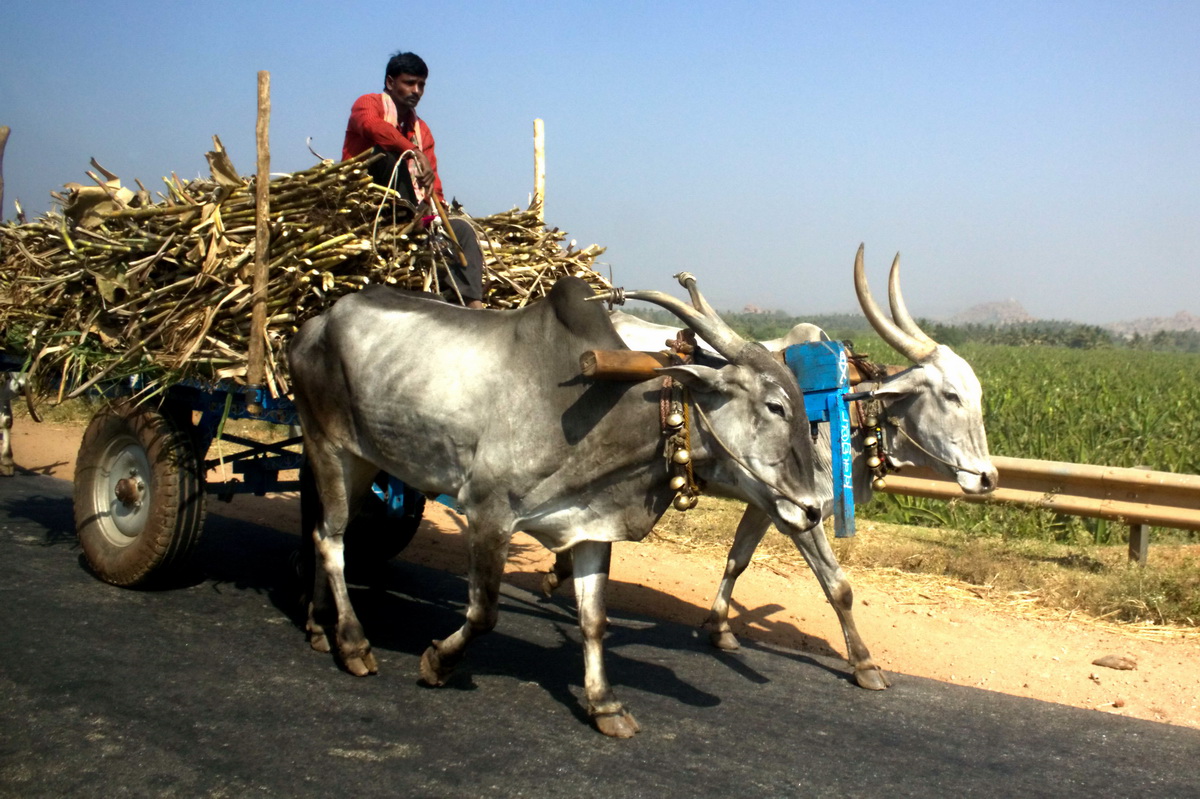
Carts are more common in rural areas of India. They are often used to transport sugarcane and other types of wood.
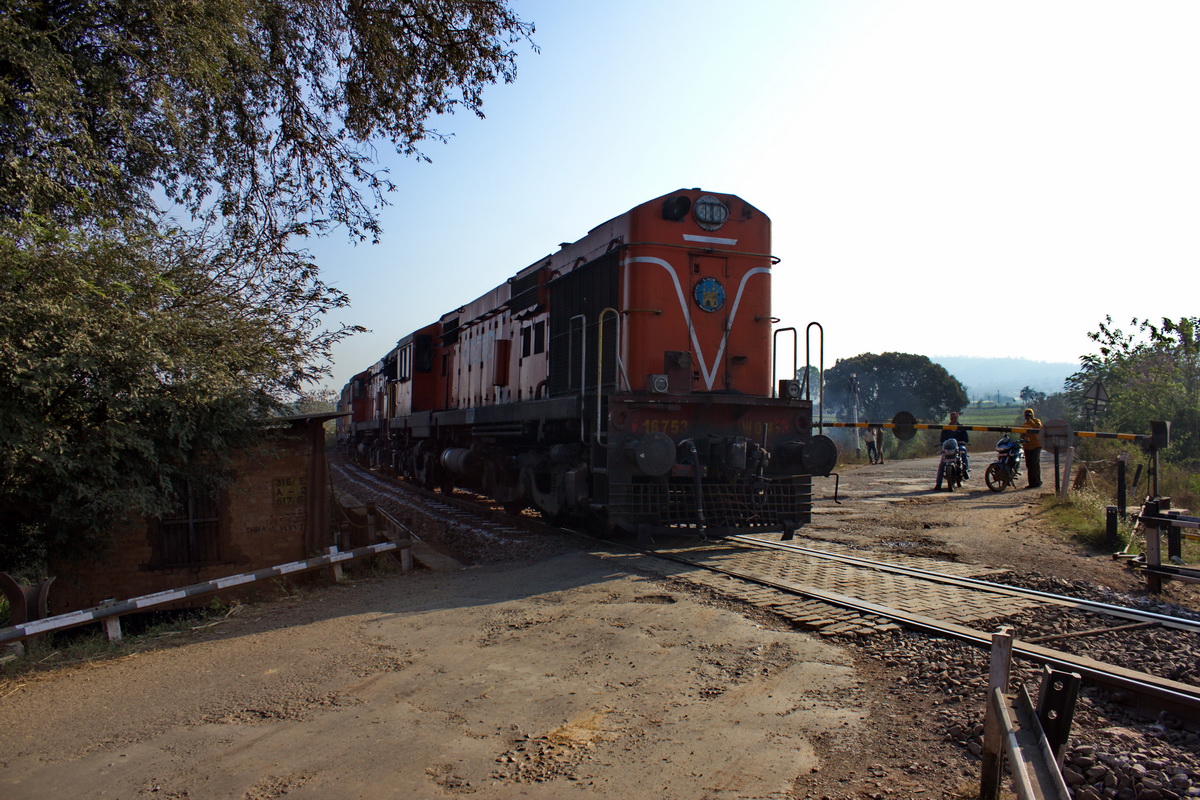
An Indian freight train. Level crossings are closed long before the train arrives, so every second railway crossing along the way is blocked.
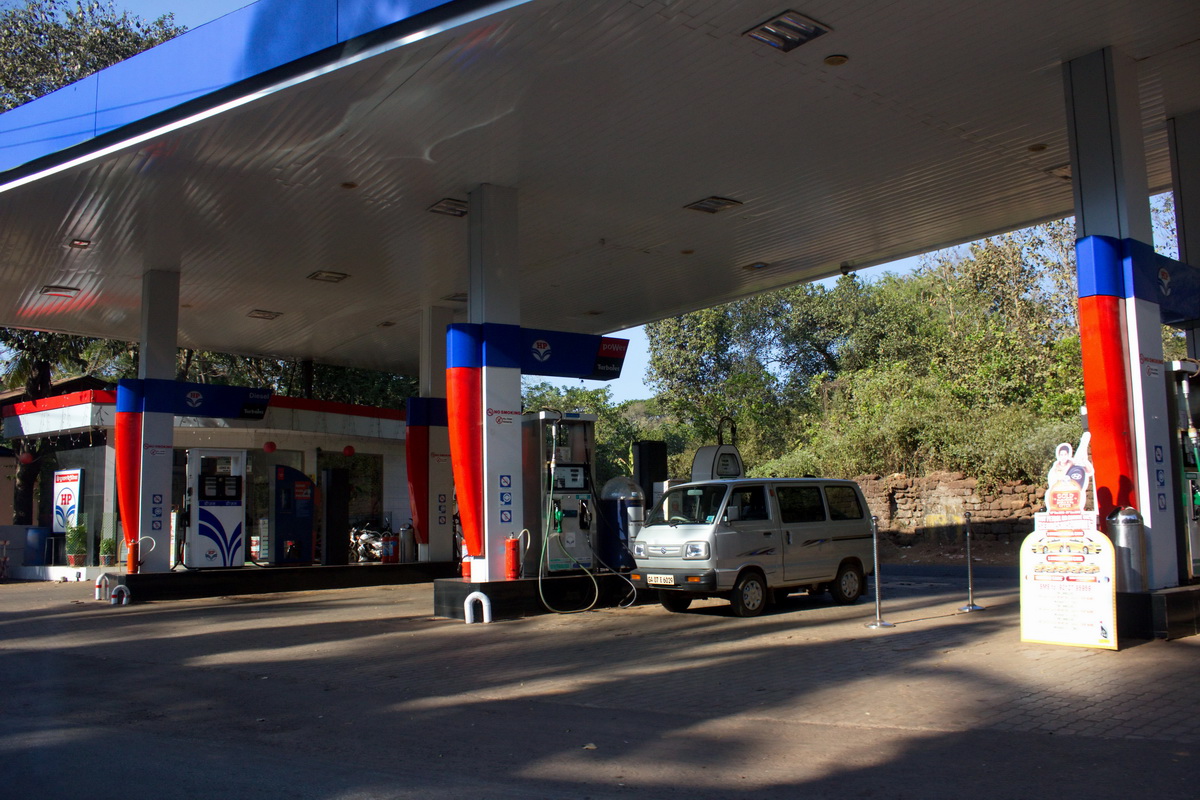
Gas station. Only two types of fuel are available at gas stations—petrol and diesel. It costs about 1 dollar per liter.
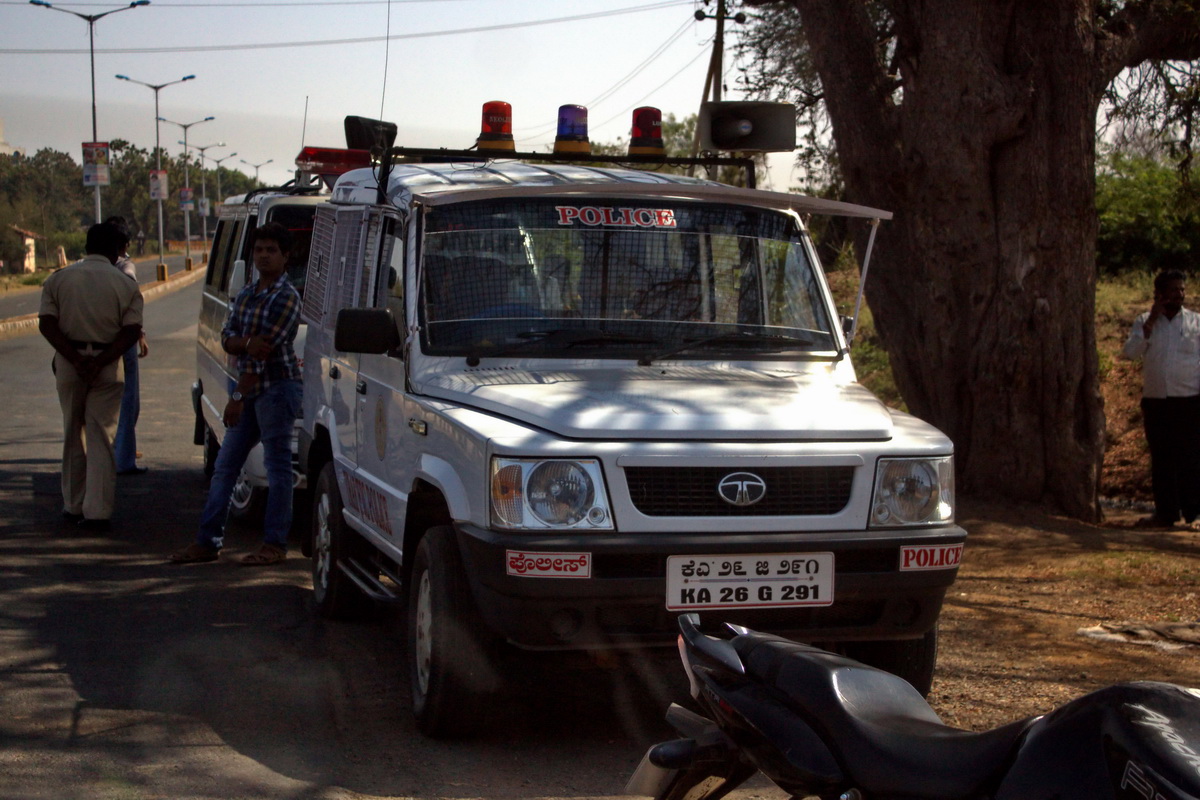
Traffic police on the highway. No stop by a traffic officer goes without a bribe. But stopping isn’t mandatory; they won’t chase you, so you can safely keep going.
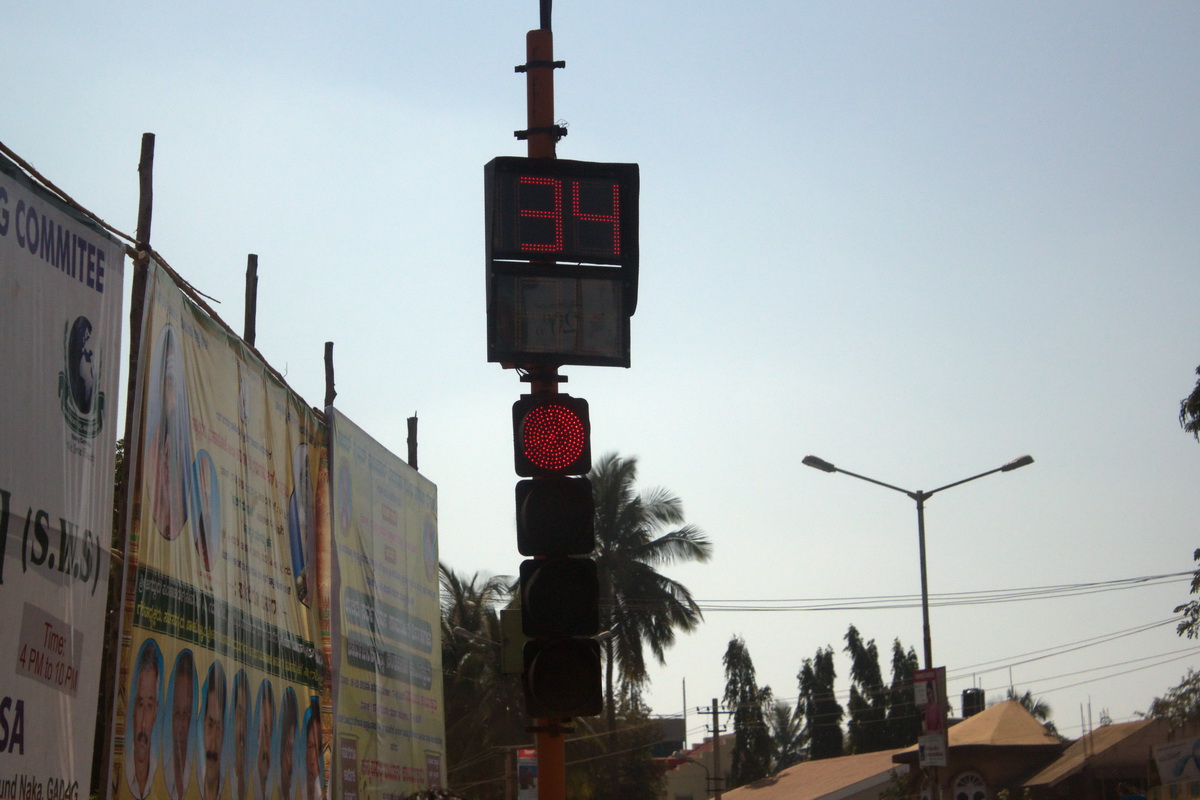
Traffic lights are only common in the largest cities.
Housing
In India, 2** and 3*** hotels are the most common. 4**** and 5***** hotels are much rarer. In two-star hotels, conditions are usually minimal but sufficient for an overnight stay. Those who enjoy resort-style vacations have no business here. Hotels have a pool, and rooms come with a fridge, TV, phone, ceiling fan, shower, and poorly functioning sinks. Sometimes there’s a working air conditioner. The linens are far from pristine, and towels are usually dark gray, almost black, to hide the fact that they’re poorly washed. Trash is taken out once a week, and even then, only if you remind the reception. The shower water is hard to adjust, so there’s always a chance of bathing in scalding or cold water.
It’s better to lock rooms with your own padlocks, as there’s a high risk of theft of valuable items, which should not be left in the hotel.
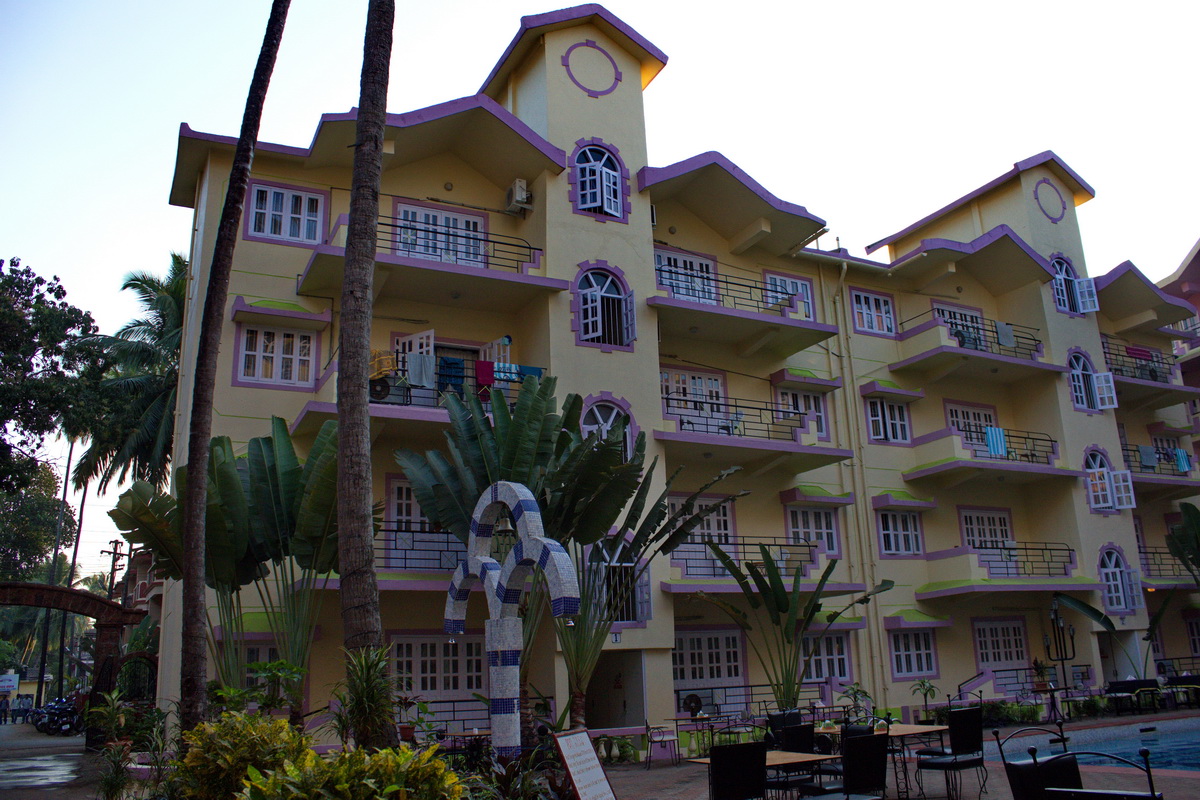
Hotels in Goa look decent from the outside. Renton Manor 2** hotel.
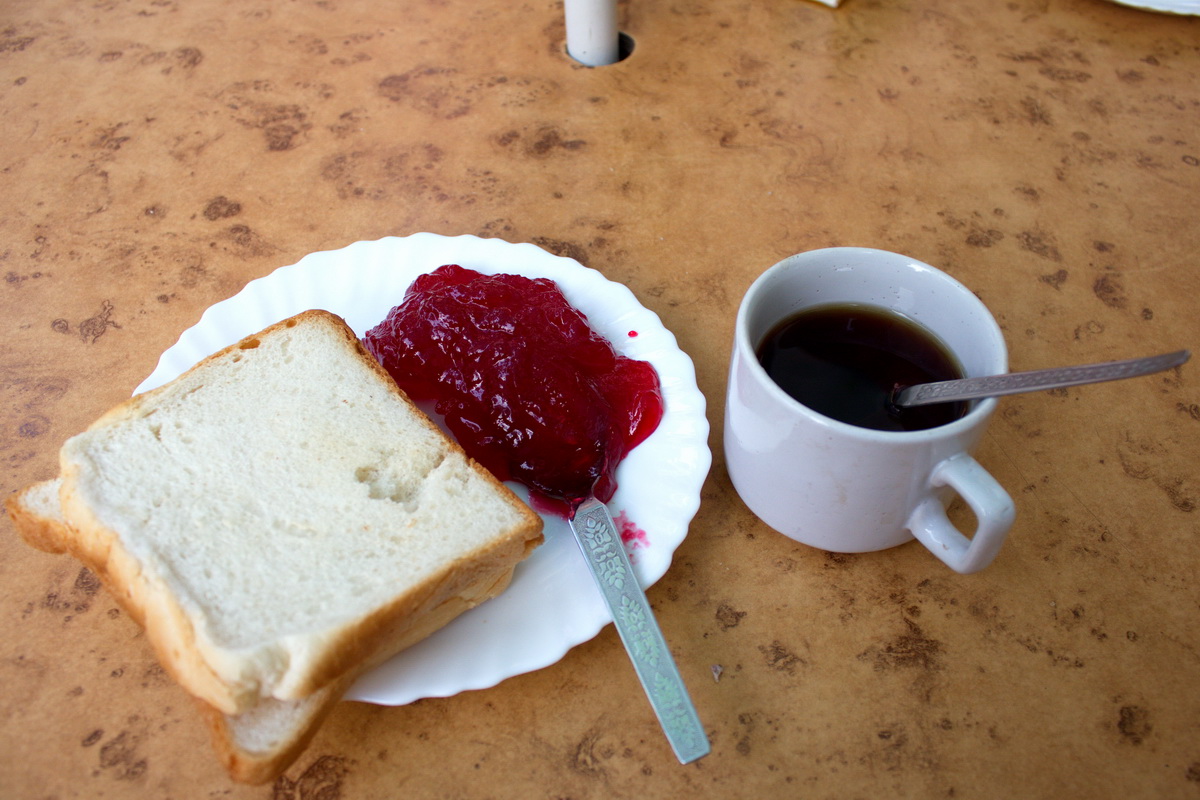
Breakfast at Renton Manor 2** consists of bread with jam and a cup of tea or coffee. In addition to what’s shown in the photo, there are two barely functioning toasters and sugar with ants.
Hotel room.
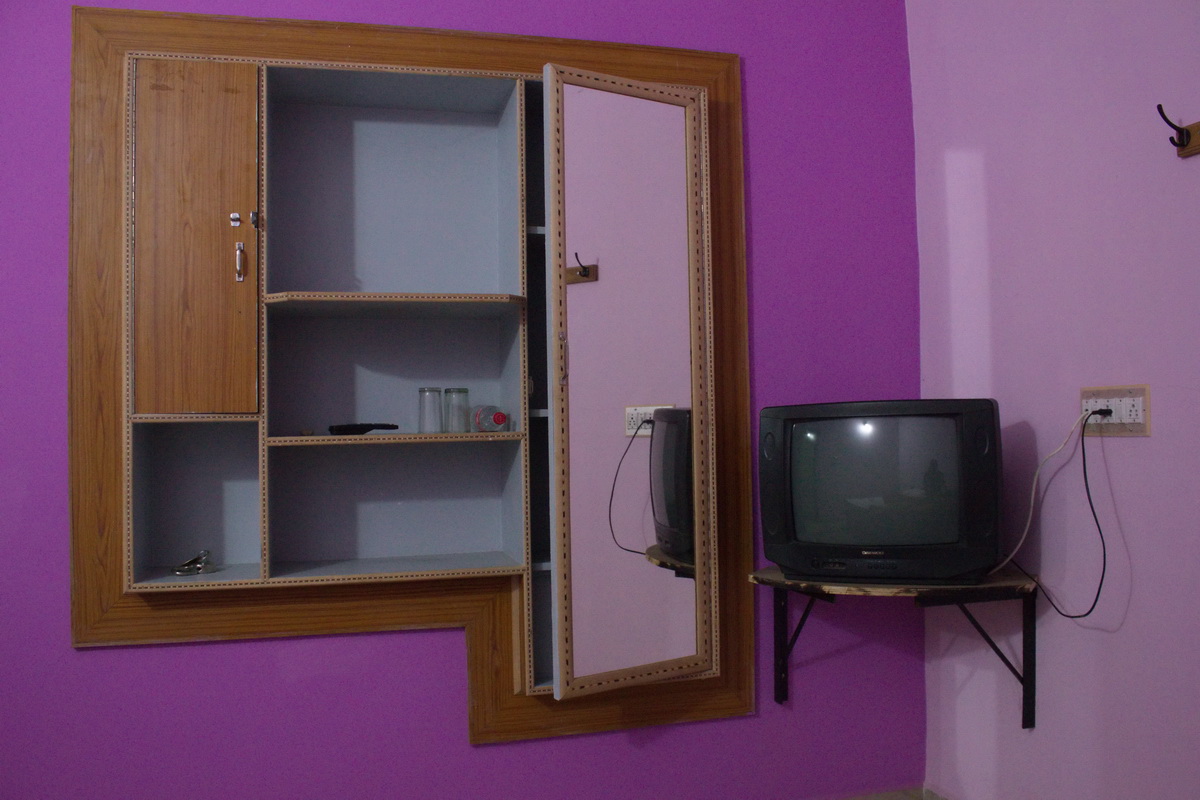
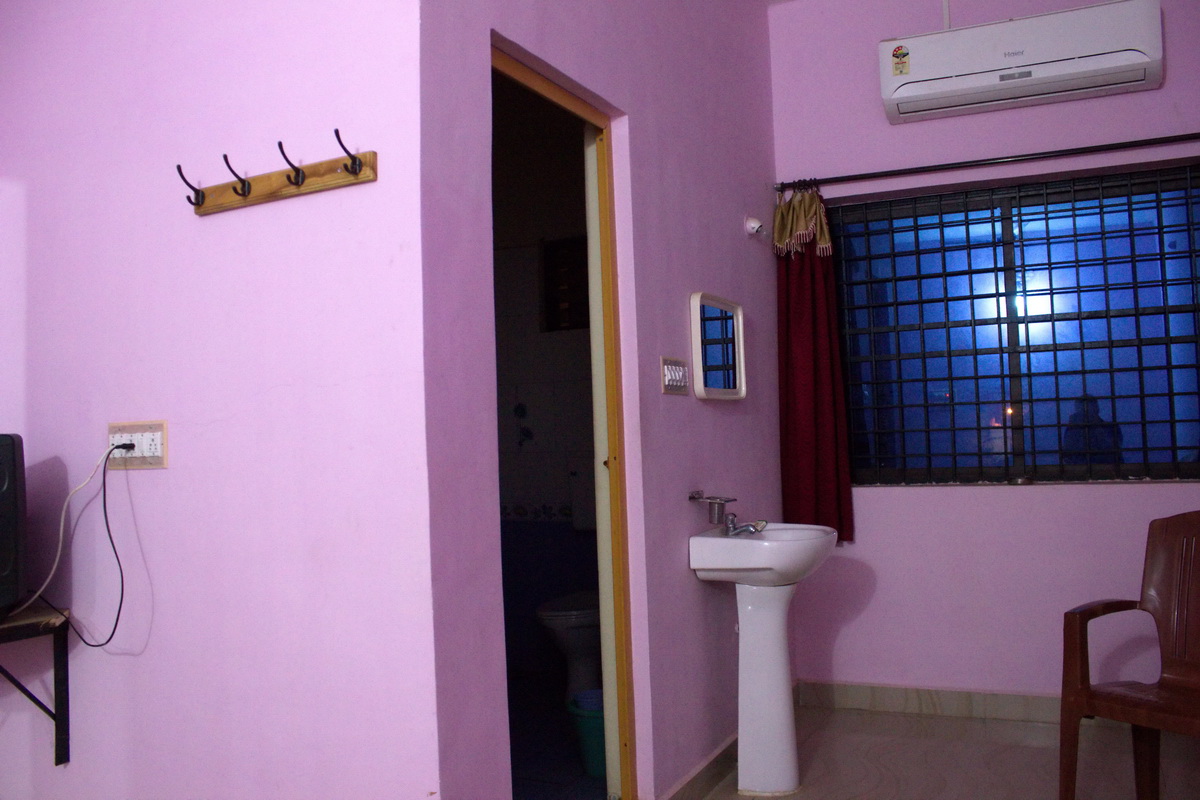
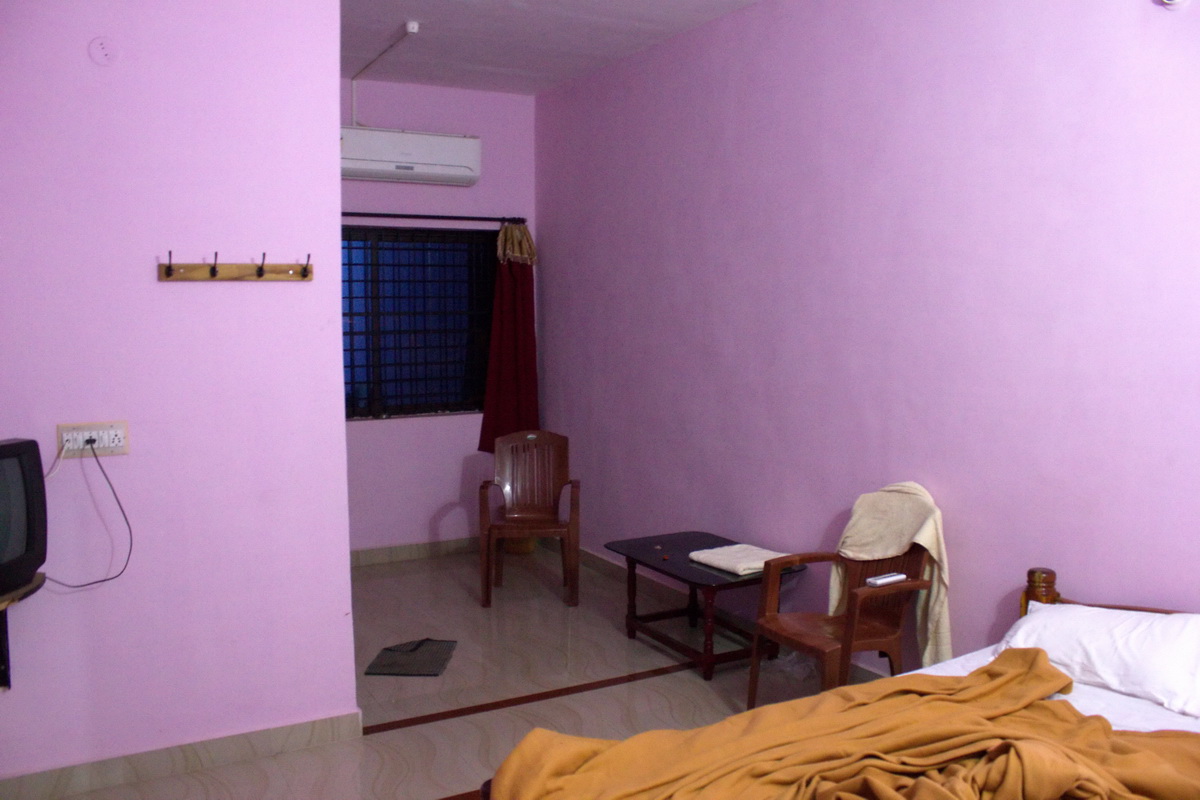
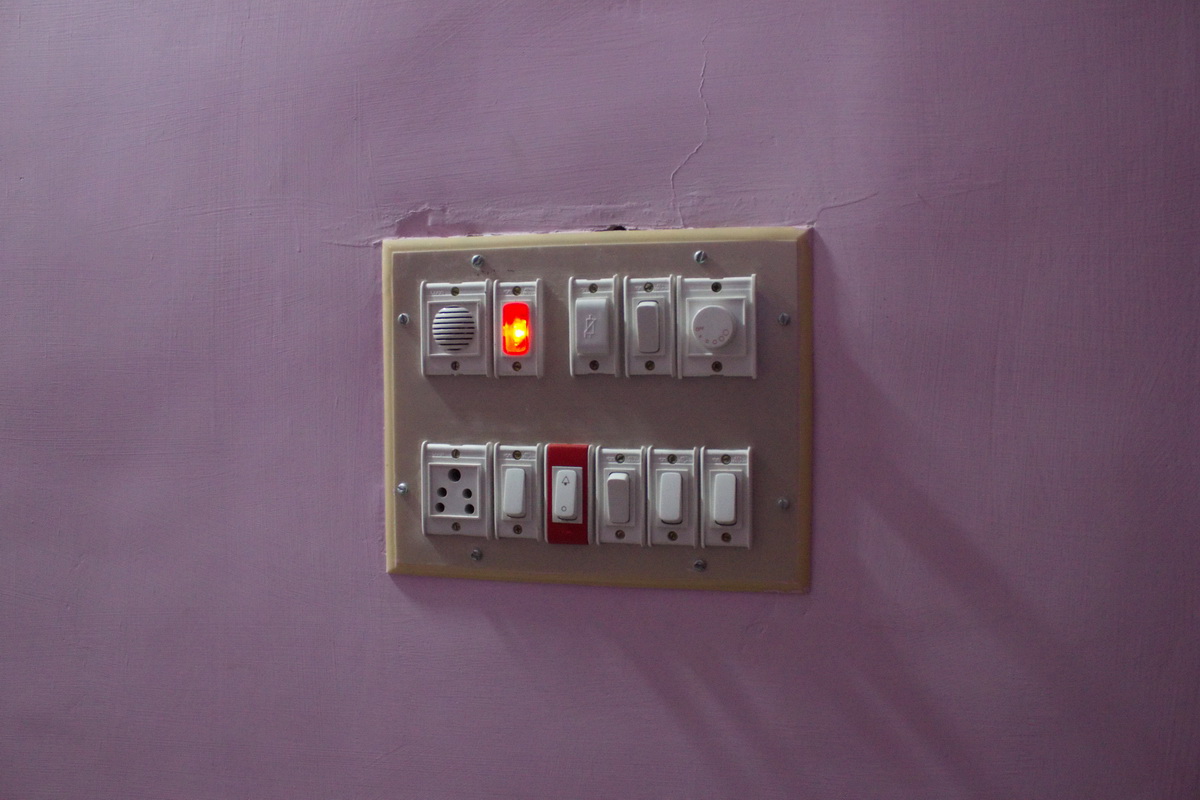
A set of switches. It controls the electricity in the entire room. In addition to light switches, it includes a power outlet, a doorbell, and a ceiling fan speed regulator.
Food
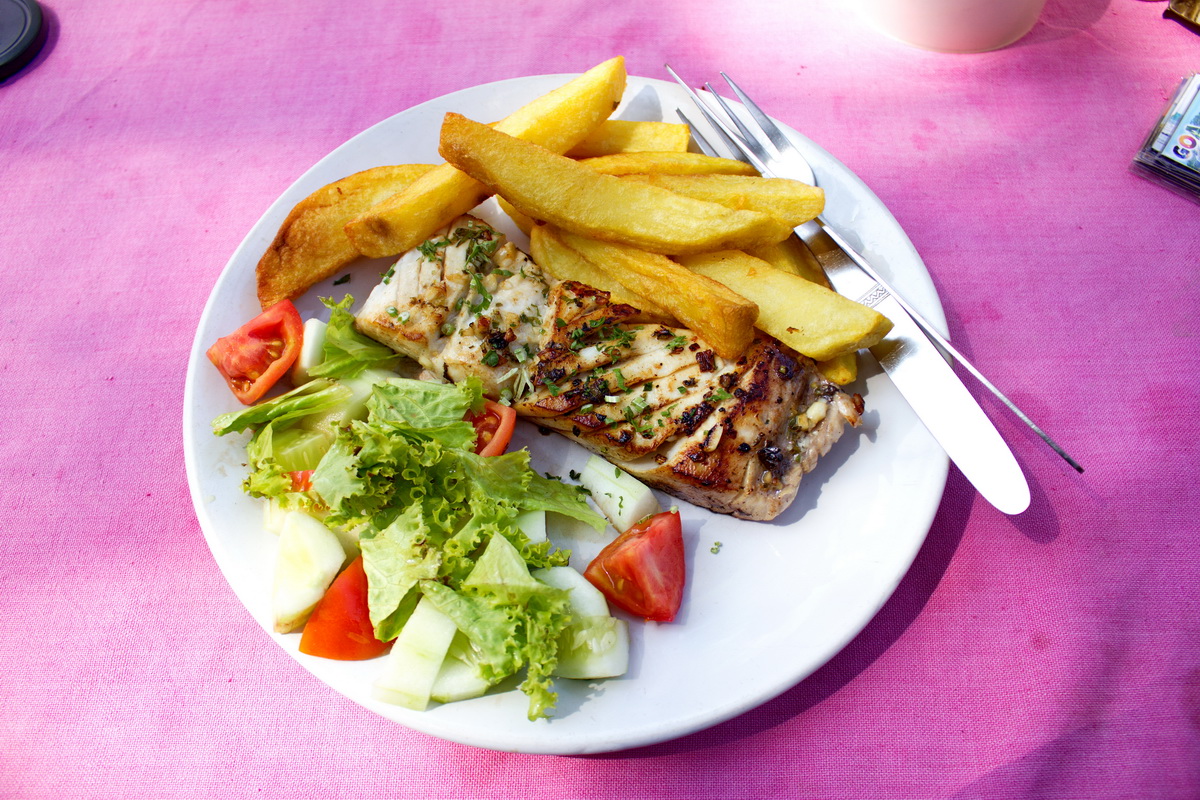
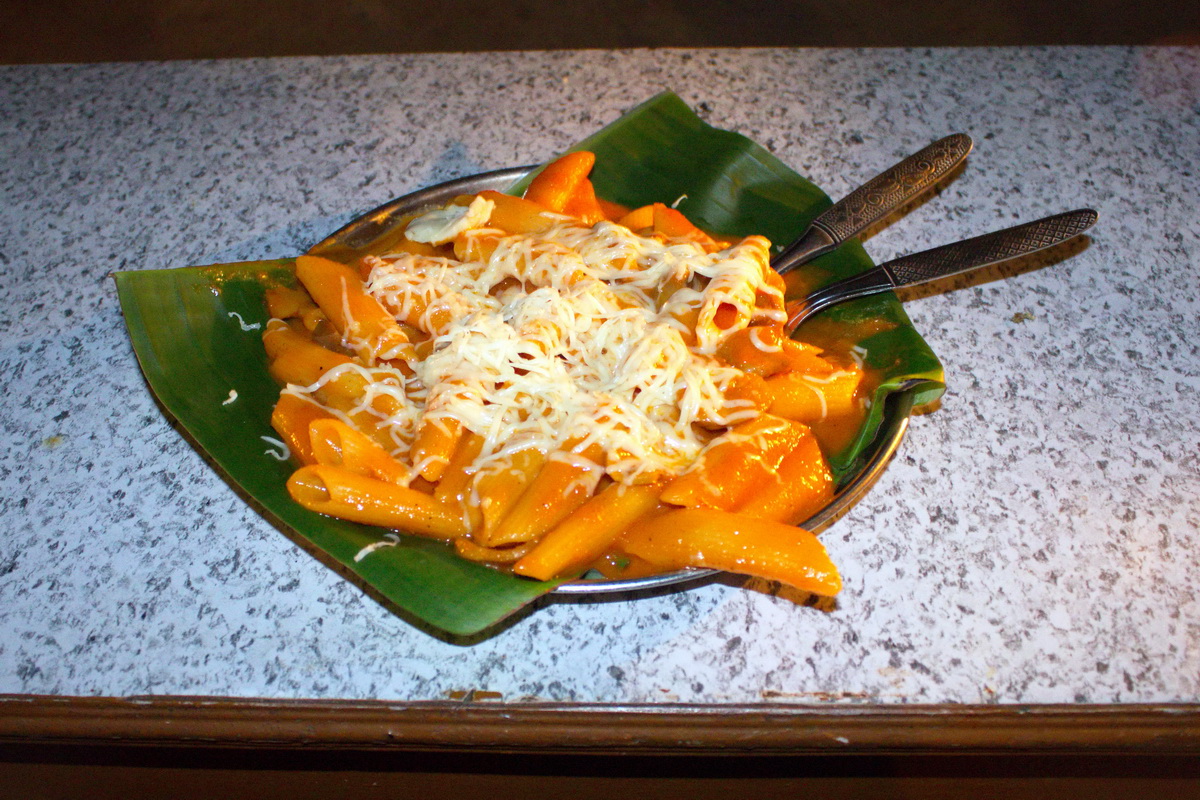
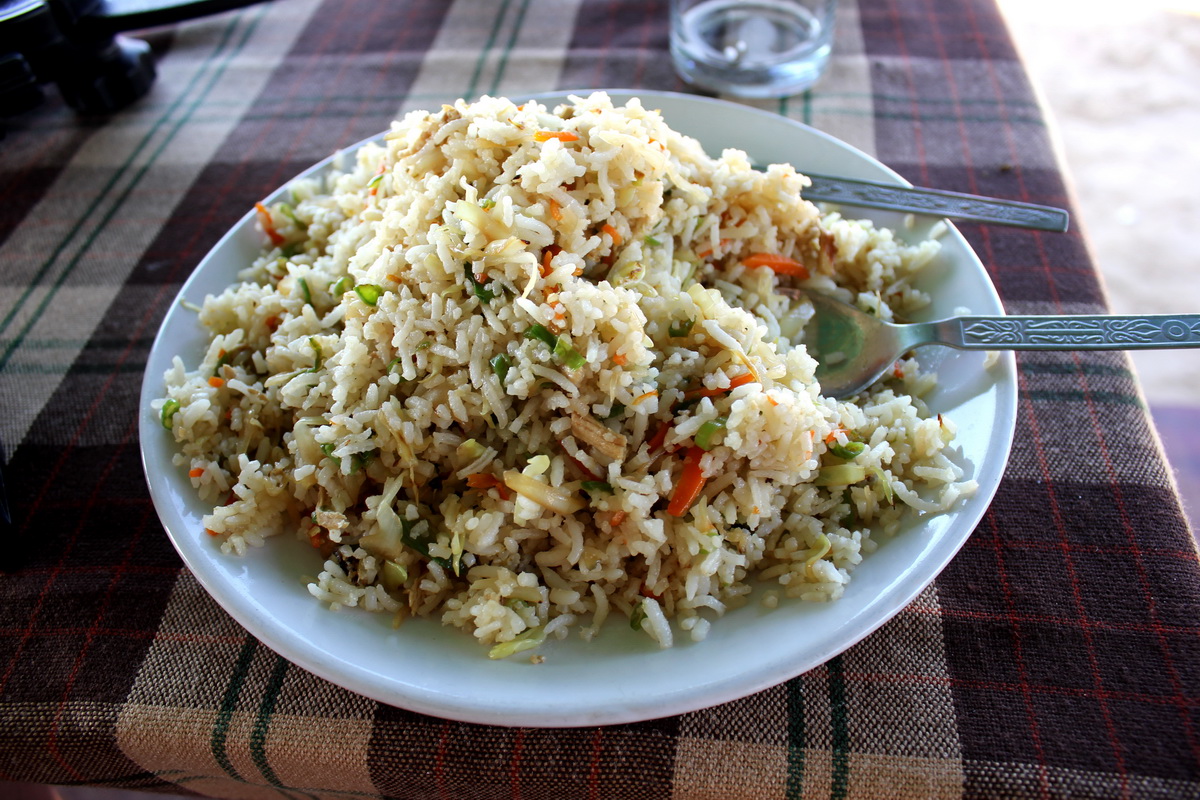
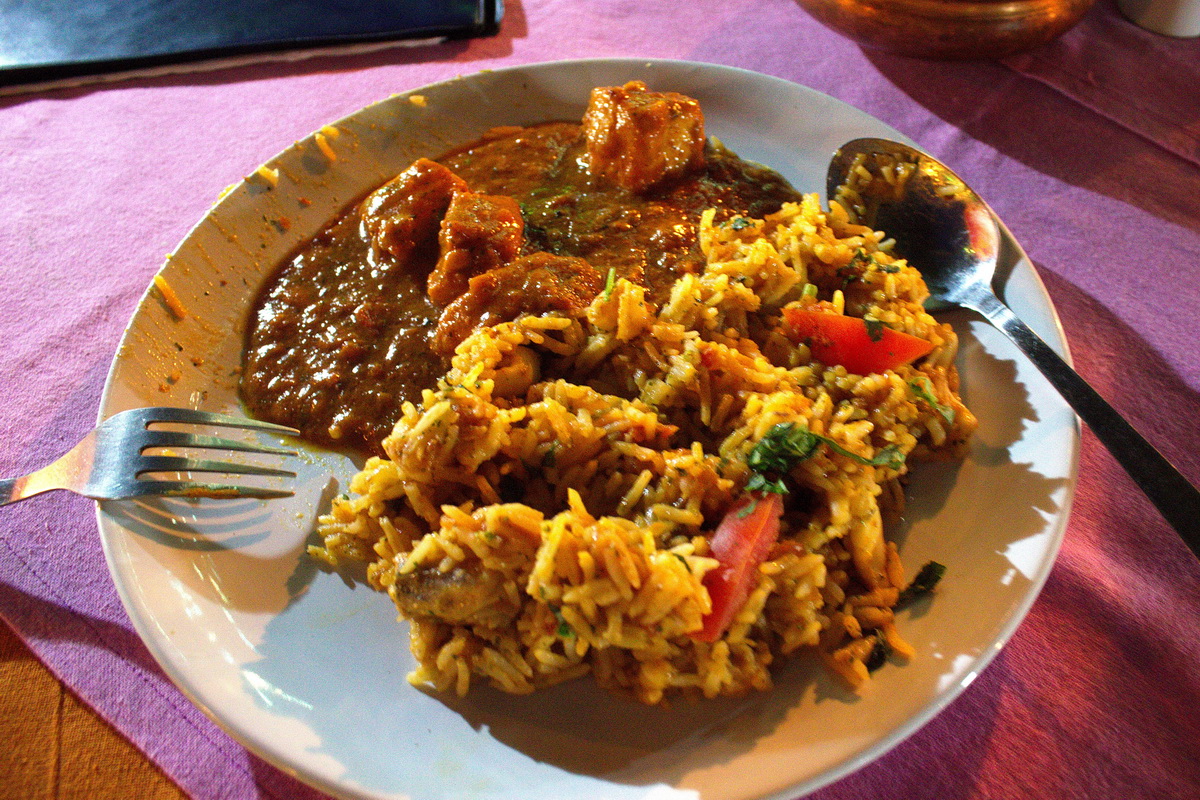
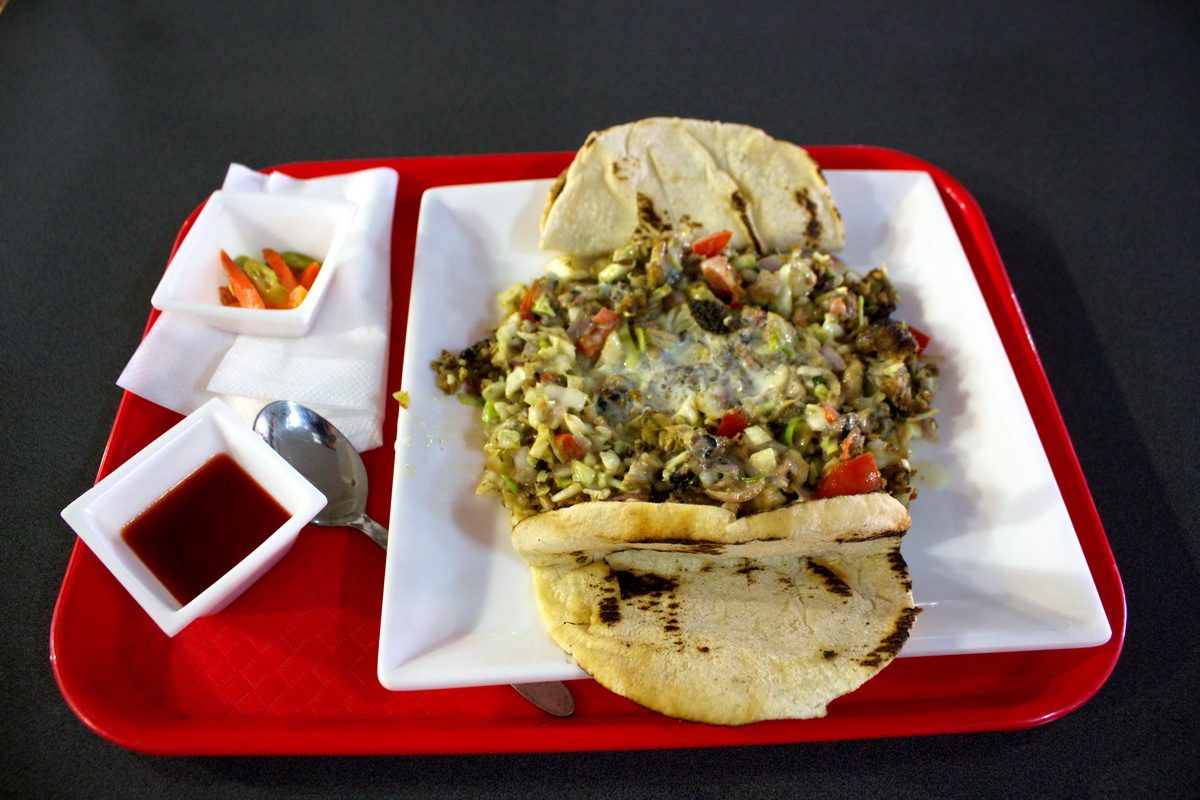
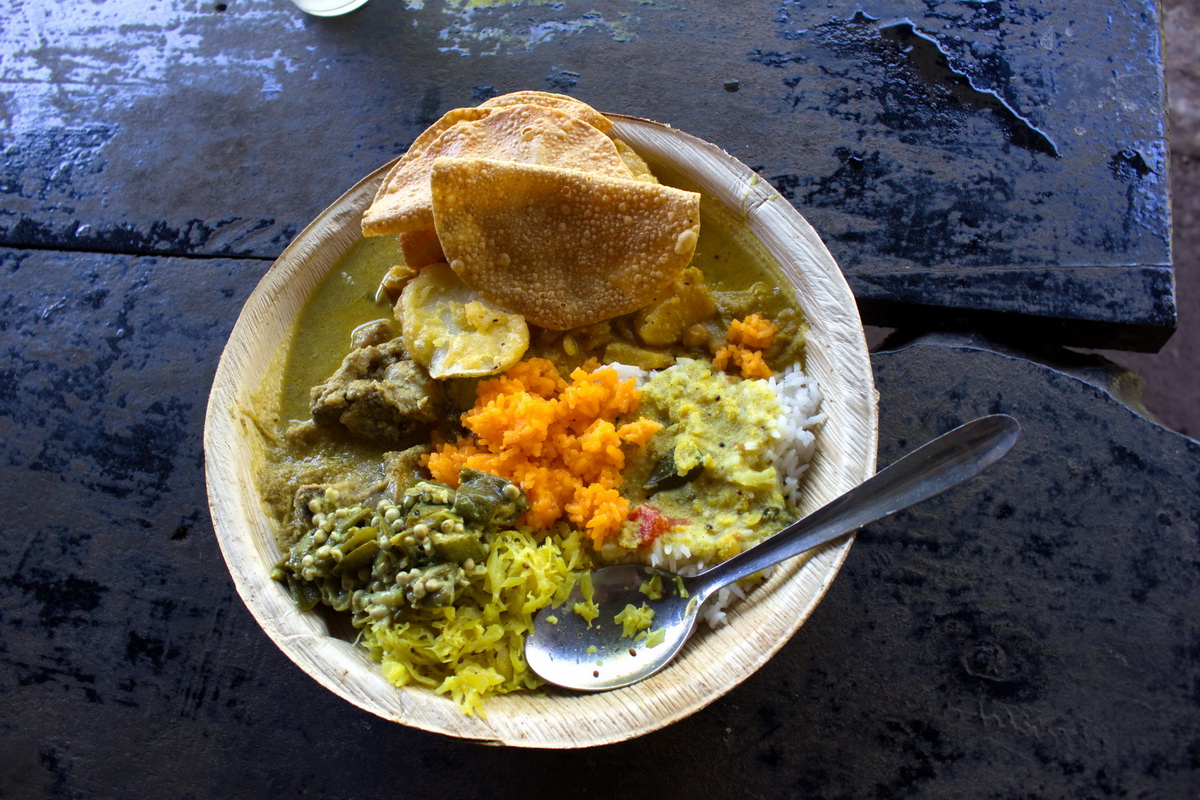
There are no issues with food in India, especially in Goa. You can eat at local cafes and shacks (beach cafes). The food is very tasty and served in large portions, which takes some getting used to at first. Food is generally inexpensive. Prices on the beach are naturally 10-20% higher. The food selection in Goa is quite diverse, while in other parts of India, the selection is usually worse, and not everything is edible. When ordering, you need to specify whether you want spices or prefer non-spicy dishes, as otherwise the food might be too spicy to eat.
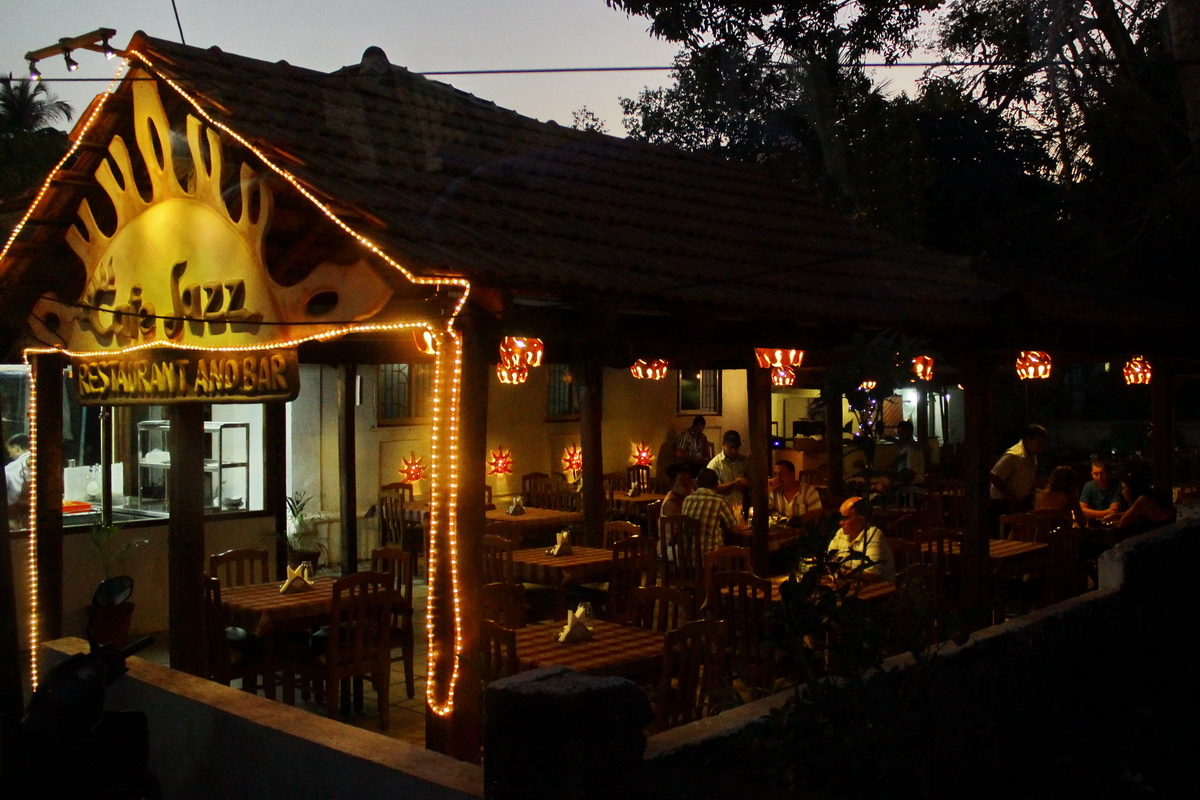
A cafe in Goa. Many cafes offer Wi-Fi.
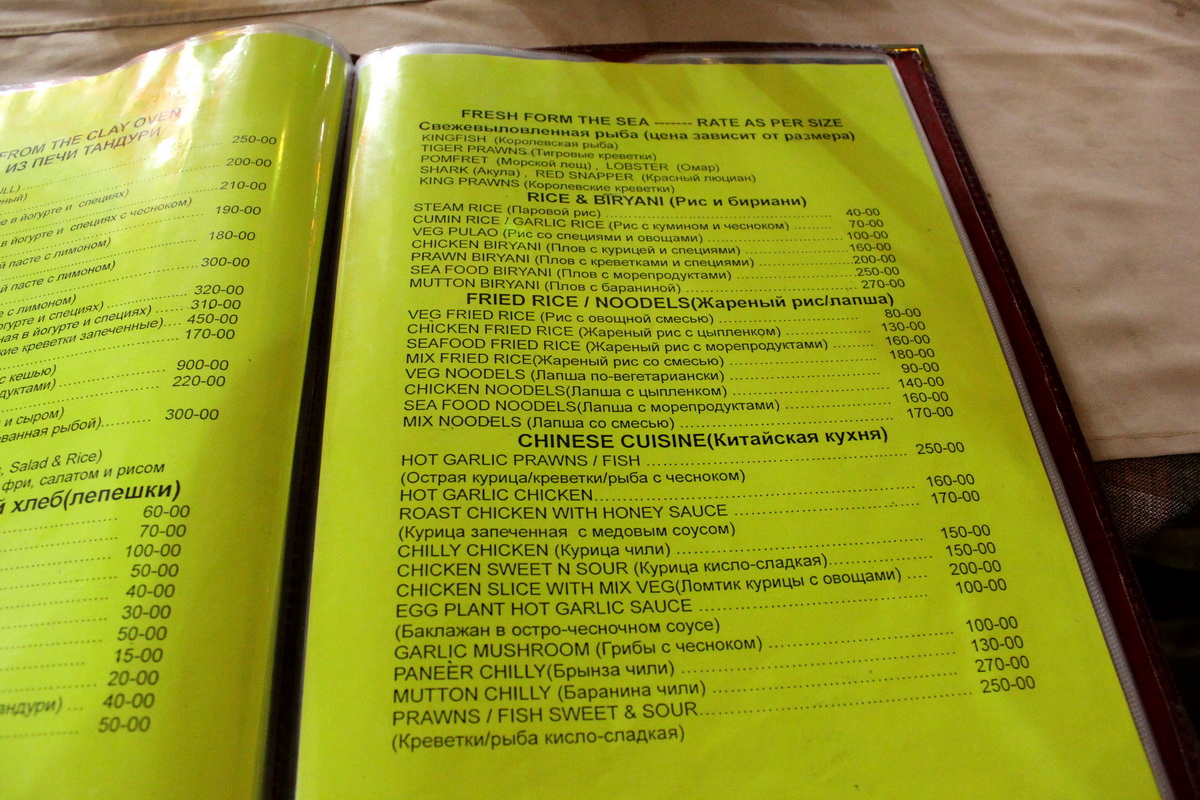
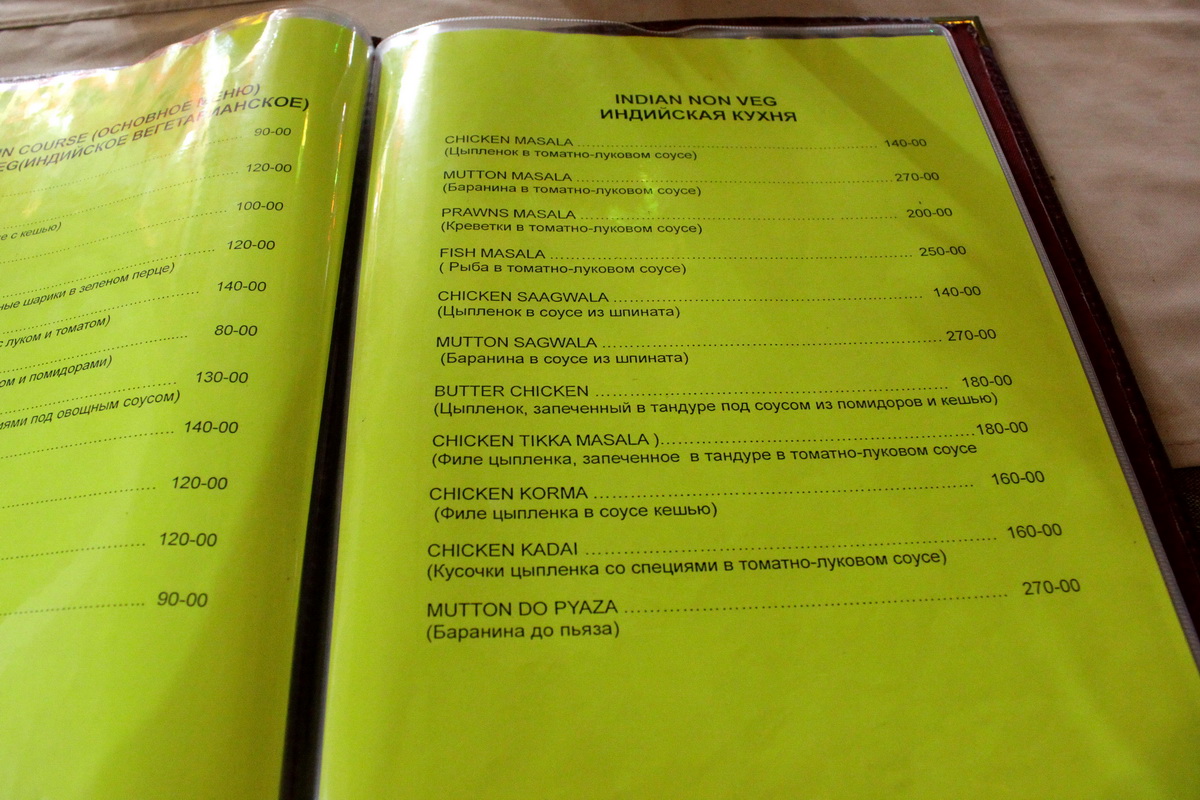
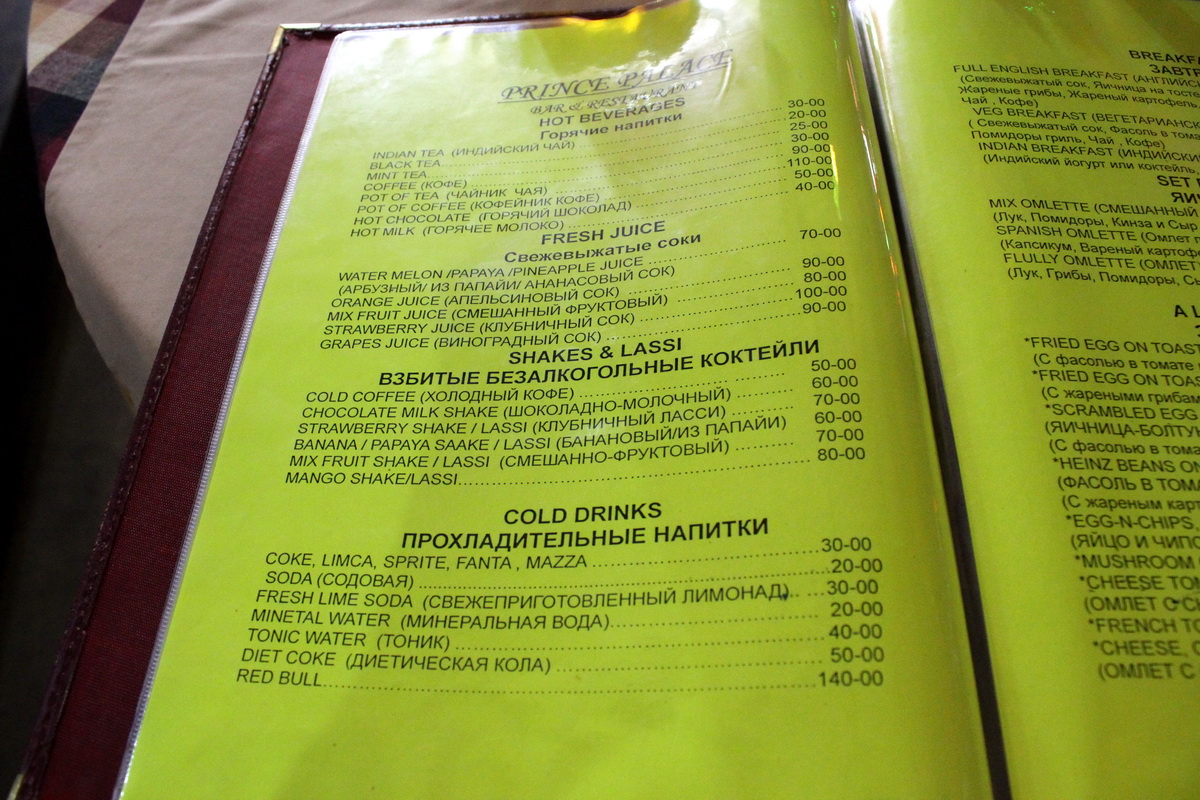
Fragments of a menu from one of the cafes.
Some dishes.
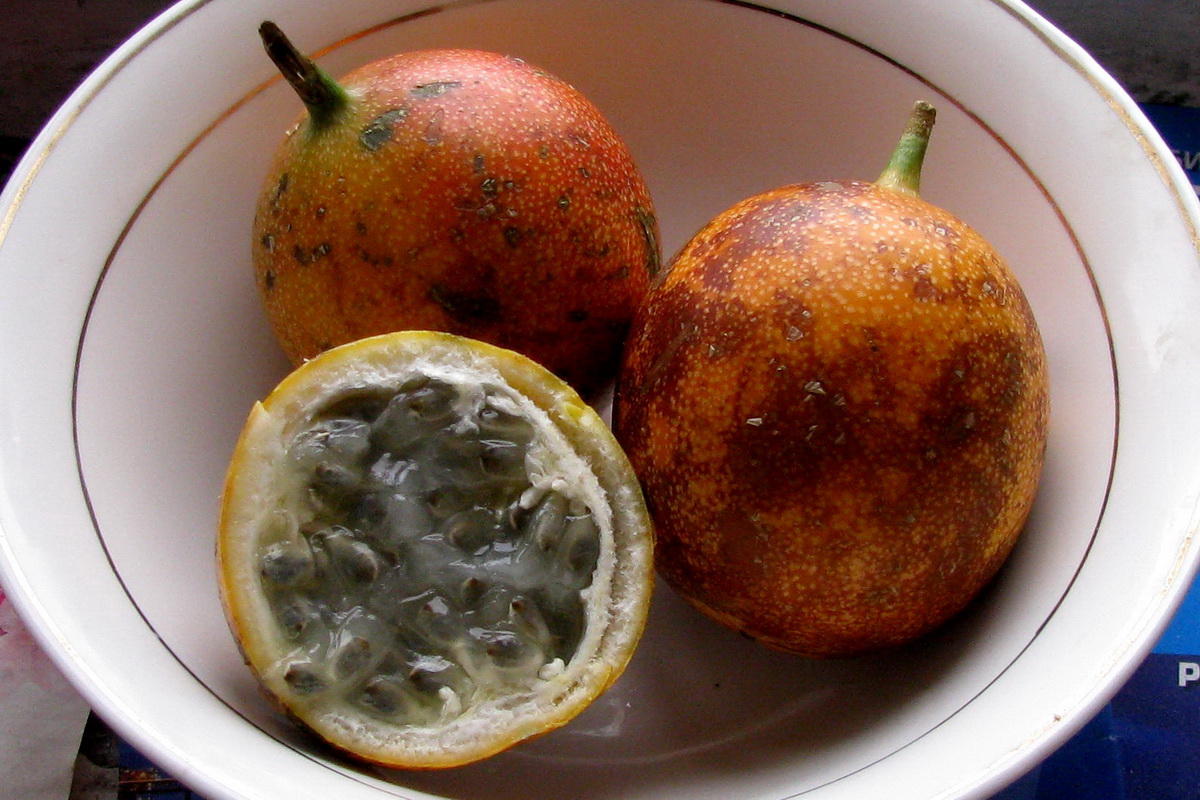
India has plenty of fruits, and they are generally inexpensive. Common fruits include watermelons, melons, strawberries, bananas, pineapples, tangerines, and coconuts. Exotic options include mango, papaya, guava, passion fruit, and custard apple. Passion fruit is particularly interesting—a small fruit the size of a lemon, with edible pulp inside that has a unique flavor and crunchy seeds.
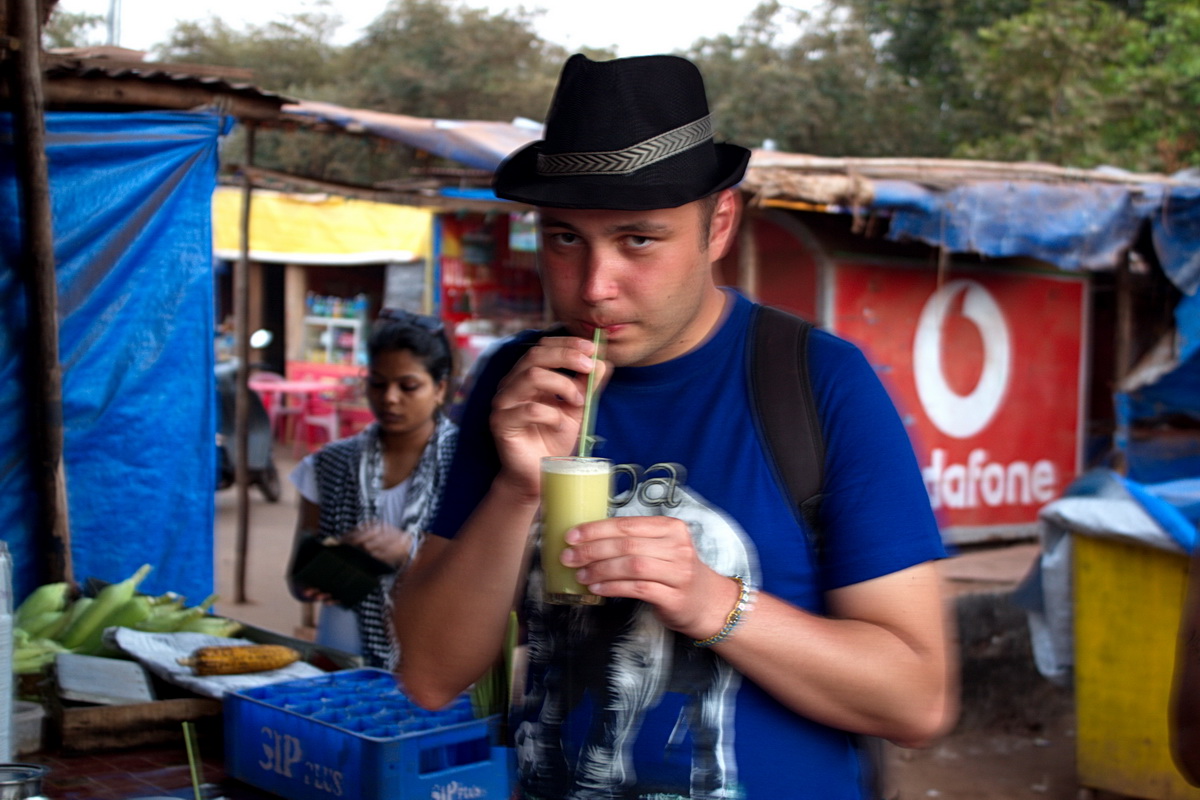
Freshly squeezed juices are quite cheap. The sugarcane juice with a dash of lime juice for acidity is particularly noteworthy. It costs 20 rupees.
Read more: Part II. Goa State.